







Colours of the deep sea: Observations by
Bella Iannotta, participant scientist
onboard E/V Nautilus

Participant expedition
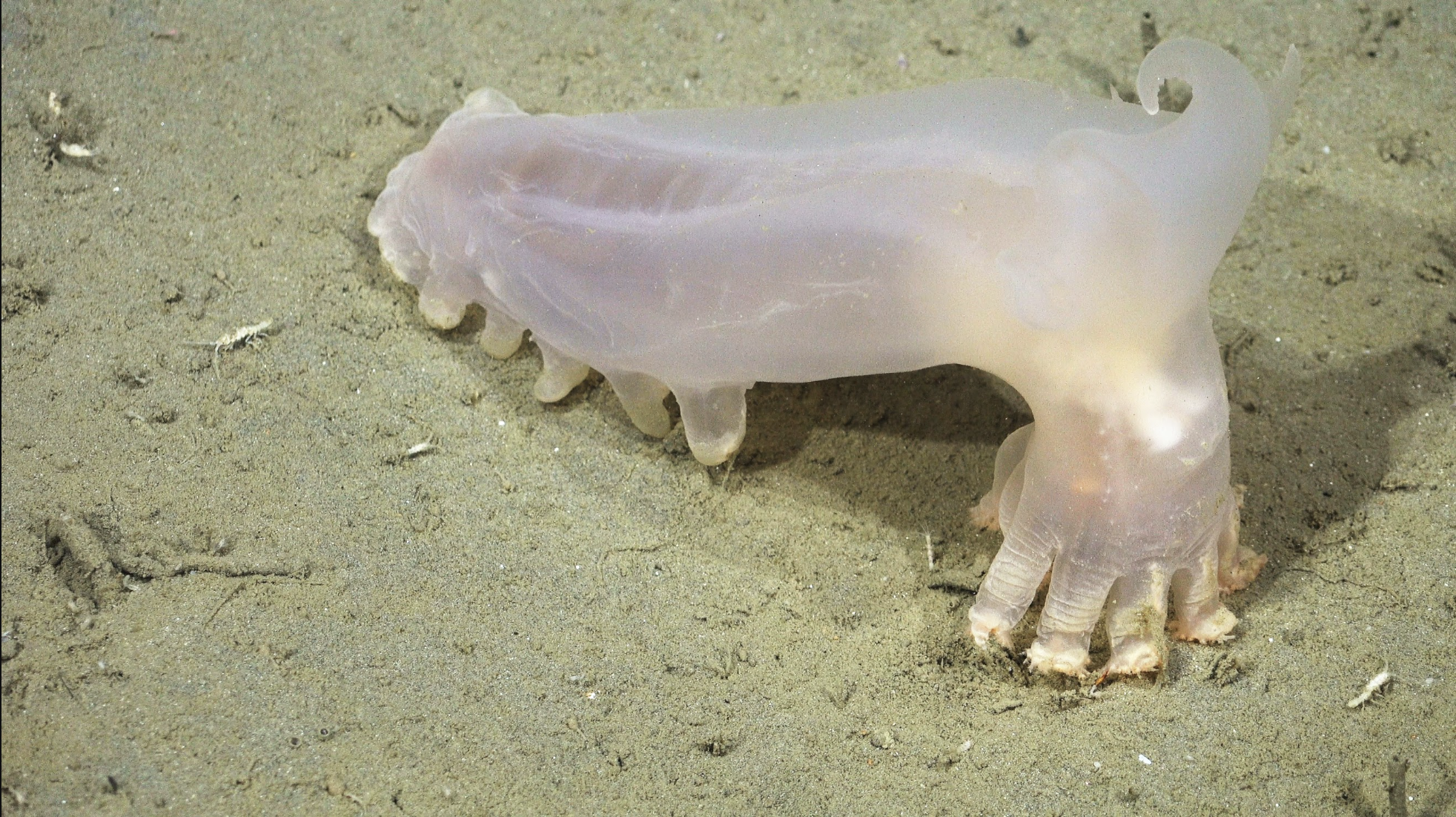
The deep sea is often imagined as a dark, colourless world. Yet, look closer and its inhabitants reveal a surprising diversity of colours, patterns and adaptations.
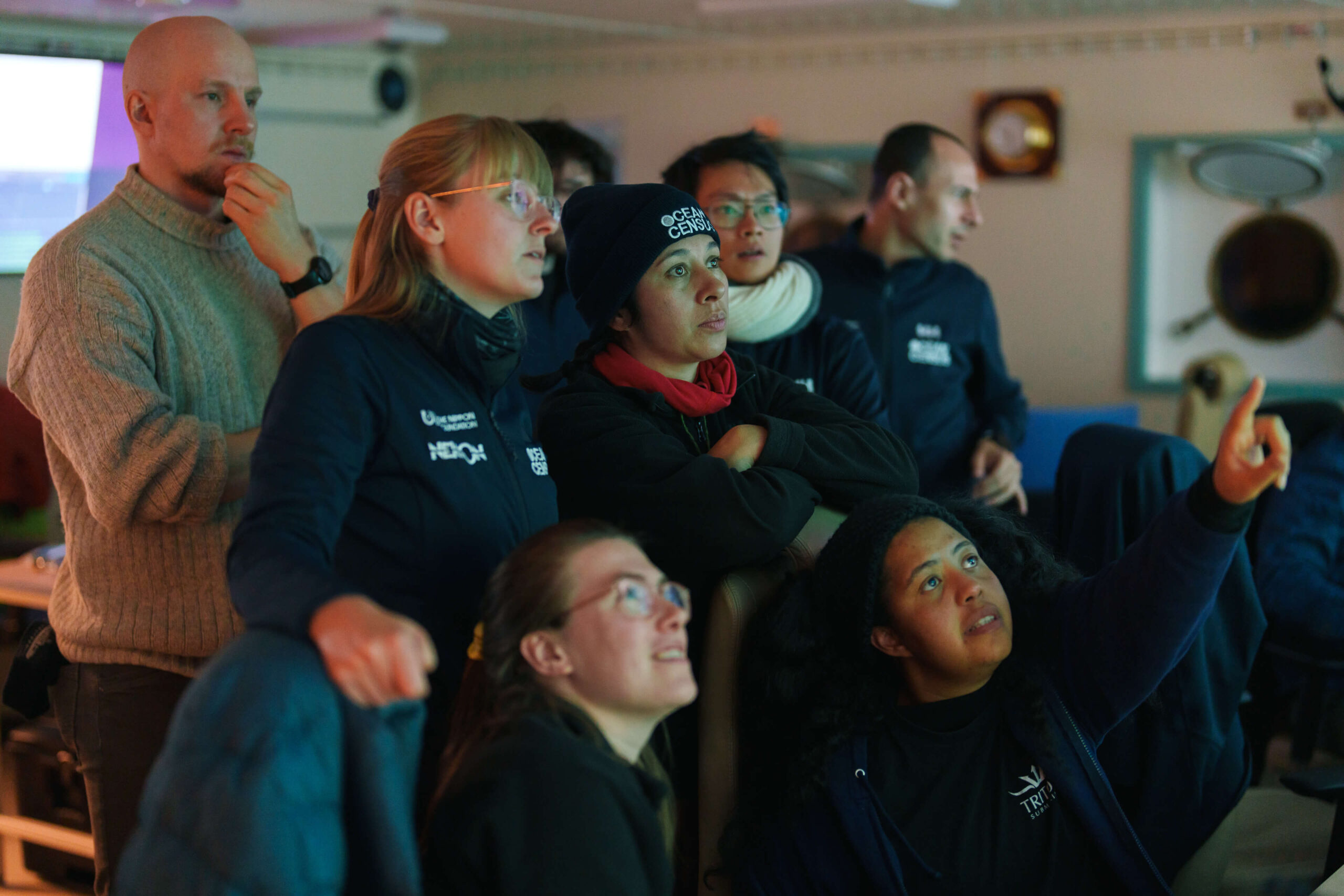
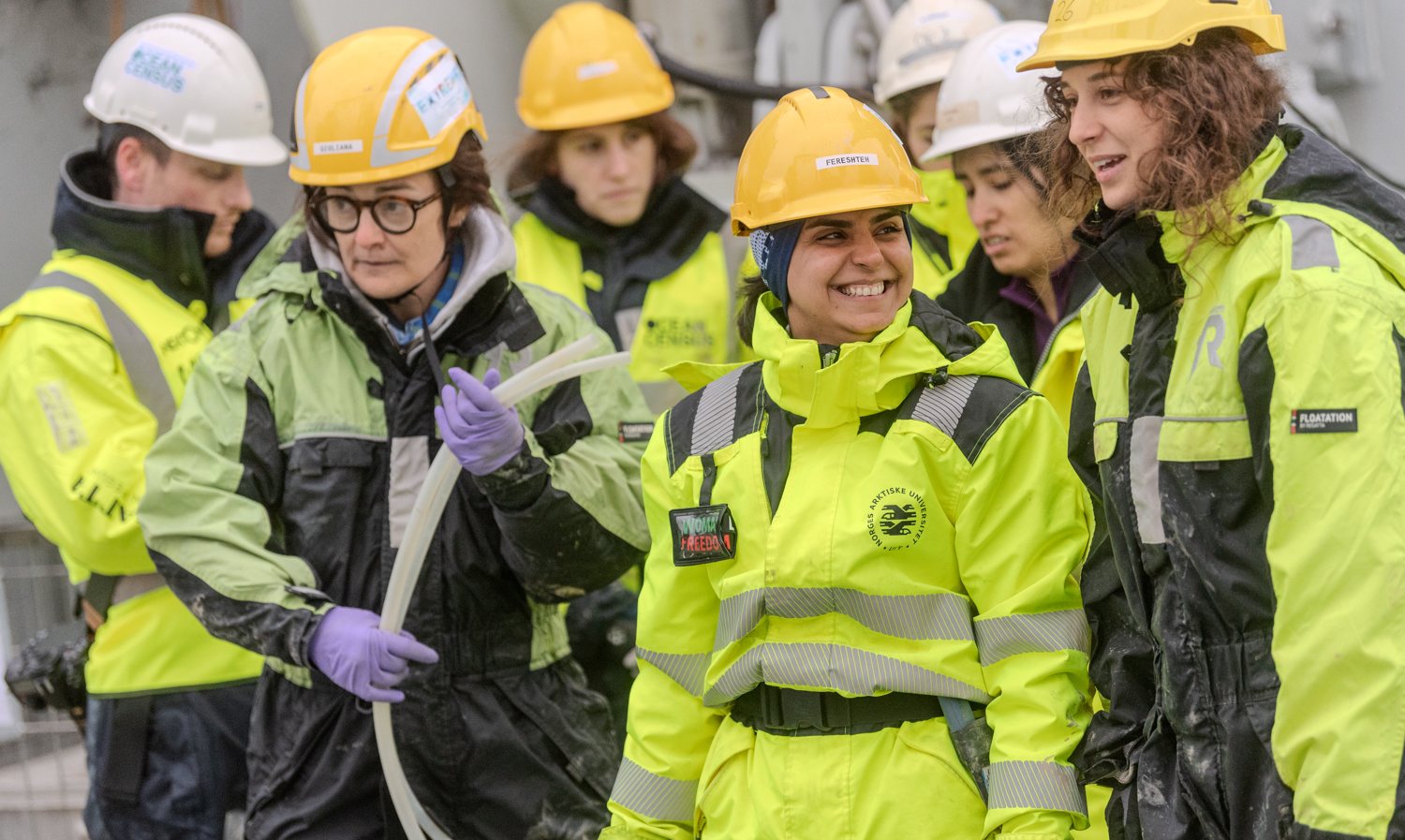
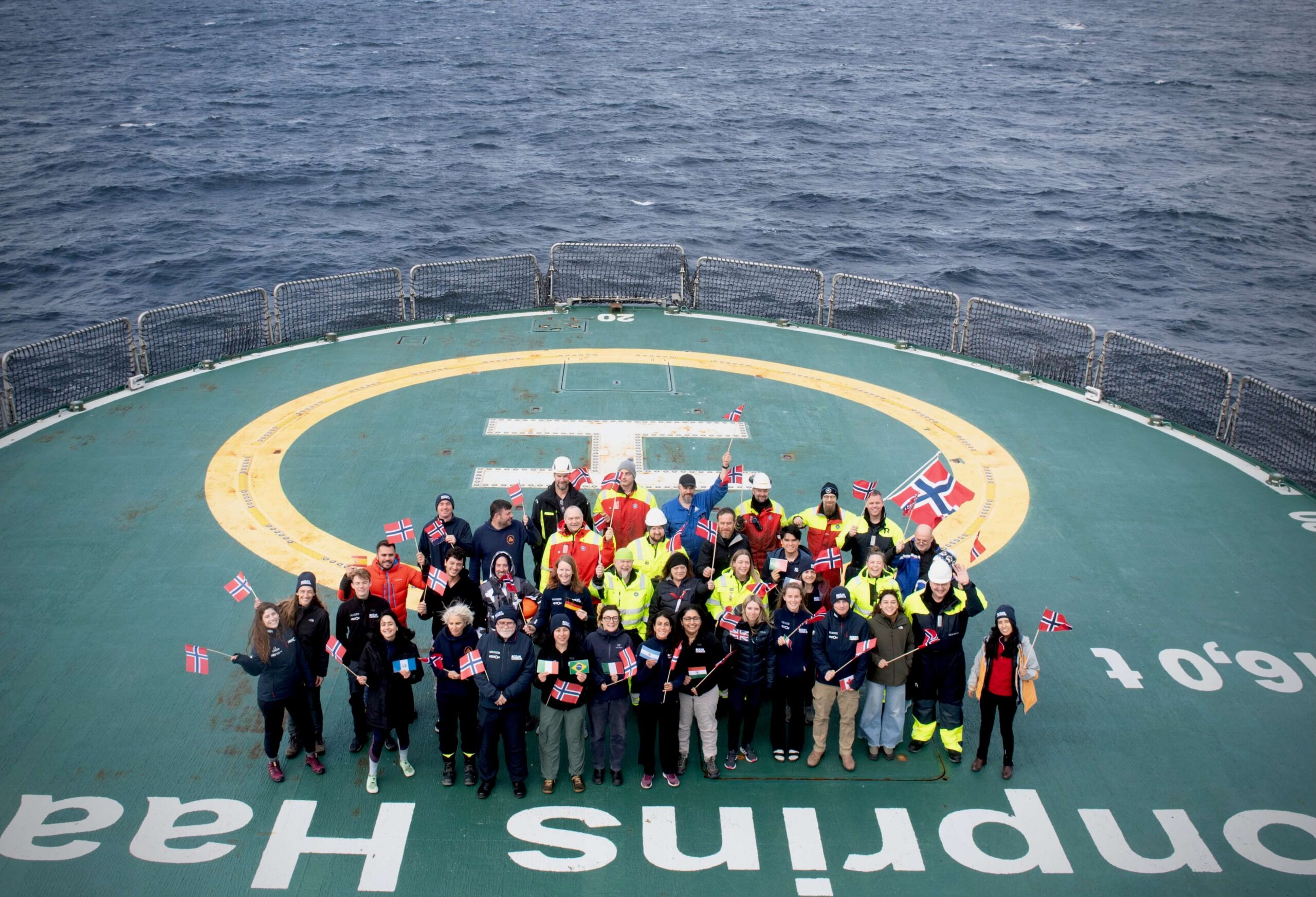
From the 22nd September to 12th October 2026, an Ocean Census participant scientist joined the Ocean Exploration Trust (OET) aboard the E/V Nautilus for an expedition to explore little-known areas of the Hawaiian Archipelago. Using remotely operated vehicles (ROVs) and advanced mapping technology, the team surveyed previously unexplored seamounts, ridges and deep-sea habitats, documenting the remarkable life found there.
Through participant expeditions, Ocean Census gives scientists from its global science network the opportunity to join expeditions led by partner organisations. Bella Iannotta Vignette, a graduate student at the University of South Florida’s College of Marine Science, whose research focuses on abyssal ecosystems and the processes shaping these little-explored environments, joined the OET expedition.
In the following piece, Bella shares her observations on colour in the deep sea, exploring what these visual details can reveal about the extraordinary life inhabiting the ocean’s darkest environments.
Written by: Bella Iannotta Vignette
Featured image credit: Ocean Exploration Trust
Seeing life in the dark
During NA182, exploring the deep waters within and near the Hawaiian Archipelago, the team on board E/V Nautilus explored abyssal environments (4,000 – 5,600 m depth) south of the main Hawaiian Islands. The second half of the expedition explored the mesopelagic environments (~ 250 – 600 m depth) of Papahānaumokuākea National Marine Sanctuary, the northwest Hawaiian Islands and seamounts.
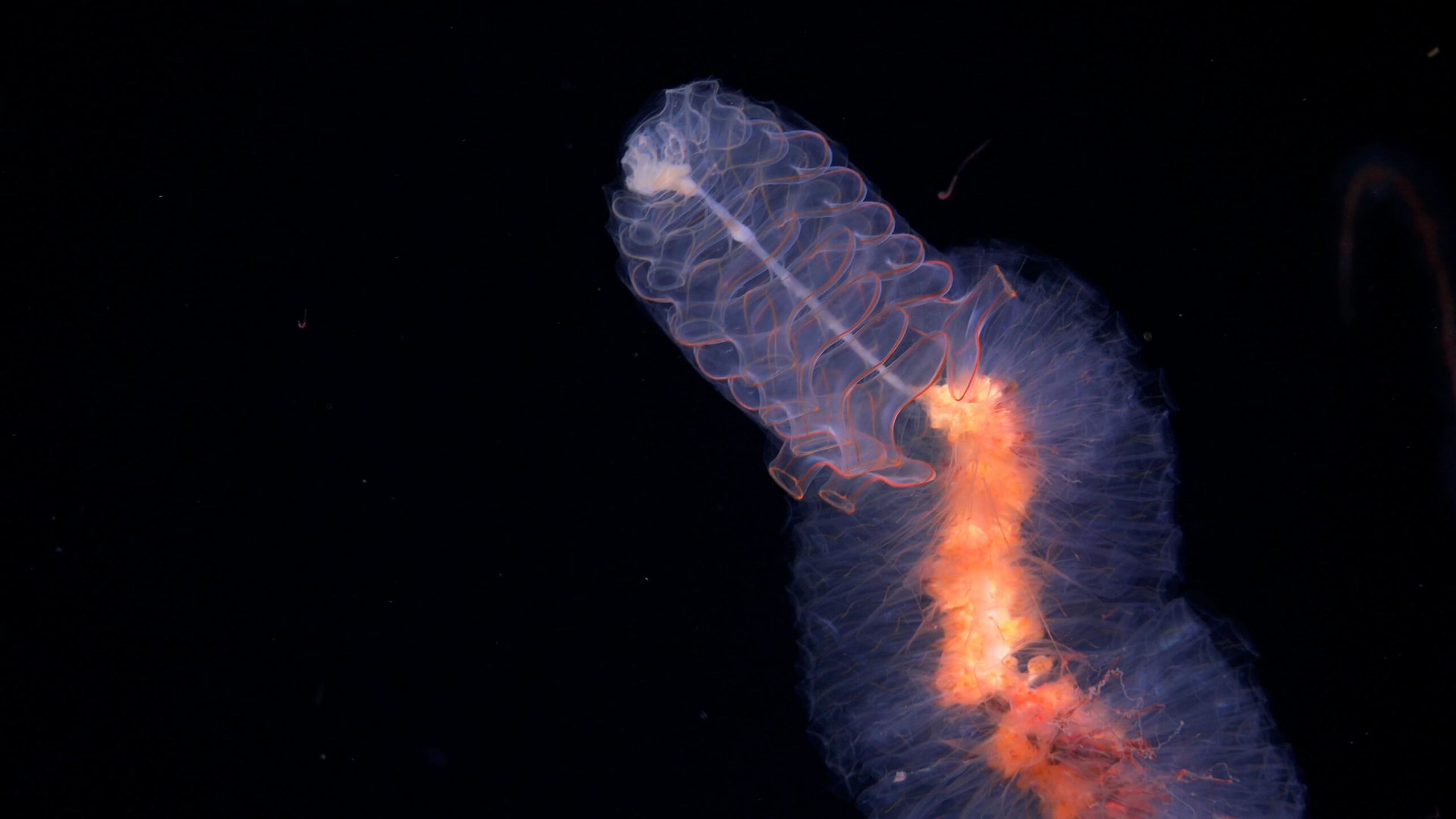
The colors of the organisms in both of these environments were dramatically different. We spotted many organisms that were white, pink, purple, translucent, and transparent at abyssal depths. During our mesopelagic (twilight zone) dives, we spotted organisms of all colors, many were orange and red. The evolutionary reasoning behind these trends is that no light reaches abyssal depths, rendering pigmentation to hide from predators unnecessary.
On the contrary, the mesopelagic zone still experiences some light input, therefore, many organisms have still evolved pigmentation to help them hide from predators. In the visible light spectrum, red has the longest wavelength and is therefore absorbed first with decreasing light availability, resulting in a lack of visible color and better camouflage against the dark ocean in the mesopelagic zone. This is the reason we saw many red and orange organisms on our mesopelagic dives. Blue wavelengths are absorbed last, hence the reason we see the ocean as blue.
Many thanks to Meagan Putts for identifying the vast majority of organisms spotted live during ROV dives.
Freyella sp. sea star on a beaked whale skull during an abyssal dive in the Kamehameha basin during NA182.
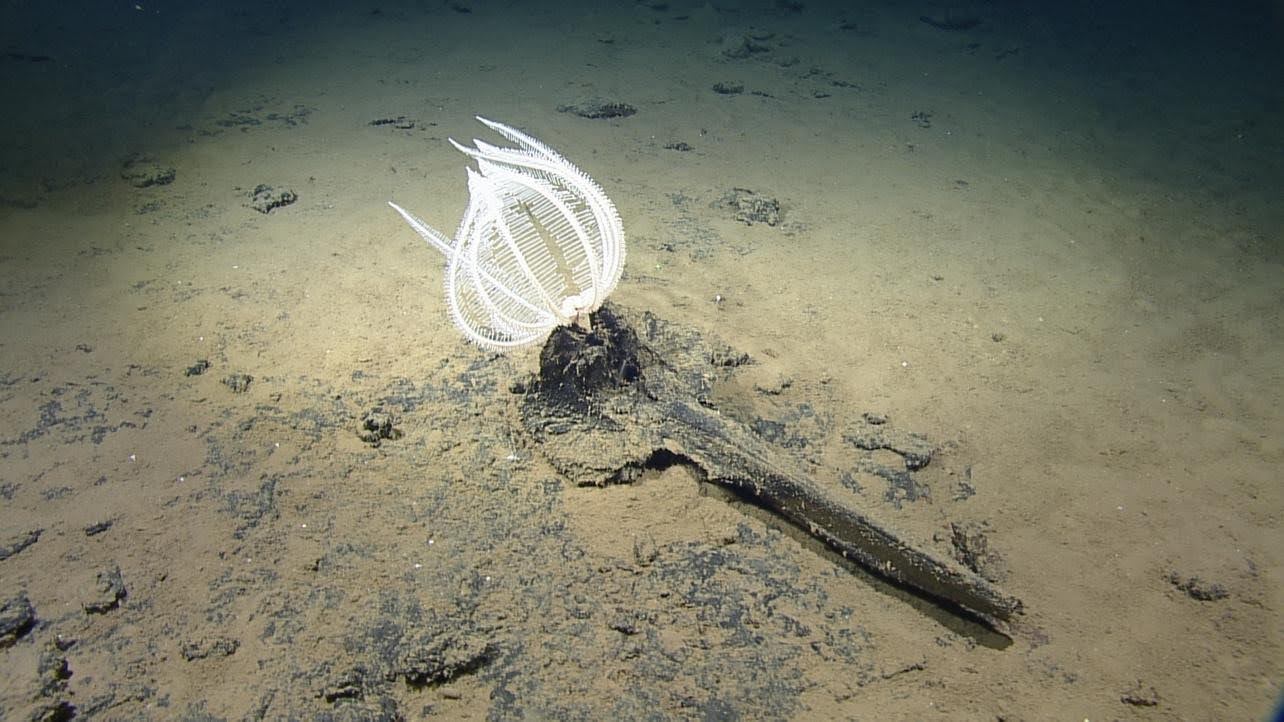
Image credit: Ocean Exploration Trust, E/V Nautilus
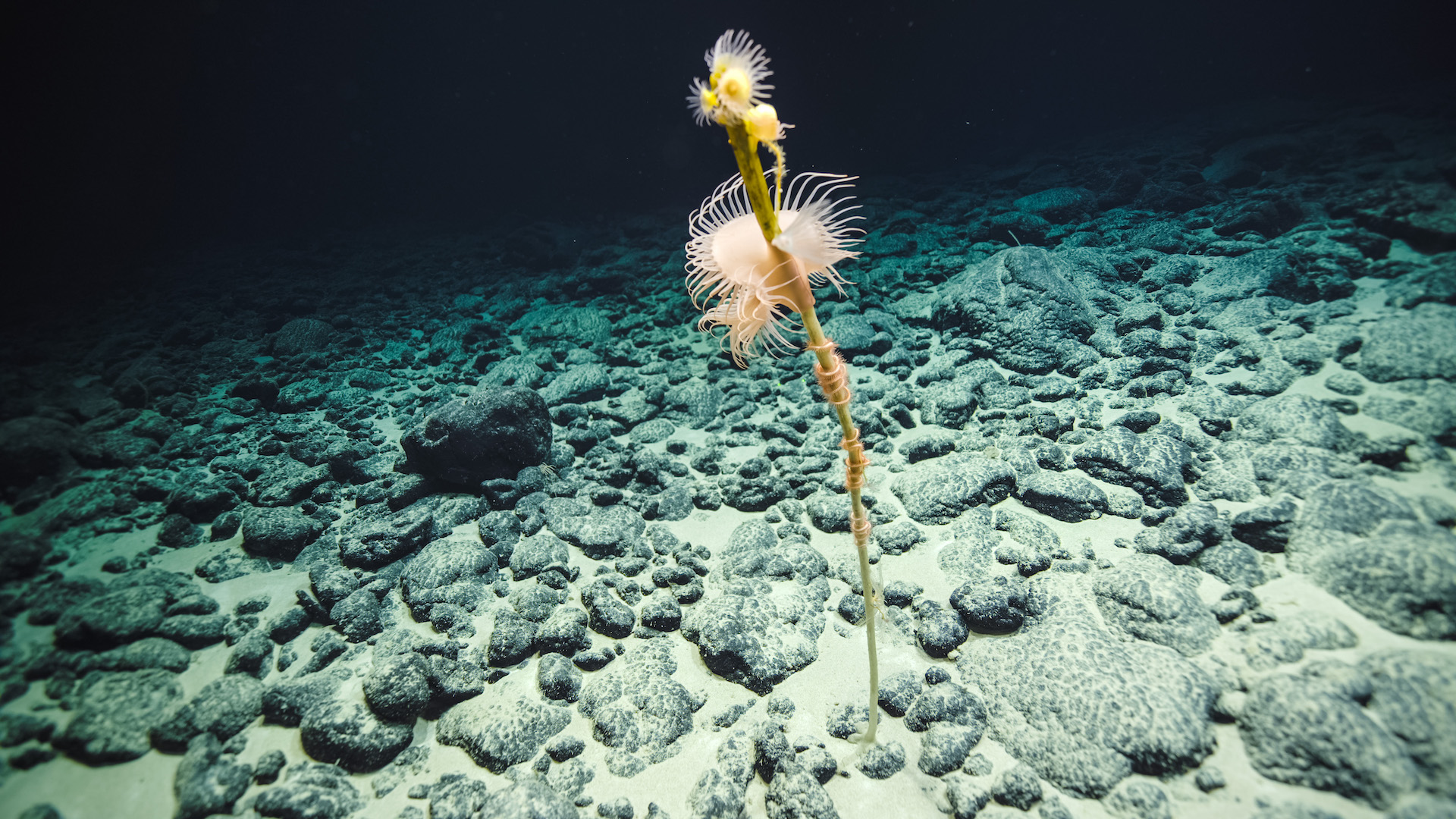
Chondrocladia sp. carnivorous sponge with associate ophiuroids (brittle stars) in an abyssal polymetallic nodule field in the Kamehameha basin during NA182.
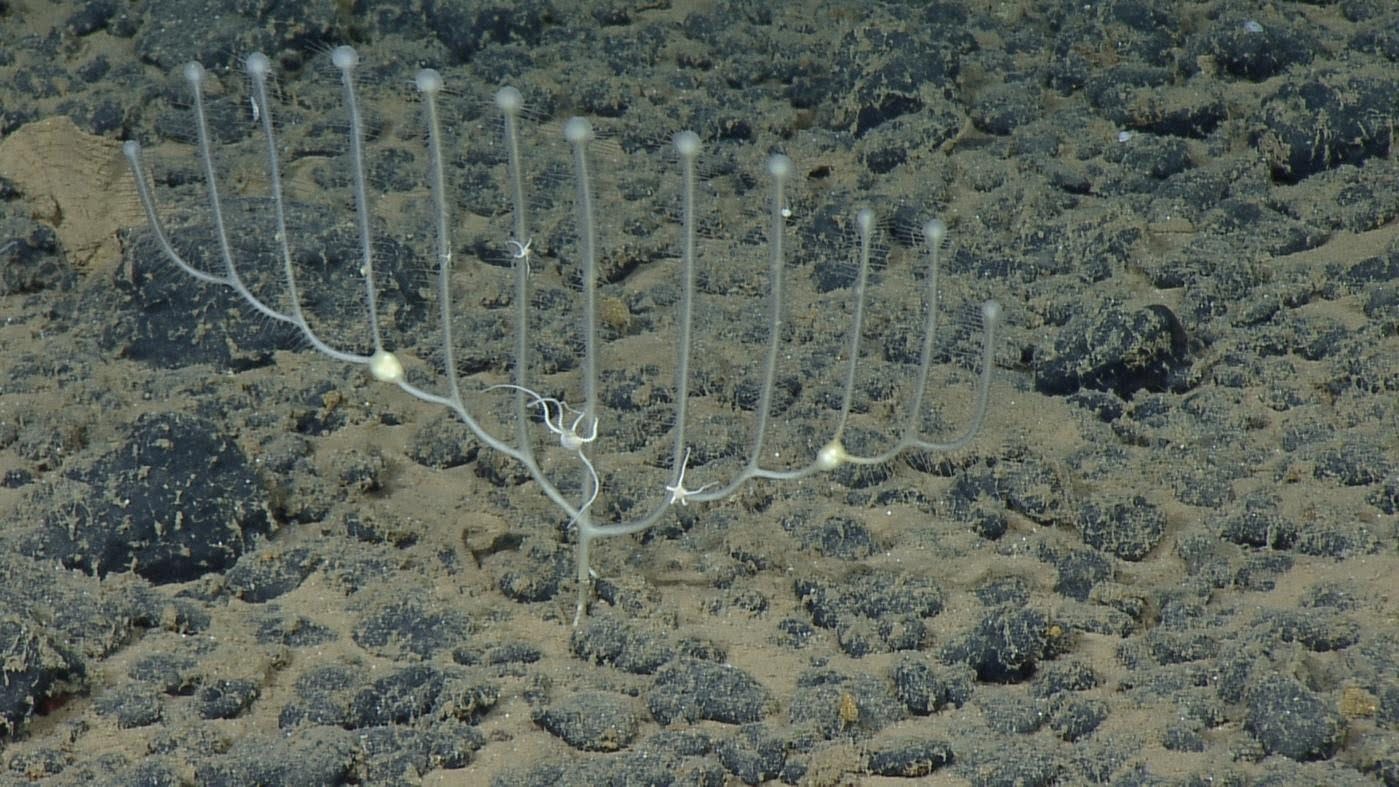
Image credit: Ocean Exploration Trust, E/V Nautilus
Munidopisis sp. squat lobster in an abyssal polymetallic nodule field south of the main Hawaiian islands during NA182.
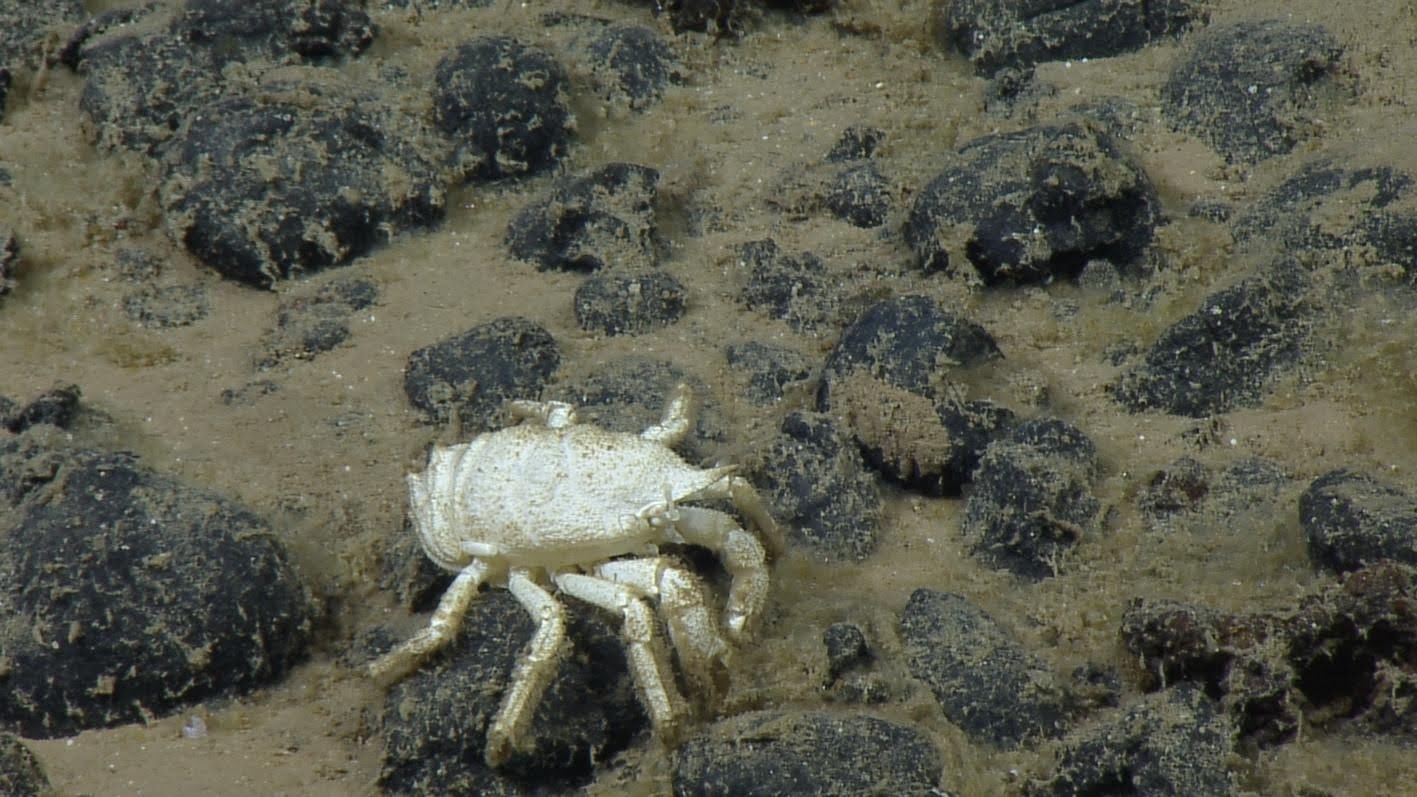
Image credit: Ocean Exploration Trust, E/V Nautilus
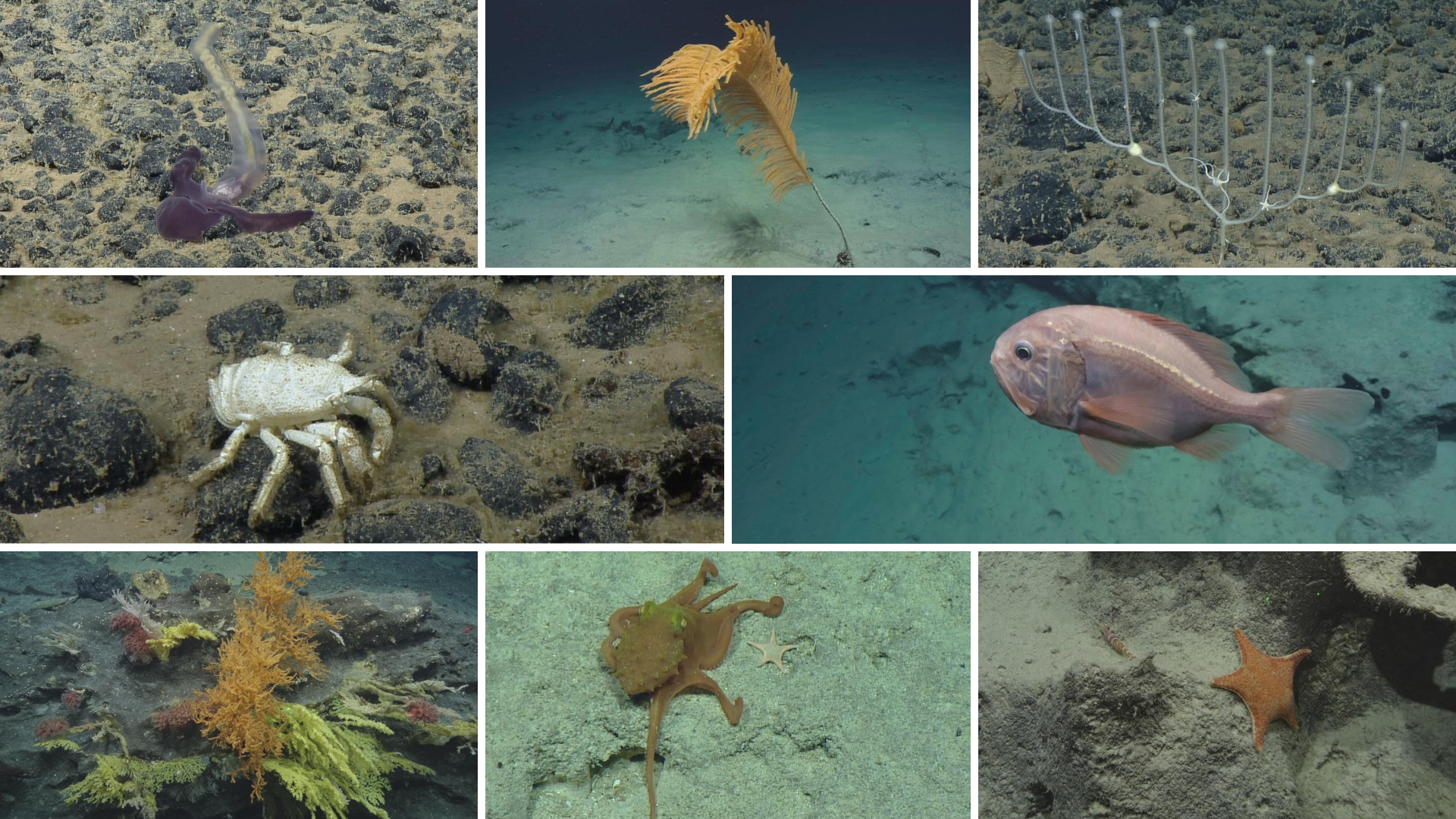
Typhlonus nasus cusk eel with a pectoral parasite from on an abyssal dive south of the main Hawaiian Islands on NA182. They call this the “faceless cusk eel” due to the absence of eyes.
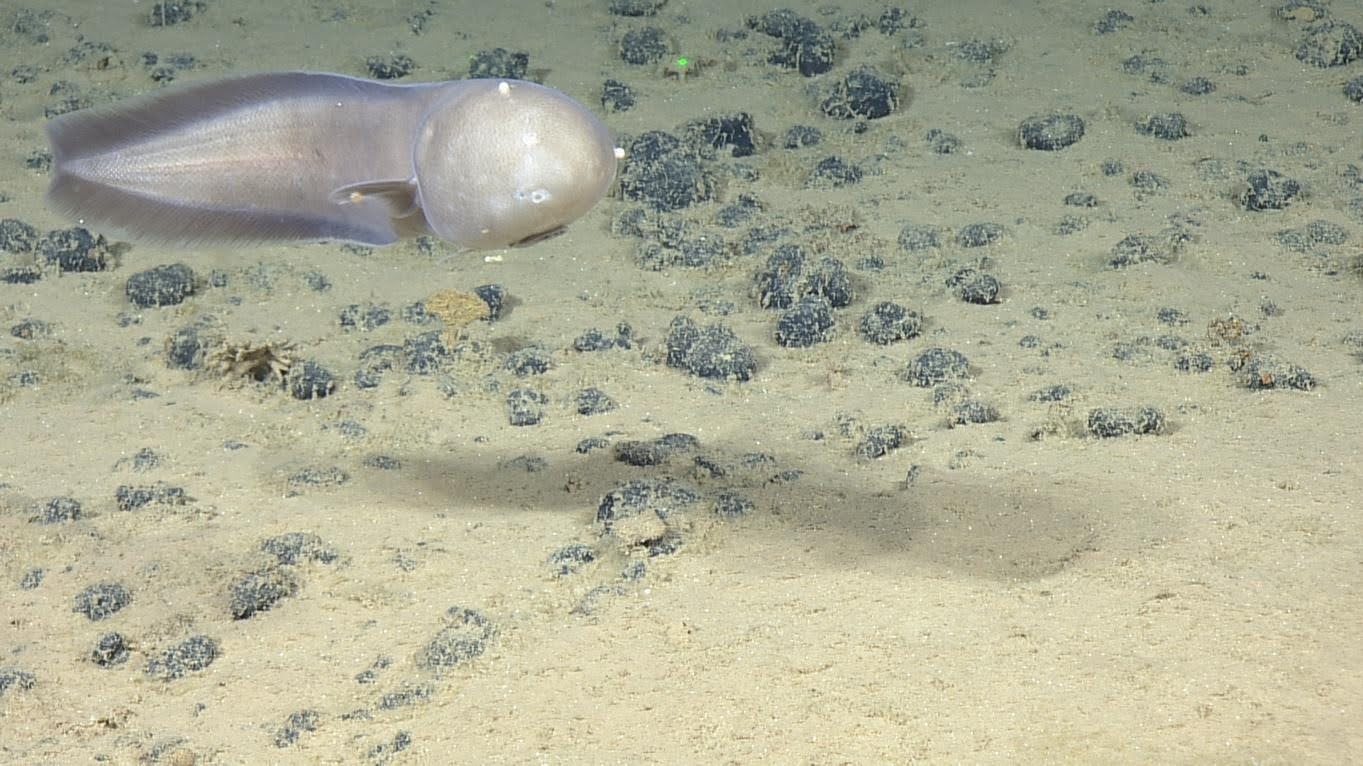
Image credit: Ocean Exploration Trust, E/V Nautilus
Holothurian (sea cucumber) grazing organic matter on an abyssal dive south of the main Hawaiian islands on NA182.
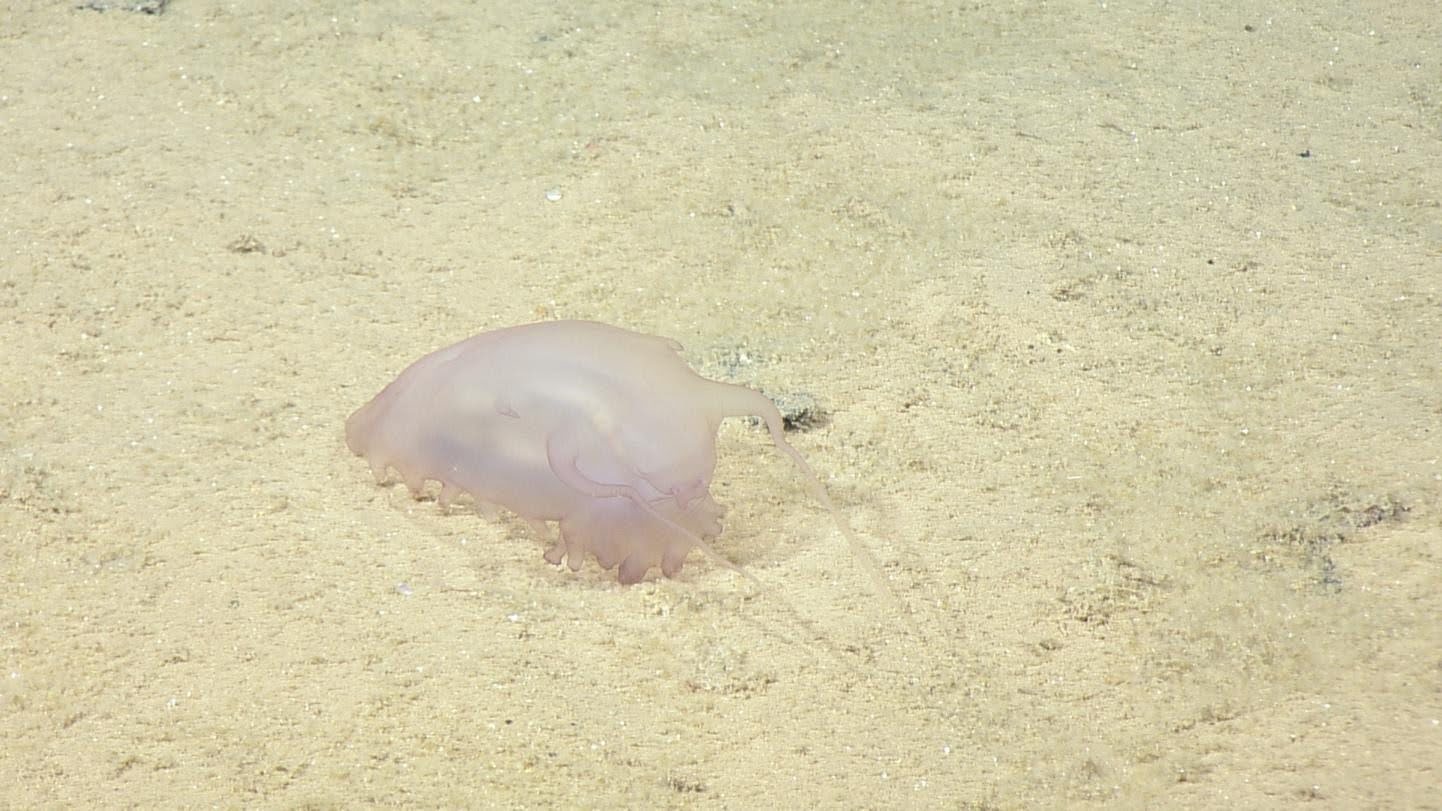
Image credit: Ocean Exploration Trust, E/V Nautilus
Yoda purpurata acorn worm spotted grazing on sediment in an abyssal polymetallic nodule field south of the main Hawaiian Islands on NA182.
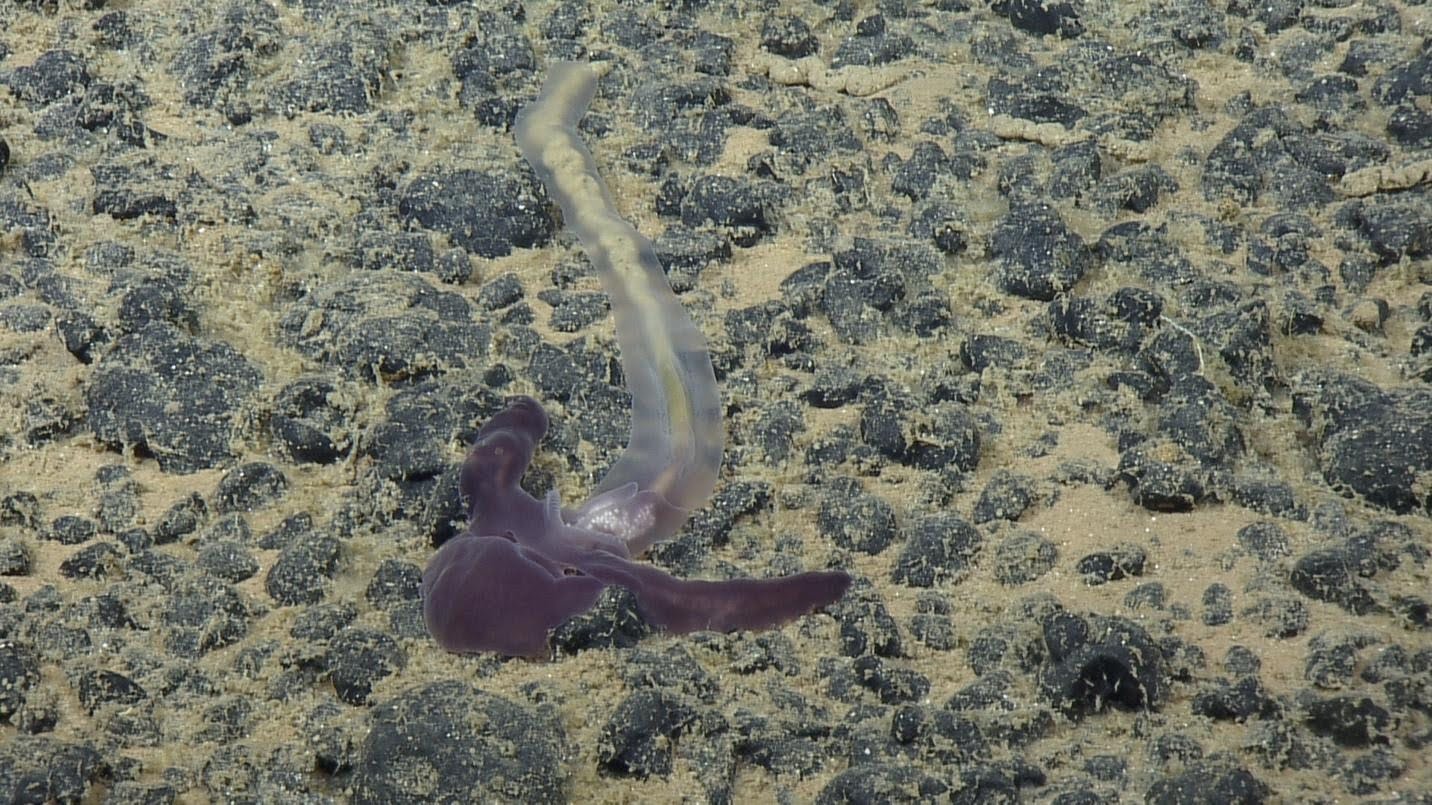
Image credit: Ocean Exploration Trust, E/V Nautilus
Pteroctopus hoylei octopus passing by Asteroceramus sp. sea star in search for a hole to hide in on a carbonate platform ~ 500 m deep in the Papahānaumokuākea National Marine Sanctuary.
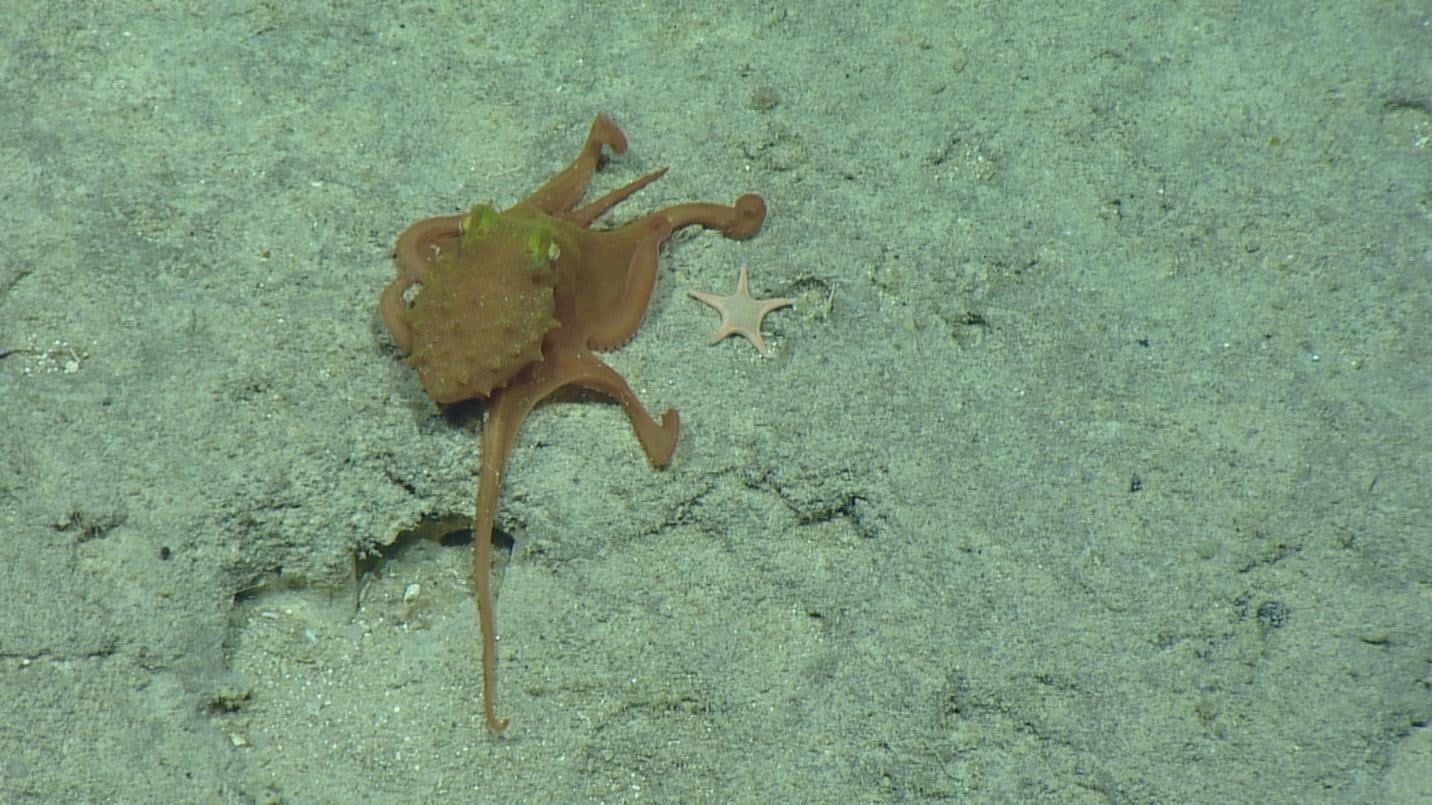
Image credit: Ocean Exploration Trust, E/V Nautilus
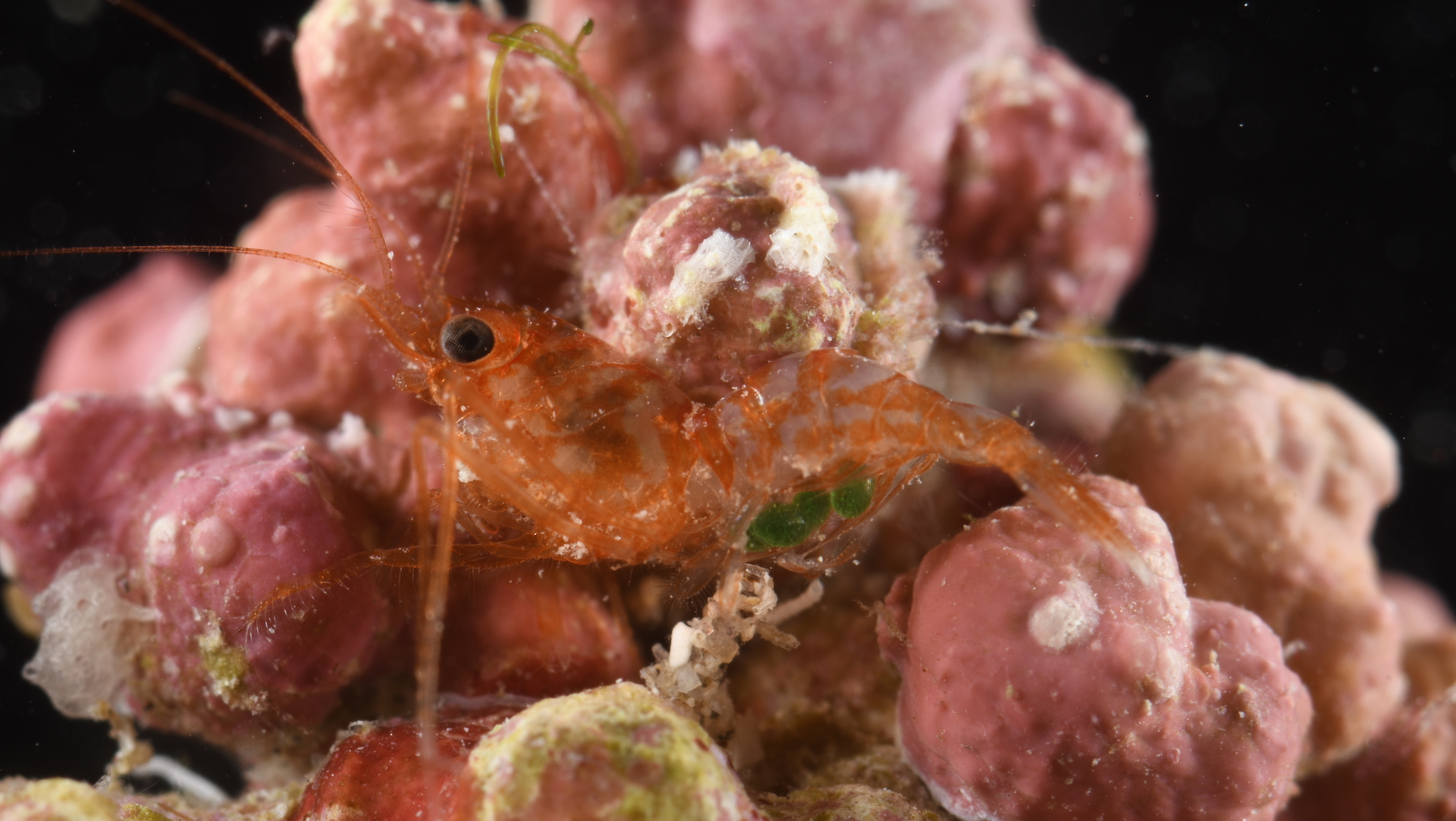
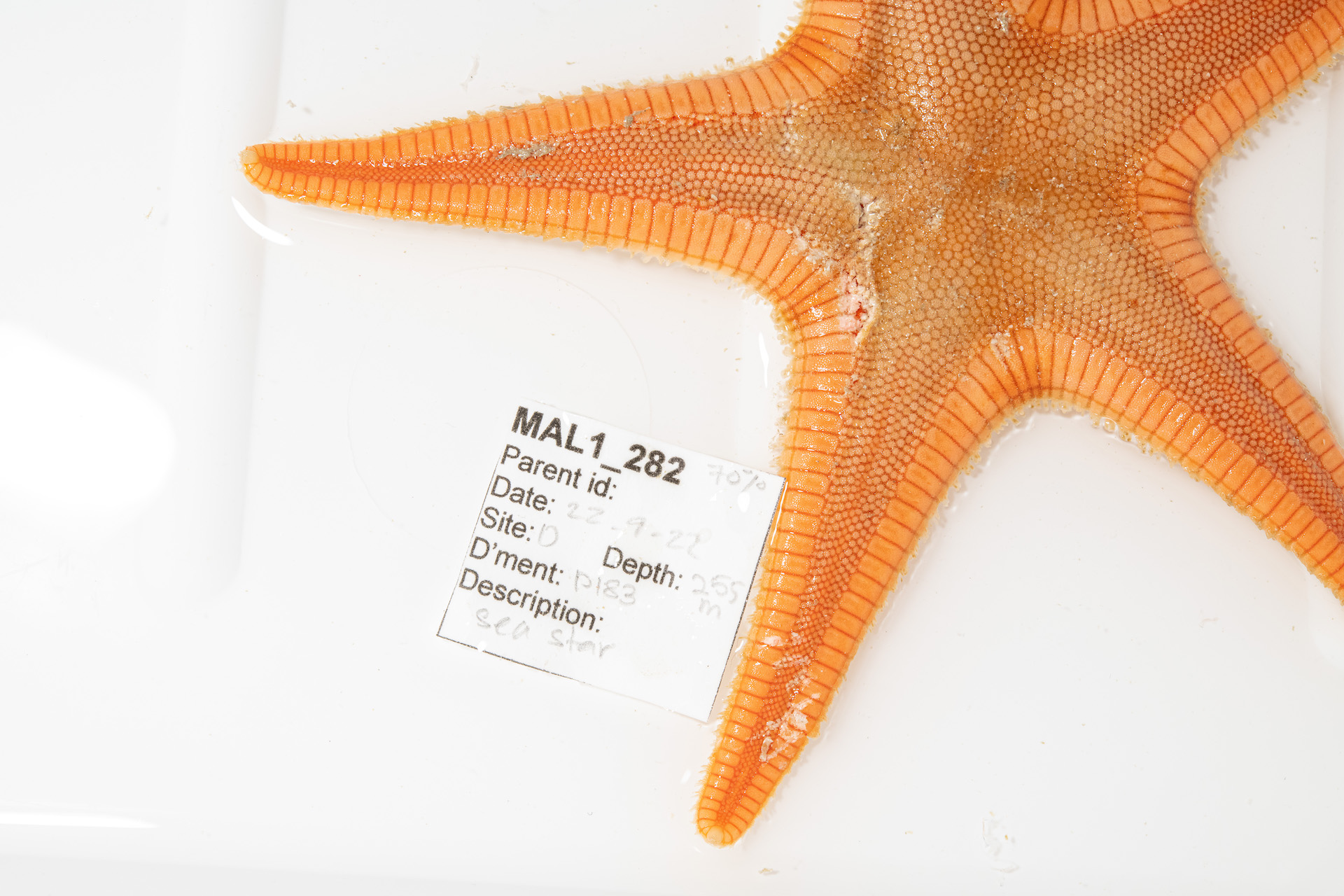
Goniasteridae sea star next to a Plesionika sp. shrimp resting on the ledge during a mesopelagic dive in Papahānaumokuākea National Marine Sanctuary from NA182.
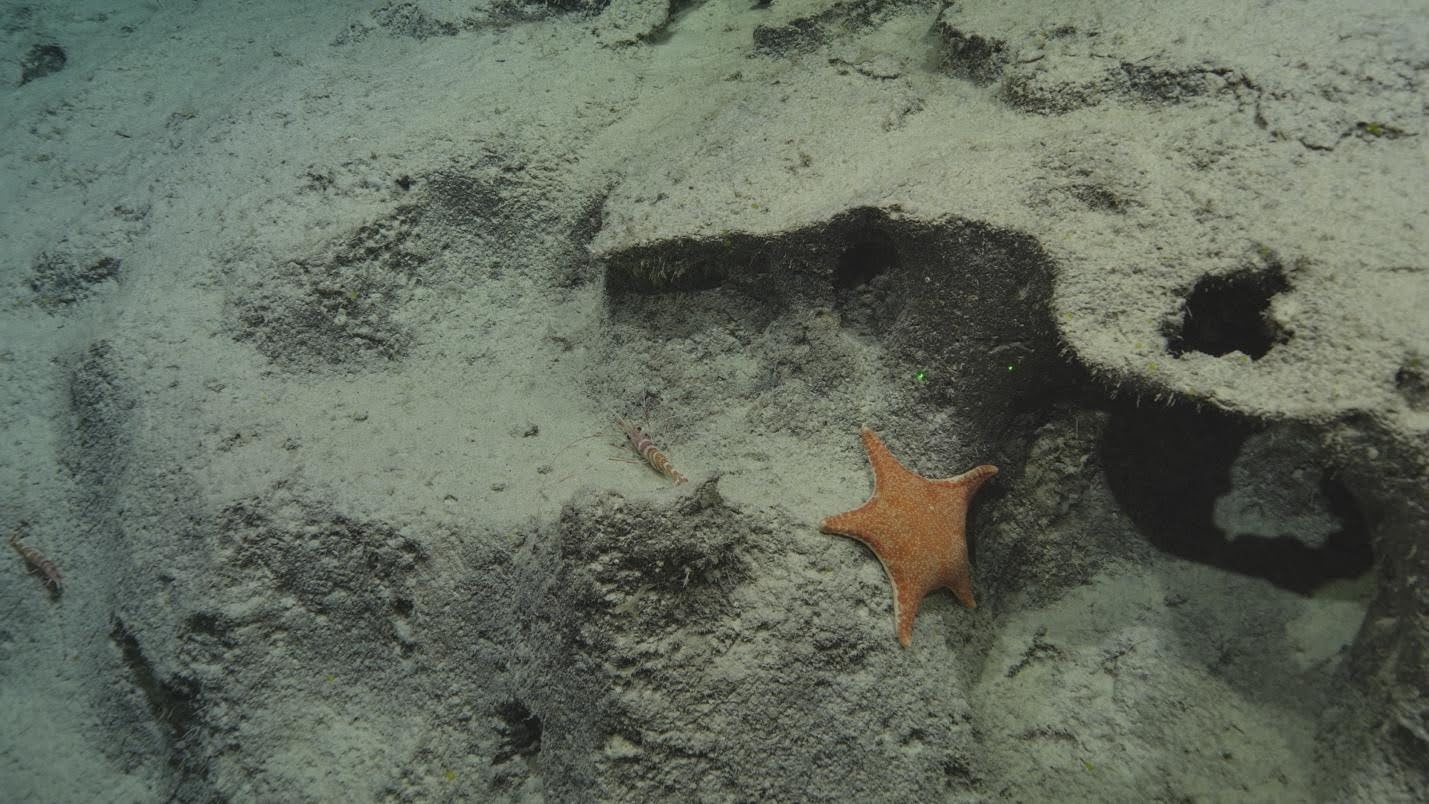
Image credit: Ocean Exploration Trust, E/V Nautilus
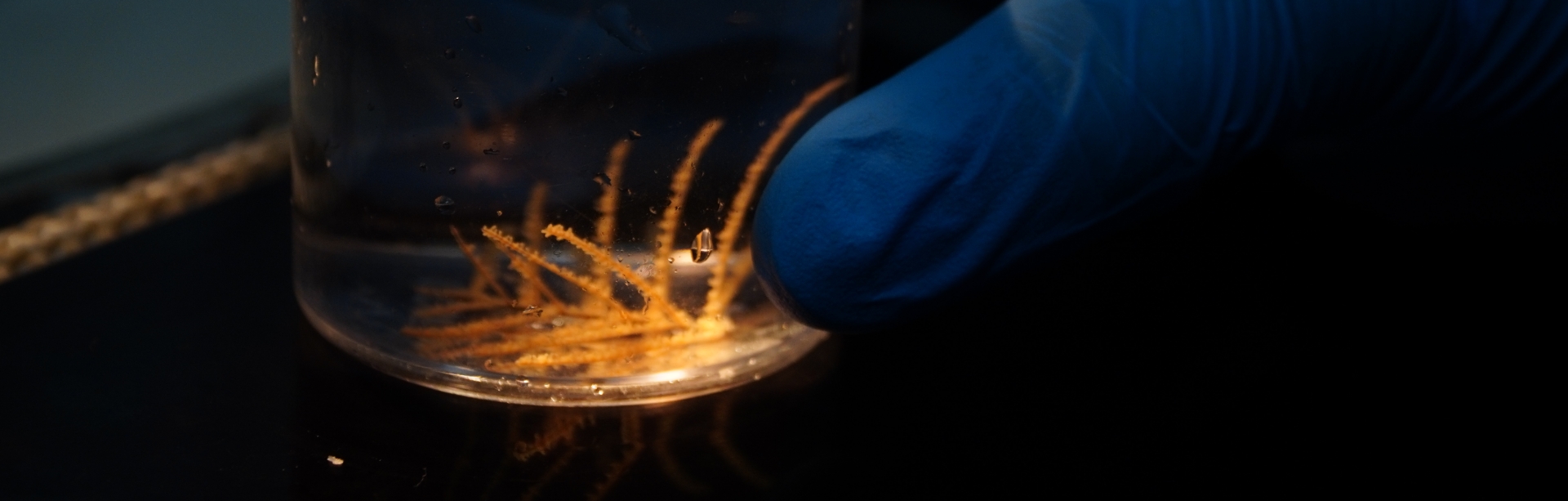
Bathypathes sp. black coral with Histocidaris variabilis on the stalk in Papahānaumokuākea National Marine Sanctuary during NA182.
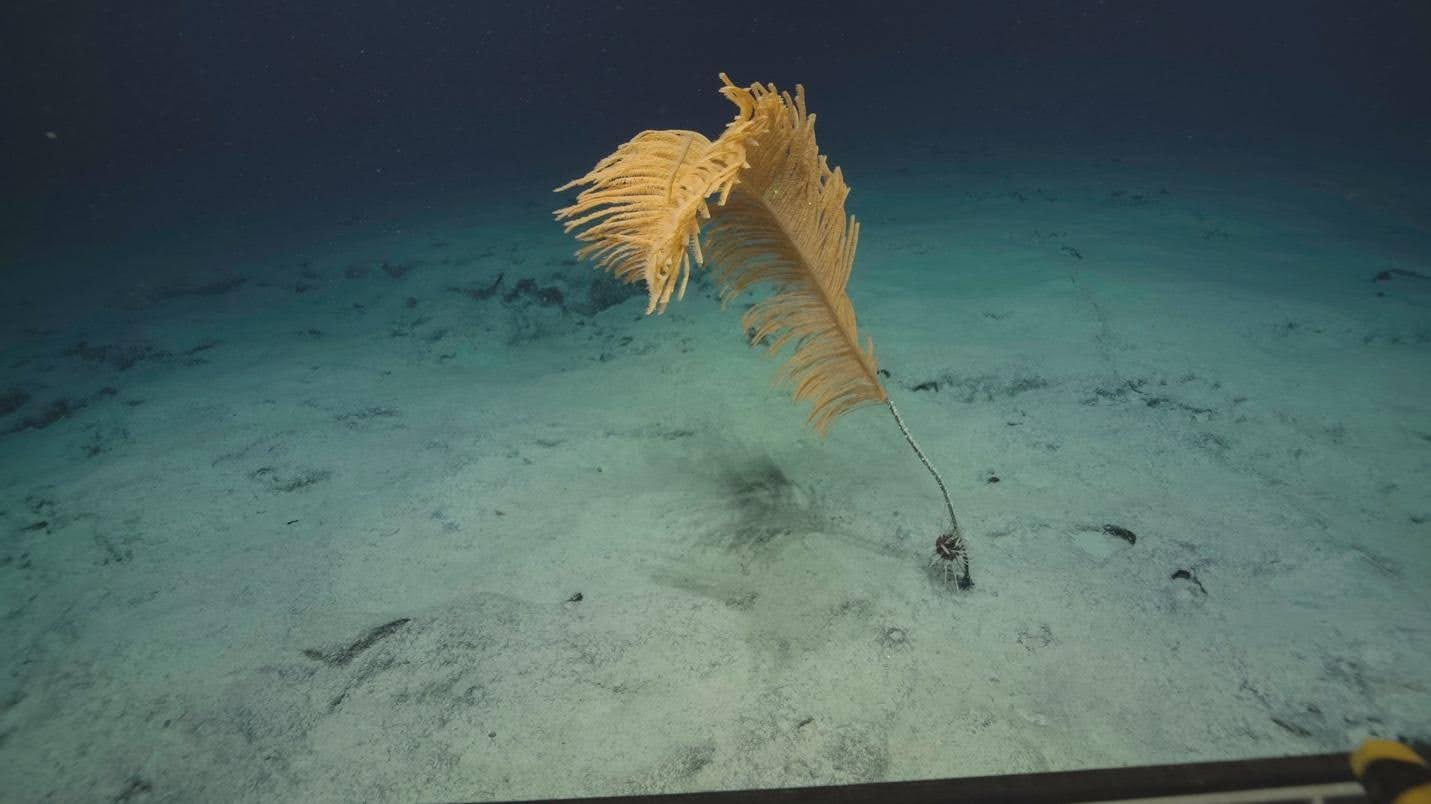
Image credit: Ocean Exploration Trust, E/V Nautilus
Chaunax umbrinus coffinfish on a carbonate platform at mesopelagic depths in Papahānaumokuākea National Marine Sanctuary from NA182.
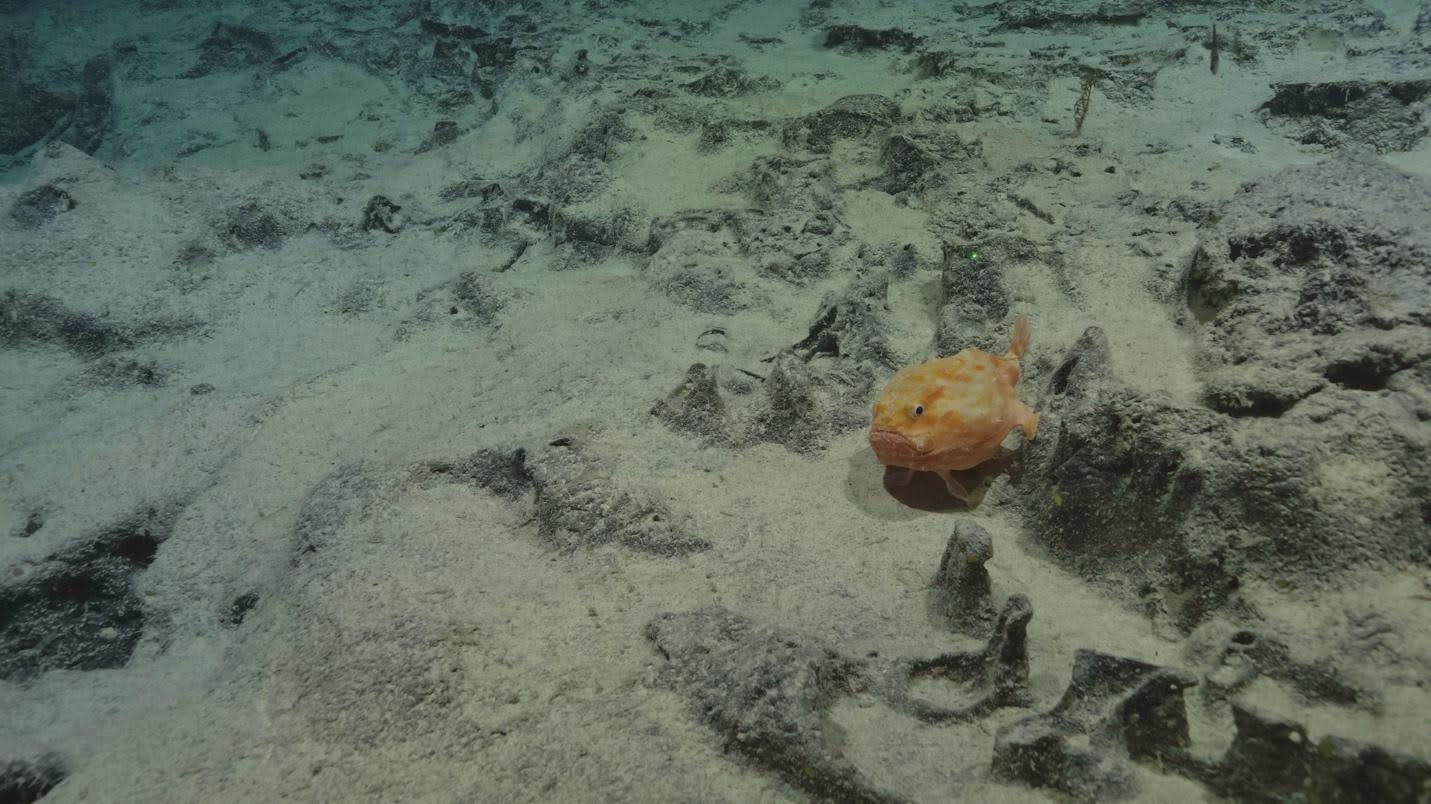
Image credit: Ocean Exploration Trust, E/V Nautilus
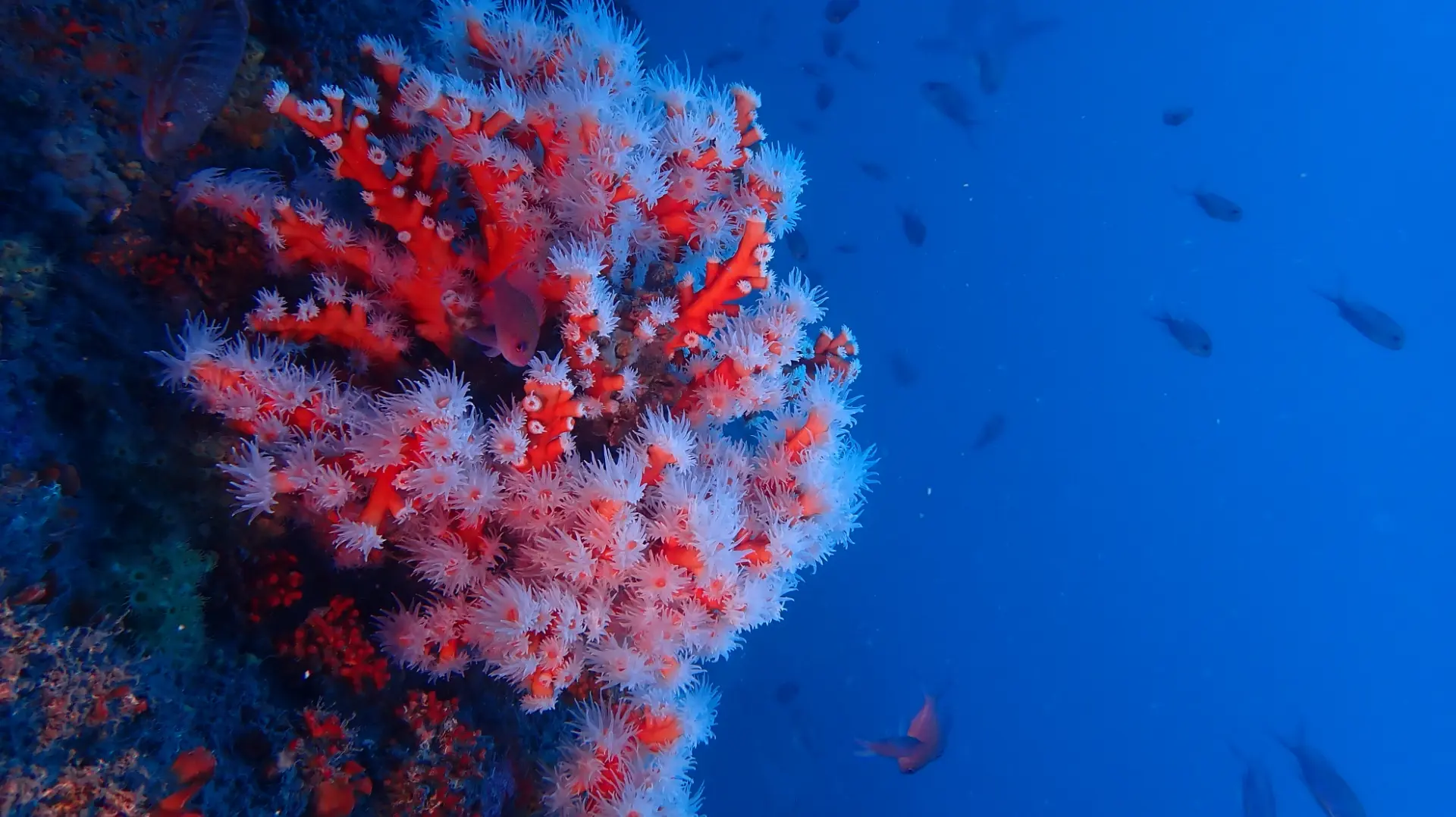
An assortment of black corals, mushroom corals, primnoid (sea fan) corals, and gorgonian corals on a carbonate ledge, taking advantage of the rapid current brining particulate food material through the area at mesopelagic depths in Papahanaumokuakea National Marine Sanctuary during NA182.
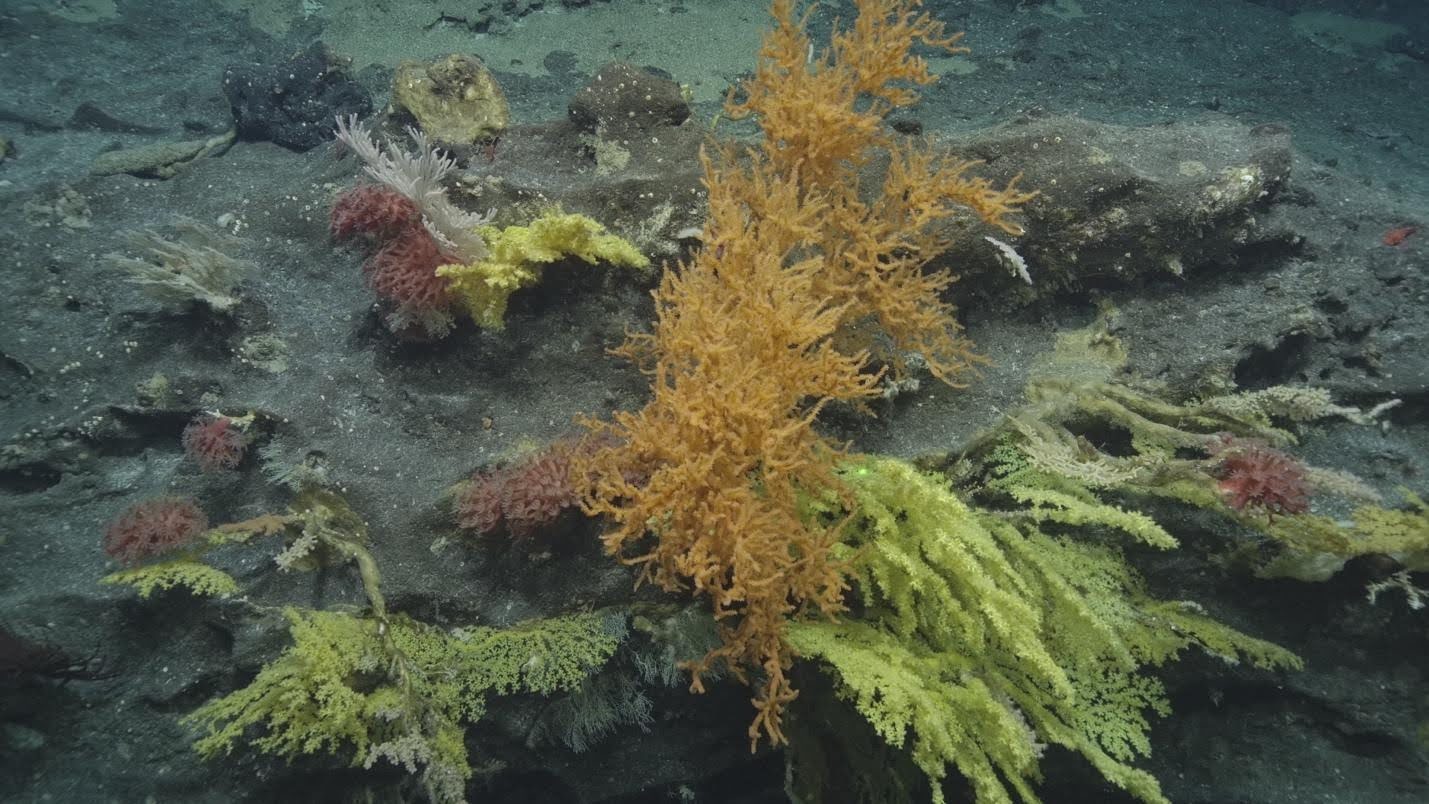
Image credit: Ocean Exploration Trust, E/V Nautilus
Hoplostethus crassispinus orange roughy fish at ~500 m depth at Gardner Pinnacles in Papahānaumokuākea National Marine Sanctuary during NA182.
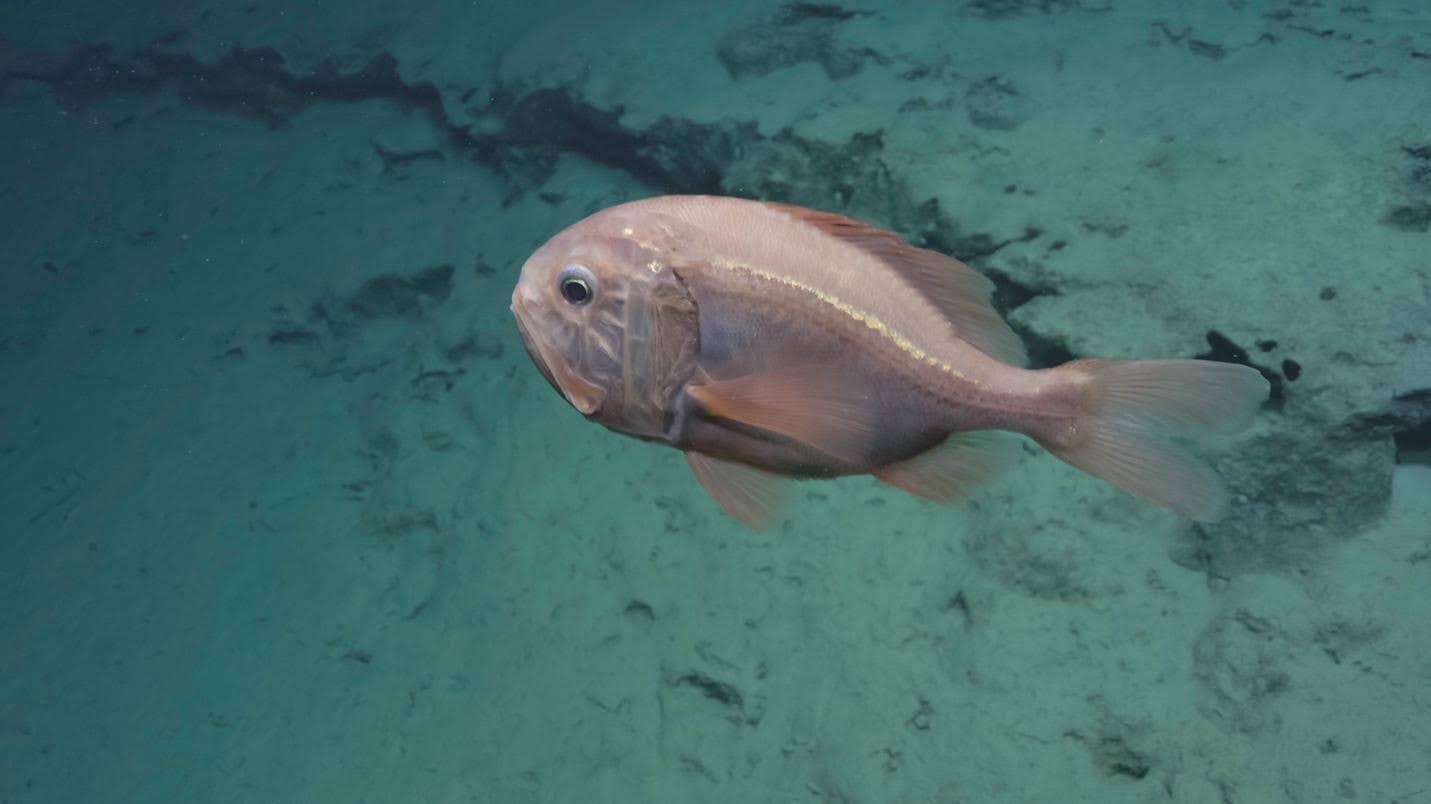
Image credit: Ocean Exploration Trust, E/V Nautilus
Interested in participant expeditions?
To be selected for a participant expedition, it’s important to be signed up to the Ocean Census Science Network in order to receive related comms.
The Ocean Census Science Network is a worldwide community of marine biologists, taxonomists, geneticists, ecologists, and conservationists working together to accelerate species discovery and expand our knowledge of ocean life. By combining cutting-edge technology, collaborative research, and open-access data, we are transforming how ocean biodiversity is discovered, classified, and understood.
By being a part of the science network and signing up to our monthly newsletter, you’ll be able to stay up to date with the latest expressions of interest for upcoming expeditions.
If you’d like to join the network, please apply below.
Related News
Join the census
The Ocean Census Alliance unites national and philanthropic marine institutes, museums, and universities, backed by governments, philanthropy, business and civil society partners.


