









Publications
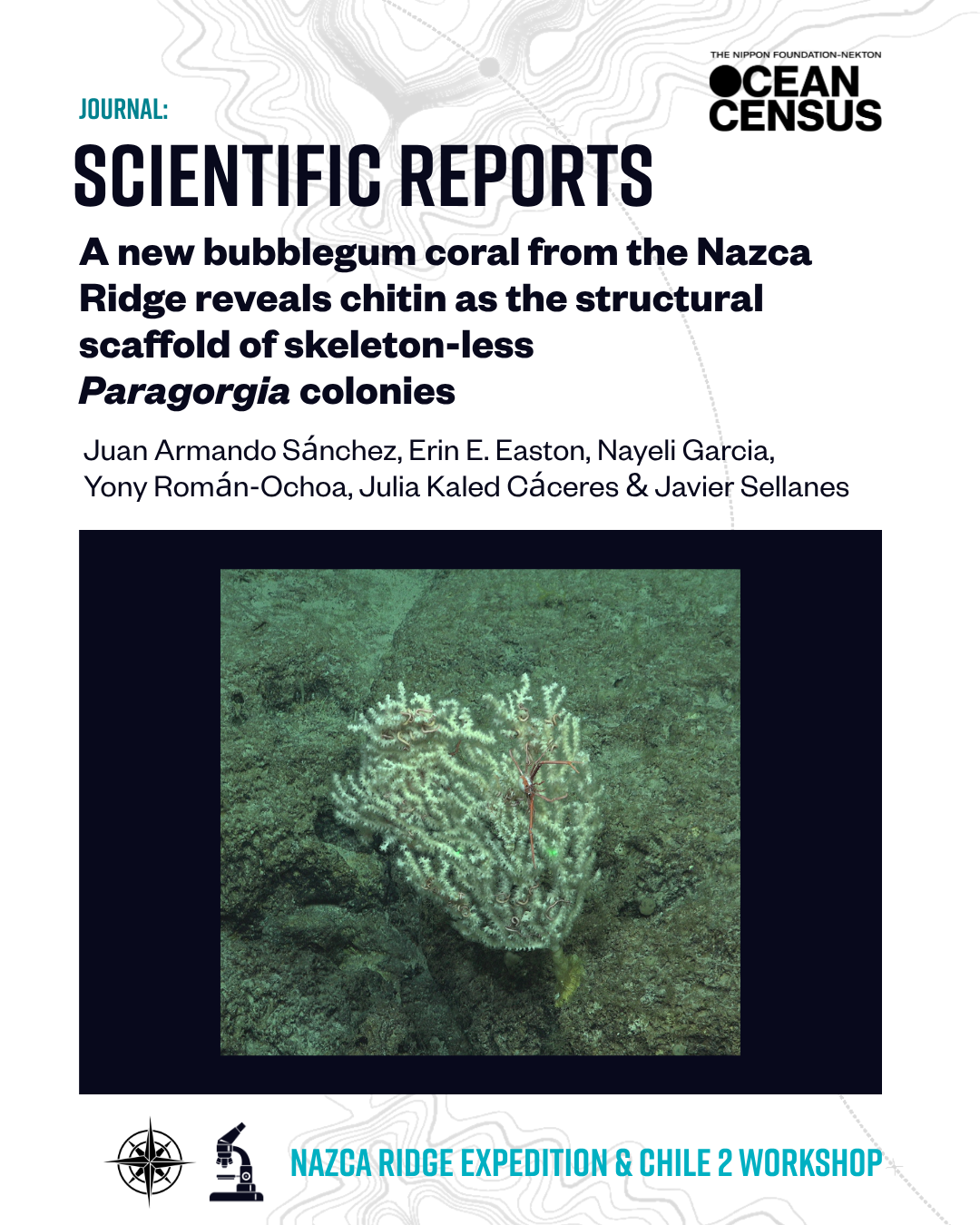
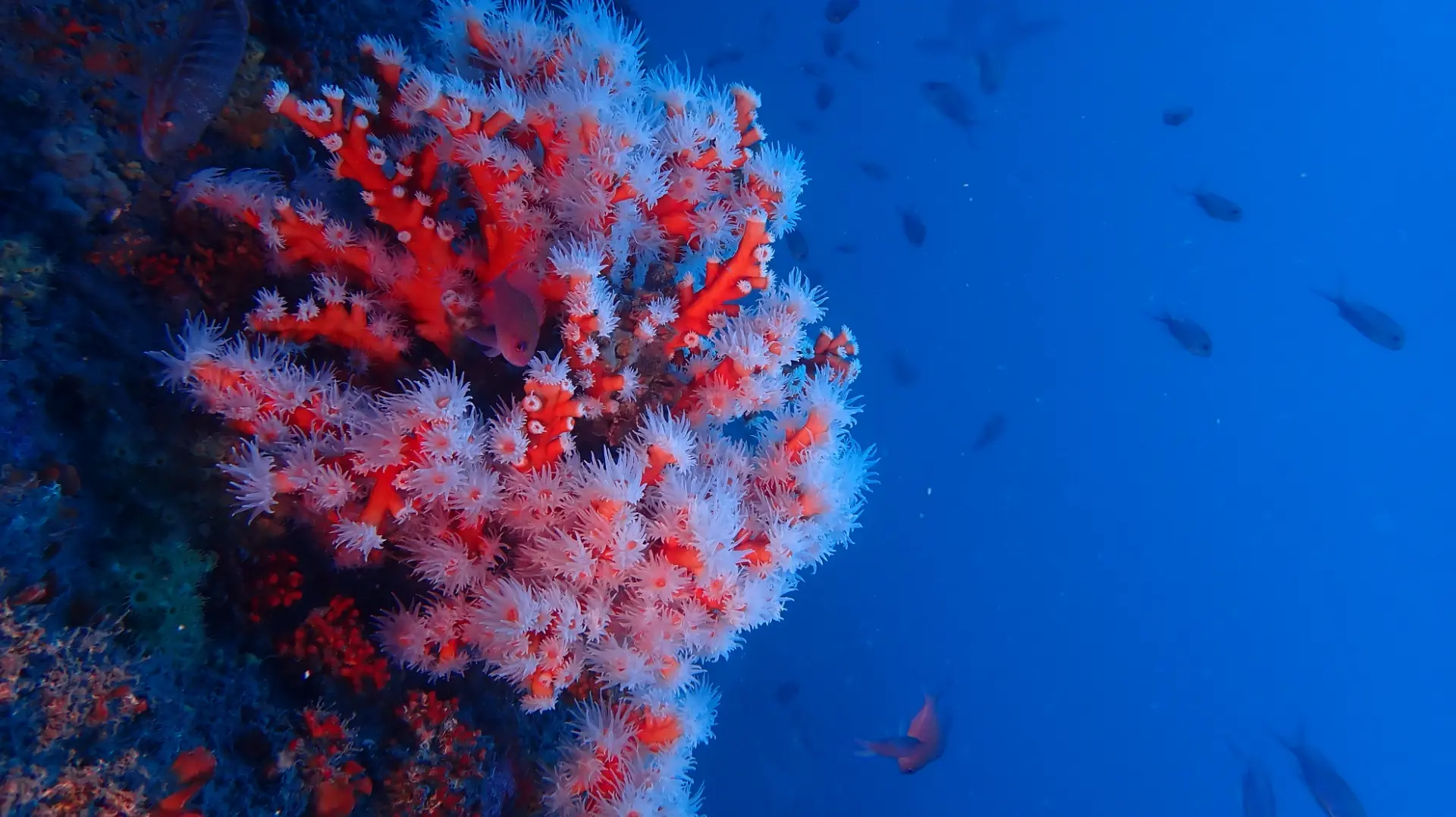
A new bubblegum coral from the Nazca Ridge reveals chitin as the structural scaffold of skeleton-less Paragorgia colonies
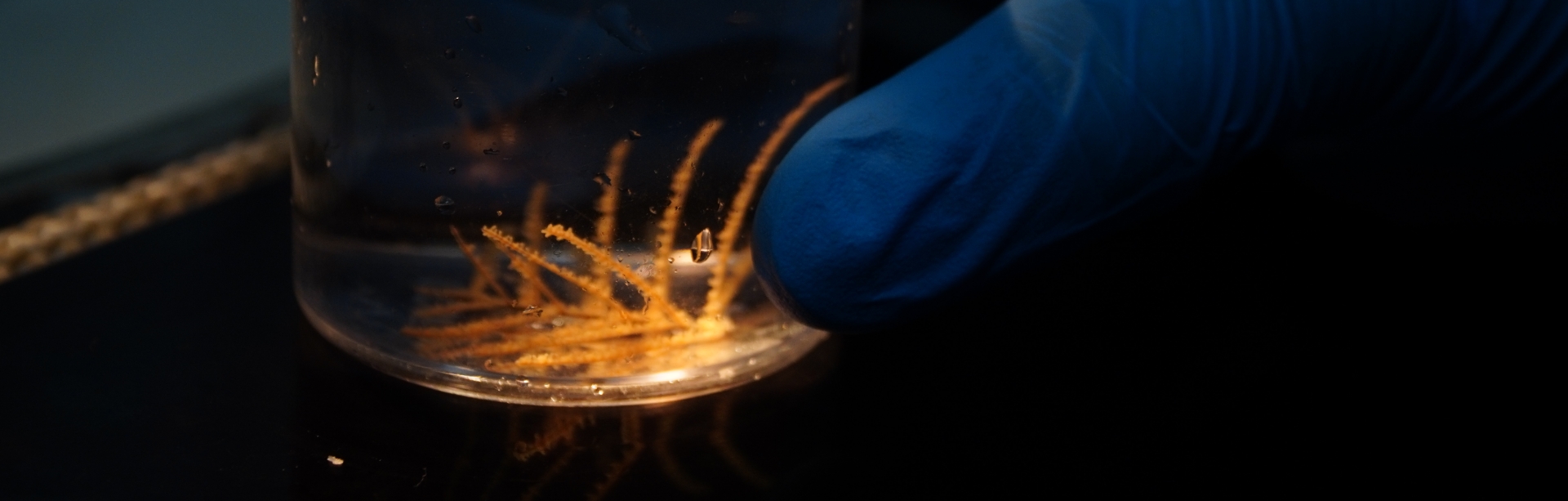
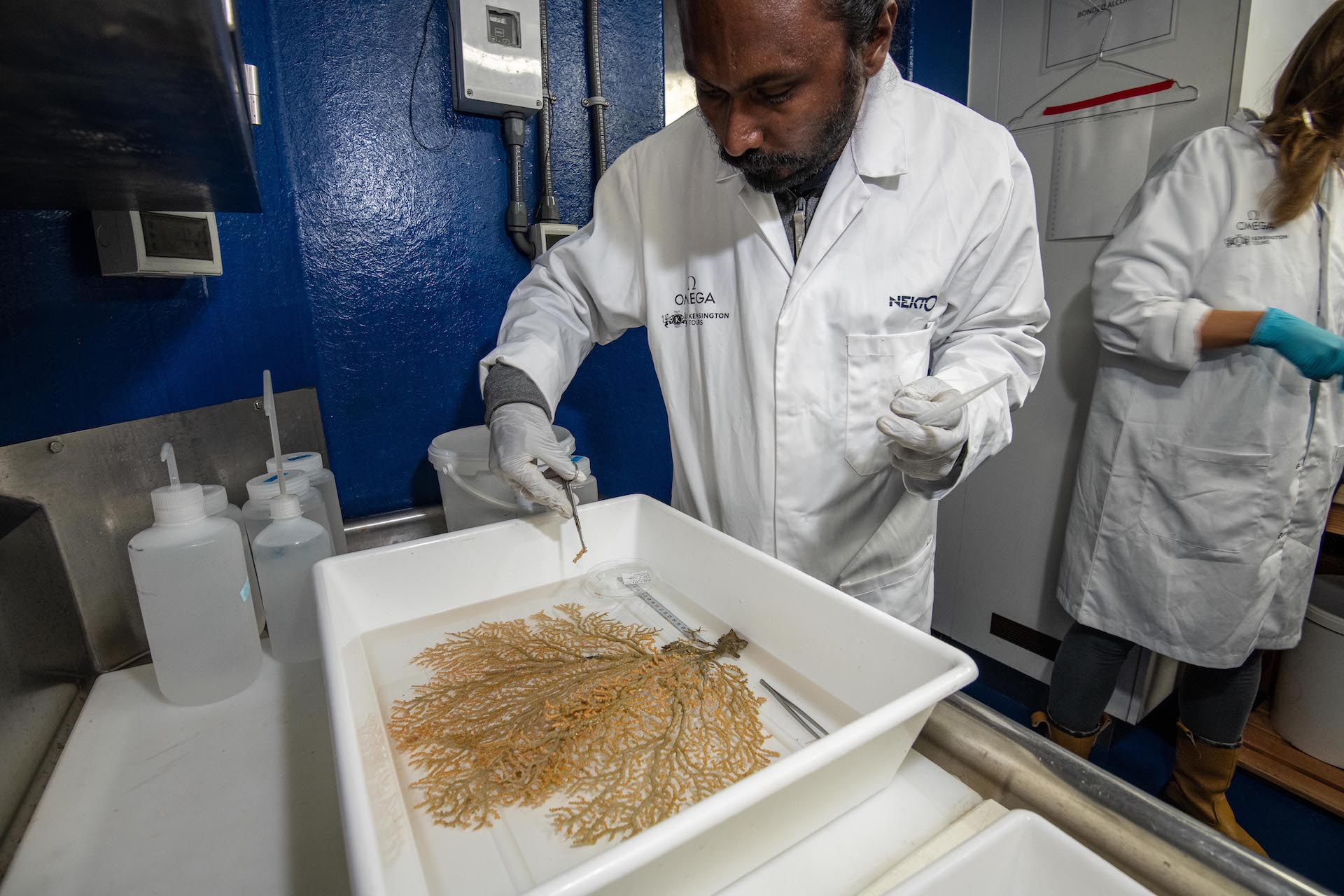
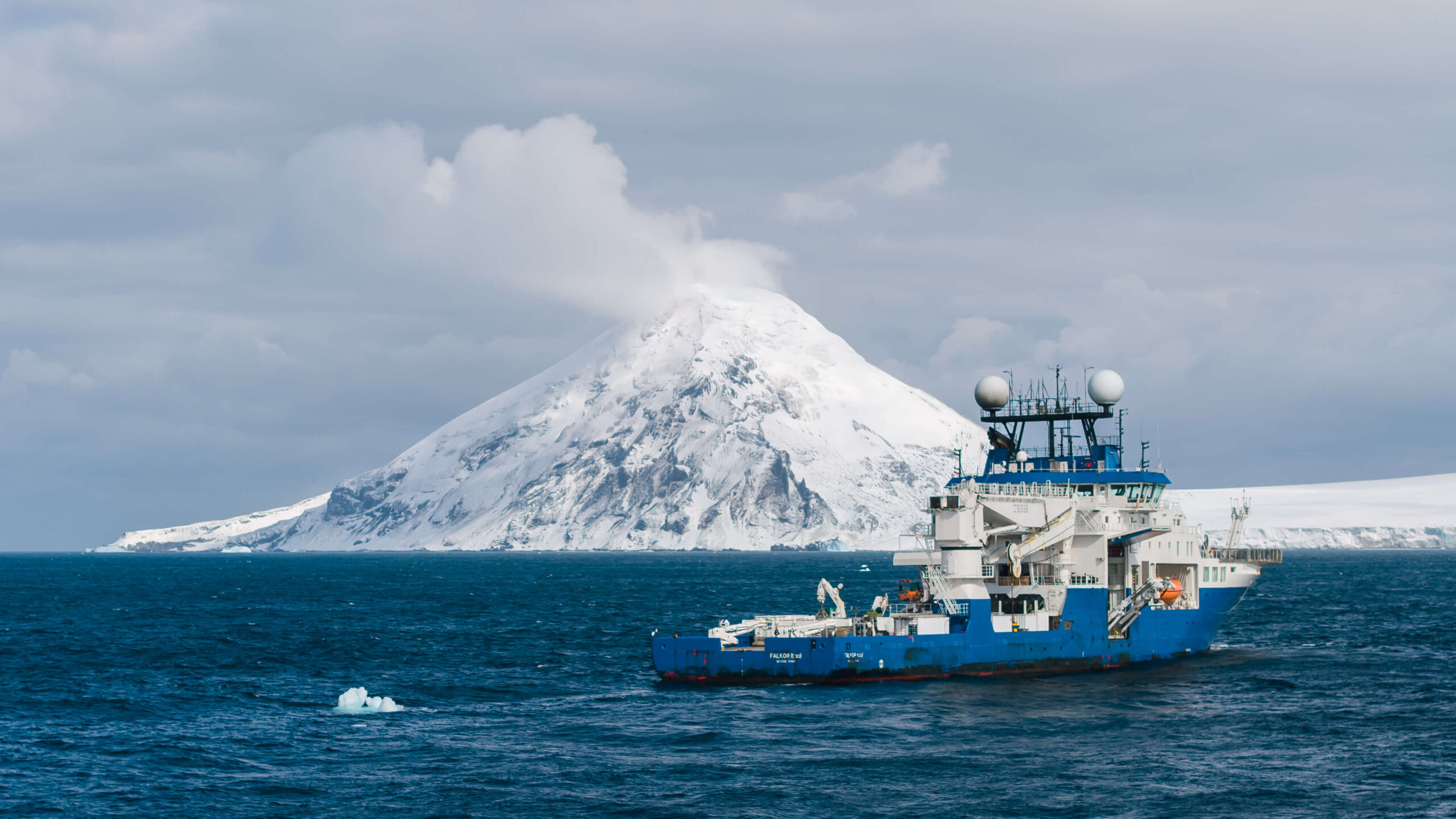
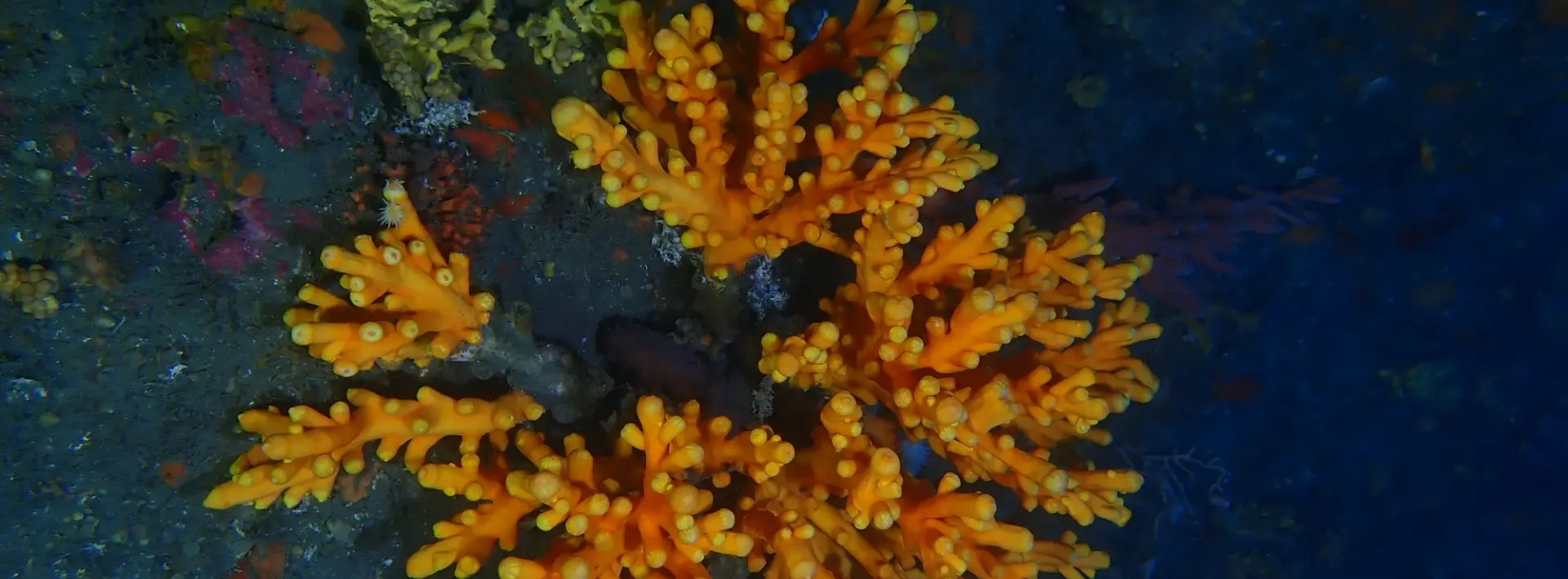
Bubblegum corals (Paragorgia; Corallidae) form among the largest branching colonies in deep-sea environments despite lacking an axial skeleton. How these octocorals maintain structural cohesion using only sub-millimeter sclerites has remained unexplained. Here we describe Paragorgia quitinosa Sánchez & Easton n. sp., collected at 670 m depth on the Nazca Ridge (southeastern Pacific) during the Schmidt Ocean Institute RV Falkor (too) expedition FKt240708, and report the first evidence of visible chitin in octocoral tissues.
13/09/26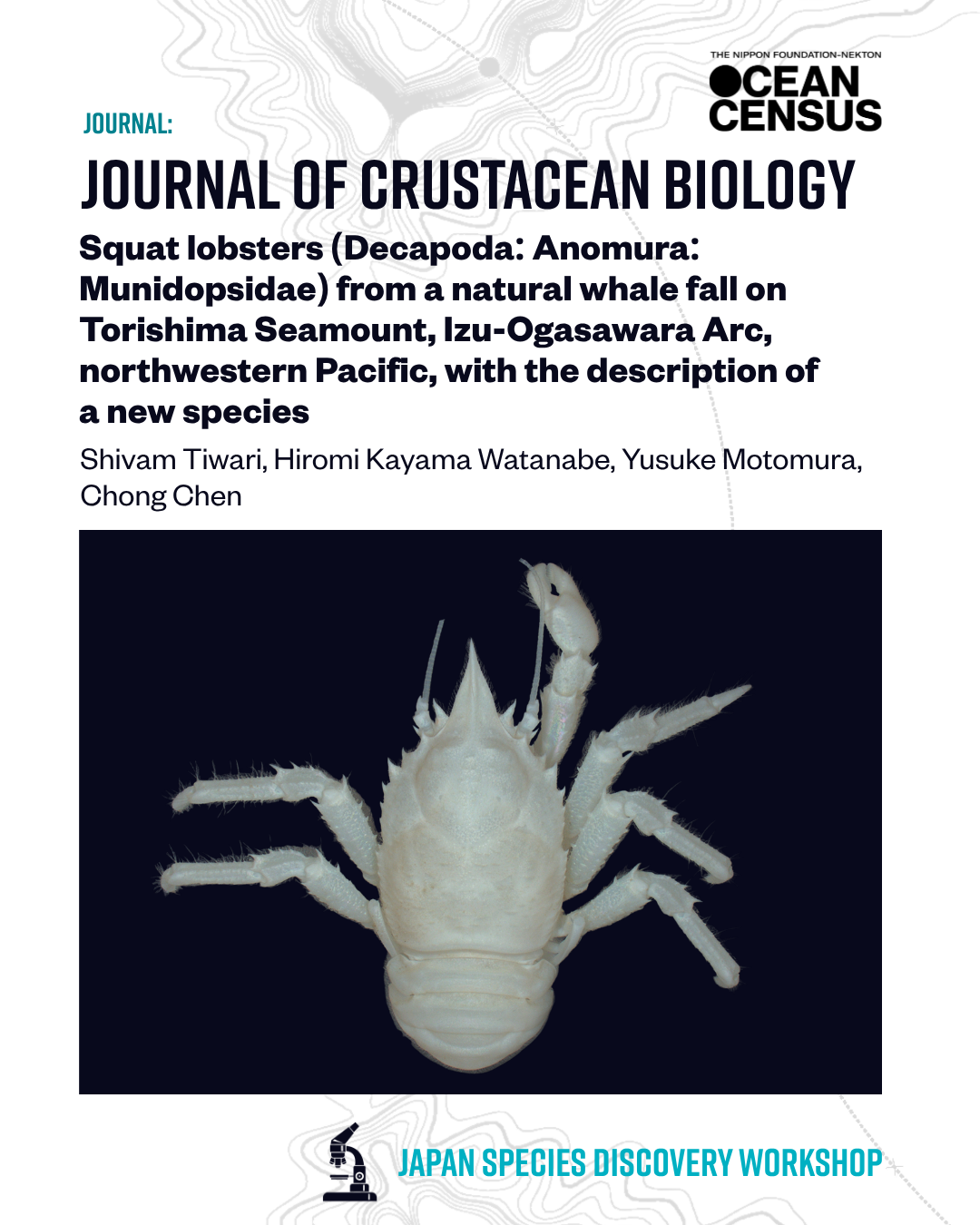
Squat lobsters (Decapoda: Anomura: Munidopsidae) from a natural whale fall on Torishima Seamount, Izu-Ogasawara Arc, northwestern Pacific, with the description of a new species
Whale falls in the deep ocean represent a form of chemosynthetic ecosystem that hosts a suite of specialised fauna. The authors report three species of munidopsid squat lobsters of the genus Munidopsis Whiteaves, 1874 from a natural whale fall in the northwestern Pacific at a depth of 4,021 m on Torishima Seamount, Izu-Ogasawara Arc.
05/08/26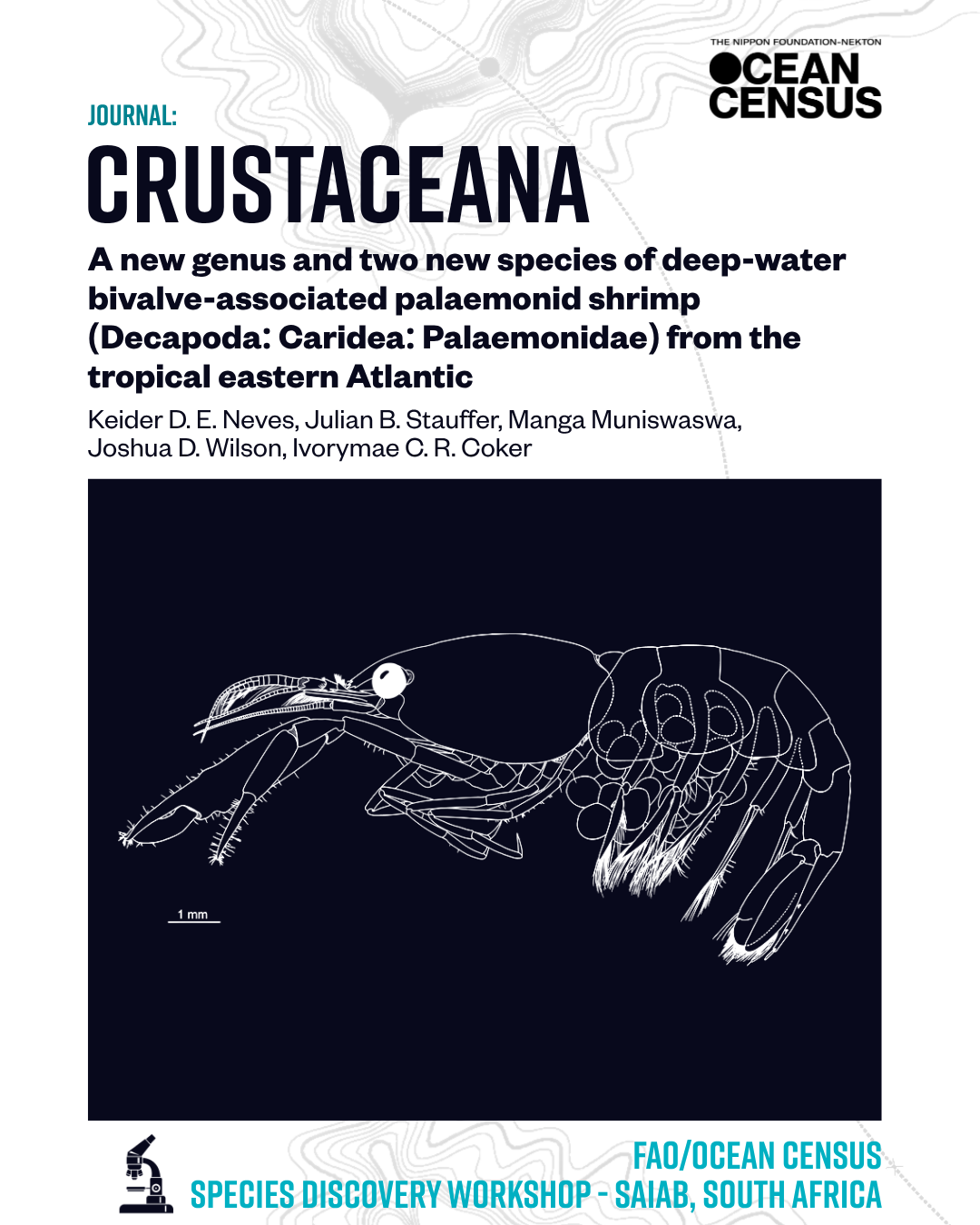
A new genus and two new species of deep-water bivalve-associated palaemonid shrimp (Decapoda: Caridea: Palaemonidae) from the tropical eastern Atlantic
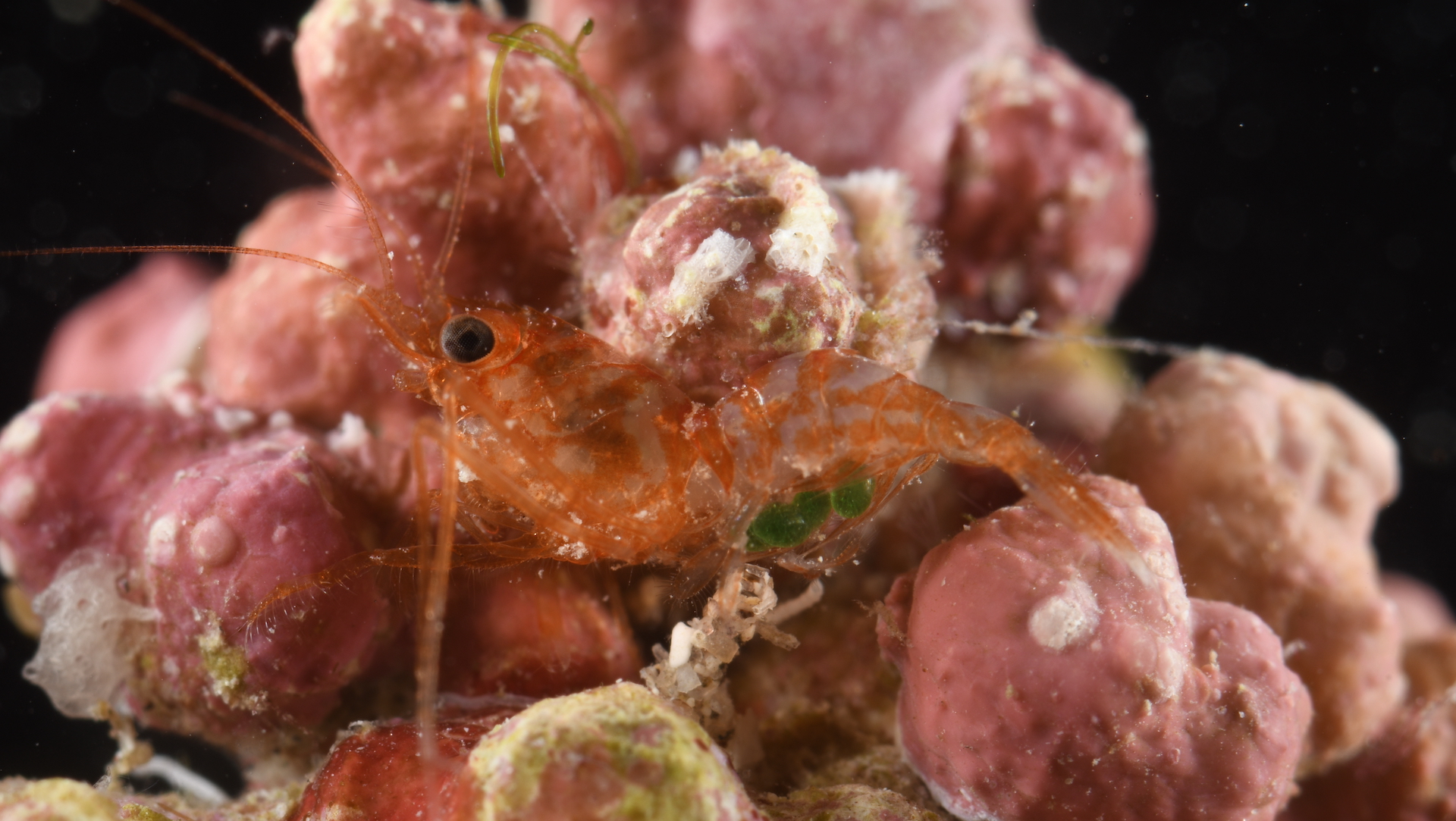
A new genus, Meteoronia, is established for two new deep-water palaemonid shrimp species from the tropical eastern Atlantic. Both are associated with bivalve hosts and share distinctive morphological features, while differing in rostral structure and cephalic and thoracic appendages.
05/08/26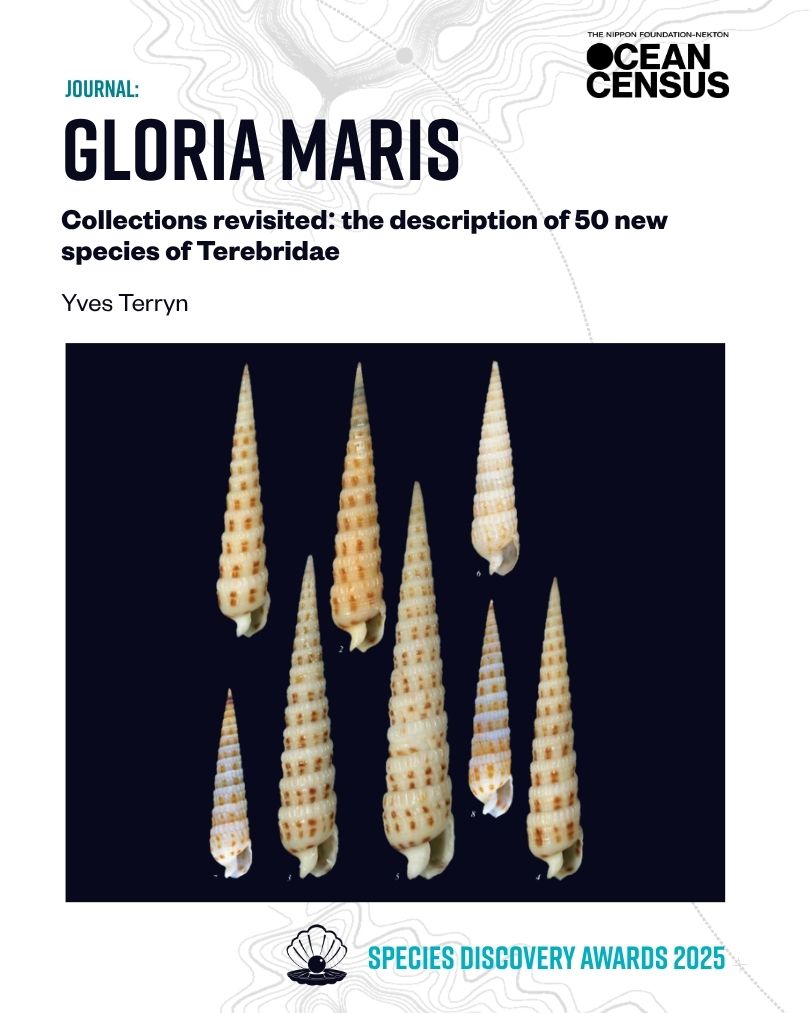
Collections revisited: the description of 50 new species of Terebridae
Based on material collected since 1986, this study describes 50 new terebrid species, re-evaluates four synonymised taxa, revises their taxonomic status and generic placement, and resolves long-standing classification challenges within ten genera.
21/07/26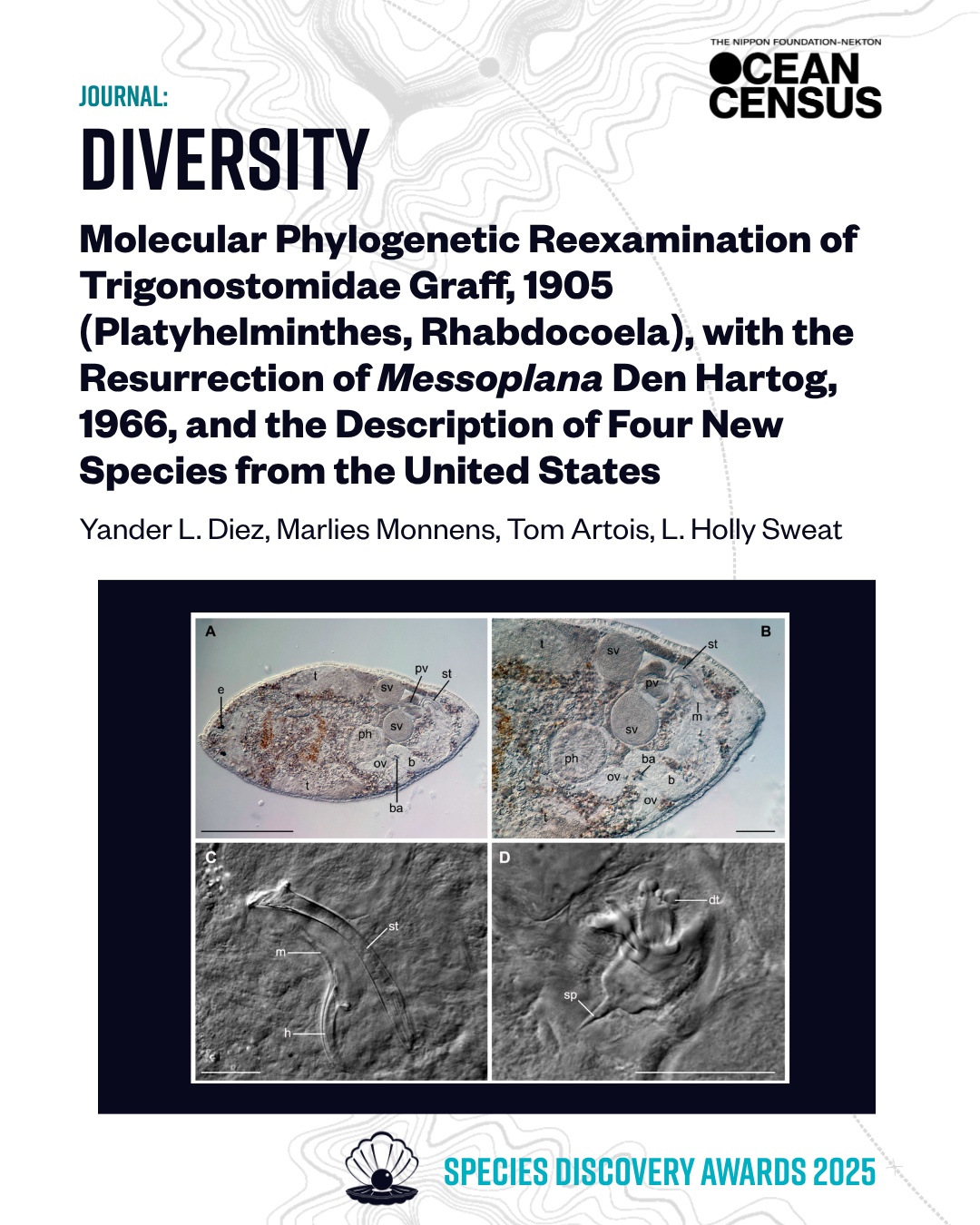
Molecular Phylogenetic Reexamination of Trigonostomidae Graff, 1905 (Platyhelminthes, Rhabdocoela), with the Resurrection of Messoplana Den Hartog, 1966, and the Description of Four New Species from the United States
Using molecular and morphological analyses of ten trigonostomid species, including eight newly sequenced taxa, this study resolves relationships within Trigonostomidae, resurrects the genus Messoplana, describes four new species, reclassifies another, and refines the family's phylogenetic framework.
20/07/26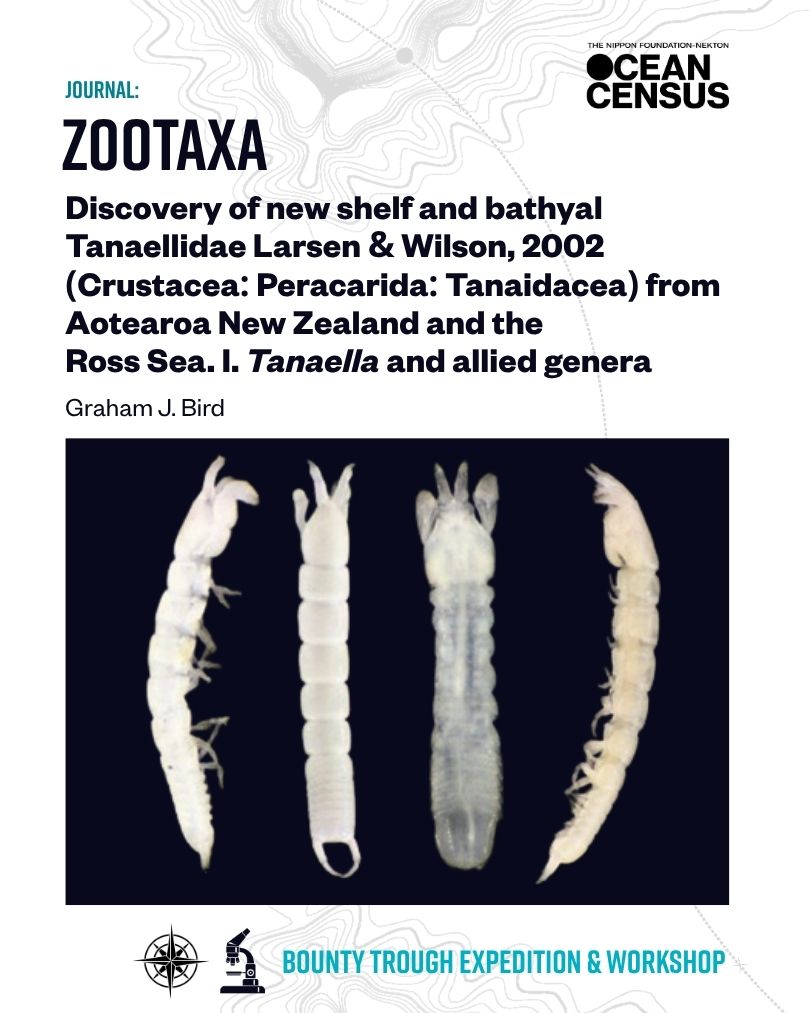
Discovery of new shelf and bathyal Tanaellidae Larsen & Wilson, 2002 (Crustacea: Peracarida: Tanaidacea) from Aotearoa New Zealand and the Ross Sea. I. Tanaella and allied genera
Describing five new genera and nine new species of the deep-sea tanaidacean family Tanaellidae from New Zealand and Antarctica. The study highlights their significant contribution to deep-sea biodiversity while showing the family's evolutionary relationships remain unresolved.
04/06/26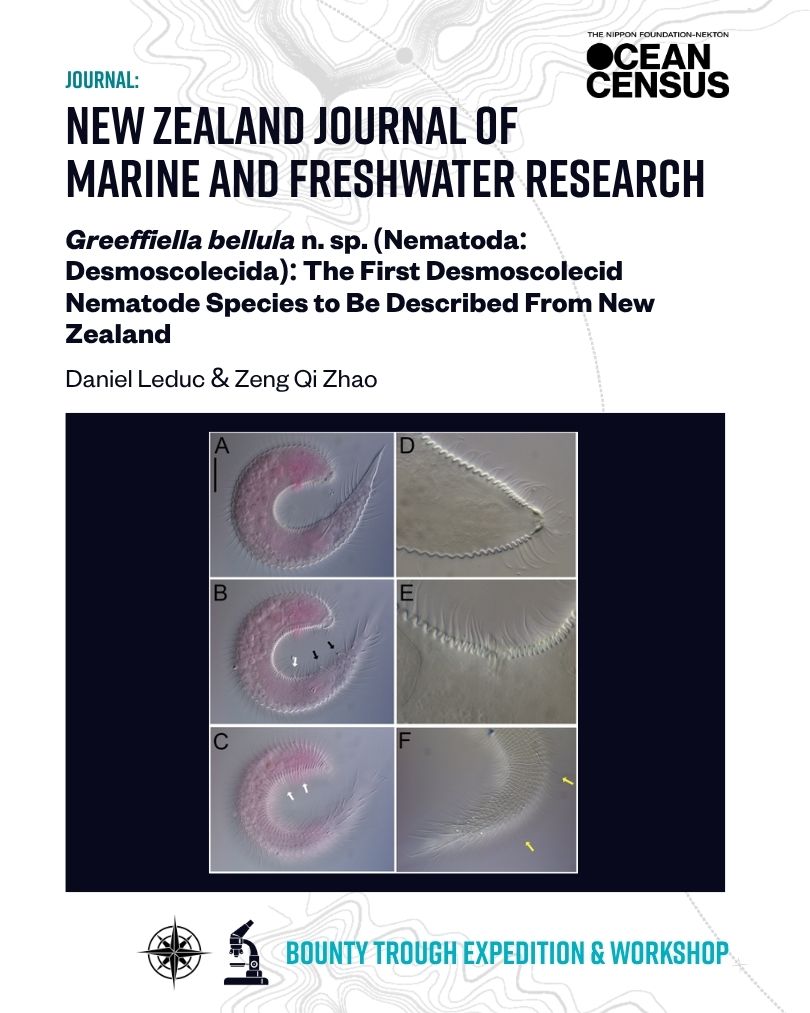
Greeffiella bellula n. sp. (Nematoda: Desmoscolecida): The First Desmoscolecid Nematode Species to Be Described From New Zealand
A new deep-sea nematode, Greeffiella bellula sp. nov., is described as the first desmoscolecid recorded from New Zealand waters. Phylogenetic analyses confirm its genus placement, provide a revised species key, and challenge existing relationships within Desmoscolecidae.
29/05/26
The Ocean Census Year 3 Impact Report
The Ocean Census drove species discovery forward in year 3 through global expeditions, an expanded science network, and the launch of the Ocean Census NOVA data platform.
15/05/26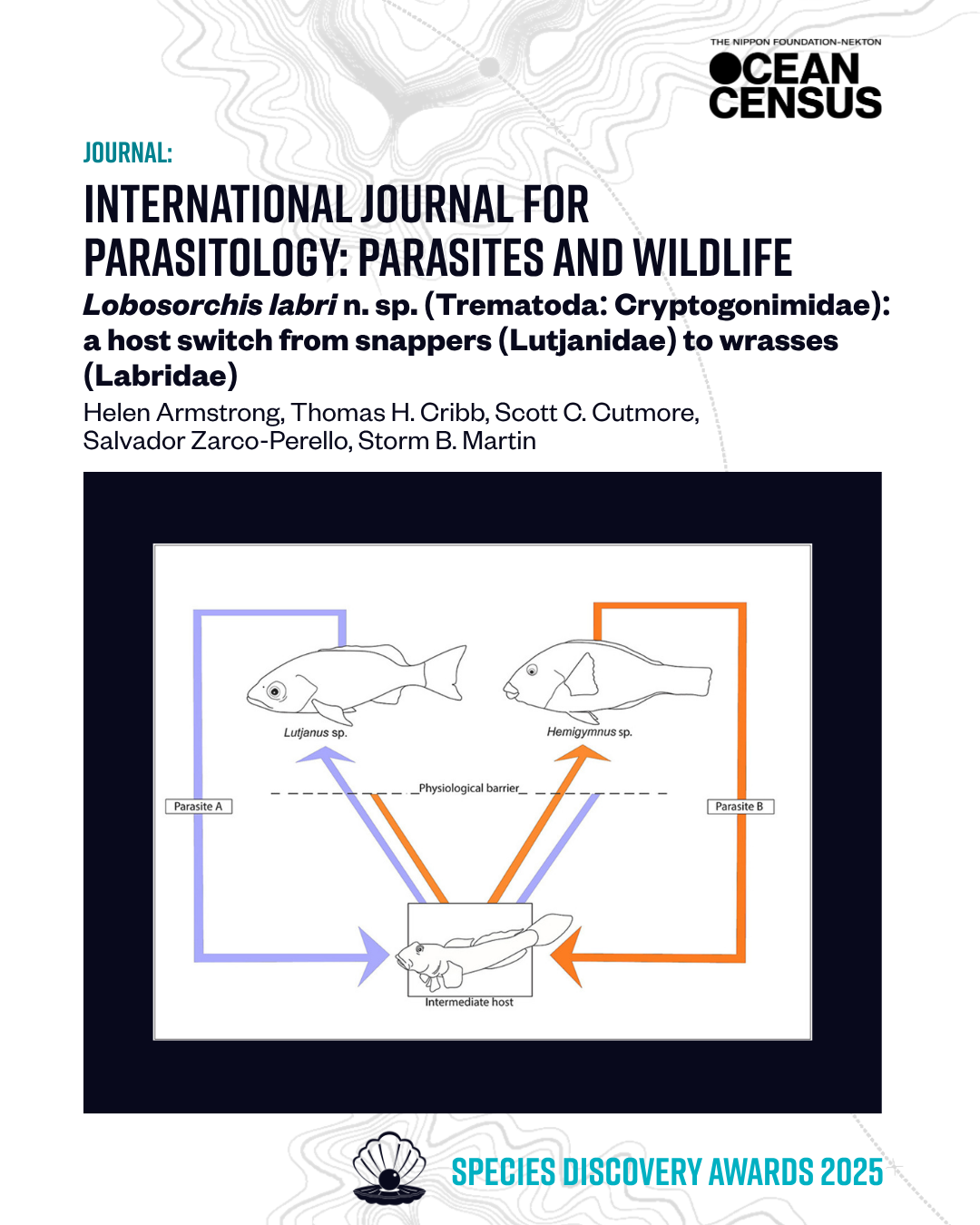
Lobosorchis labri n. sp. (Trematoda: Cryptogonimidae): a host switch from snappers (Lutjanidae) to wrasses (Labridae)
A new trematode, Lobosorchis labri, was discovered in wrasses at Ningaloo Reef, representing the first Lobosorchis species known from wrasses rather than snappers. Evidence suggests it evolved through a recent host switch, becoming specialised to Hemigymnus wrasses.
17/04/26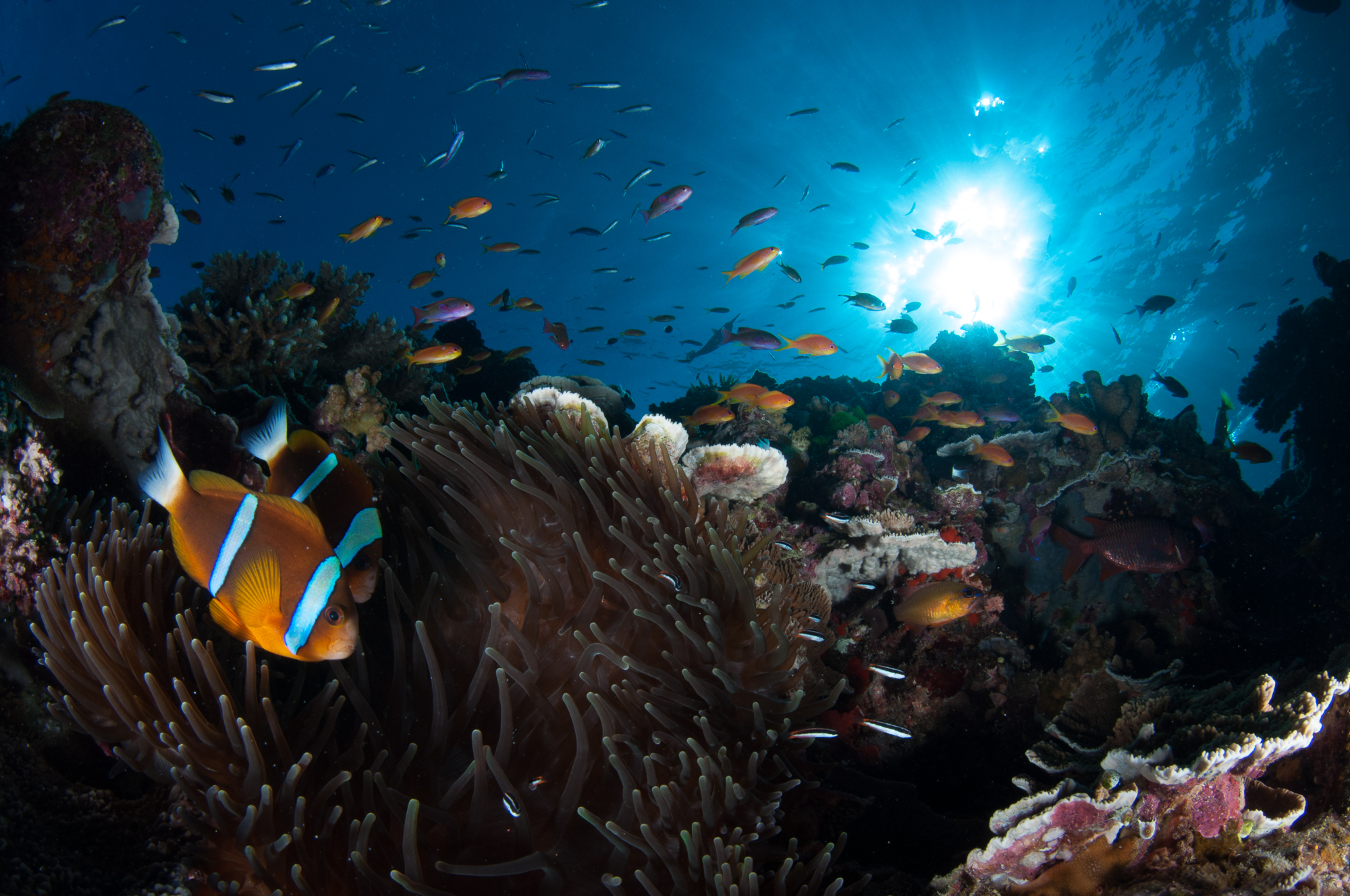
New approach revealed in Frontiers of Marine Science provides the revolutionary potential that underpins Ocean Census.
Want to submit a paper?
Join the census
The Ocean Census Alliance unites national and philanthropic marine institutes, museums, and universities, backed by governments, philanthropy, business and civil society partners.


