





From watching deep-sea exploration to becoming part of it:
Expedition Awardee Cherisse Persad’s time
on board R/V Falkor too

From observing to participating
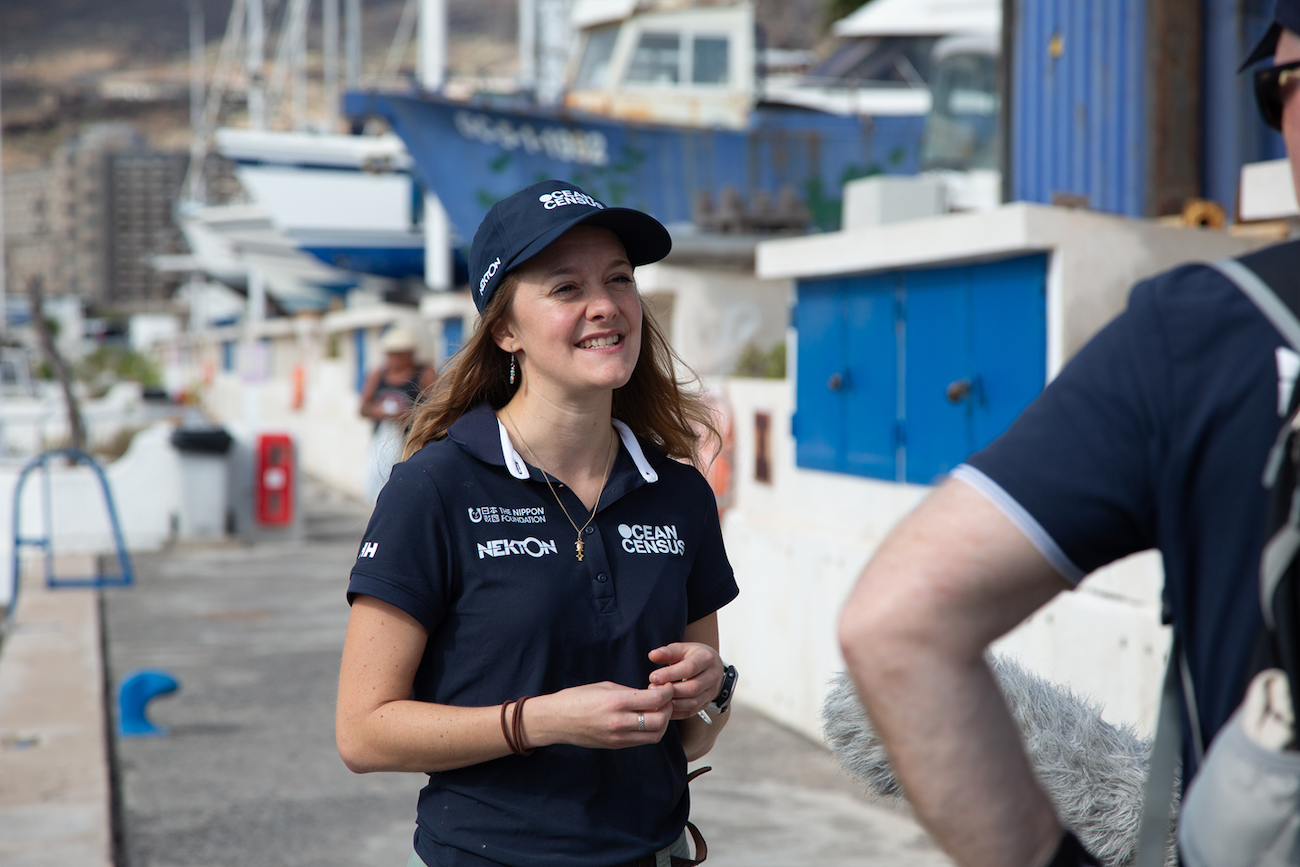
Cherisse Persad is an MRes Marine Biology (Deep Sea Biology) student at the University of Plymouth and one of our 2026 Ocean Census Expedition Awardees.
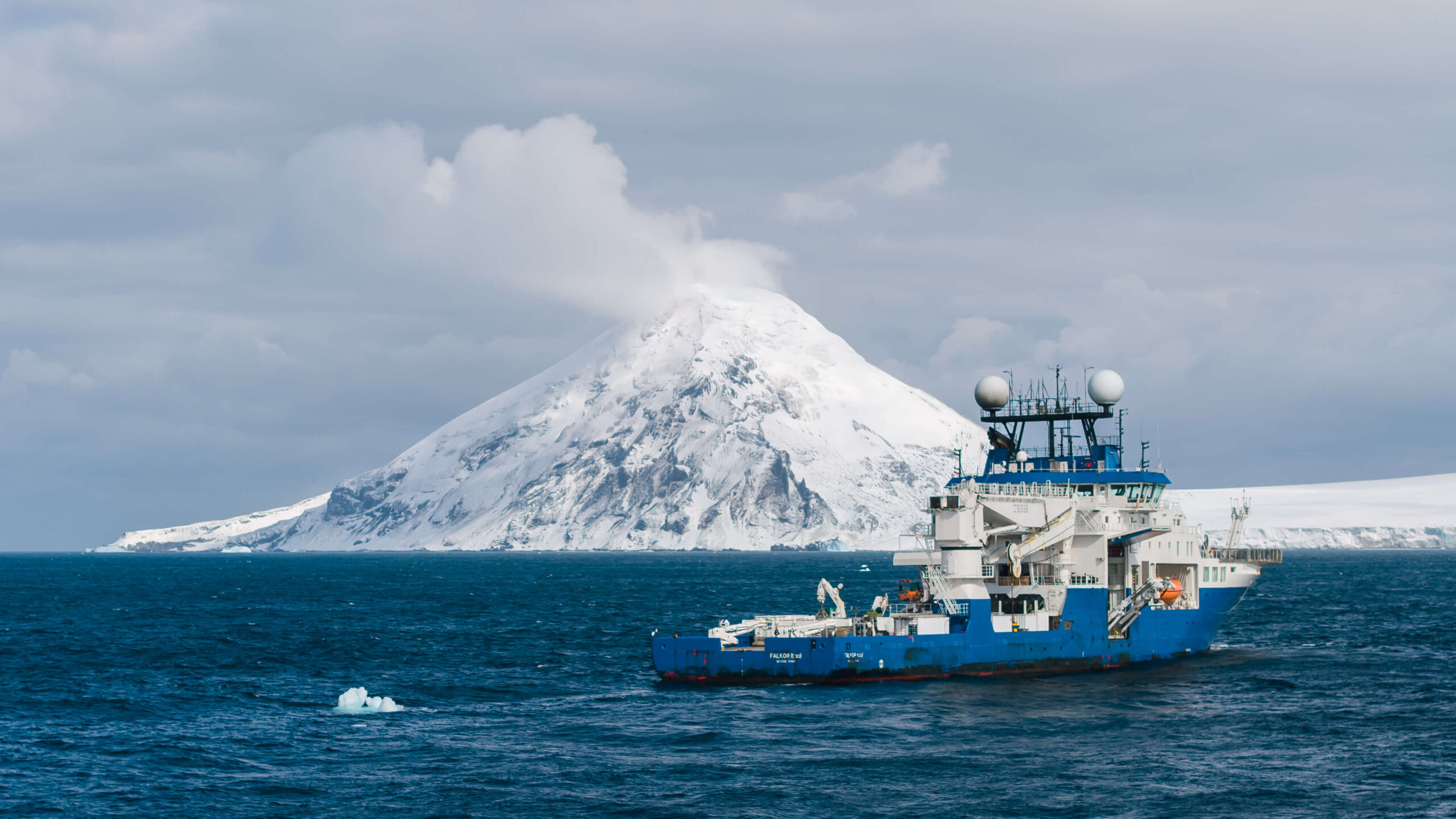
With several years of marine fieldwork experience across coastal and offshore environments in Trinidad and Tobago, Cherisse has worked on everything from lionfish surveys and seagrass assessments to specimen collection and underwater photogrammetry. Cherisse brought this experience to the 30-day Schmidt Ocean Institute expedition aboard R/V Falkor (too), exploring Trinidad and Tobago’s largely unexplored mesophotic and deep-sea ecosystems.
The Ocean Census Expedition Awards support scientists to join research expeditions and contribute their expertise to the discovery and understanding of marine life. For Cherisse, the expedition is an opportunity to deepen her experience in deep-sea research while helping uncover the biodiversity of her home waters.
Written by: Cherisse Persad
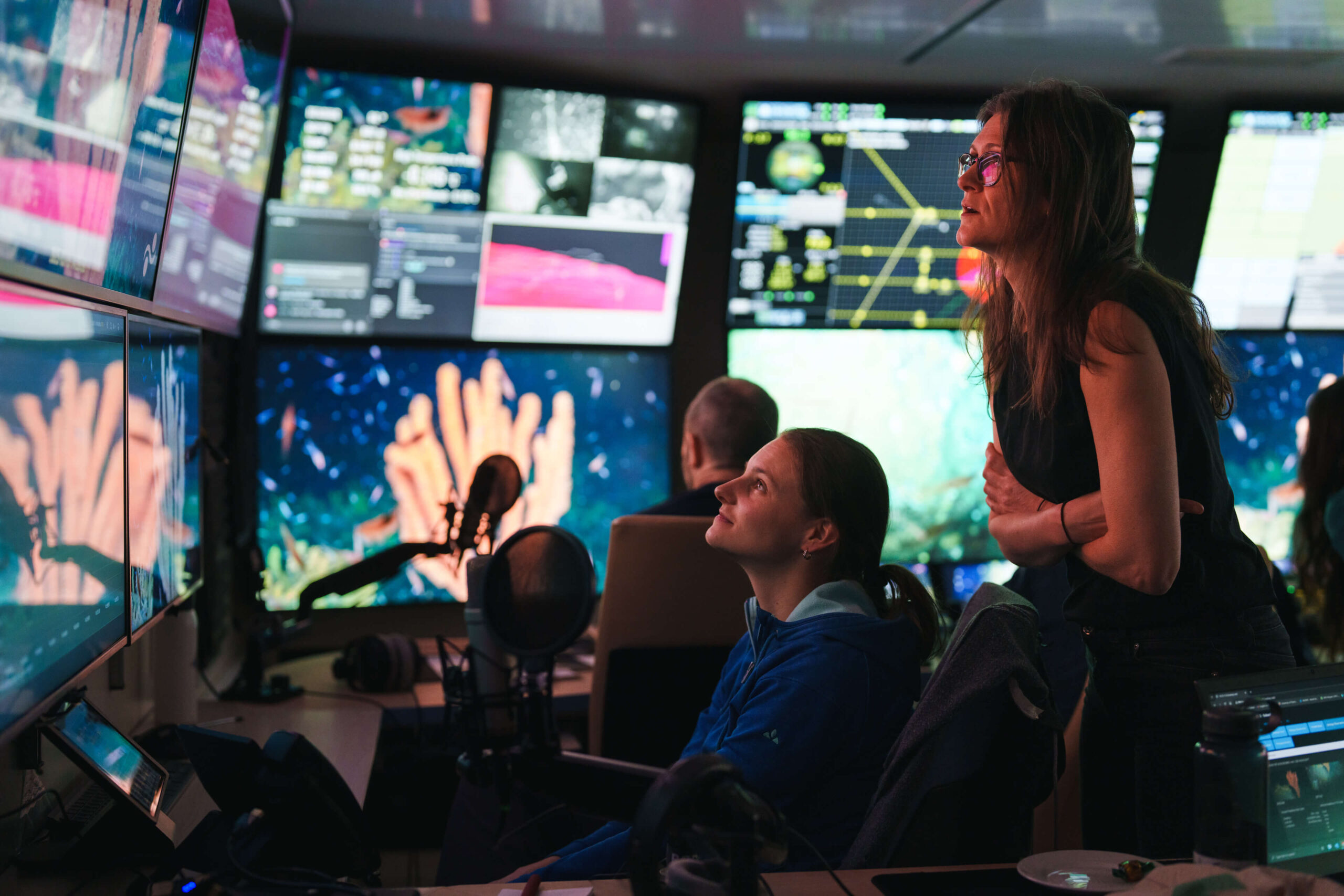
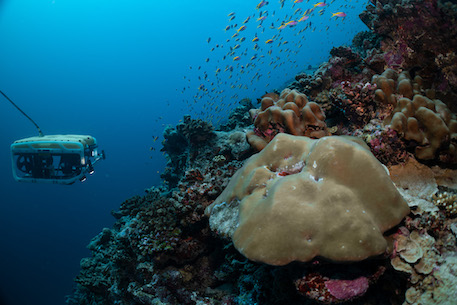
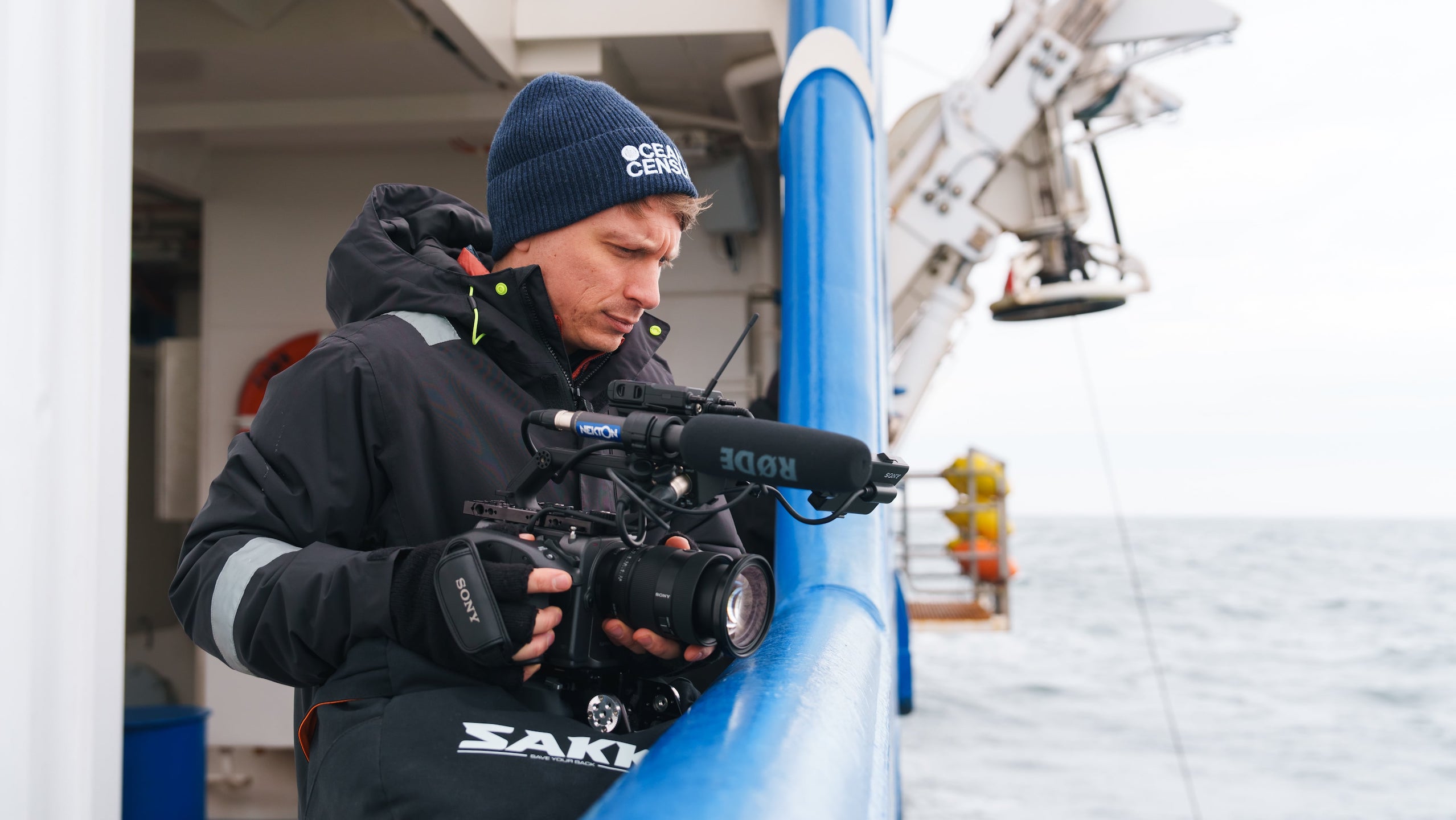
Feature Image Credit: Mónika Naranjo González / Schmidt Ocean Institute
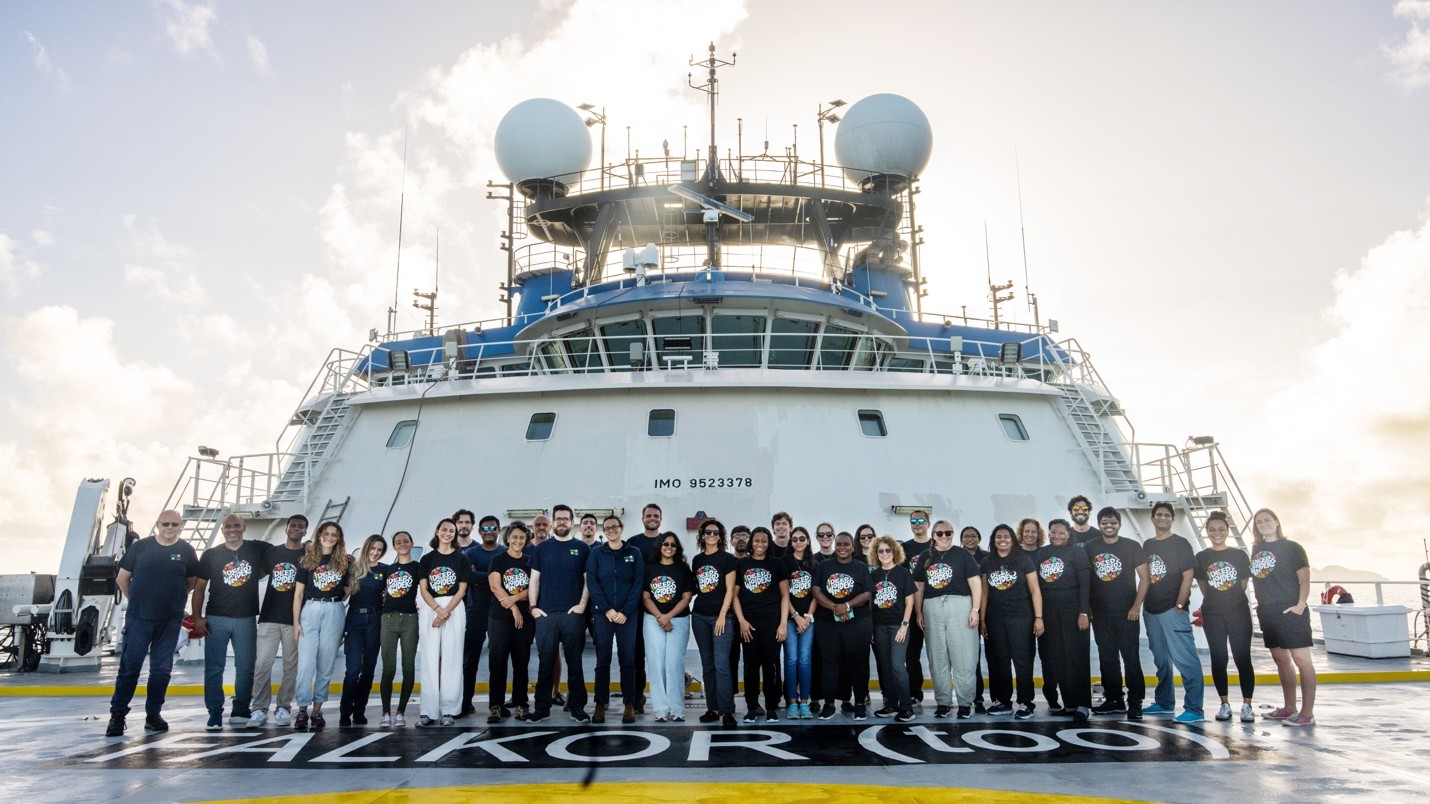
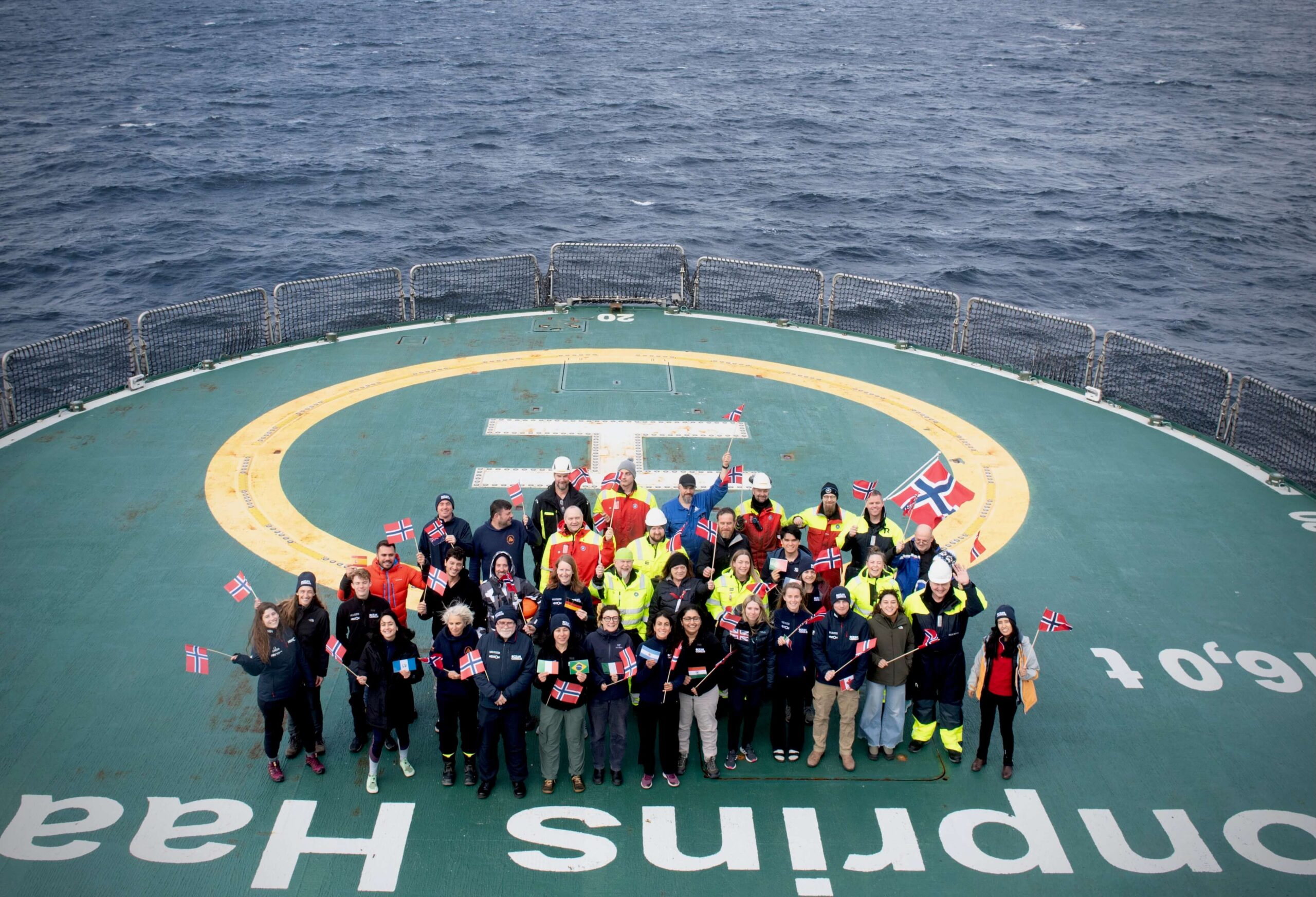
The entire Trinidad & Tobago team on the deck of R/V Falkor (too) Image Credit: Mónika Naranjo González / Schmidt Ocean Institute
Following the sound of the sea
If you had told me a year ago that I would be joining a deep-sea research expedition, I’m not sure I would have believed you. At the time, becoming a deep-sea scientist wasn’t even the direction I thought I was heading.
That changed during my Master’s. When choosing my research project, I was drawn in by my supervisor, Dr. Joan Alfaro-Lucas, and his infectious enthusiasm for his research. Before long, I found myself studying deep-sea benthic communities associated with organic falls.
When I later heard about the Deep Wonders of Trinidad and Tobago expedition, I reached out to two of my former bosses, Dr. Farahnaz Solomon and Dr. Anjani Ganase, both Principal Investigators on the expedition. Through those connections, Chief Scientist Dr. Diva Amon heard about the work I’d previously done with members of the team, my current deep-sea research with Joan—whom she had also worked alongside—and the fact that I was a Trinbagonian scientist.
I was incredibly fortunate to have people who knew my work and were willing to champion me, and Diva offered me the opportunity to join the expedition.
But being offered a place and actually getting aboard were two different things.
There were months of administrative work and uncertainty behind the scenes. In fact, final approval arrived just six days before I was due to fly to Trinidad. To say that was stressful would be an understatement!
Then there was another barrier that isn’t always visible when we see major research expeditions online: the cost of simply getting there.
Schmidt Ocean Institute generously covers the enormous costs of operating the research vessel, its equipment and life on board. I still had to get myself to the ship. Flights, hotels, offshore training, medicals and essential equipment quickly add up—especially as a Master’s student based in England.
The Ocean Census Expedition Award removed that barrier. Those costs were suddenly no longer standing between me and an opportunity I had dreamed about but never imagined I would have this early in my career. It meant I could actually say yes, get there and step aboard.
And after all the uncertainty of the months leading up to it, there were quite a few moments aboard Falkor (too) when I found myself thinking: “Whoa, I can’t believe I’ve made it here.”
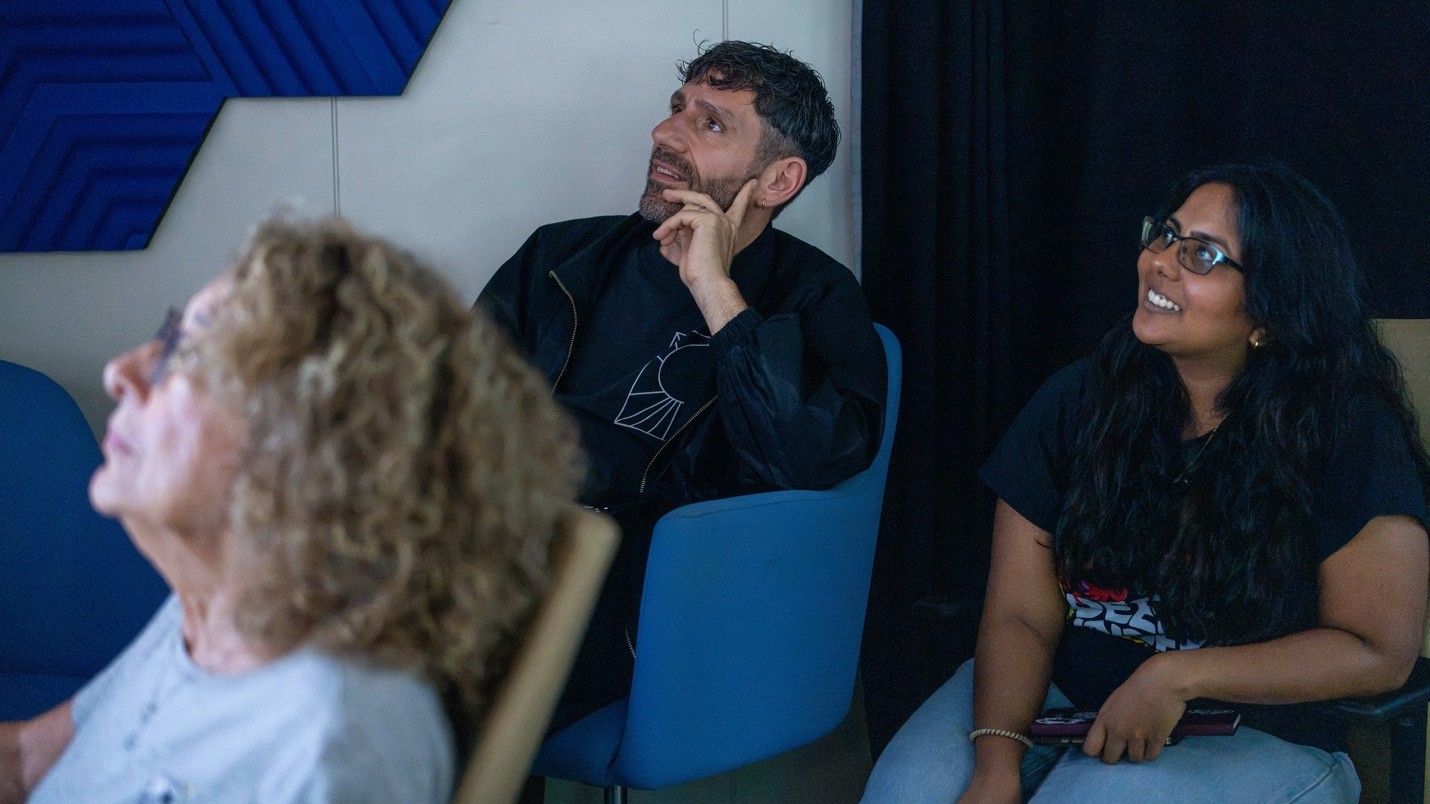
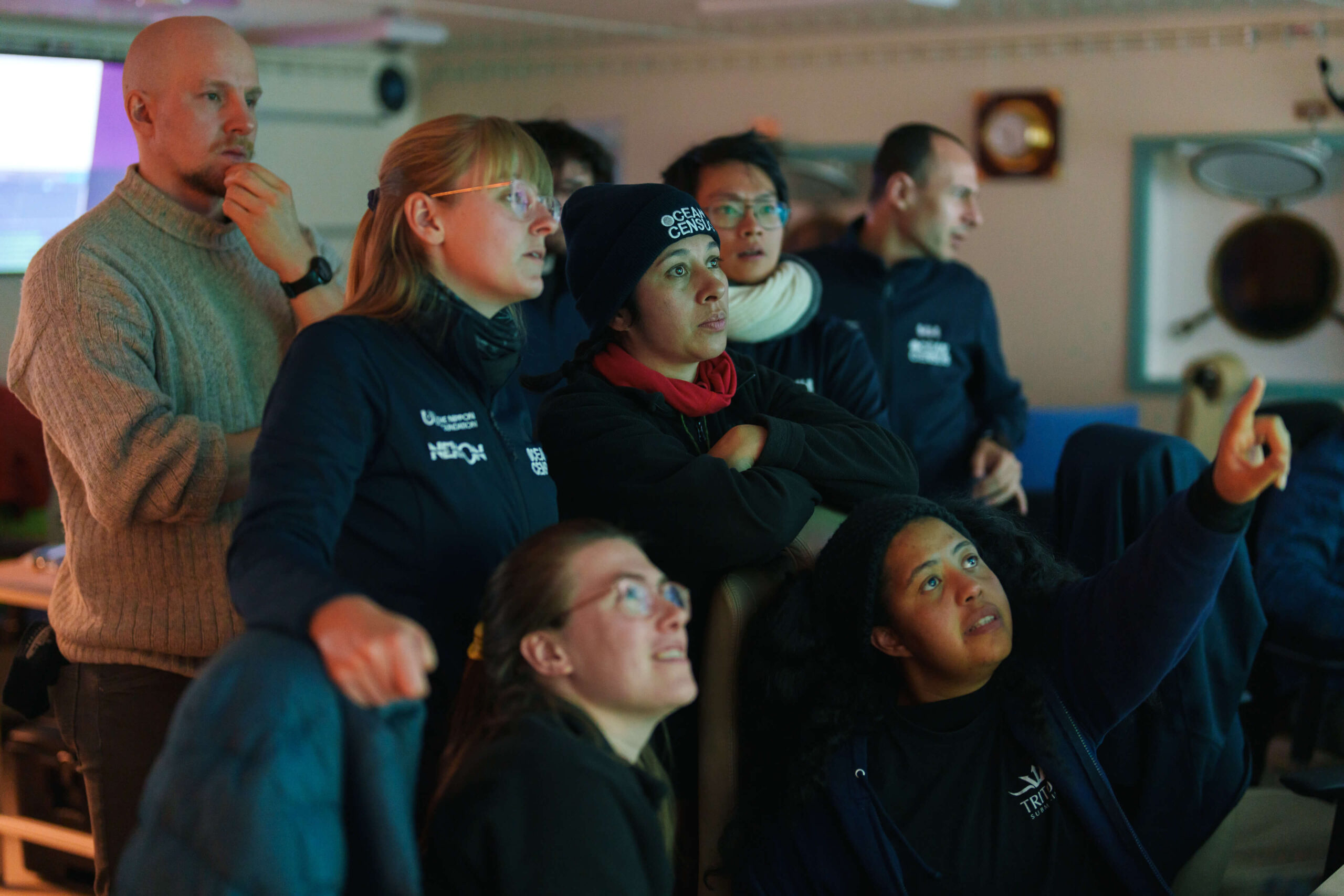
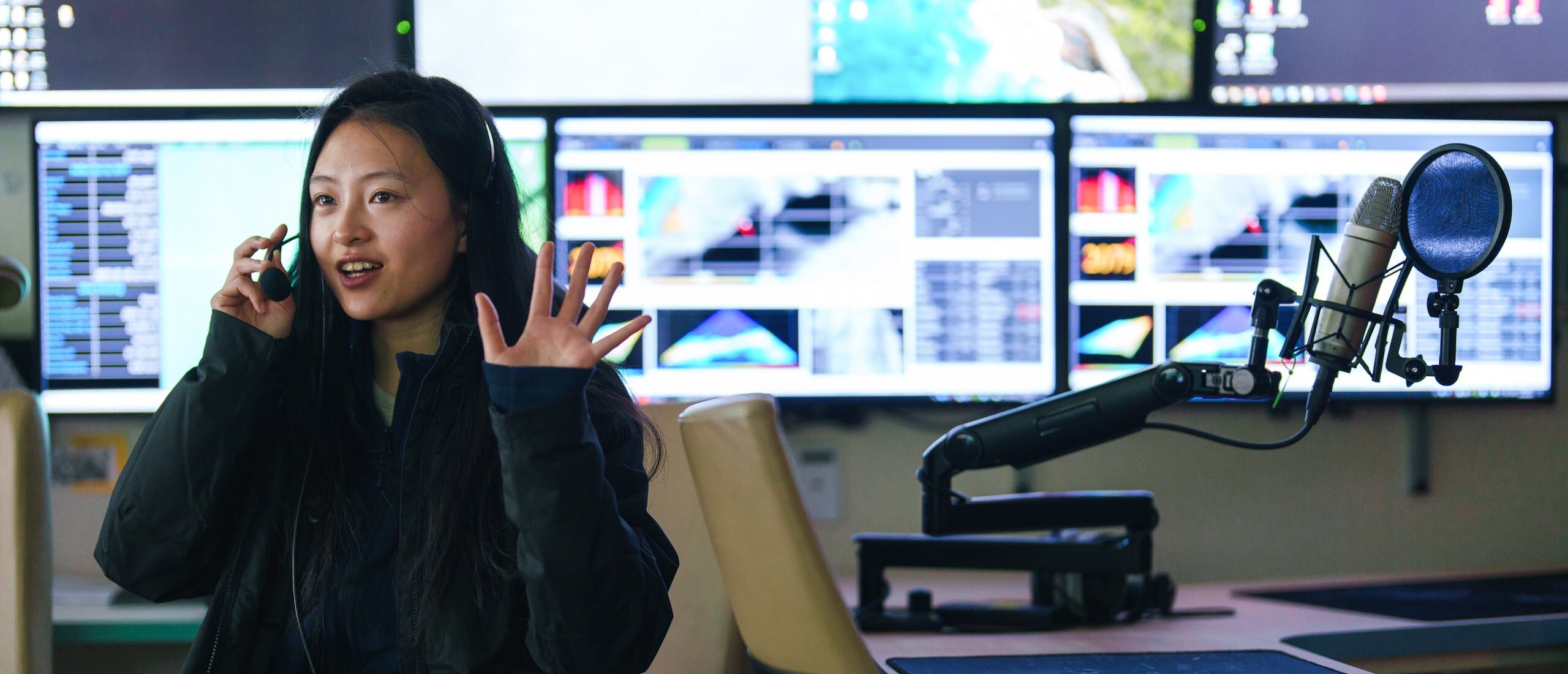
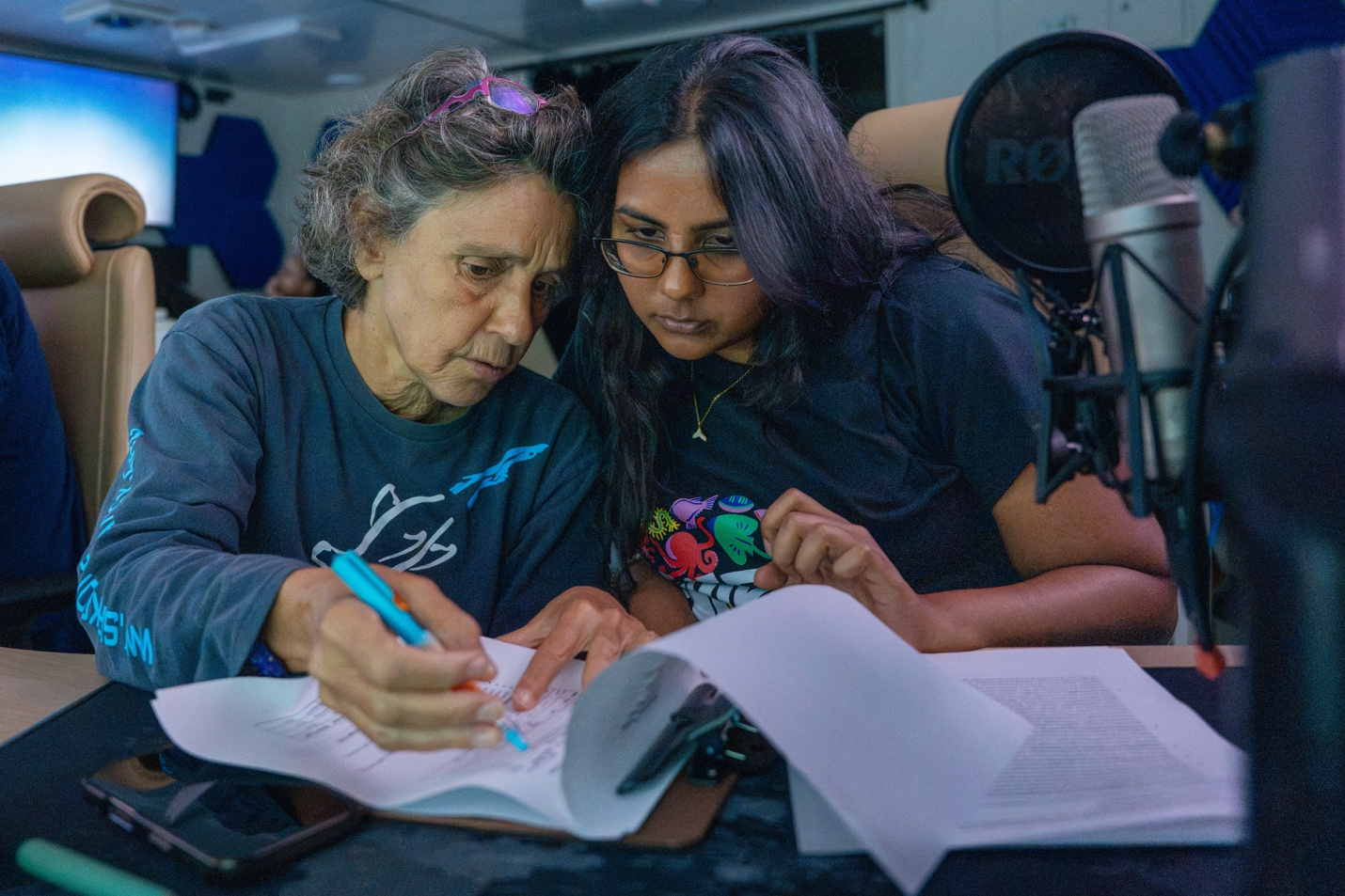
My first time in Mission Control observing an ROV dive. In awe honestly Image Credit: Mónika Naranjo González / Schmidt Ocean Institute
Life according to “The Daily Plan”
Our first day aboard Falkor (too) began with inductions from the Captain and First Officers on the bridge and from Diva. We were also introduced to something that would quickly become essential to everyday life aboard the ship: “The Daily Plan.”
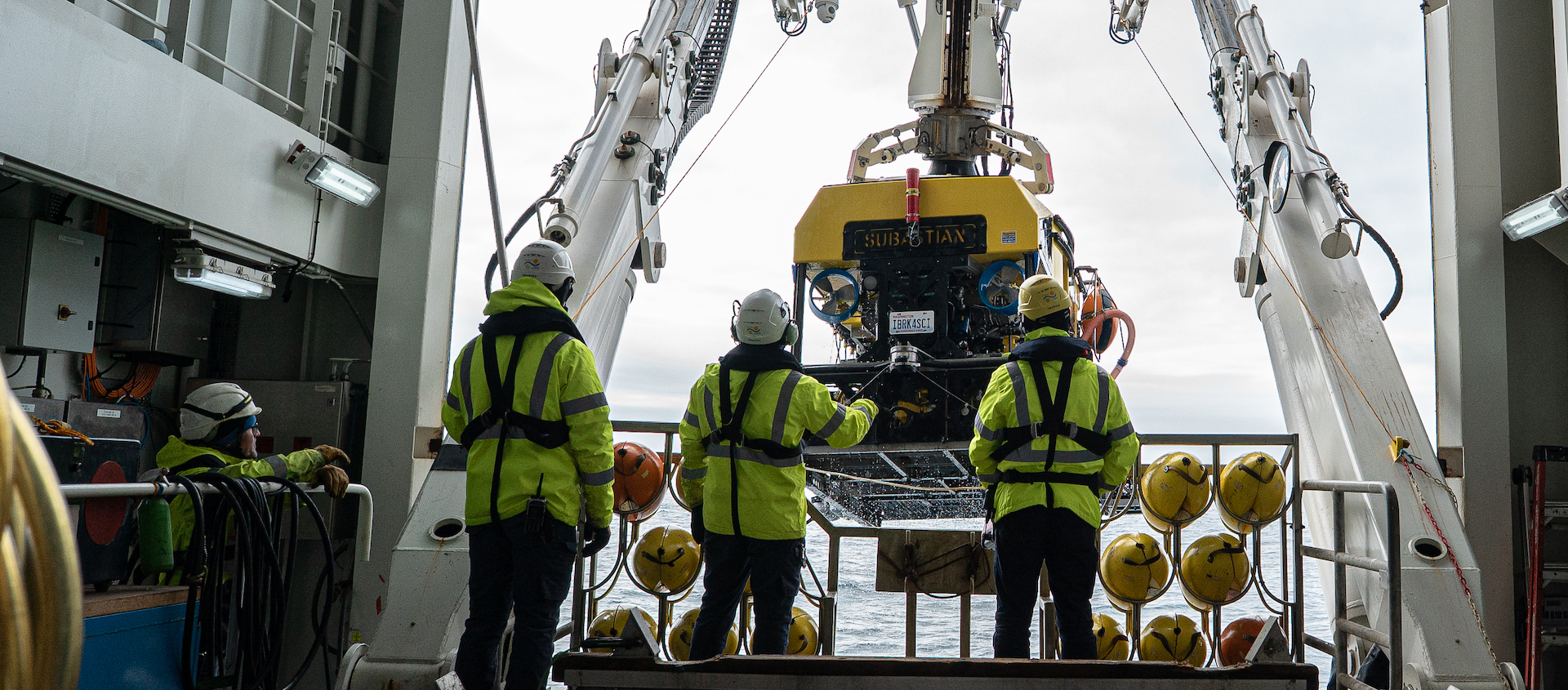
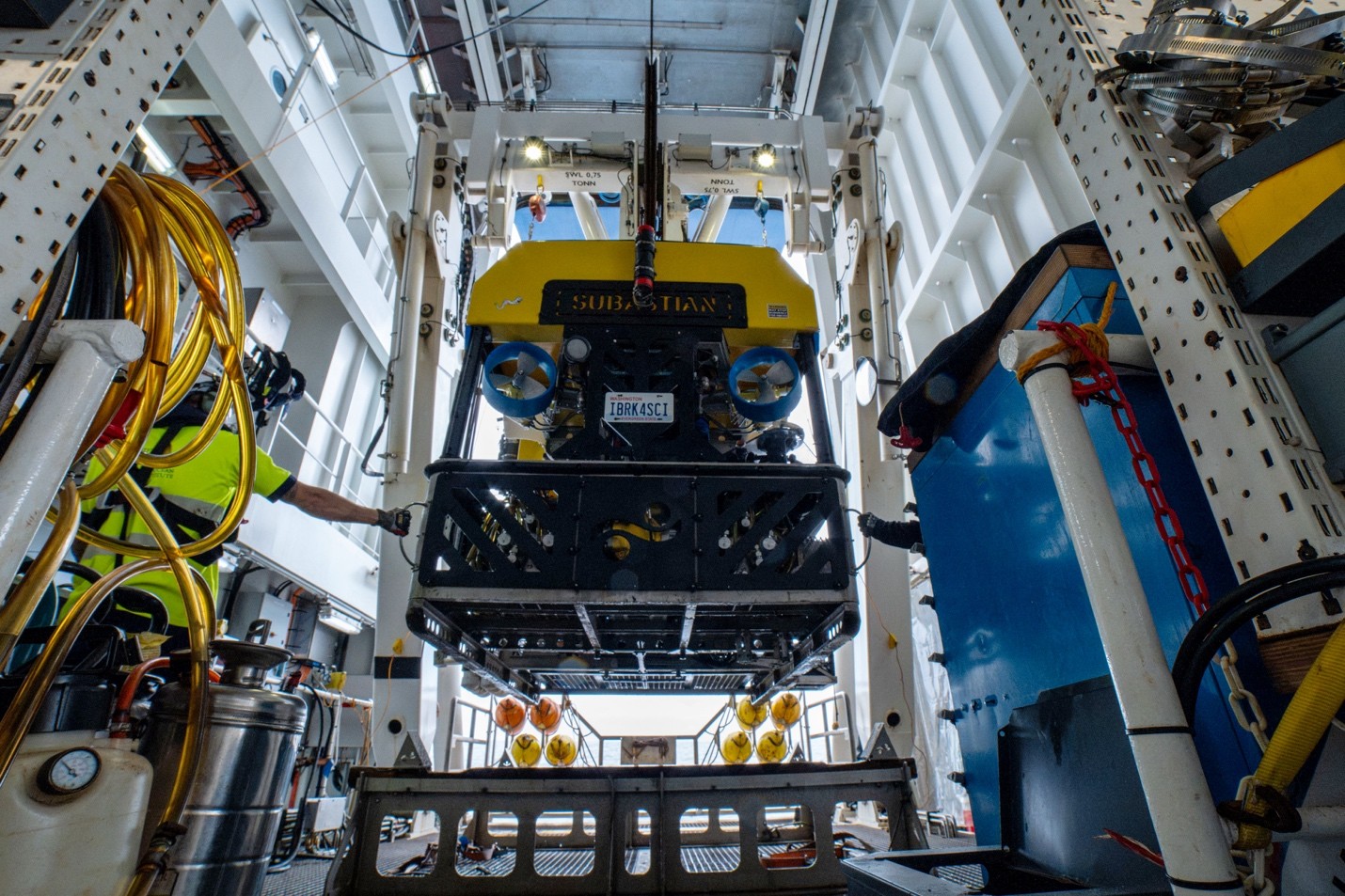
It was a living document setting out everything from when ROV SuBastian was expected to enter and leave the water to our daily science meetings, CTD casts, plankton tows and seafloor mapping. You quickly learned not to check it just once. I checked it multiple times a day.
Things don’t always run exactly to schedule at sea. Sometimes we transited between sites in a few hours; other journeys happened overnight. Dives could run longer, mapping could take more time, or an operation might finish earlier than expected. Weather could change everything, and even Sargassum had a say in our plans—too much could clog the nets and prevent planned tows.
The Daily Plan gave us structure, but life aboard taught us to stay flexible.
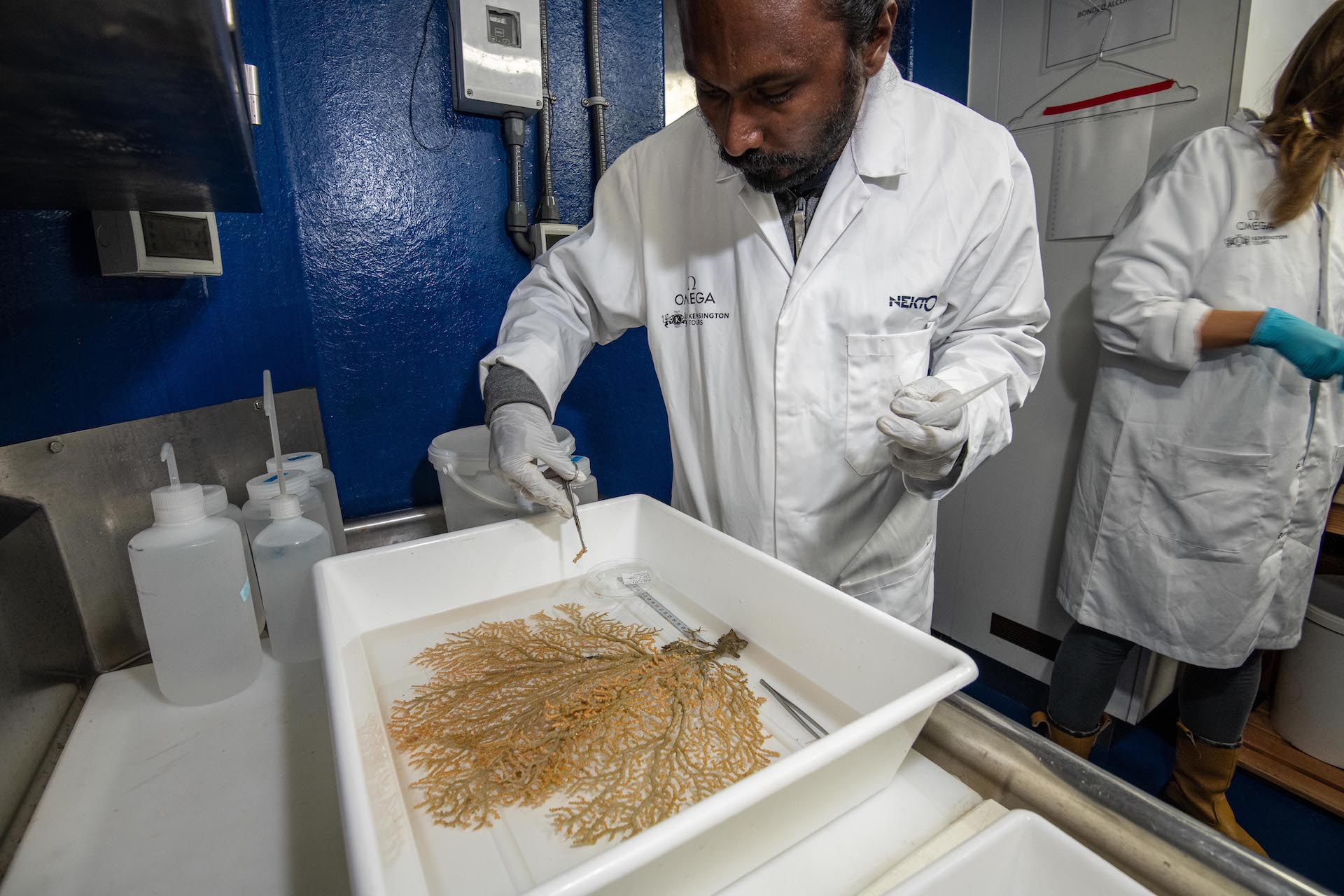
Early in the expedition, ROV dives generally ran for around 12 hours, approximately 9 am to 9 pm. When ROV SuBastian returned carrying specimens, there was a feeling a little like waiting at the starting line of a race. We’d wait for the ROV’s “no entry” sign to come down, and then it was time to get to work: retrieving samples, imaging them and beginning the preservation process.
Then there were sediment days.
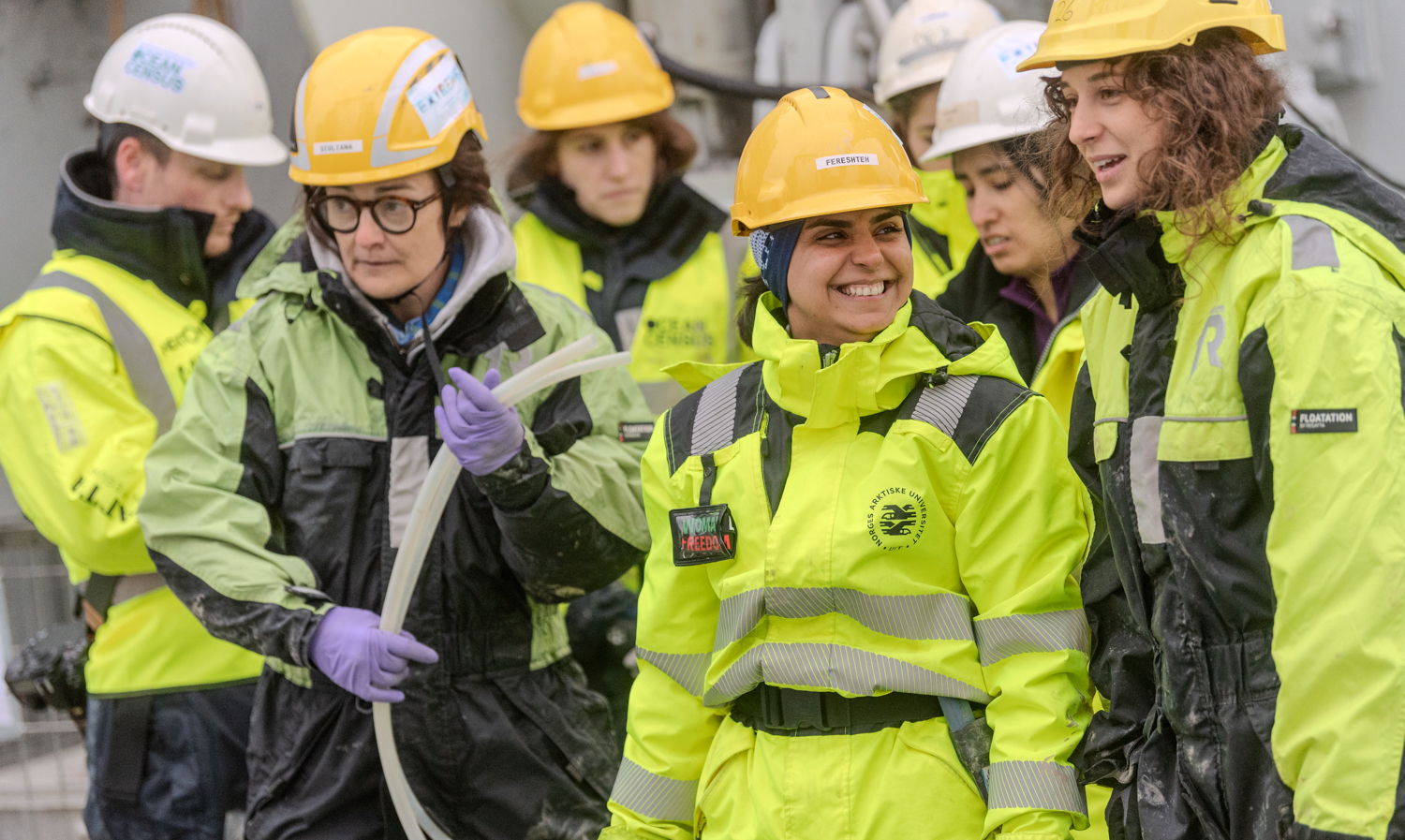
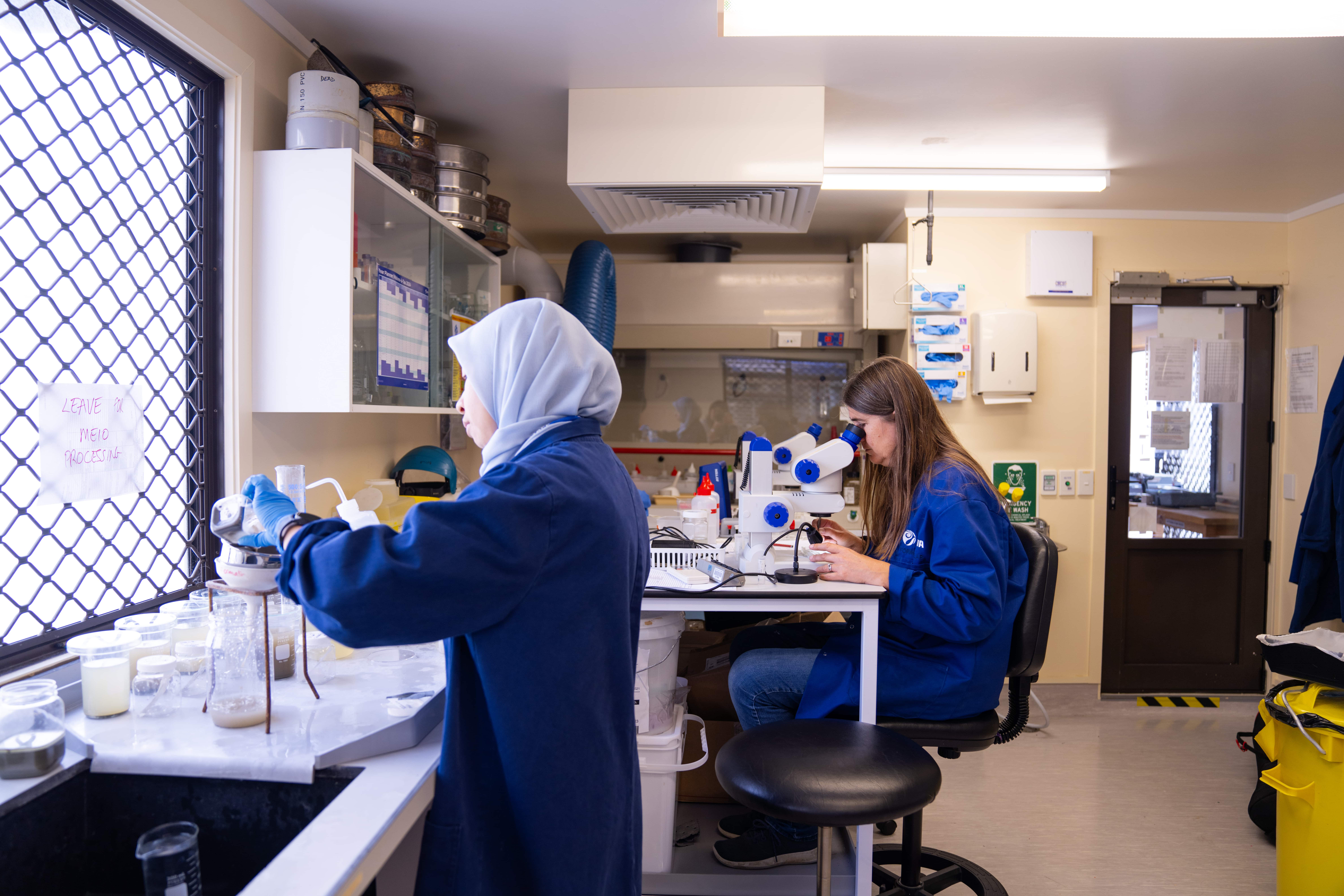
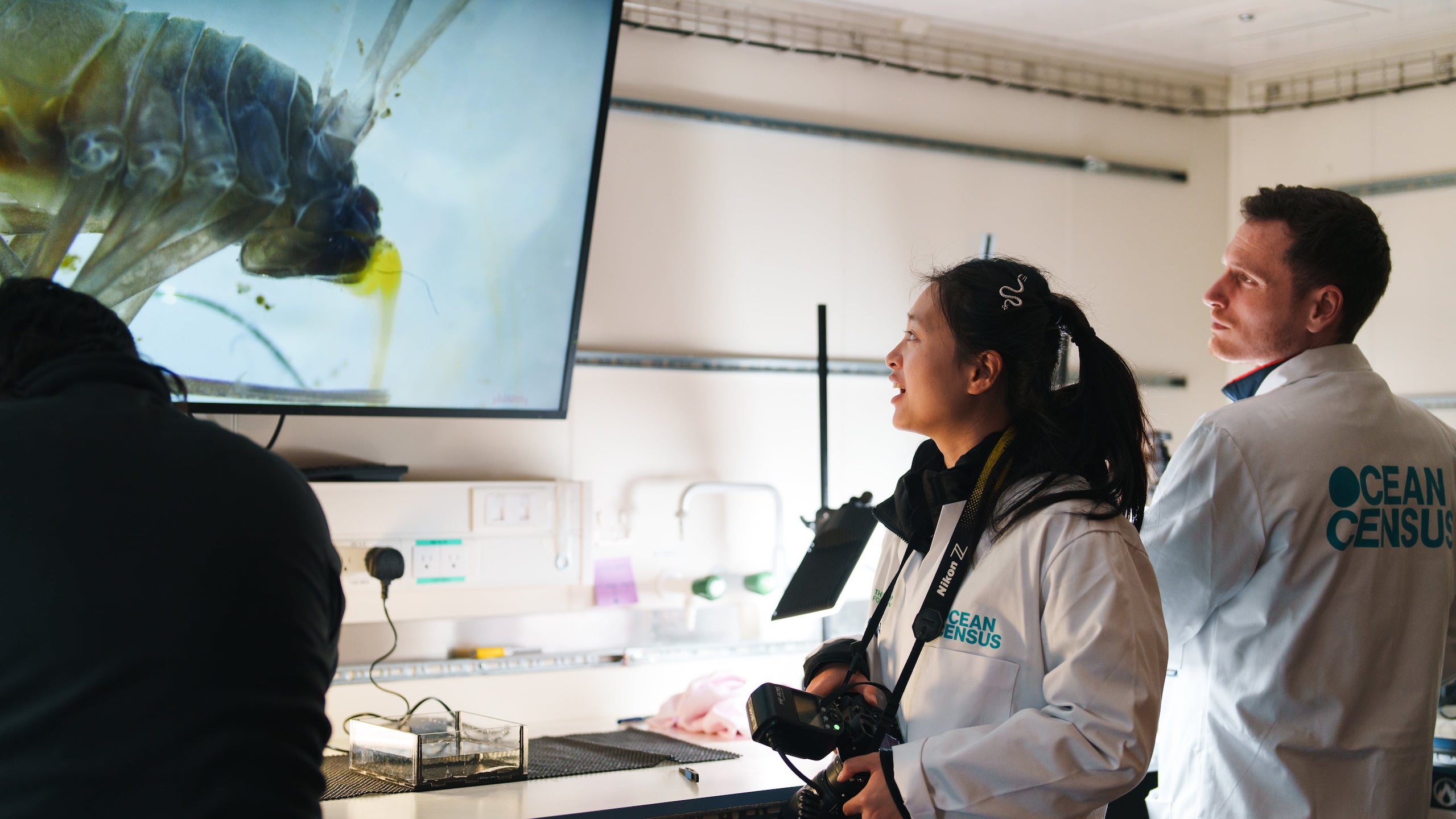
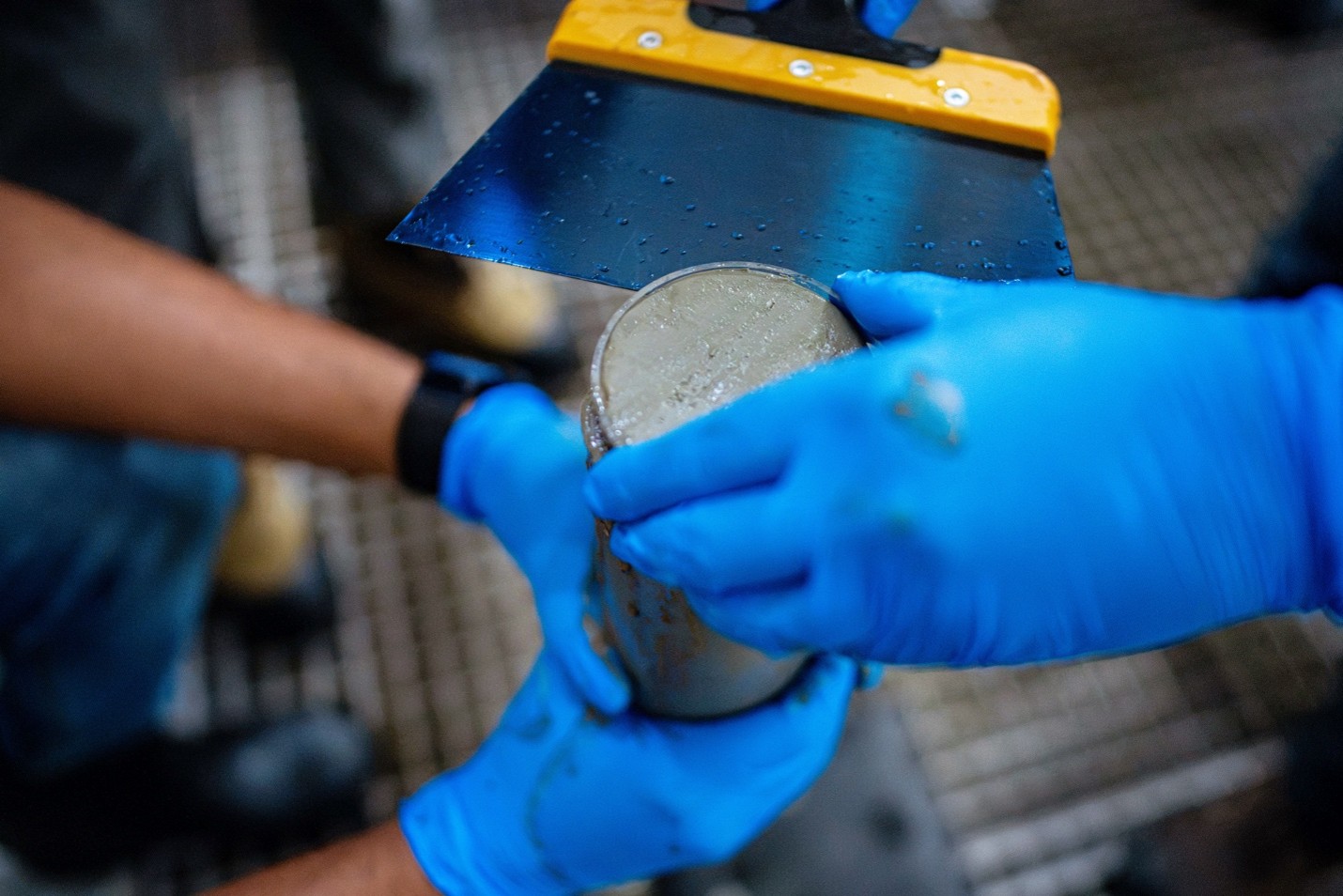
I was part of the team processing sediment cores for macrofauna. We processed three horizons from three sediment cores, sieving the sediment by hand in cold, filtered seawater. Among ourselves, we described the technique in slightly less scientific terms: gold panning.
There was a lot of repetitive up-and-down shaking as we worked through the sediment looking for tiny organisms. When a late-night processing session required us to add headlamps, the gold-mining comparison became even more convincing.
Three cores could take around three hours to process, so if the ROV surfaced late, we worked late too. Yet some of those long nights became some of my favourite memories aboard the ship, with hours of sediment processing accompanied by karaoke with the girls working alongside me. It turns out serious deep-sea science and questionable late-night singing can coexist quite happily.
Spending that long at sea also does something strange to your sense of time. Operations, dives and transits changed around us and some days began to blur together.
There was, however, one day I could always identify: Sunday.
Sunday meant cabin inspection and, much more importantly, ice cream day.
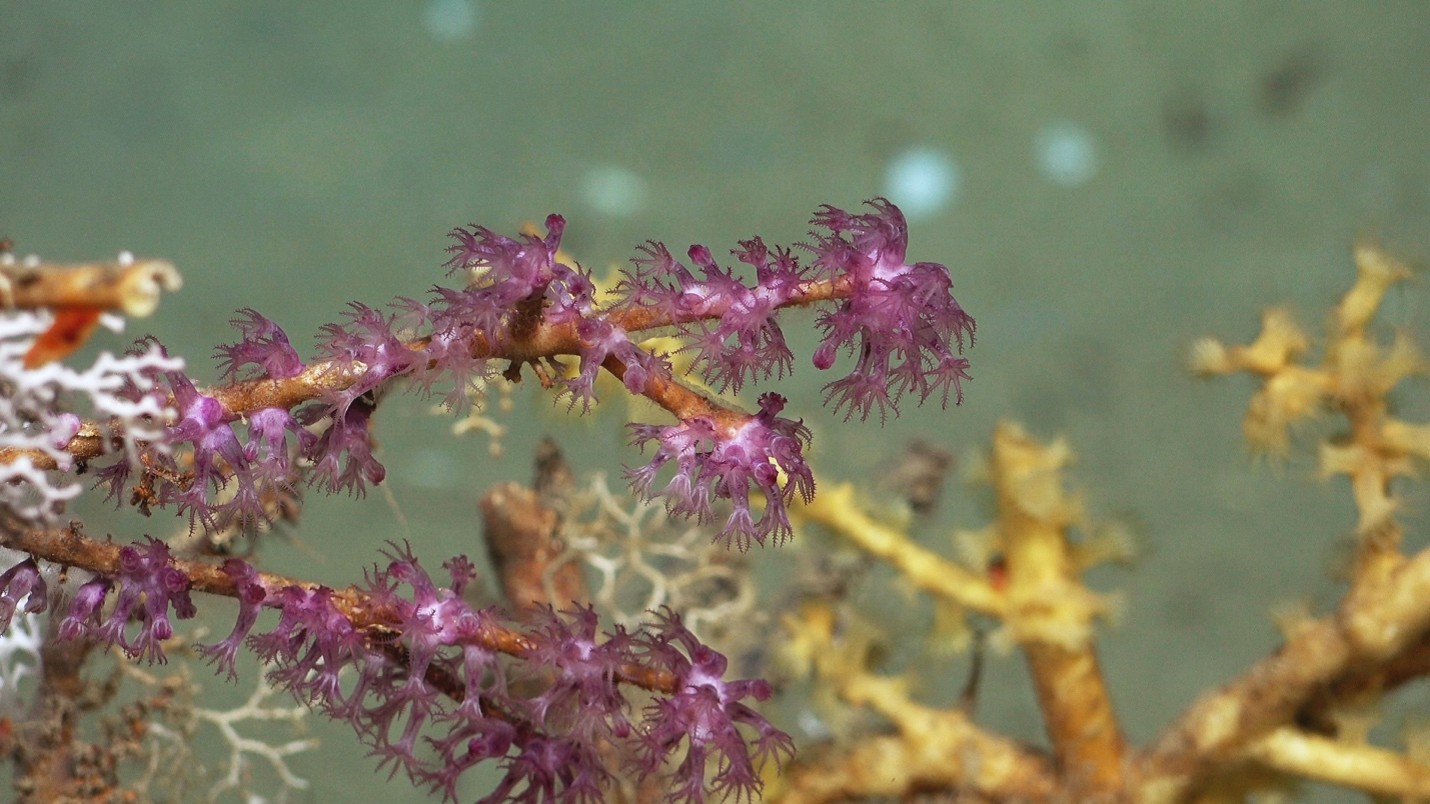
“What is that?”
Before the expedition, much of my Master’s research was desk-based. I knew the scientific names of many deep-sea organisms without necessarily knowing what they looked like alive. Suddenly, I was seeing them in their natural habitats, hundreds or even thousands of metres below the surface.
I’d watched deep-sea exploration online and on television for years, but experiencing it was completely different. Some days we’d be “bubble hunting” with the ROV, investigating bubble streams in search of cold seeps. On another day, we’d simply be moving across the seafloor when an absolutely adorable false catshark appeared in front of the camera at 1,086 metres, looking remarkably like Toothless from How to Train Your Dragon.
But perhaps the moments that captured exploration best were when something appeared on screen and I’d instinctively turn to one of my much more experienced colleagues and ask:
“What is that?”
Only to see the same look of wonder on their face.
Sometimes the answer wasn’t immediately obvious to anyone in the room. Being surrounded by scientists with different expertise, all trying to understand something unexpected together in real time, was when it really hit me: this is what exploration feels like.
That curiosity extended well beyond the ROV screens. One of my favourite parts of Falkor (too) was having so many different kinds of expertise around me, and I took full advantage of it.
I asked everyone everything.
I’d ask Diva how she managed to recall so many scientific names off the top of her head. I’d ask the geophysicists to explain what I was seeing on the maps: how resolution changed with depth, what that meant for swath size, and how our seafloor mapping compared with the satellite-derived bathymetry I was more familiar with.
We had three sponge specialists aboard, so I learned more about sponges than I ever expected to know. I also learned about cryopreservation techniques and how they can be used to preserve living biological material for future research.
Then I’d ask other scientists about modelling, drop cameras, eDNA and microplastics. Everyone seemed to be looking at the same ocean through a slightly different scientific lens.
My questions weren’t limited to scientists. I spoke to technicians and ROV pilots about their jobs, how they’d found their way into those careers and, naturally, their coolest deep-sea sightings. That last question usually paid off: lunch or dinner could suddenly turn into someone pulling out their phone to show me incredible photographs and videos from previous expeditions.
I even questioned the chefs and somehow discovered that one had previously cooked for royalty.
Nobody aboard was safe from my questions!
I went aboard excited to discover more about Trinidad and Tobago’s deep ocean, but discovery for me wasn’t solely ocean-based. It was also about the people—their expertise, their lives and the many different paths that had brought all of us to the same ship.
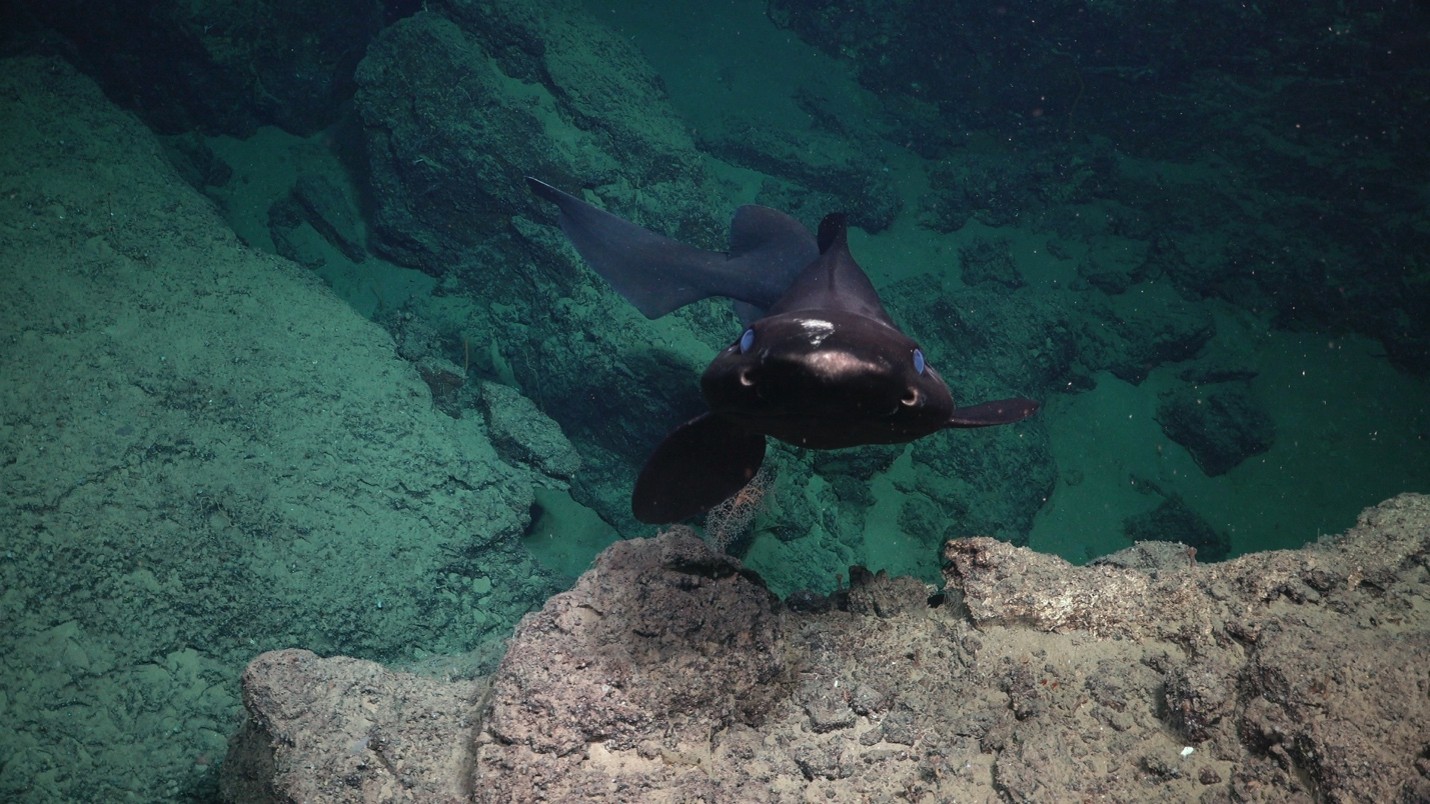
A surprise visit from a False Catshark at 1,086m Image Credit: ROV SuBastian/Schmidt Ocean Institute
From watching to participating
I boarded Falkor (too) expecting mainly to support the science team wherever I could. What I hadn’t anticipated was how many opportunities I would have to take on responsibility myself.
One of those came during the ROV dives. At first, I watched more experienced members of the team narrate dives while I helped with dive logging. Eventually, it was my turn to move into the science “hot seat” and narrate a dive myself.
I was incredibly nervous.
Narrating wasn’t simply describing what appeared on screen. It meant working closely with the dive watch lead and ROV pilots as the dive unfolded, helping coordinate scientific priorities in real time. Did we need closer imagery of an organism or feature? Was it time for a video transect? Was there something we wanted to sample? If so, how should we collect it?
Depending on the specimen, ROV SuBastian might use its soft manipulator arms, a net or the suction sampler. We also had to keep track of where specimens needed to be stored, whether in the biological box or one of the coral quivers.
Going from sitting in the control room in awe during my first ROV dive to eventually sitting in that hot seat myself was nerve-racking, but it gave me an enormous amount of confidence. I wasn’t only watching deep-sea exploration anymore. I was learning how to actively participate in it.
I should probably admit that I was overcoming another challenge at the same time: I am, in fact, a seasick marine biologist!
There were days when I was fighting seasickness while still trying to get the work done. Thankfully, it never stopped me from taking part, and I hope anyone interested in going to sea with worries about seasickness doesn’t automatically assume it means these opportunities aren’t for them.
There was professional nervousness too. As a student still relatively new to deep-sea science, it’s difficult not to feel intimidated when you suddenly find yourself working alongside brilliant scientists and Principal Investigators whose expertise you admire. Of course you want to make a good impression, and there were moments when I wondered whether I knew enough.
One of my biggest lessons from the expedition was that I didn’t need to arrive knowing everything.
What mattered far more was enthusiasm, curiosity and a willingness to learn.
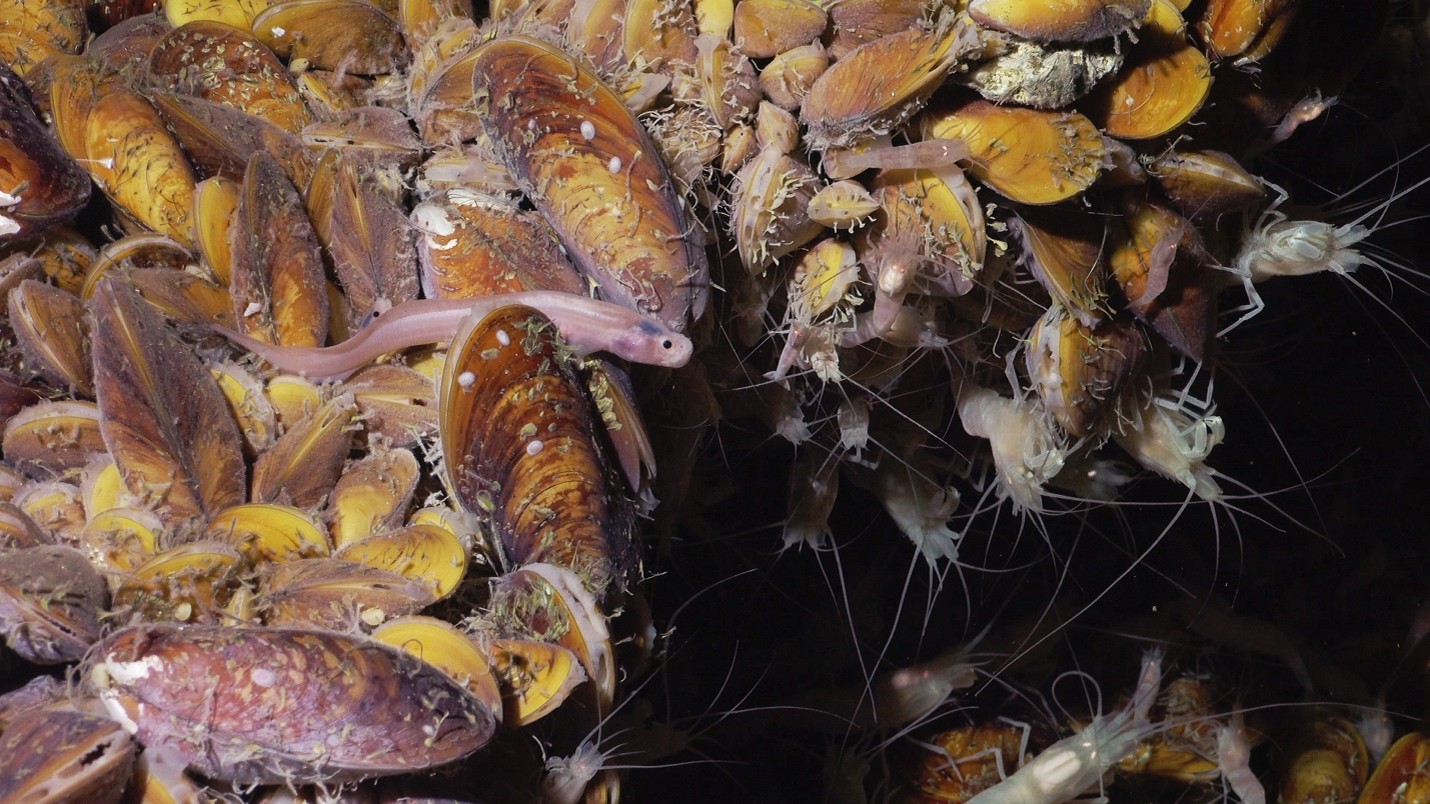
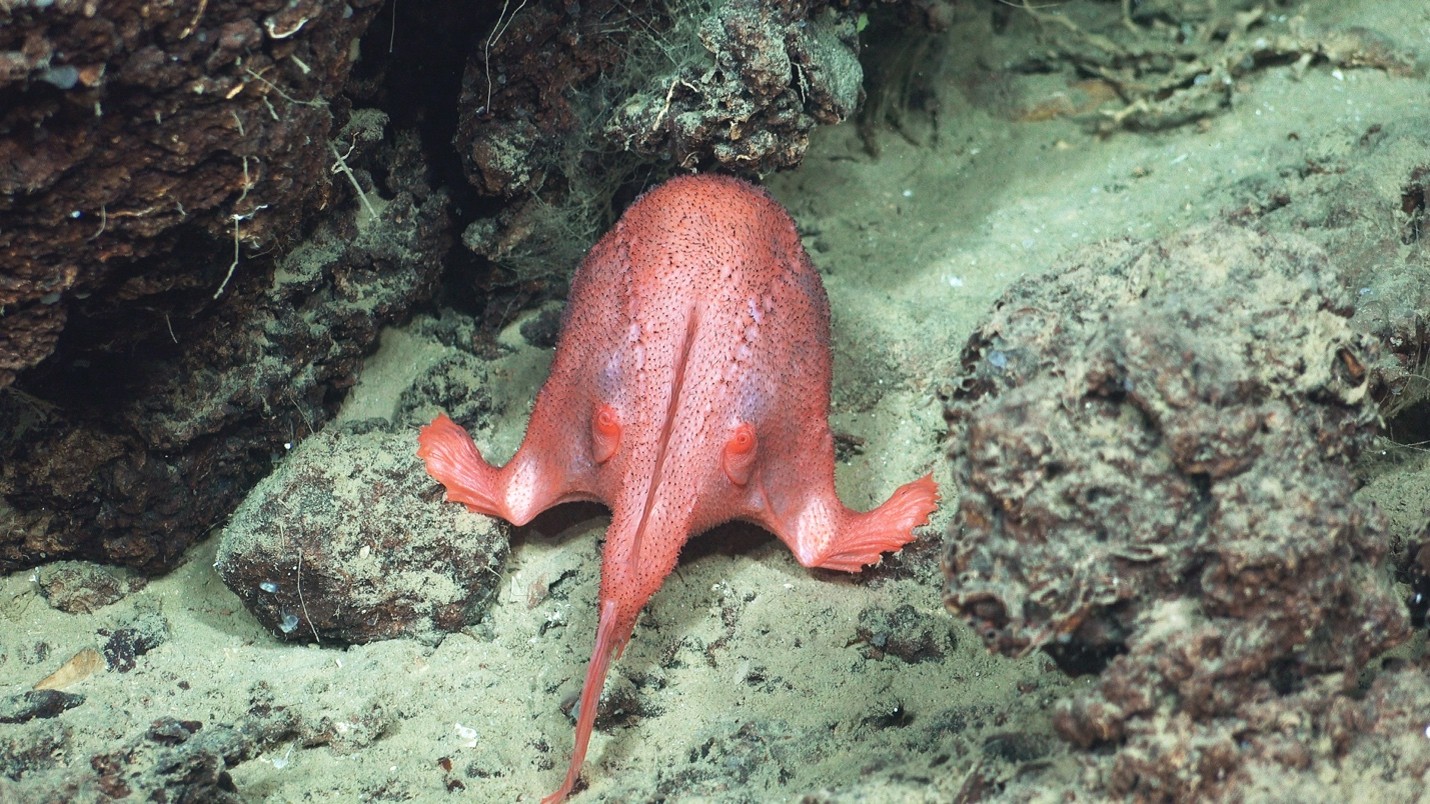
The expedition ends. The science doesn’t.
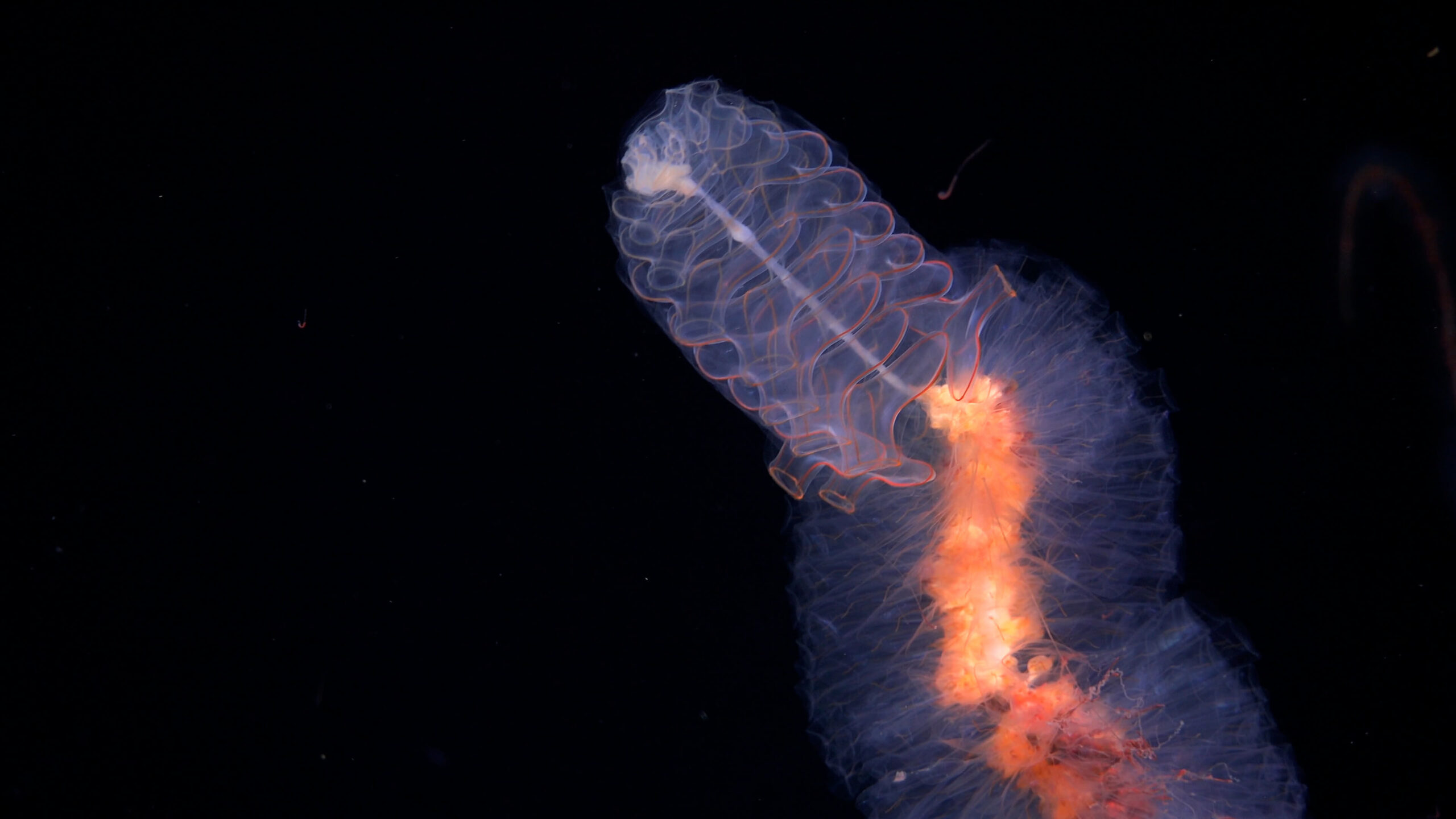
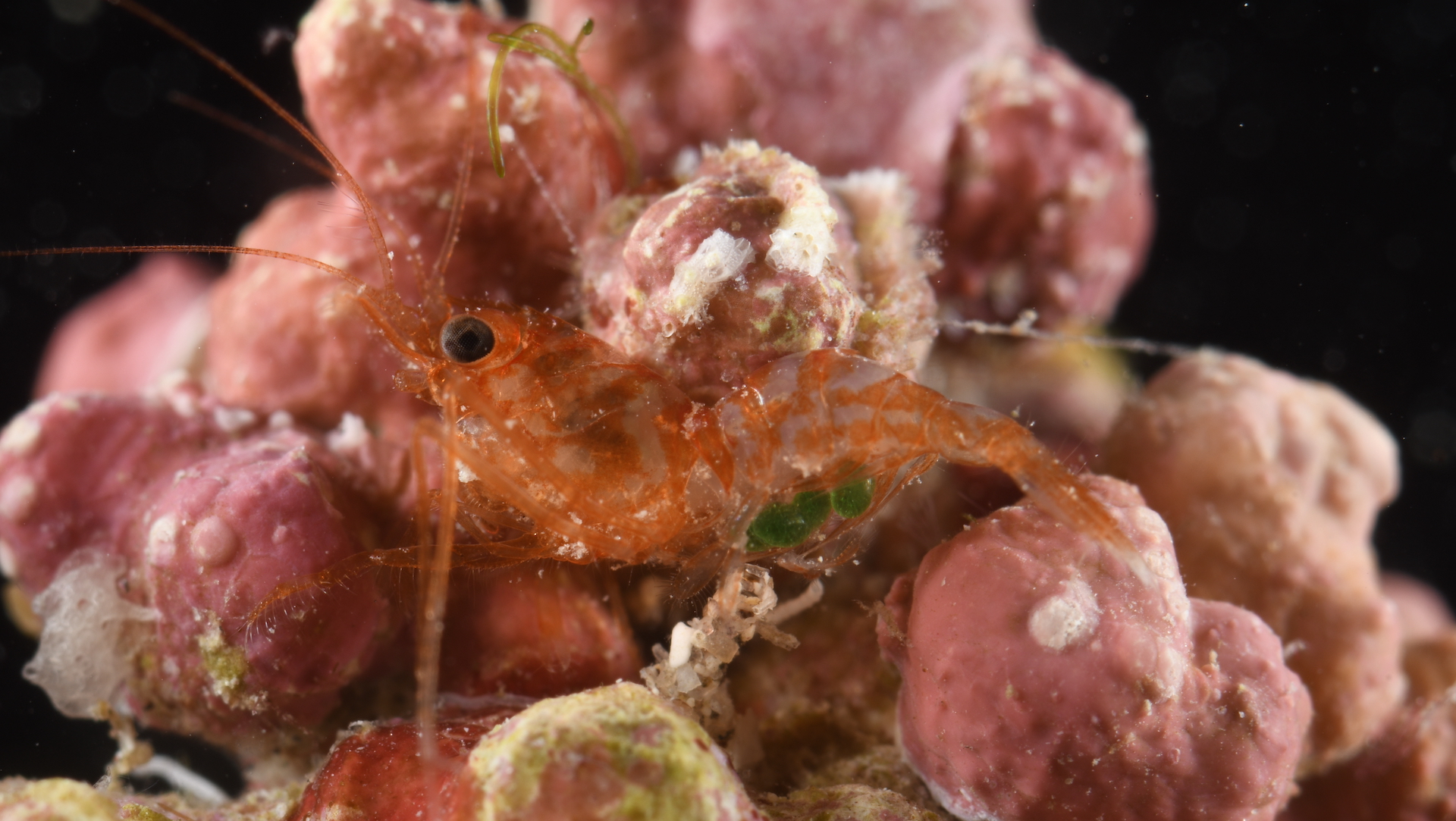
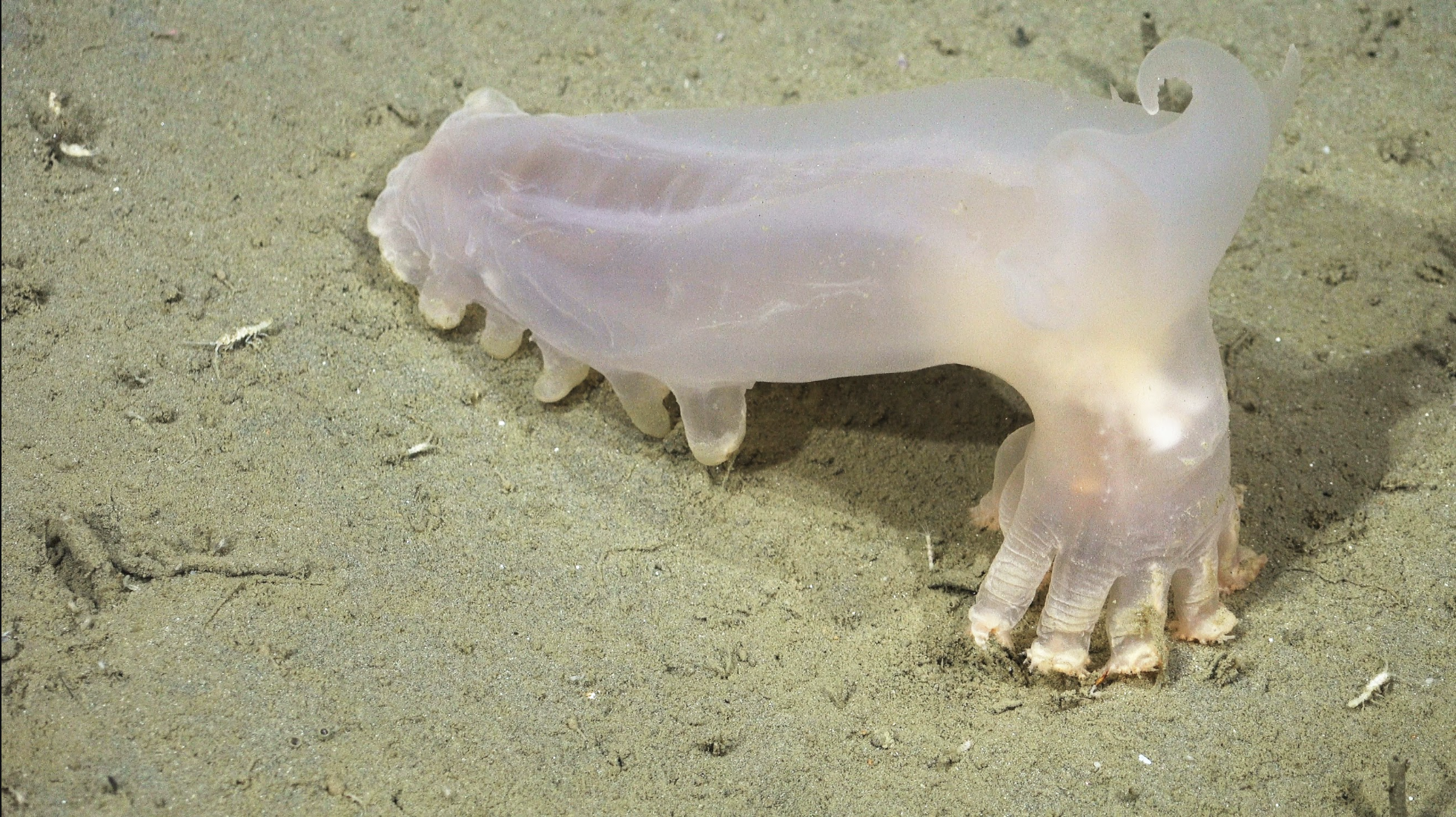
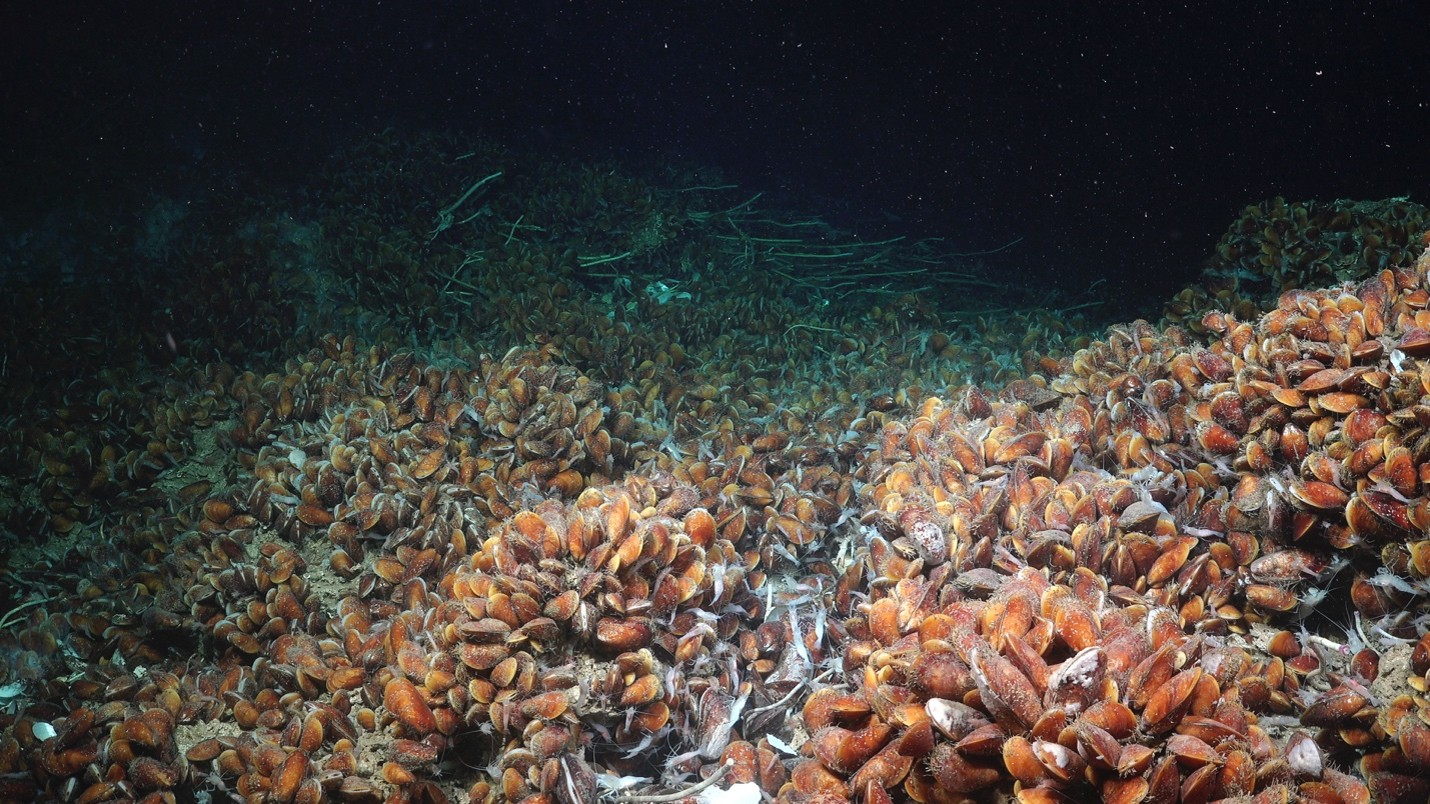
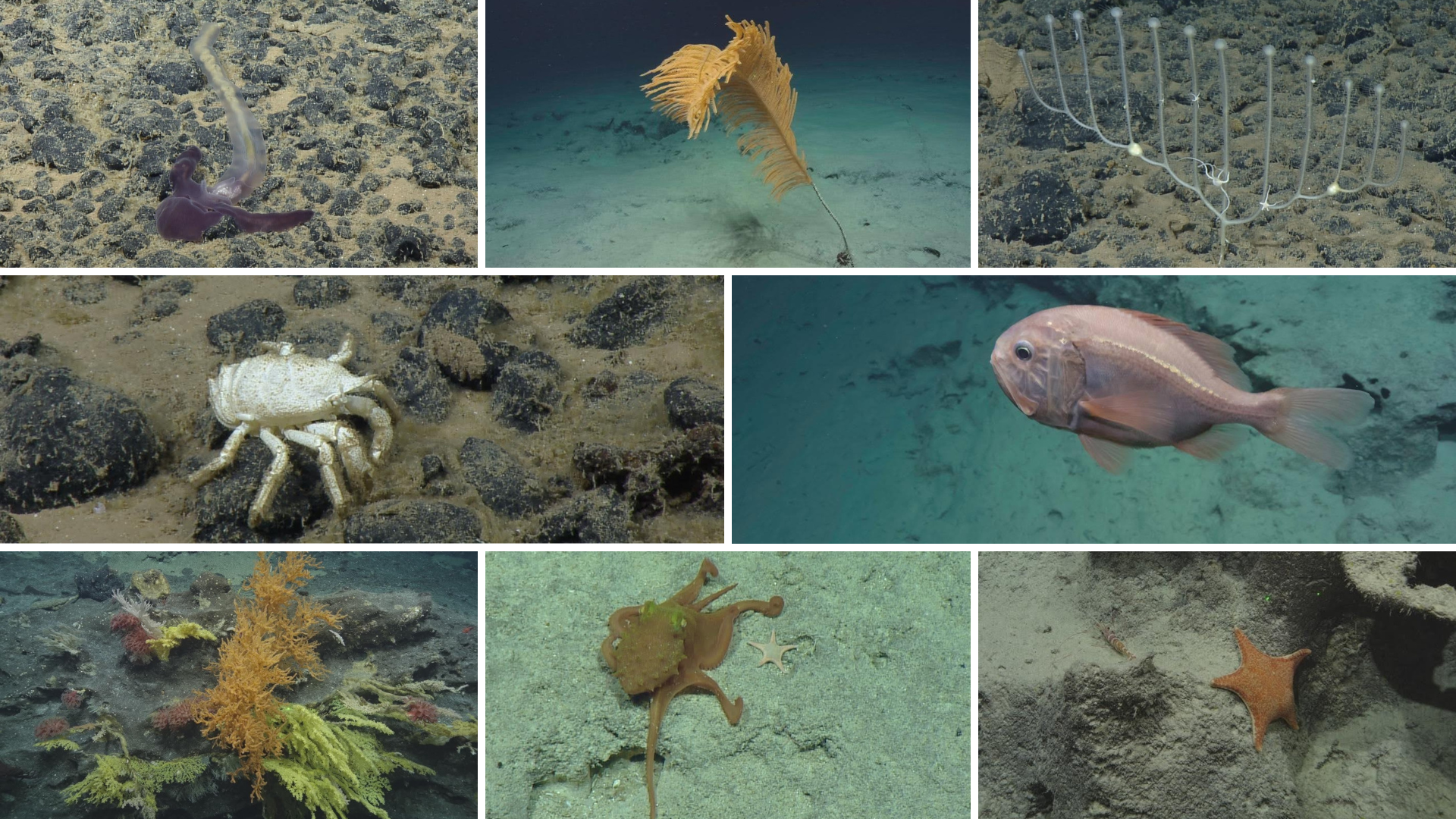
We returned with an incredible amount still to investigate, including suspected new species, species recorded in Trinidad and Tobago’s waters for the first time, and the cold seep ecosystems we encountered.
Those observations and specimens now need to be carefully examined and confirmed before the findings can be written up and shared with the wider scientific community and public.
As a Master’s student, I’ll be honest: I’m still learning what that entire process looks like. That’s one of the things I’m most excited about.
At sea, I experienced the journey from observing organisms in their natural habitats to helping collect, image, process and preserve specimens. Now I get to follow what happens afterwards and learn how those observations and specimens become scientific knowledge.
Looking back, perhaps there’s something fitting about how I ended up here in the first place.
A year before Deep Wonders of Trinidad and Tobago, deep-sea science wasn’t even where I thought I was heading. I followed my supervisor’s enthusiasm into a Master’s project that fascinated me, and when I heard about an expedition taking place in my home country, I did what apparently comes quite naturally to me: I started talking to people.
Then I finally got aboard—and apparently continued talking!
I asked questions about scientific names, maps, sponges, eDNA, ROVs and people’s careers. I asked to help, watched how other people worked and tried things that made me nervous. Somewhere along the way, I went from sitting in the control room completely in awe to taking my turn in the science hot seat.
So perhaps one of the more unexpected lessons I’ve taken from all of this is that being someone who asks a lot of questions isn’t such a bad thing after all.
I certainly didn’t get here alone. It’s an experience I will never forget and an opportunity I will always be grateful to Dr. Diva Amon for offering and championing, Dr. Joan Alfaro-Lucas for supporting my journey into deep-sea research, Dr. Farahnaz Solomon and Dr. Anjani Ganase for advocating for me, and Ocean Census for helping make my participation possible.
If you’d told me a year ago where all that curiosity—and, apparently, all that talking—would lead me, I’m not sure I would have believed you.
Who knew talking so much could get you so far?
Interested in the expedition awards?
The Ocean Census Expedition Awards support taxonomists, biodiversity and community scientists to join existing research expeditions aboard research vessels. The awards help cover the logistics and equipment needed to take part, while enabling scientists to contribute to the exploration and discovery of marine species.
2026 applications are now close but keep an eye out on our socials for a call to apply for the next cohort.
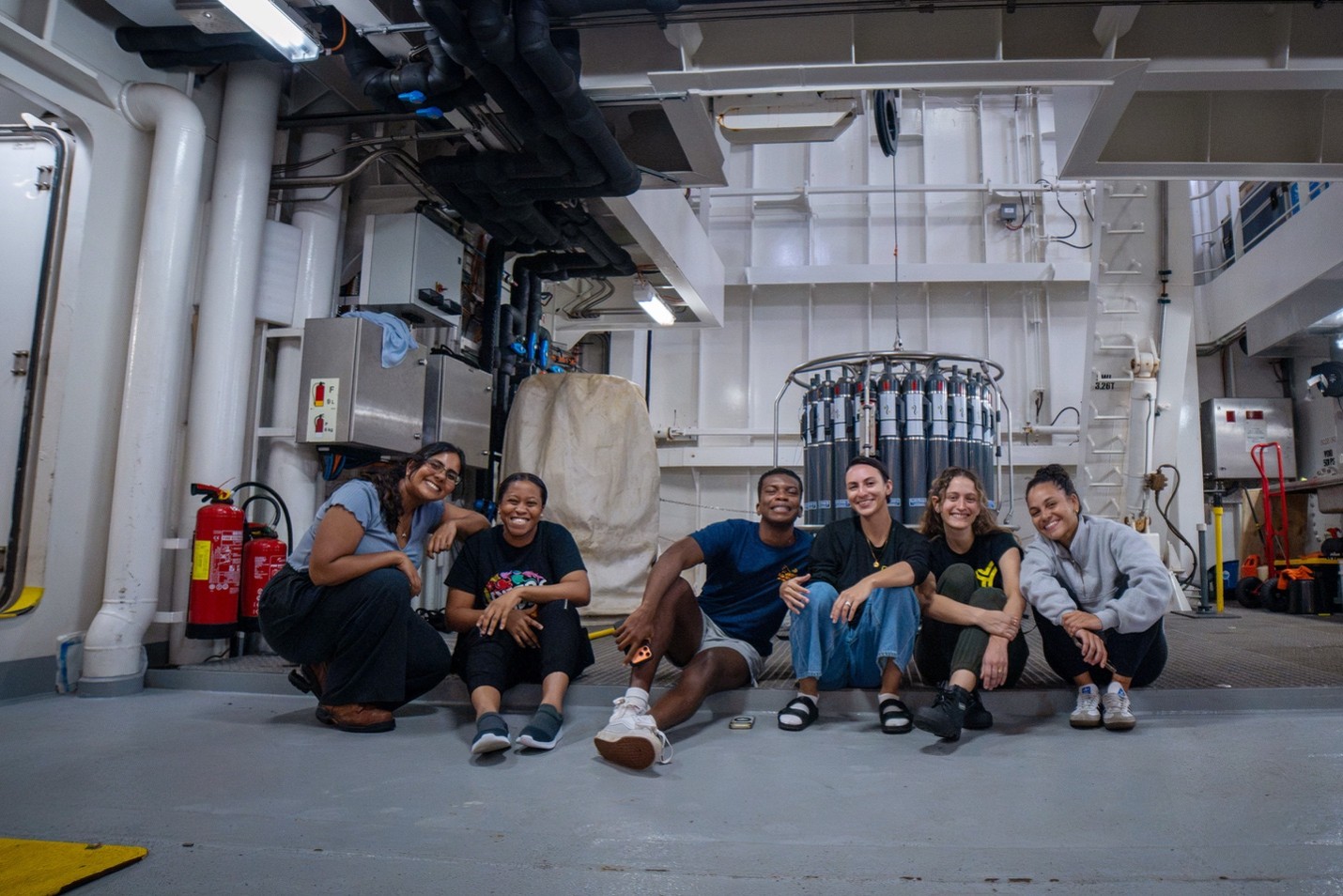
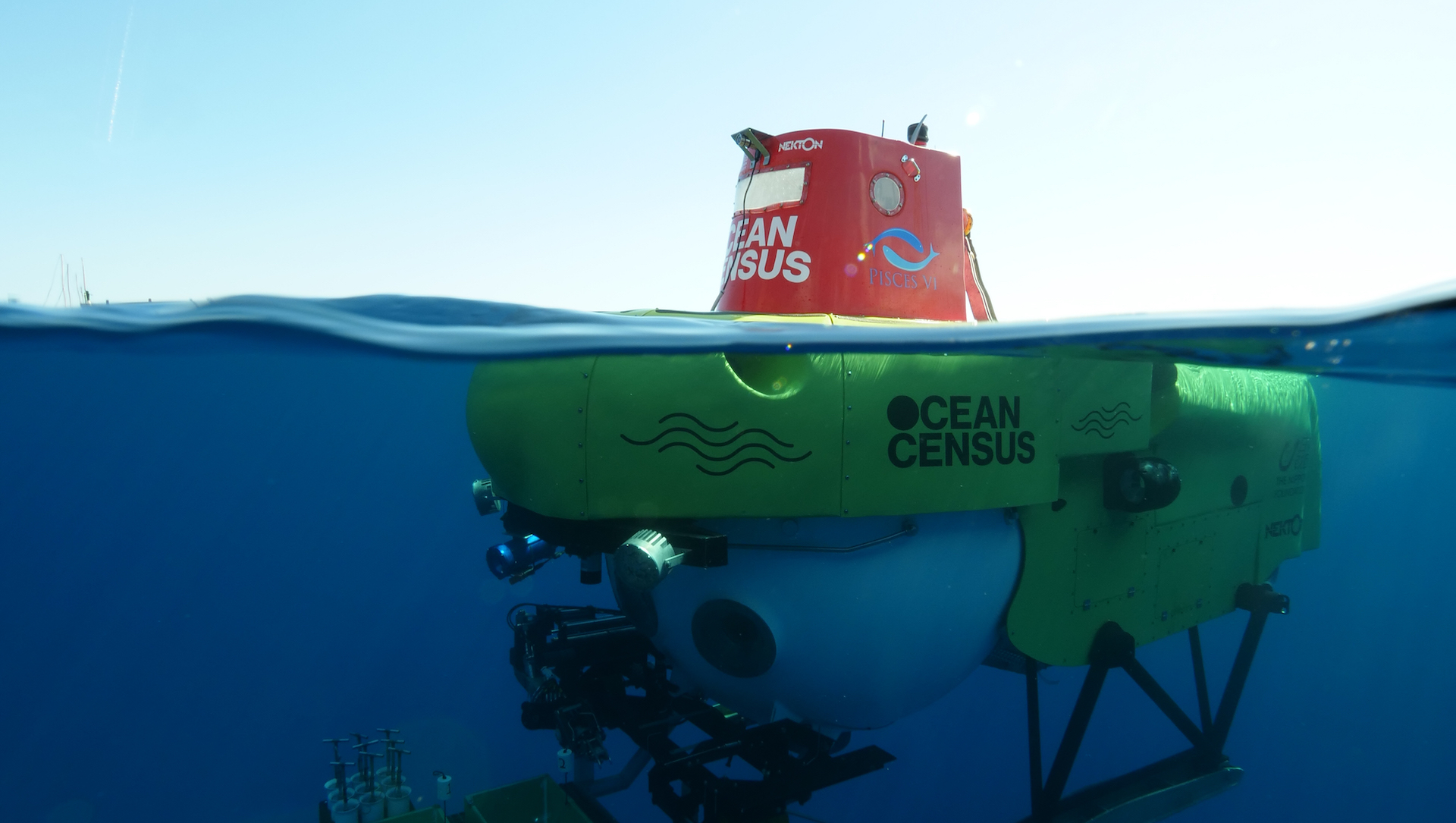
Image Credits: ROV SuBastian/Schmidt Ocean Institute
Related News
Join the census
The Ocean Census Alliance unites national and philanthropic marine institutes, museums, and universities, backed by governments, philanthropy, business and civil society partners.


