







The Ocean Census Announces
2026 Expedition Awardees

Ocean Census Expedition Awardees
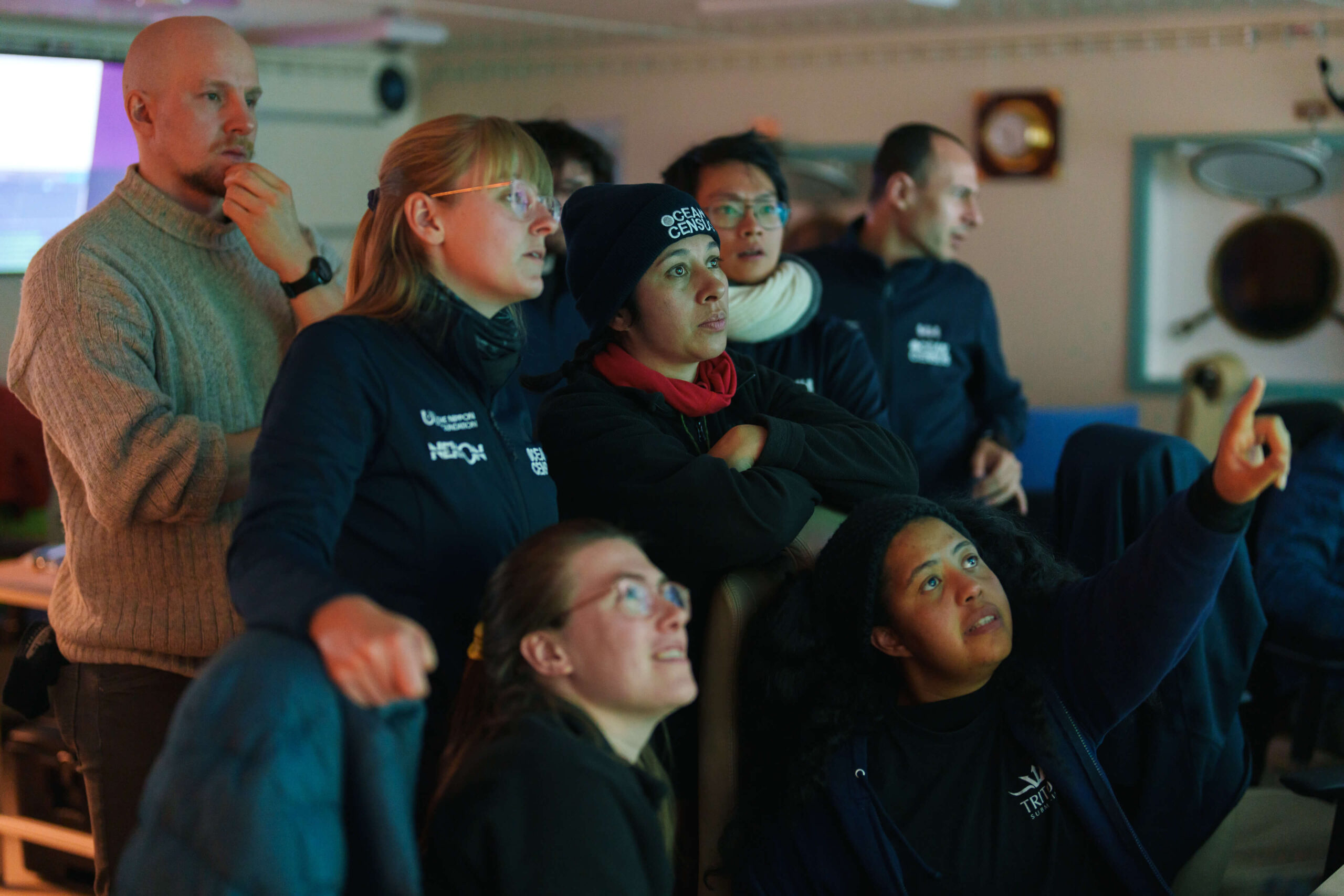
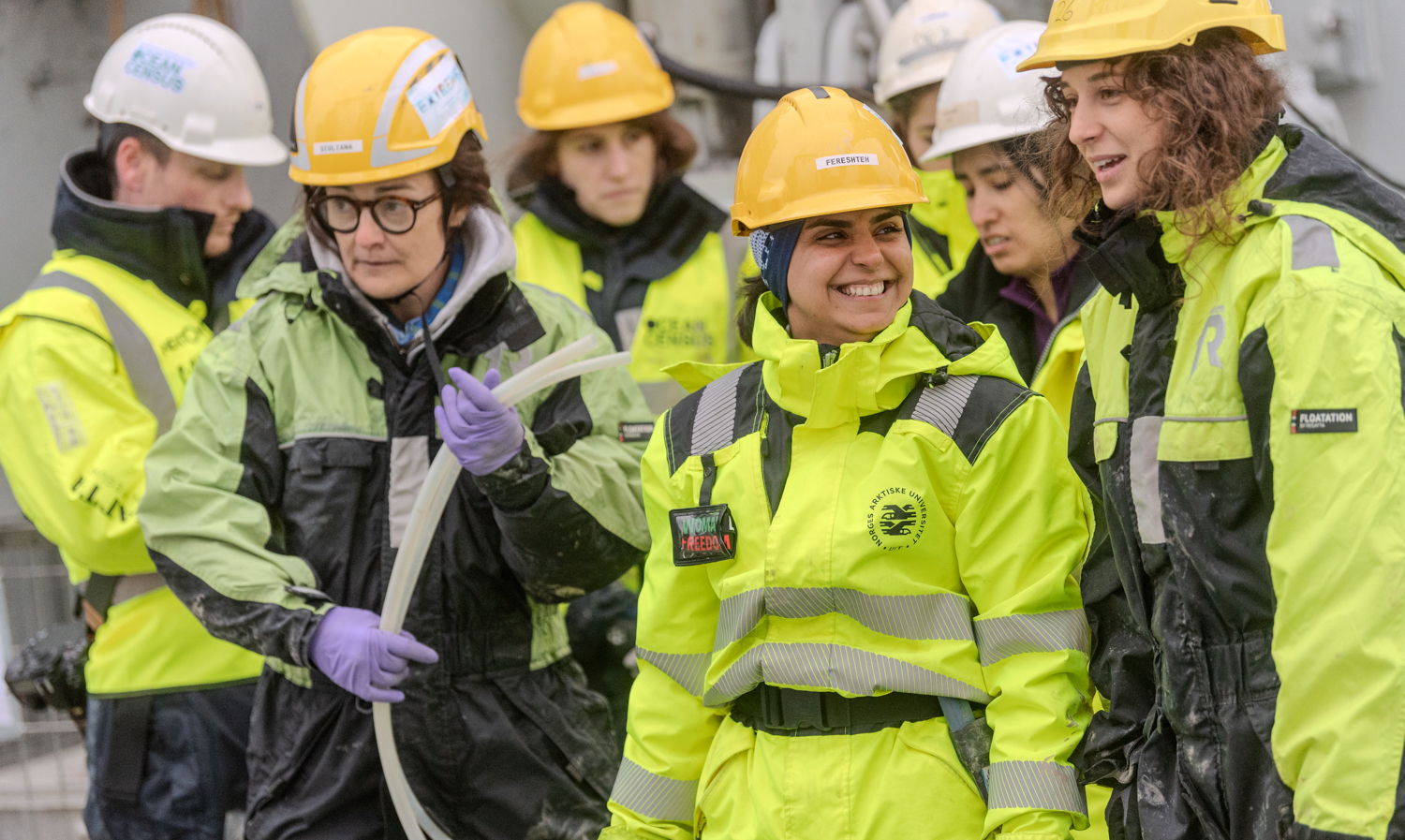
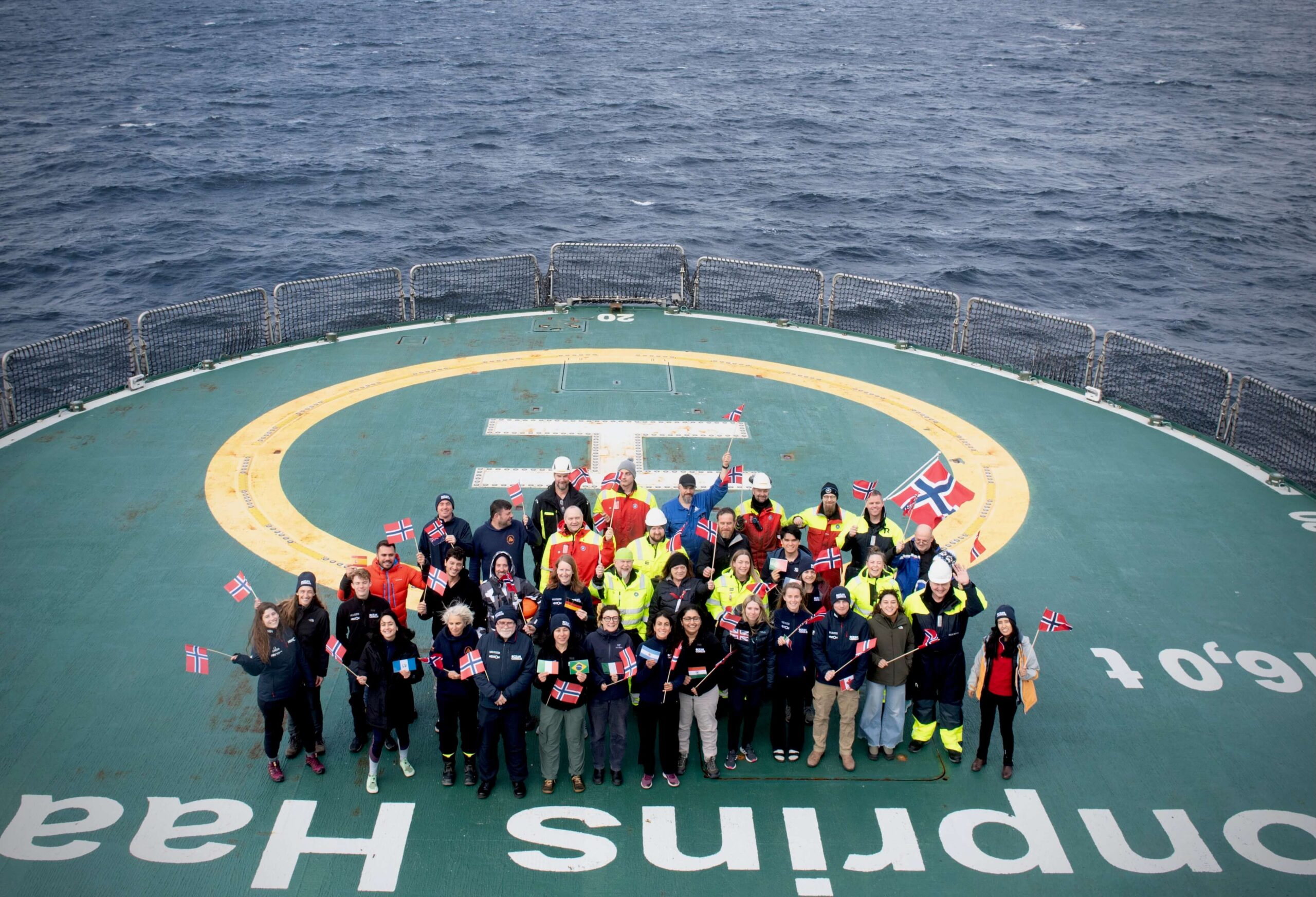
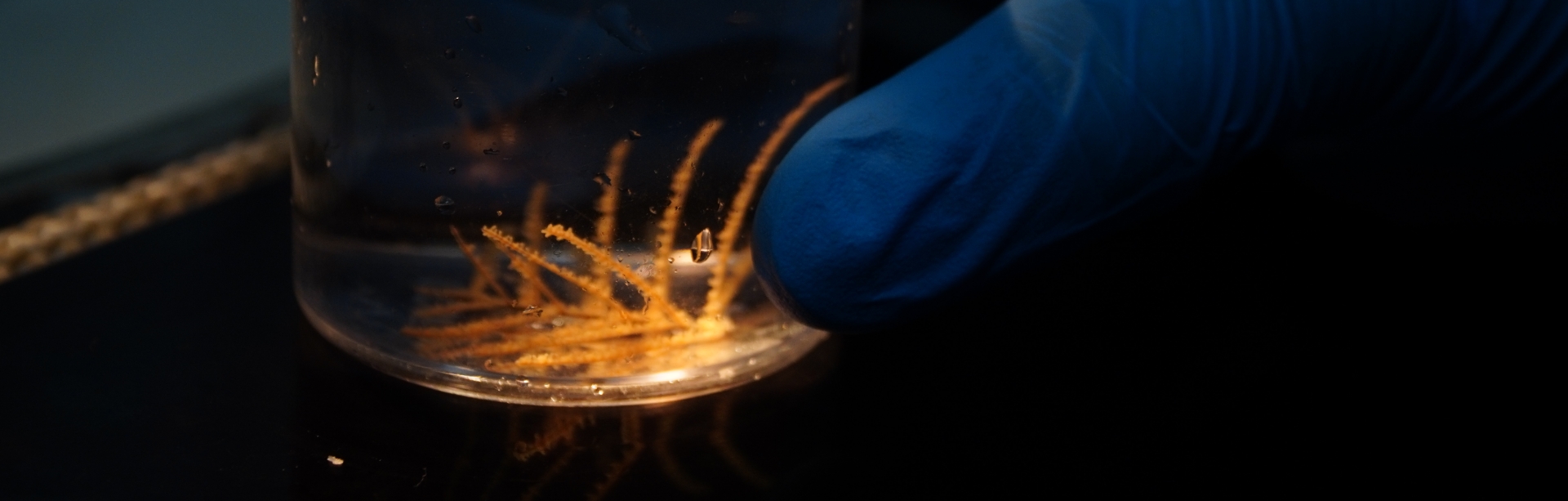
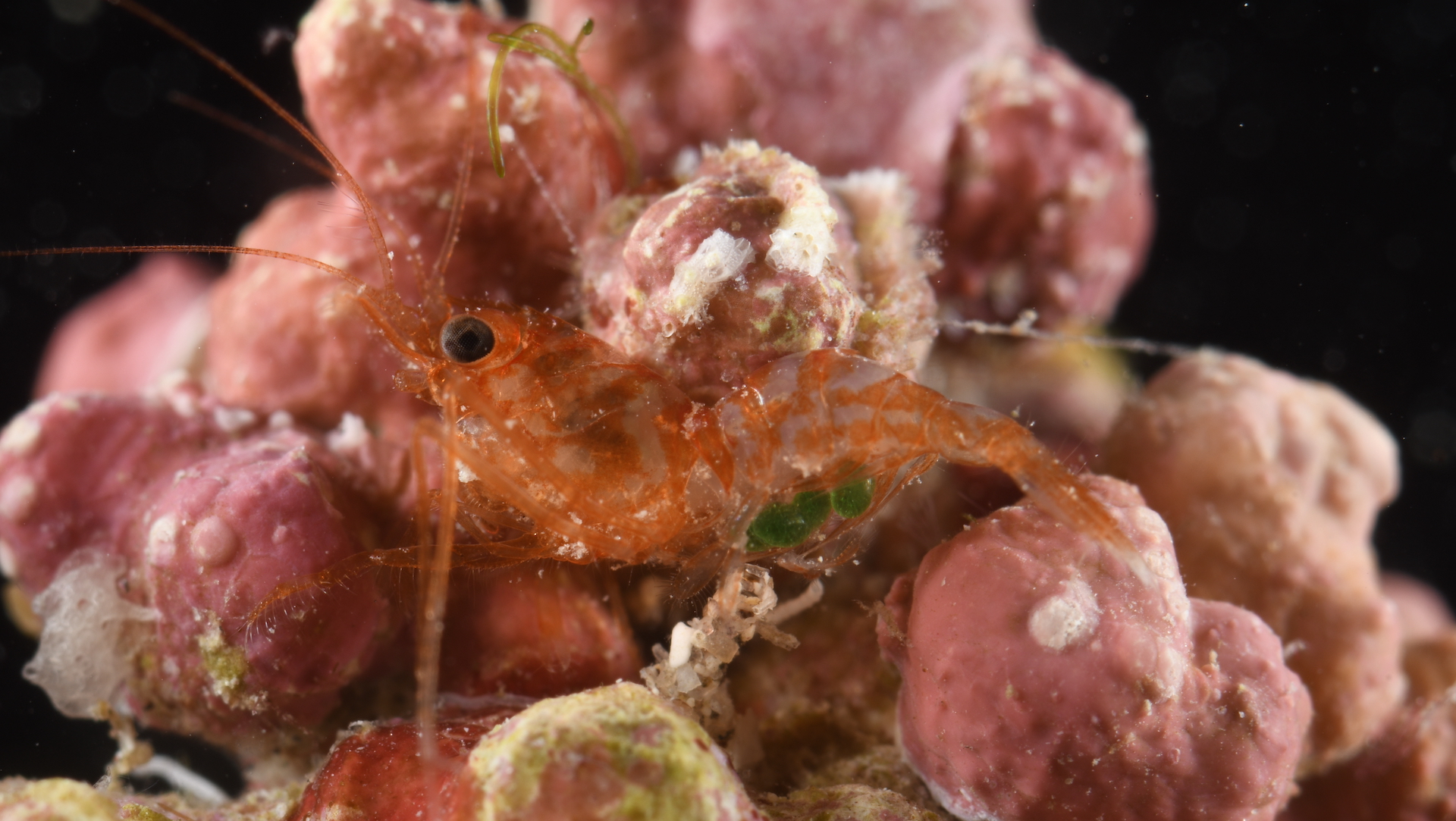
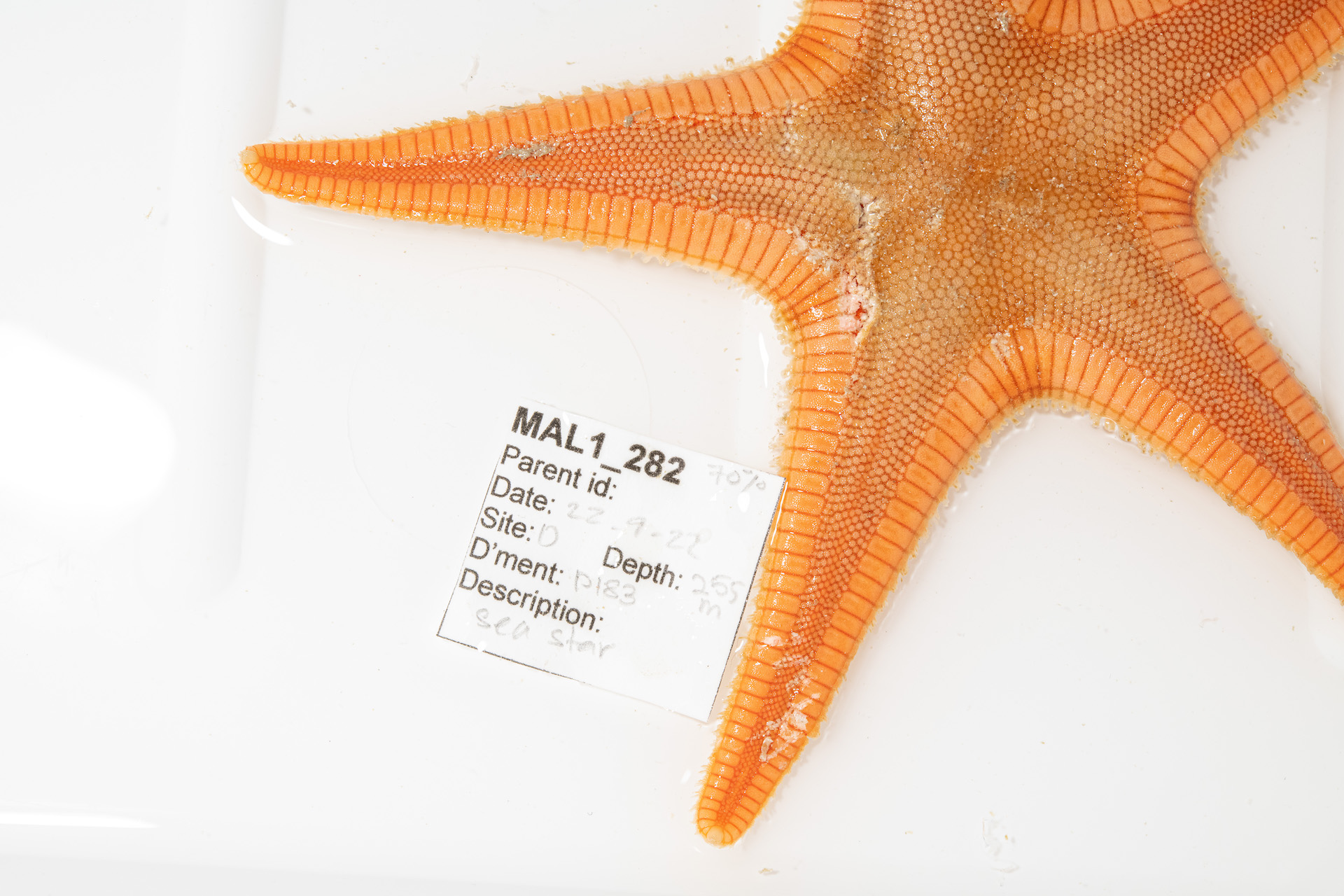
After receiving submissions from around the world, the Ocean Census is proud to announce the four recipients of the Ocean Census Expedition Awards 2026. This programme is designed to accelerate global marine species discovery by directly supporting those on the front lines of ocean science.
From the Mediterranean Sea to the Mid-Atlantic Ridge and the waters of Trinidad and Tobago, these expeditions are accelerating the discovery of marine life by exploring overlooked habitats and documenting species new to science.
With more than 1,500 scientists and researchers now part of the growing Ocean Census Science Network, the Expedition Awards were launched to support taxonomists, biodiversity experts, and community scientists to participate in high-impact research expeditions. Whether it’s reaching remote dive sites or securing essential equipment, the awards provide critical logistical and financial support to make species discovery possible.
This year, a total fund of $21,000 has been allocated by The Nippon Foundation, with individual awards of up to $7,000 USD. Supported activities include:
- International flights to and from the research expedition,
- Accommodation (up to two nights pre- and post-expedition),
- Sea survival or safety certifications,
- Personal protective equipment (PPE),
- Field science equipment or consumables for species discovery
- Shipping of scientific equipment and biological samples.
These researchers have each demonstrated outstanding potential to accelerate species discovery and contribute to Ocean Census’s global mission.
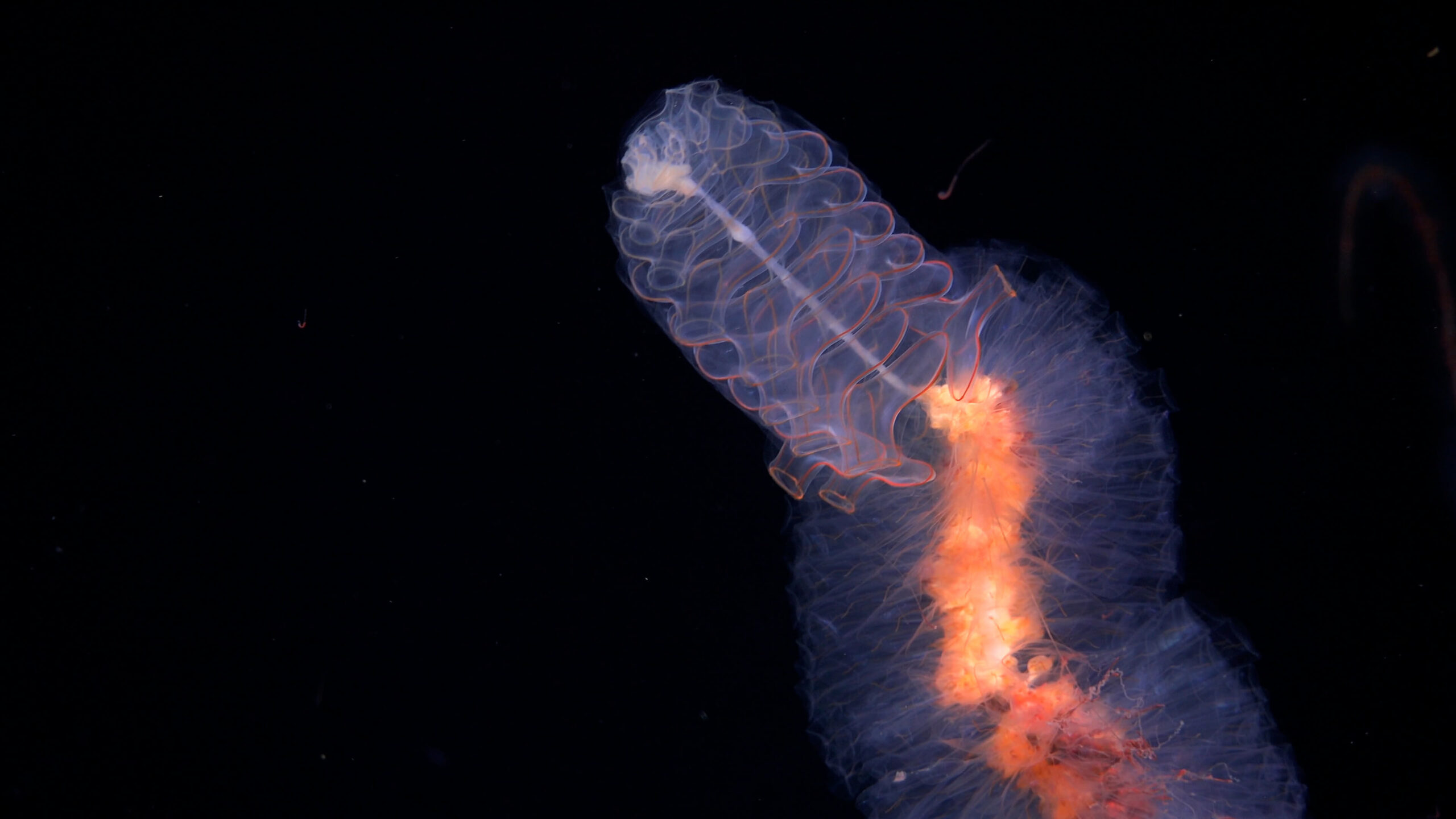
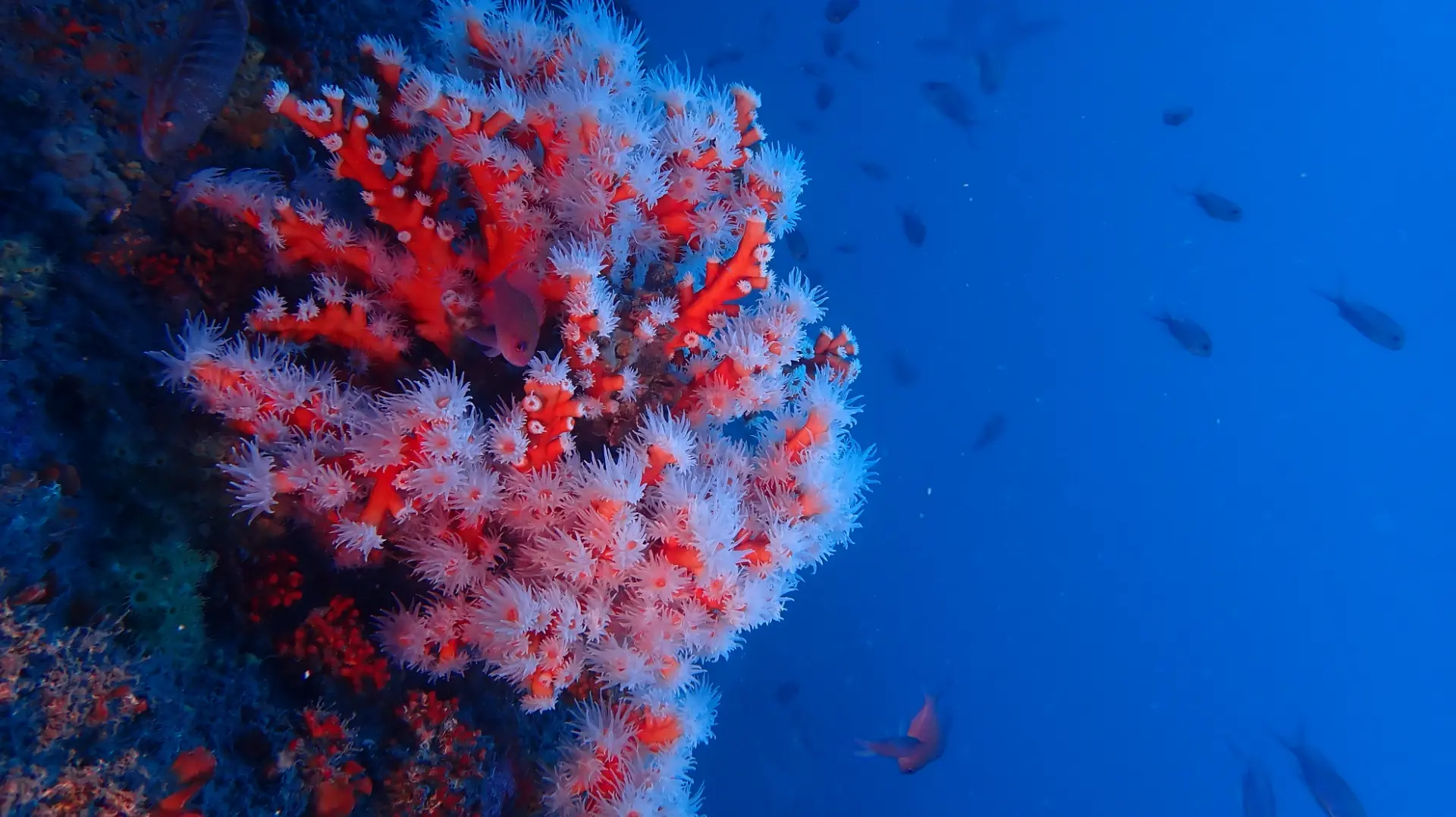
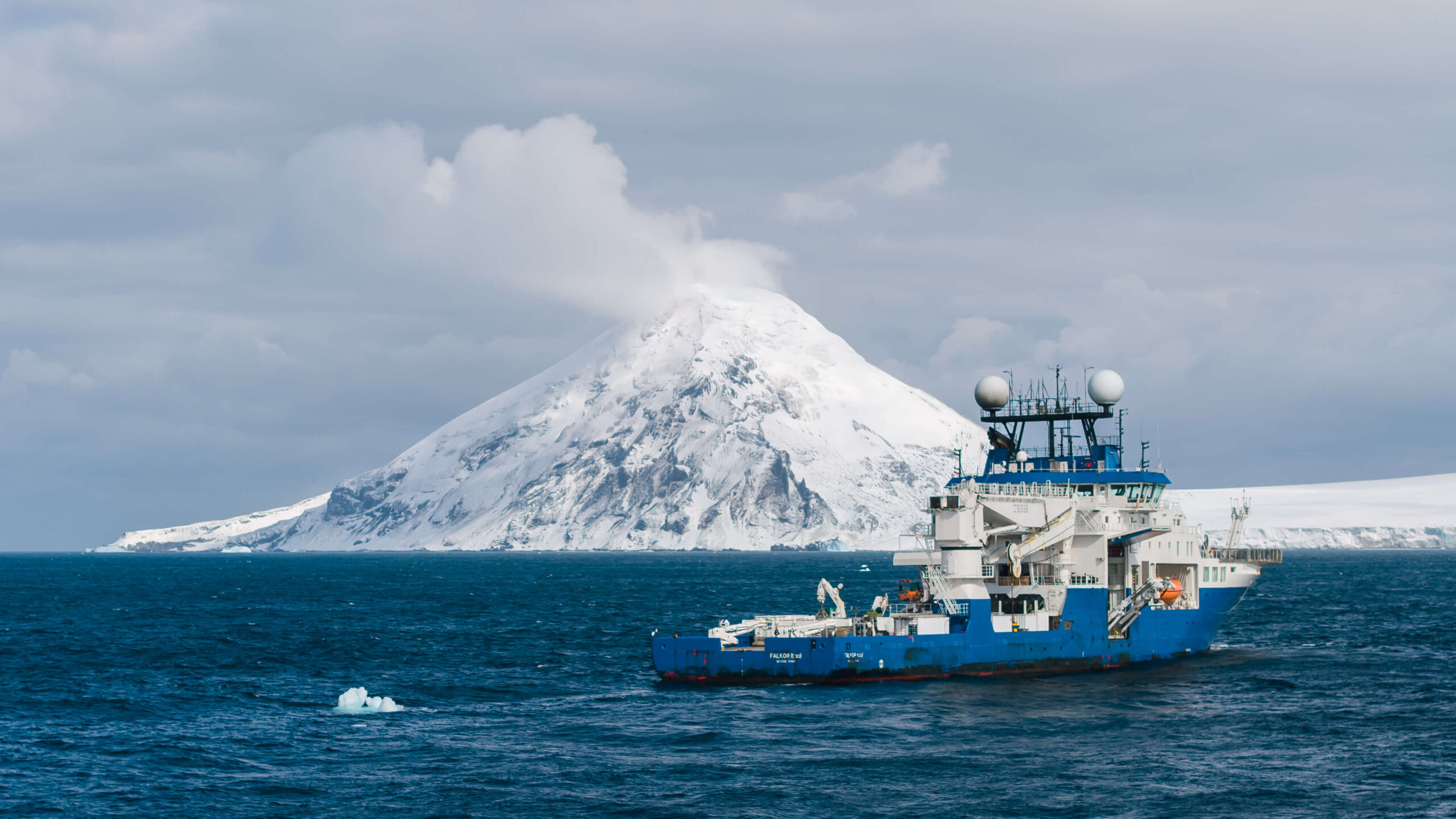
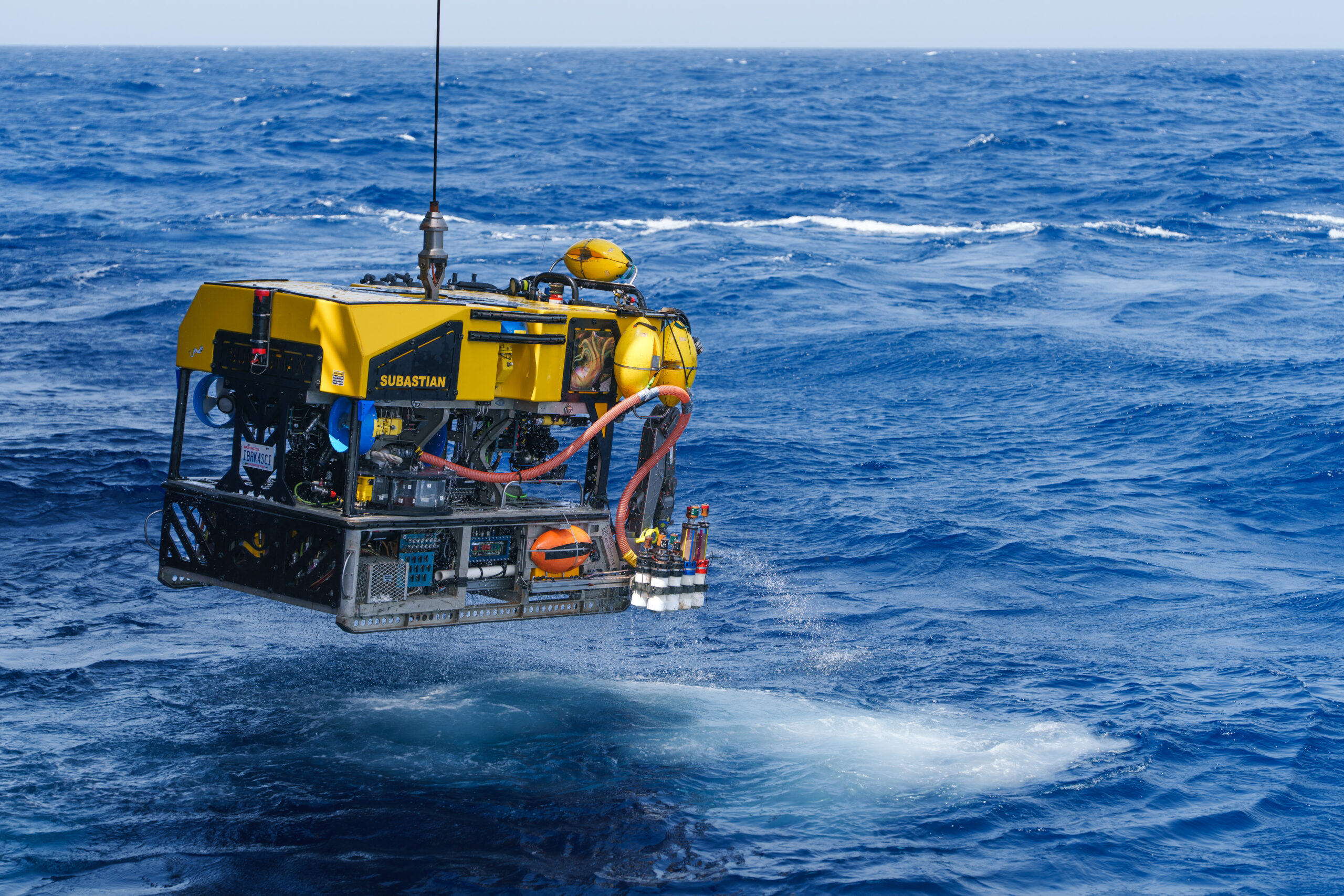
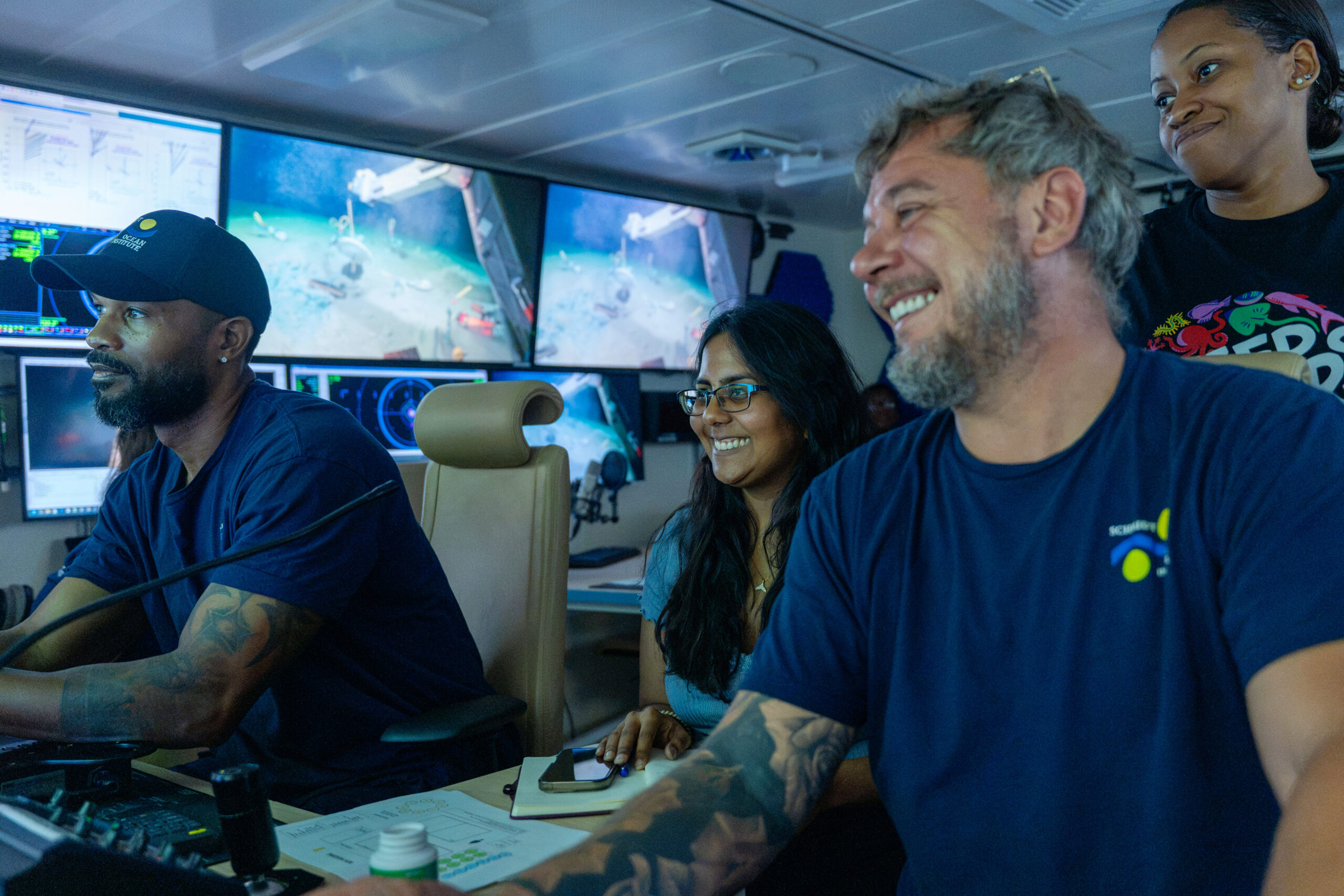
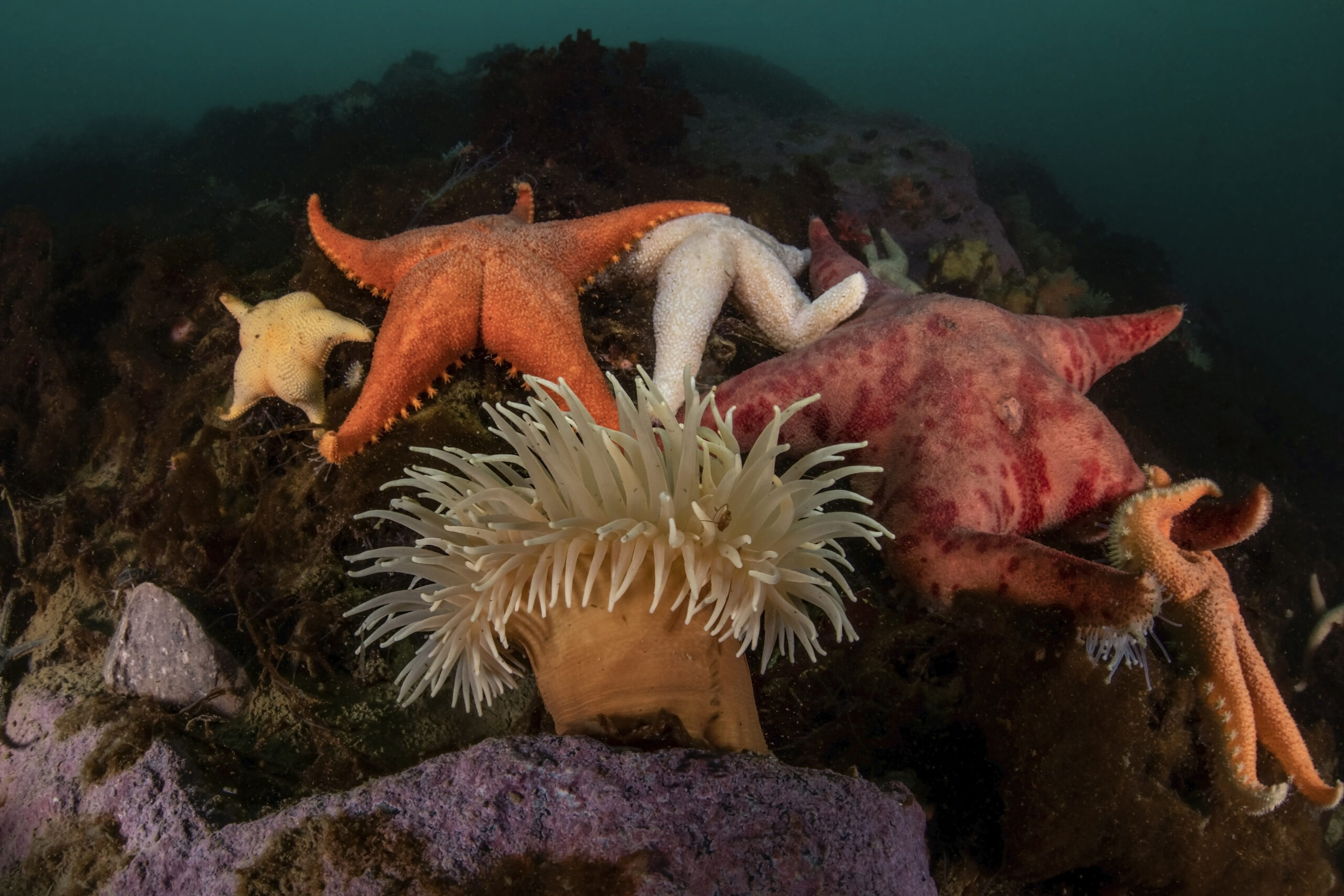
Featured Image Credit: Schmidt Ocean Institute
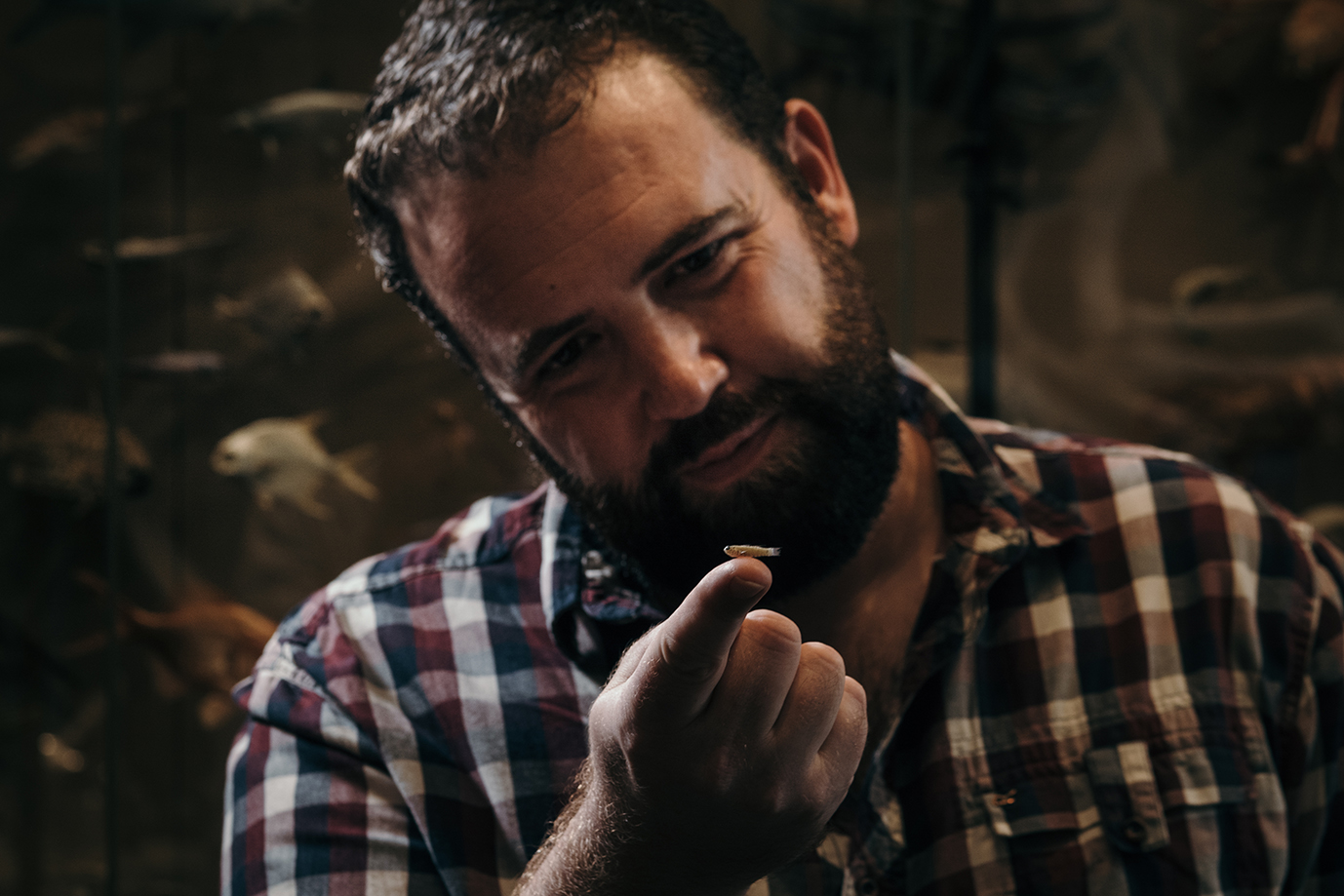
Dr. Chris Goatley
Researcher at University of Southampton, United Kingdom
Expedition: Solomon Islands – Western Province (Gizo) and Central Province (Honiara)
Dates: 17 July 2026 – 13 August 2026
Chris is revealing the hidden biodiversity of coral reefs by studying tiny, cryptic fishes, including gobies and blennies, that are often overlooked by traditional surveys. This expedition will expand sampling in the Solomon Islands, helping the team discover species new to science and document reef life in one of the world’s most important marine biodiversity regions. The work will support taxonomy, conservation, and collaboration with researchers and government partners in the Solomon Islands.
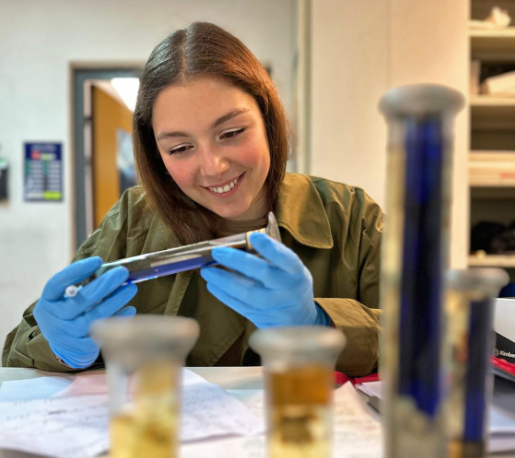
Giada Spagliardi
PhD Student at University of Toronto Mississauga, Canada
Expedition: Banyuls-sur-Mer and surrounding waters, north-western Mediterranean
Dates: 1 August 2026 – 10 August 2026
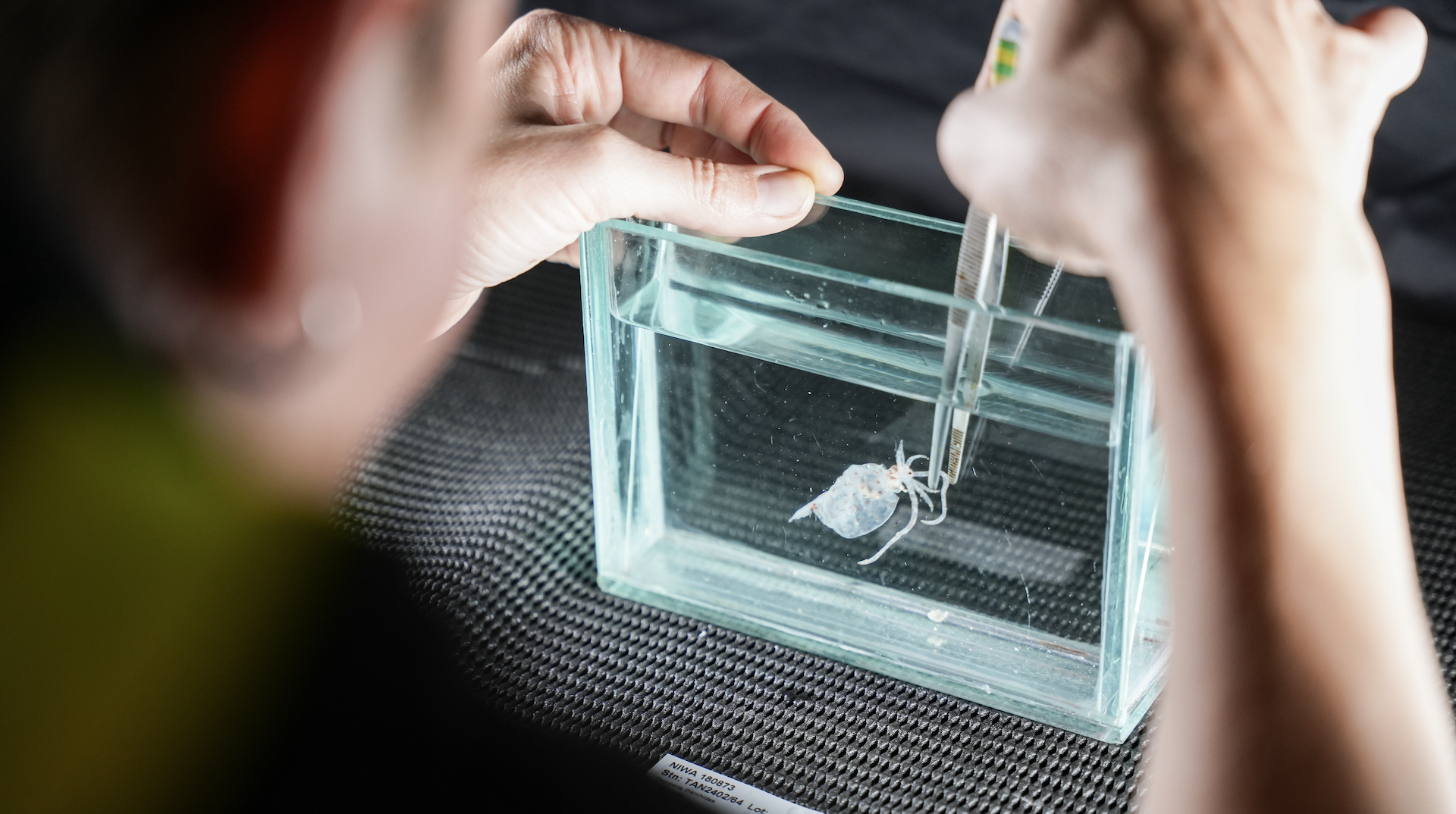
Giada is uncovering the hidden diversity of pelagic and neustonic marine invertebrates by studying tiny planktonic gastropods, including purple bubble-rafting snails, pteropods and heteropods, that are often overlooked in marine biodiversity surveys. This expedition will target coastal and near-surface habitats in the north-western Mediterranean, helping the team discover species new to science and cryptic lineages while generating baseline biodiversity data for a rapidly changing marine ecosystem. The work will combine field sampling, taxonomy and genomic approaches, contributing to species discovery, biodiversity monitoring and international collaboration.
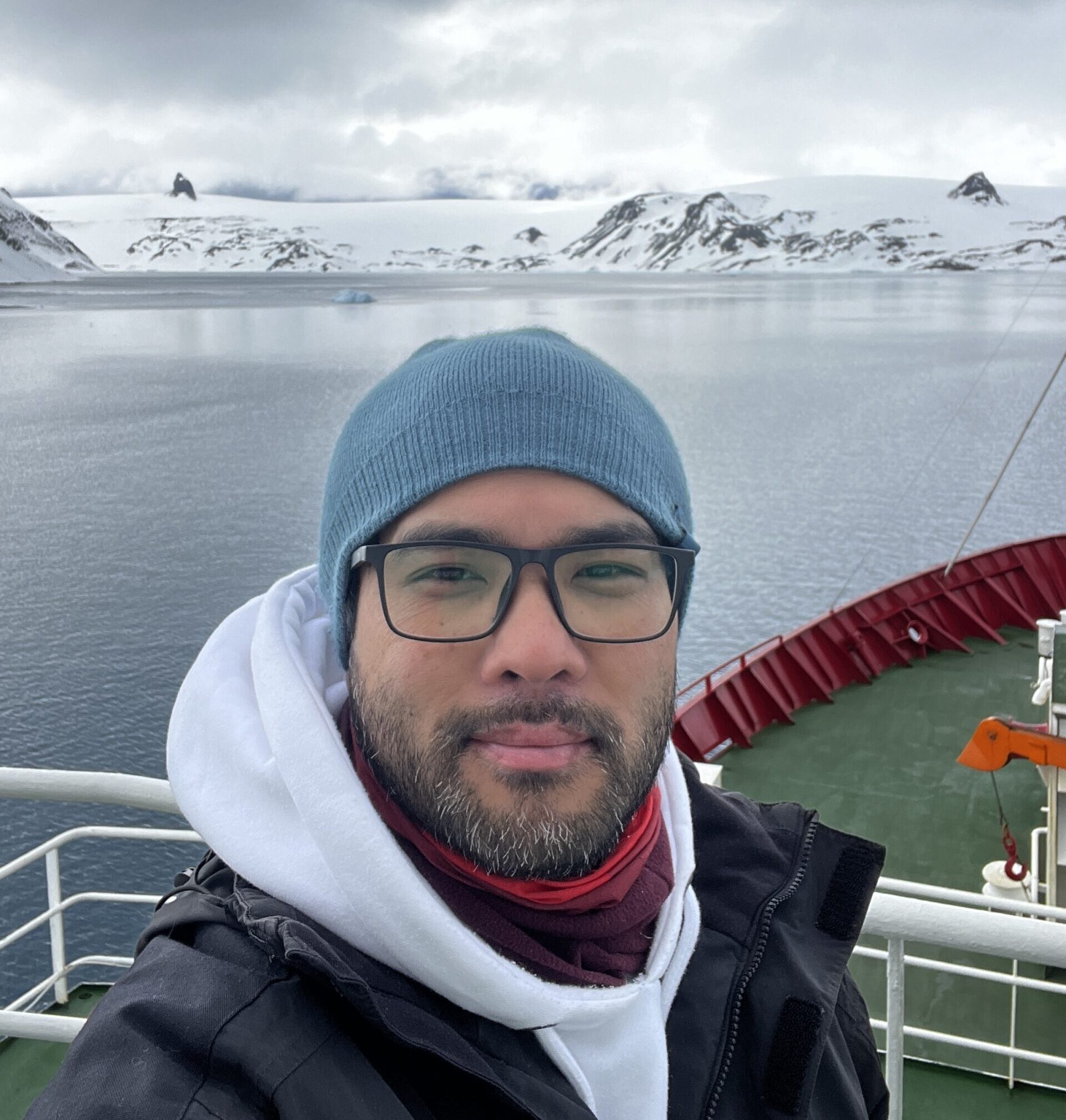
Mauricio Shimabukuro
Assistant Professor at the Federal University of Rio Grande, Brazil
Expedition: Romanche Fracture Zone, Mid-Atlantic Ridge (Brazil–Ghana transect, international waters)
Dates: 10 September 2026 – 30 October 2026
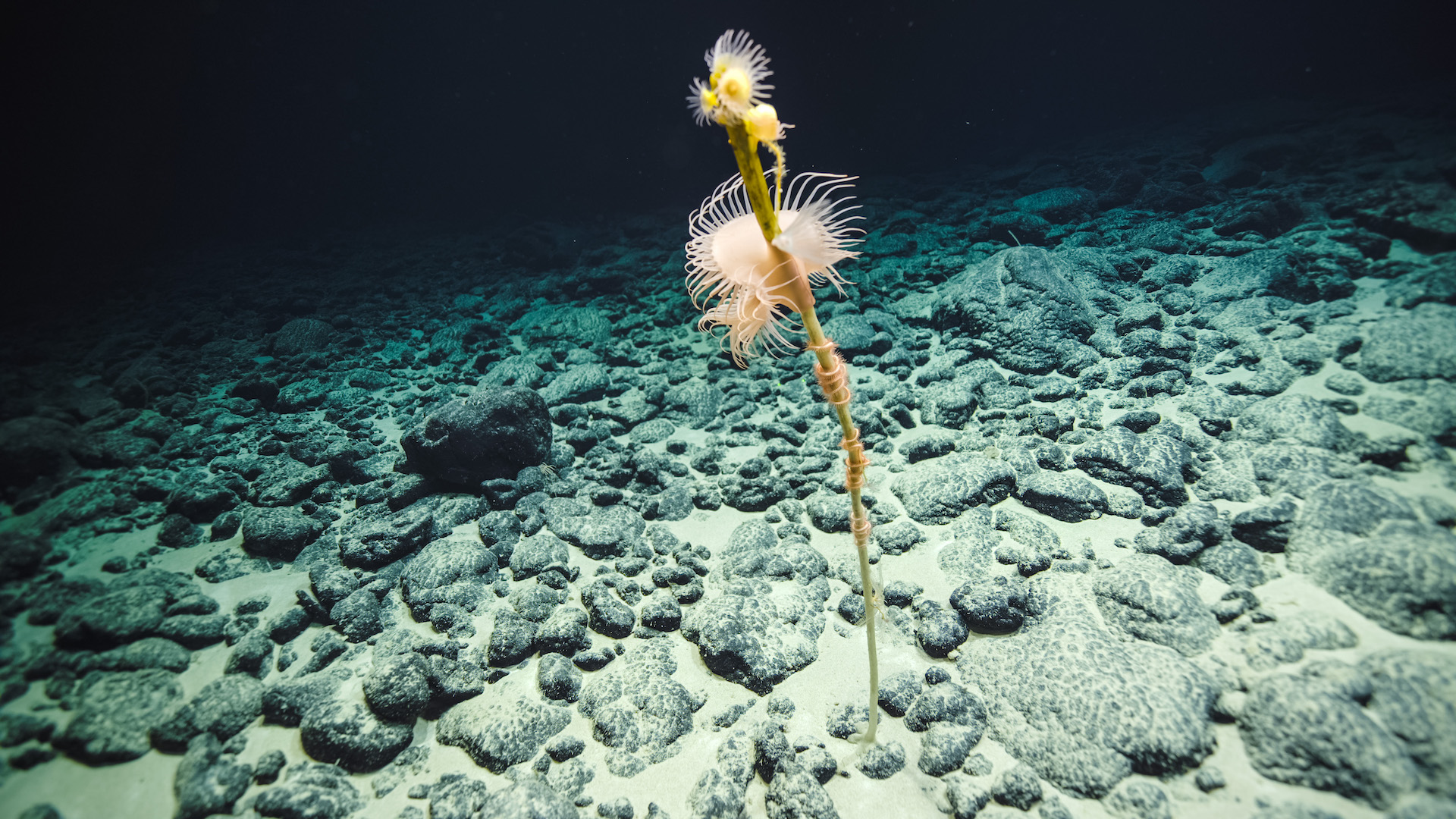
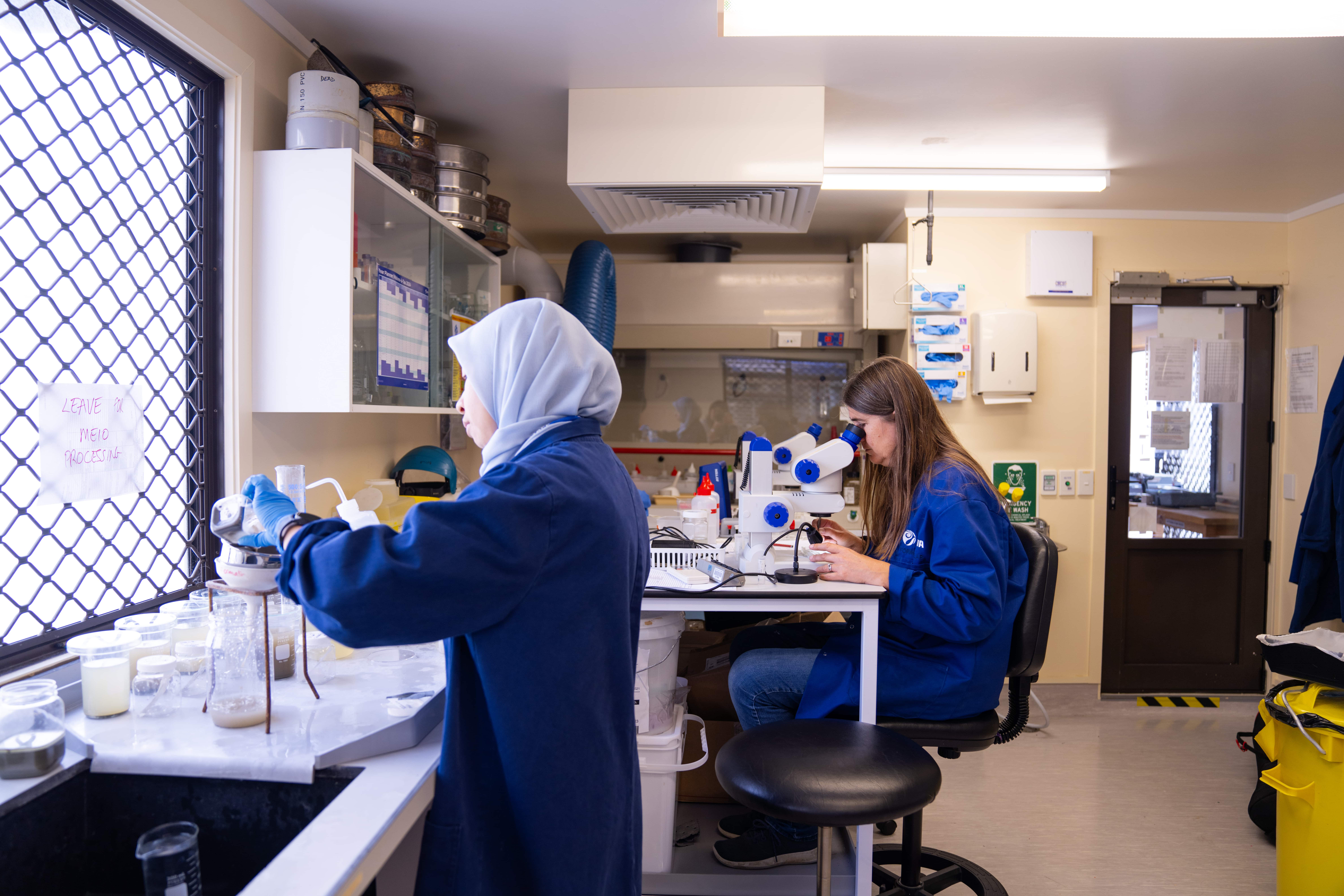
Mauricio is uncovering the hidden biodiversity of the deep Atlantic by studying benthic invertebrates, including polychaete worms, nematodes and other meiofauna that are often overlooked in deep-sea surveys. This expedition, led by Schmidt Ocean Institute, will investigate the poorly explored Romanche Fracture Zone, helping the team discover dozens to over a hundred species new to science while documenting biodiversity across one of the least-sampled regions of the Mid-Atlantic Ridge. The work will combine deep-sea field sampling with integrative taxonomy, DNA barcoding and metabarcoding to improve understanding of benthic ecosystems, supporting species discovery, conservation planning and international collaboration through the Challenger 150 Programme.
Cherisse Persad
MRes Marine Biology Student at the University of Plymouth,
United Kingdom
Expedition: Trinidad and Tobago EEZ and surrounding international waters
Dates: 29 June 2026 – 29 July 2026
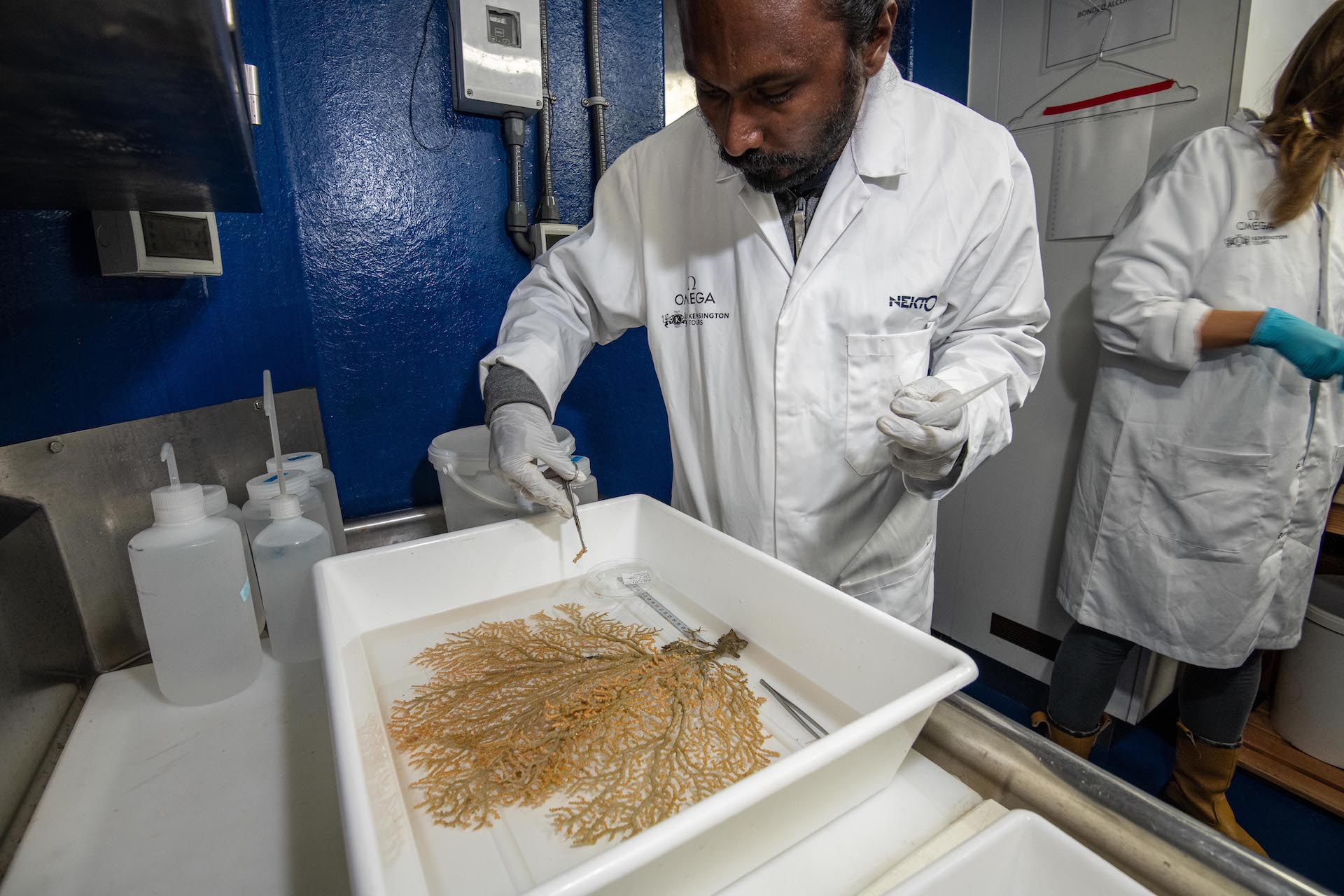
Cherisse is exploring the hidden biodiversity of Trinidad and Tobago’s mesophotic and deep-sea ecosystems by supporting the collection, processing and documentation of marine life from habitats including methane seeps, mud volcanoes, and deep-sea coral and sponge communities. This expedition will investigate one of the Caribbean’s least-explored deep-ocean regions, generating biodiversity data and specimens that are expected to include species new to science while improving understanding of deep-sea ecosystems and their connectivity. The work will support species discovery, conservation planning and locally led marine research through collaboration with Trinidad and Tobago scientists and the Schmidt Ocean Institute.
Interested in applying
If you’re interested in applying for future Ocean Census Species Discovery awards, then please join the Ocean Census Science Network and make sure to sign up for updates via our newsletter.
If you have any questions for the science team please feel free to reach out: expeditions@oceancensus.org
Related News
Join the census
The Ocean Census Alliance unites national and philanthropic marine institutes, museums, and universities, backed by governments, philanthropy, business and civil society partners.


