










Mar Del
Plata Canyon
SOUTH ATLANTIC: 23 July – 12 August 2025
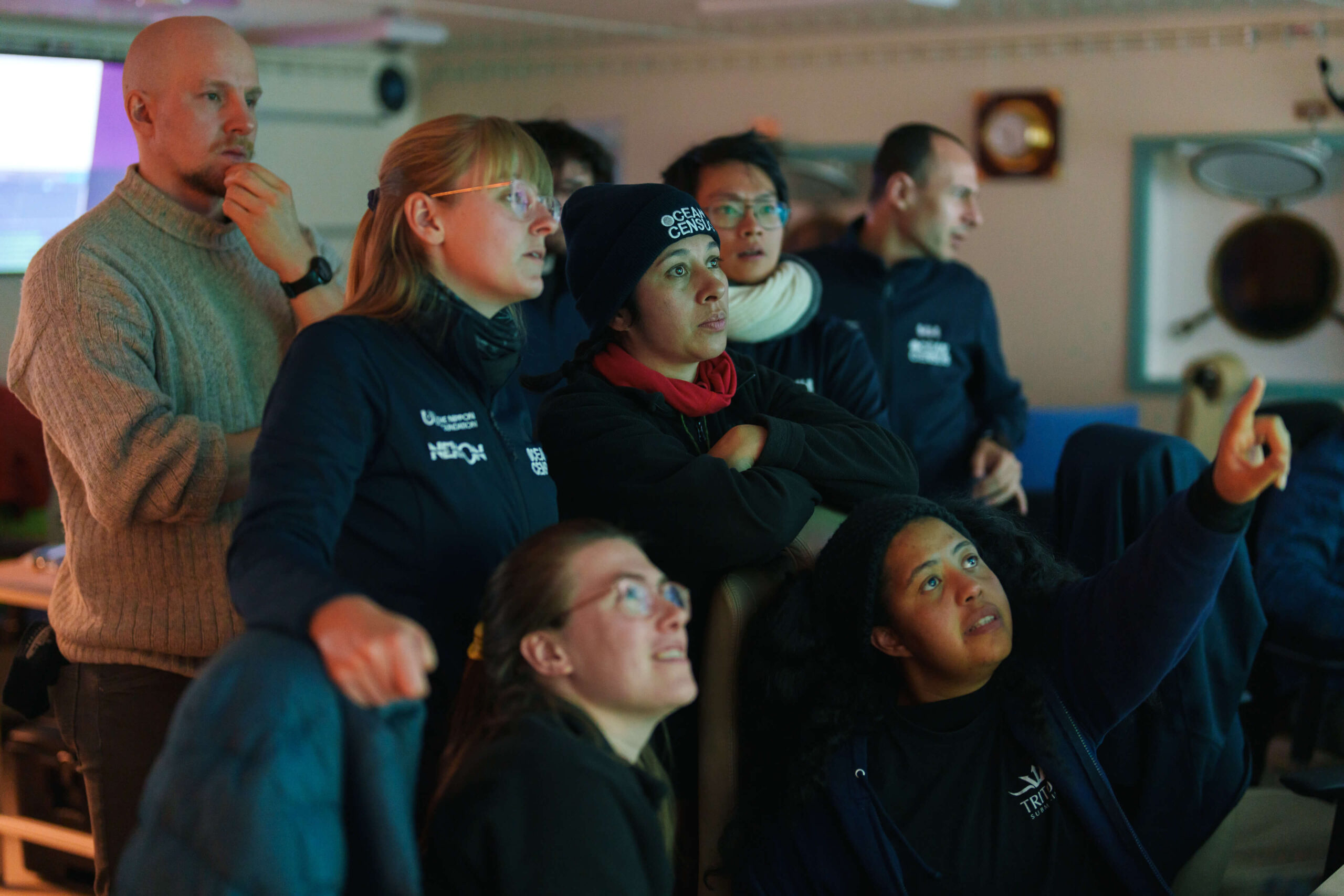
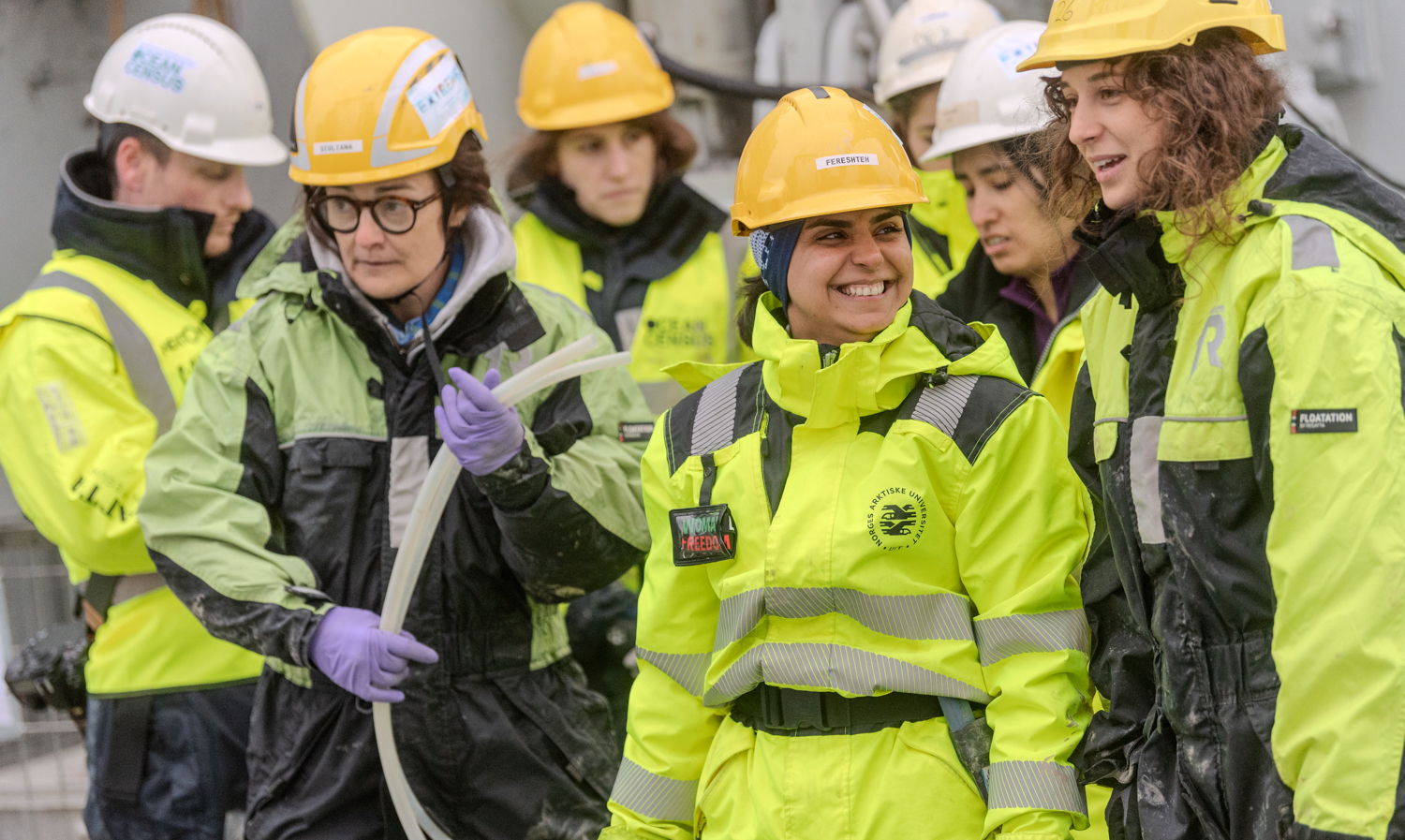
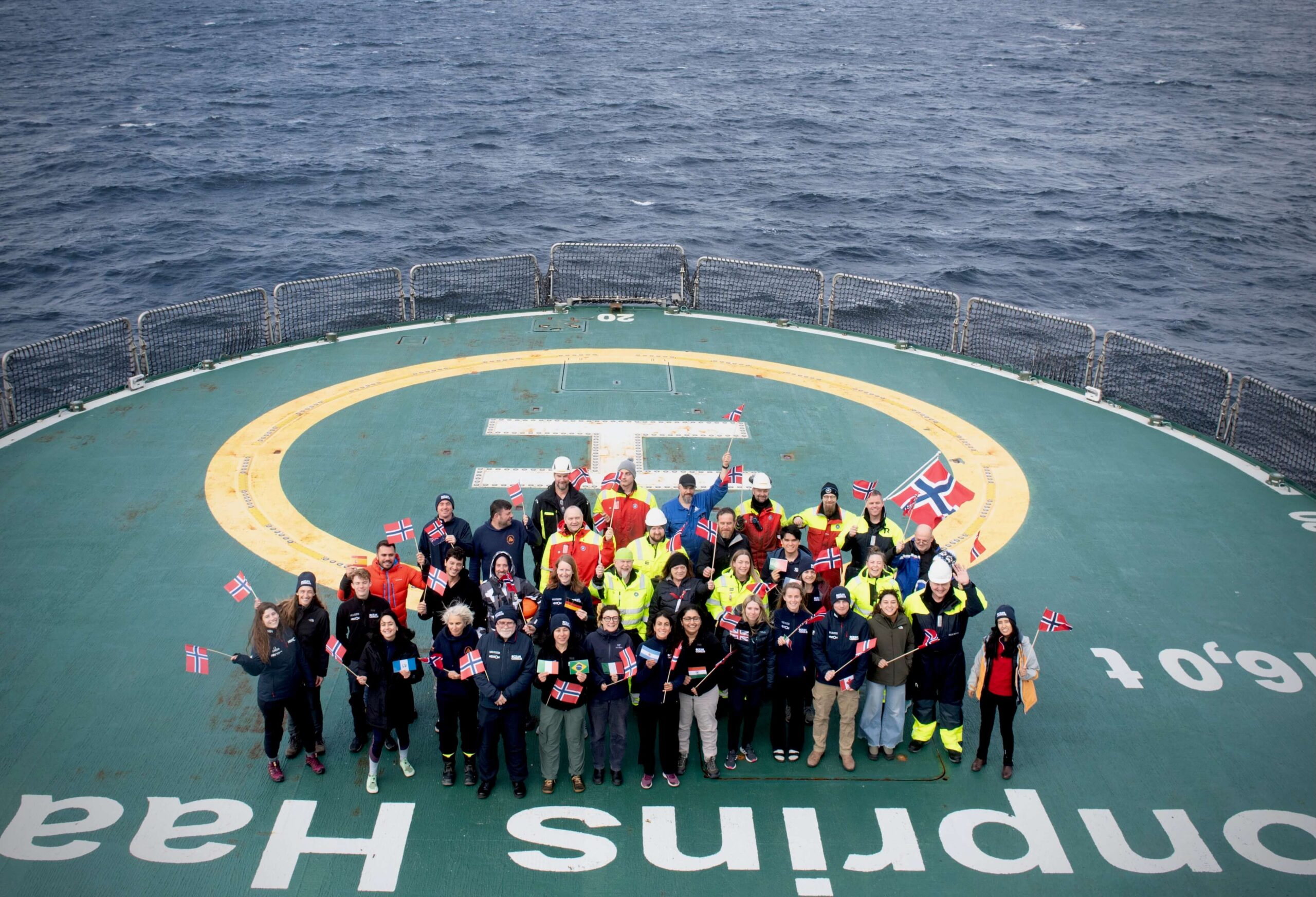
2025 Ocean Census Expedition Awardee, Dr. Daniel Lauretta of Museo Argentino de Ciencias Naturales Bernardino Rivadavia, joined Schmidt Ocean Institute on it’s Underwater Oases of the Mar Del Plata Canyon expedition, as Chief Scientist.
Mission Guide
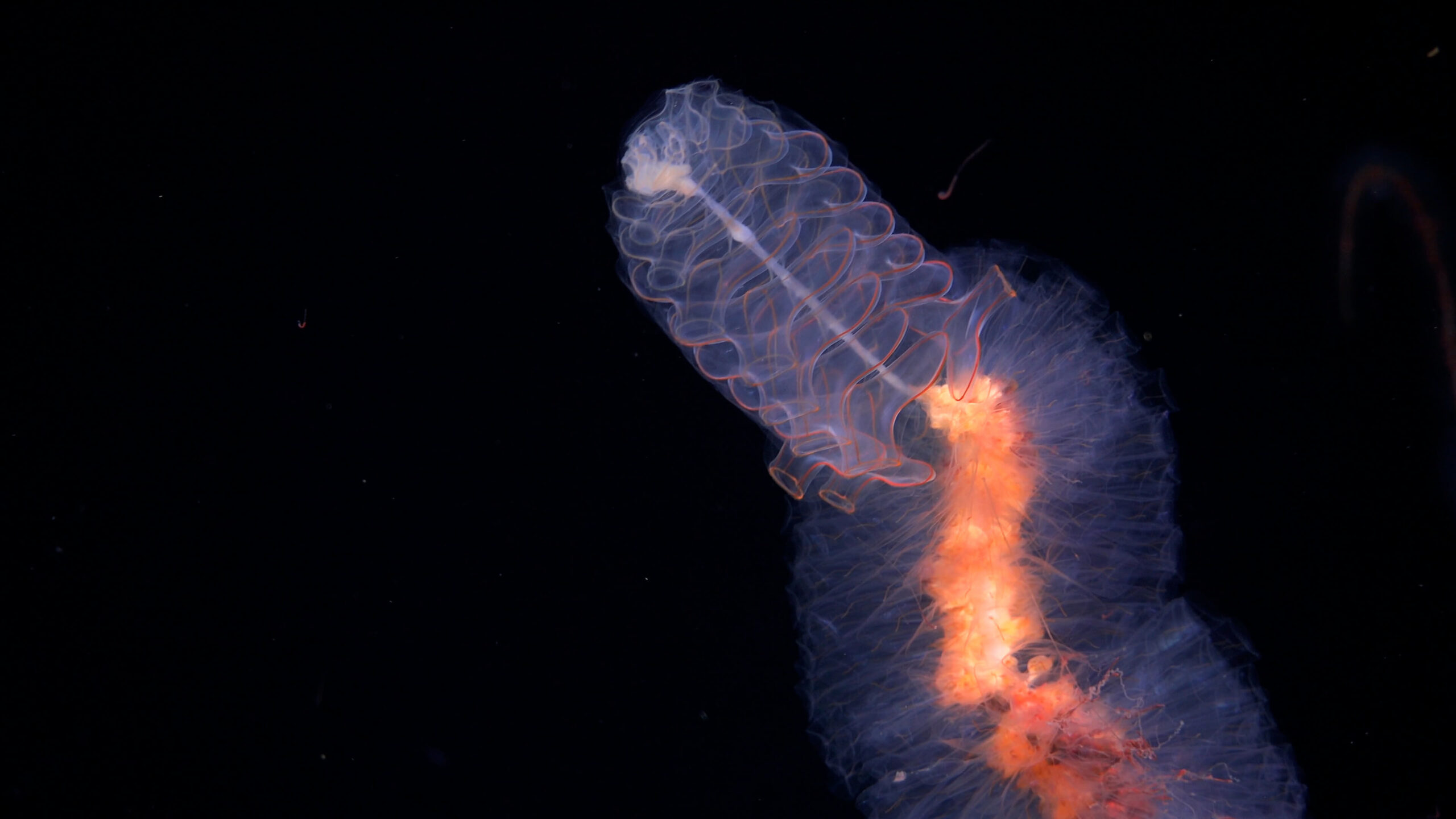
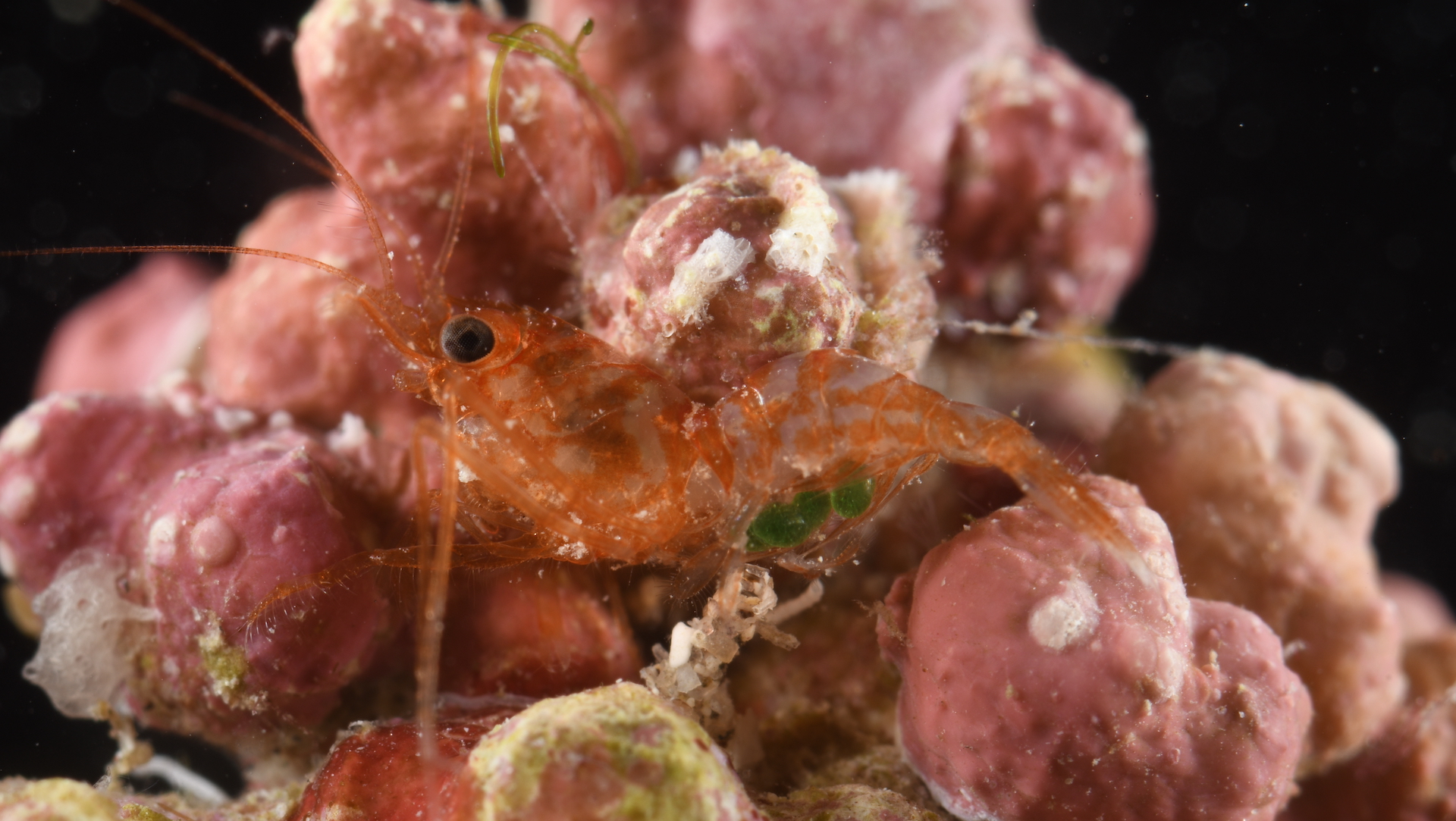
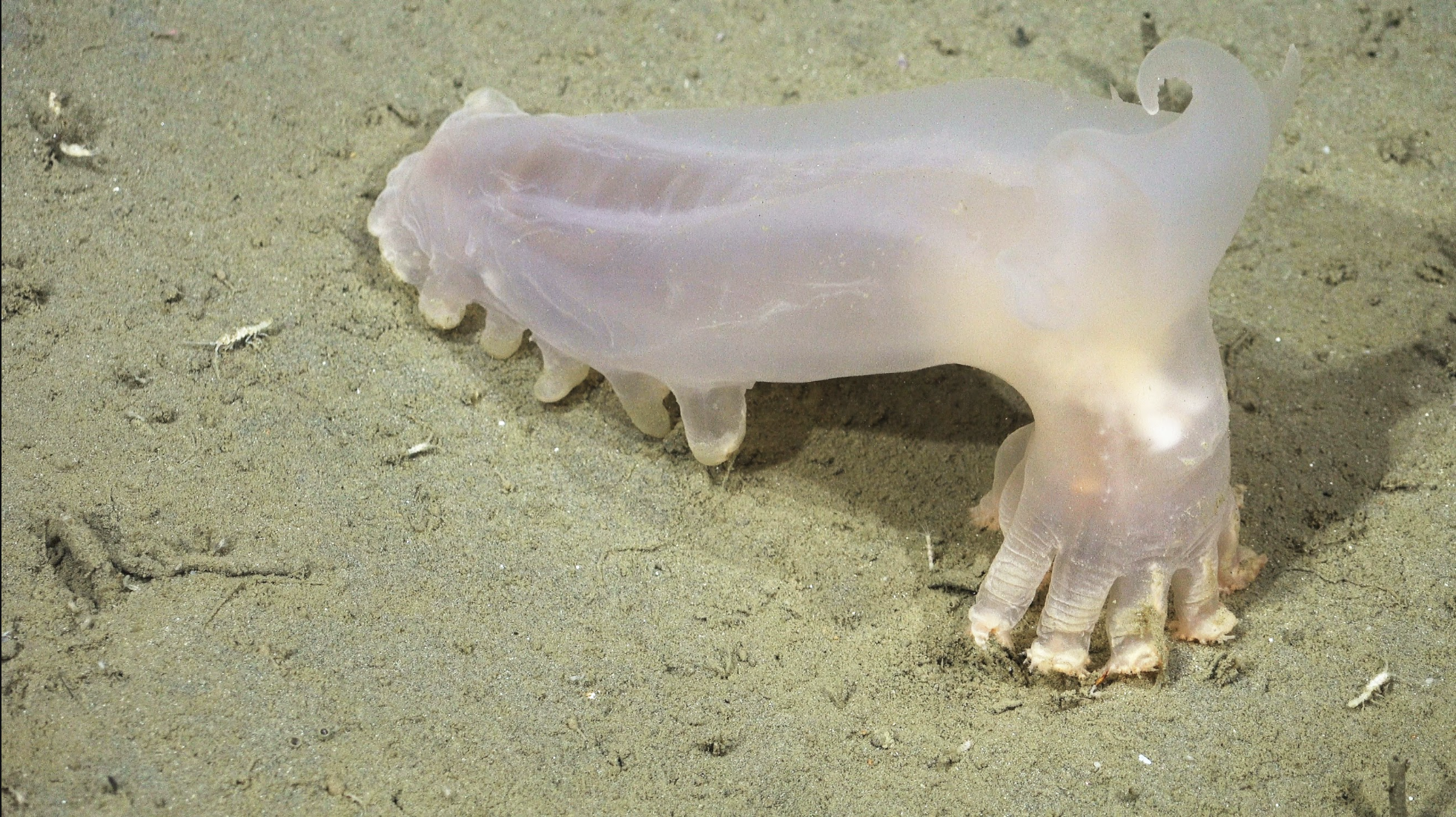
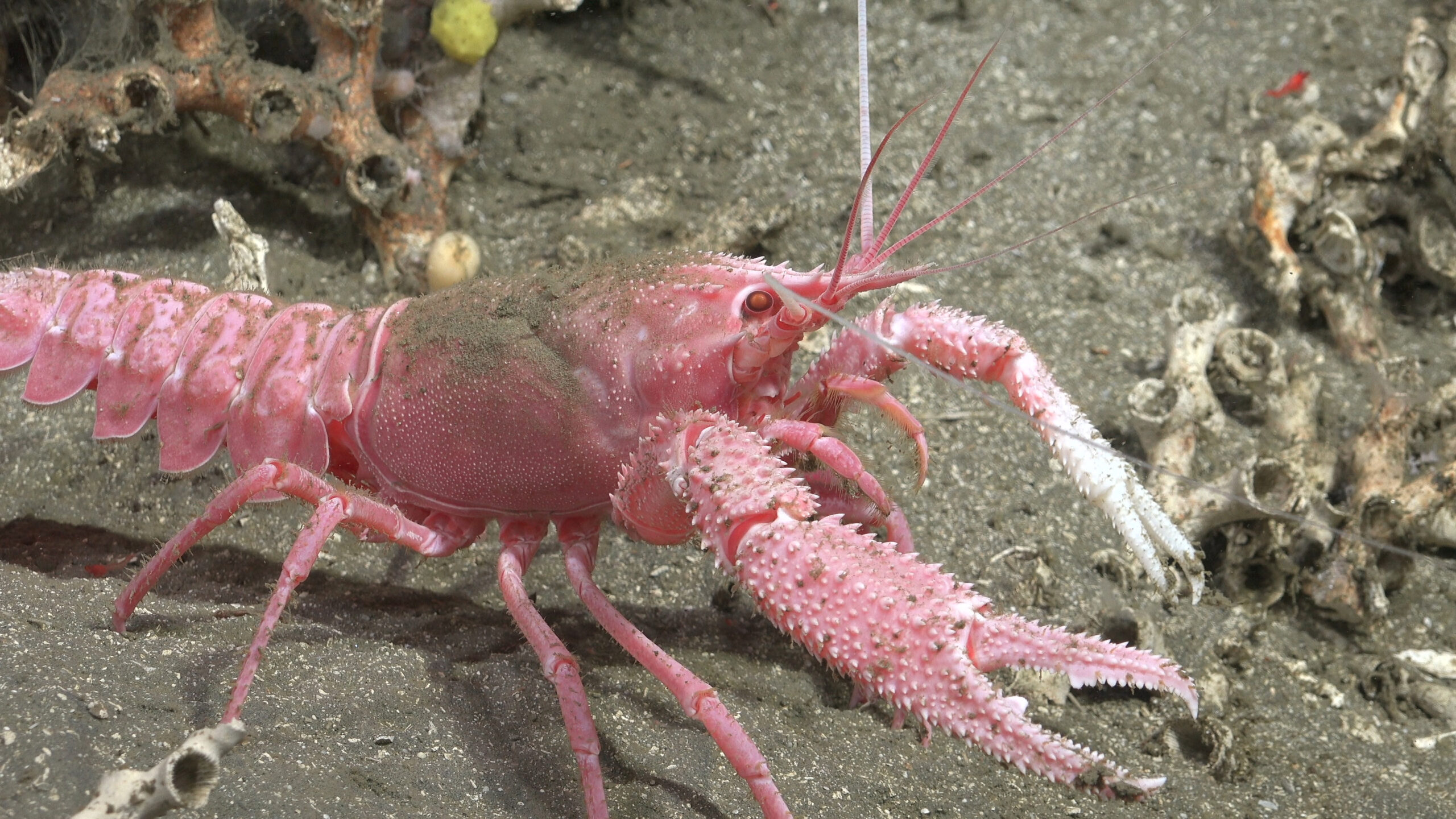
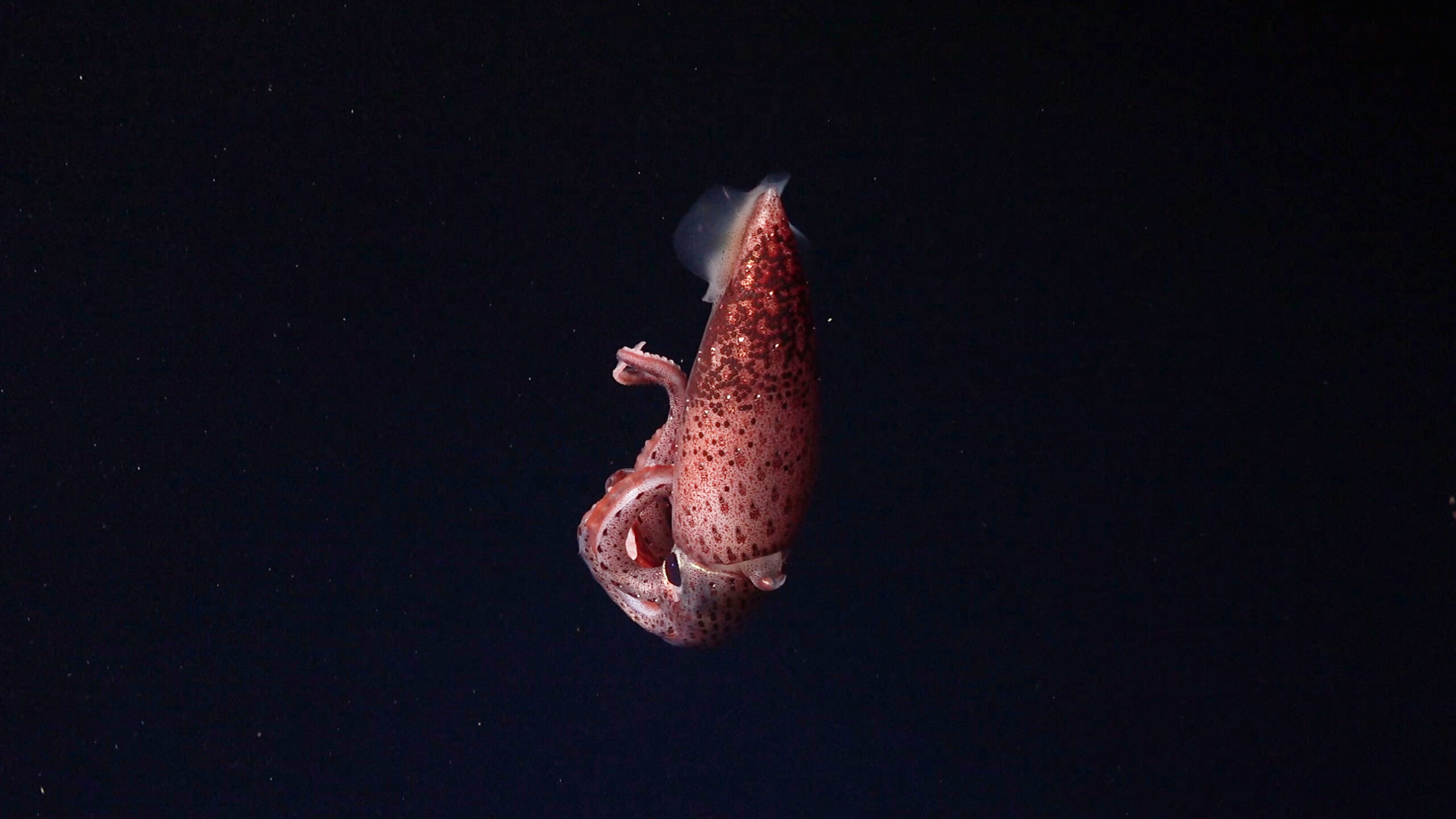
The SOI Underwater Oases of the Mar del Plata Canyon expedition explored the spectacular Brazil–Malvinas Confluence, where warm subtropical waters meet cold, nutrient-rich currents from the south. This oceanographic crossroad creates one of the most biologically productive regions of the South Atlantic, supporting an exceptional diversity of marine life, both known and yet to be discovered.
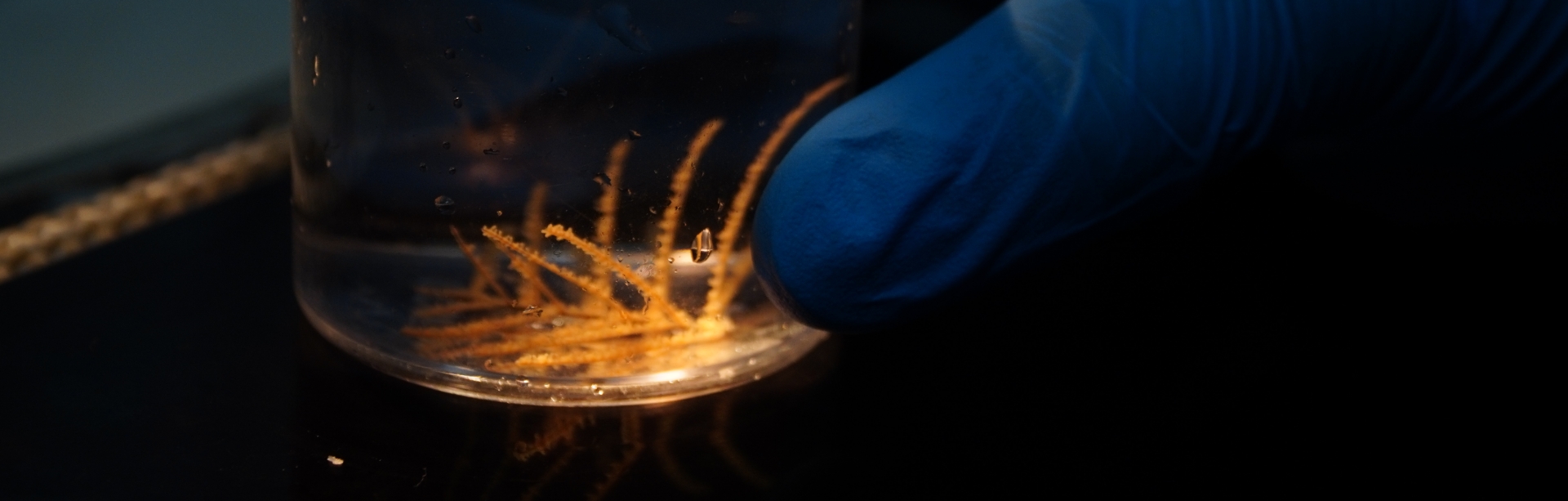
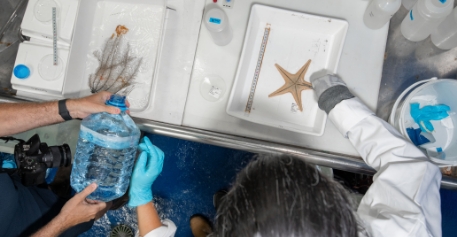
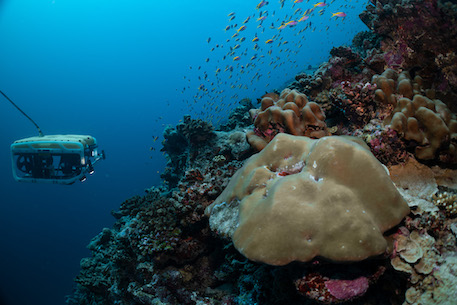
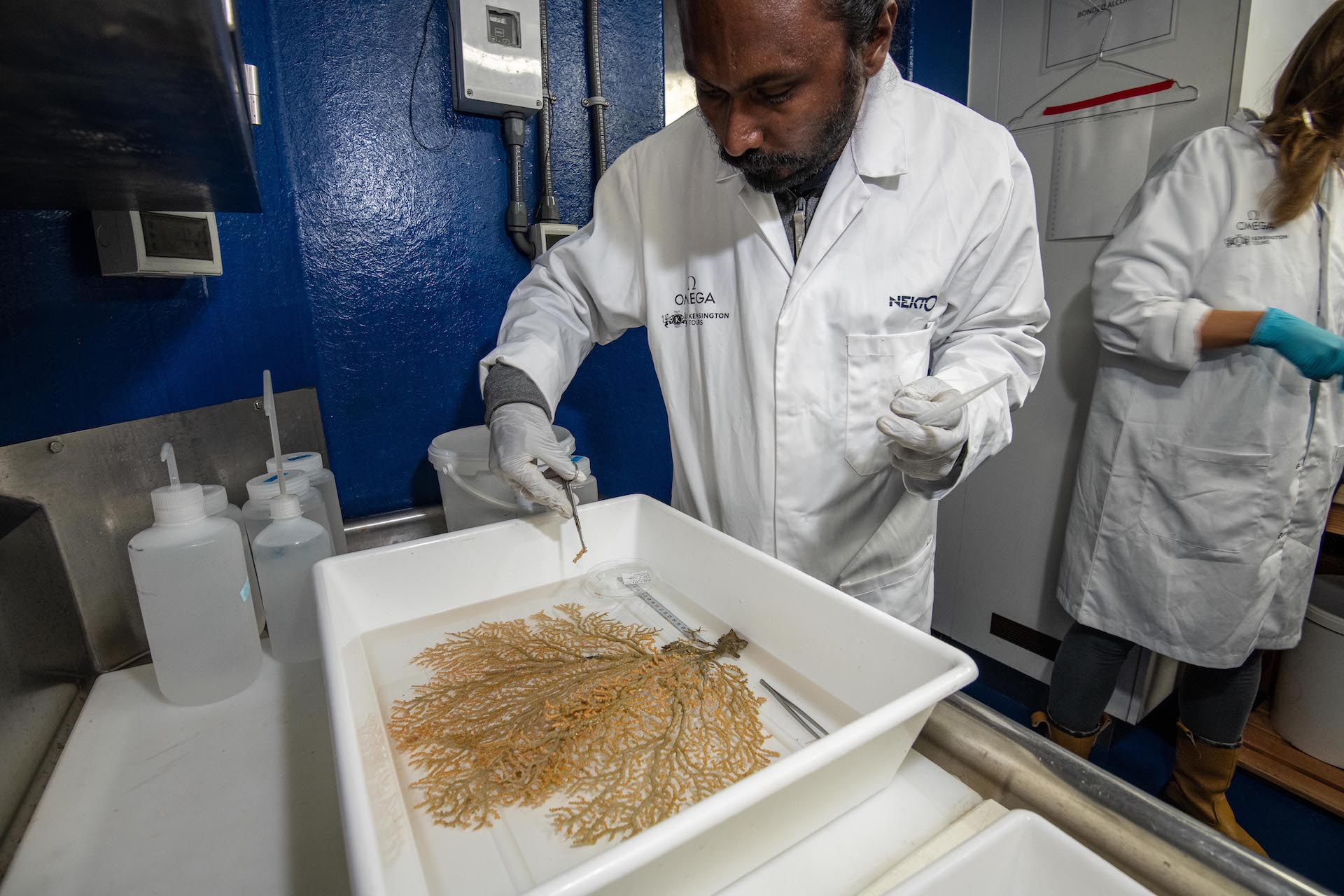
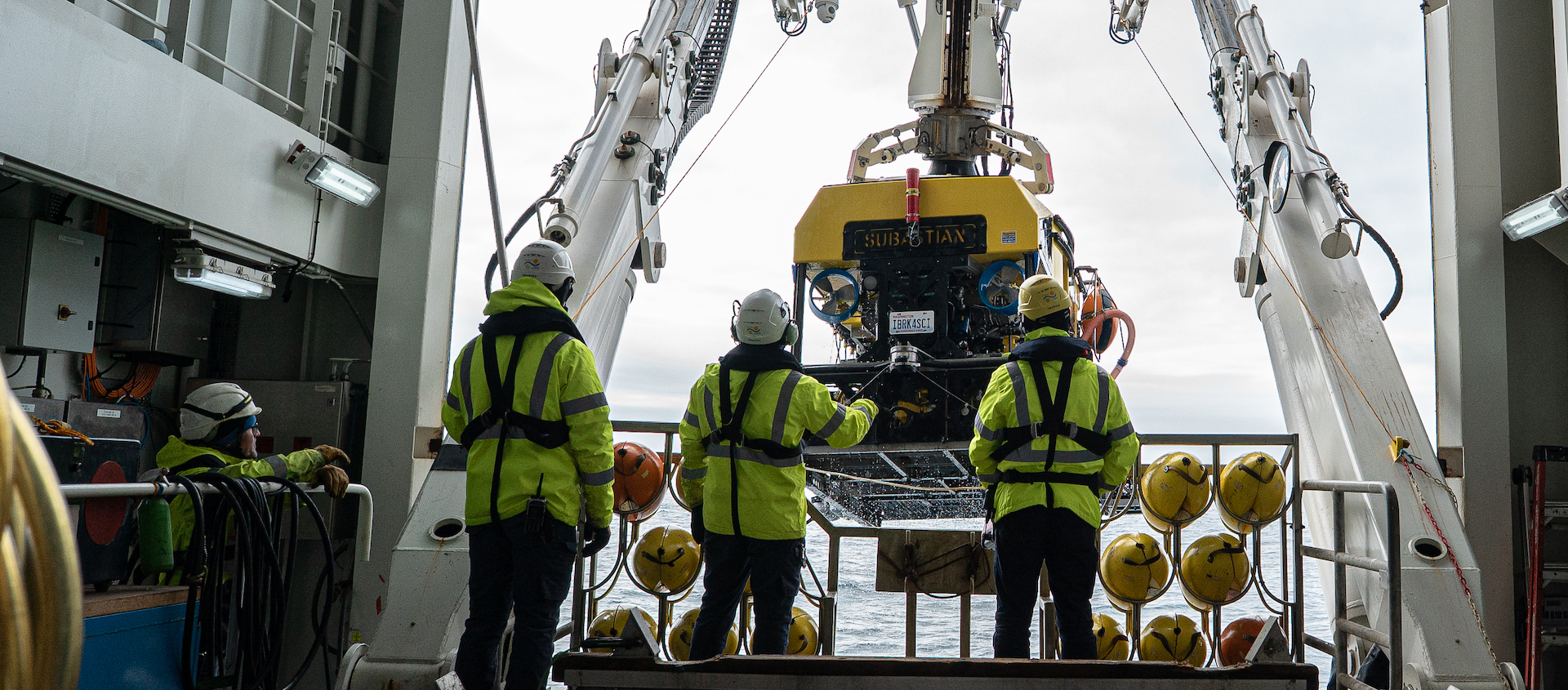
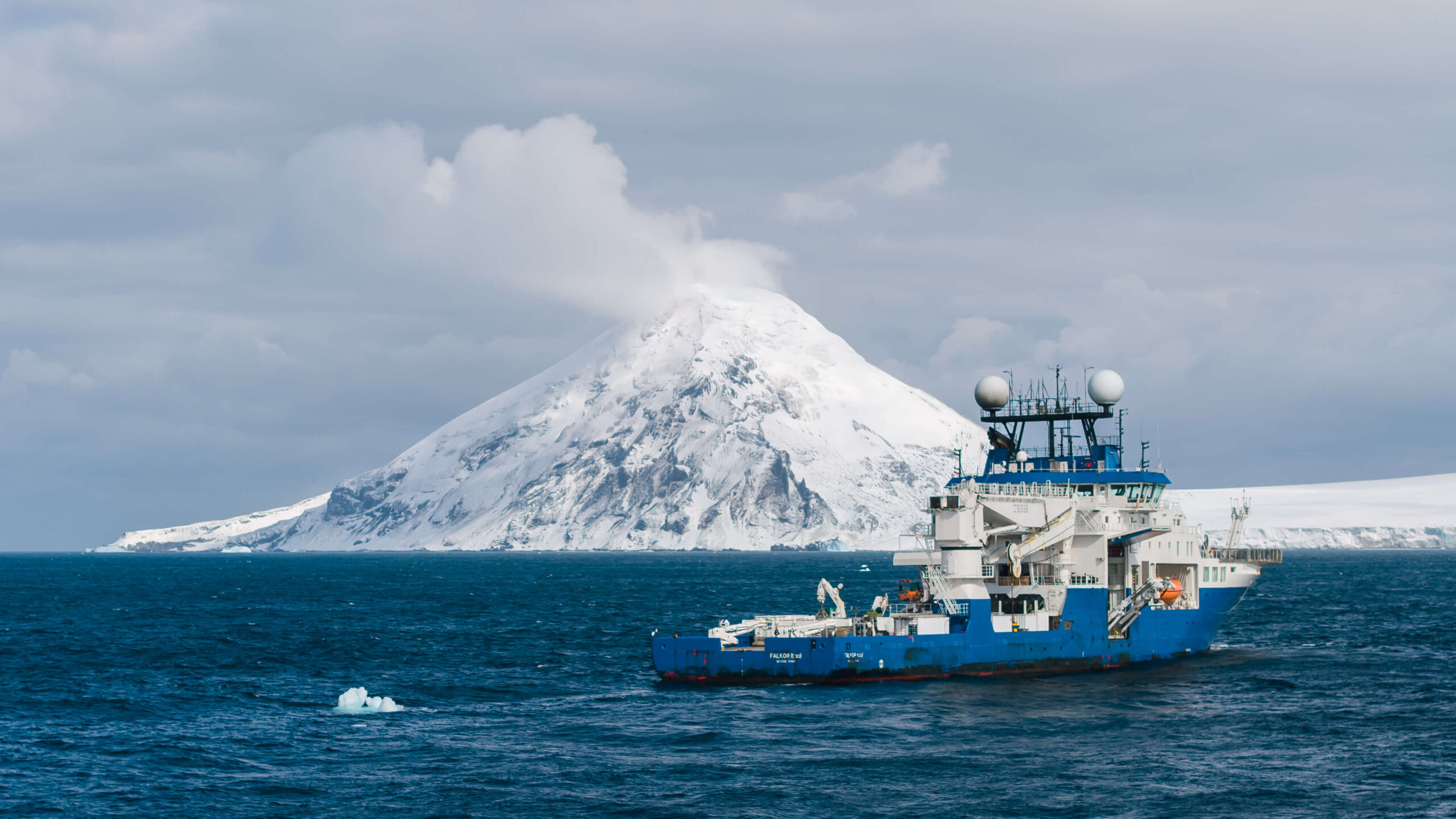
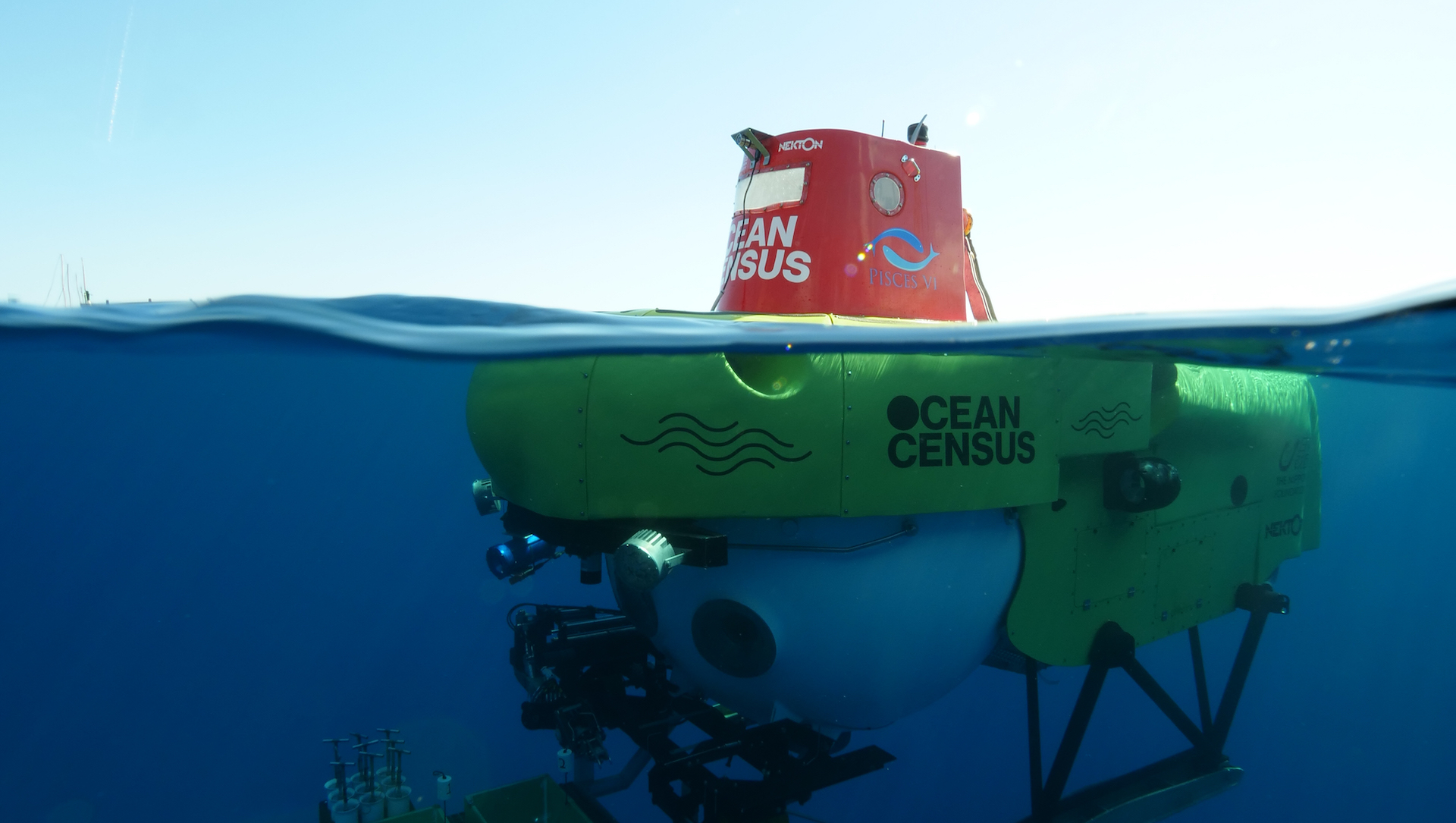
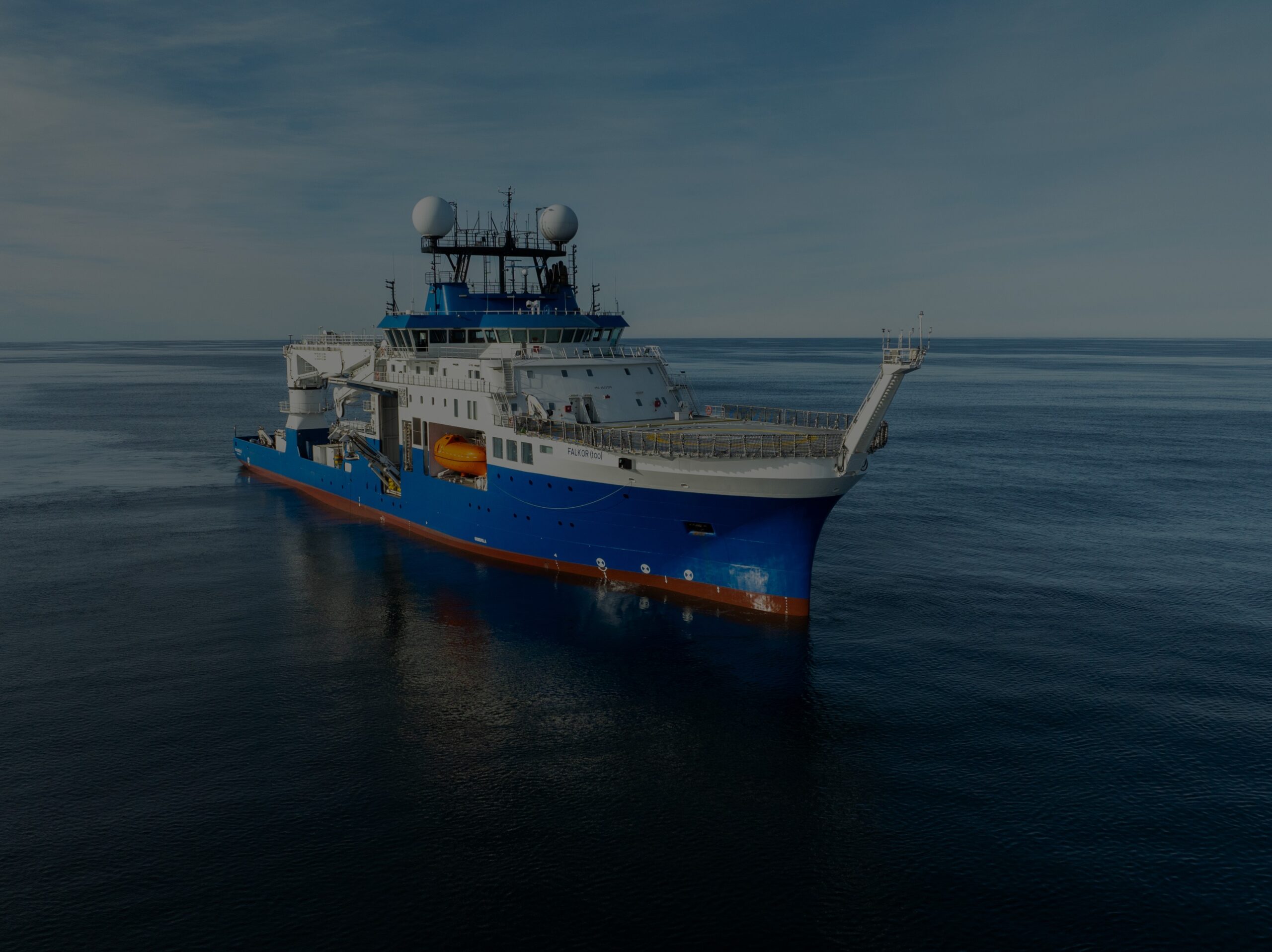
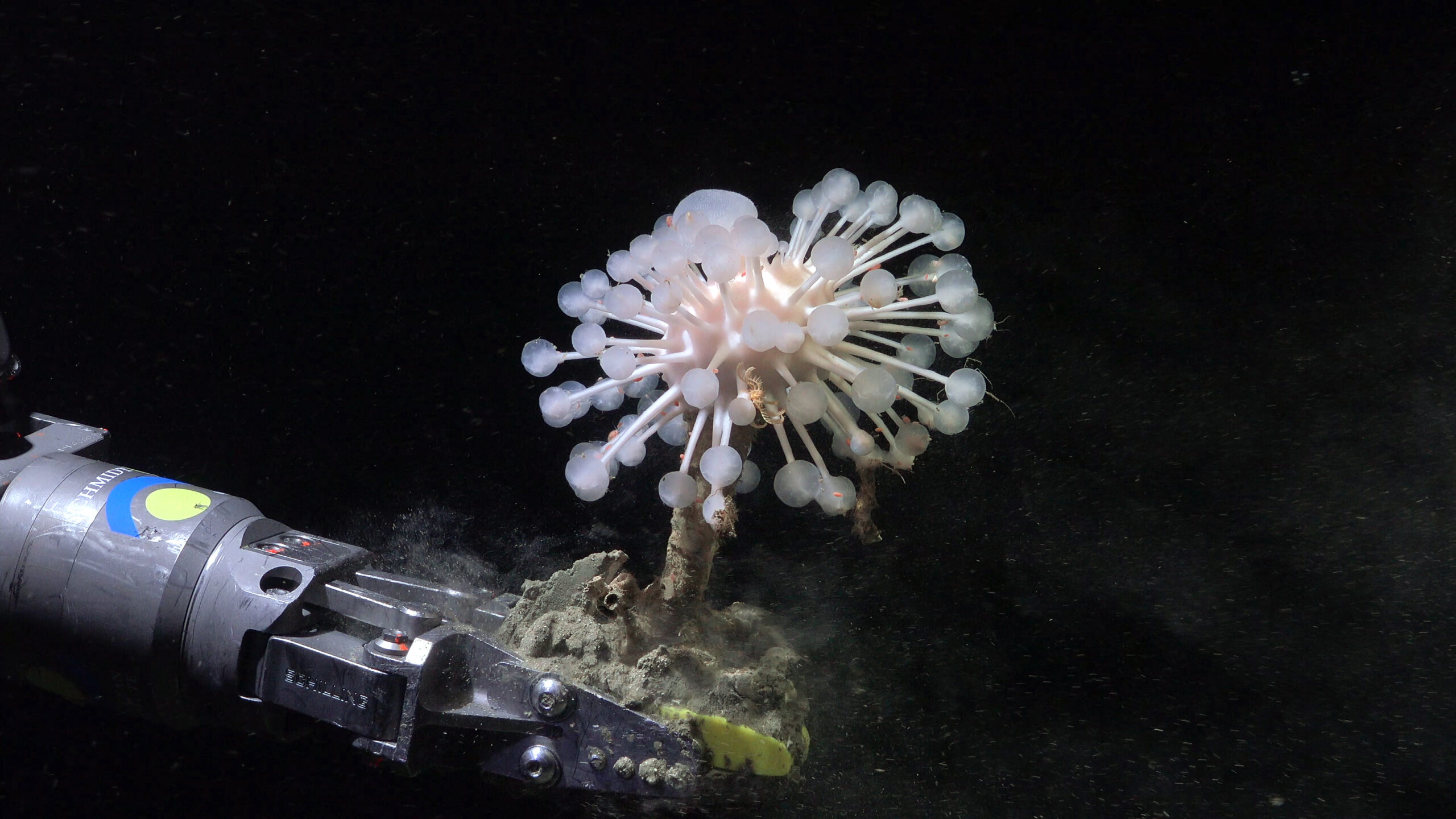
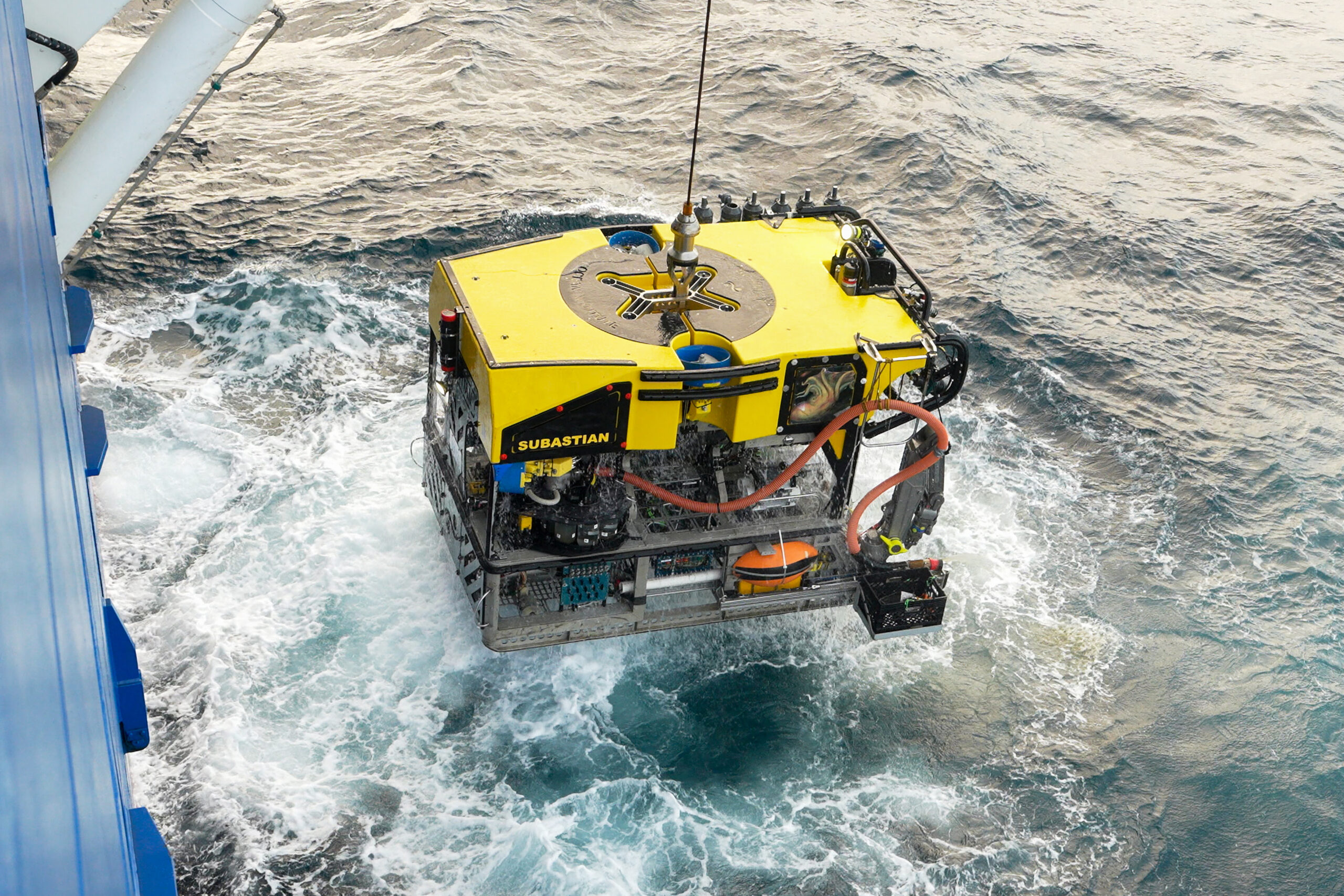
Aboard Schmidt Ocean Institute’s R/V Falkor (too), scientists explored habitats that had never before been observed in such detail, using ROV SuBastian. The expedition captured international attention and inspired millions across Argentina, offering the Argentine public a rare opportunity to witness the exploration of its deep sea ecosystem in real time.
Mission facts
Dates
23 July – 12 August 2025
Duration
21 days
Location
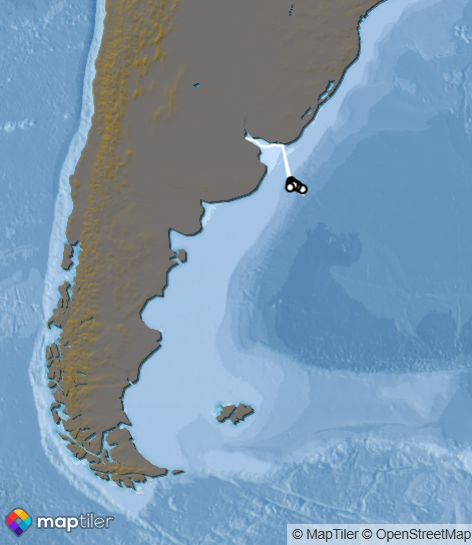
Mar del Plata Canyon
Type
Participant
Image credits
Schmidt Ocean Institute
Mission brief
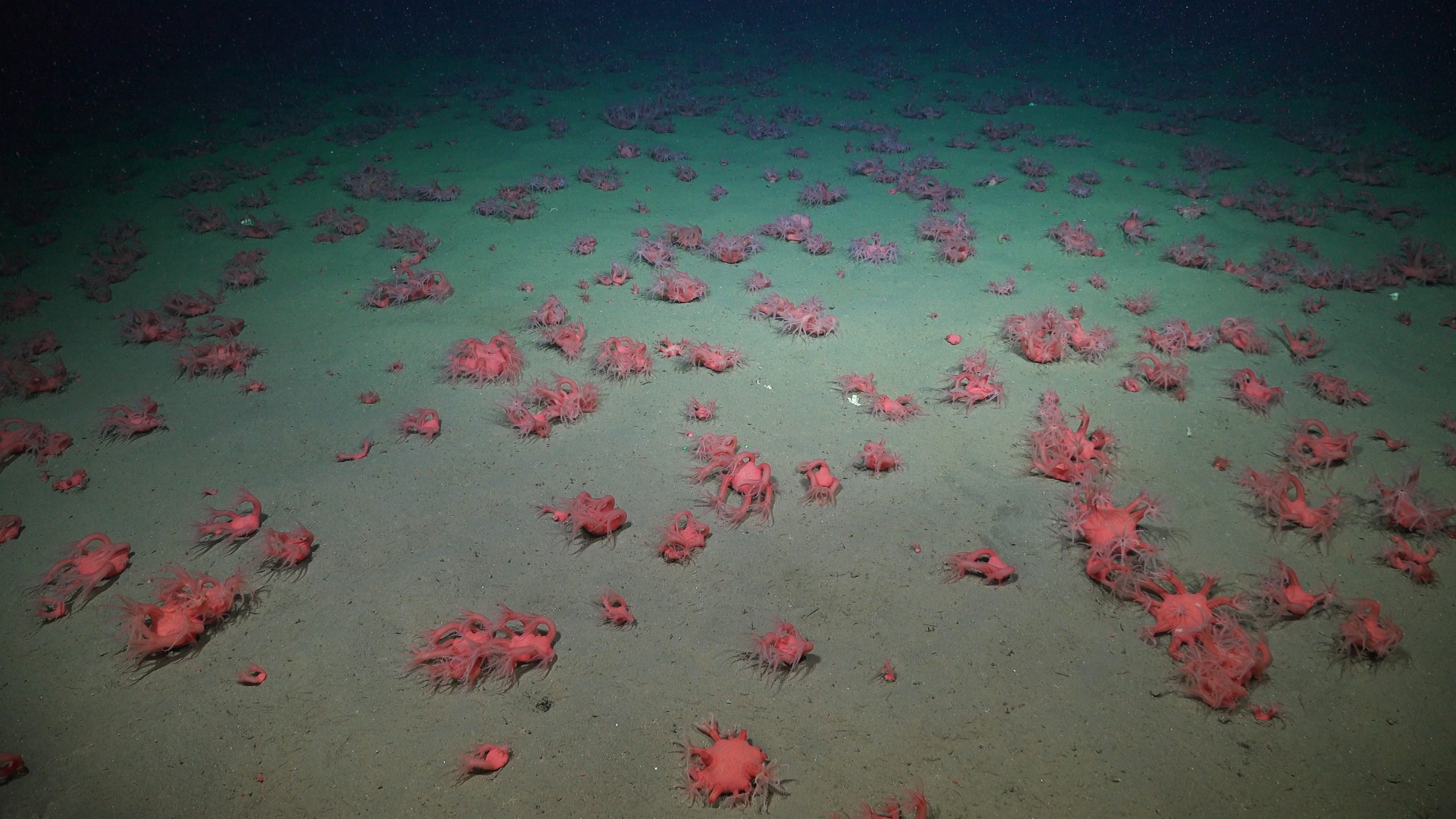
Two powerful currents converge in the Mar del Plata Submarine Canyon in Argentina’s Exclusive Economic Zone. One is warm and salty; the other is nutrient-rich and cold. Together, they form the Brazil-Malvinas Confluence, one of the most energetic regions in our global Ocean. These currents help to redistribute heat from the tropics to the poles and play a prominent role in the Earth’s climate. While scientists know these currents support submarine canyon ecosystems, their effects have never been visualized. This expedition explored the diversity and distribution of seafloor communities in one of the country’s largest deep-sea canyons.
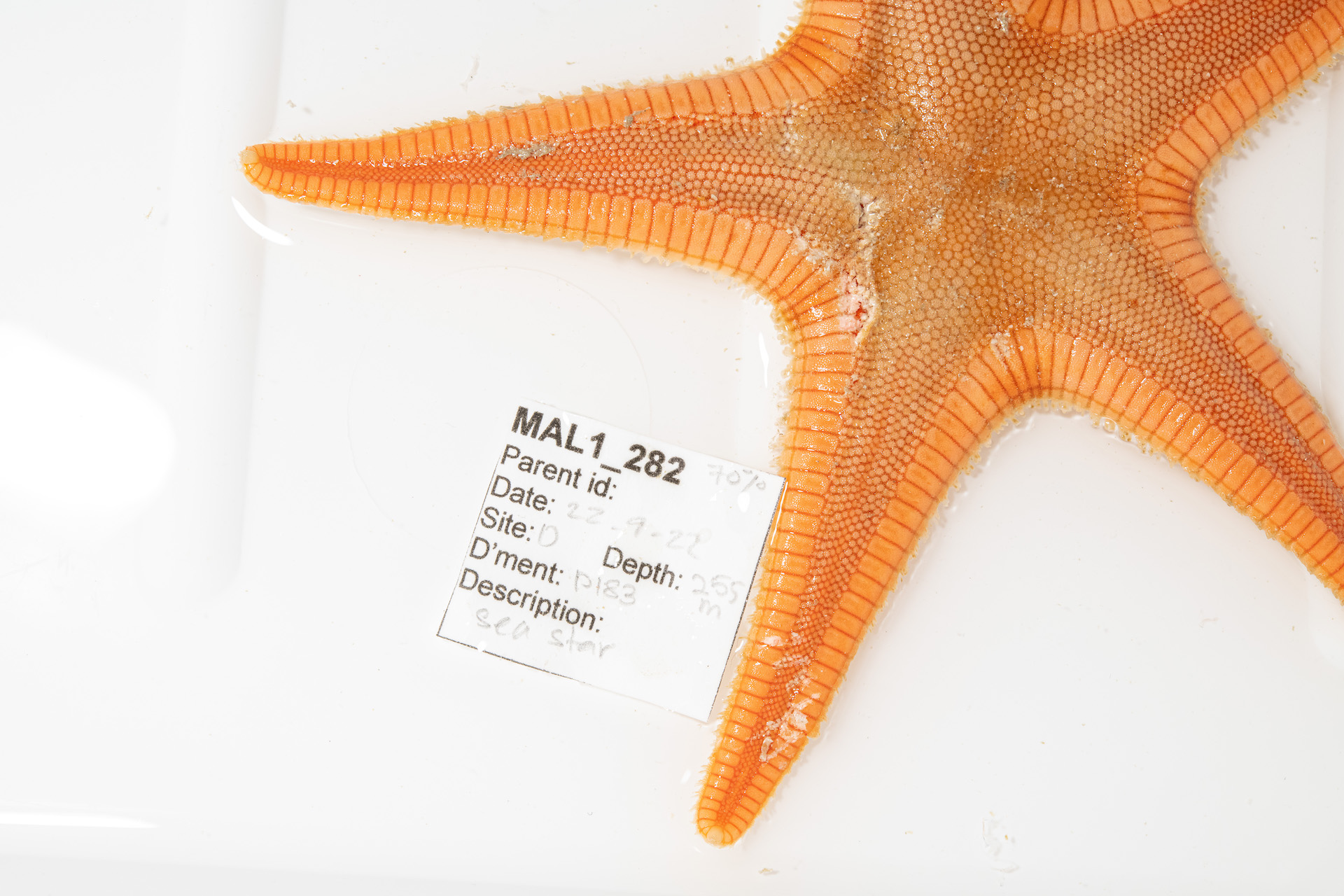
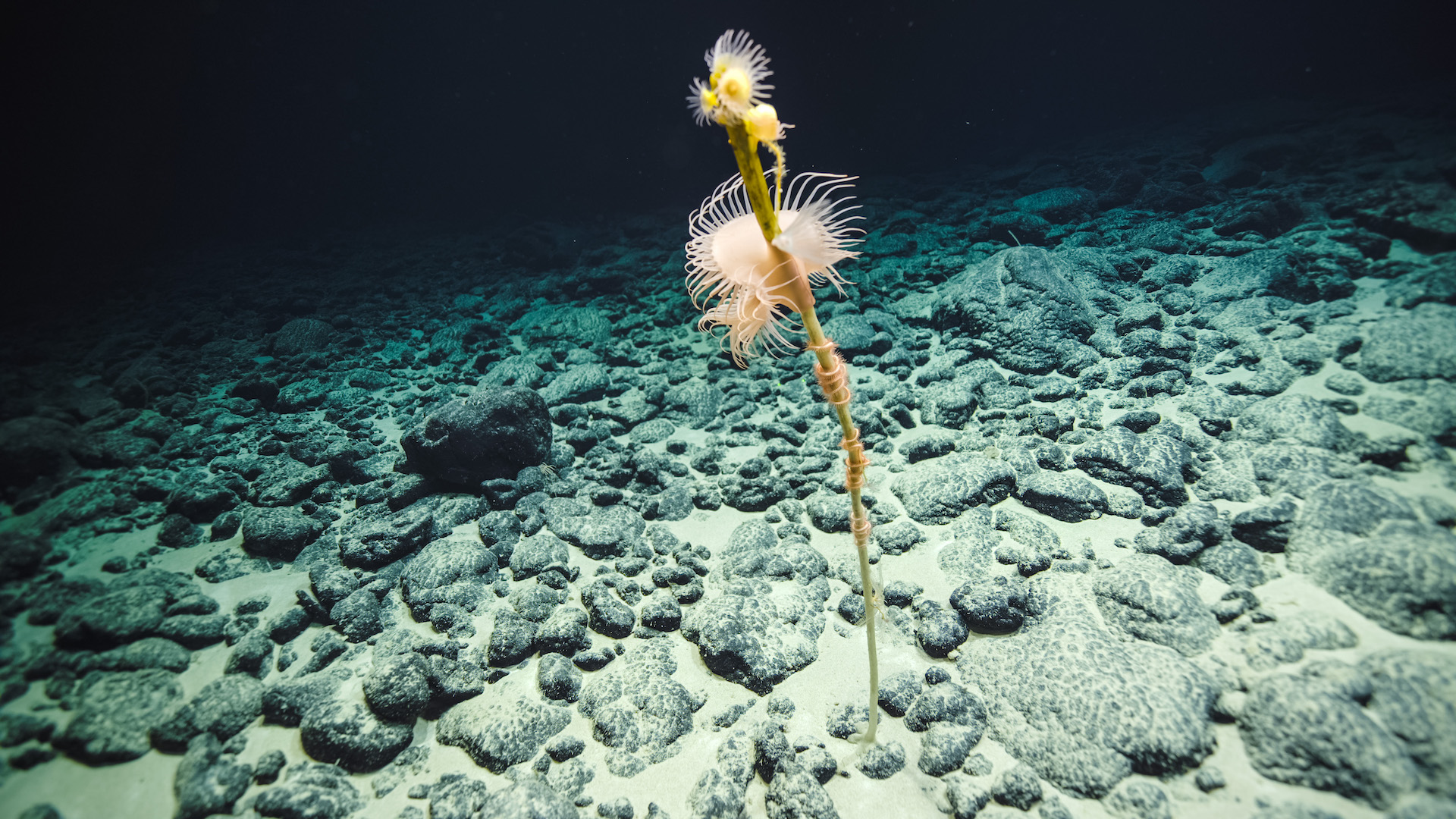
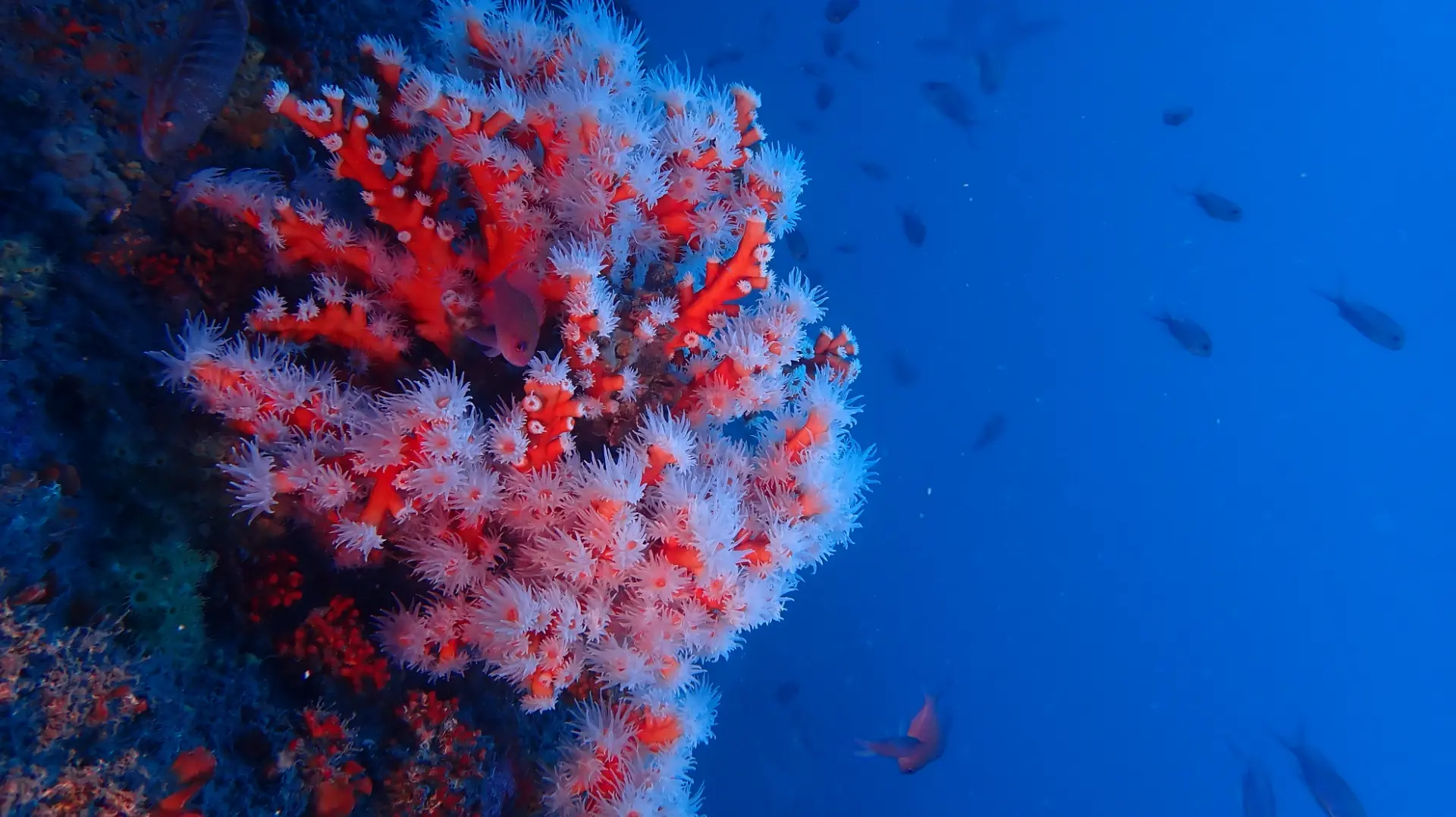
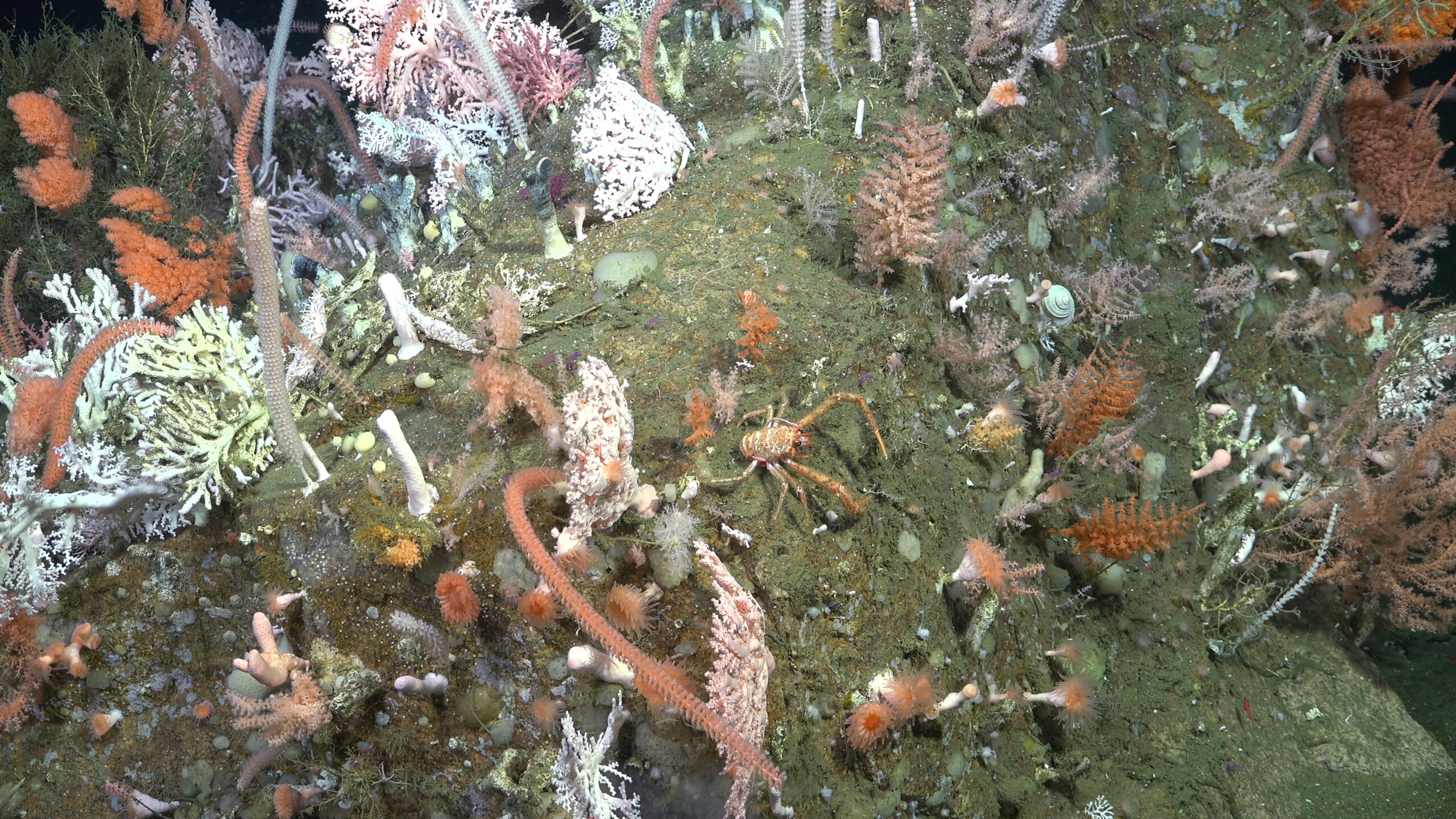
In 2012 and 2013, Argentinian scientists conducted a series of expeditions, Talud Continental I-III, in this region using fishing nets and trawls. With these low-tech tools, they discovered new species and published more than 60 papers. Their research allowed many students to launch their marine biology careers. Even without access to state-of-the-art technology, these earlier expeditions provided evidence of cold-water coral that hosts abundant fish and invertebrates. Yet, the distribution of these ecosystems within the canyon and their ecosystem structures remains poorly understood.
Using ROV SuBastian, the scientists will make the first in situ observations of this massive seafloor feature and document the biodiversity it harbors. The expedition — led by Dr. Daniel Lauretta of Museo Argentino de Ciencias Naturales Bernardino Rivadavia – CONICET, Argentina — aims to establish a strong foundation for future research, conservation, and resource management.
The Ocean Census supported Dr. Daniel Lauretta of Museo Argentino de Ciencias Naturales Bernardino Rivadavia – CONICET, Argentina, as Chief Scientist, through the Ocean Census Expedition Awards.

Mission Partners
Expedition
Highlights
News
Participant/Awards Expeditions
The Ocean Census supports a range of expeditions and opportunities for scientists to get onboard, helping to add capacity to species discovery worldwide.
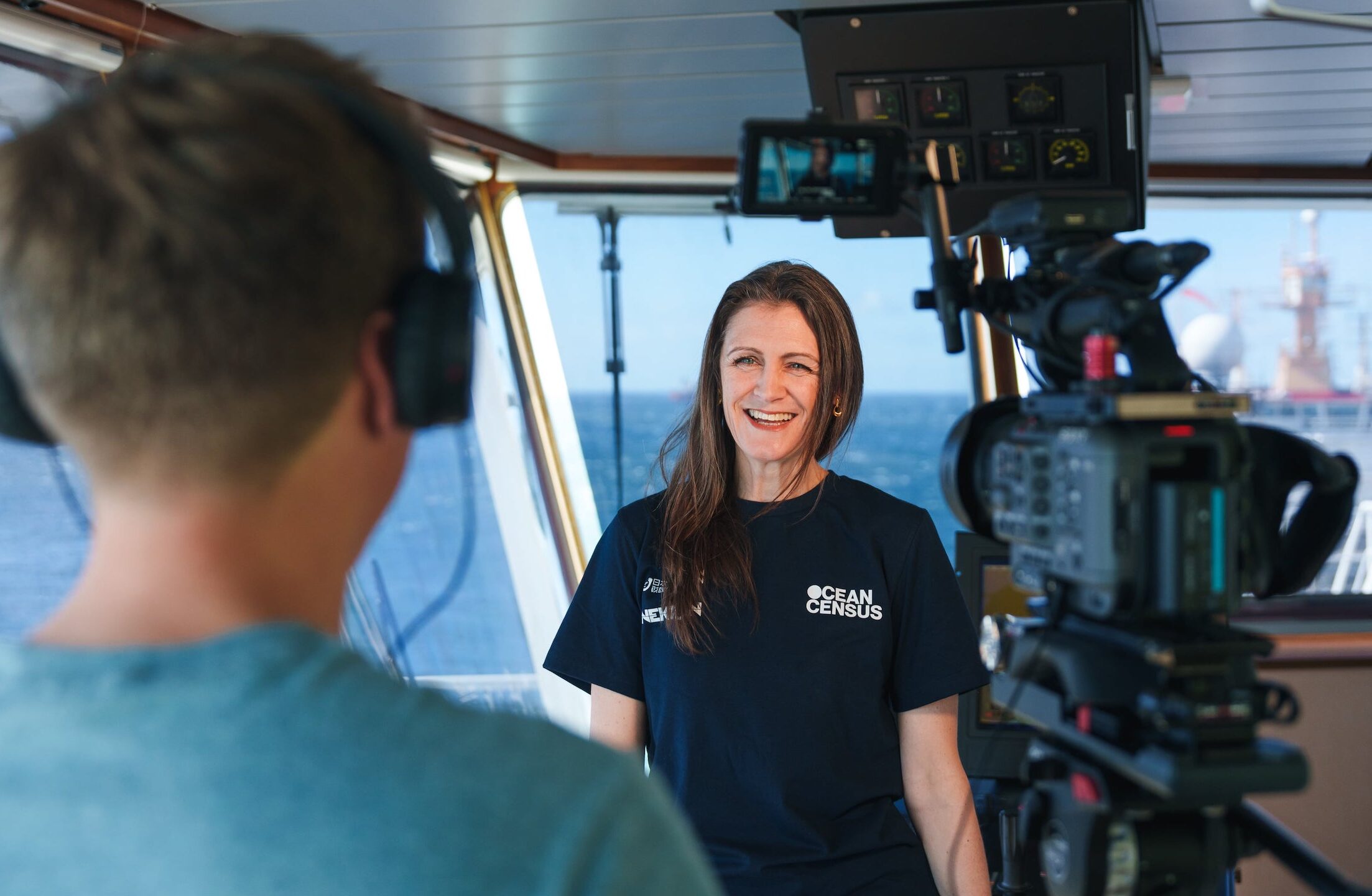
Participant Expeditions give specialists from our Science Network and media experts the opportunity to join expeditions led by our Partners, gain at-sea skills, and exchange knowledge with other professionals.
The Ocean Census Expedition Awards provide support to taxonomists, biodiversity and community scientists who wish to take part in an existing expedition onboard a research vessel.
Find out more and get involved by joining our Science Network today.

Join the census
The Ocean Census Alliance unites national and philanthropic marine institutes, museums, and universities, backed by governments, philanthropy, business and civil society partners.


