






Tis’ the SEAson:
12 Christmas Inspired Marine Species
Feeling Festive Yet?
As the holiday season arrives, the Ocean Census are taking a delve into the spectacular wonders of the ocean – filled with creatures that shimmer like ornaments, glow like fairy lights, and even resemble underwater snowflakes.
In the spirit of the “Twelve Days of Christmas,” we’ve gathered twelve remarkable marine species whose colours, shapes, and surprising behaviors capture the wonder of the season.
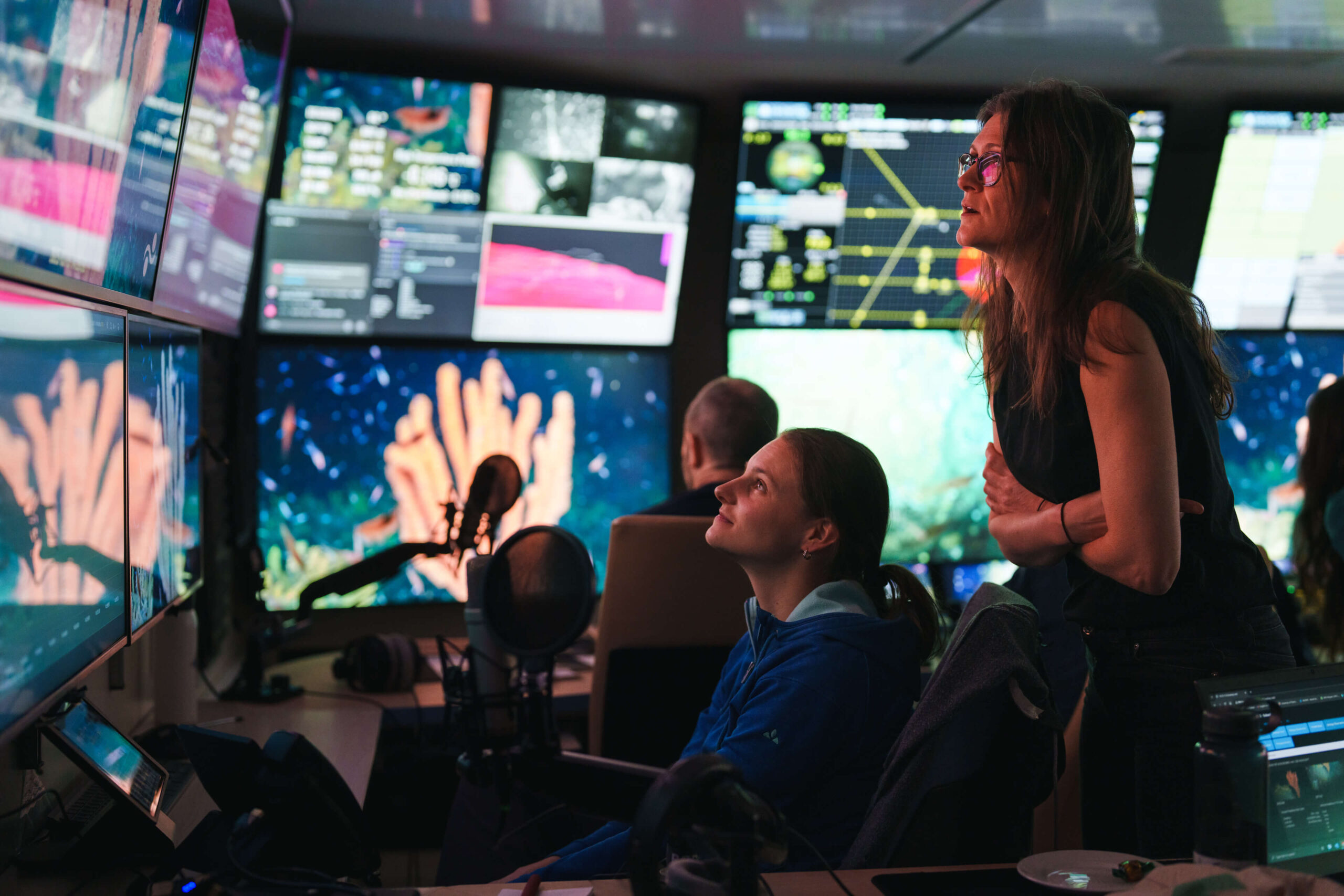
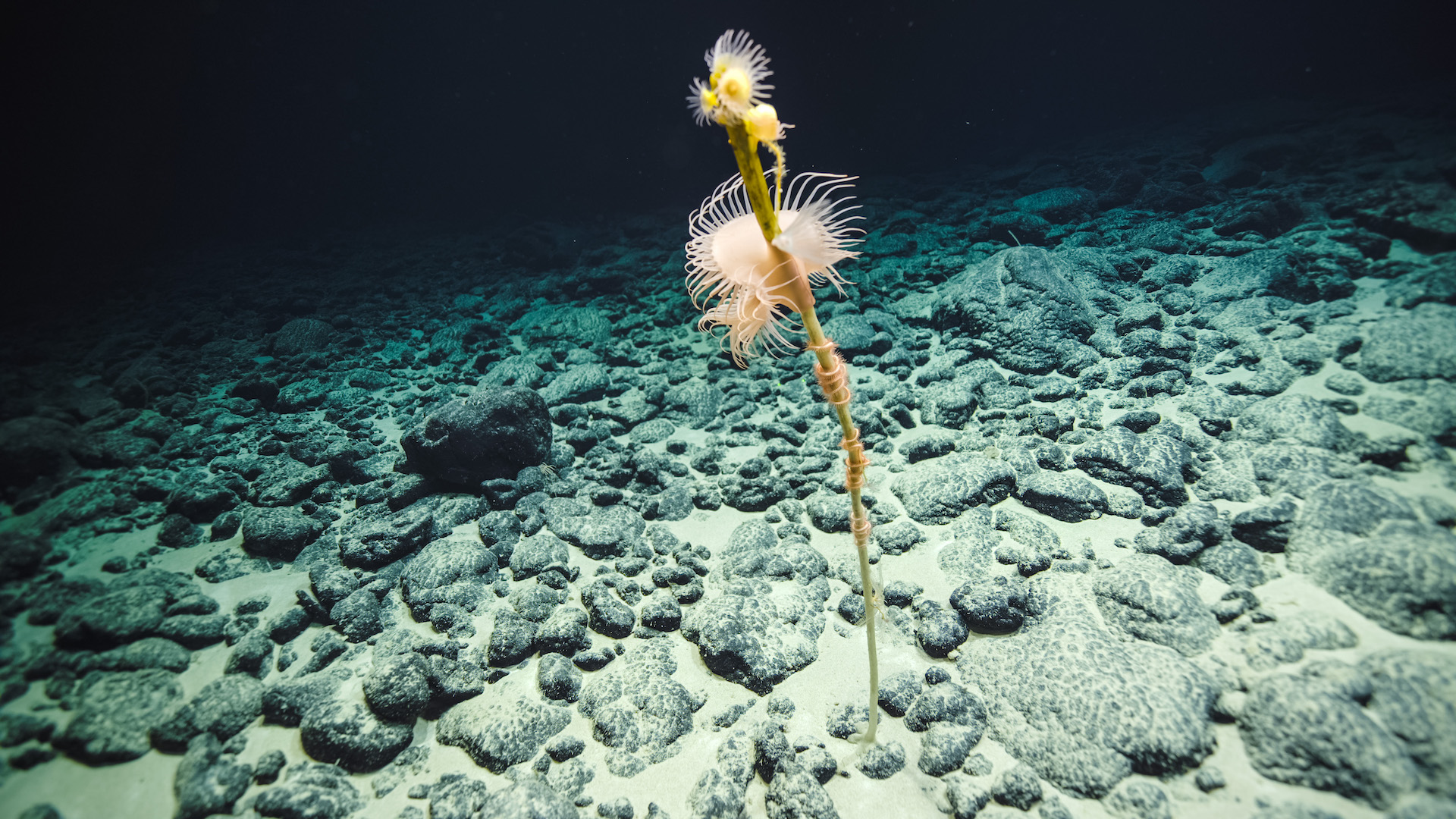
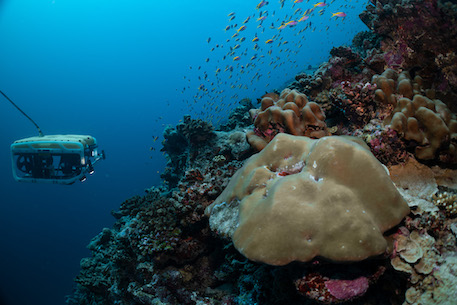
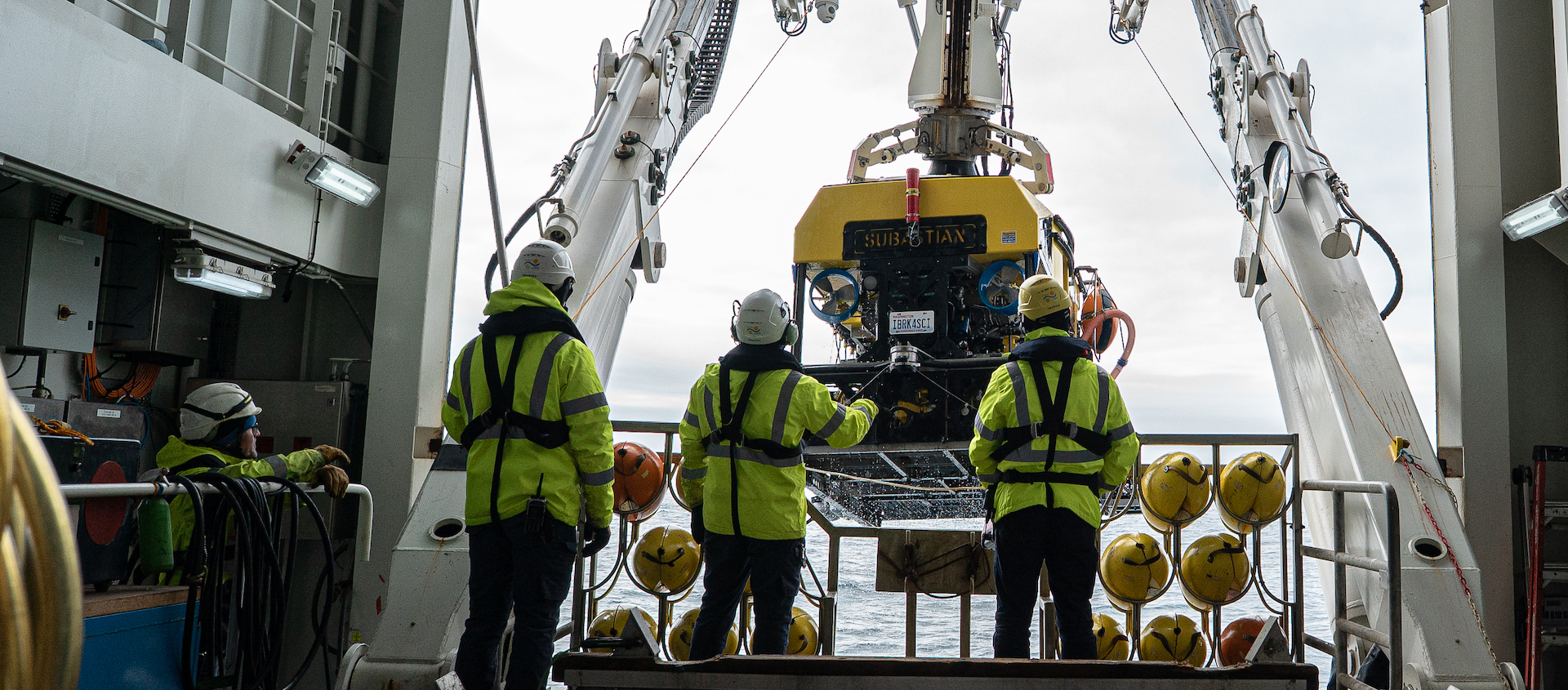
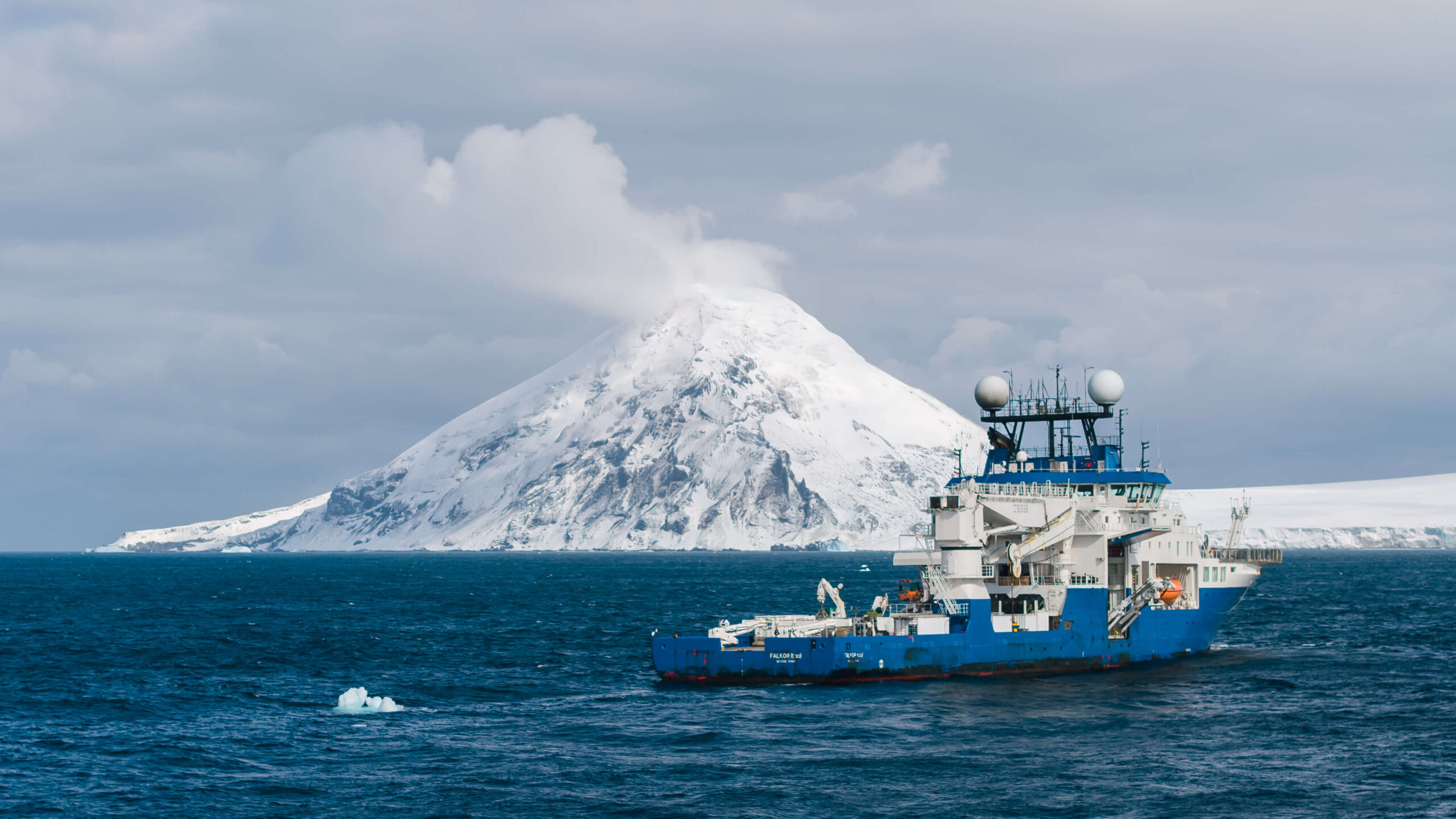
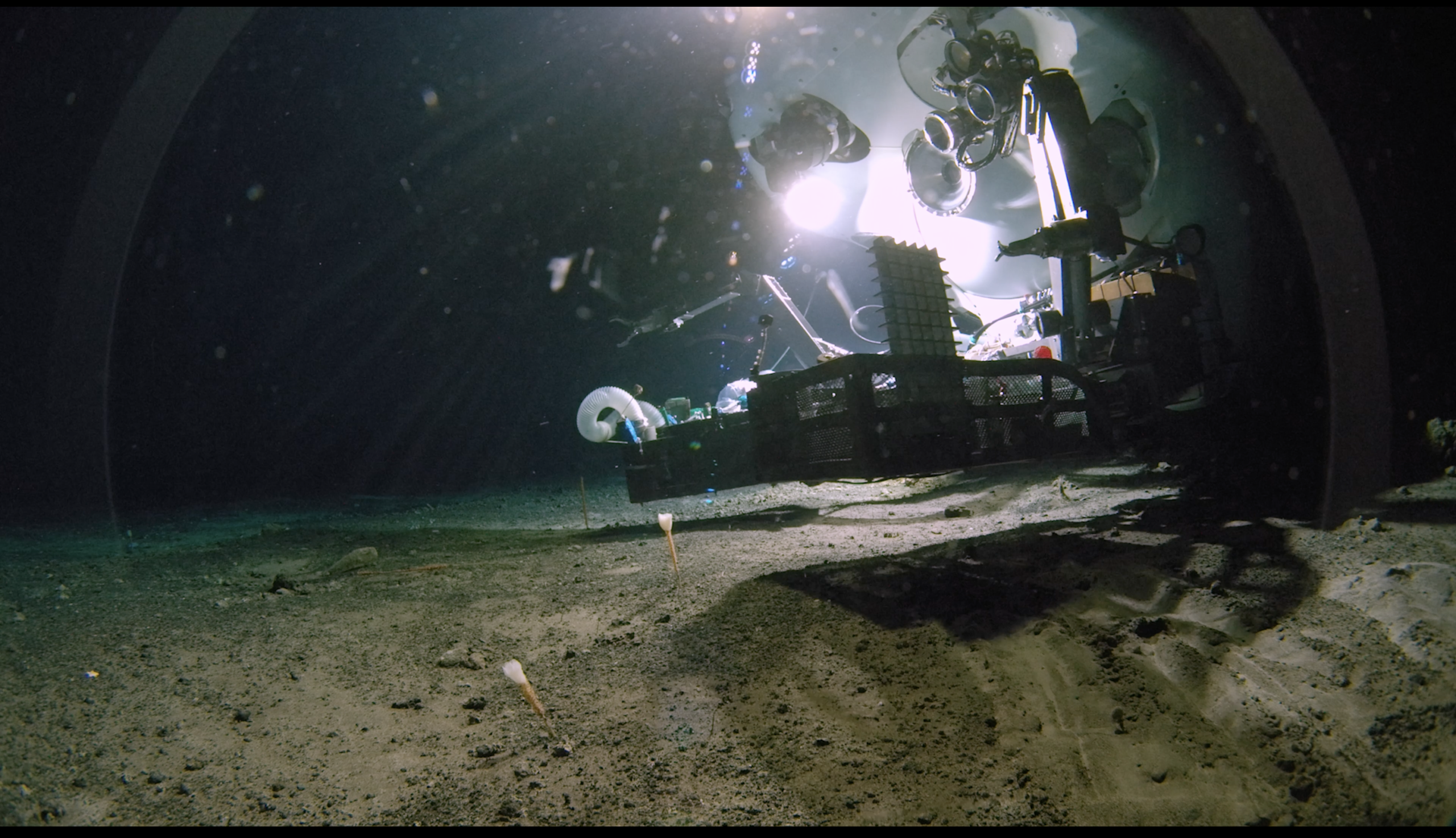
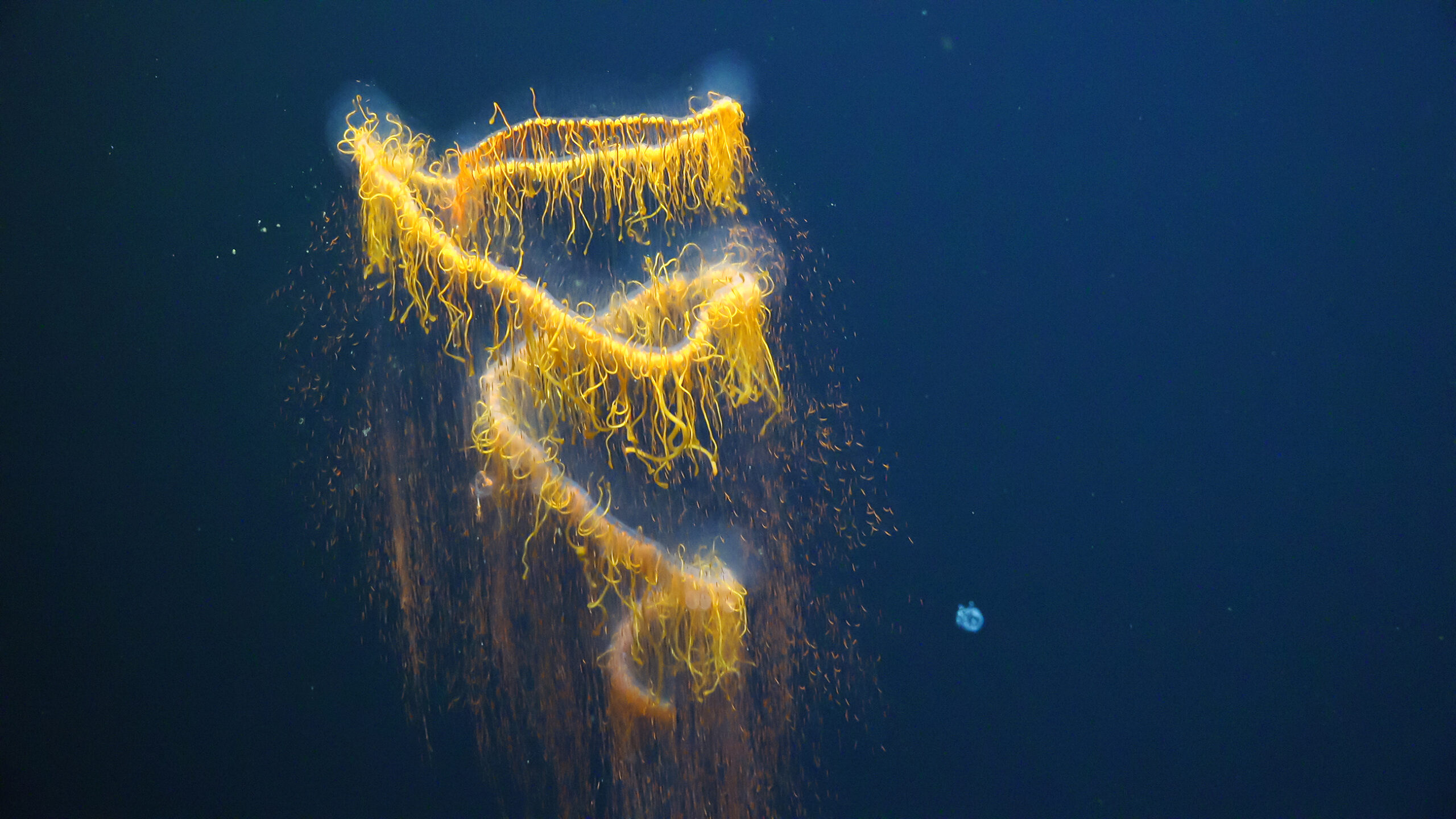
Featured image credits: ROV SuBastian / Schmidt Ocean Institute
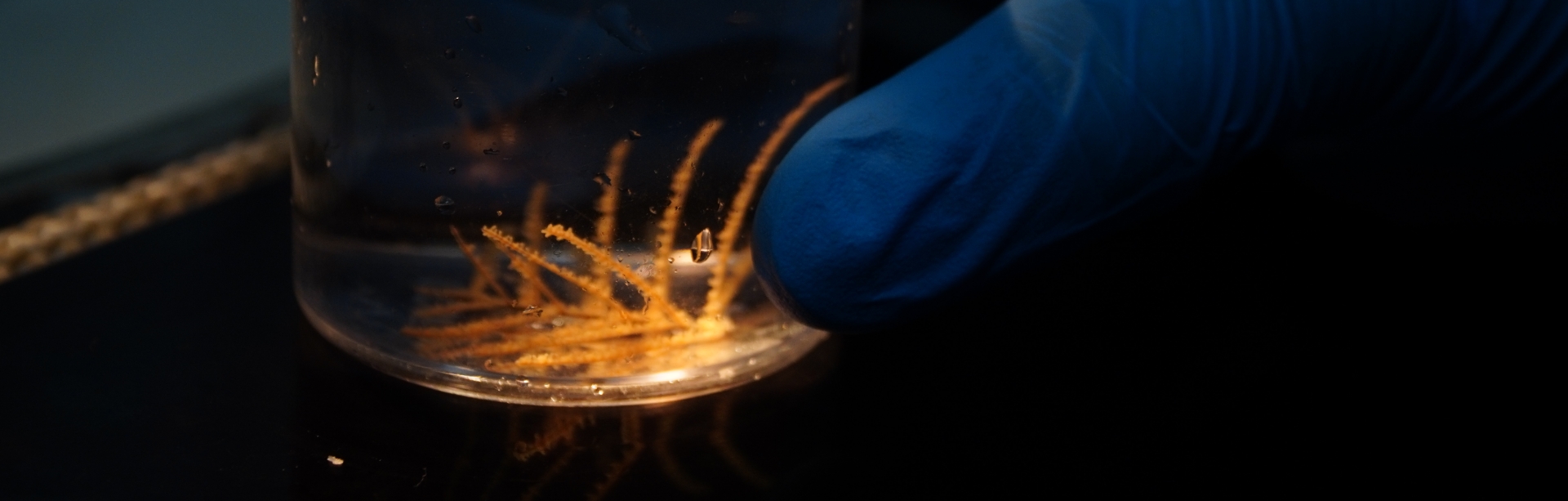
Coral / Christmas Tree
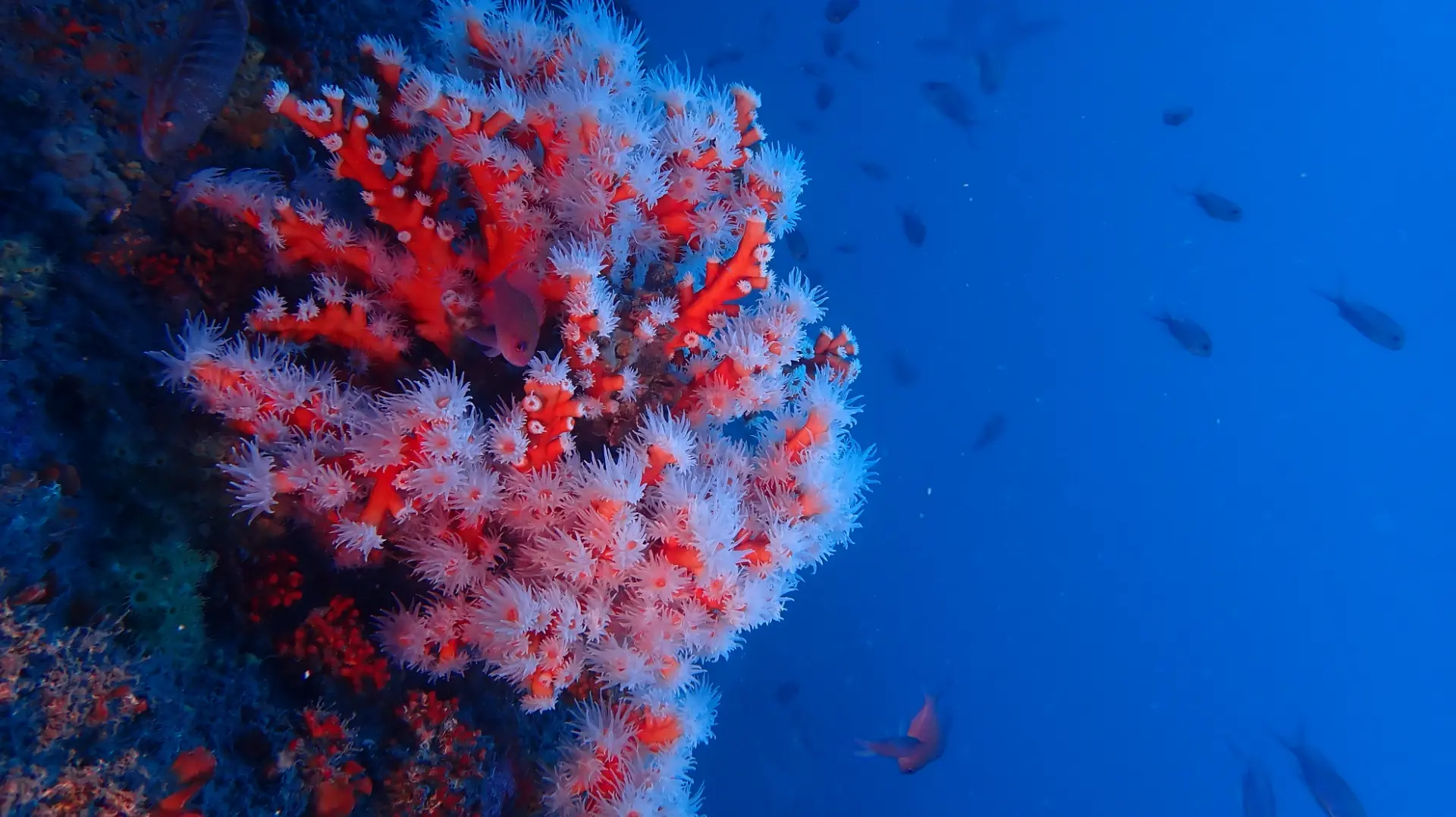
This delicate coral, spotted 617 metres deep, during the Ocean Census / Schmidt Ocean Institute “Searching for New Species in the South Sandwich Islands” Expedition (2025), looks wonderfully like an underwater Christmas tree. Its branching, tiered structure evokes festive decorations in the icy depths.
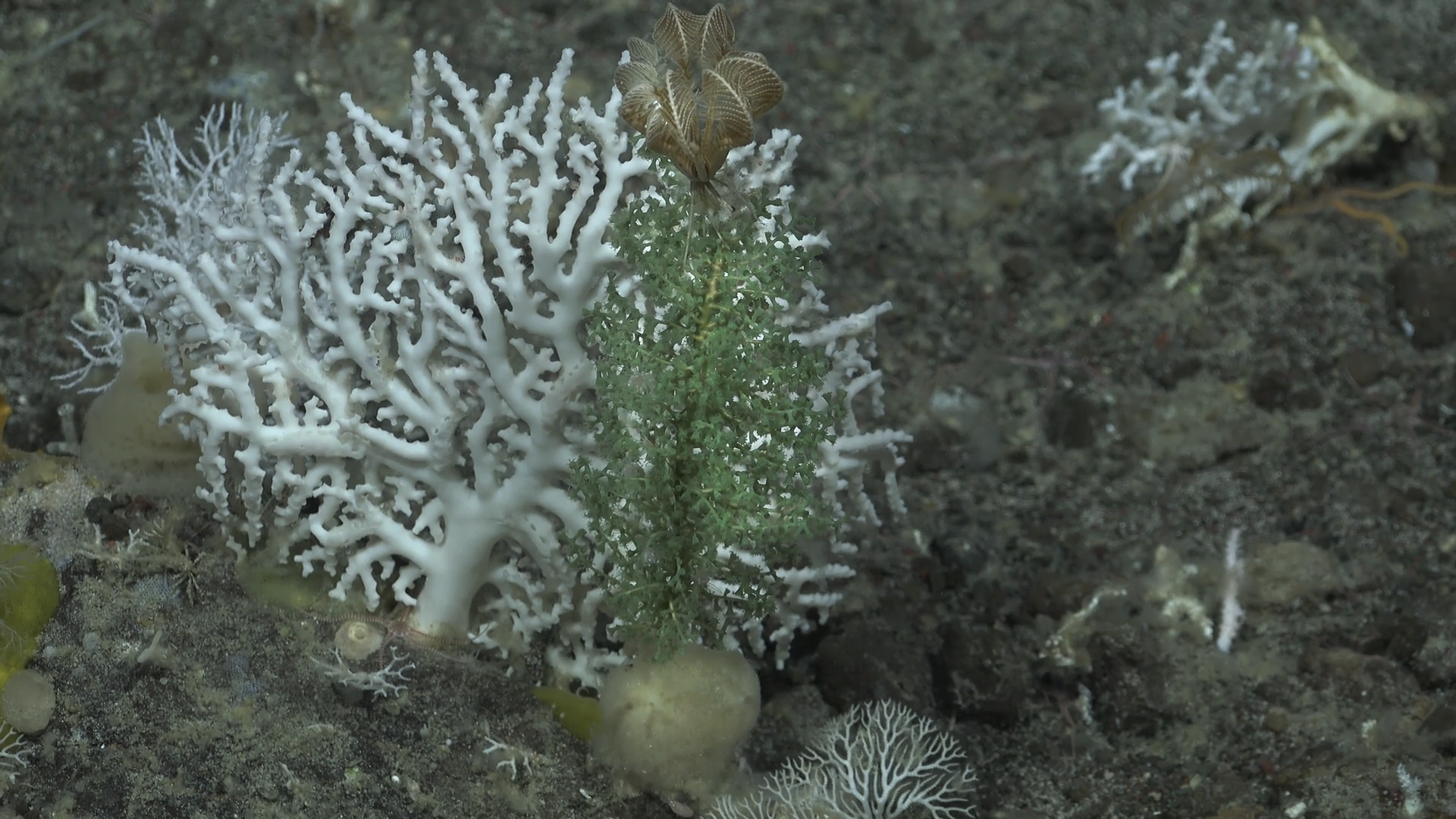
Photo credit: Schmidt Ocean Institute
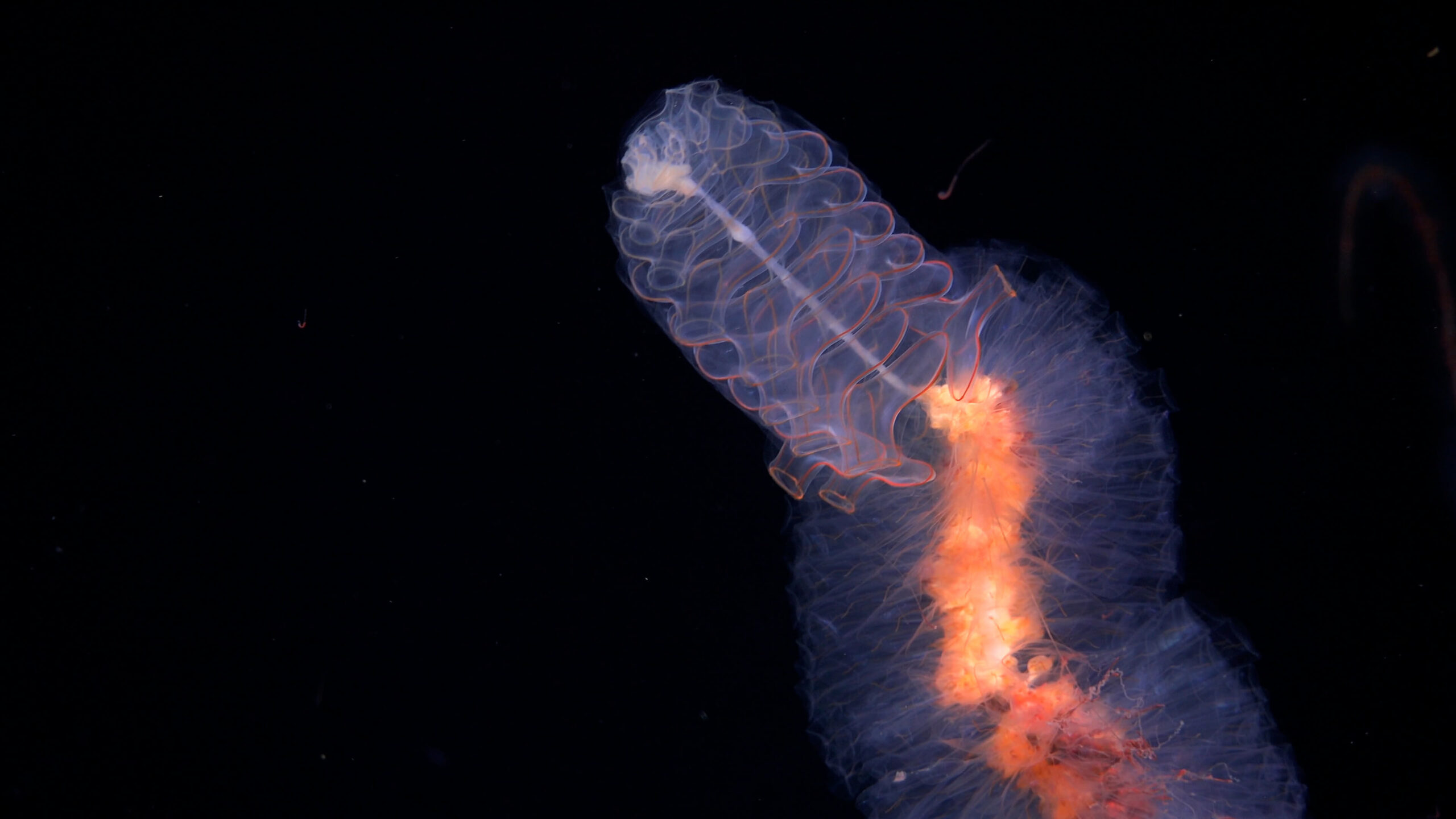
Syphonophore / Tinsel Decoration
Documented by ROV SuBastian during its descent to the Patton Escarpment on the Schmidt Ocean Institute’s Biodiverse Borderlands expedition (2021), this siphonophore shimmers through the water column like a strand of Christmas tinsel drifting in the deep. Although Siphonophores appear to be a single organism, each siphonophore is actually a living colony made up of specialized units called zooids.
Photo Credit: Schmidt Ocean Institute
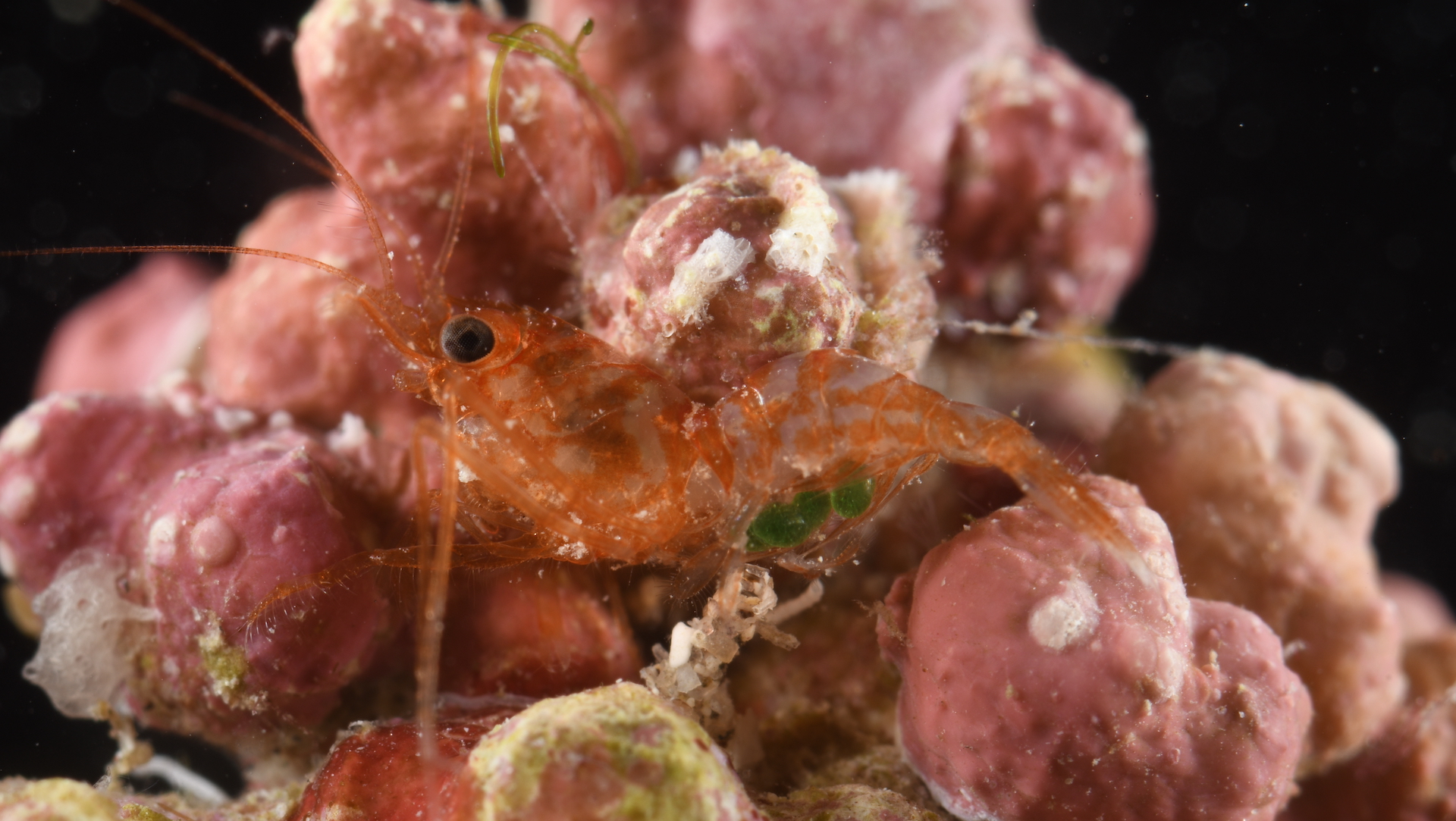
Squat Lobster / Candy Cane
Studied during Chile Workshop 1 (2024), where specimens from the Salas & Gómez and Nazca Ridges were examined, this newly discovered squat lobster, found on a seamount at 572.5 metres, is patterned like a deep-sea candy cane. Its red-and-white banding gives it a festive, striped appearance as it perches among rocks and corals on the seafloor.
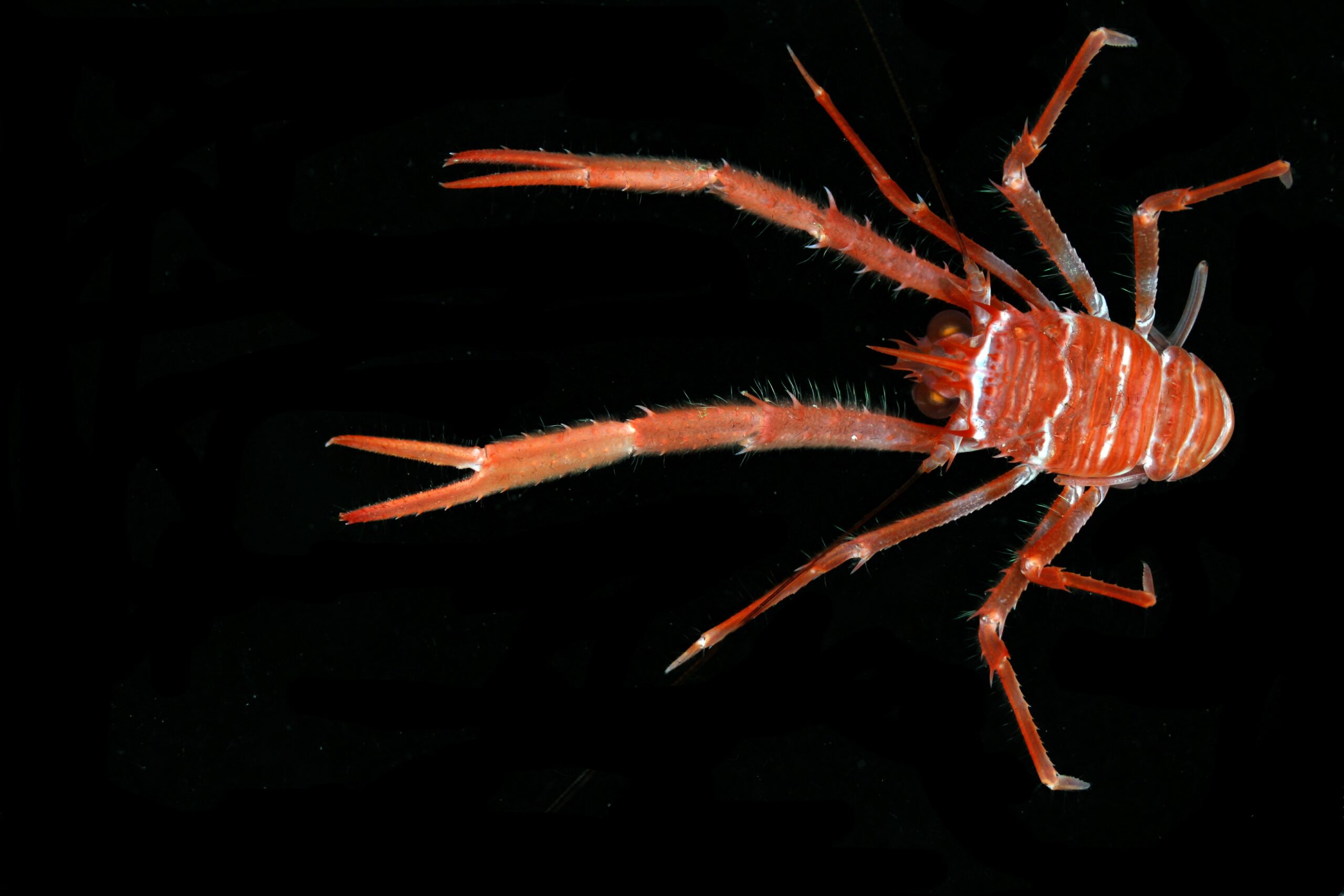
Photo credit: Enrique Macpherson
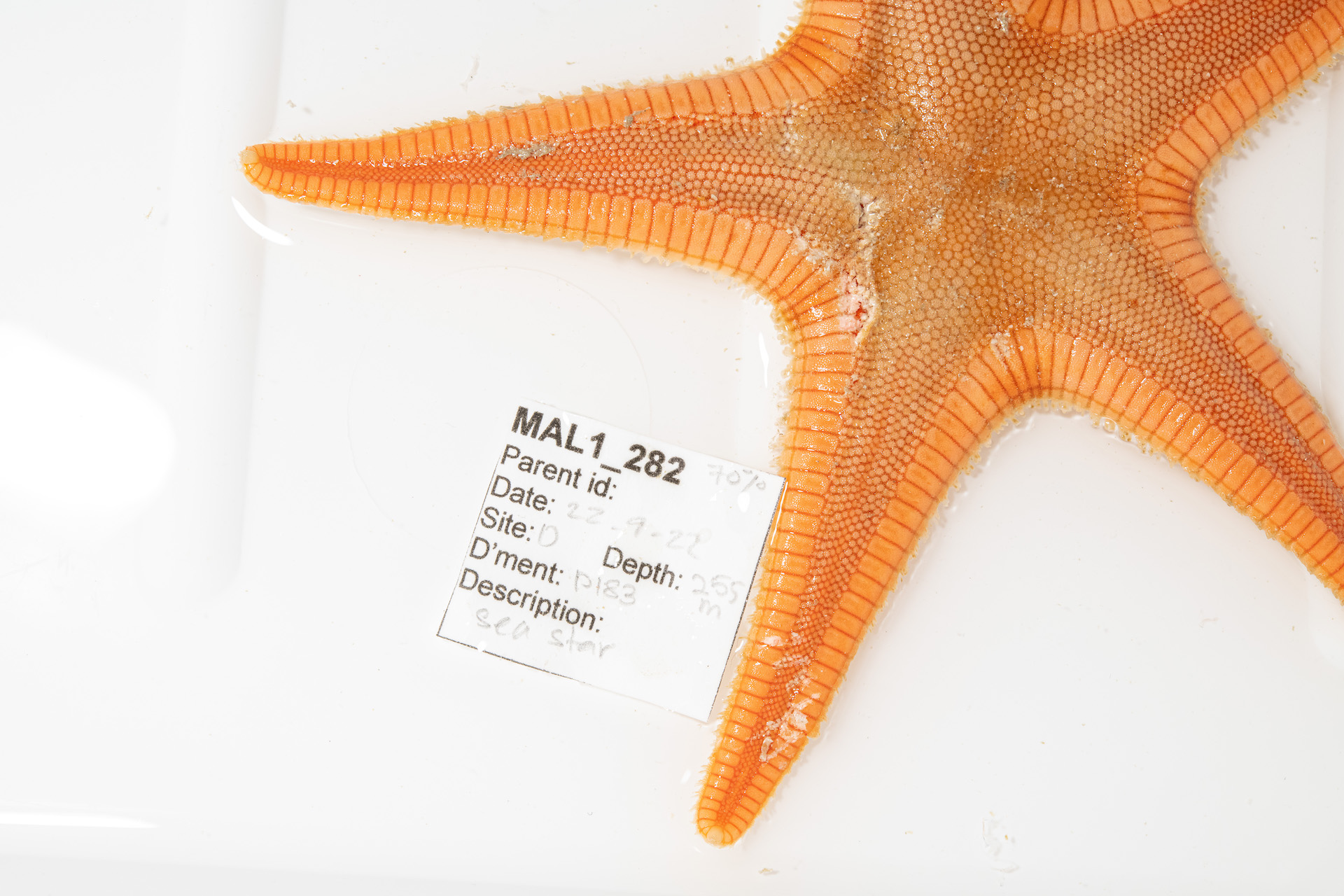
Sea Star / North Star
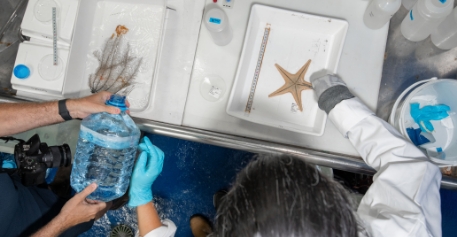
Examined during Chile Workshop 1 (2024) at the Universidad Católica del Norte (UCN), this newly discovered sea star, found at an impressive 984 metres on Seamount 19 in the warm temperate southeastern Pacific, shines like the ocean’s own North Star. Its radiating arms and symmetrical form evoke the guiding celestial point that crowns many holiday traditions.
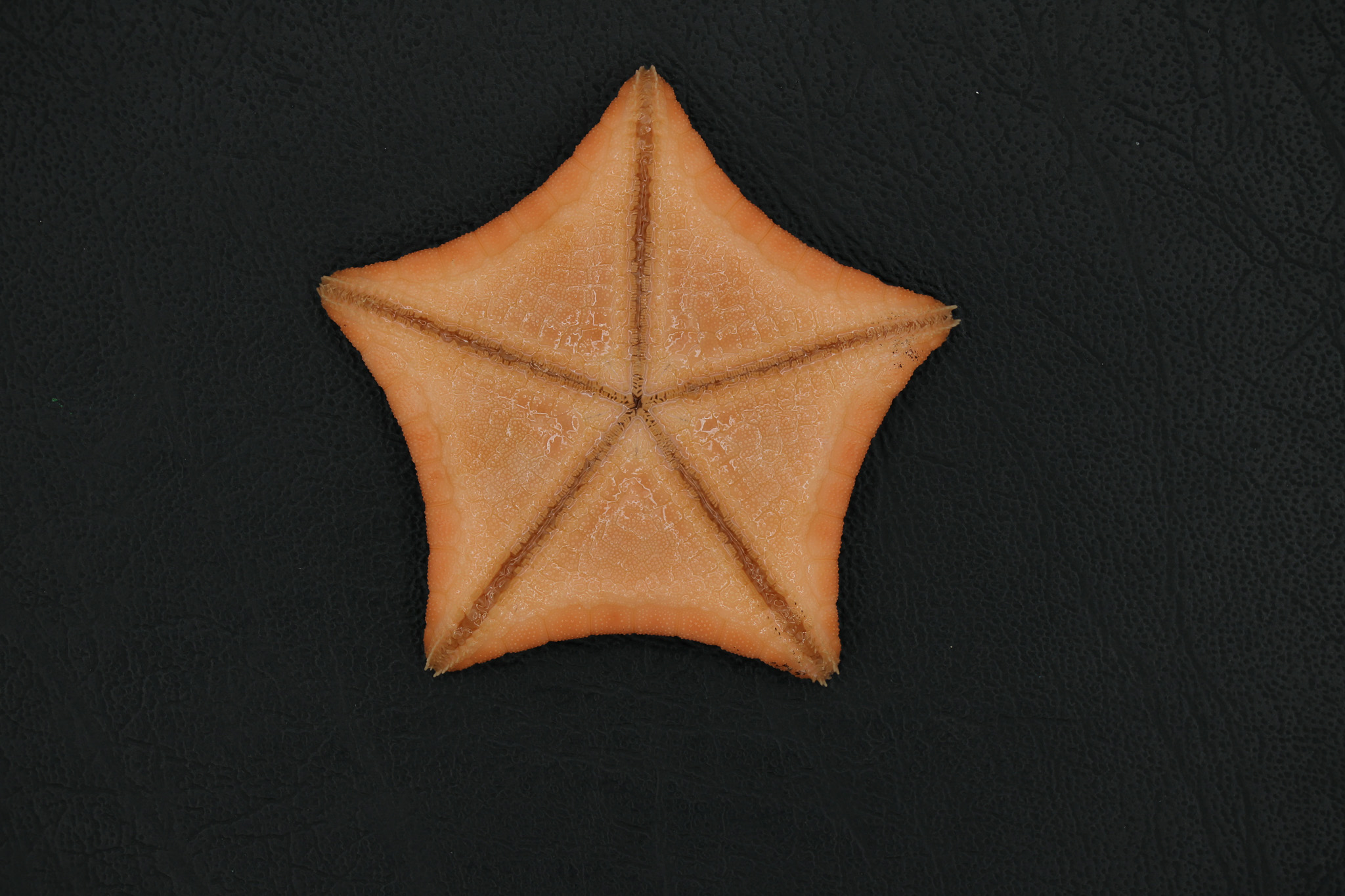
Photo Credit: Chris Mah
Octocoral / Fairy Lights
This beautifully delicate octocoral, discovered on the Ocean Census Flagship Macaronesia expedition (2023), glows like a string of festive Christmas lights. Found at 198 metres in the cool waters of the Lusitanian Region, off Radazul, Spain, its tiny polyps are actually small, cylindrical organisms that look a bit like a miniature sea anemone.
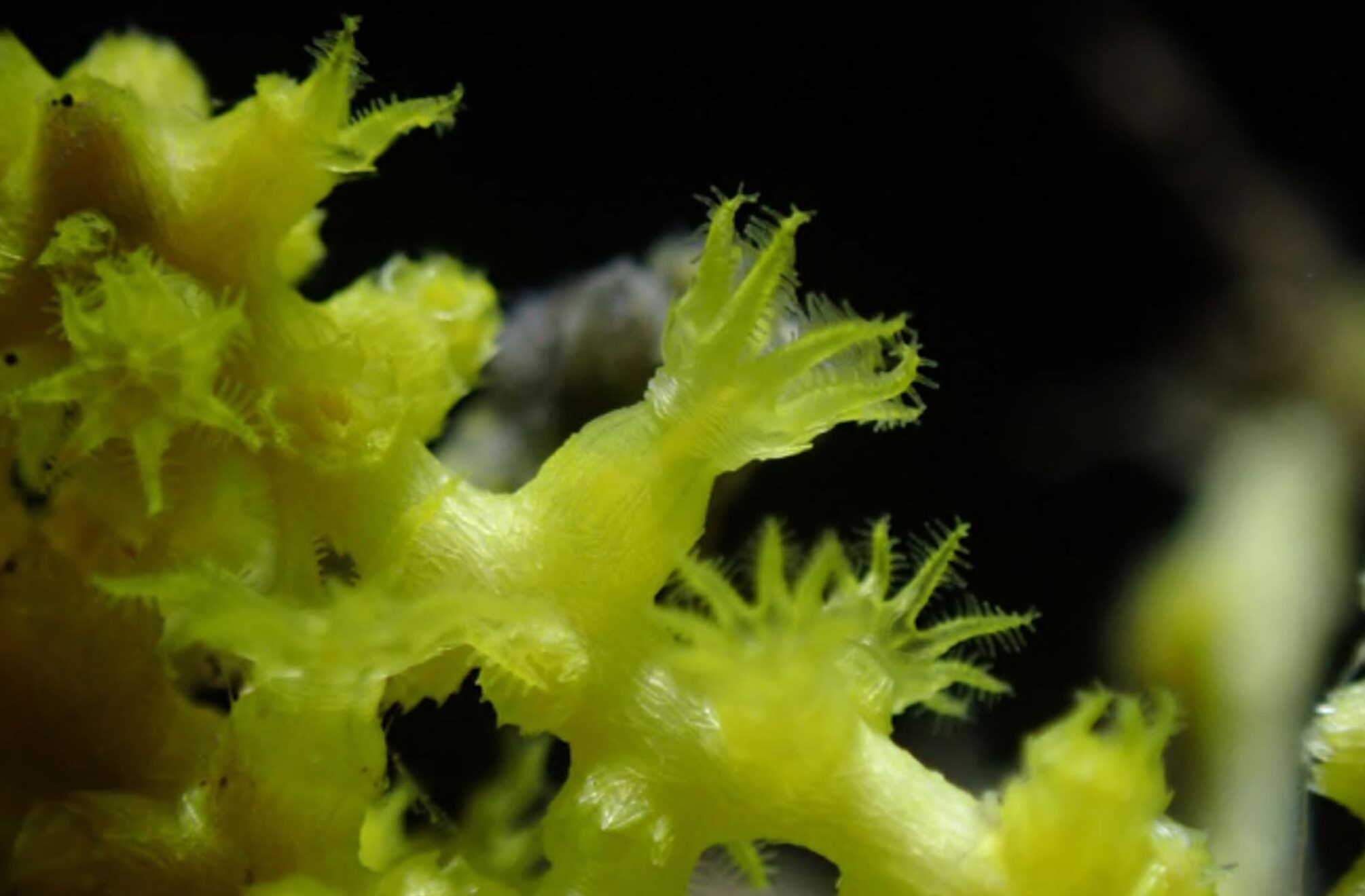
Photo Credit: Oscar Ocaña
Chimera / Ghost of Christmas
Captured by our partners at the Ocean Exploration Trust (OET) during the Marshall Islands participant expedition (2025), this hauntingly beautiful chimaera drifted into view as ROV Hercules explored the Ļōjabōn-Bar Seamount in the Marshall Islands – 1,615 metres below the surface. Related to sharks and rays, chimaeras are often called ghost sharks, a fitting name for these ancient cartilaginous fishes that diverged from their relatives more than 400 million years ago.
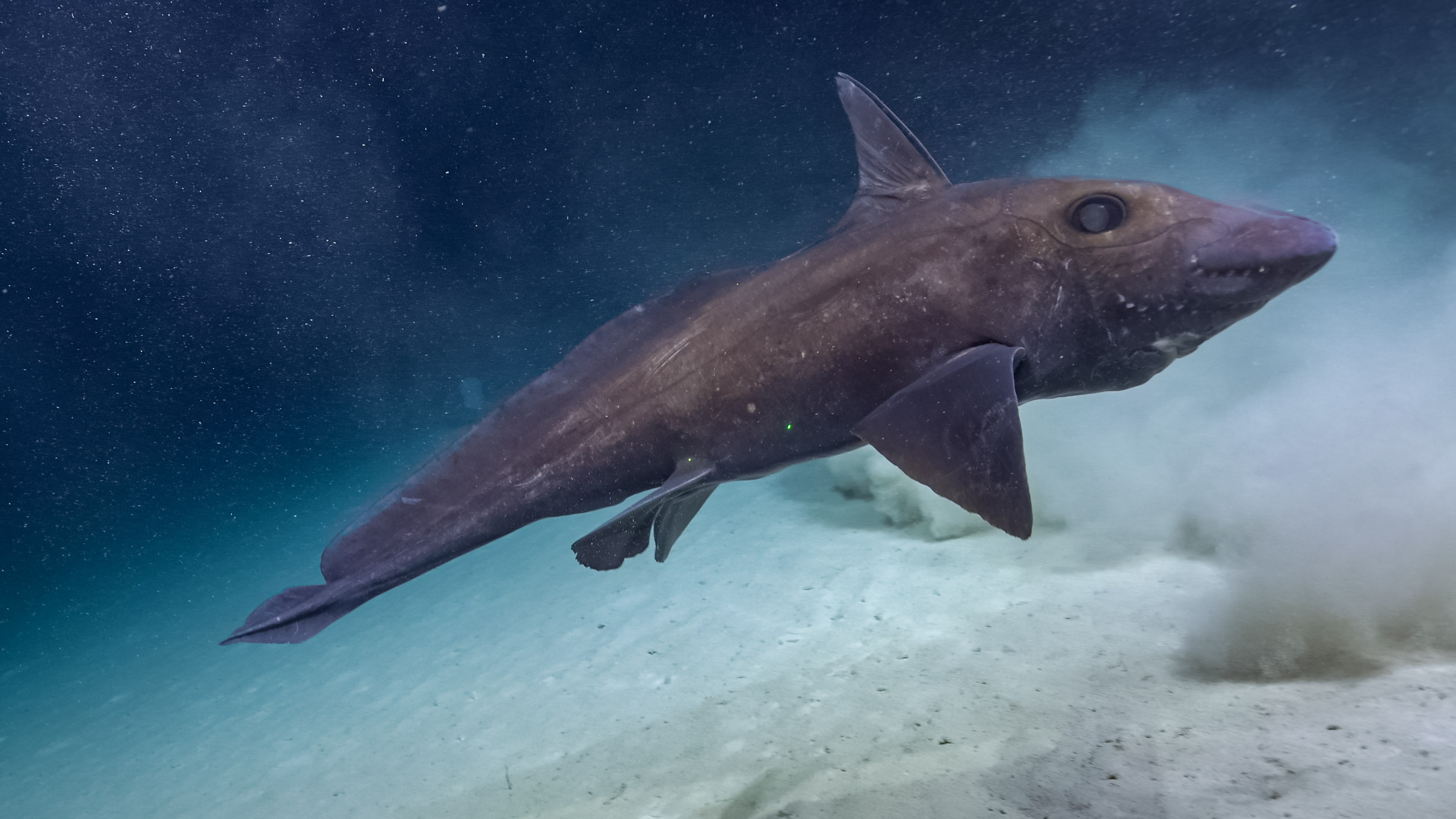
Photo Credit: Ocean Exploration Trust
Glass Sponge / Ice Crystals
Photographed during the Ocean Census / JAMSTEC Shinkai Expedition (2025), this glass sponge displays a breathtaking lattice that looks strikingly like delicate ice crystals suspended in the deep. Glass sponges are remarkable animals whose skeletons are made of silica, forming intricate, glass-like frameworks that are both fragile in appearance and incredibly strong.
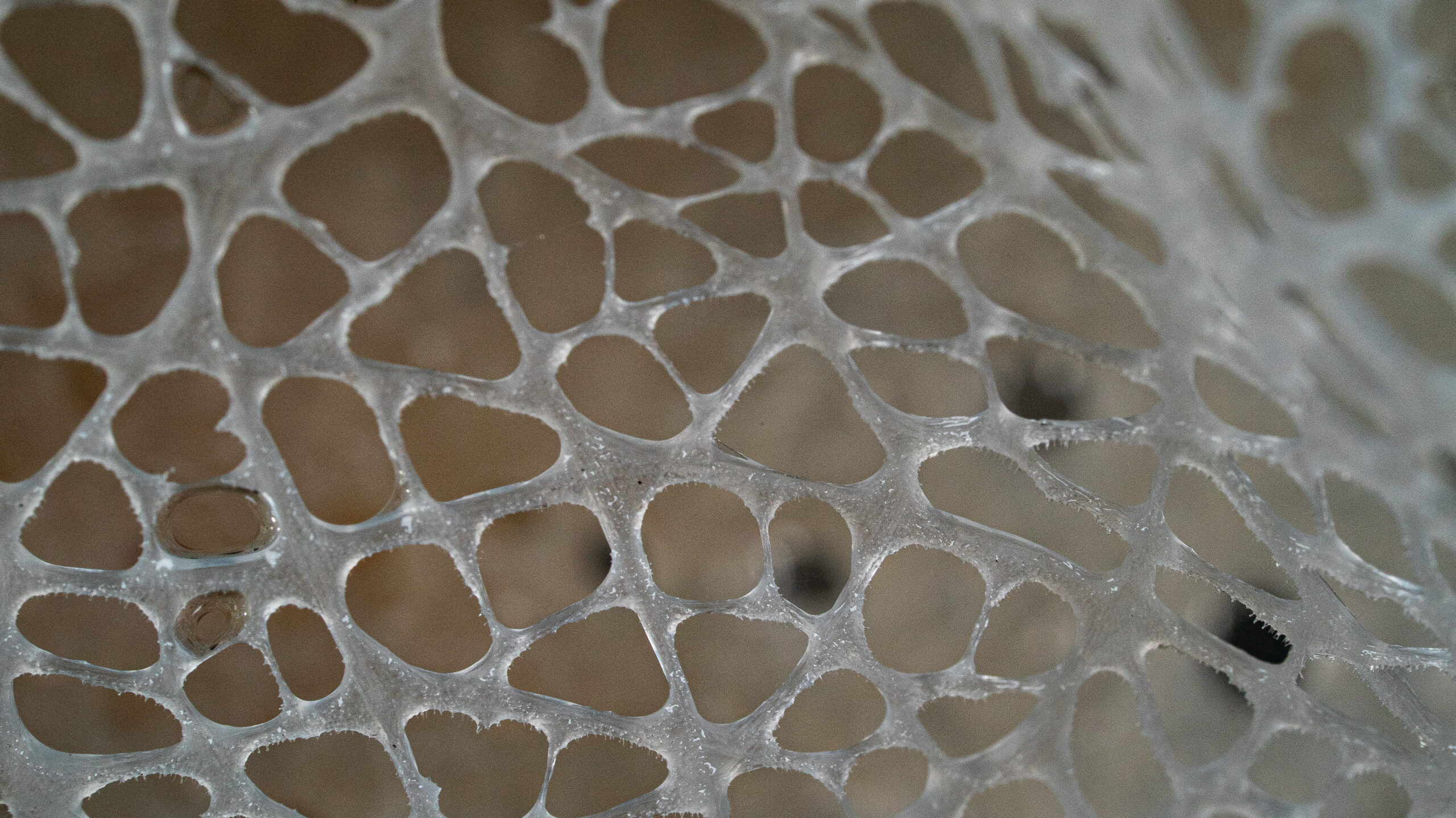
Photo Credit: Paul Satchell / The Nippon Foundation-Nekton Ocean Census
Yeti Crabs / Yeti
Photographed during the Schmidt Ocean Institute’s Costa Rican Deep Sea Connections expedition (2019), these yeti crabs show off the distinctive “hairy” claws that make the species so remarkable. These deep-sea crustaceans are covered in silky bristles called setae, which they use to farm bacteria – waving their claws in hydrothermal vent fluids to cultivate microbial growth and then harvesting it as food.
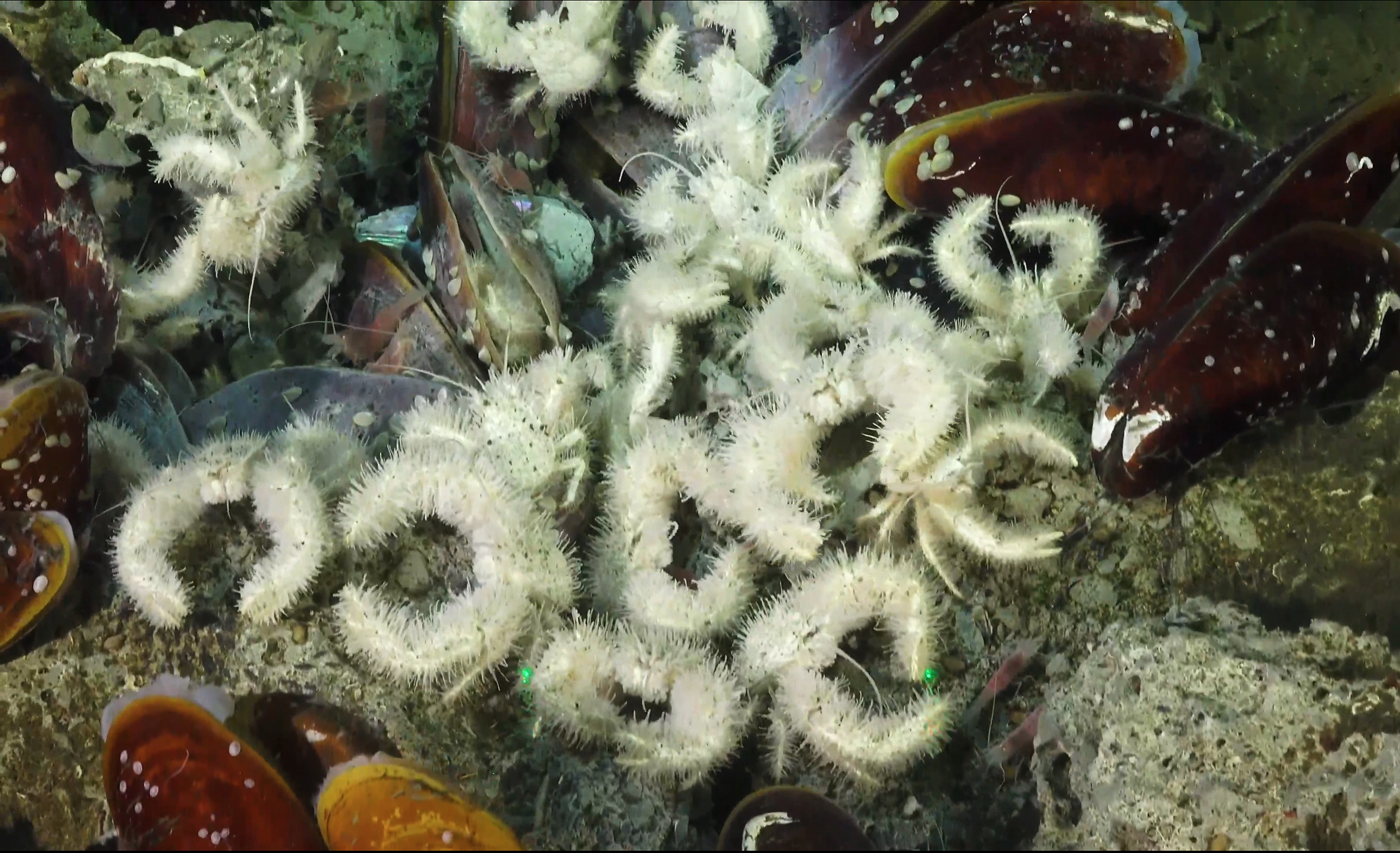
Photo Credit: Schmidt Ocean Institute
Feather Star / Christmas Angel
Captured during the Schmidt Ocean Institute’s “Climate Connections at the Ice-Sea Interface” expedition (2025) in Antarctica, this feather star drifts through the polar water column with an elegance that evokes a Christmas angel floating above a wintry scene. Feather stars are graceful echinoderms related to sea stars, instantly recognisable by their many feathery arms, which they unfurl like delicate fans to capture drifting plankton.
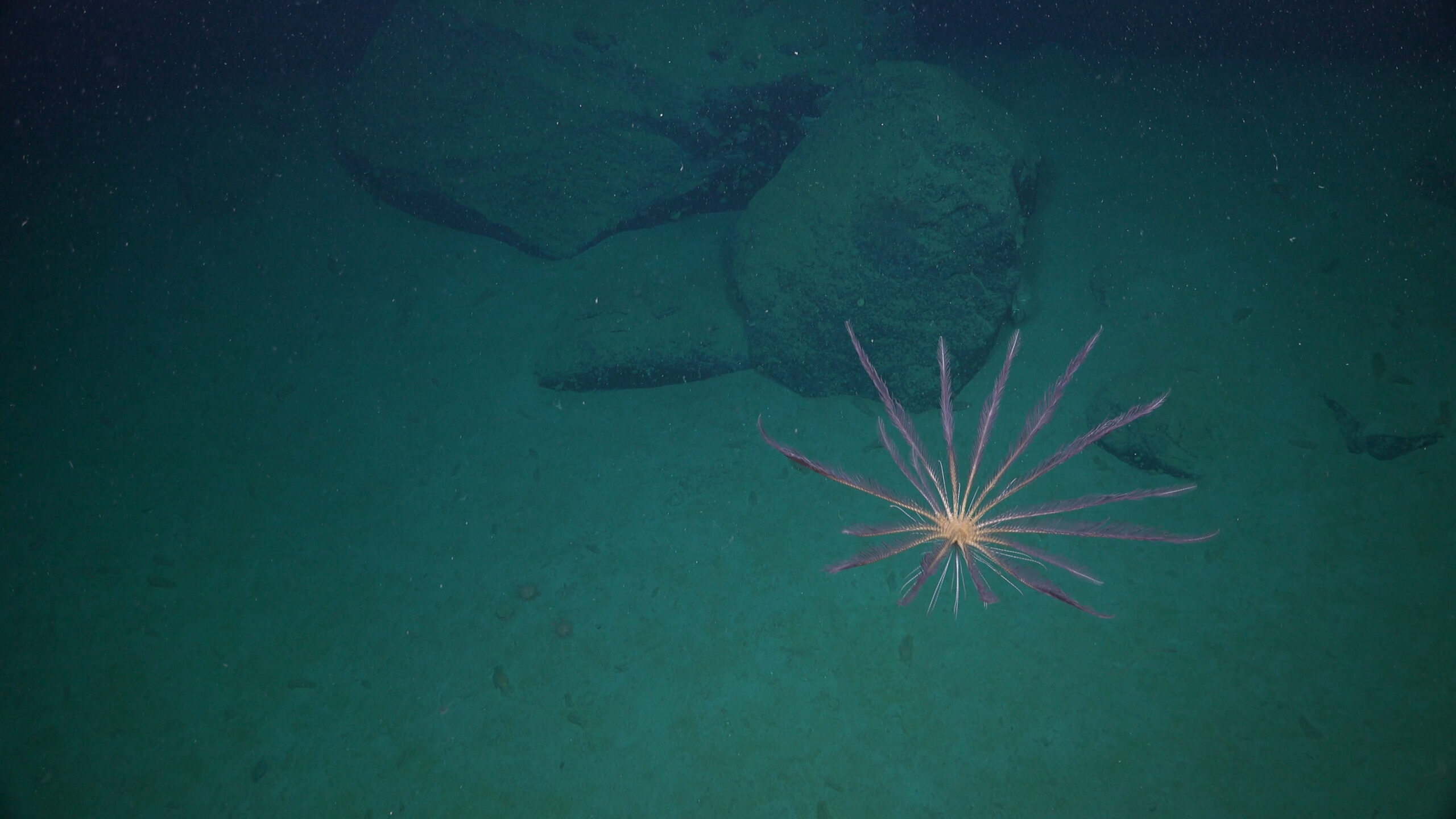
Photo Credit: Schmidt Ocean Institute
Death Ball Sponge / Baubles
Sampled during the Ocean Census / Schmidt Ocean Institute “Searching for New Species in the South Sandwich Islands” Expedition (2025), this newly discovered predatory sponge (Chondrocladia sp. nov.) stands out like a cluster of deep-sea Christmas baubles. Unlike the gentle, passive filter-feeding sponges we’re most familiar with, this species forms perfectly round, ornament-like spheres covered in tiny hooked structures used to snare unsuspecting prey.
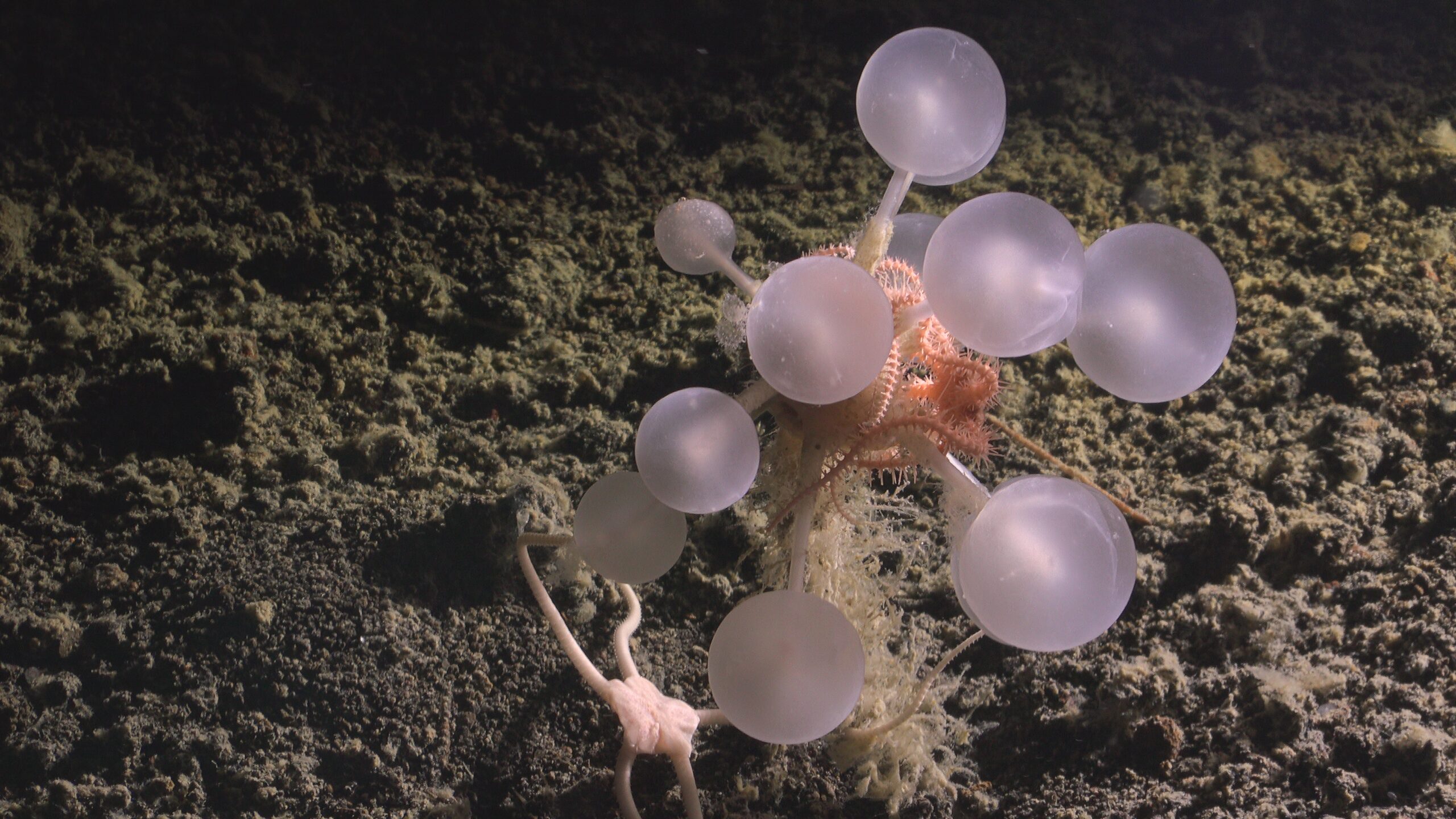
Photo Credit: The Nippon Foundation-Nekton Ocean Census / Schmidt Ocean Institute
Coral / Snowflake
Studied during the Chile Workshop 2 at the Universidad Catolica del Norte and registered to the Ocean Census Biodiversity Data Platform, this striking Fungiacyathus coral, found at a depth of 546 metres, thrives in the cold, twilight waters where few organisms endure. A member of the stony coral order Scleractinia, its beautifully symmetrical calcium carbonate cup displays delicate radial patterns that echo the geometry of winter ice crystals.
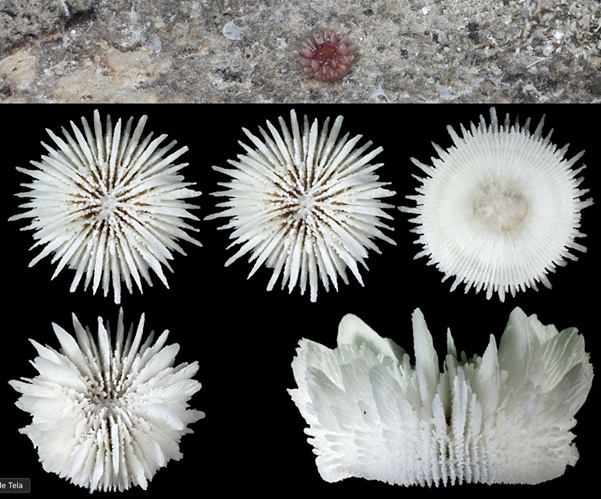
Photo Credit: Marcelo Kitahara
Sea Urchin (Echinocyamus spp.) / Brussels Sprout
Found at 198 metres during the Ocean Census Flagship Macaronesia expedition (2023), this tiny Echinocyamus sea urchin, brings a touch of humor to the holidays – its bright green, compact form looking uncannily like a miniature Brussels sprout from the deep. Its festive green colouration helps it blend into algae-rich seafloors, while its delicate spines allow it to burrow and feed among the sediments.
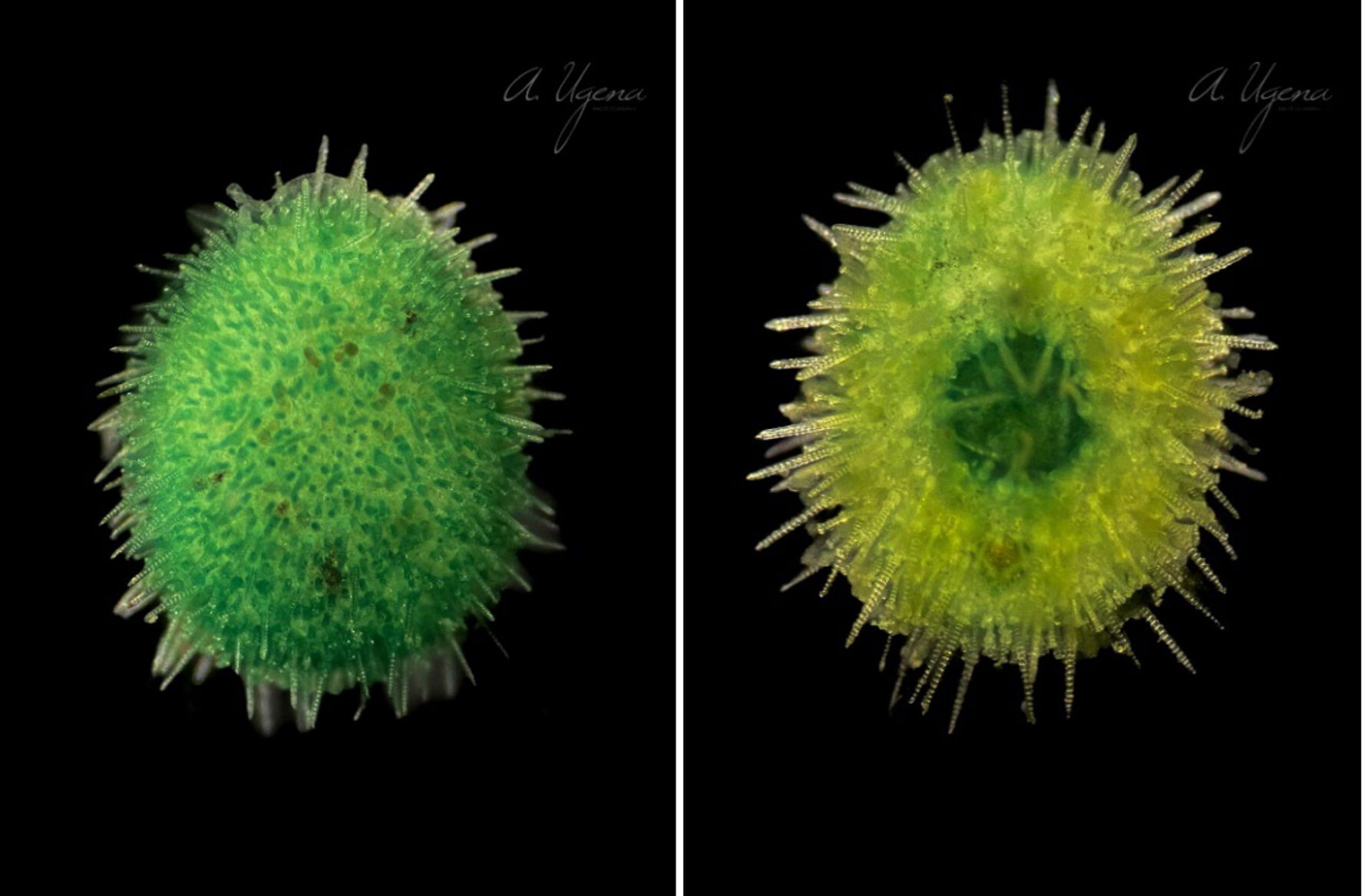
Photo Credit: Aitor Ugena
Related News
Join the census
The Ocean Census Alliance unites national and philanthropic marine institutes, museums, and universities, backed by governments, philanthropy, business and civil society partners.


