










Species ID
OC-SP-0002285
Discovered
Phylum
Arthropoda
Species ID
OC-SP-0002285
Provisional Species Name
Cheirocratidae sp_MNHNCL AMP-16047
Lowest Valid Taxon Name in WoRMS
Cheirocratidae
Lowest Known Rank
Family
Status
Discovered
Does the taxonomist(s) intend to work on this material further?
2. I/We already have plans to publish. (For marine invertebrates please know that SOSA could support you in this too - please click the button for more details).
Embargo
No
Kingdom
Animalia
Phylum
Arthropoda
Class
Malacostraca
Order
Amphipoda
Family
Cheirocratidae
New Higher Taxon Rank
genus
New Higher Taxon Name
Cheirocratidae gen.nov
Date Identified
31/01/2026
Taxonomic Remarks
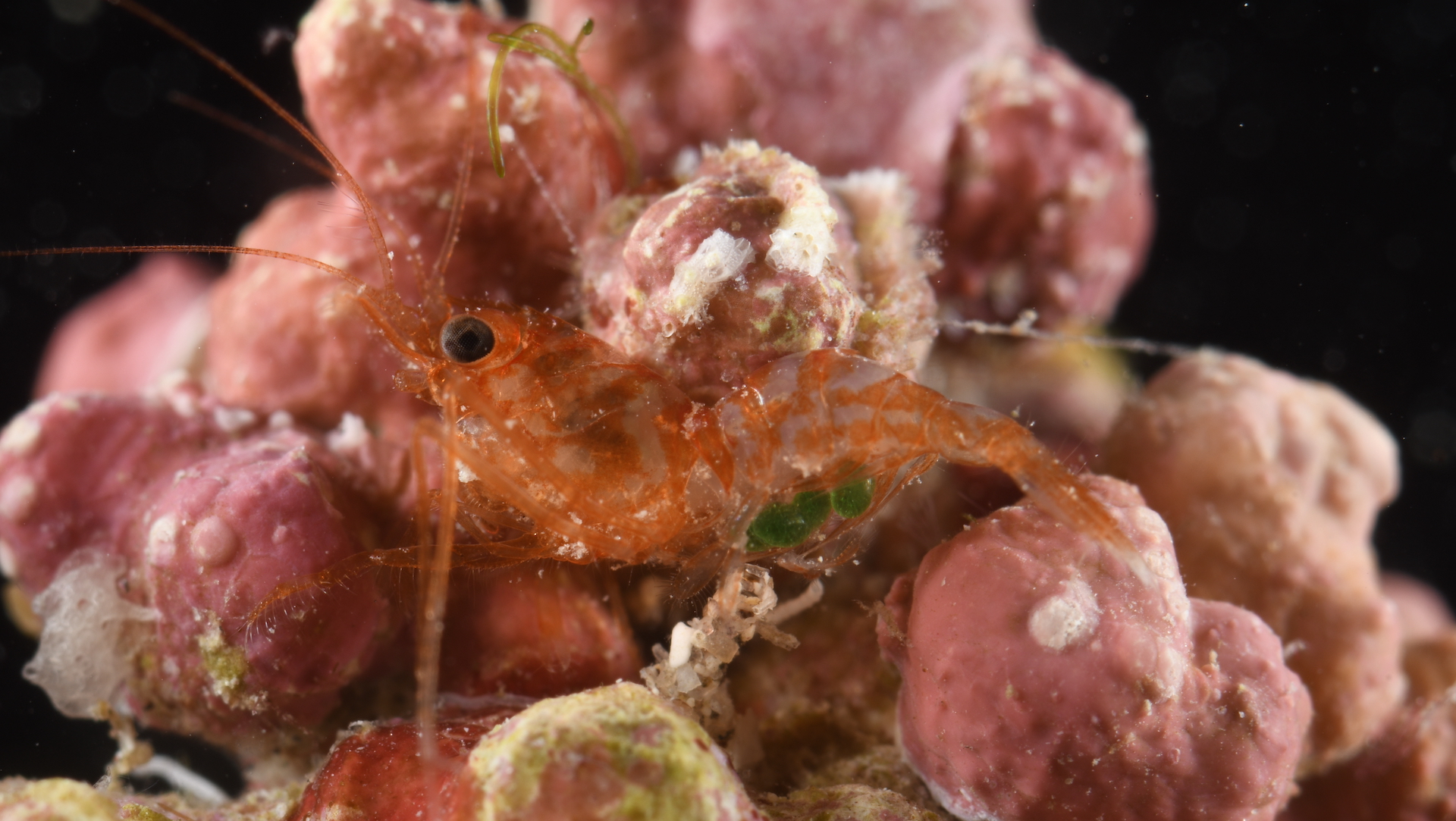
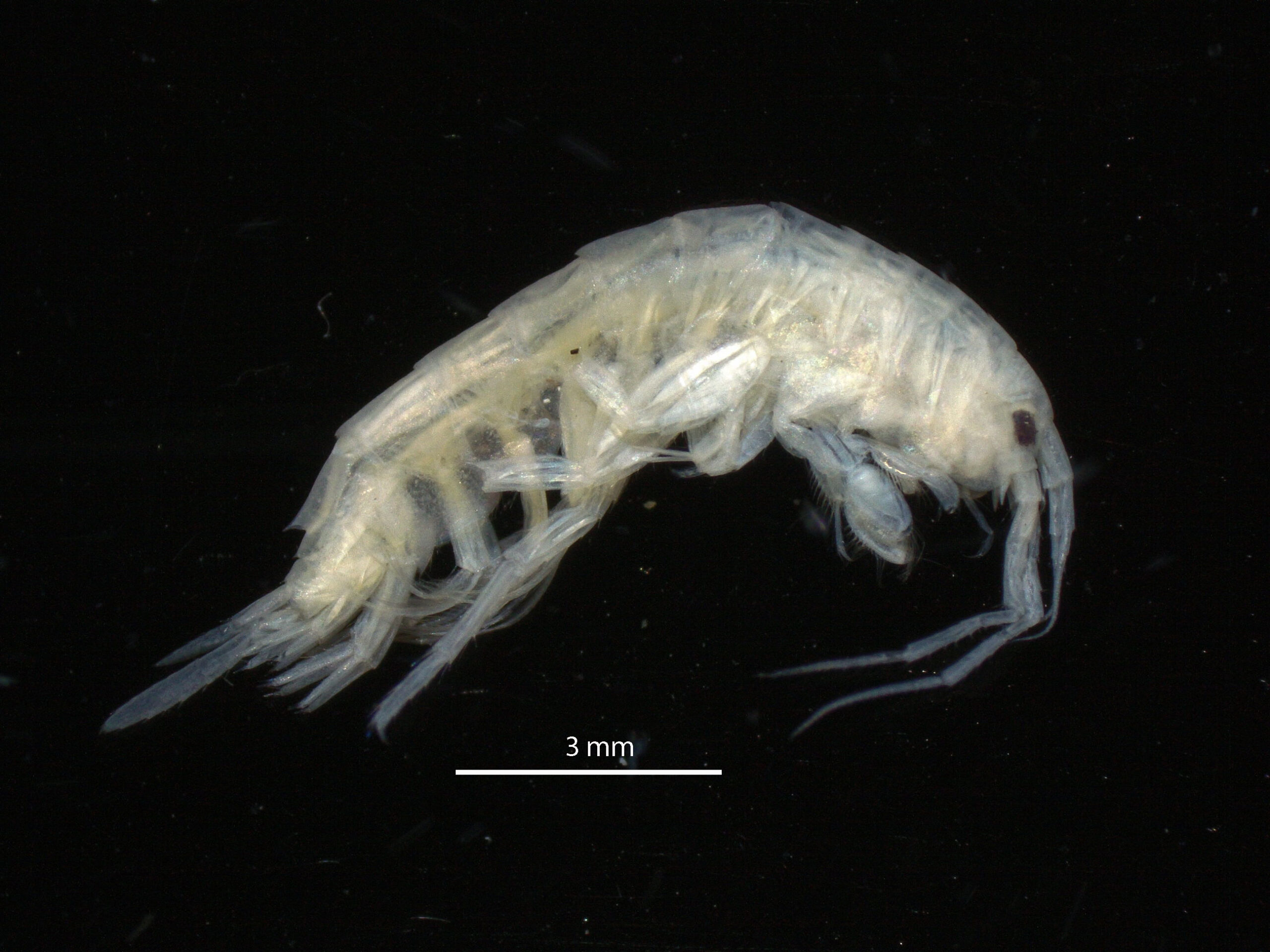
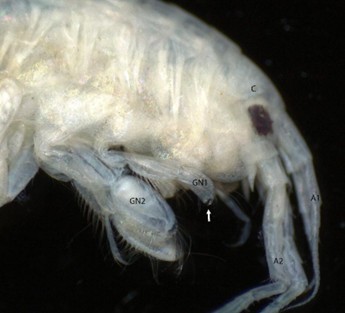
The specimens are assignable to the family Cheirocratidae because they exhibit the typical diagnostic characteristics of this taxon; however, it has not been possible to assign this material to any of the currently described genera. Characteristics such as the parachelate gnathopod 1 and the extremely long uropod 3 are not observed in any previously known species in this family, justifying the proposal of a new genus and a new species for this taxon (Figures 1 and 2). Other prominent characteristics in the specimens, suitable for a rapid diagnosis when compared with other species of the Chilean amphipod fauna, are the presence of sharp, straight teeth at the posterodorsal angle of the urosomites, with urosomite 1 being particularly noteworthy due to its much larger size compared to urosomites 2 and 3. Uropod 3, with its elongated and characteristic shape, is a particularly fragile structure that is easily lost during collection. Consequently, much of the available material lacks this appendage, showing only the remaining scar.
Discovery registered on
04/03/2026
Description of Material
Body elongate, laterally compressed, gammaromorphic in shape. Antenna 1 shorter than peduncle of antenna 2. Eye present, in normal position, small. Mandibular palp well developed, with article one long (at least 3 x as long as broad). Gnathopod 1 minutely parachelate. Gnathopod 2 subchelate, propodus inflate. Dorsal posterodistal angle of urosomite 1 and 2 with a sharp tooth, the first more developed. Uropod 3 with long, oblong rami, surpassing by far the apex of uropod 1-2 rami.
Ecology
The specimens were found associated with sediment samples in soft subtidal bottoms.
Distribution
All specimens are known only from one locality in the entrance of Inutil Bay, Strait of Magellan, Chile
Scientific Name Authorship
Pérez-Schultheiss
Join the census
The Ocean Census Alliance unites national and philanthropic marine institutes, museums, and universities, backed by governments, philanthropy, business and civil society partners.


