






Small Creatures, Big Questions:
Early-Career Taxonomists at the
Isopod Species Discovery Workshop

For the love of isopods
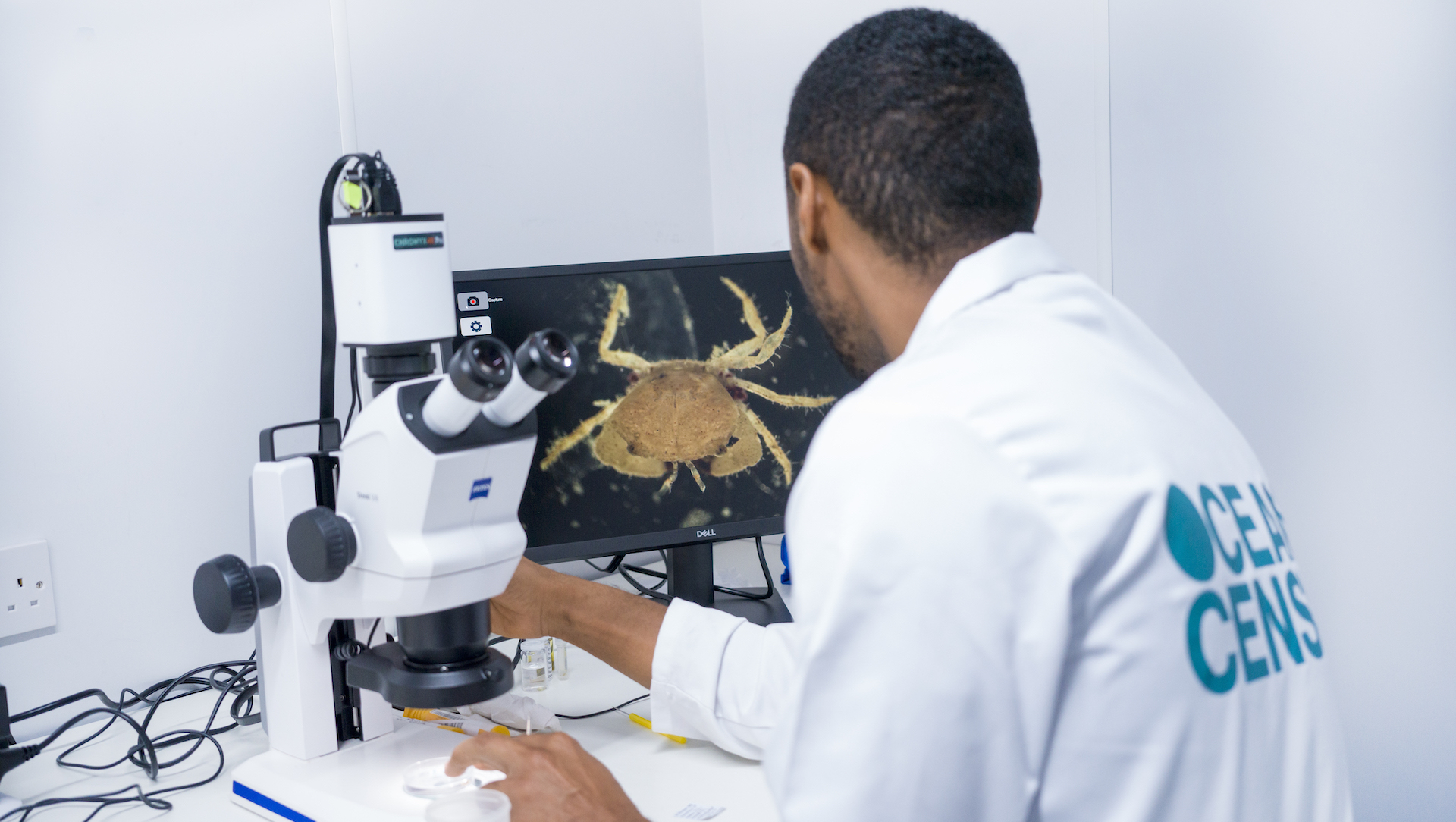
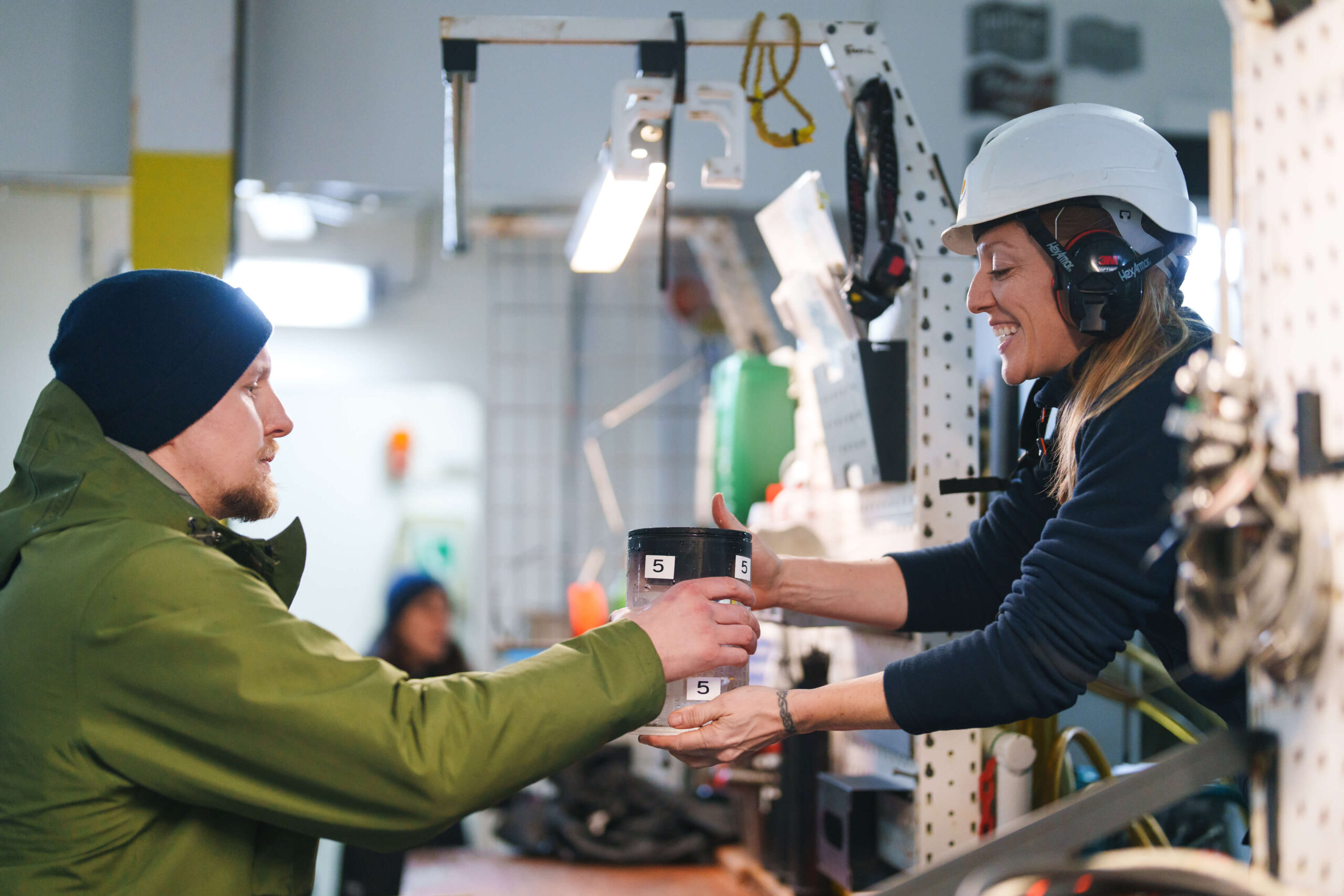
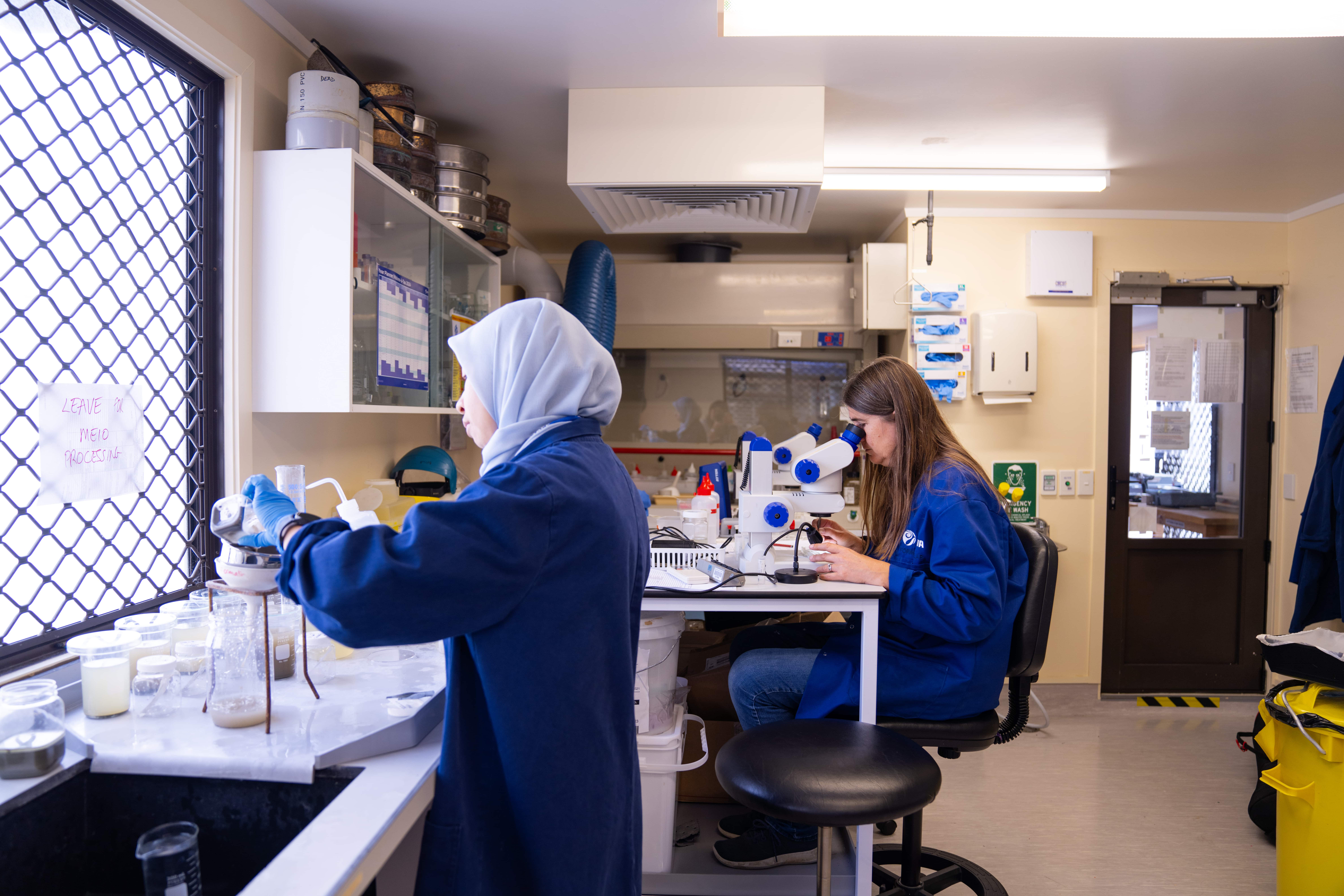
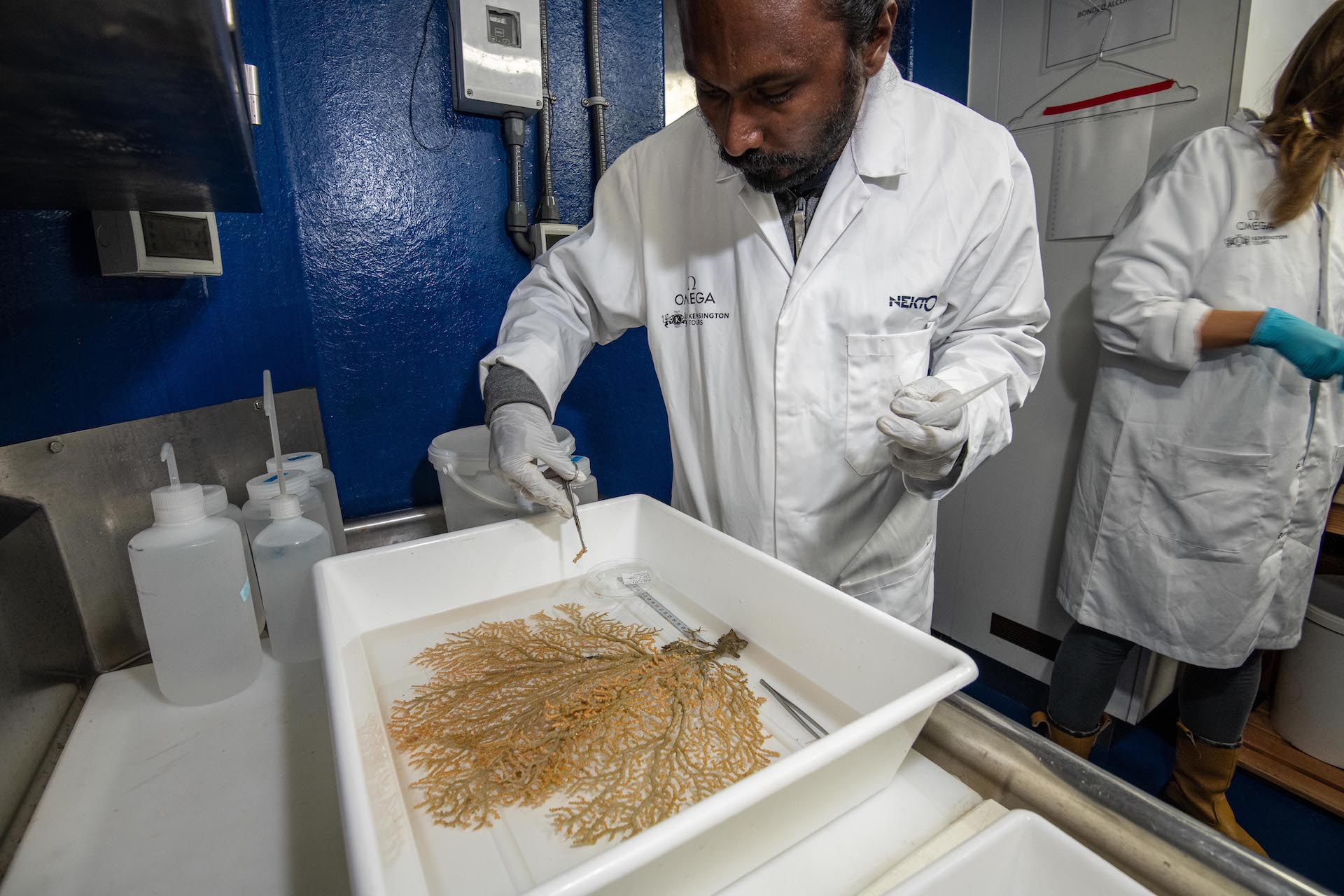
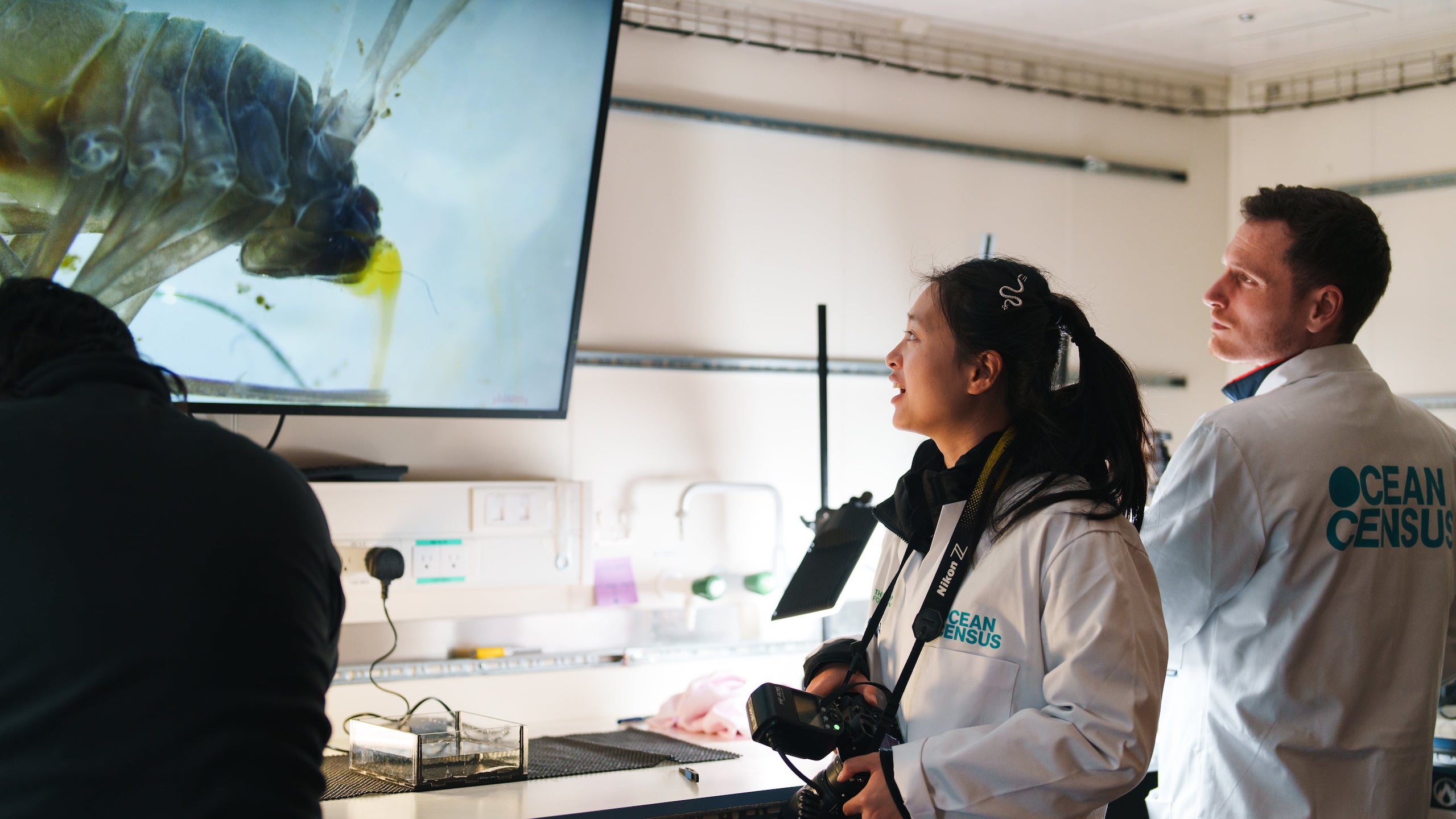
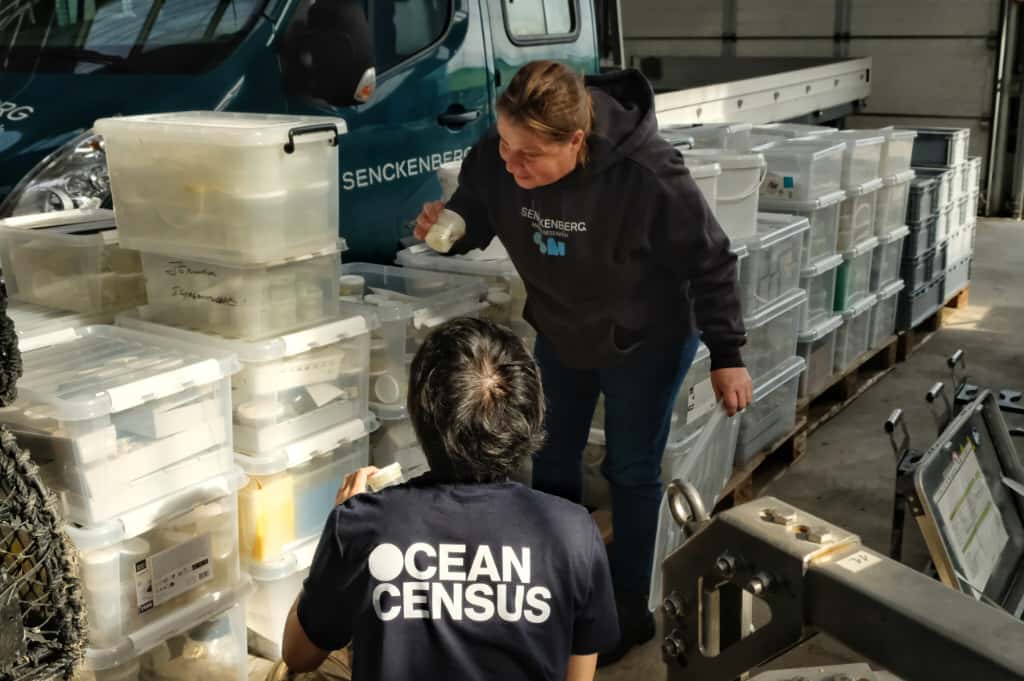
In a bustling workshop room in Senckenberg am Meer, Wilhelmshaven, Germany, the air hums with the soft excitement of discovery. Microscopes glow, specimen trays are passed carefully between hands, and conversations shift easily between Latin names and childhood memories of turning over garden stones.
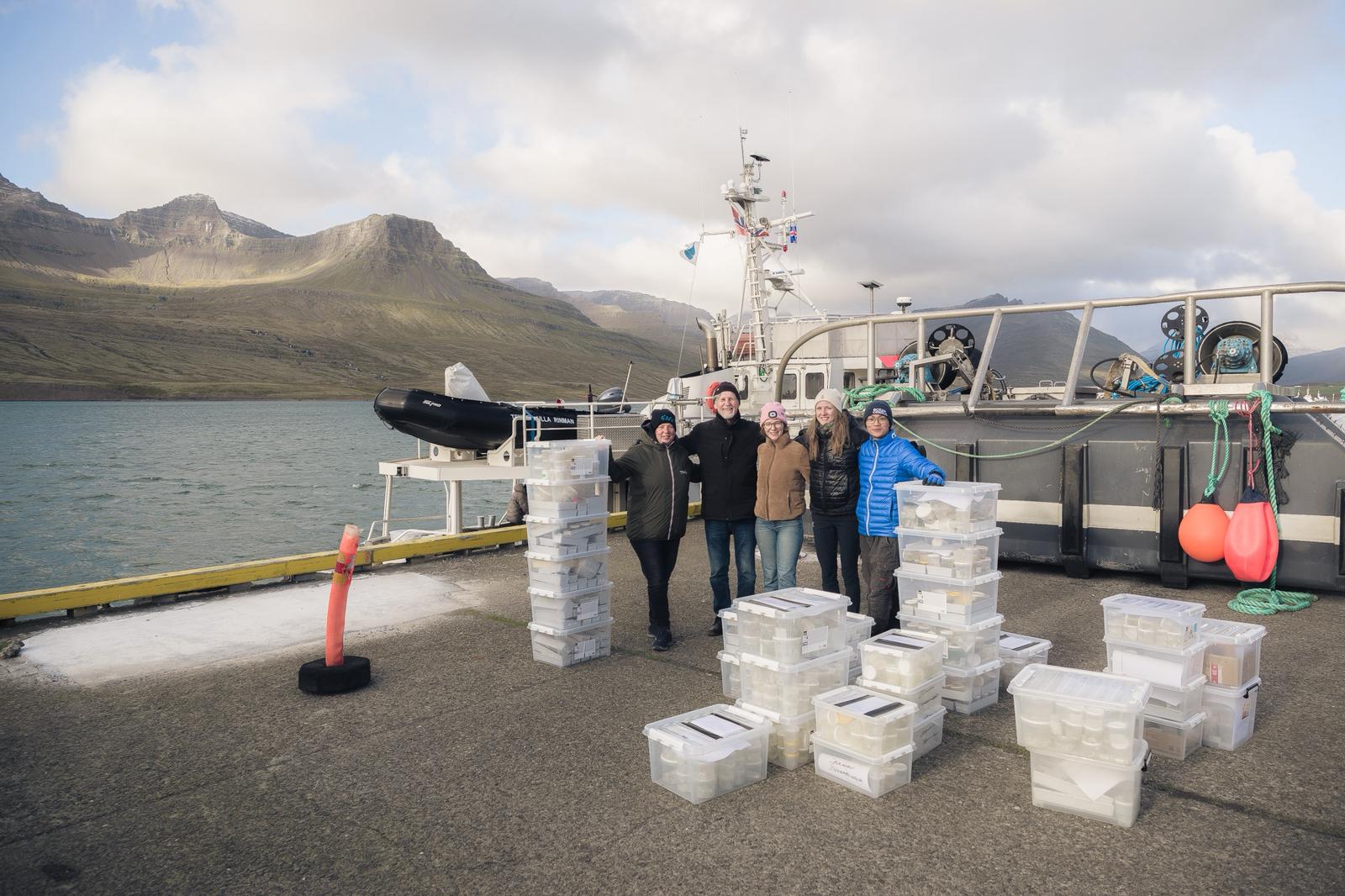
Here, early-career researchers from across the world, as well as mid-career to retired experts, have gathered for a species discovery workshop, united by a shared fascination of isopods.
This workshop, a collaboration between Ocean Census and Senckenberg Society for Nature Research, is co-developed and organised by Saskia Brix and her isopod team. For these scientists, isopods are gateways into the deep sea, into evolutionary history, and into careers built on curiosity.
From Roly-Polies to the Deep Sea
For Henry Knauber (PhD student, Senckenberg Research Institute and Natural History Museum Frankfurt), the journey began in a place familiar to many of us: the garden.
“I had known roly-polies since childhood,” he says, “but it took much longer to realise they’re not insects – they’re crustaceans.” That single fact opened an unexpected door. When he later learned that isopods also inhabit the deepest parts of the ocean – one of the least explored environments on Earth – his curiosity crystallised. “I couldn’t imagine a more interesting group to study to learn about life in the deep sea.”
Everywhere, in Every Form
For Dennis Klüh (PhD student and research assistant, Senckenberg Research Institute and Natural History Museum Frankfurt), the appeal of isopods lies in their ubiquity and diversity.
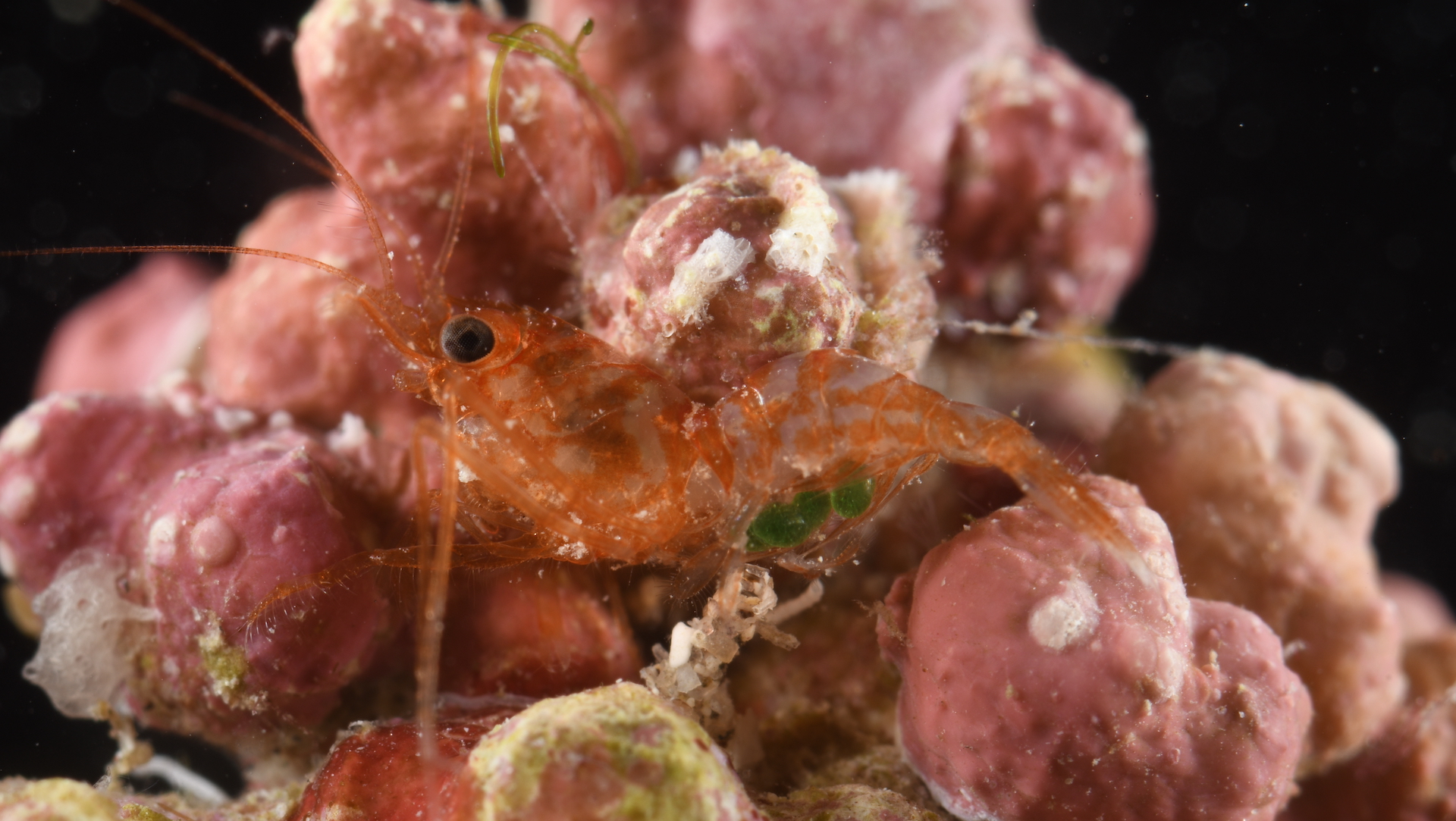
“They live literally everywhere,” he explains. “From terrestrial systems to the marine benthos, even the deepest habitats – and our basements.” Their abundance and variety make them ecologically important, especially in nutrient cycling. Through excitement, he also adds, “And, totally objectively speaking, they just look cool as hell”.
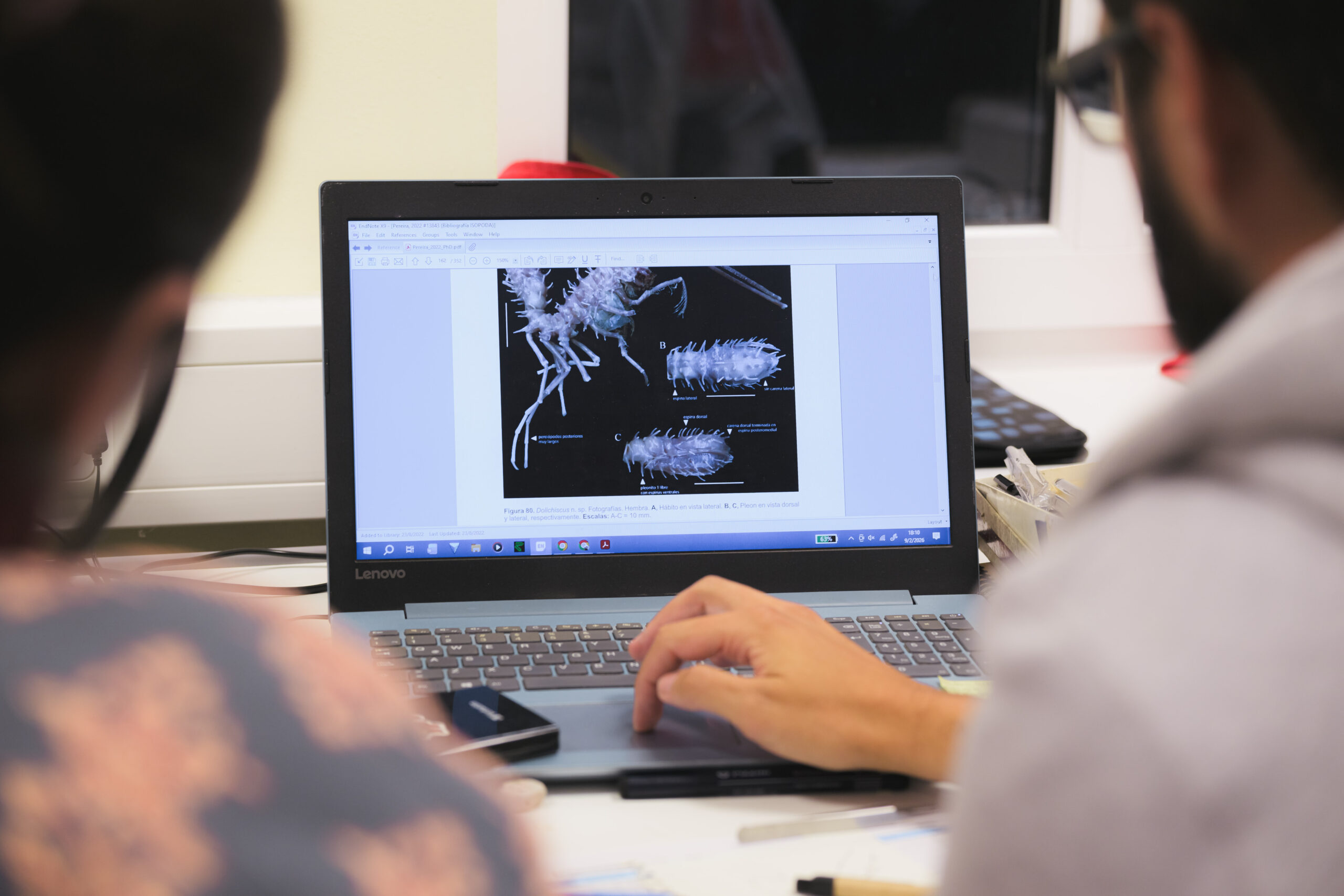
Photo credit: Zhehao Hu
The Ocean’s Cleaners, and Its Parasites
Many people picture isopods as harmless detritivores (an animal which feeds on dead organic material), but Katharina Kohlenbach (PhD student, Senckenberg am Meer) is quick to expand that image.
“Isopods are often the ocean’s ‘garbage men,’ recycling nutrients on the seafloor,” she says. But some species take on a very different role: parasitism. From blood-feeding gnathiid juveniles that drive reef fish to cleaning stations, to the notorious Cymothoa exigua that replaces a fish’s tongue, isopods can shape entire ecological interactions.
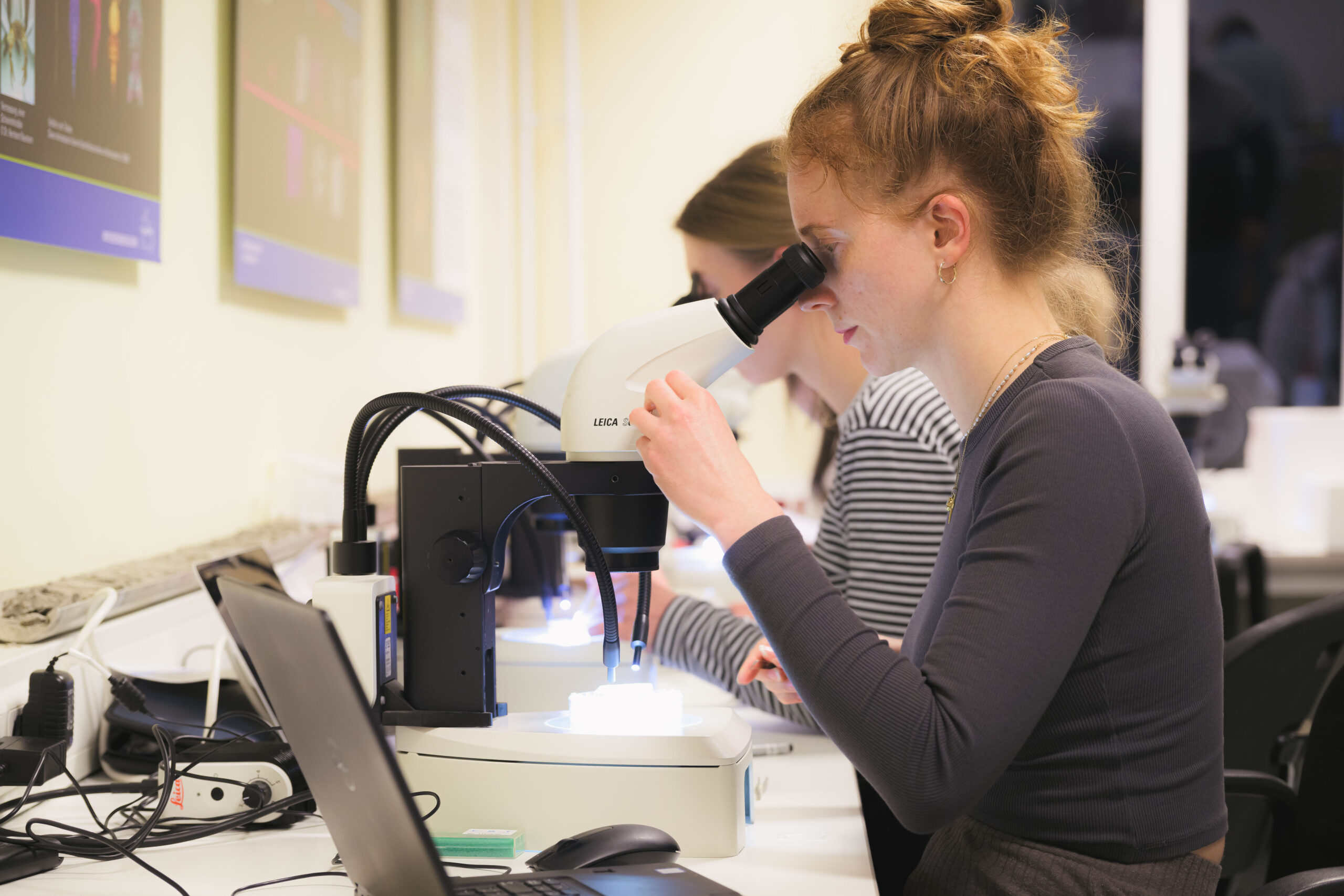
Photo credit: Zhehao Hu
Finding a Path Through People
Not everyone arrives in taxonomy with a lifelong plan. For Zhehao Hu (MSc student, Senckenberg am Meer), the turning point was not a childhood encounter with isopods but the people he met.
“When I joined Saskia Brix’s group, I was overwhelmed by the passion, inclusivity, and international collaboration,” he says. Given the freedom to design his first project, he found his broader interest in evolution gradually narrowing into a focus on isopods. “The more I learn, the more questions I have.”
Taxonomy, in this sense, is not only about organisms, it is about communities of researchers who make discovery possible.
Mentorship also played a decisive role for Emanuel Pereira (Postdoctoral researcher, IBBEA, UBA-CONICET). He originally dreamed of studying marine mammals, but during his biology degree at the University of Buenos Aires he discovered the world of species description and naming.
“Understanding how new species are discovered fascinated me,” he says. It was through the guidance of Brenda Doti, whose research focuses on the systematics and biogeography of Isopoda, that he found his path into isopod taxonomy. Today, he contributes both as a researcher and an assistant curator, helping build the collections that future scientists will rely on.
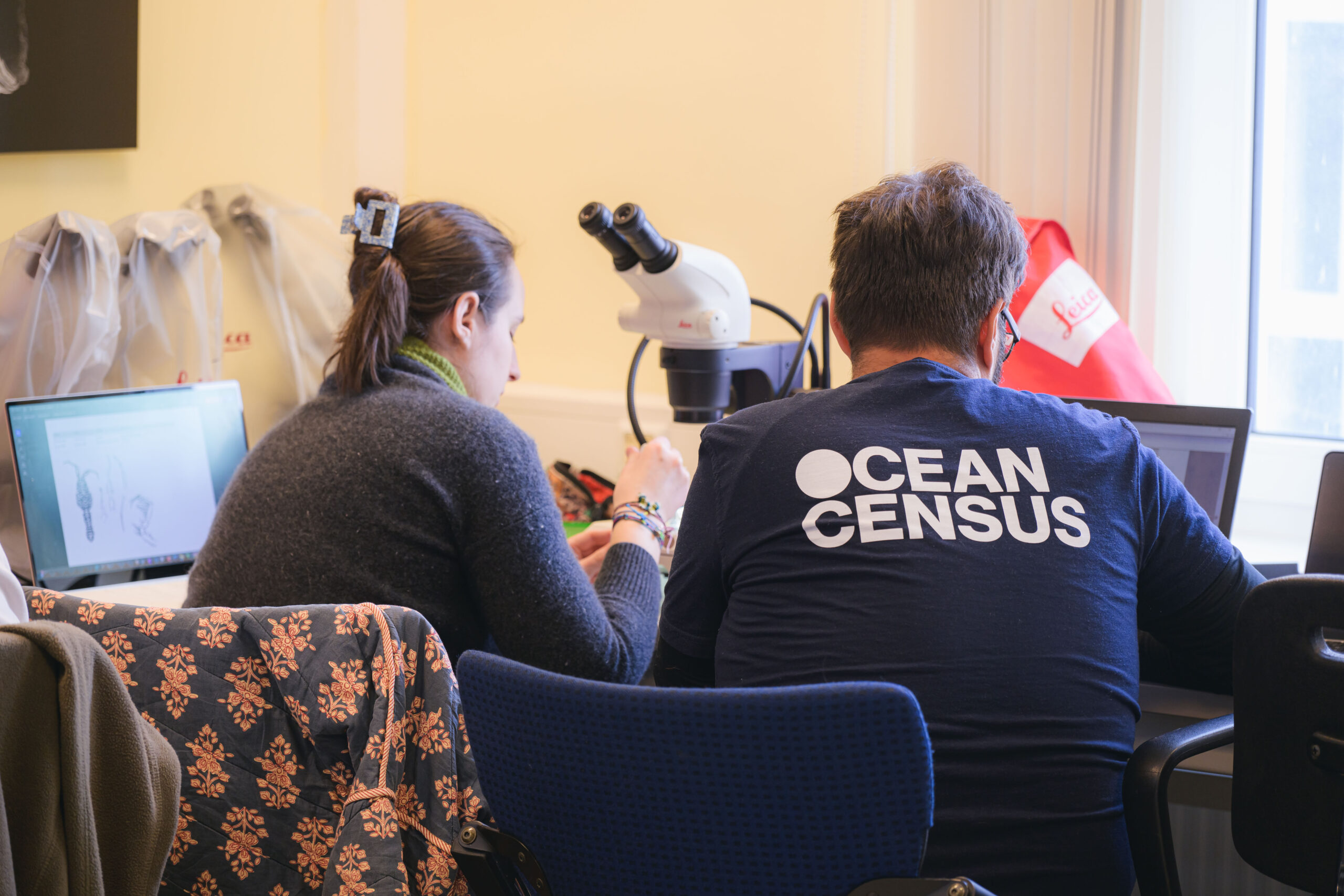
Photo credit: Zhehao Hu
Advice for the Next Generation
For Hesmarié Botha (MSc student, North-West University, Chile), the message to students is simple and encouraging:
“You don’t need to have everything figured out – just a genuine interest in the natural world and a willingness to learn.” Taxonomy rewards curiosity, she says, and offers the chance to contribute to understanding and protecting life that remains largely unknown.
In a time when biodiversity loss dominates headlines, the act of discovering and naming species becomes quietly radical: you cannot conserve what you do not know exists.
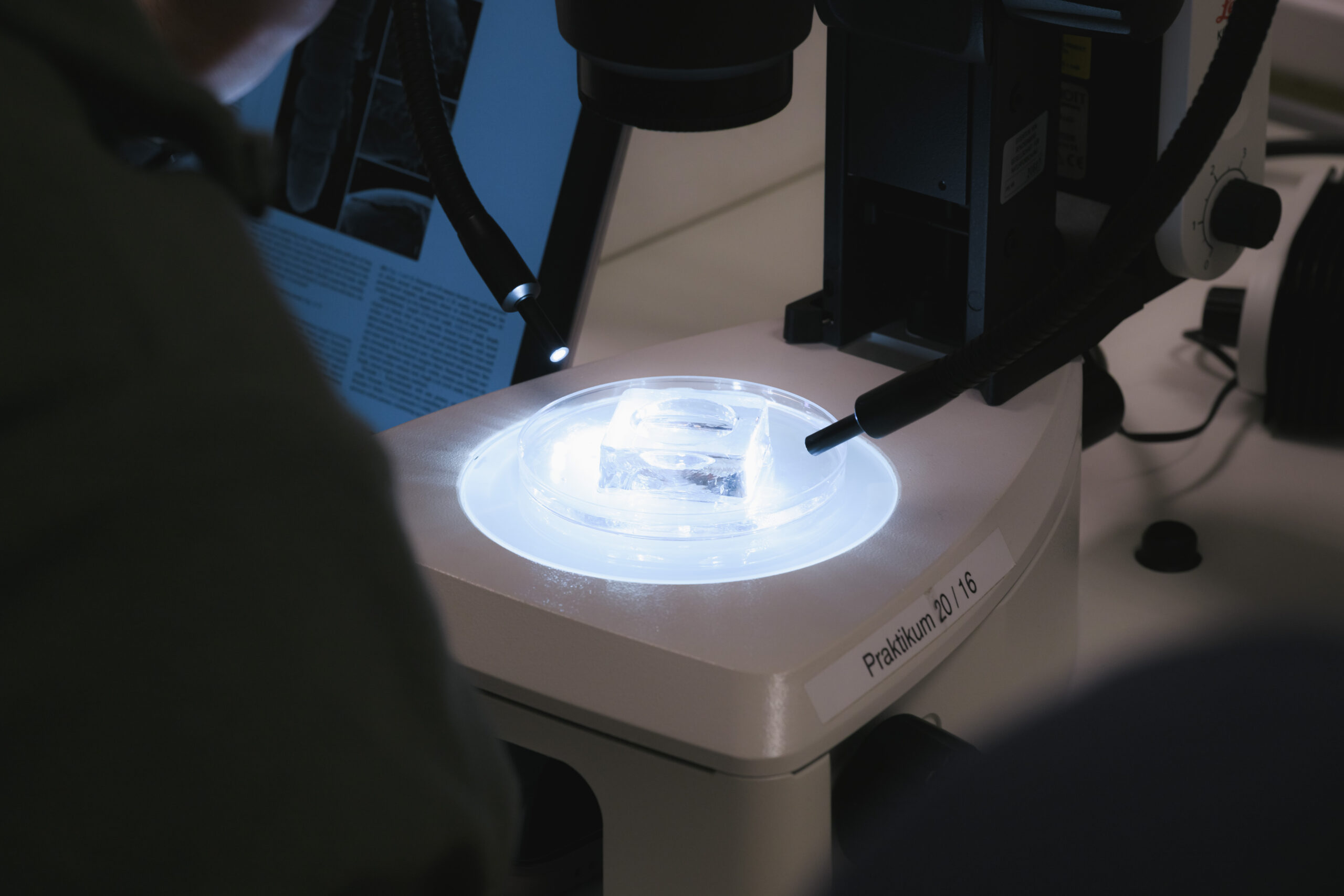
Photo credit: Zhehao Hu
A big thank you
We would like to extend our sincere thanks to everyone who has contributed to the Species Discovery Workshop, a collaborative effort between Ocean Census and the Senckenberg Society for Nature Research, and lead for Saskia Brix and her isopod team.
Our deepest appreciation goes to the expert taxonomists who dedicated their time and knowledge to training the early-career researchers. The opportunity for early-career researchers to work side-by-side with experienced isopod specialists has been invaluable, fostering both skills development and meaningful scientific exchange.
Thank you to all participants, mentors, and organisers for your collaboration, generosity, and commitment to advancing species discovery.
Want to get involved in a future workshop?
Related News
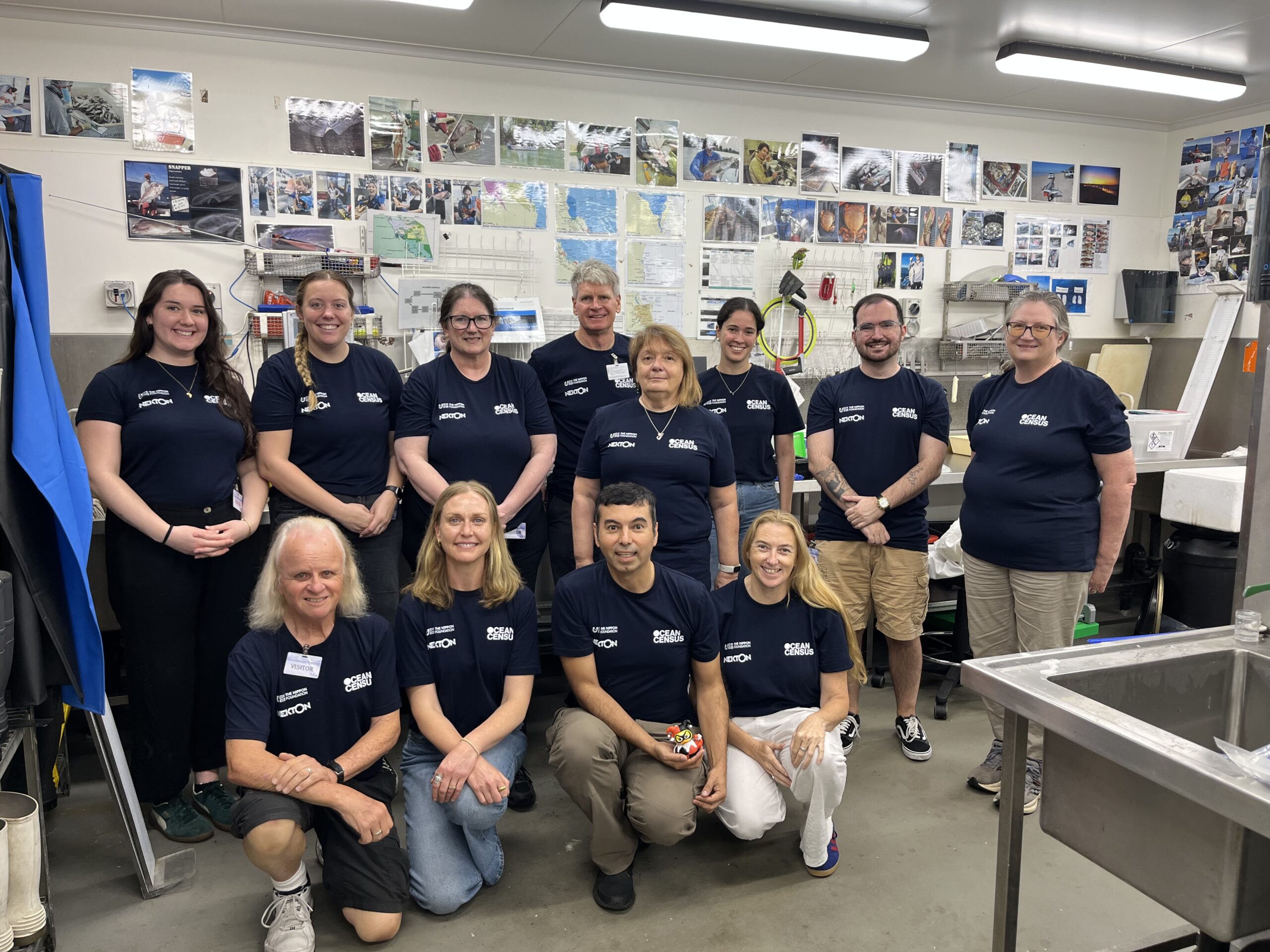
Join the census
The Ocean Census Alliance unites national and philanthropic marine institutes, museums, and universities, backed by governments, philanthropy, business and civil society partners.


