










Deepest gas hydrate cold seep ever discovered during the Ocean Census Arctic Deep expedition

News & Insights
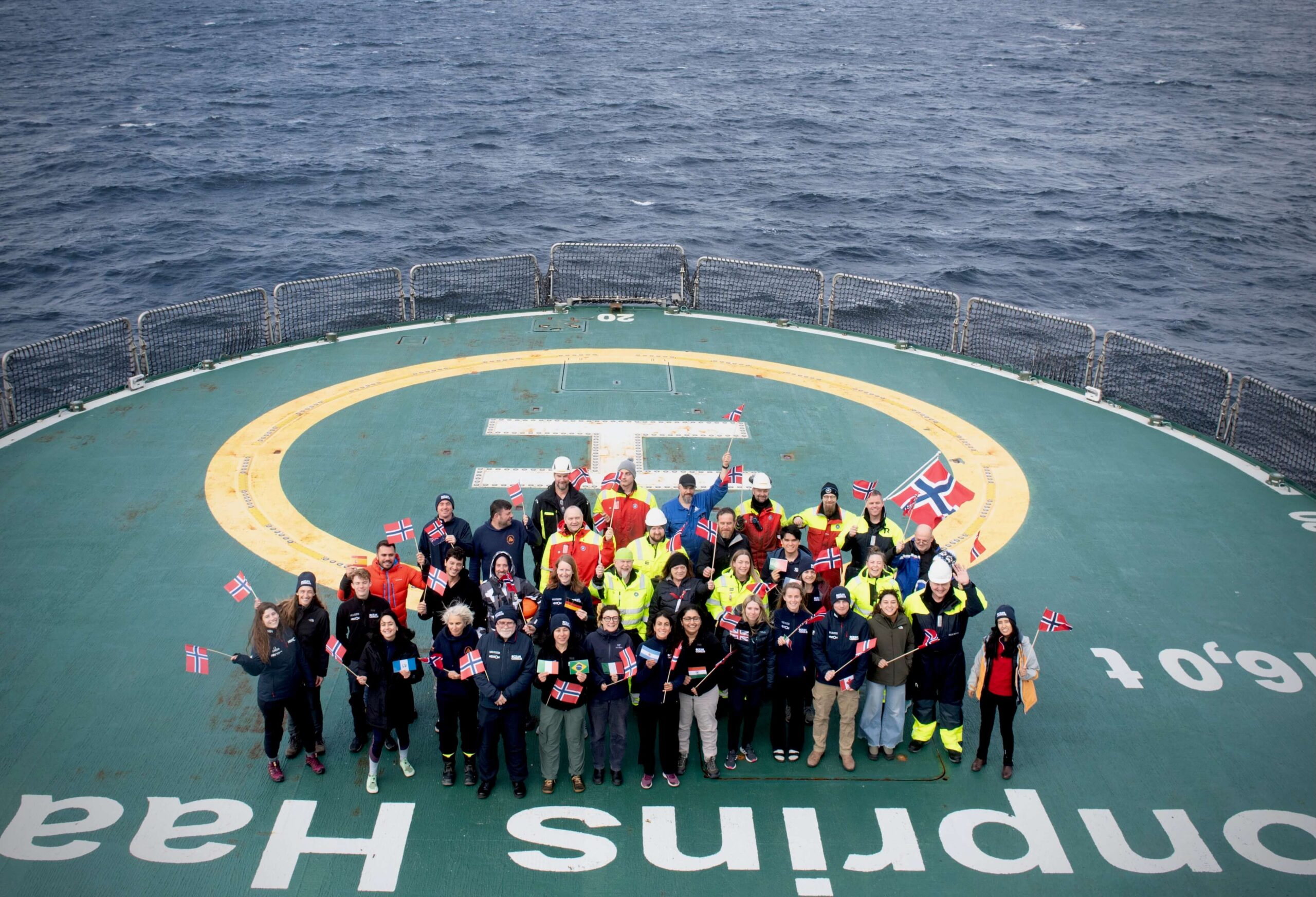
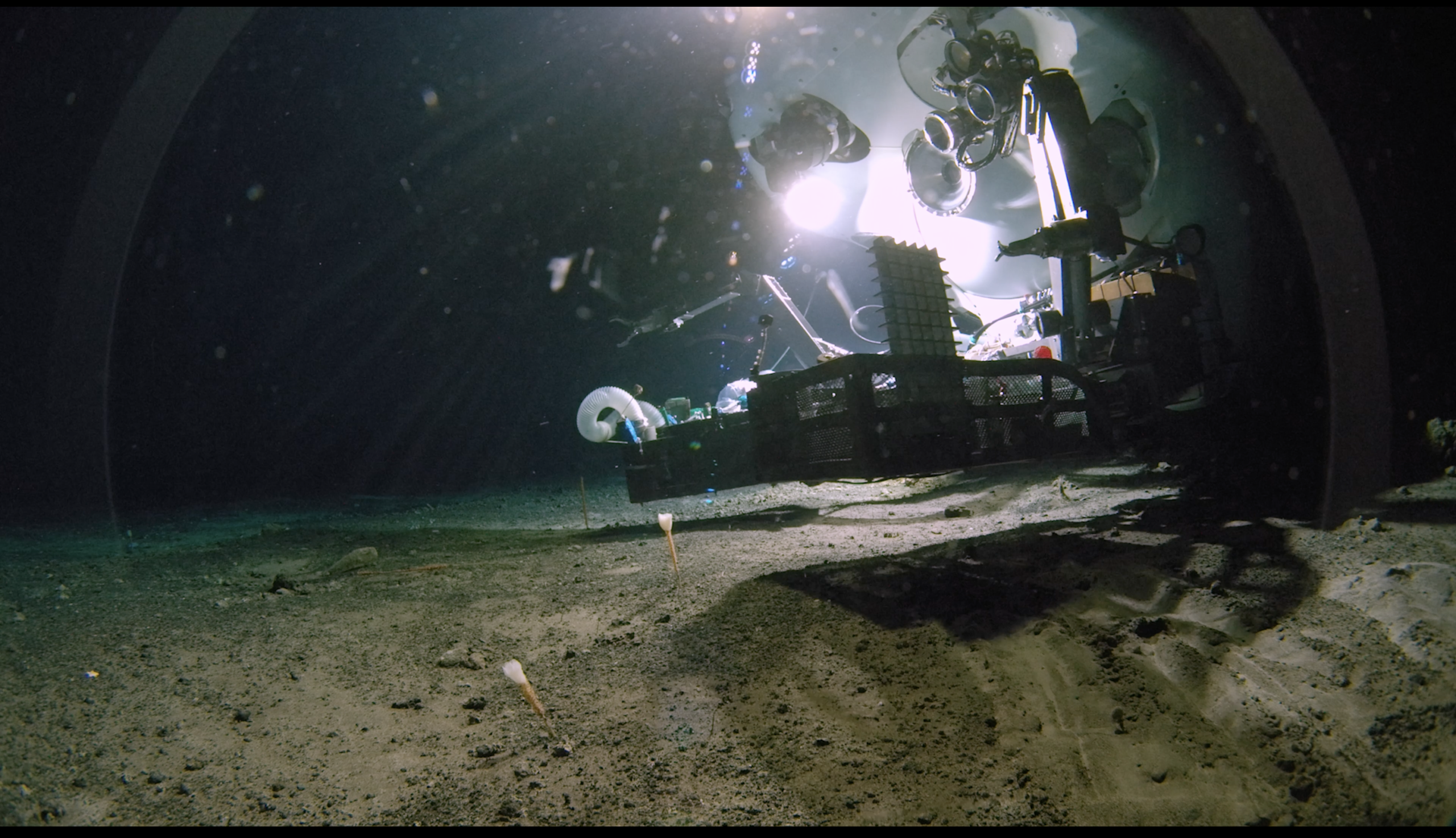
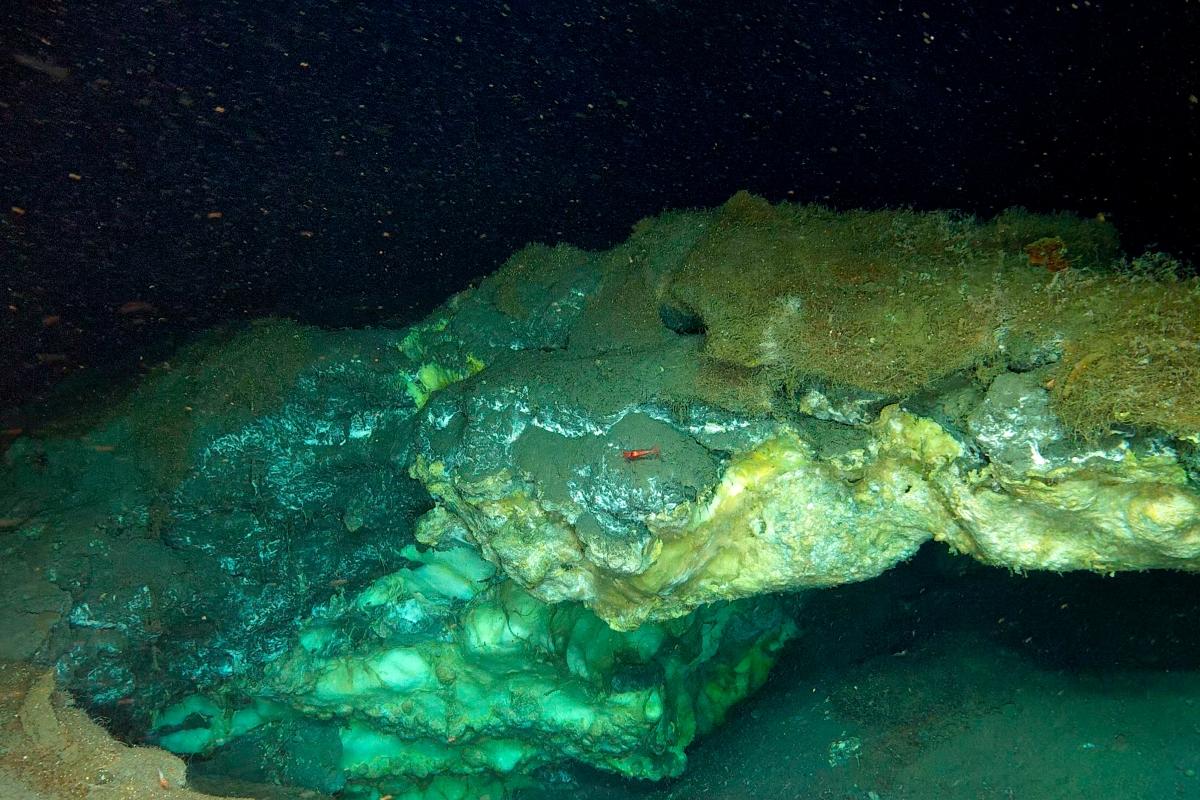
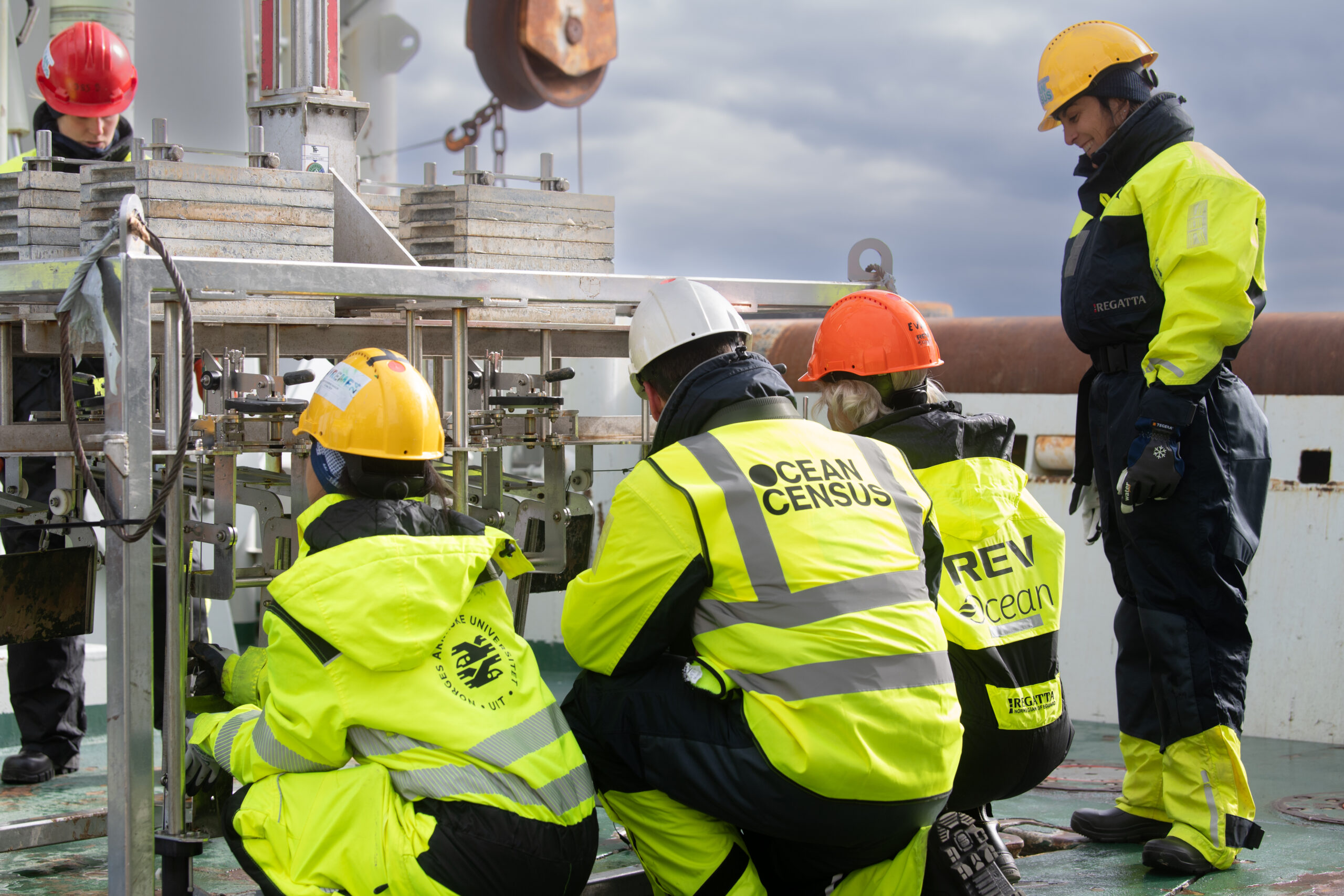
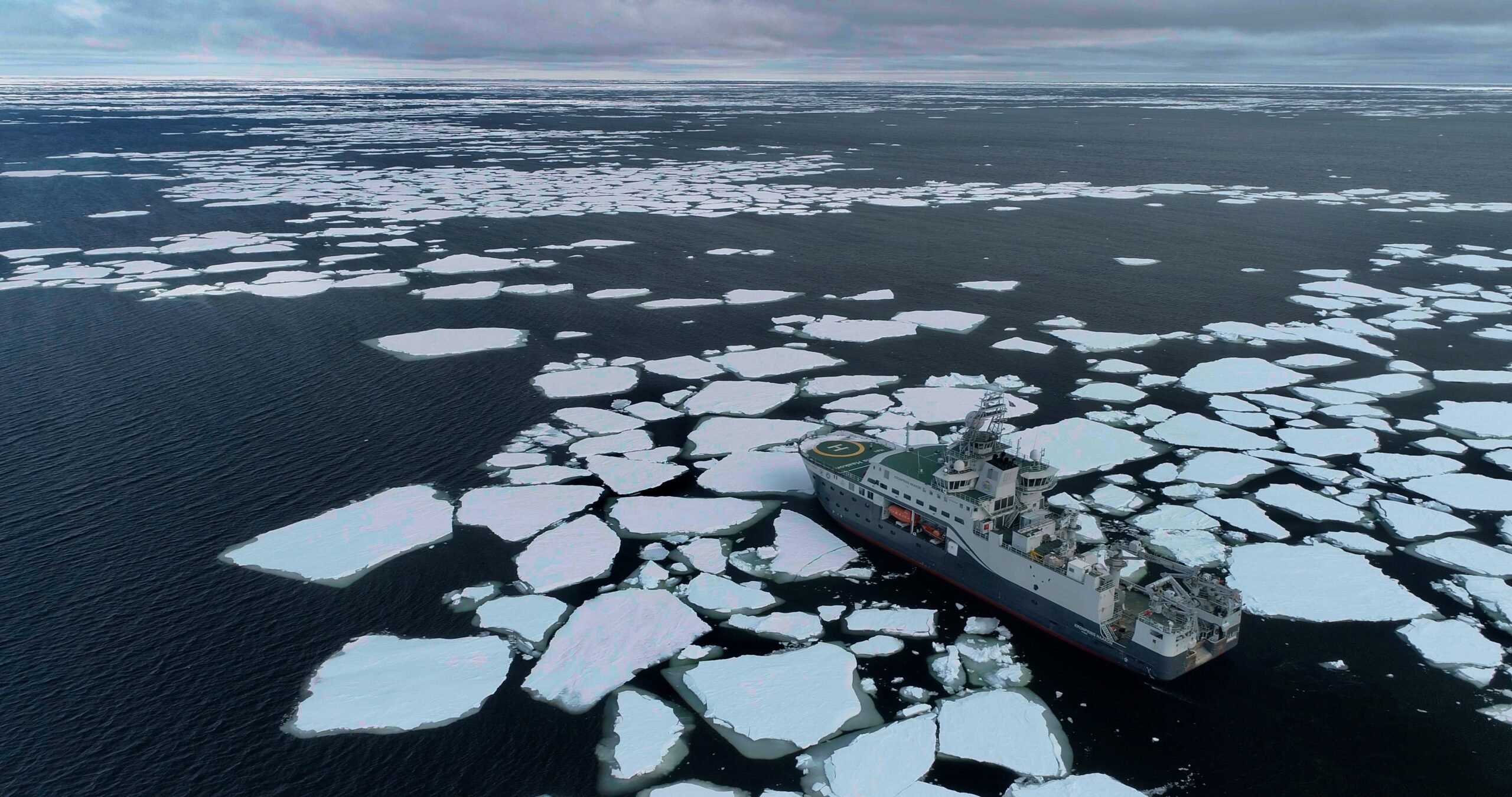
A team of international scientists from UiT (The Arctic University of Norway), have discovered the deepest known gas hydrate cold seep ever, located 3,640 metres below the surface on the Molloy Ridge in the Greenland Sea. This groundbreaking discovery was made during the 2024 Ocean Census Arctic Deep expedition, a 22-day long expedition in collaboration with UiT & REV Ocean, revealing an entirely new, thriving ecosystem previously unknown to science.
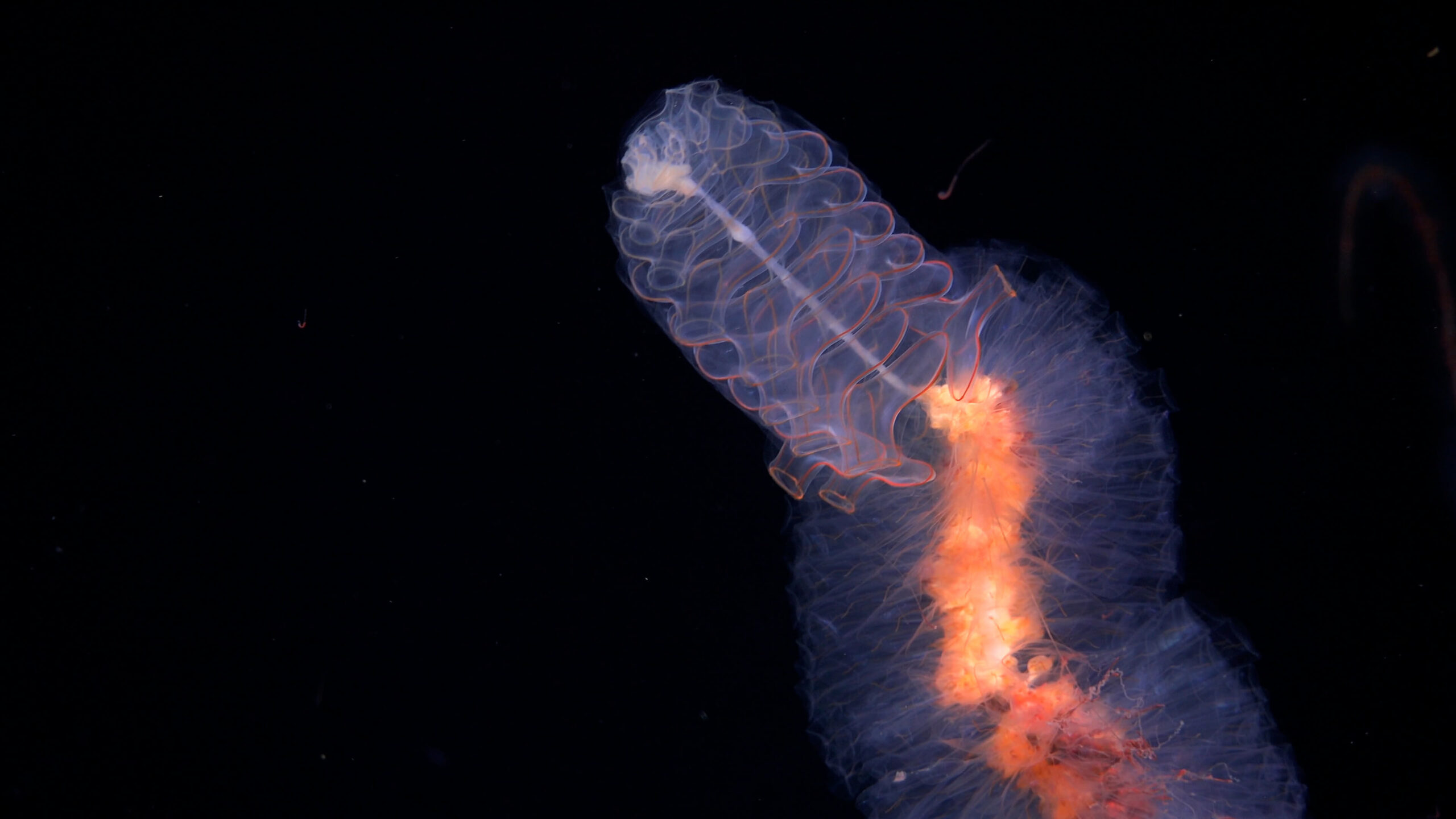
Featured image credit: UiT & REV Ocean
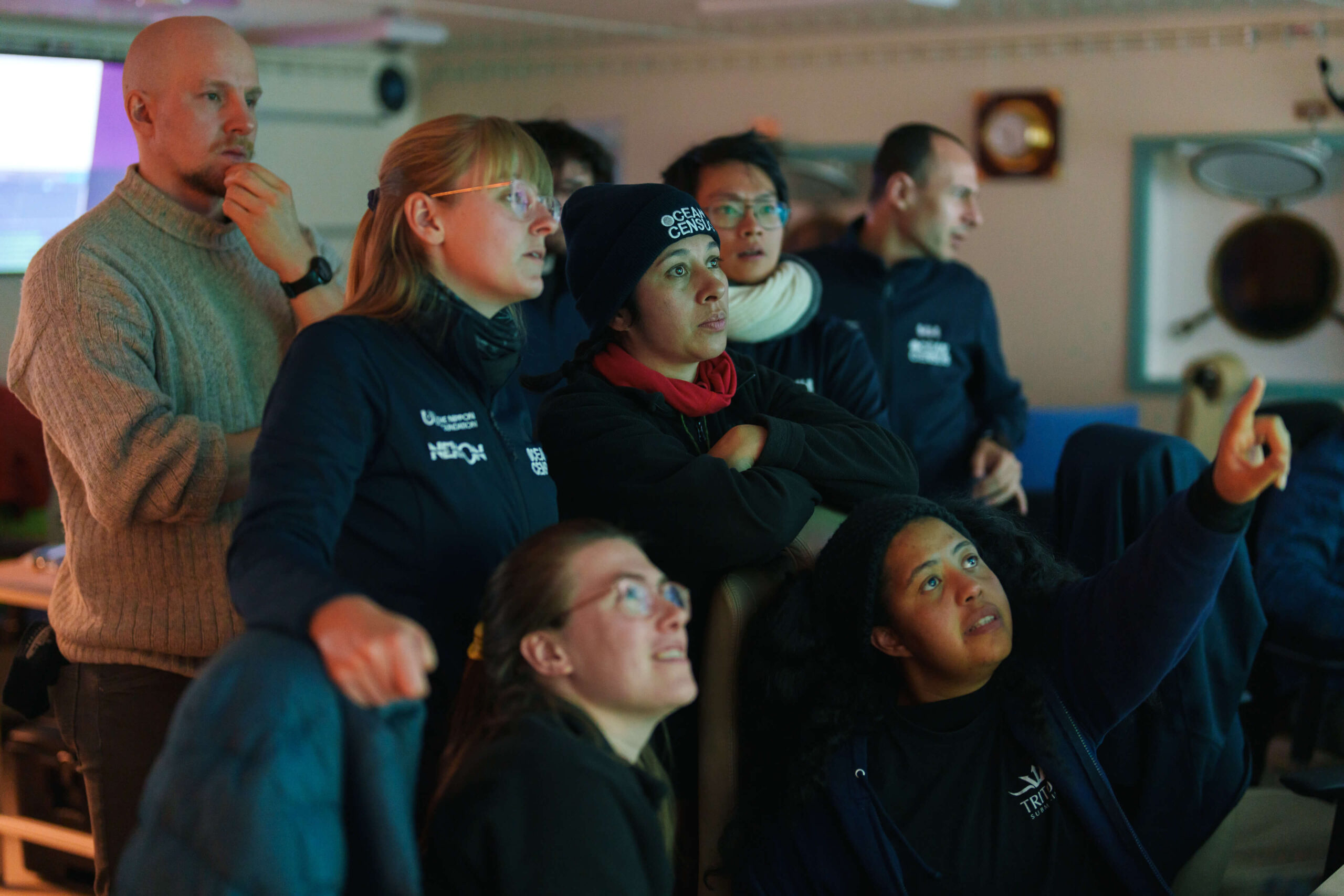
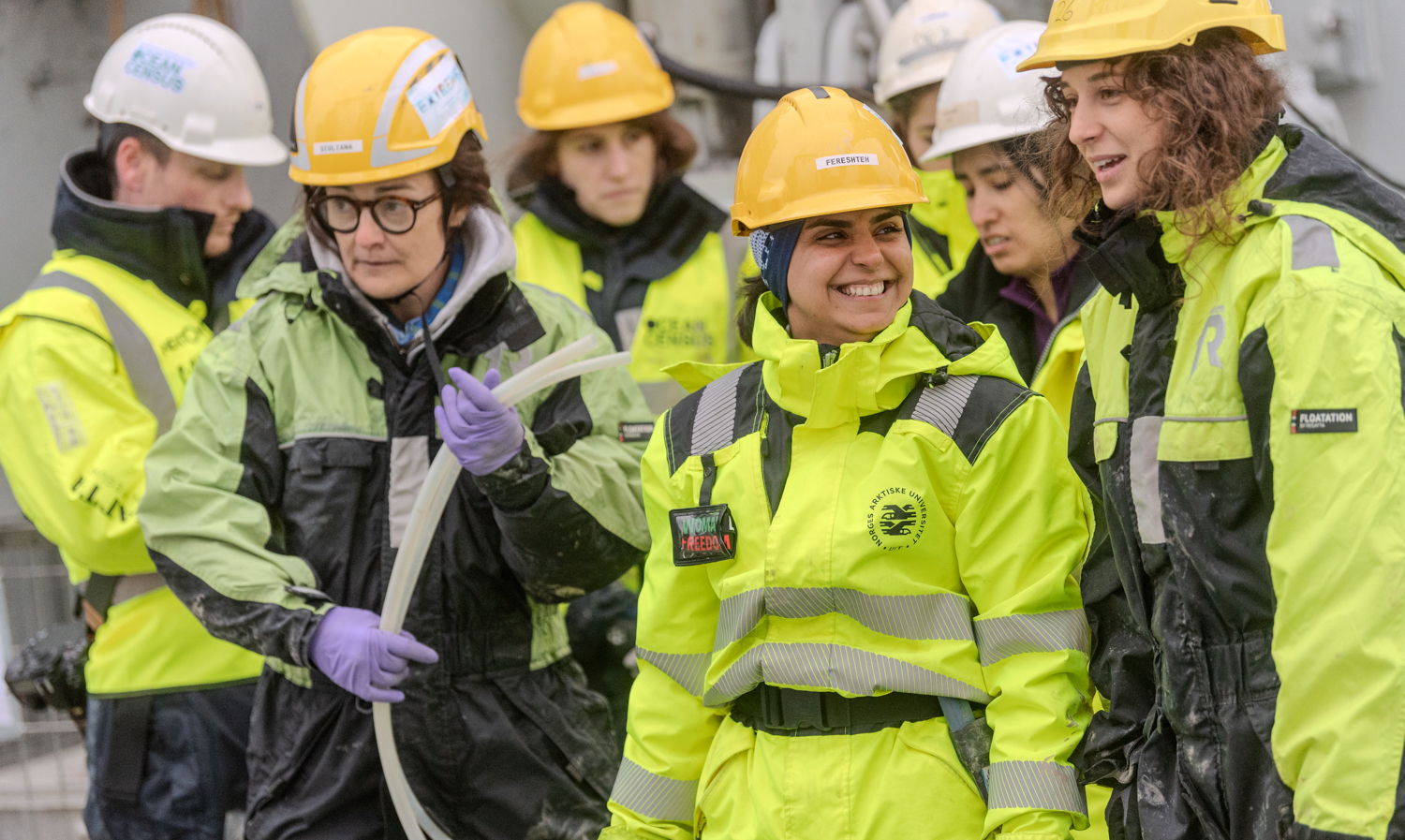
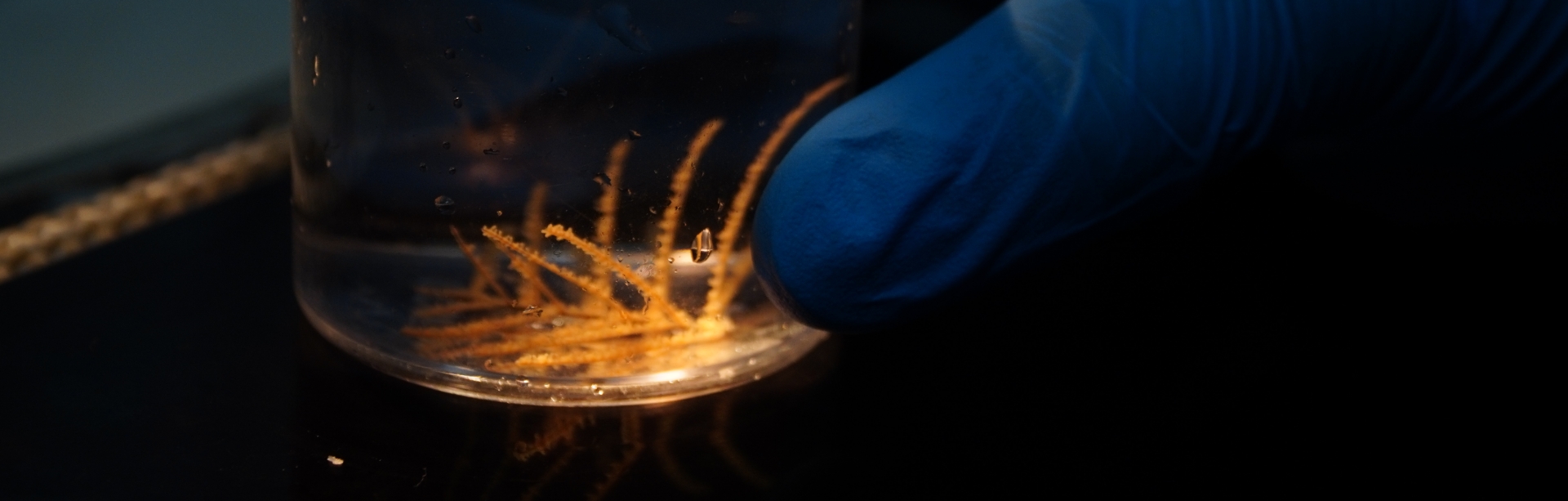
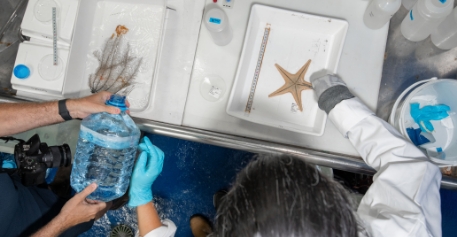
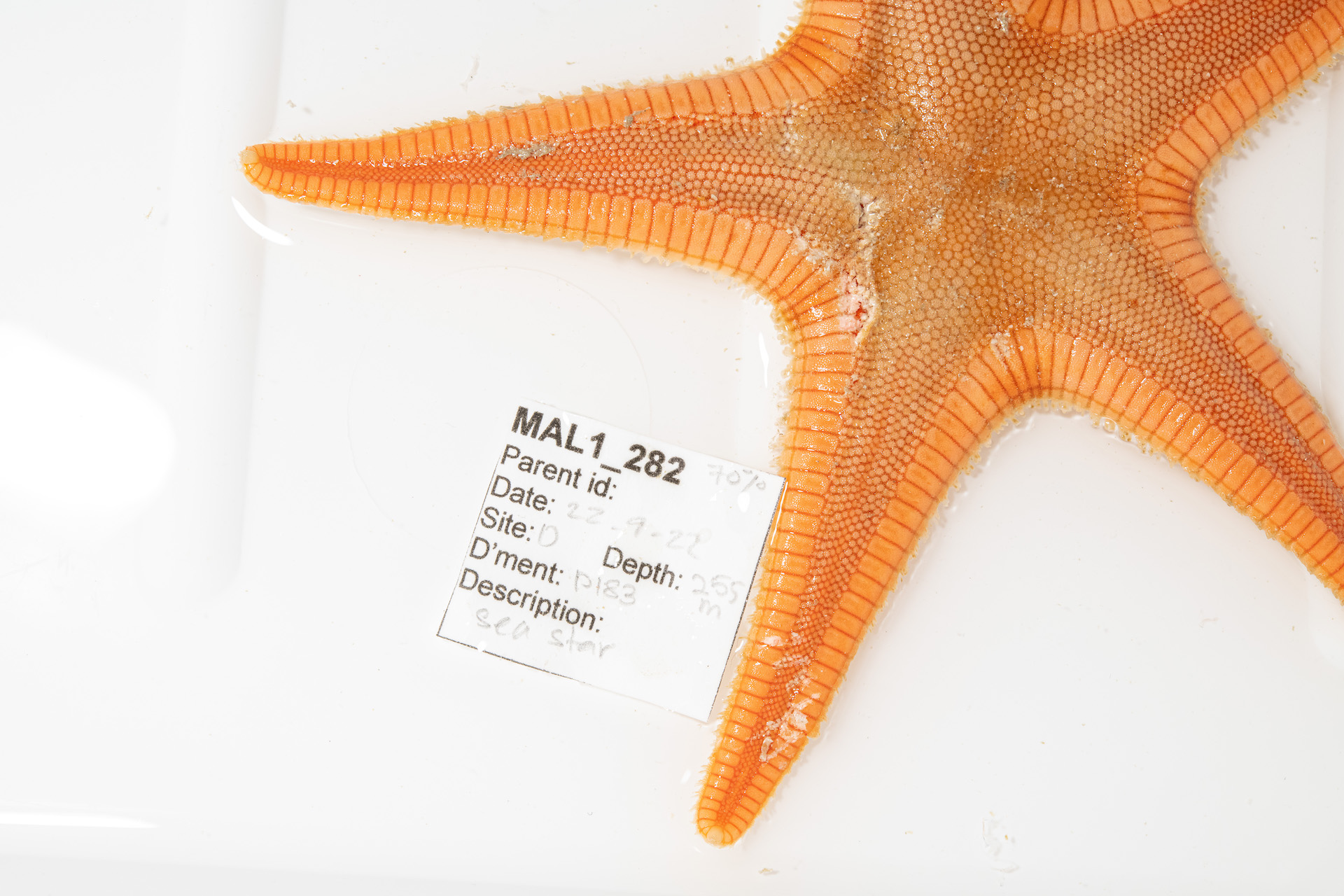
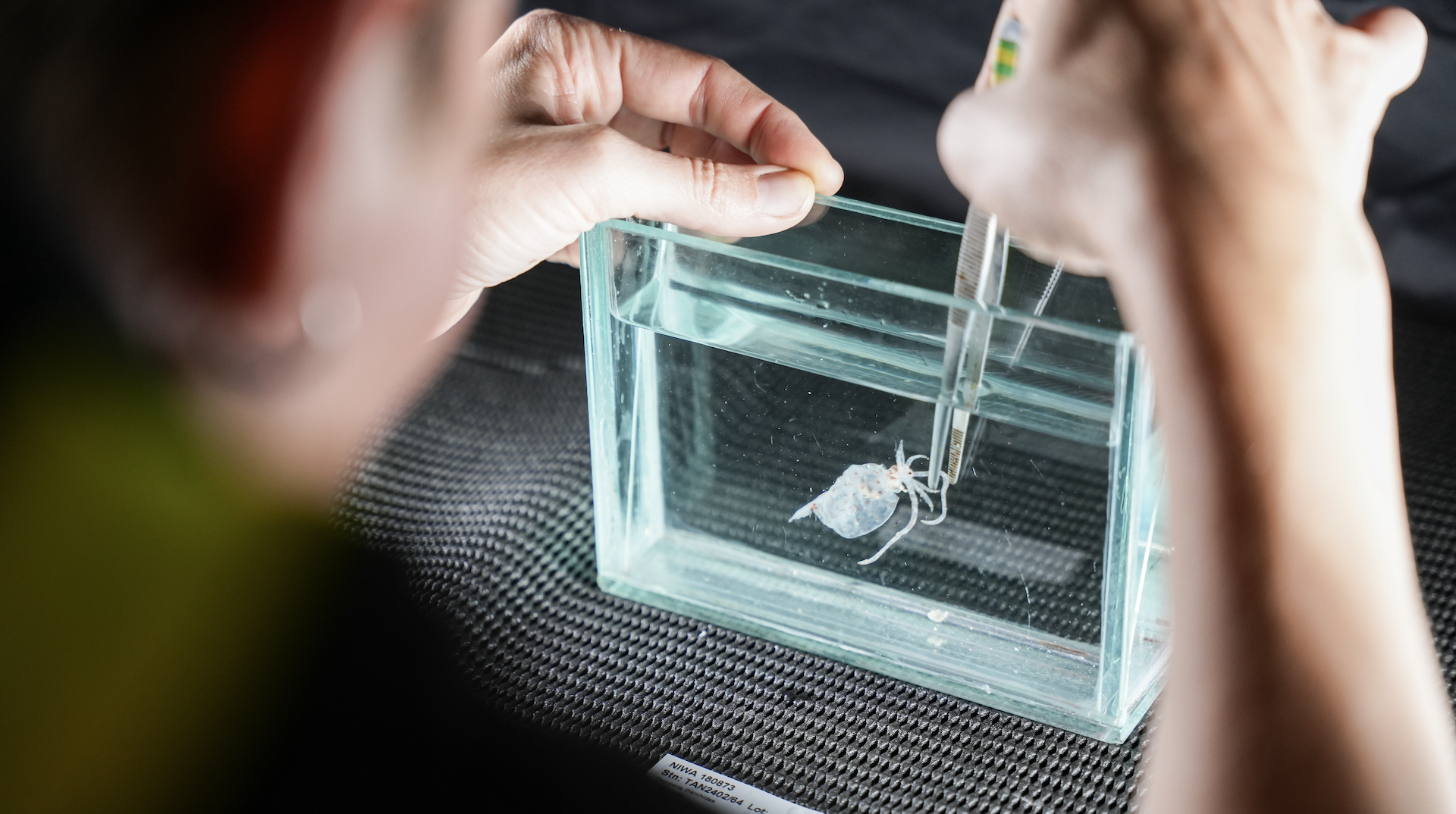
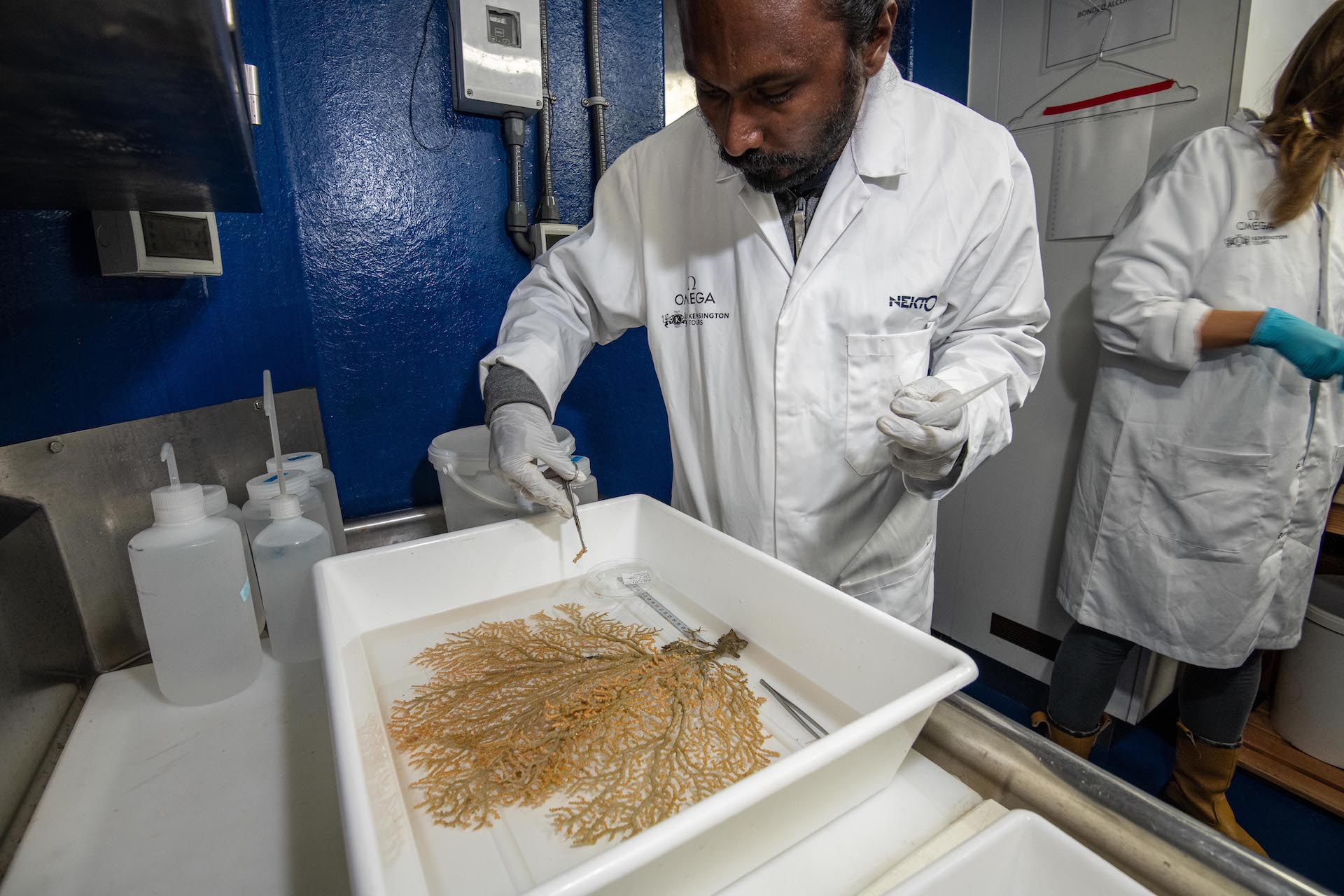
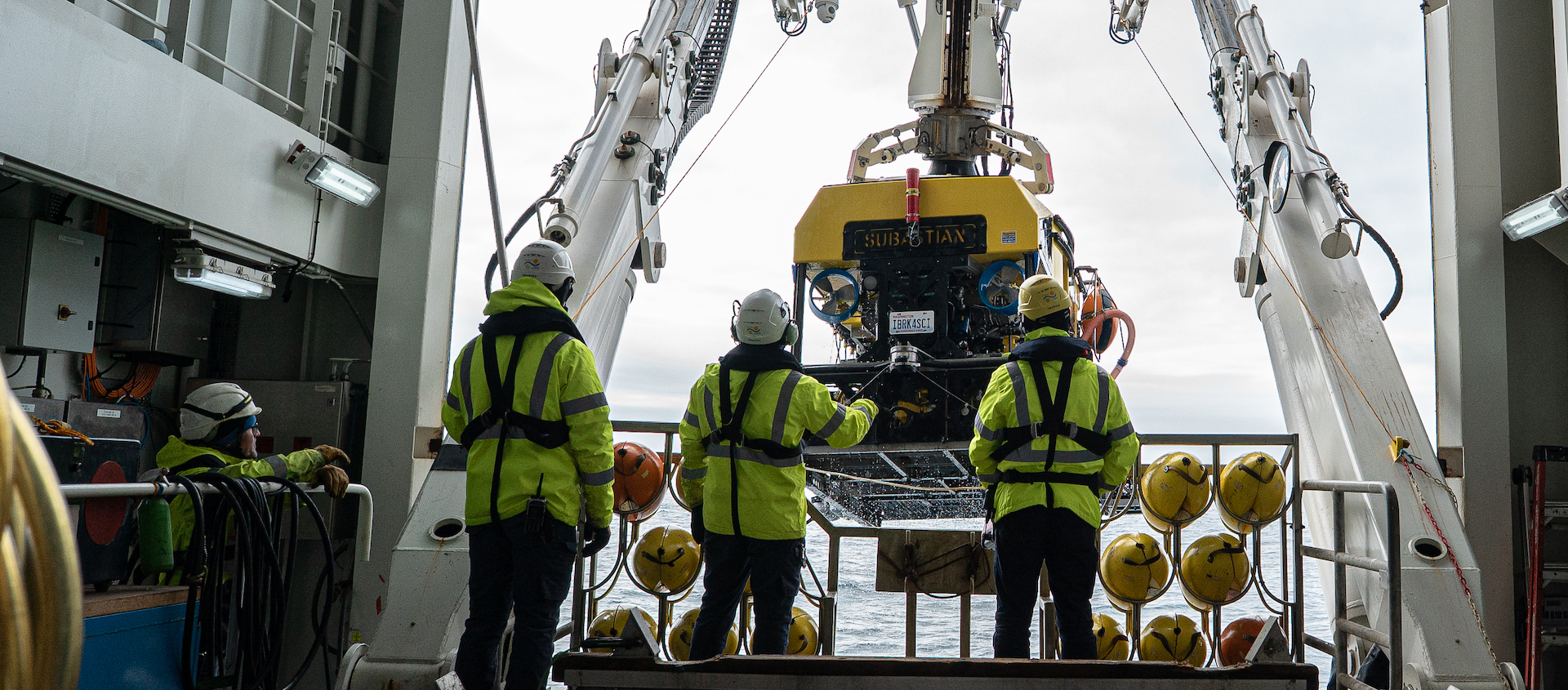
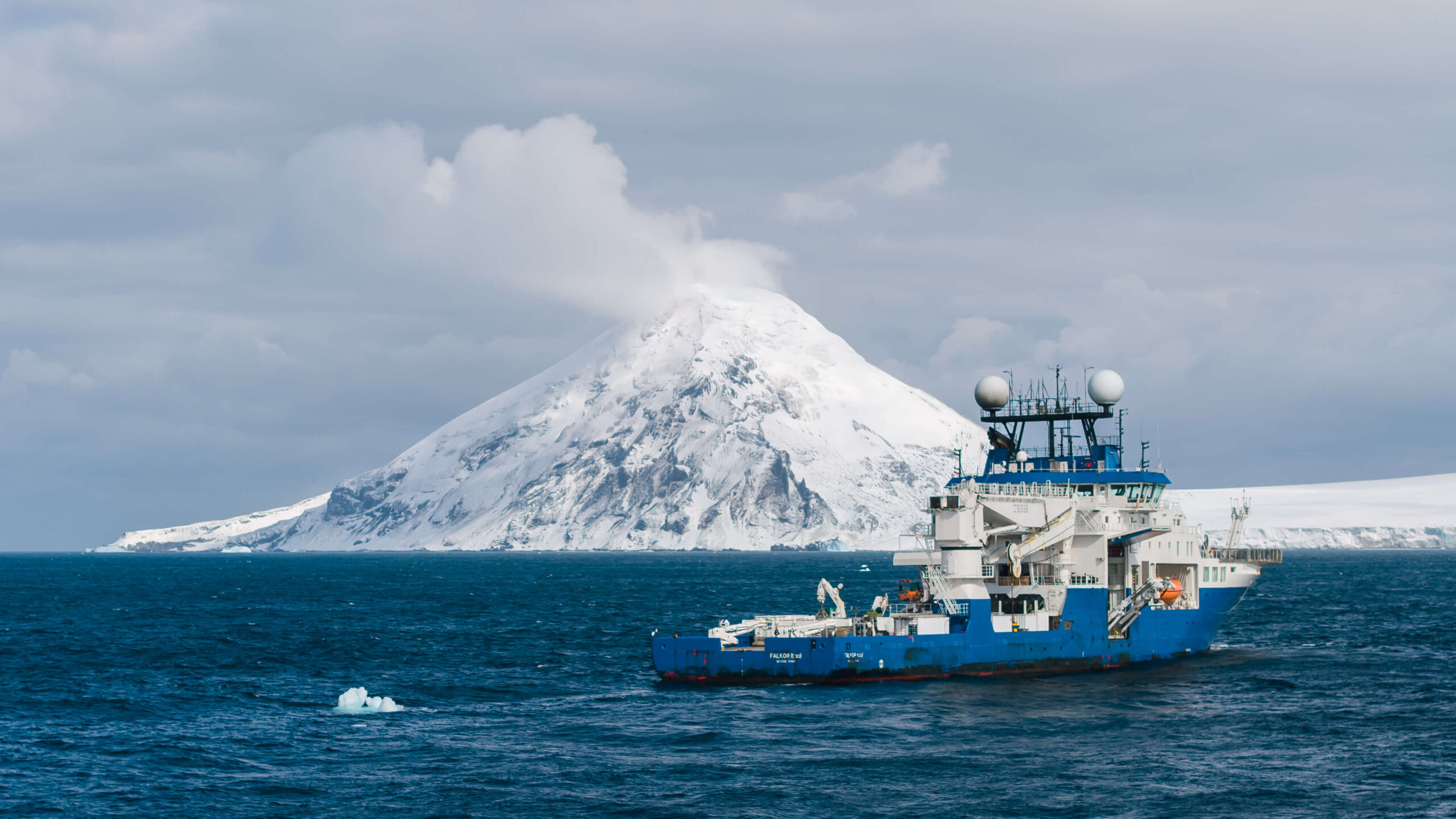
The Ocean Census Arctic Deep expedition focused on sampling deep-sea habitats, exploring regions like the Knipovich Ridge and Jøtul vent field in search of new marine species. As a multidisciplinary expedition, the UiT team’s research goal was to explore the active and understudied geology concurrently.
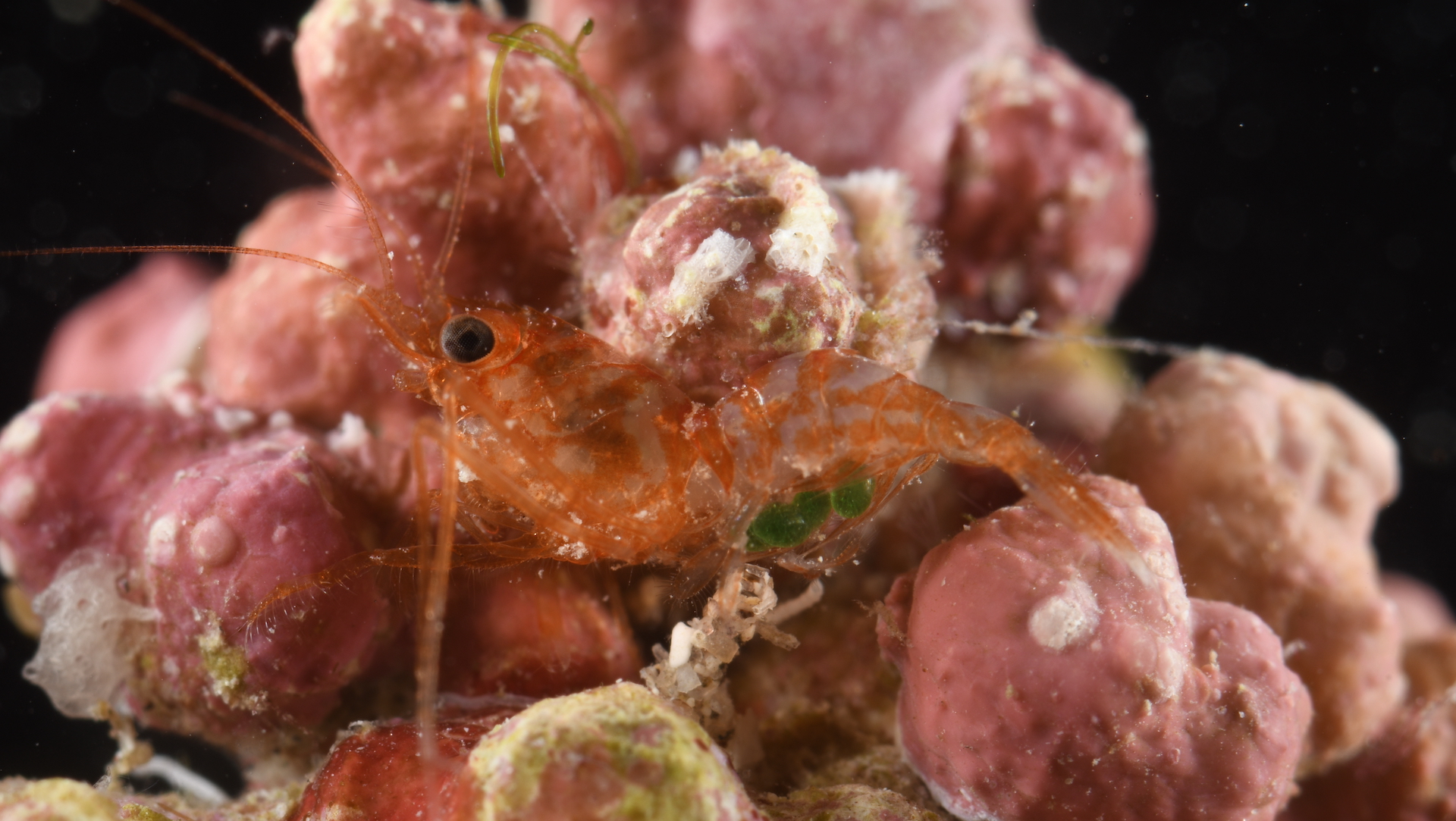
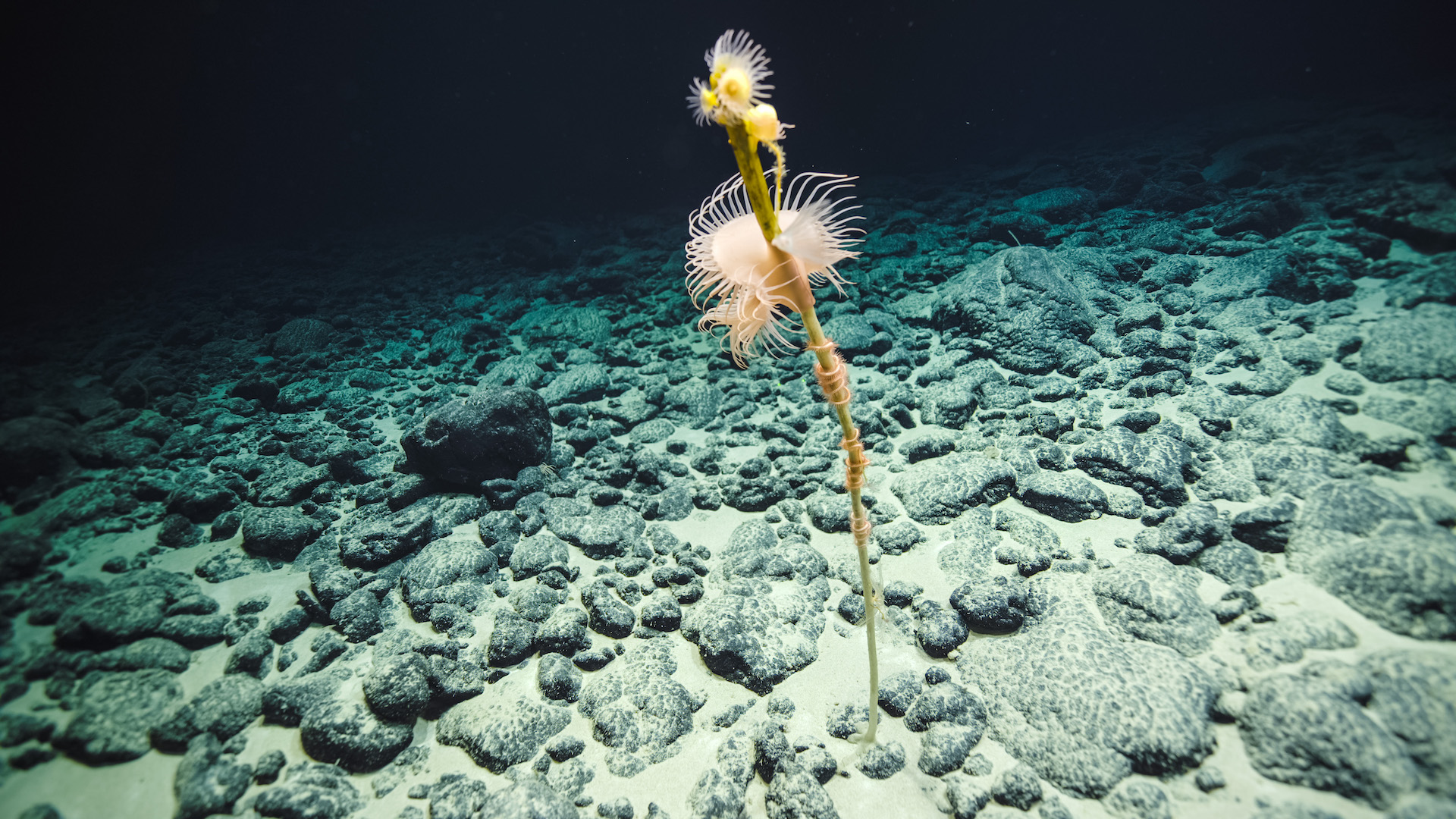
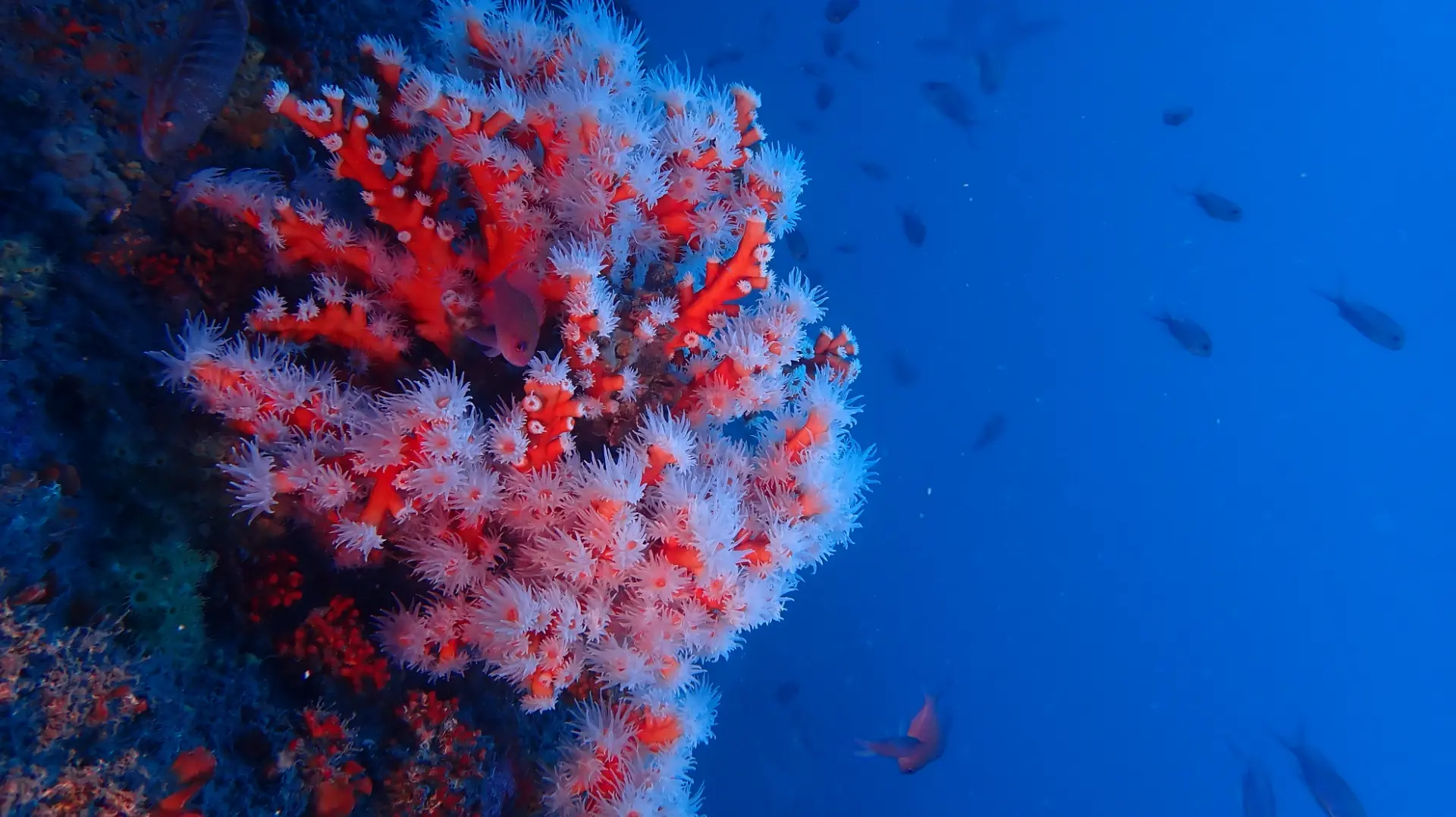
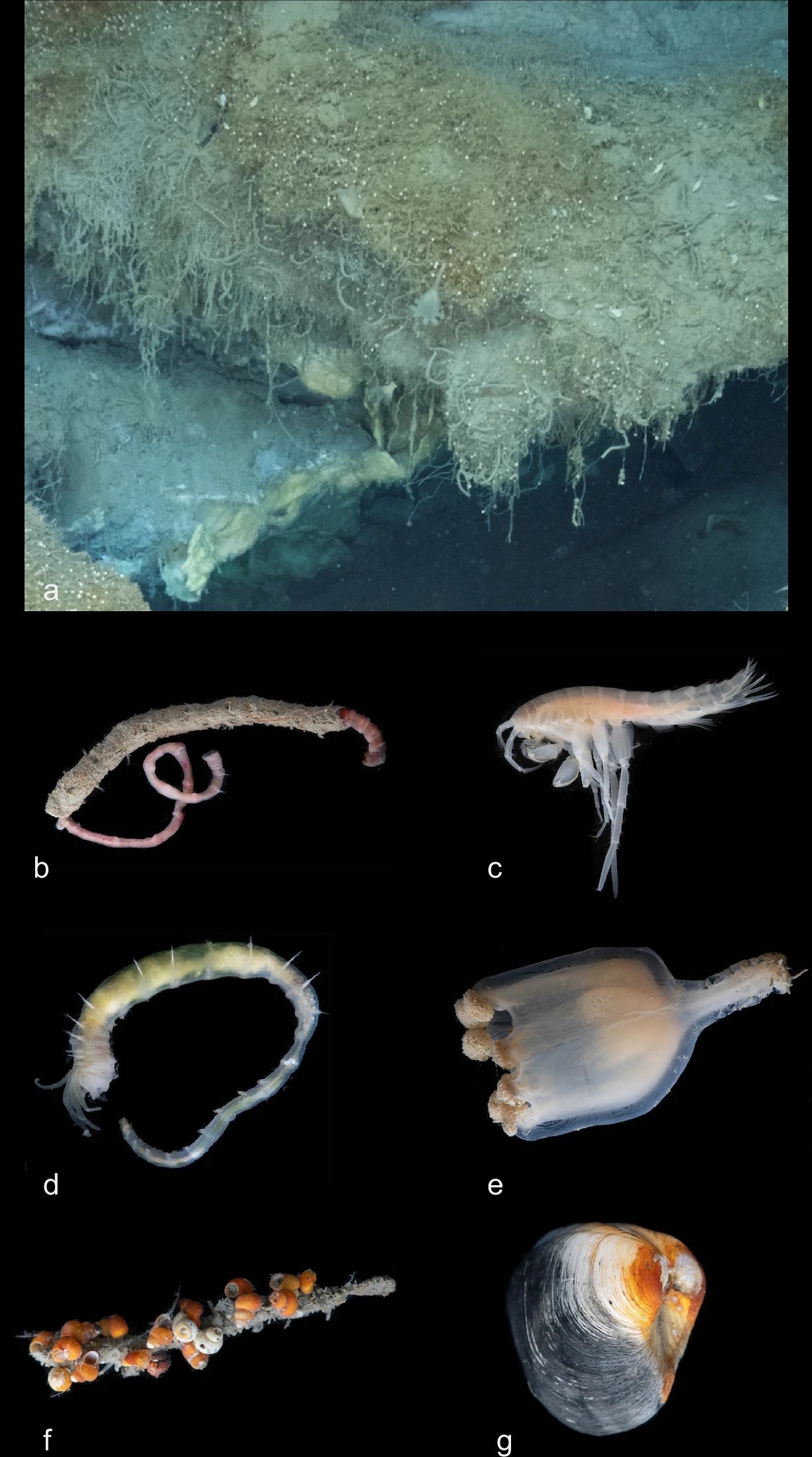
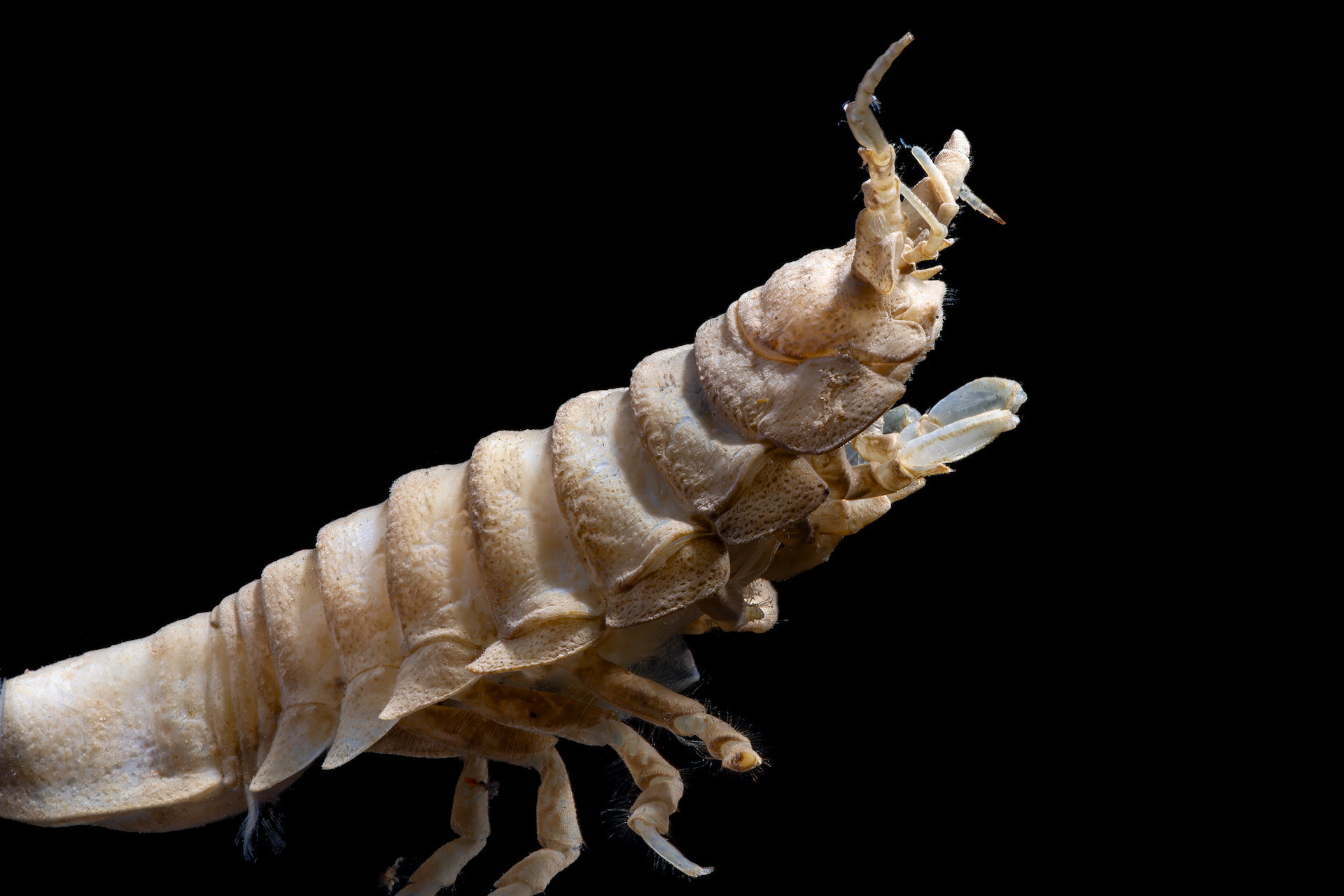
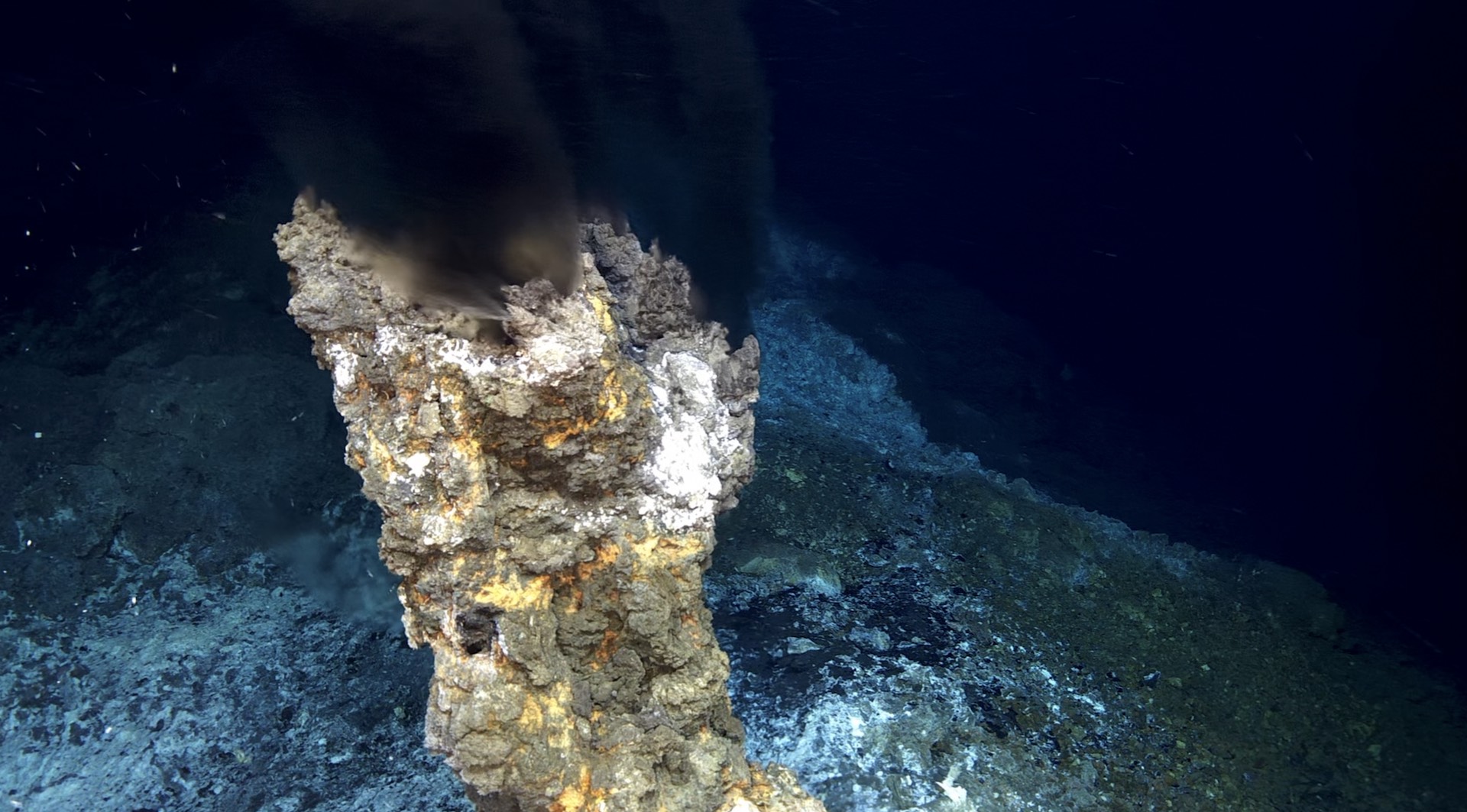
The gas hydrate cold seep, located at such an extraordinary depth, has been named the Freya Hydrate Mounds. These mounds, which feature active methane seepage and crude oil emissions, are home to resilient chemosynthetic communities. These organisms rely on chemical reactions instead of sunlight for energy, a fascinating adaptation to the extreme conditions of the deep sea. These findings are significant as they expand the known depth limit for gas hydrate outcrops by nearly 1,800 metres and also show surprising ecological connections between deep-sea cold seeps and hydrothermal vents in the Arctic.
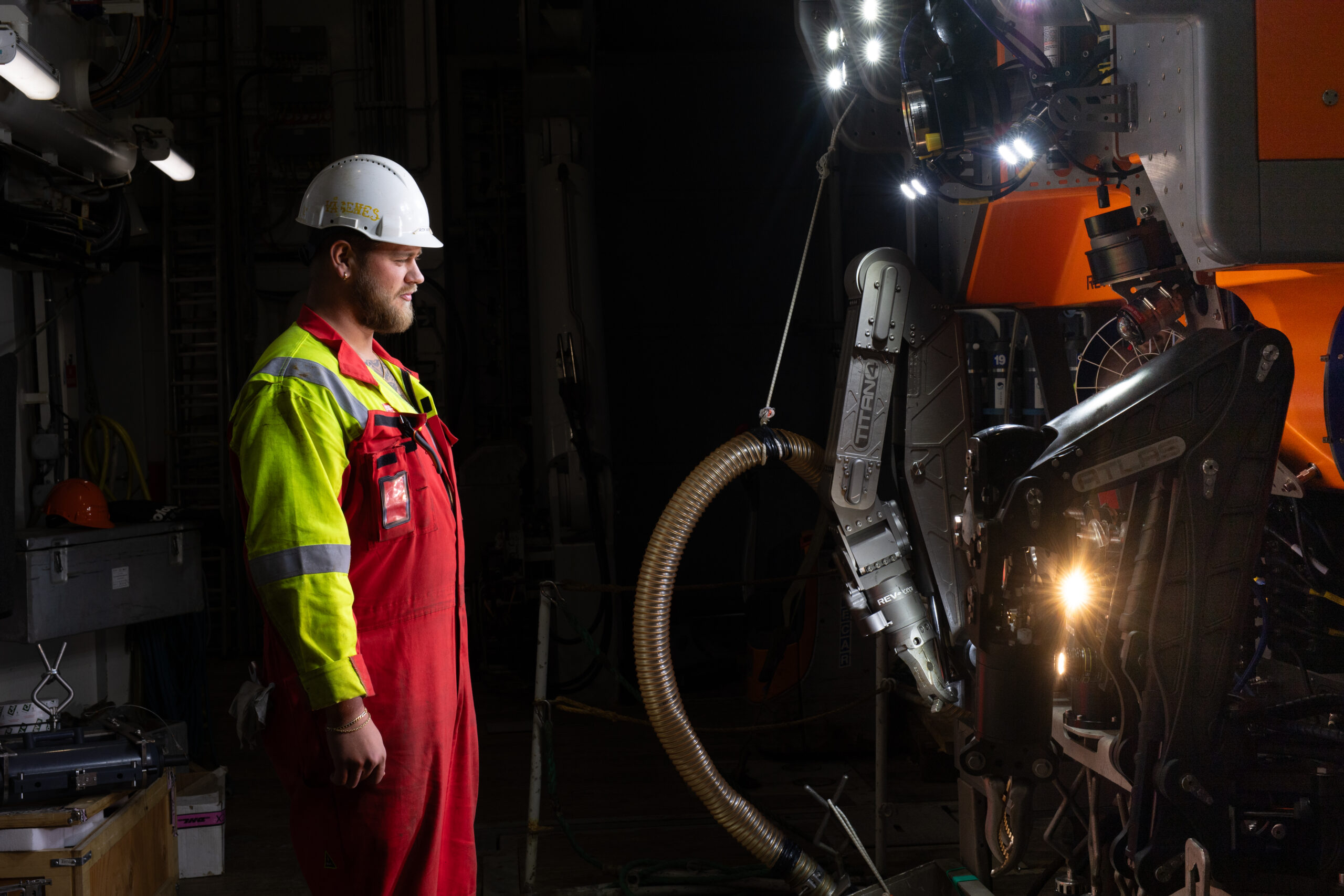
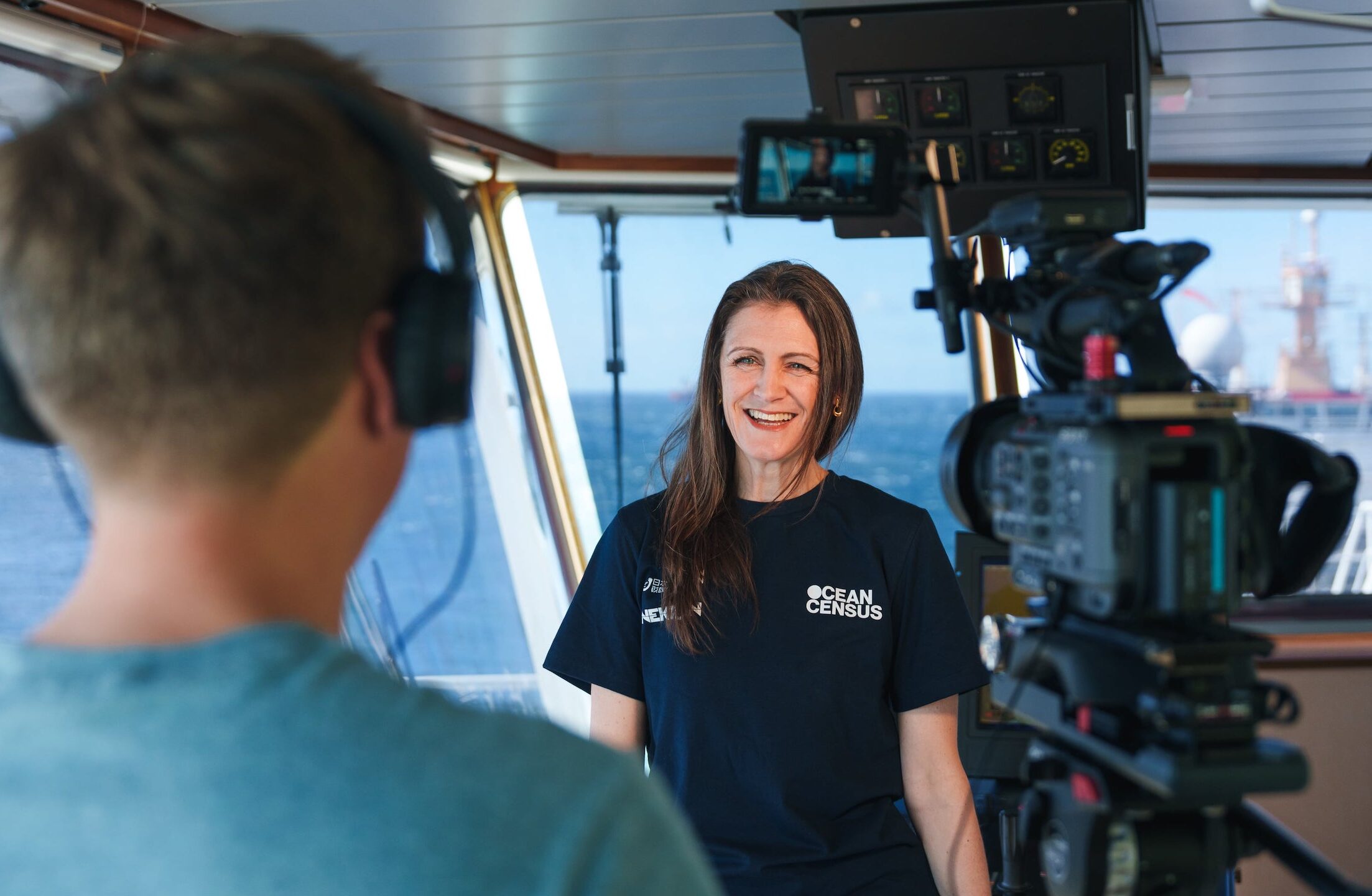
According to Giuliana Panieri, Professor at UiT The Arctic University of Norway and Chief Scientist of the expedition together with Professor Alex Rogers, the discovery fundamentally shifts our understanding of Arctic deep-sea ecosystems. “We found an ultra-deep system that is both geologically dynamic and biologically rich,” Panieri explained. “These findings have implications for biodiversity, climate processes, and the future stewardship of the High North.”
One of the most notable aspects of the discovery is the methane flares rising more than 3,300 metres from the cold seep to the water’s surface. These methane emissions are among the tallest ever recorded globally, providing unique insight into the geological and biological dynamics at play in the region. The team also observed that these gas hydrates, which form and collapse over time, are not static but rather evolve in response to shifting environmental factors, such as tectonic activity and deep heat flow.
In addition to revealing a previously unknown ecosystem, the discovery provides new insights into the deeper geological processes of the Arctic. The presence of thermogenic gas and crude oil, originating from Miocene-aged sediments, suggests that the region has experienced complex geological fluid migrations over time. These findings indicate an intricate relationship between the seafloor’s geological formations and the life that thrives on it.
The Freya Hydrate Mounds also highlight the importance of protecting Arctic ecosystems, as these extreme habitats could be highly vulnerable to human activities, particularly deep-sea mining. Jon Copley, from the University of Southampton, emphasised that the unique marine life thriving around these seeps may play a crucial role in the biodiversity of the deep Arctic. “The links between life at these seeps and hydrothermal vents suggest that these isolated habitats must be protected from the impacts of deep-sea mining” said Copley.
The discovery has wider implications for climate research as well. The dynamic behavior of methane hydrate deposits in the region offers a natural laboratory to study methane release in the water column and its potential impact on global warming. As climate change drives warming temperatures, understanding how these methane deposits react to shifts in ocean temperature and pressure could be vital in predicting their effects on global carbon cycles.
These findings are particularly significant given the growing interest in the Arctic for resource exploration. As countries consider tapping into the Arctic’s mineral and energy reserves, understanding these fragile ecosystems becomes essential for making informed and responsible decisions.
In conclusion, these findings collectively offer a detailed narrative about the dynamic interplay between geology and biology in the Arctic deep-sea environment. They call for intensified research efforts to explore and understand the complexities of these habitats, their evolutionary significance, and their response to both natural and anthropogenic changes.
Related News
Join the census
The Ocean Census Alliance unites national and philanthropic marine institutes, museums, and universities, backed by governments, philanthropy, business and civil society partners.


