






Supporting conservation through taxonomy: The Comoros Species Discovery Workshop

The Comoros Species Discovery Workshop
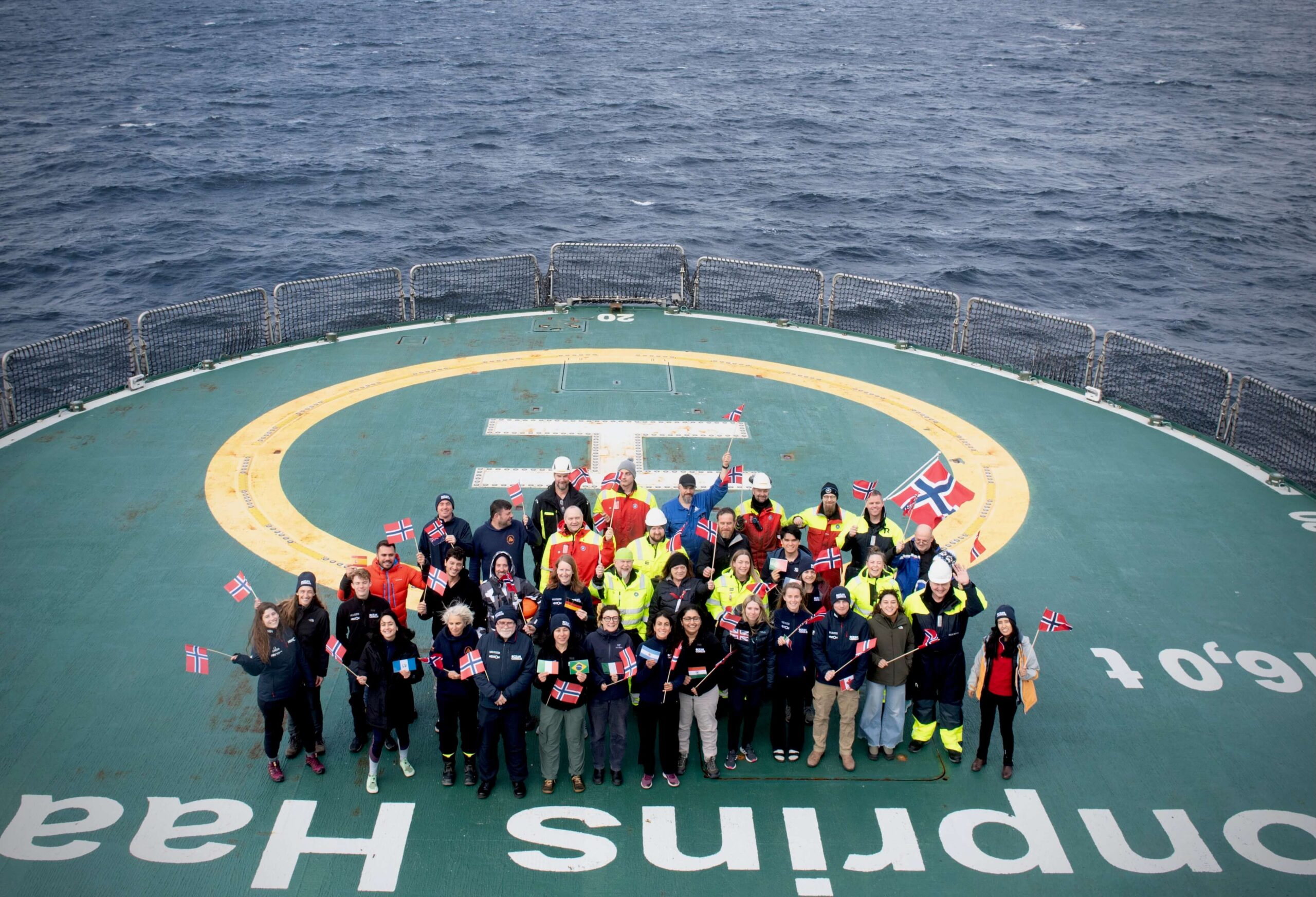
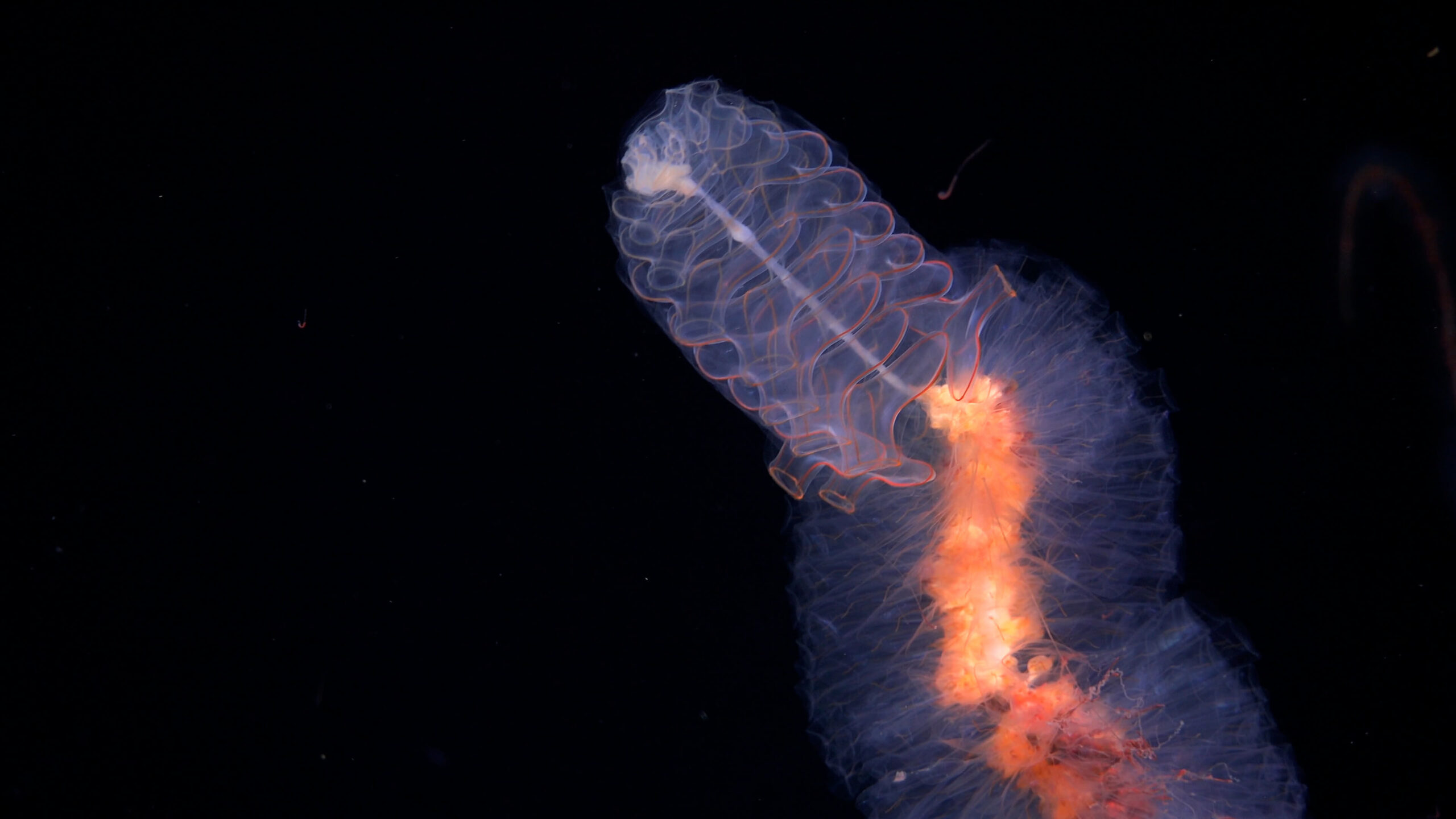
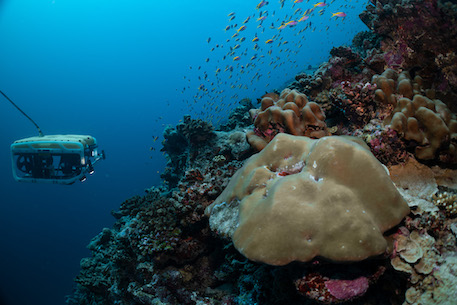
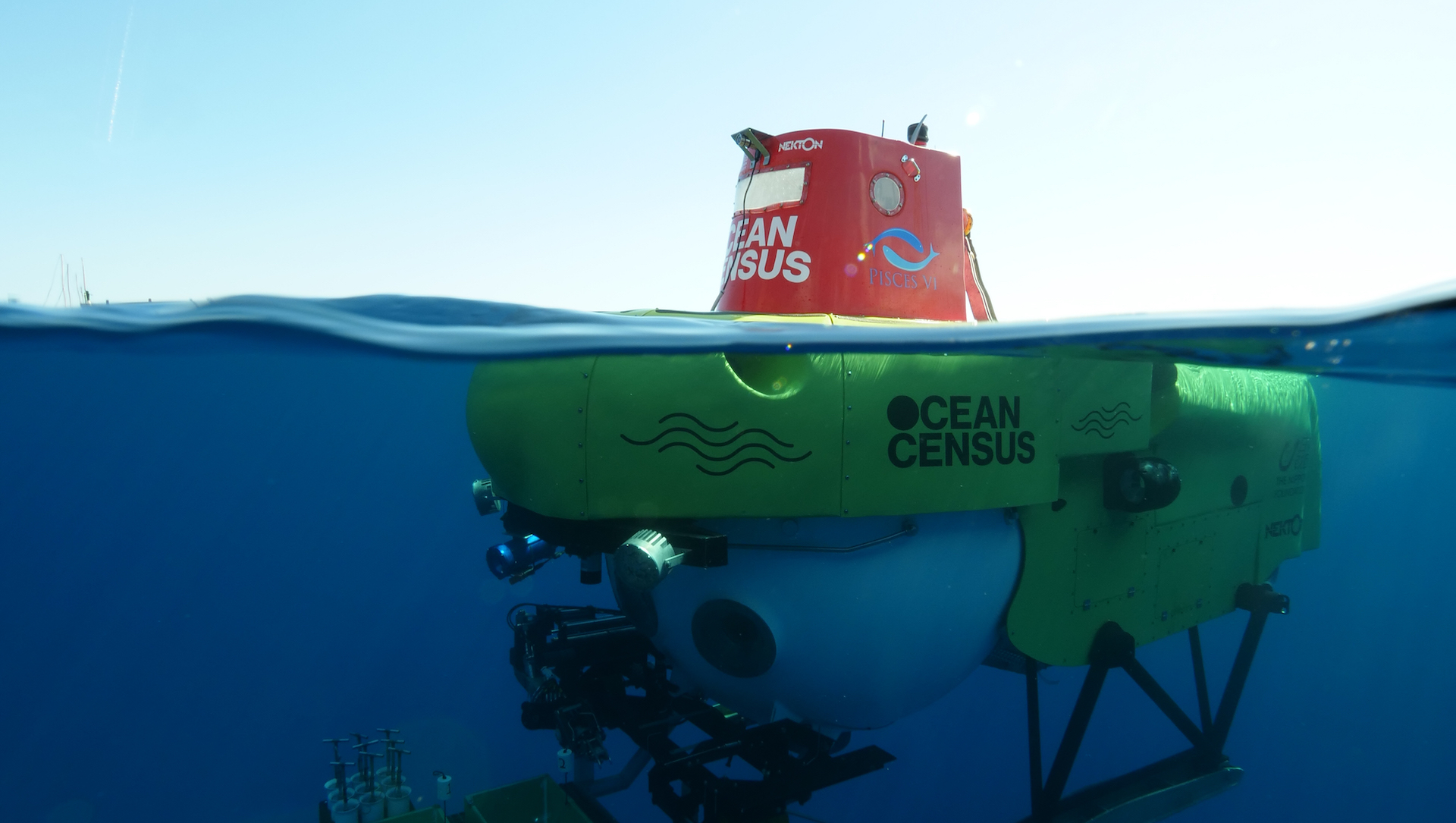
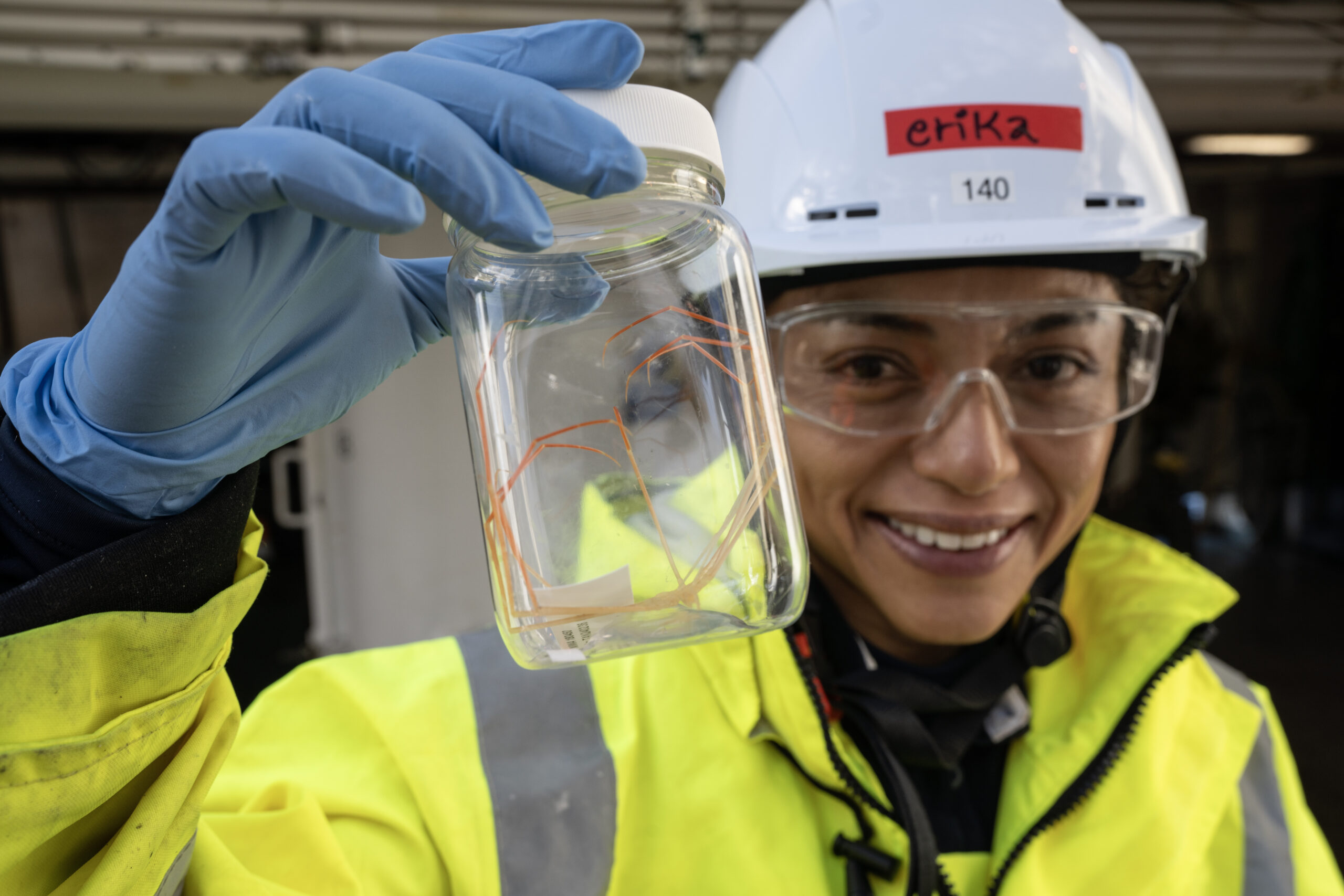
Building on the success of our co-founder Nekton’s First Descent: Comoros 2025 mission, this Species Discovery Workshop took place at the South African Institute for Aquatic Biodiversity (SAIAB) in Makhanda from January 26 to February 13, 2026. Working with Comorian researchers under the R-POC programme (Strengthening Ocean Protection in Comoros), the expedition collected a diverse range of endemic species for lab research and to support the conservation and sustainable management of these waters.
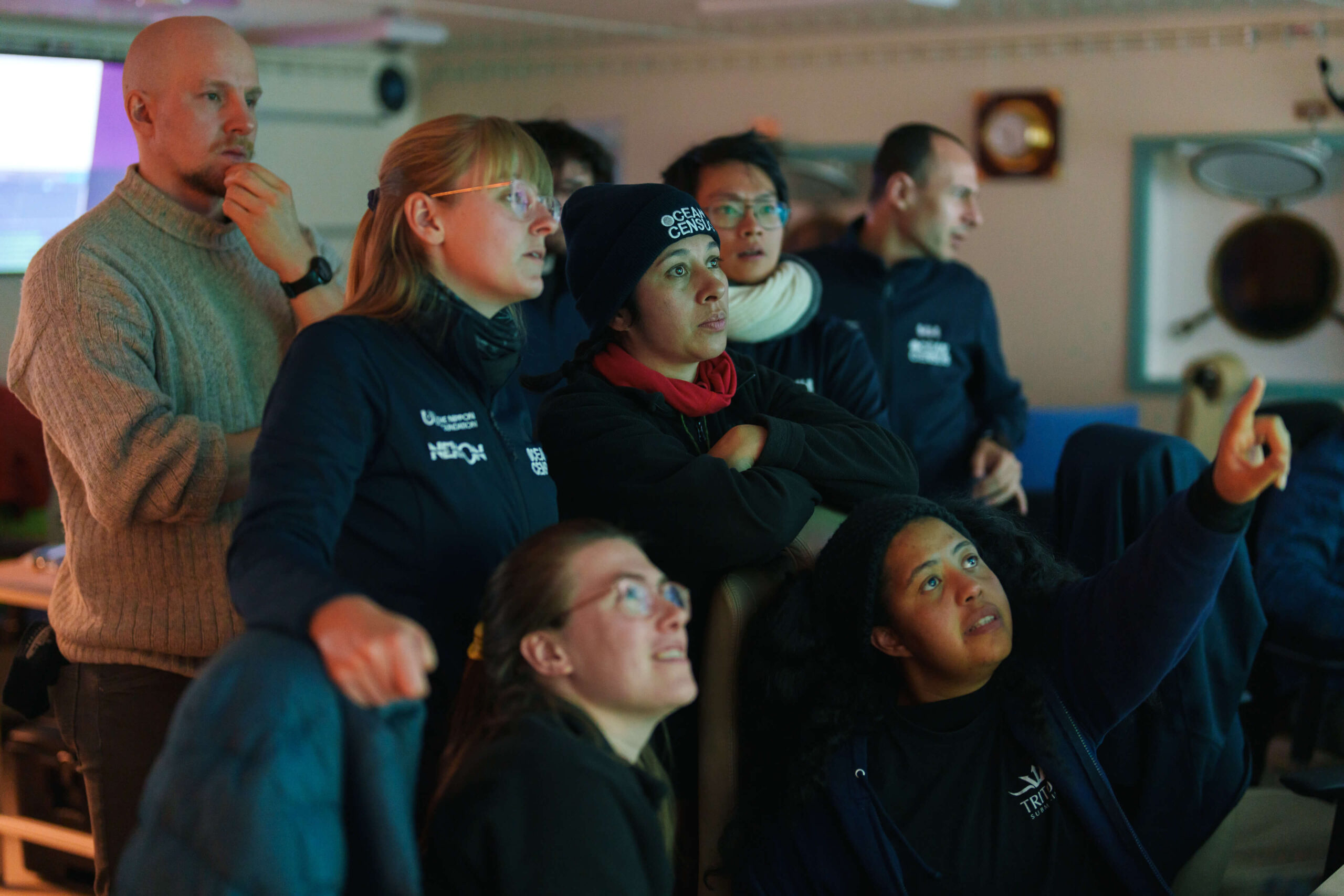
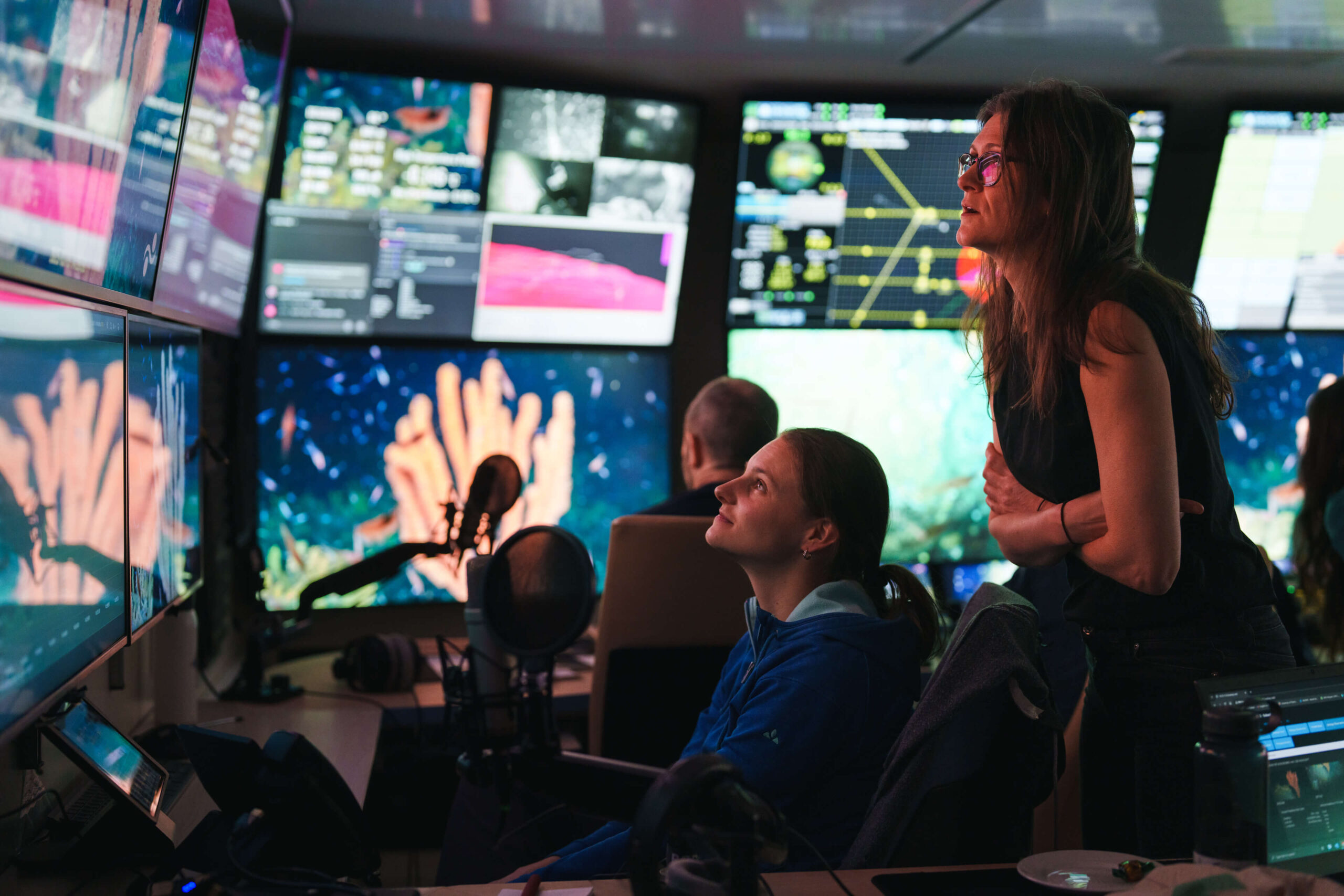
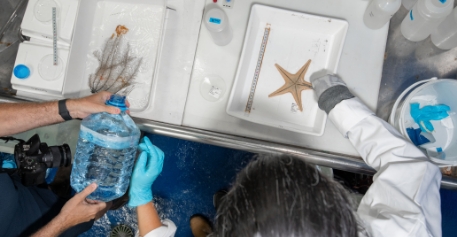
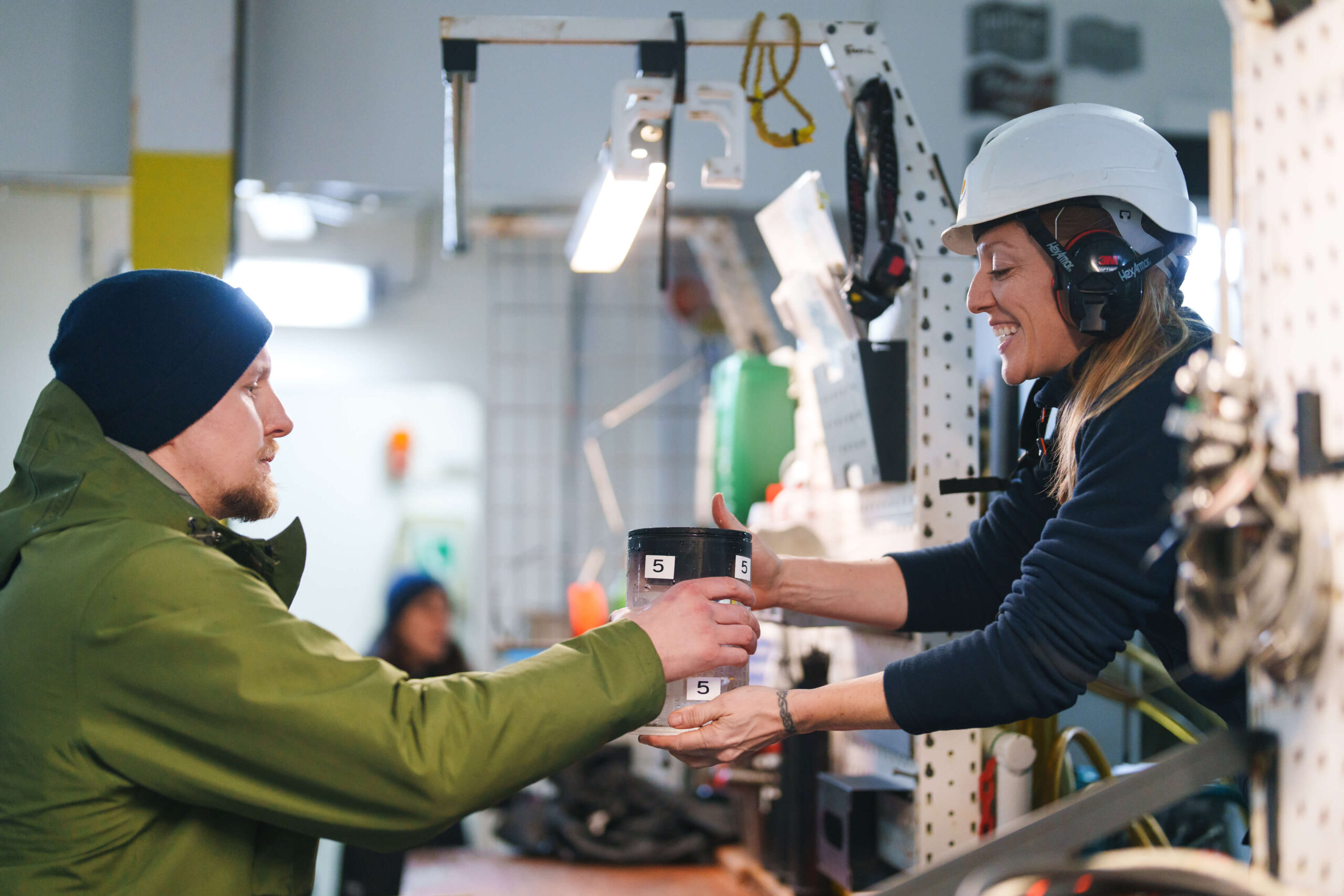
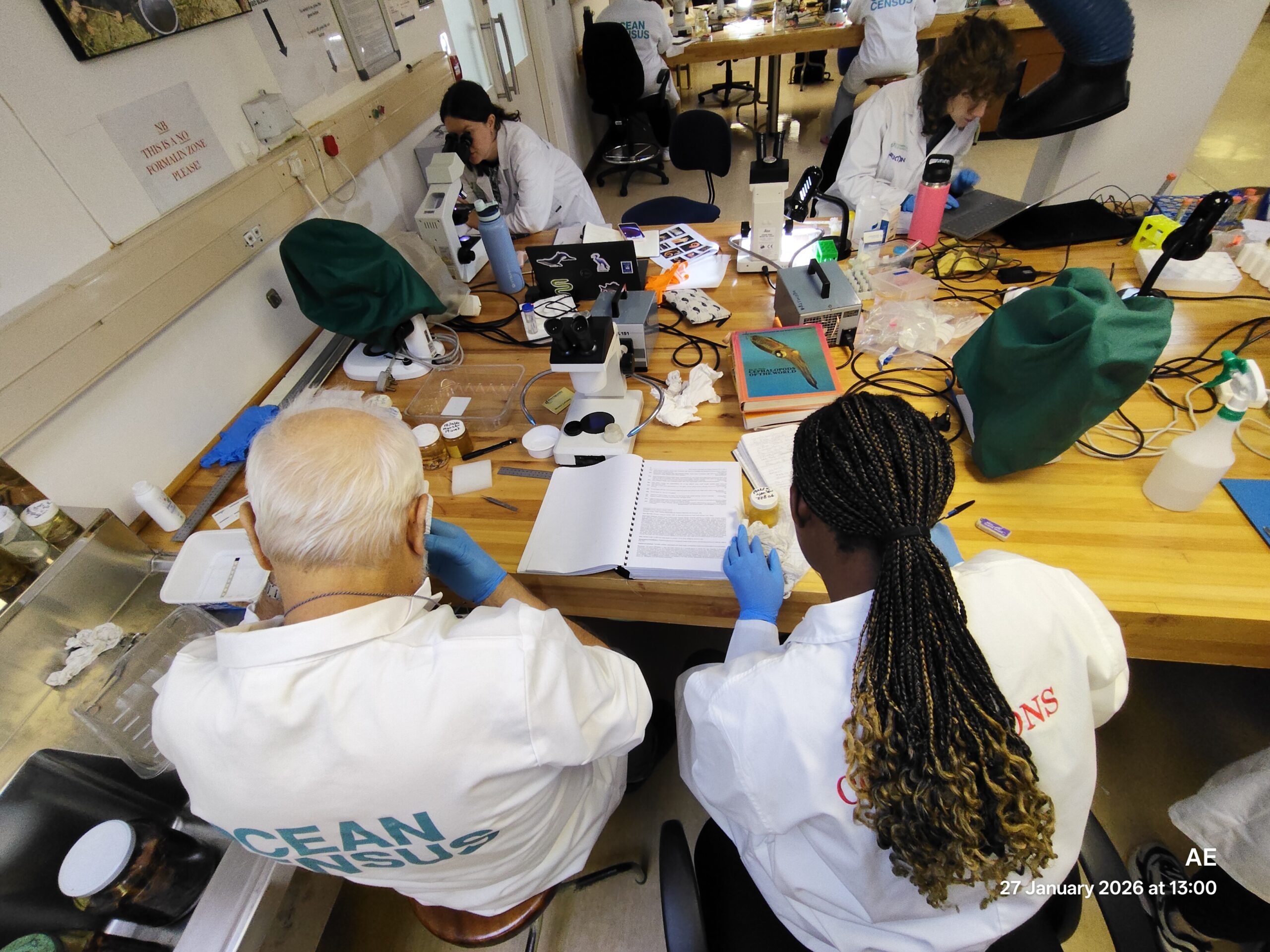
The workshop brought together a specialised international team of taxonomists to work alongside Comorian researchers to identify and catalogue species samples from the expedition.
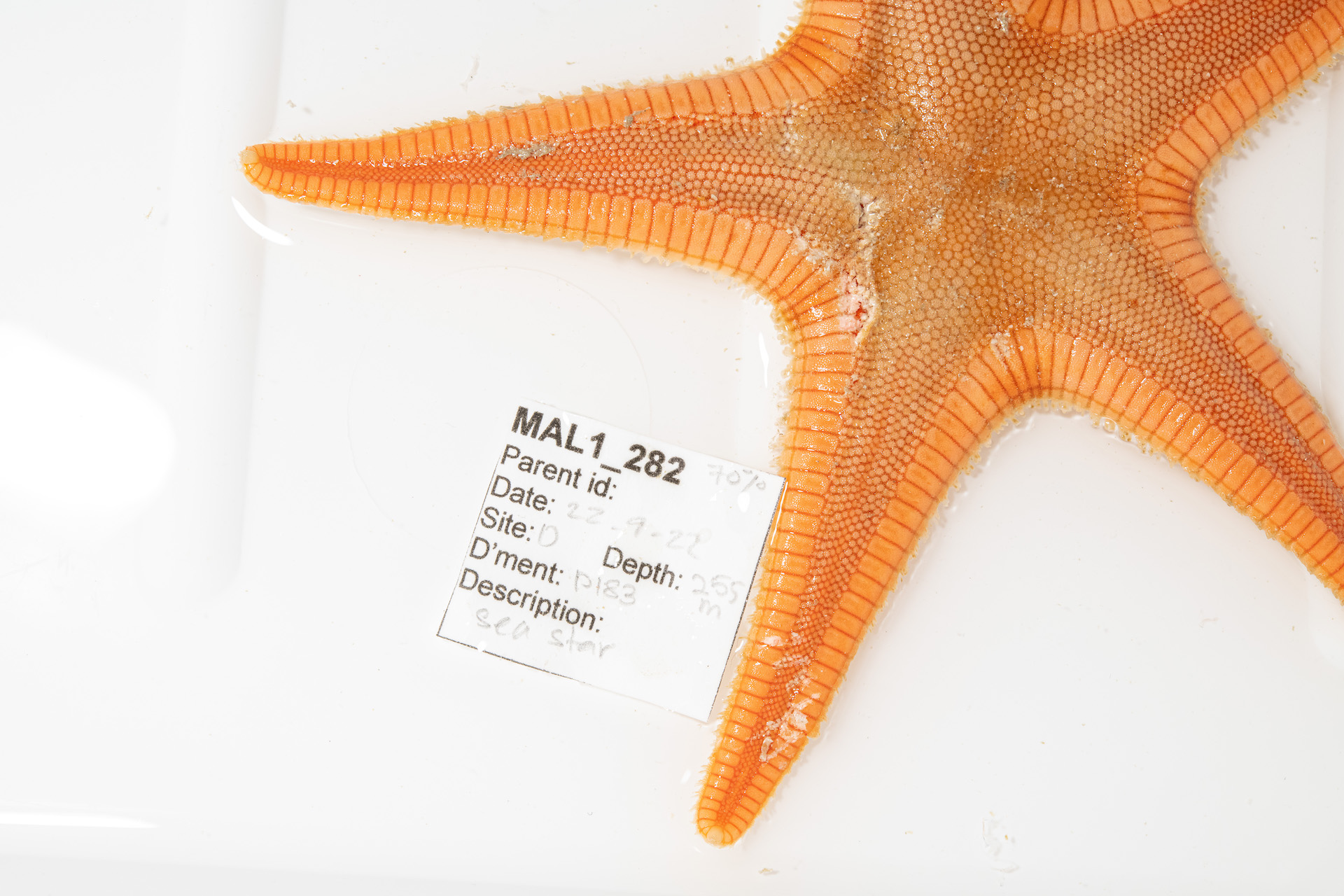
The biological specimens at the species discovery workshop included a mix of legacy samples (potentially cephalopods and tunicates in collections at SAIAB), as well as highly up to date samples.
Featured Image Credits: SAIAB
Identifying the new species
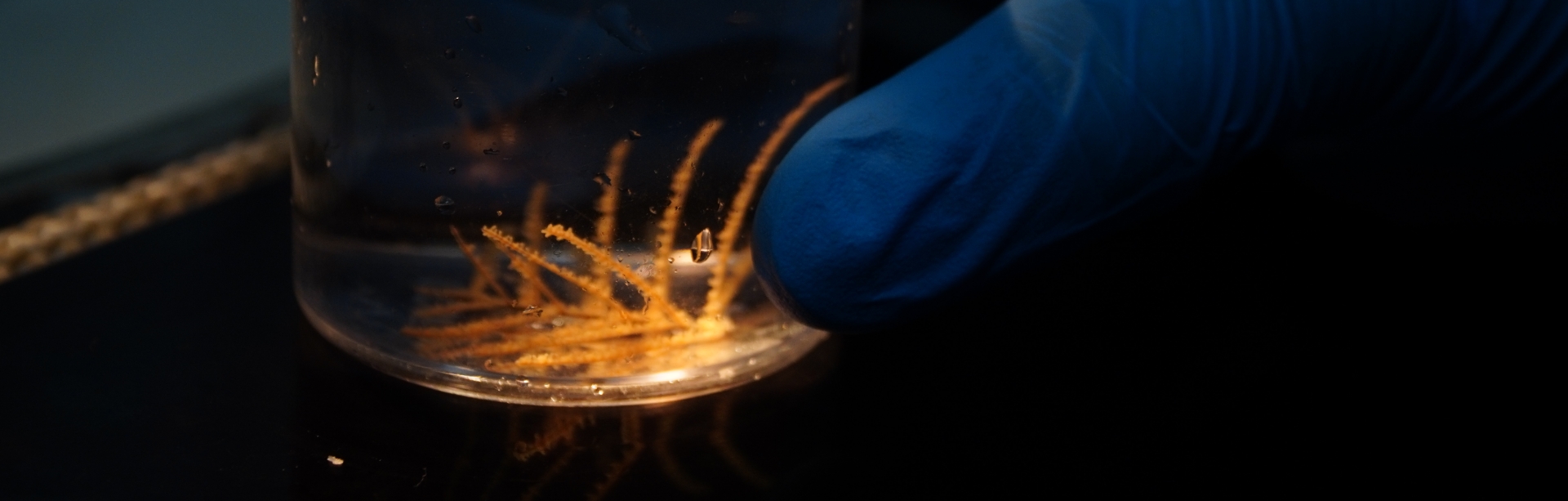
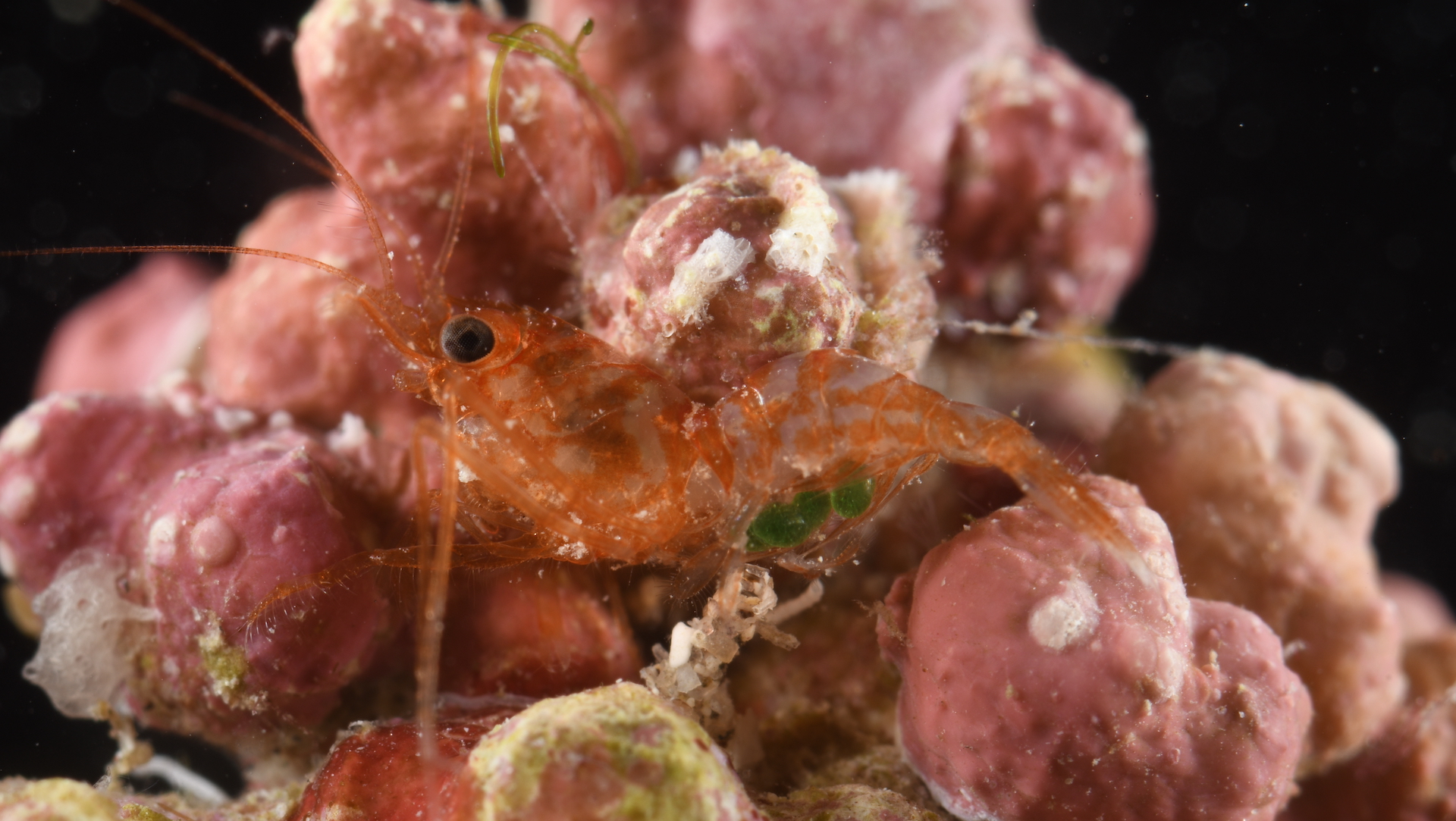
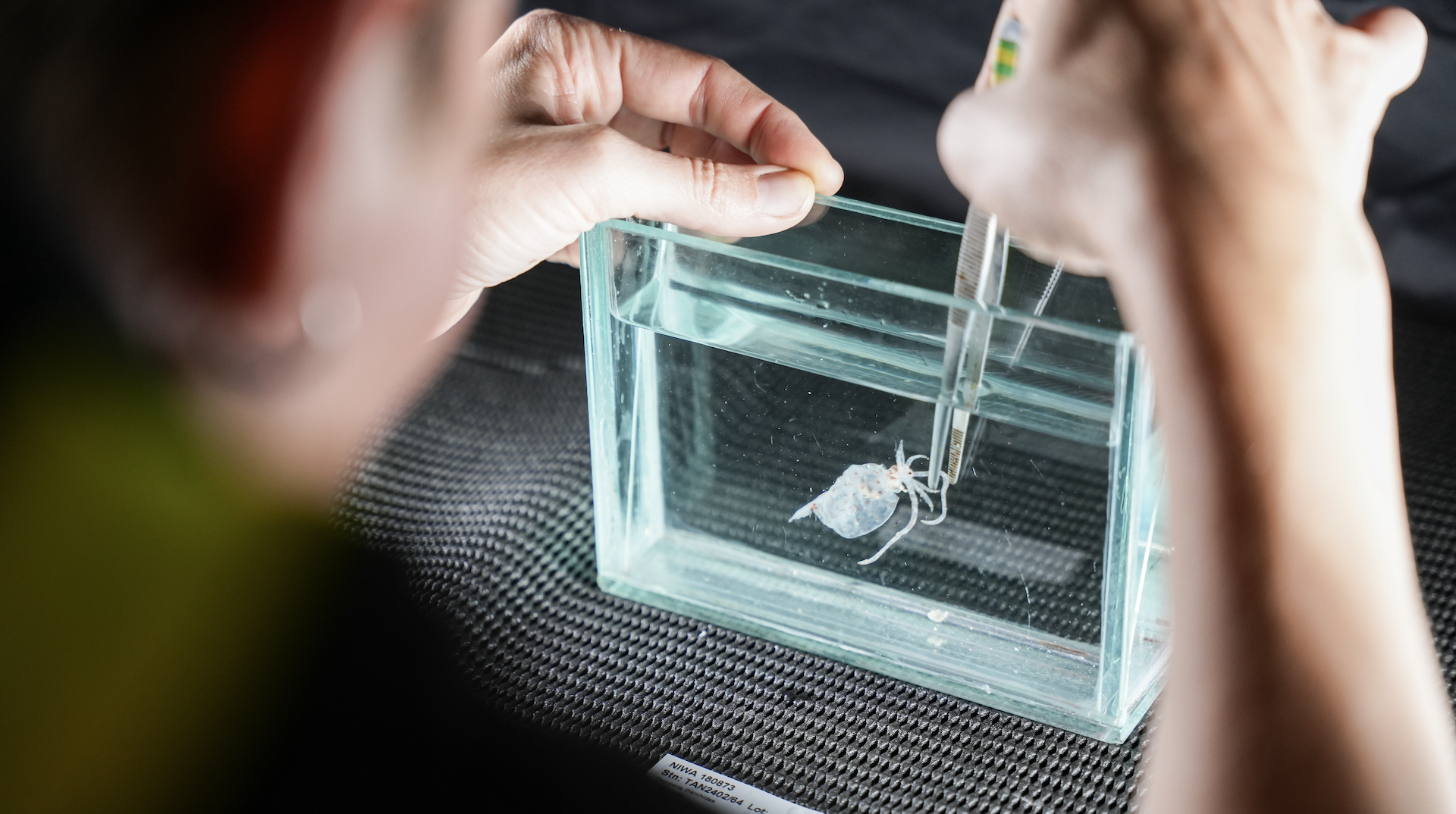
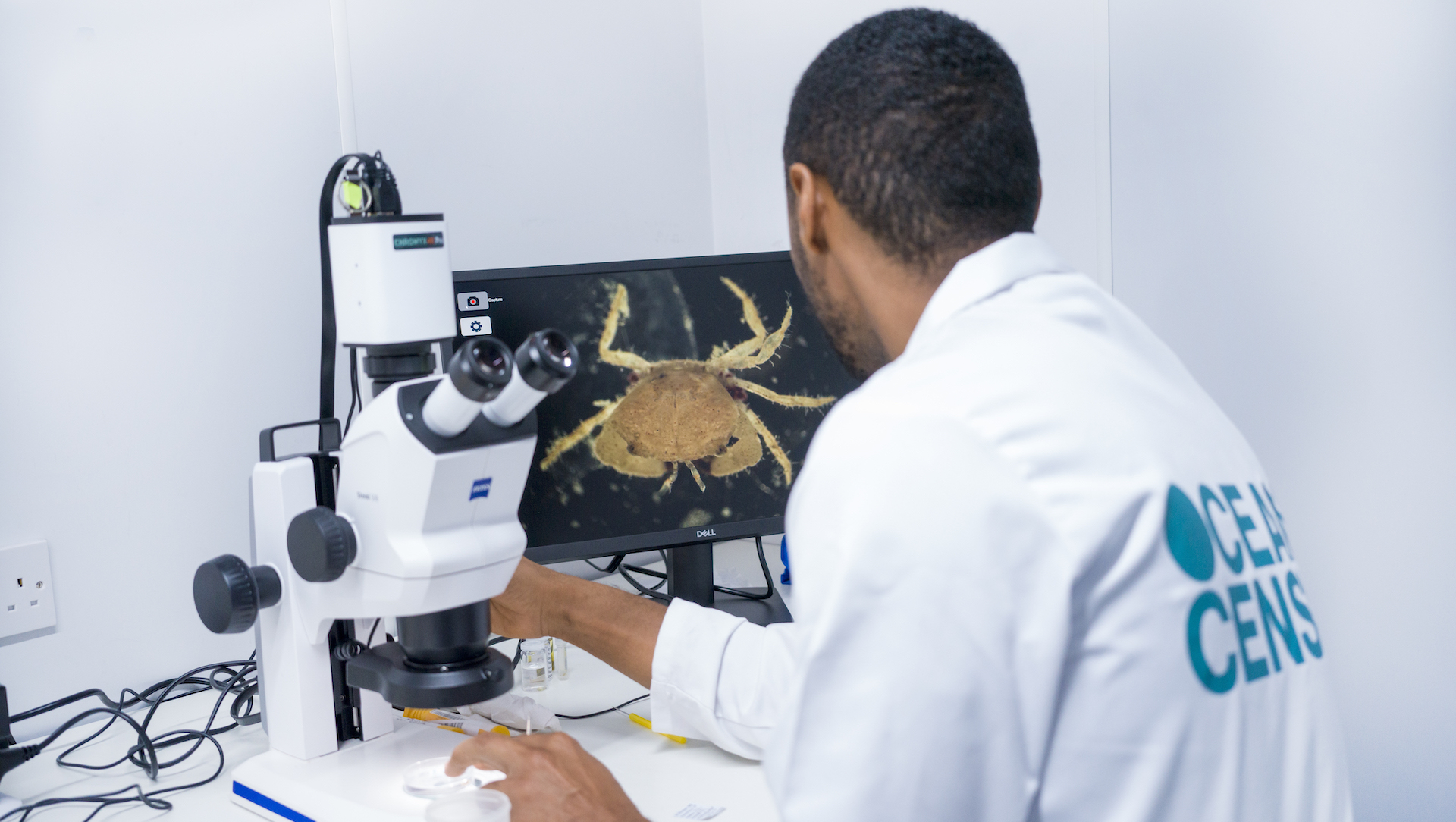
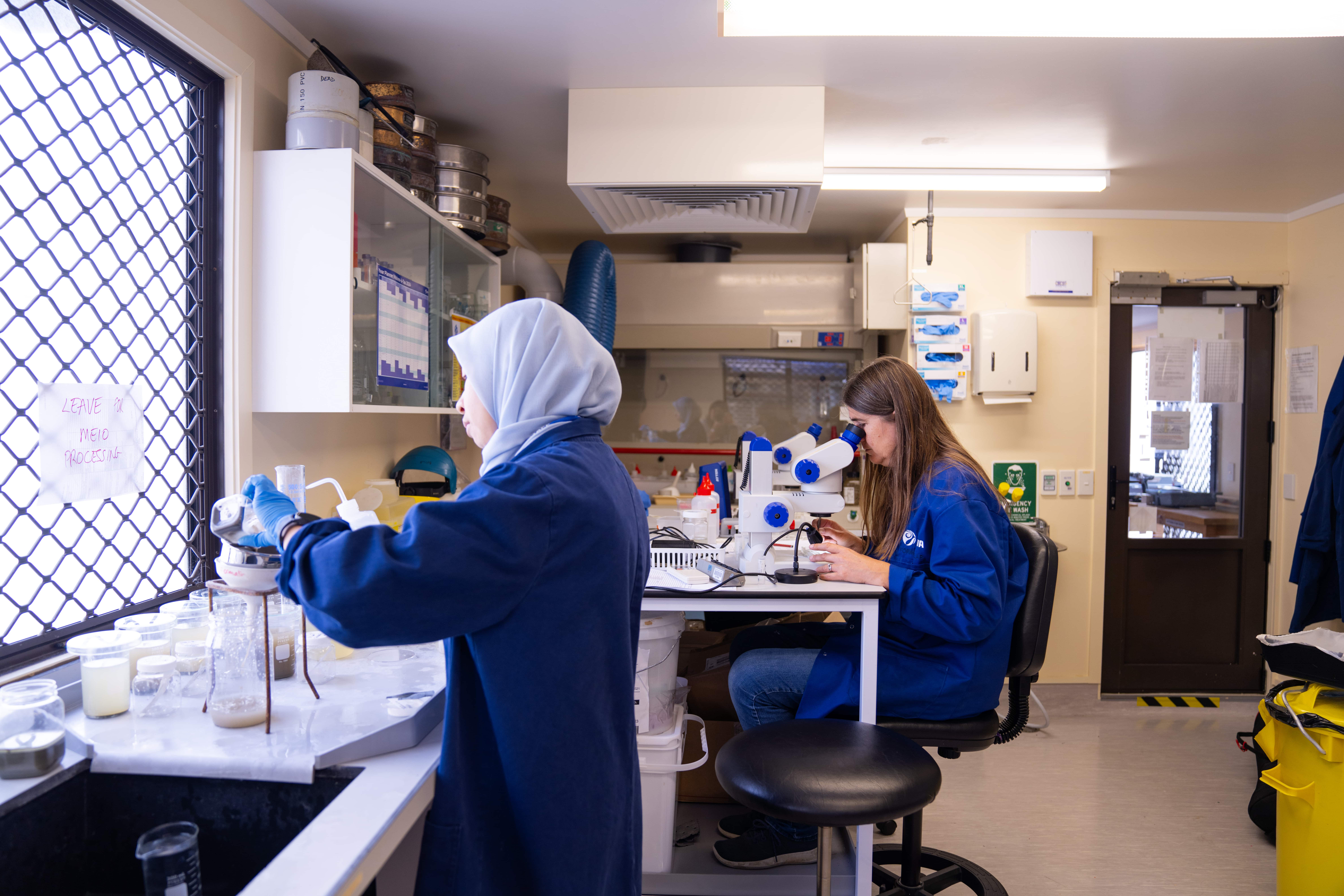
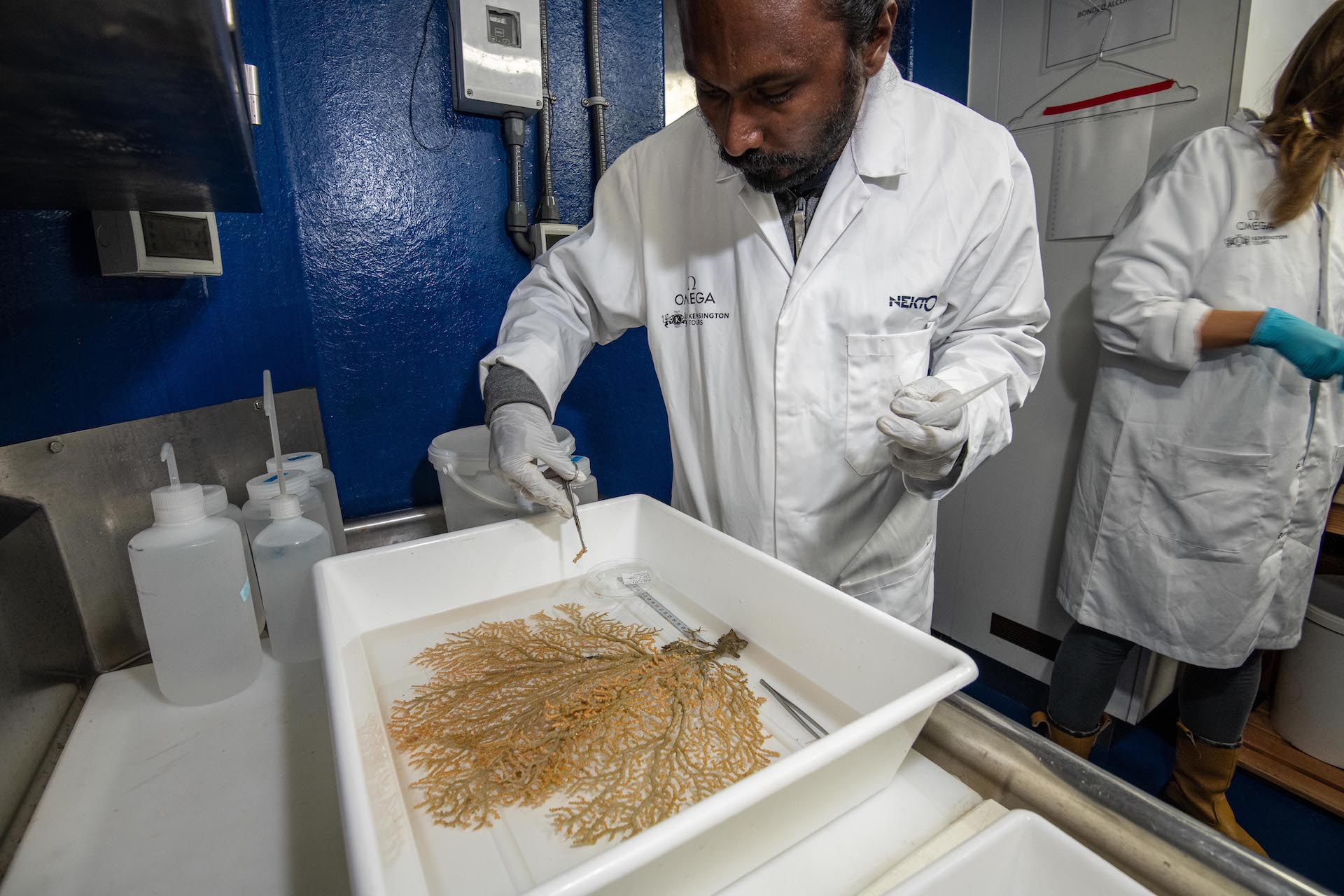
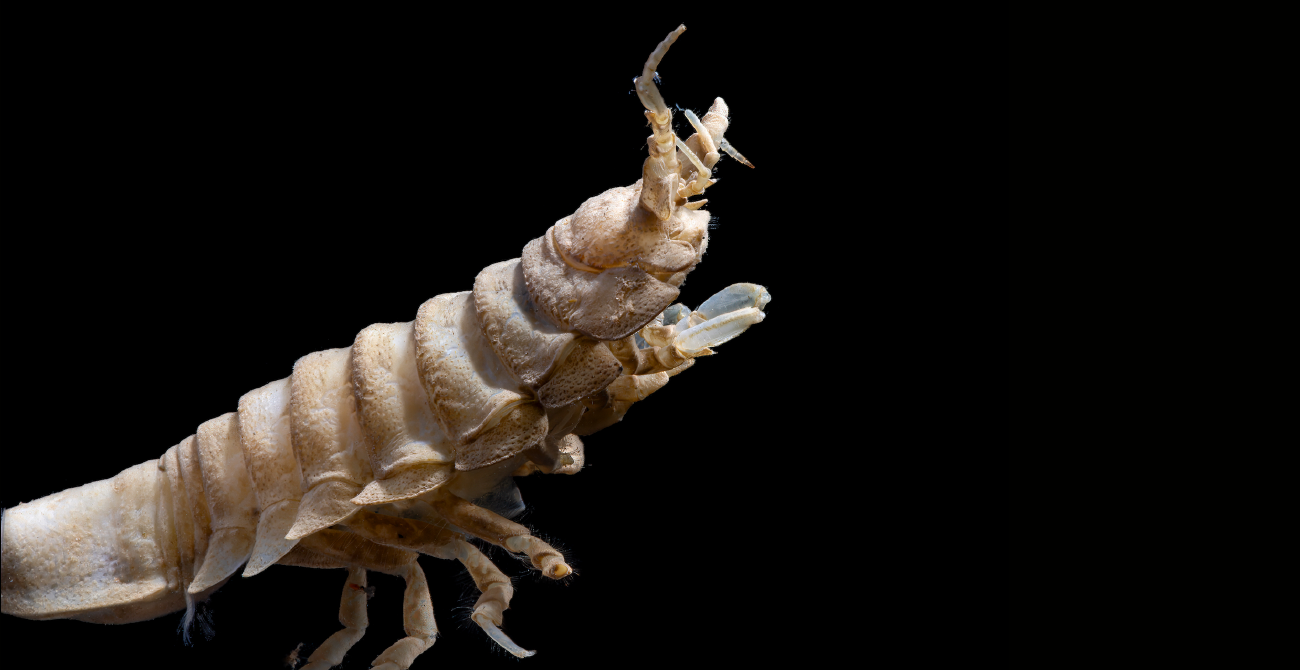
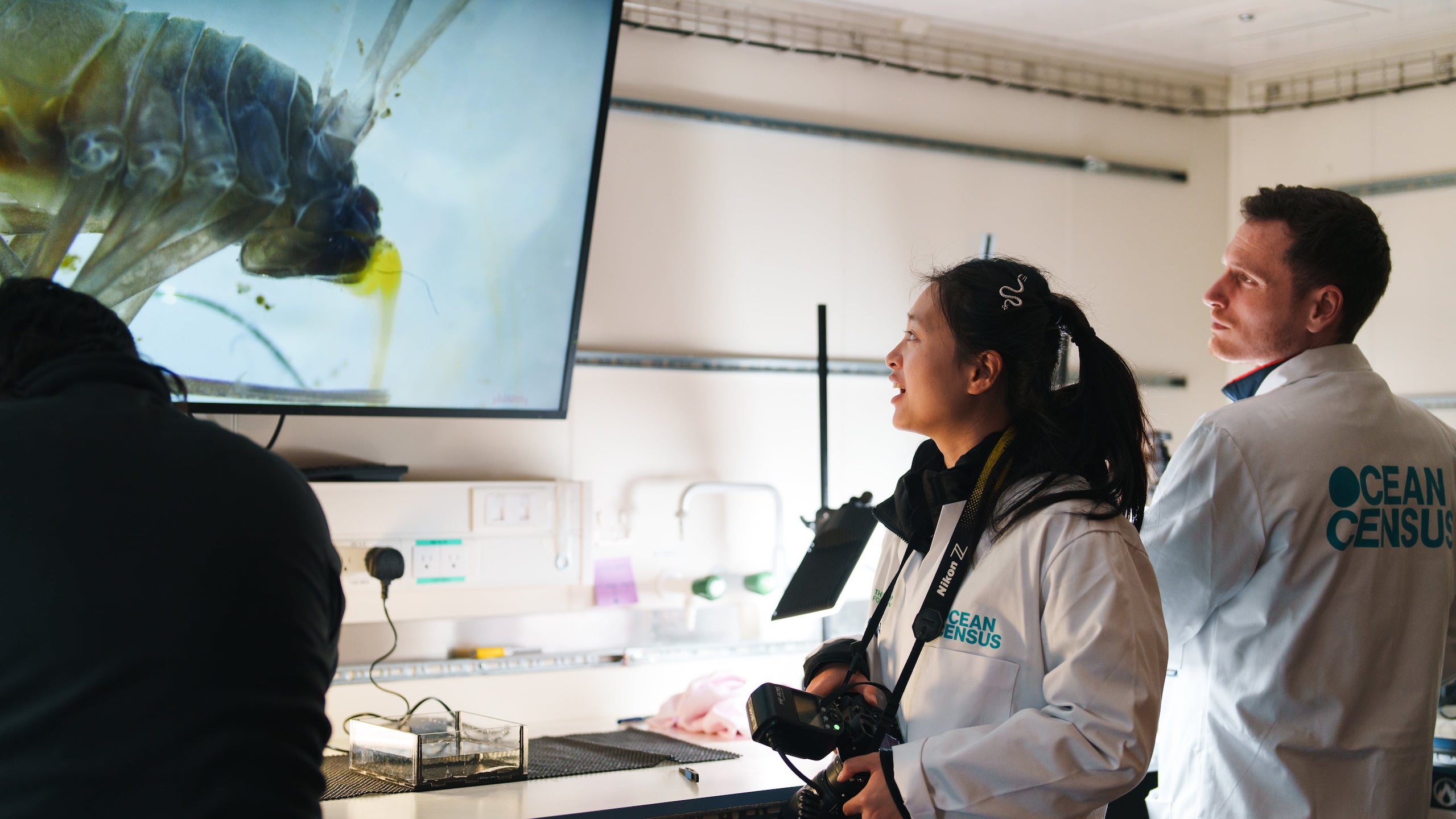
The workshop focused on identifying and cataloguing potentially new marine species collected during the expedition. Using Ocean Census protocols, participating taxonomists confirmed the uniqueness of these species based on morphology and, where relevant, genetics, creating detailed catalogue entries and high-resolution images for each candidate species.
The discoveries made at this workshop directly contributed to the Ocean Census mission to accelerate the discovery and description of marine life. All data collected will be fed into the Ocean Census Biodiversity Data Platform, providing a digital record of life forms and supporting future taxonomy and conservation science.
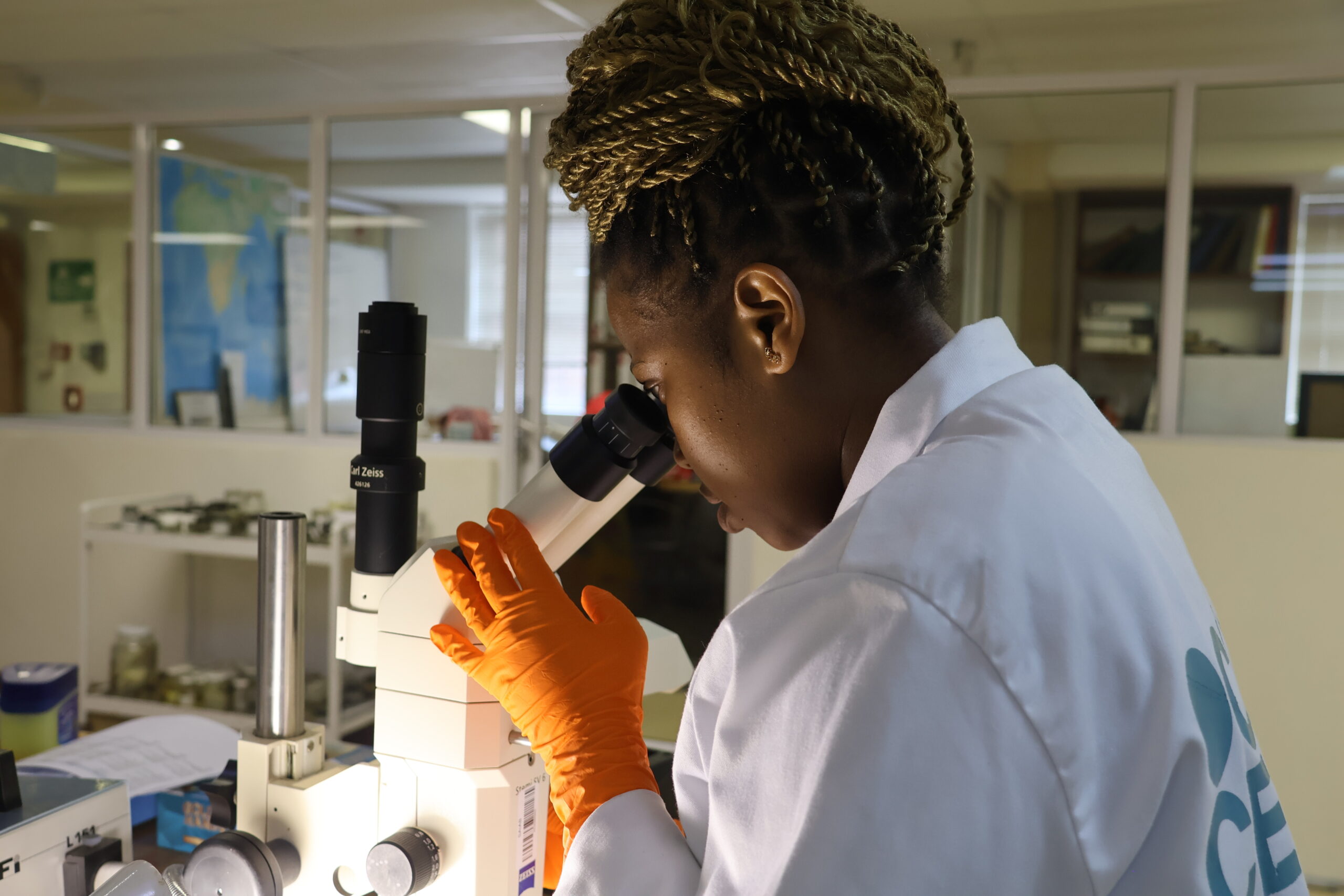
Image Credit: SAIAB
Meet the Experts
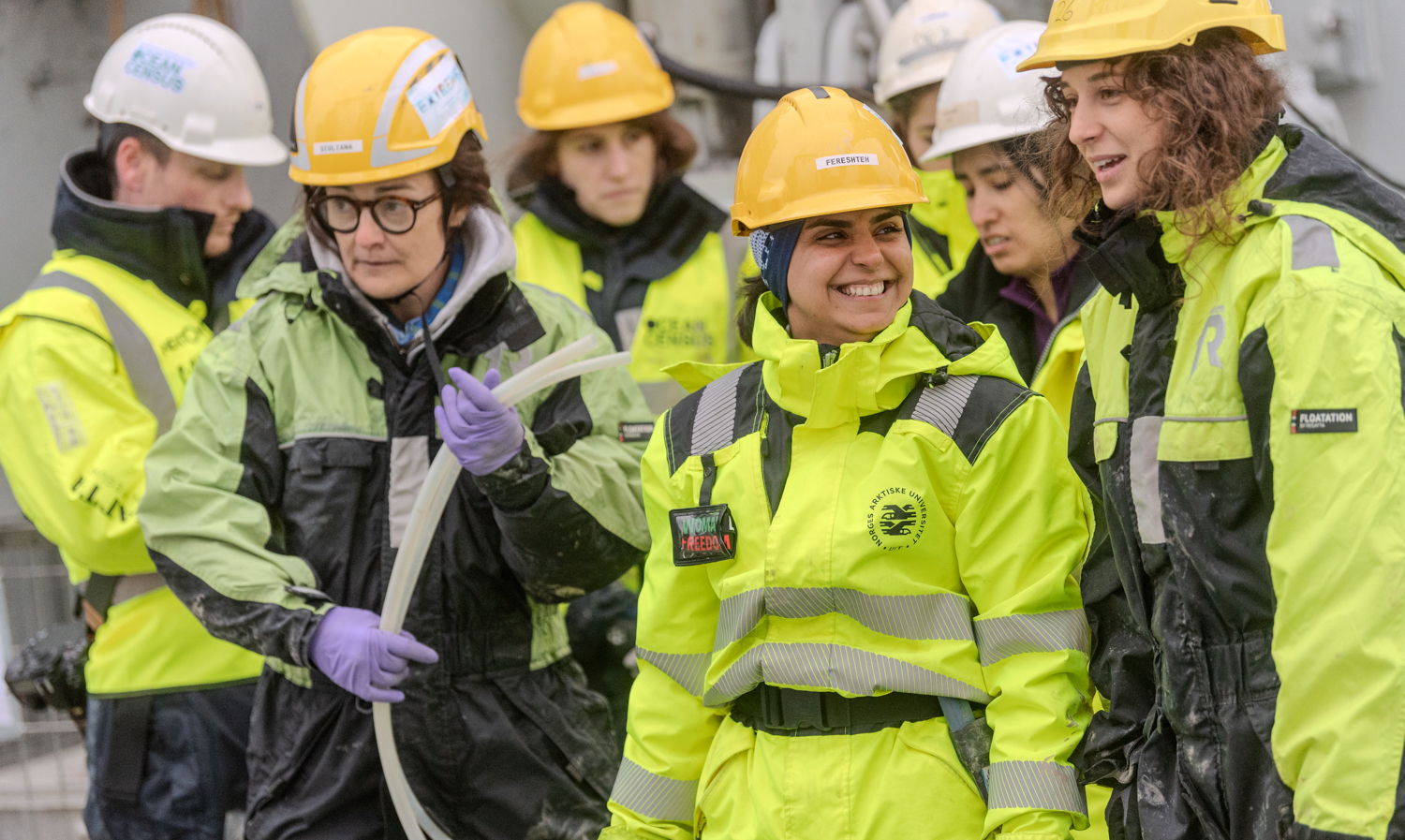
The Comoros Species Discovery Workshop will feature twelve exceptional group of scientists from diverse regions and specialisations, including:
- Toufiek Samaai – Sponges specialist, Department of Forestry, Fisheries and the Environment, Oceans and Coasts Research (South Africa)
- Liesl Janson – Sponges specialist, Department of Forestry, Fisheries and the Environment, Oceans and Coasts Research (South Africa)
- Salizwa Athenkosi Mtombeni – Sponges specialist, Department of Forestry, Fisheries and the Environment, Oceans and Coasts Research (South Africa)
- Naidine Haricombe – Sponges specialist, Cape Peninsula University of Technology (South Africa)
- Zaankidine Diamine – Training, Marine and Coastal Sciences Laboratory (LSML) at the University of the Comoros (Comoros)
- Madi Abdillah – Training, Directorate of Fisheries Resource Management (DGRH) (Comoros)
- Isabel Núñez – Coral Specialist, University of Technology Sydney and IUCN (Australia)
- Anja Erasmus – Isopod Specialist, North-West University, Water Research Group (South Africa)
- Amoré Malan – Generalist, Anchor Environmental (South Africa)
- Laetitia Gunton – Polychaete Specialist, University of Southampton (United Kingdom)
- Marek Lipinski – Cephalopod, Rhodes University (South Africa)
- Shirley Parker-Nance – Tunicate Specialist, South African Environmental Observation Network (South Africa)
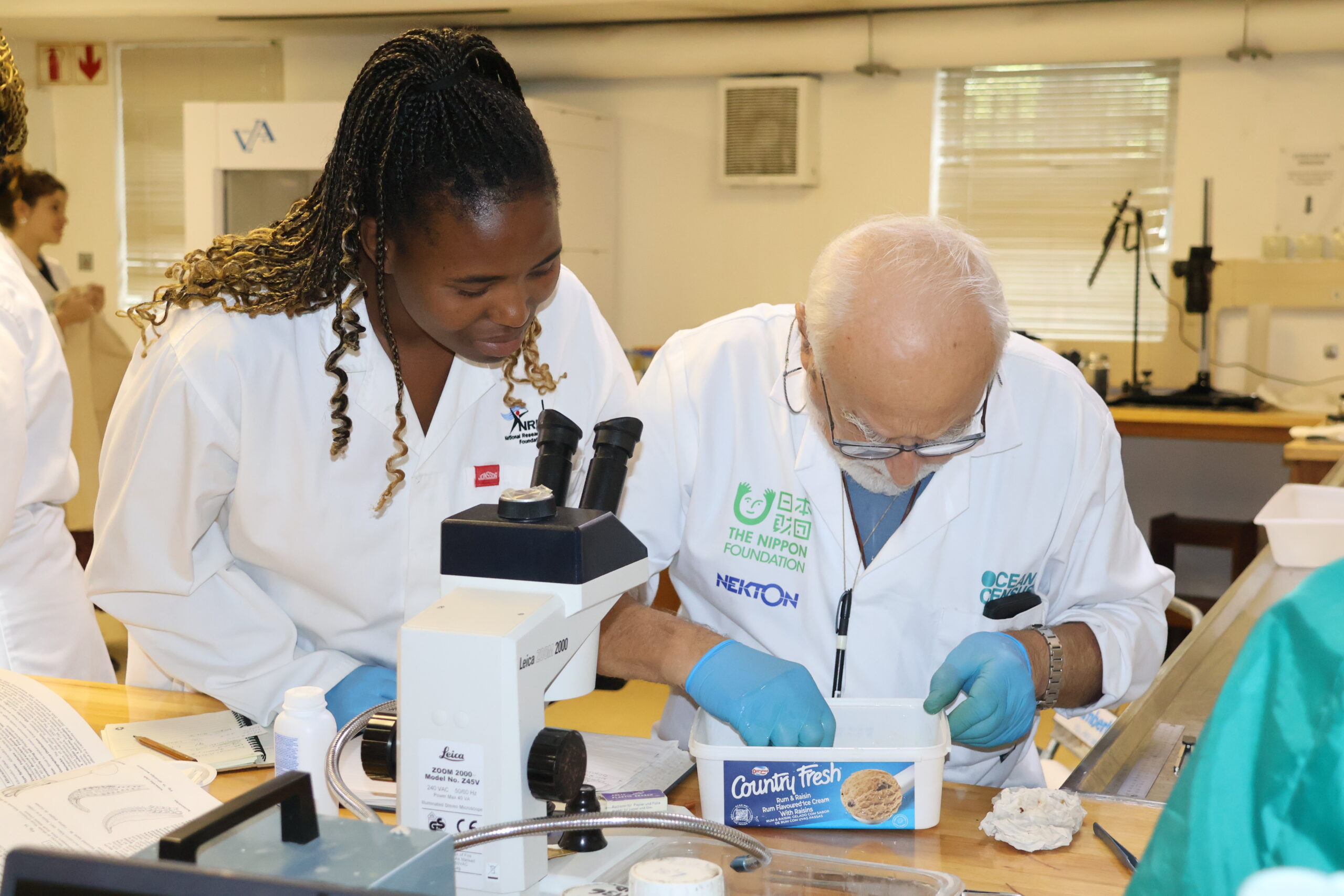
Image Credit: SAIAB
Workshop Hosts:
- Roger Bills – SAIAB
- Nkosinathi Mazungula – SAIAB
- Zinzi Somana – SAIAB
- Nonkoliso Mgibantaka – SAIAB
- Urielle Kayumba – Rhodes University
Ocean Census Team
- Lucy Woodall – Principal Investigator, Ocean Census/Nekton
- Nuria Rico Seijo – Lab Manager, Ocean Census/Nekton
- Nina de Villiers – Research Scientist, Ocean Census/Nekton
Why It Matters
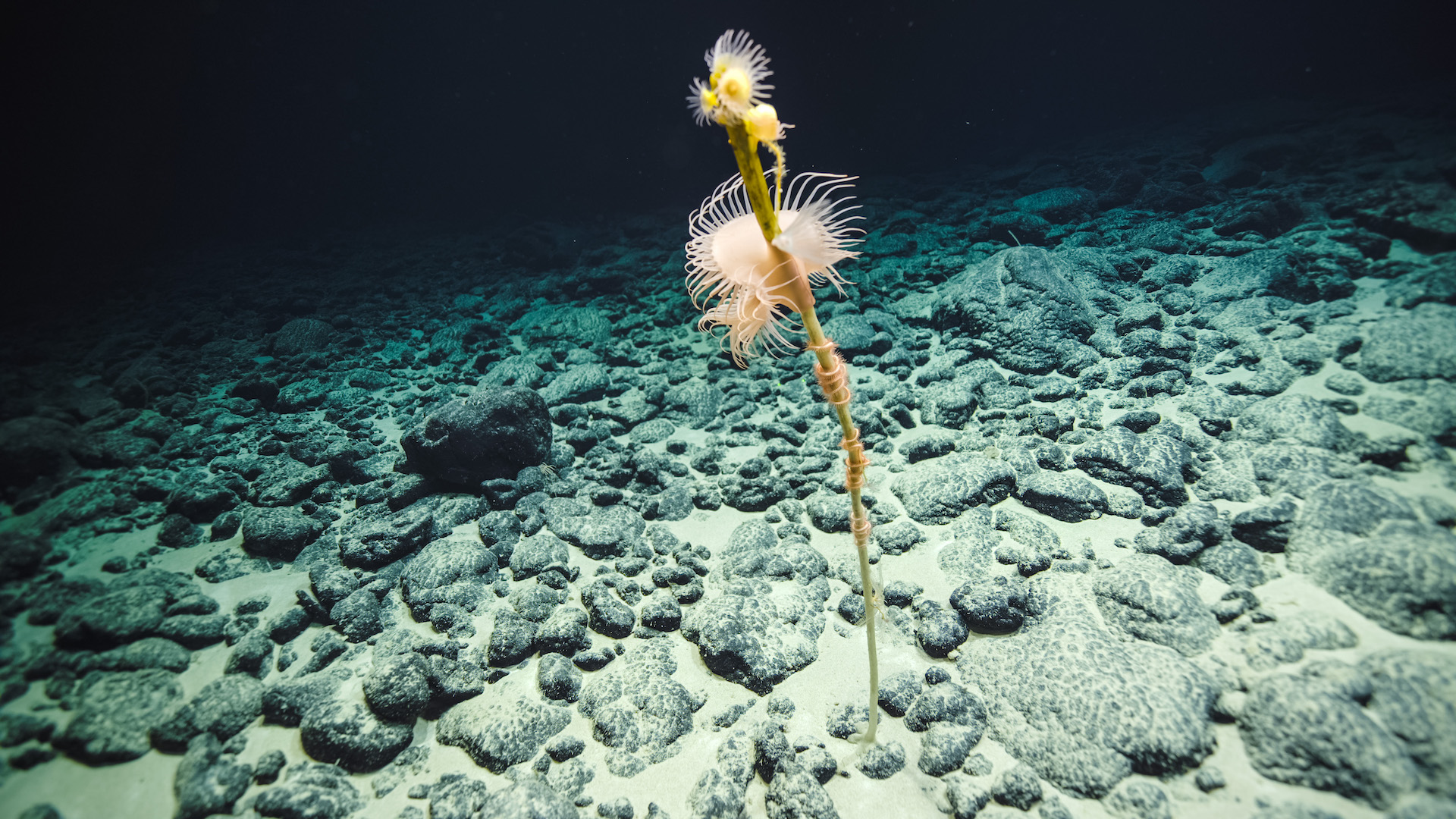
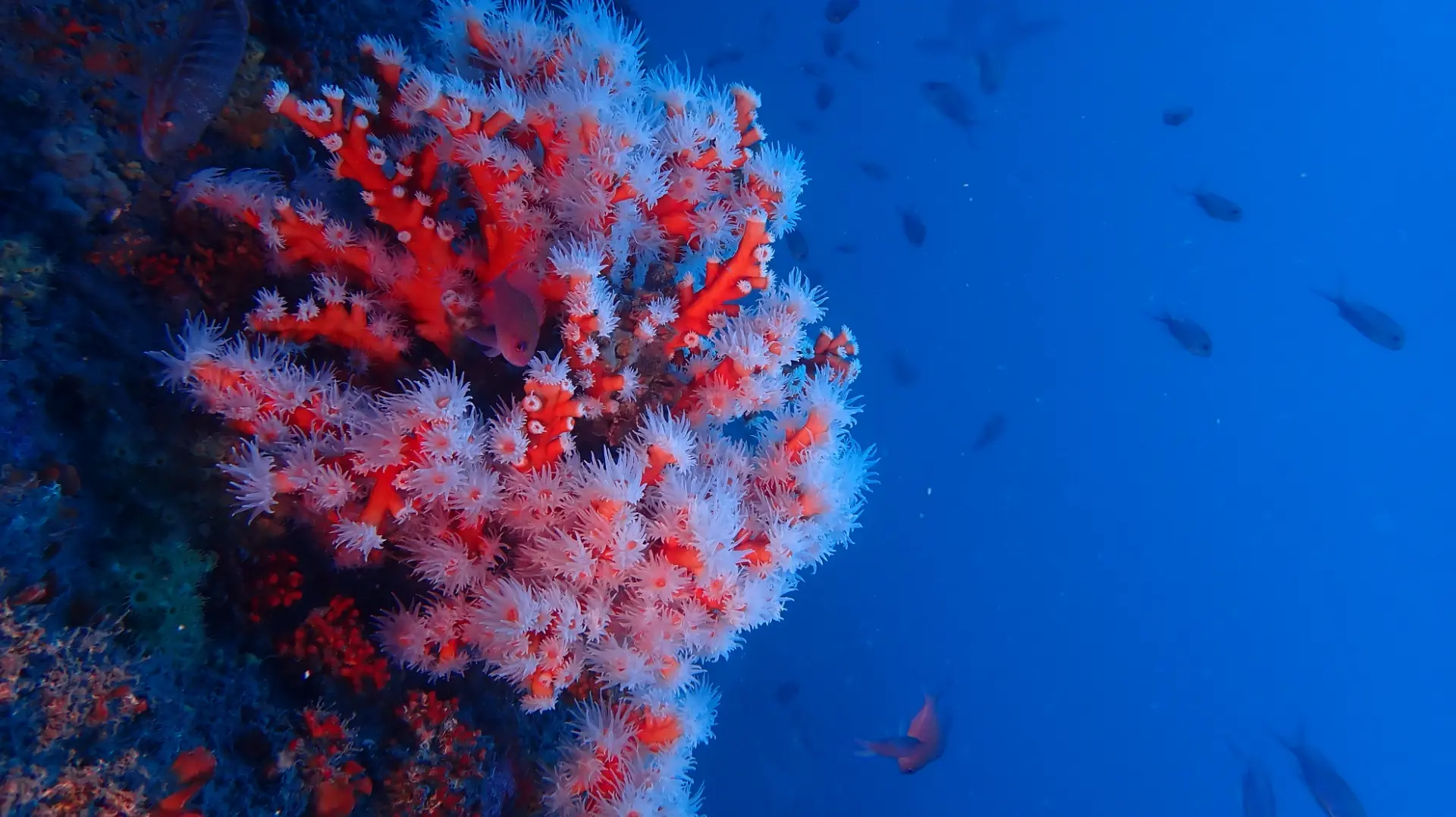
The waters around the Comoros archipelago, nestled in the Mozambique Channel, are some of the most biodiverse yet least studied marine ecosystems on the planet. The First Descent mission’s initial observations — including evidence of vibrant deep-water life and healthy reef communities far below typical diving depths — underscore a world brimming with ecological complexity.
By bringing global experts together with invaluable biological material, the workshop fills critical knowledge gaps and drives forward taxonomy, biodiversity science, and conservation in the Comoros region. Every new species confirmed brings us one step closer to building a more complete picture of the complexity of these ecosystems, and empowering ocean nations to inform marine policy.
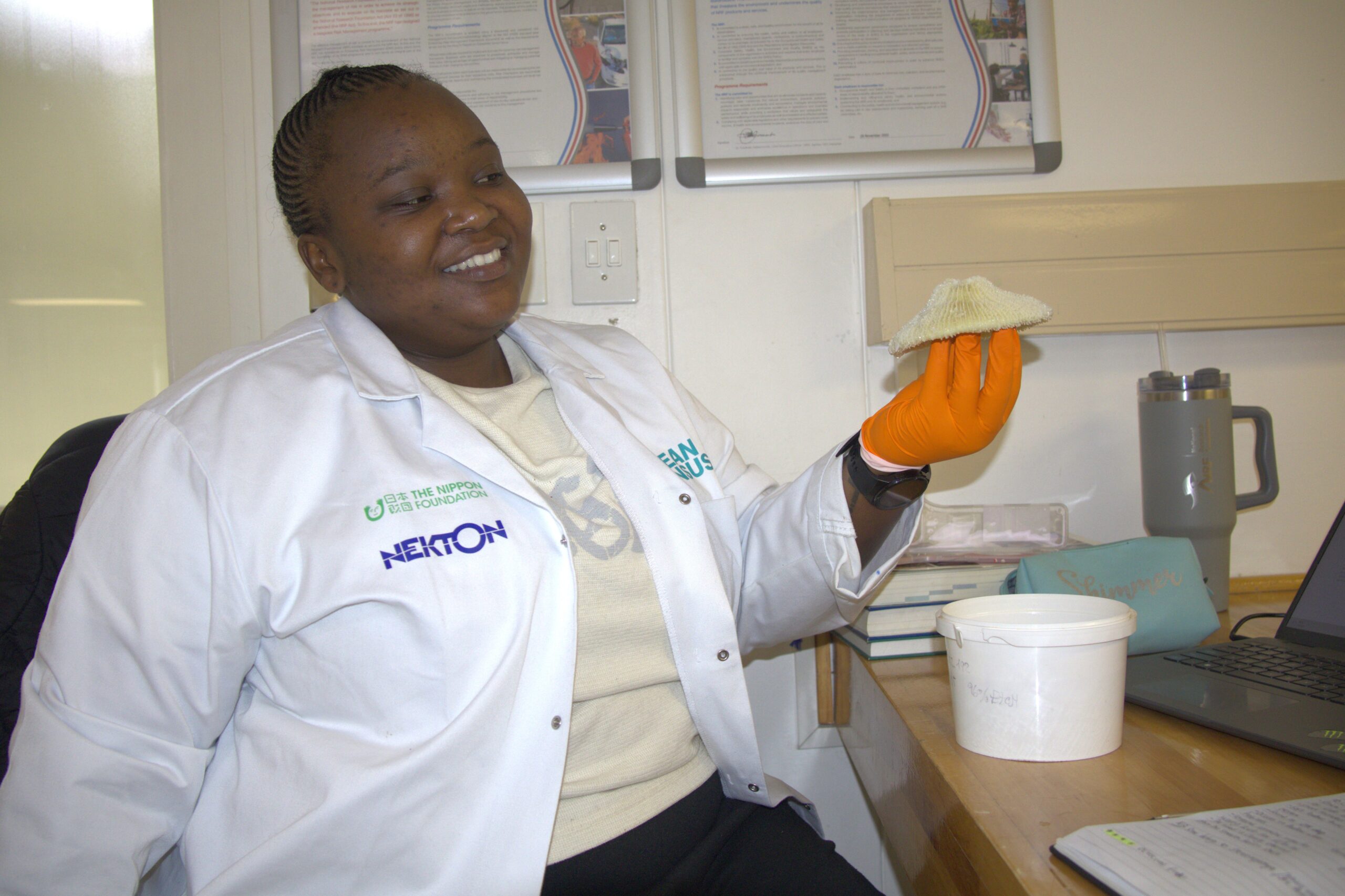
Image Credit: SAIAB
Related News
Join the census
The Ocean Census Alliance unites national and philanthropic marine institutes, museums, and universities, backed by governments, philanthropy, business and civil society partners.


