








OceanX
Timor-Leste
North and North-East Coast and Jaco Island
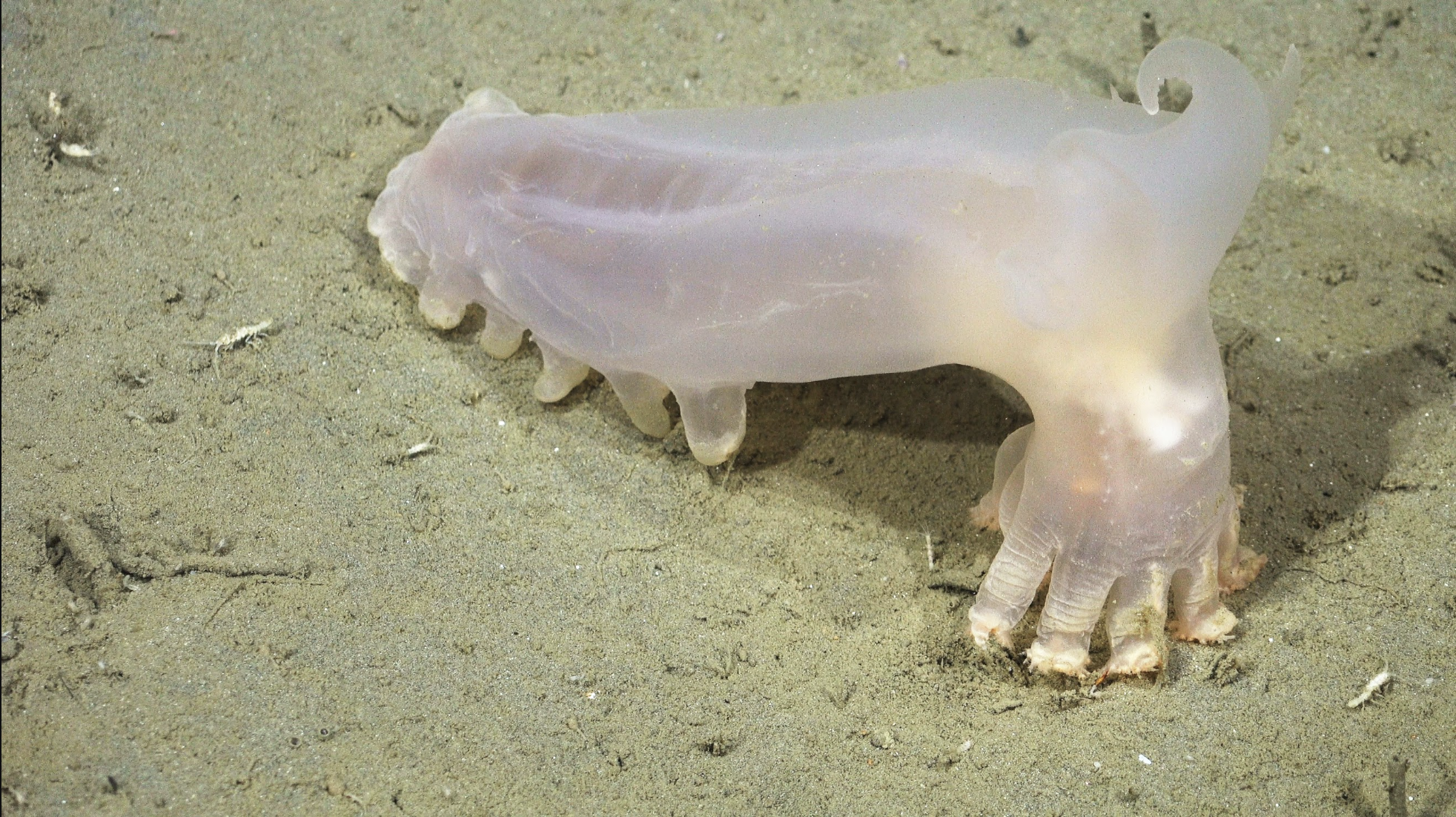
The Ocean Census-OceanX Timor-Leste expedition is a 31-day research mission led by OceanX, and in partnership with the Government of Timor-Leste, the National University of Timor-Leste (UNTL) and the National University of Singapore (NUS).
Overview
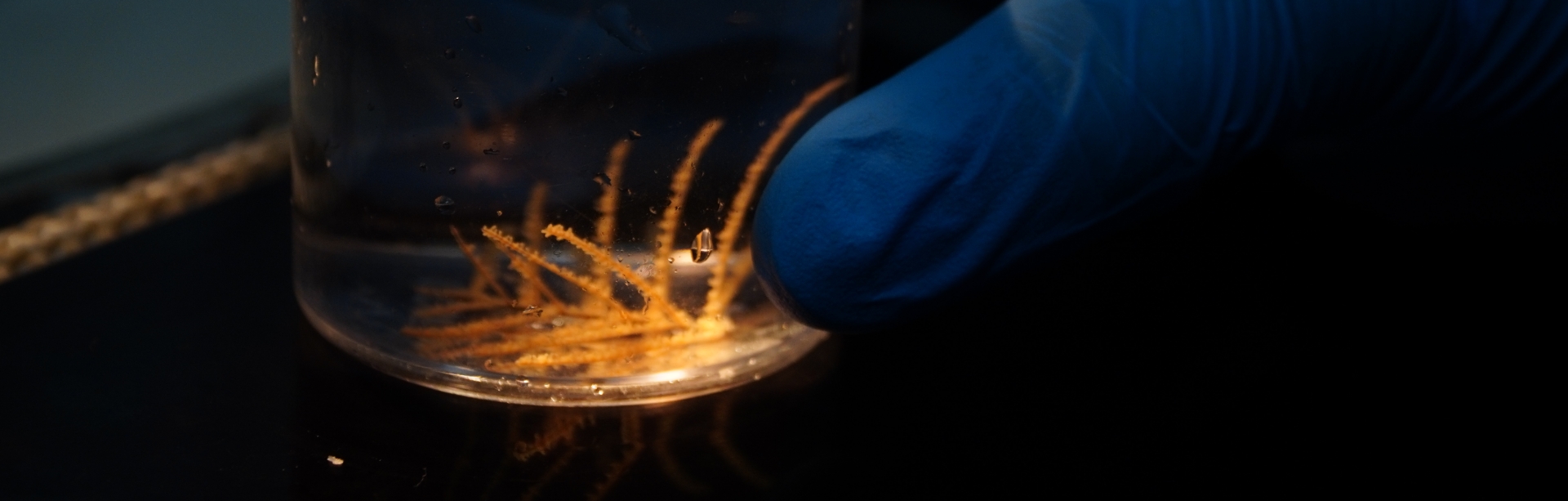
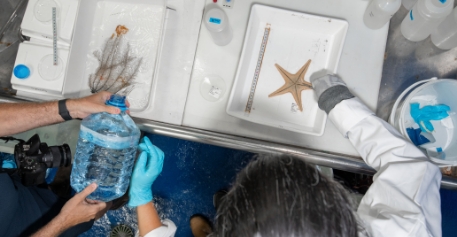
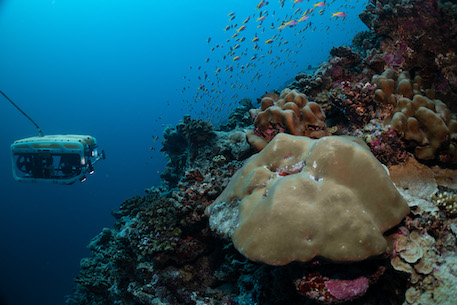
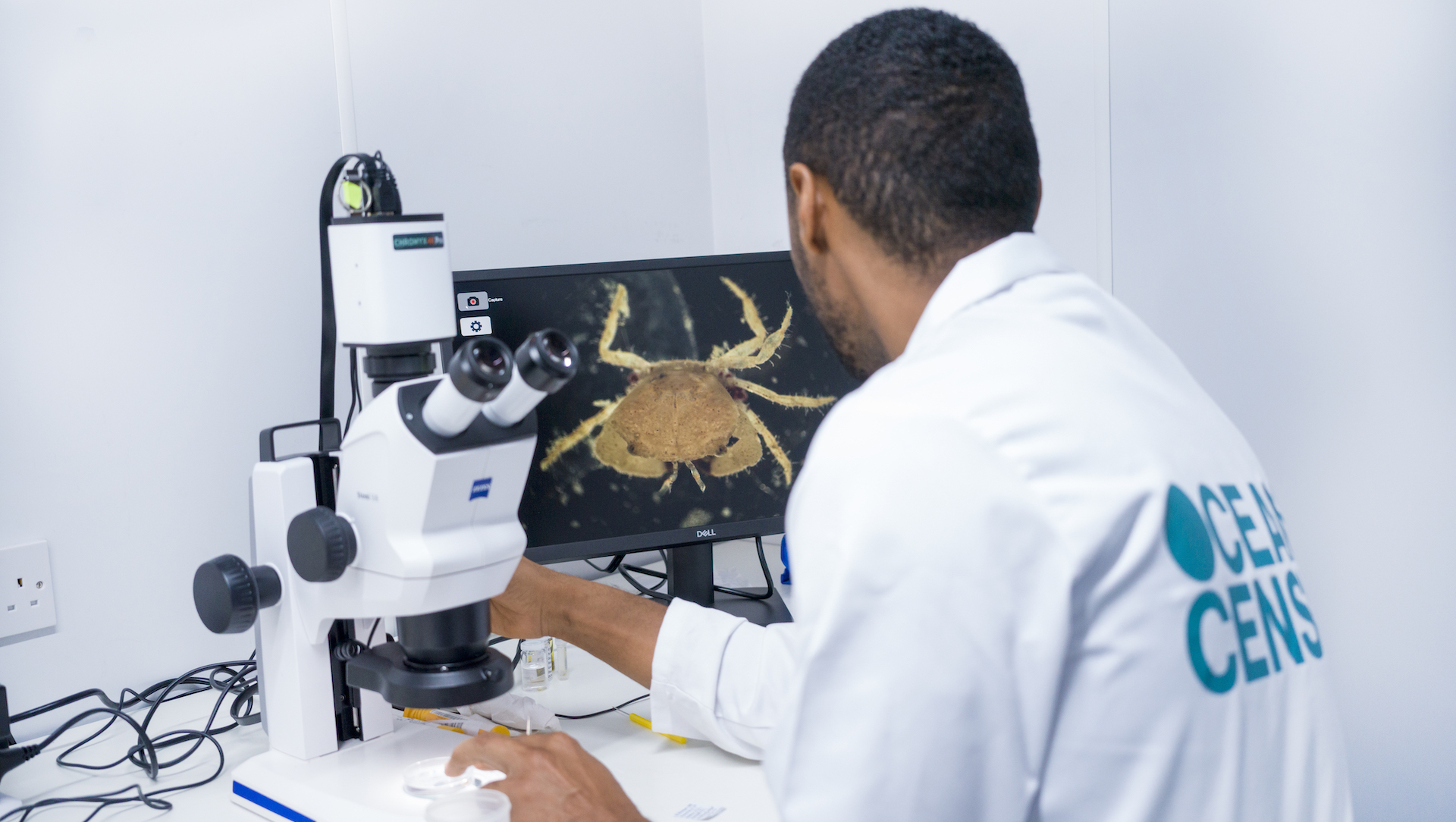
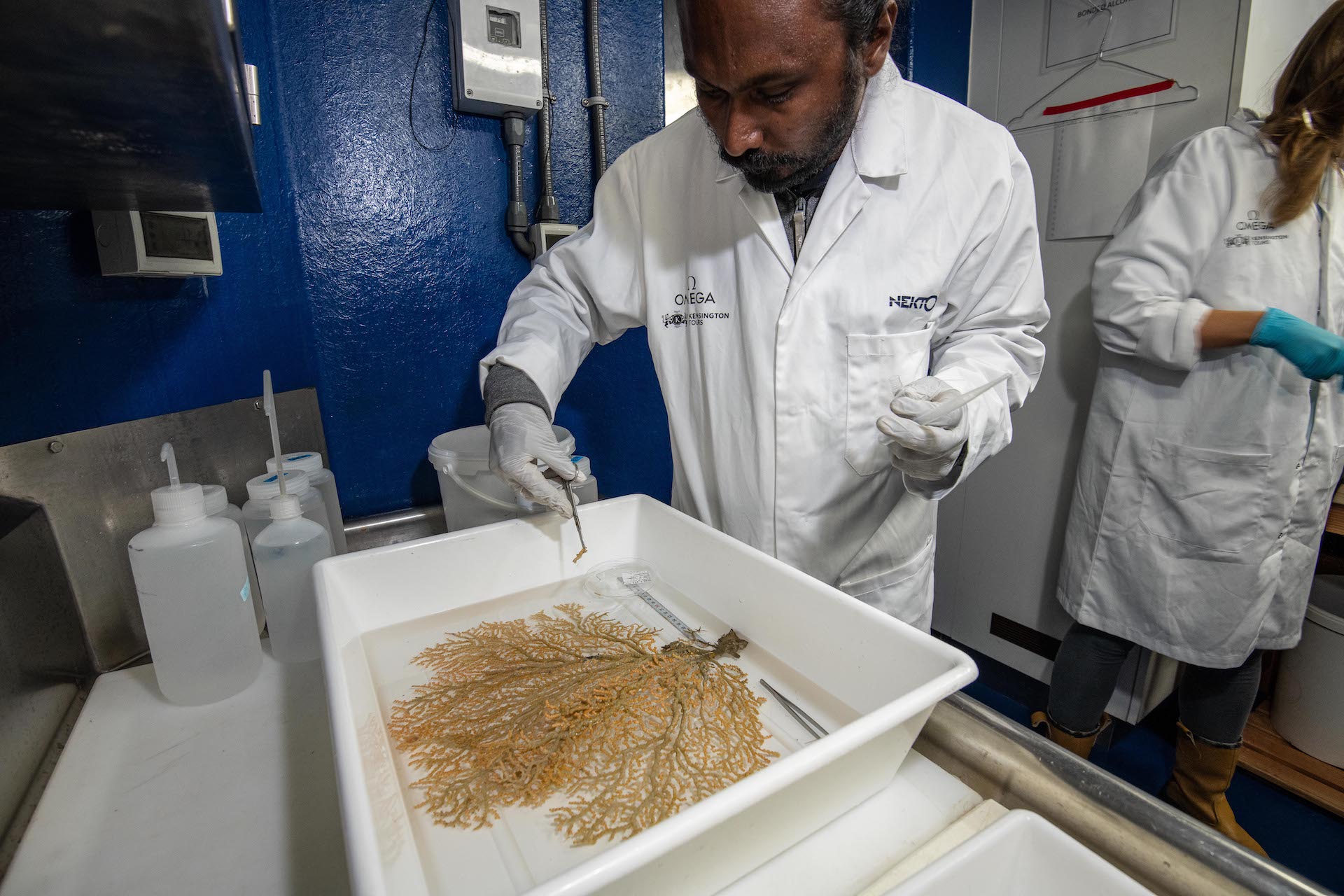
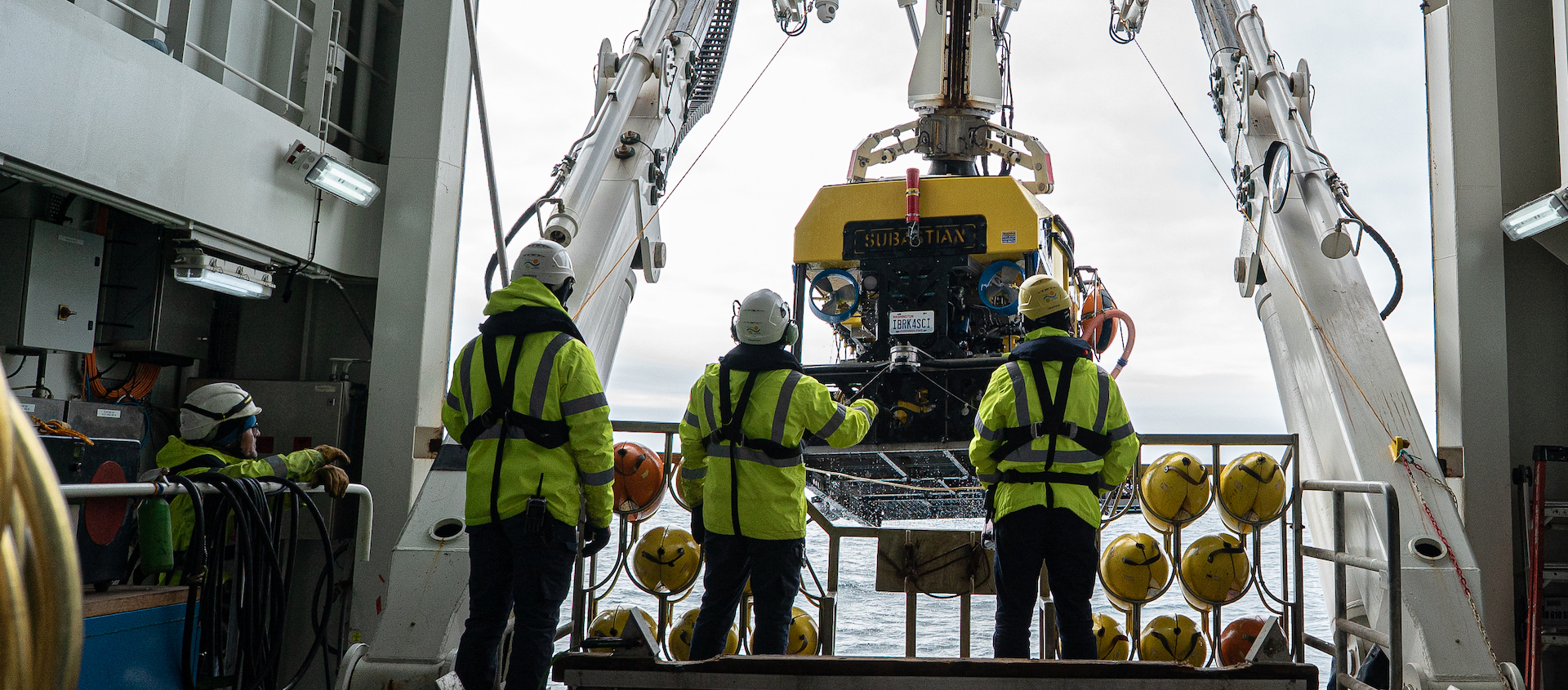
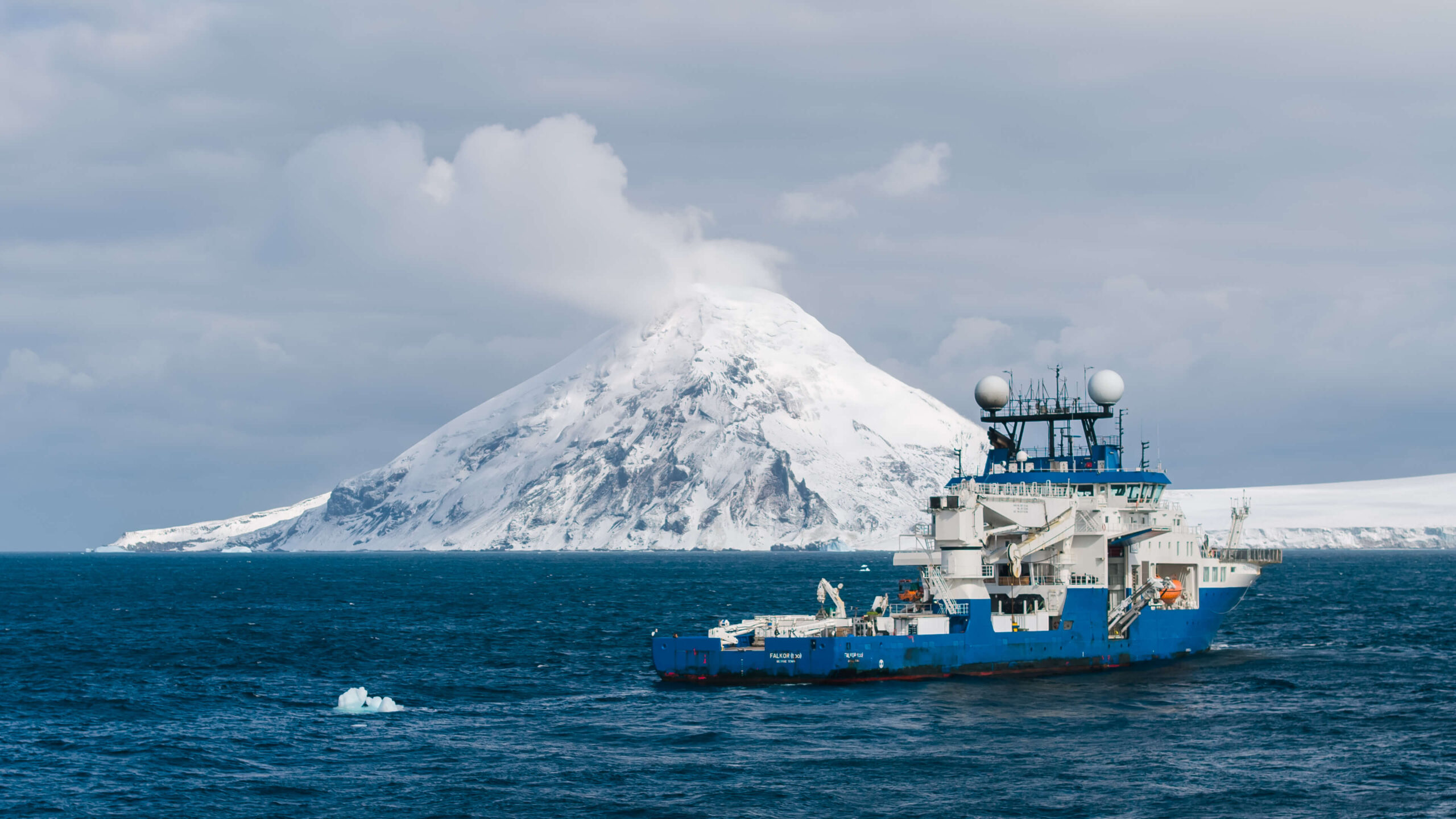
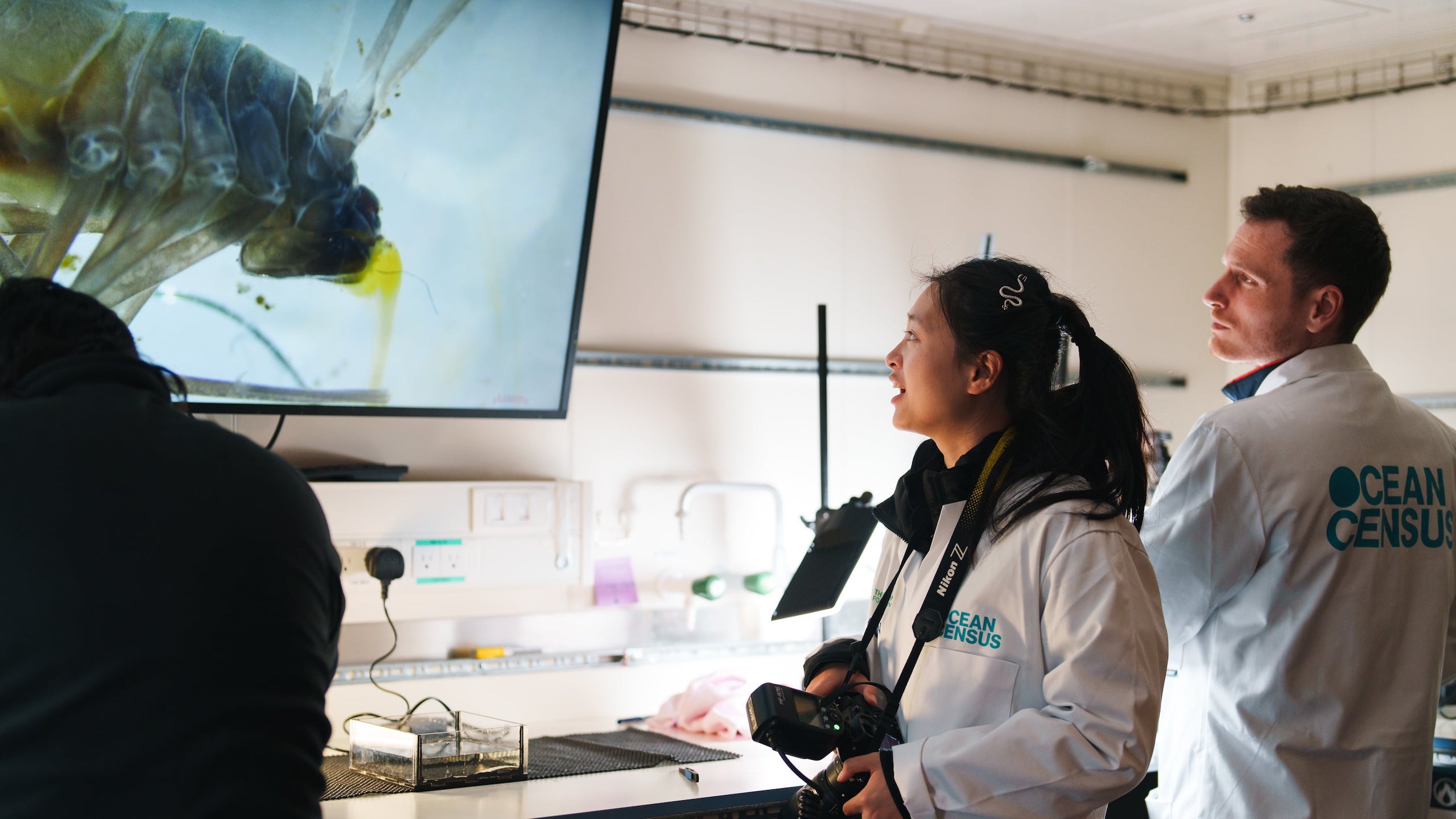
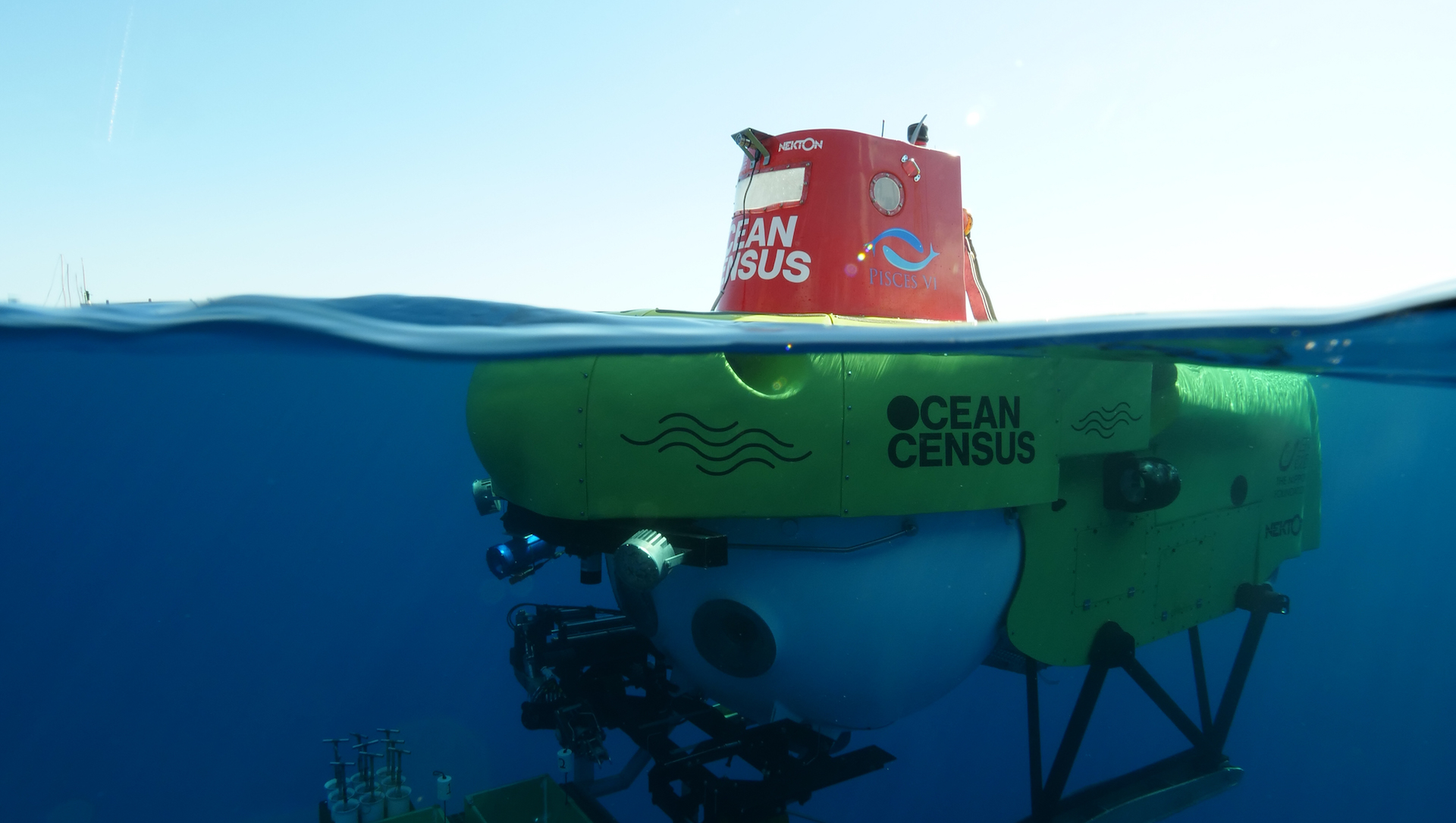
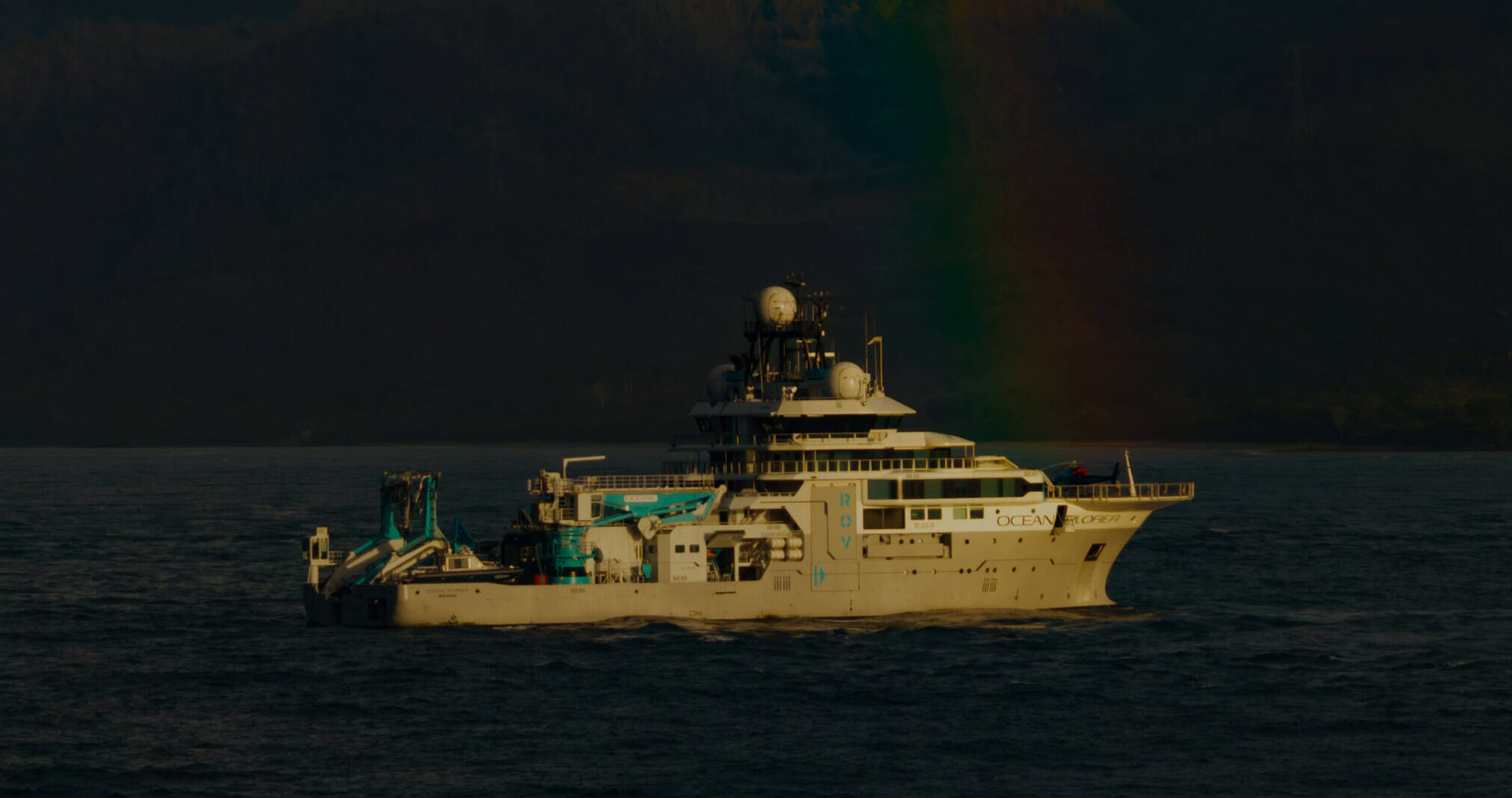
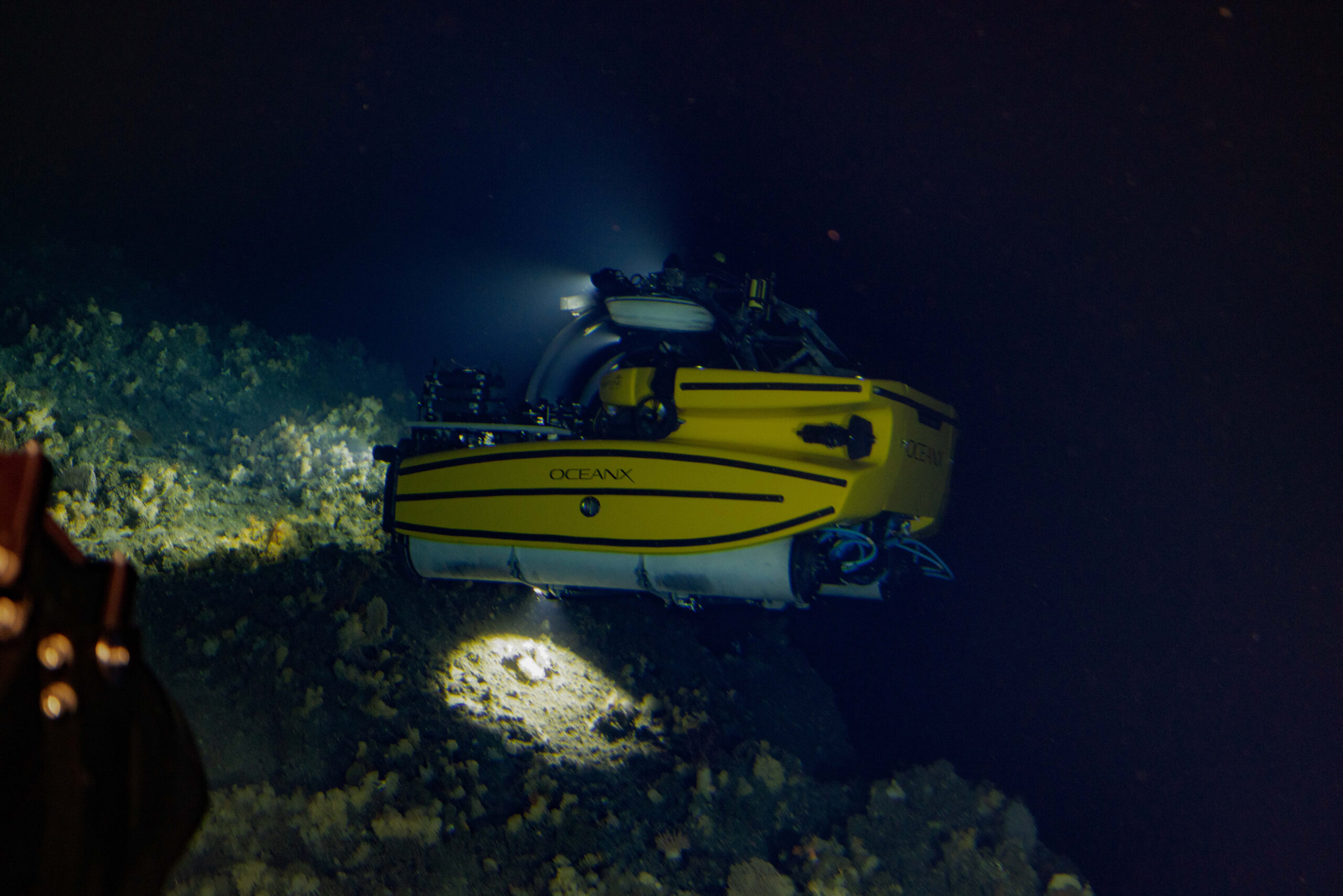
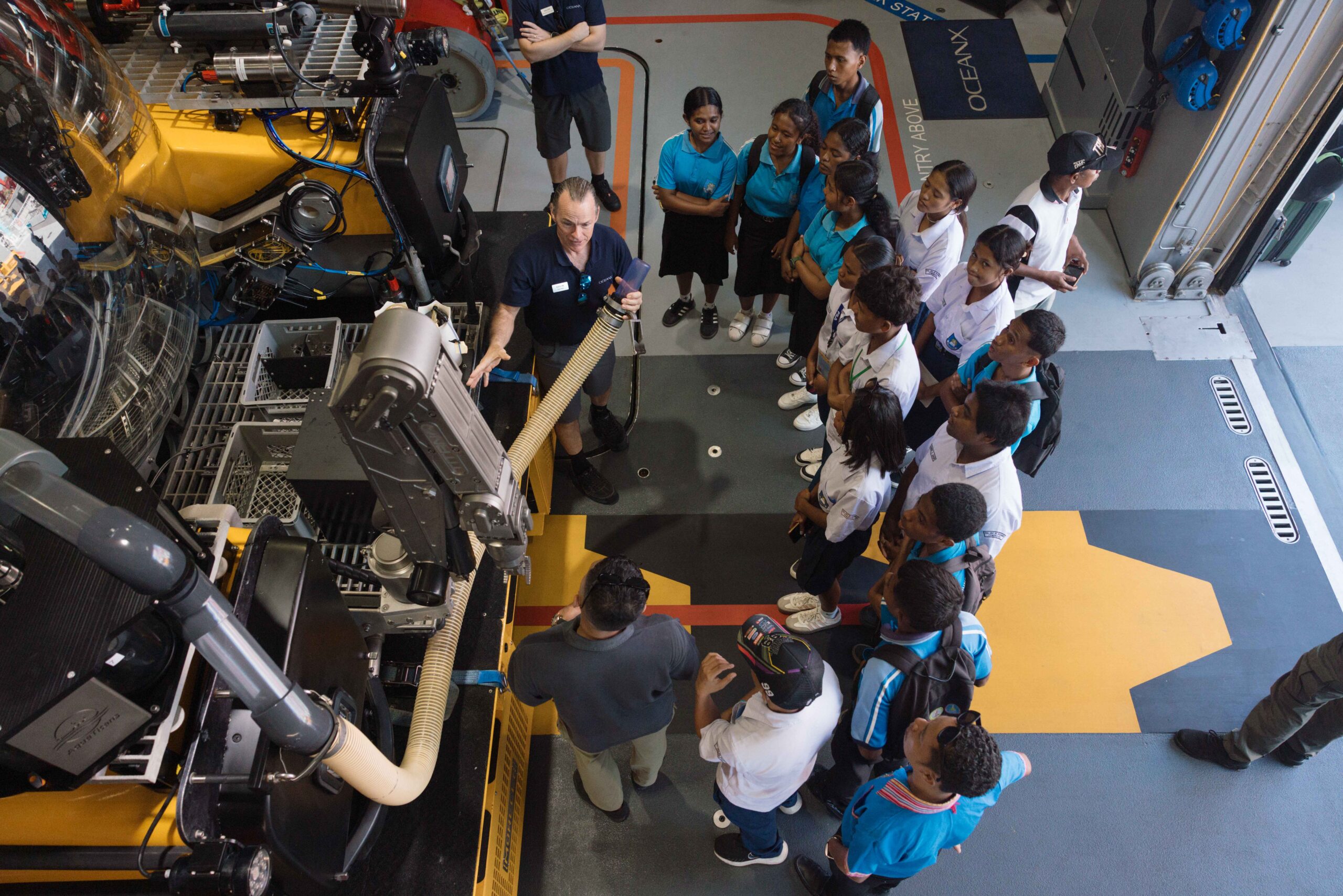
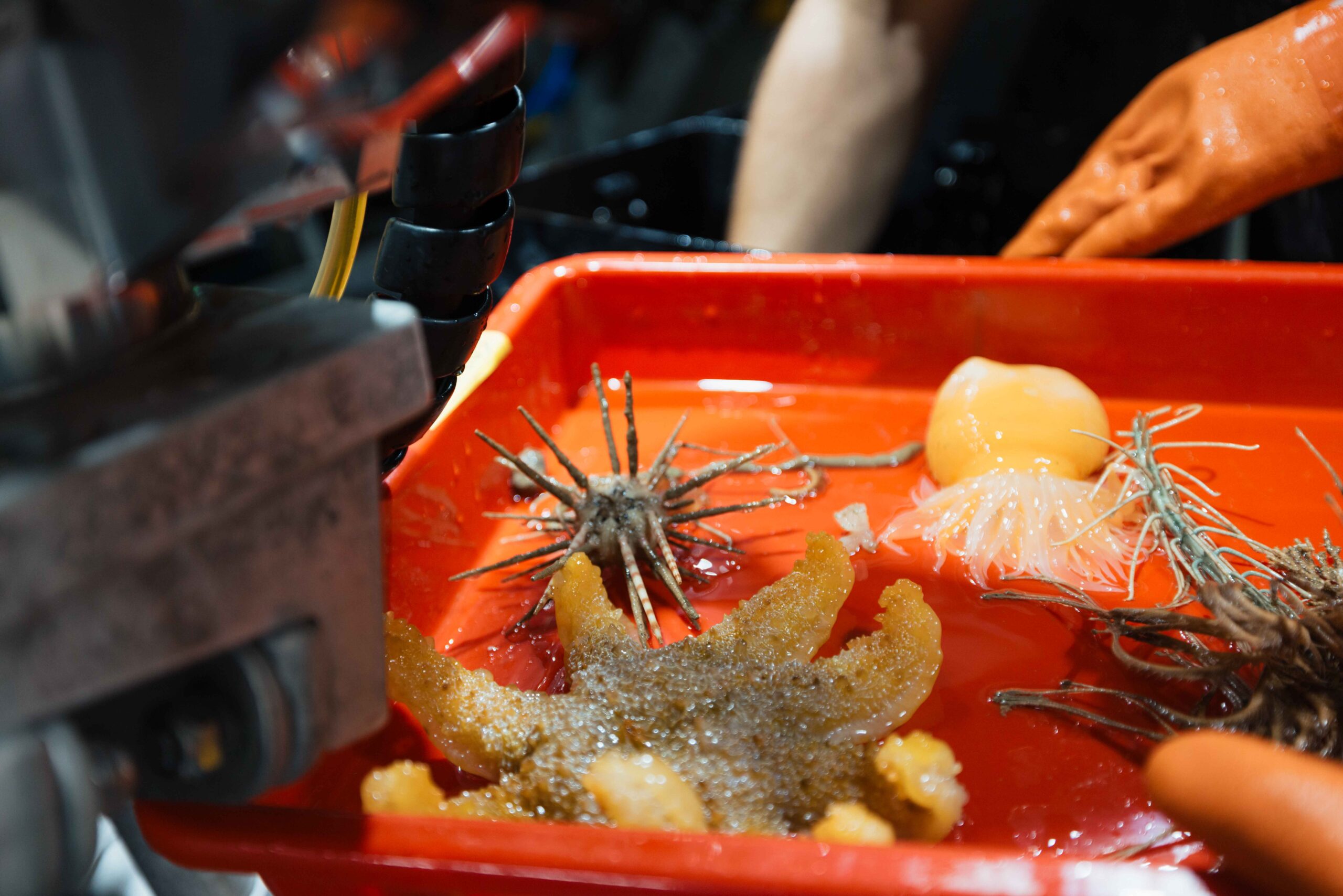
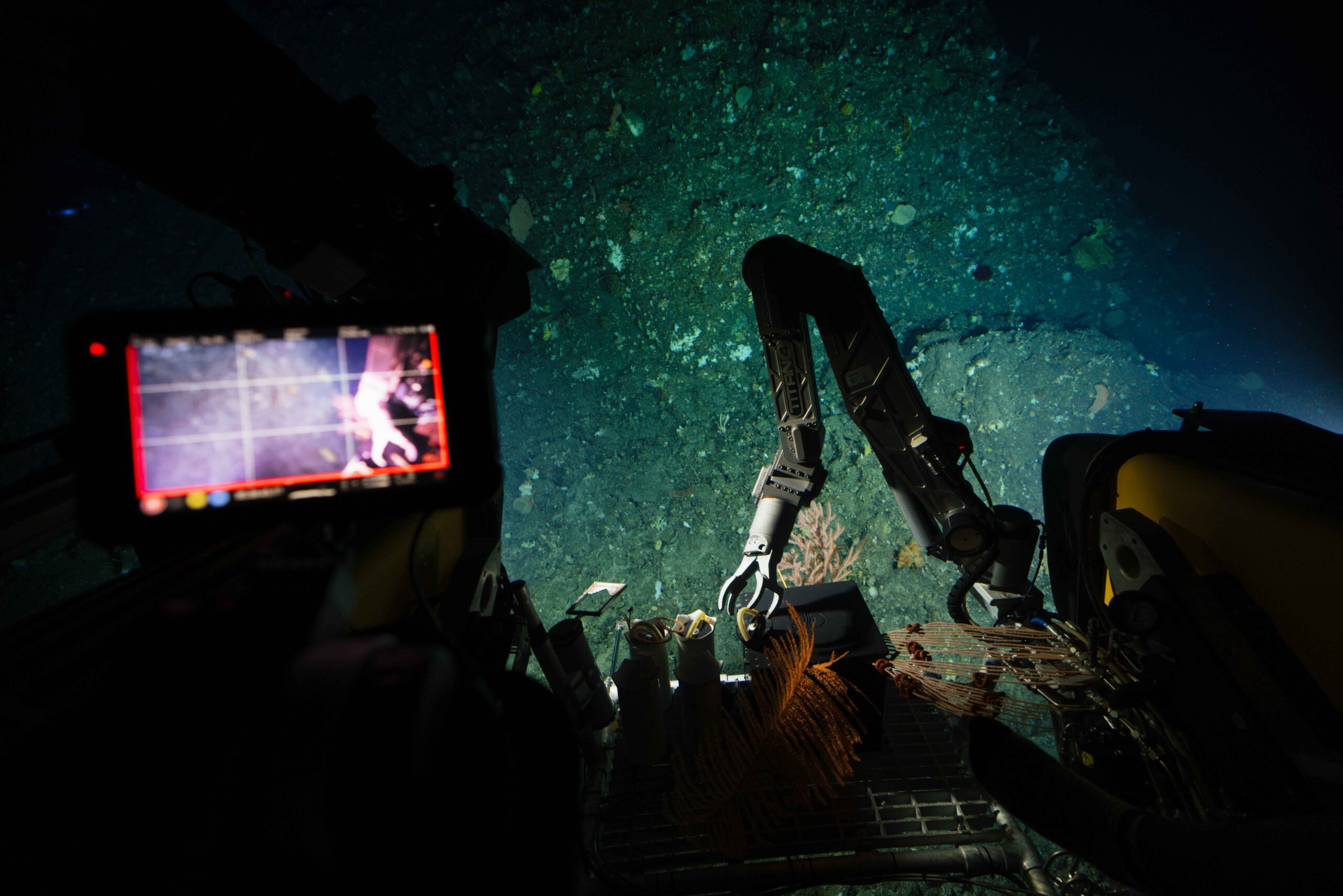
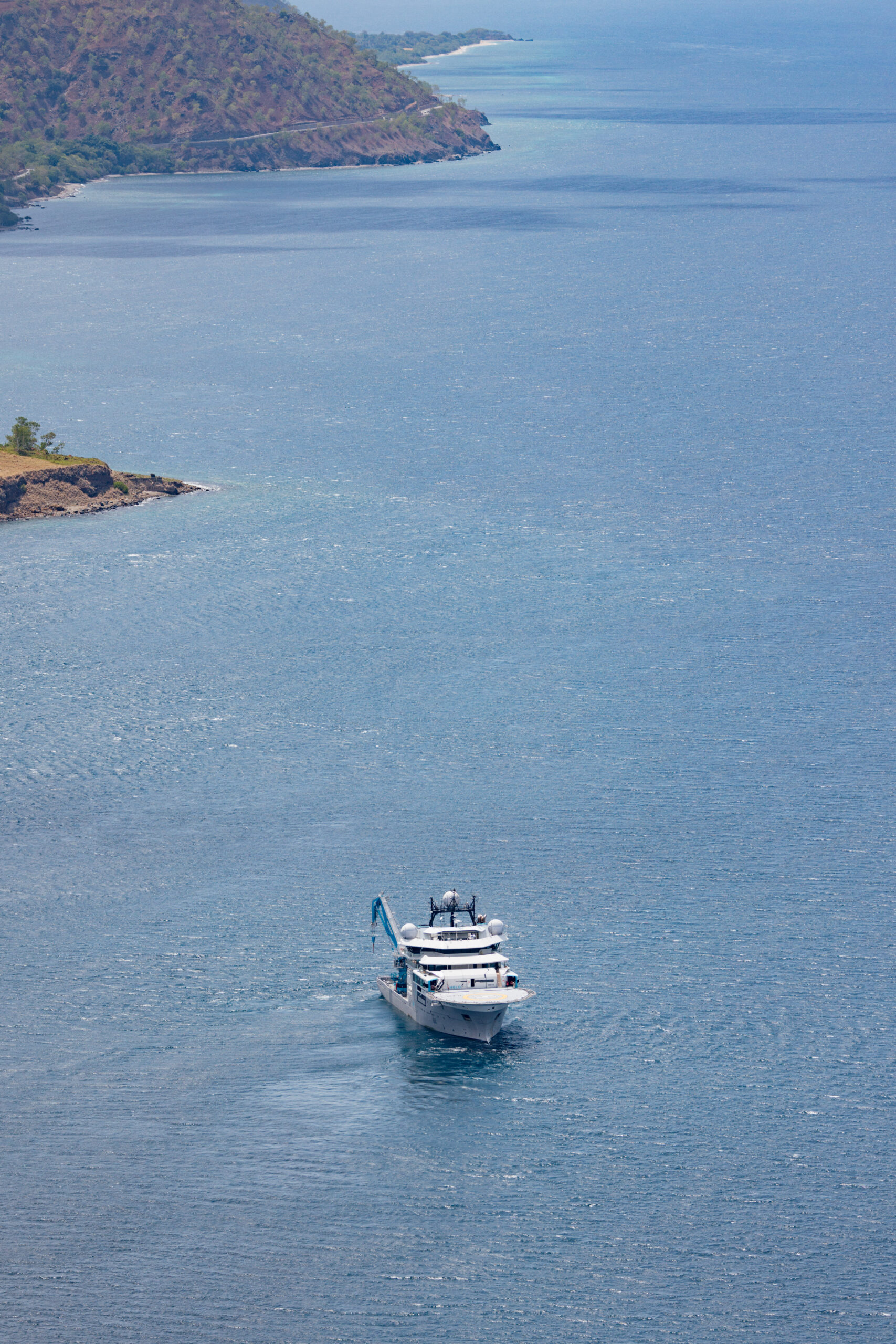
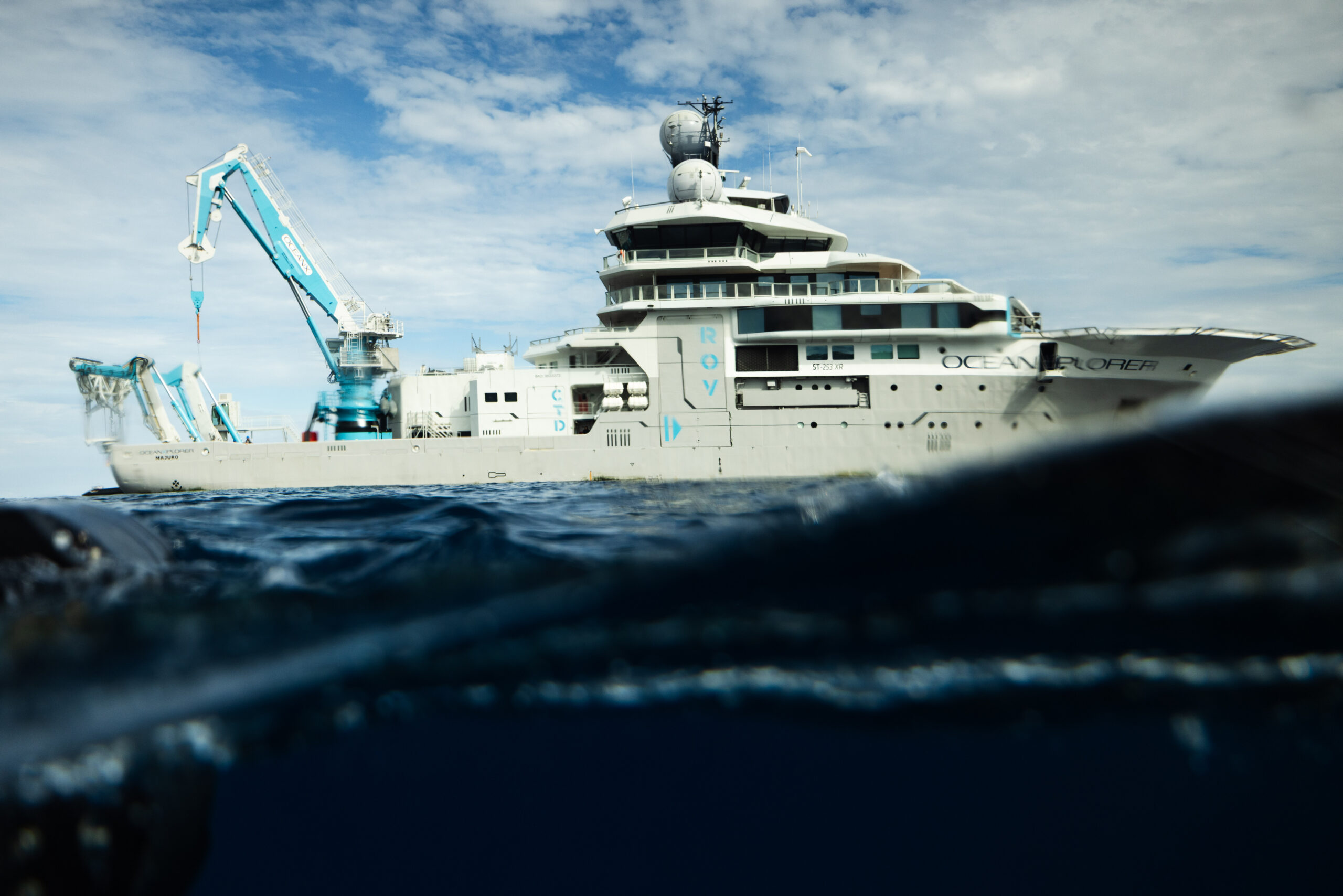
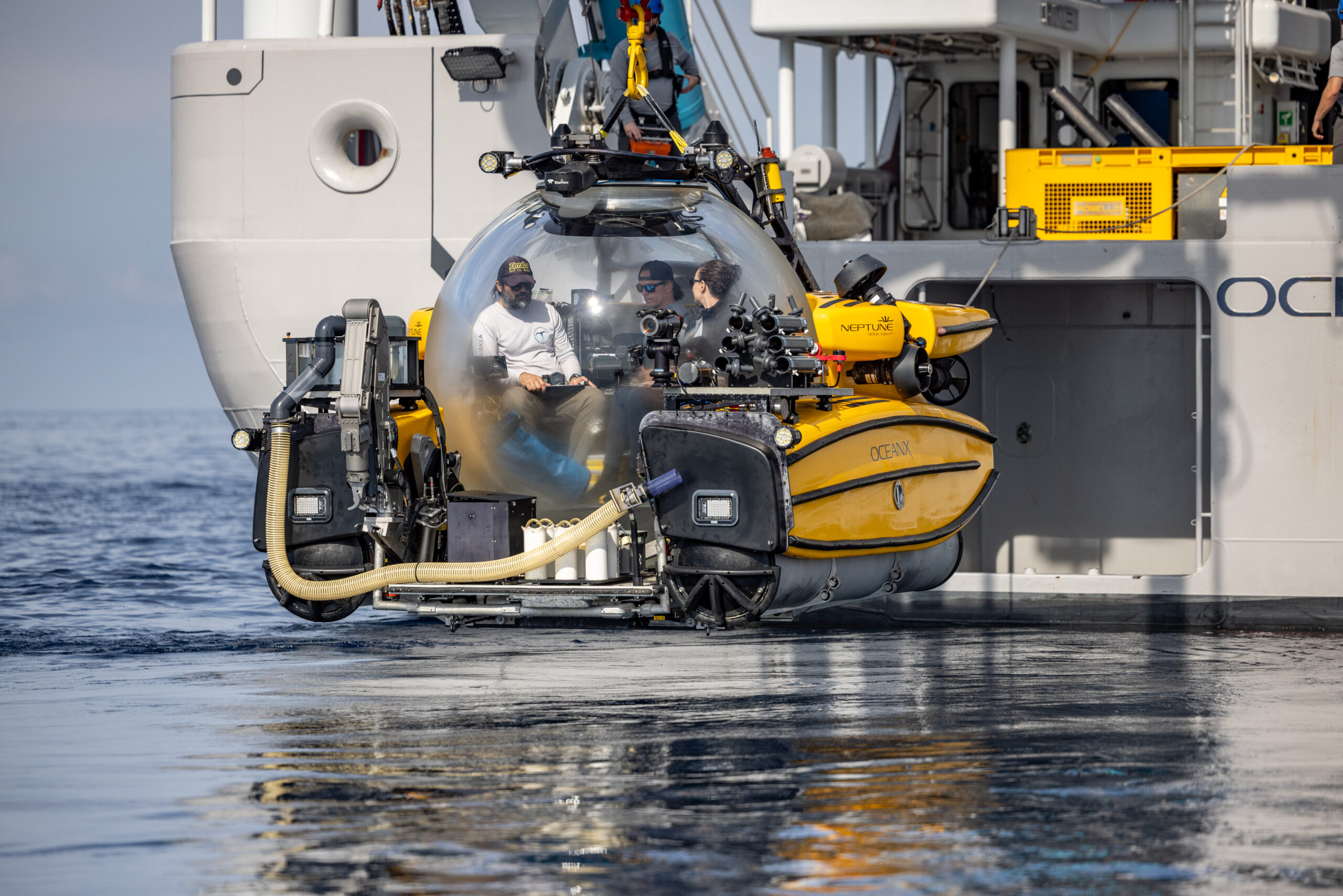
The R/V OceanXplorer is one of the most advanced exploration vessels afloat. It has two crewed submersibles, Neptune and Nadir (each rated to 1,000 metres), and the Chimaera ROV (rated to 6,000 metres). Using OceanXplorer’s submersibles and remotely operated vehicle, scientists will explore and document marine environments up to a potential depth of 3,500 metres, subject to operational conditions, while divers sample the shallow reefs. On board, wet labs keep specimens alive in chilled seawater and dry labs equipped for eDNA and genetic sequencing allow DNA to be read at sea.
Mission facts
Dates
Leg one: 22nd October – 11th November 2026 – Leg two: 4th December – 13th December 2026
Duration
31 days
Location
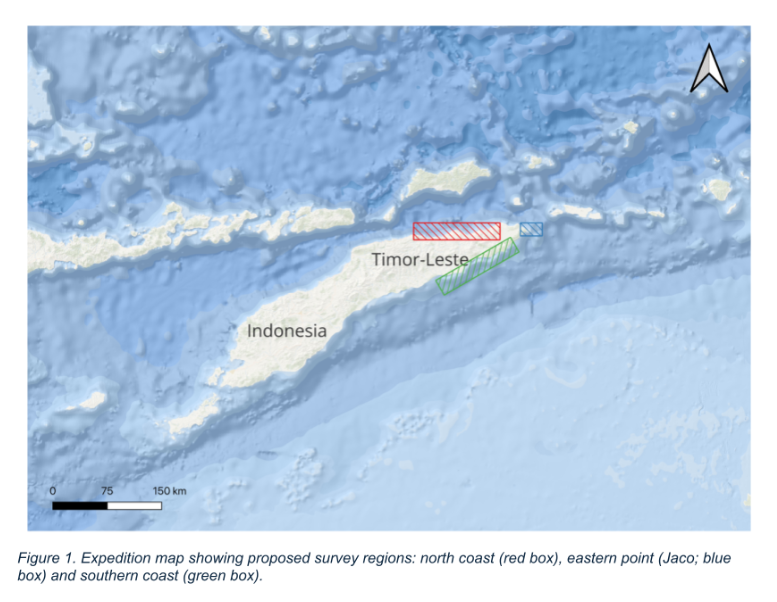
Timor Leste – North and North-East Coast and Jaco Island
Type
Flagship
Image credits
OceanX
Mission brief
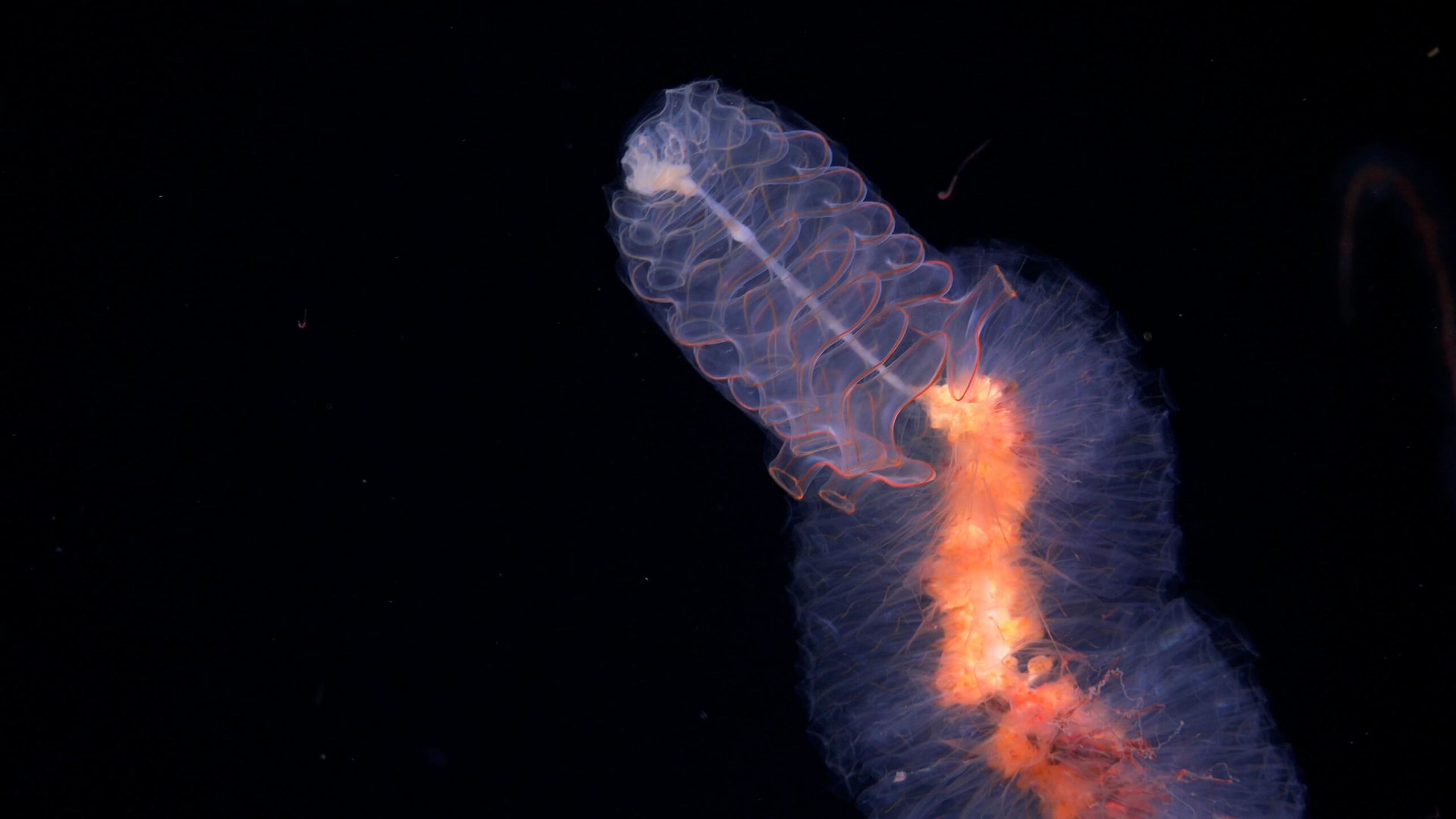
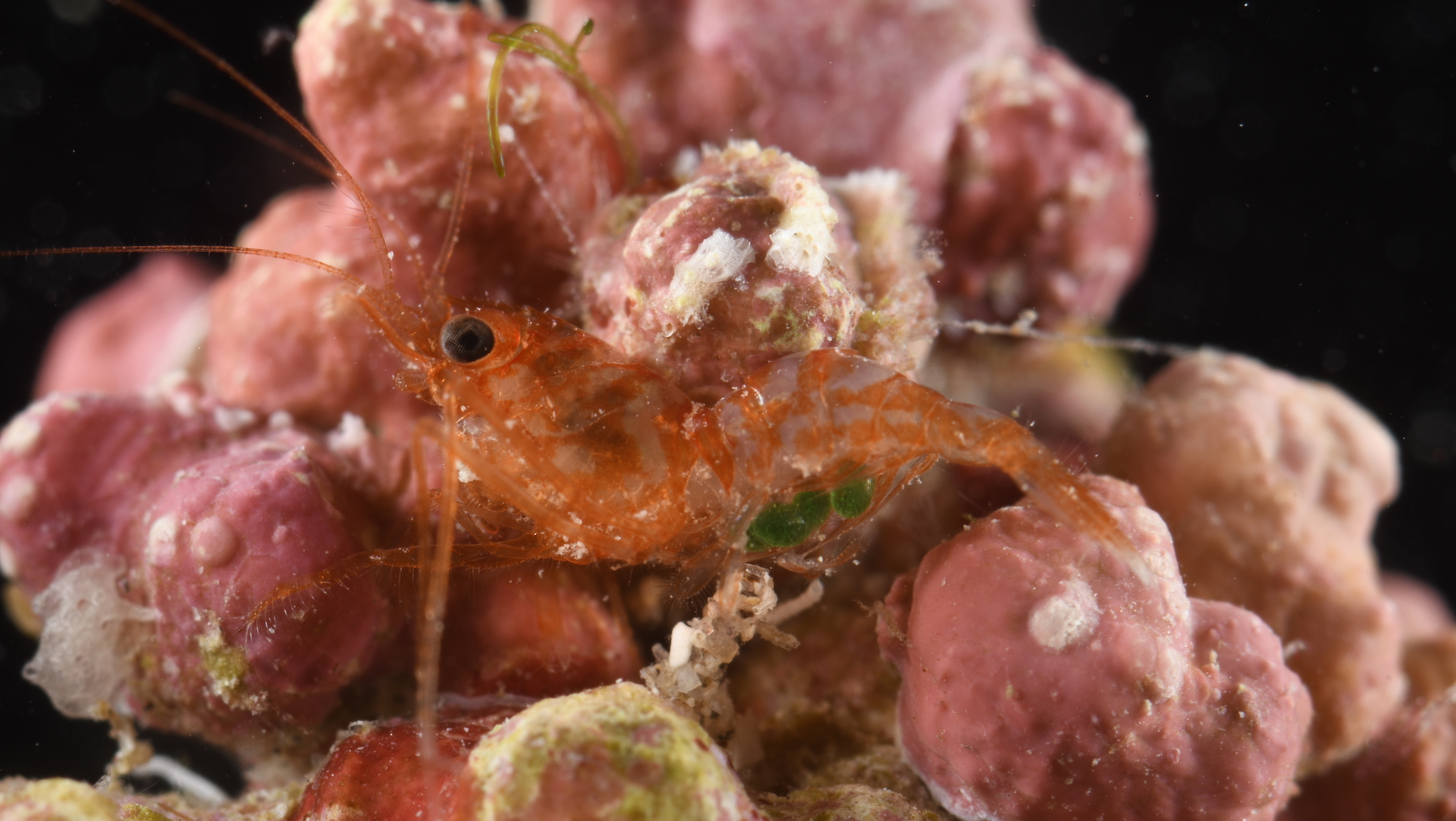
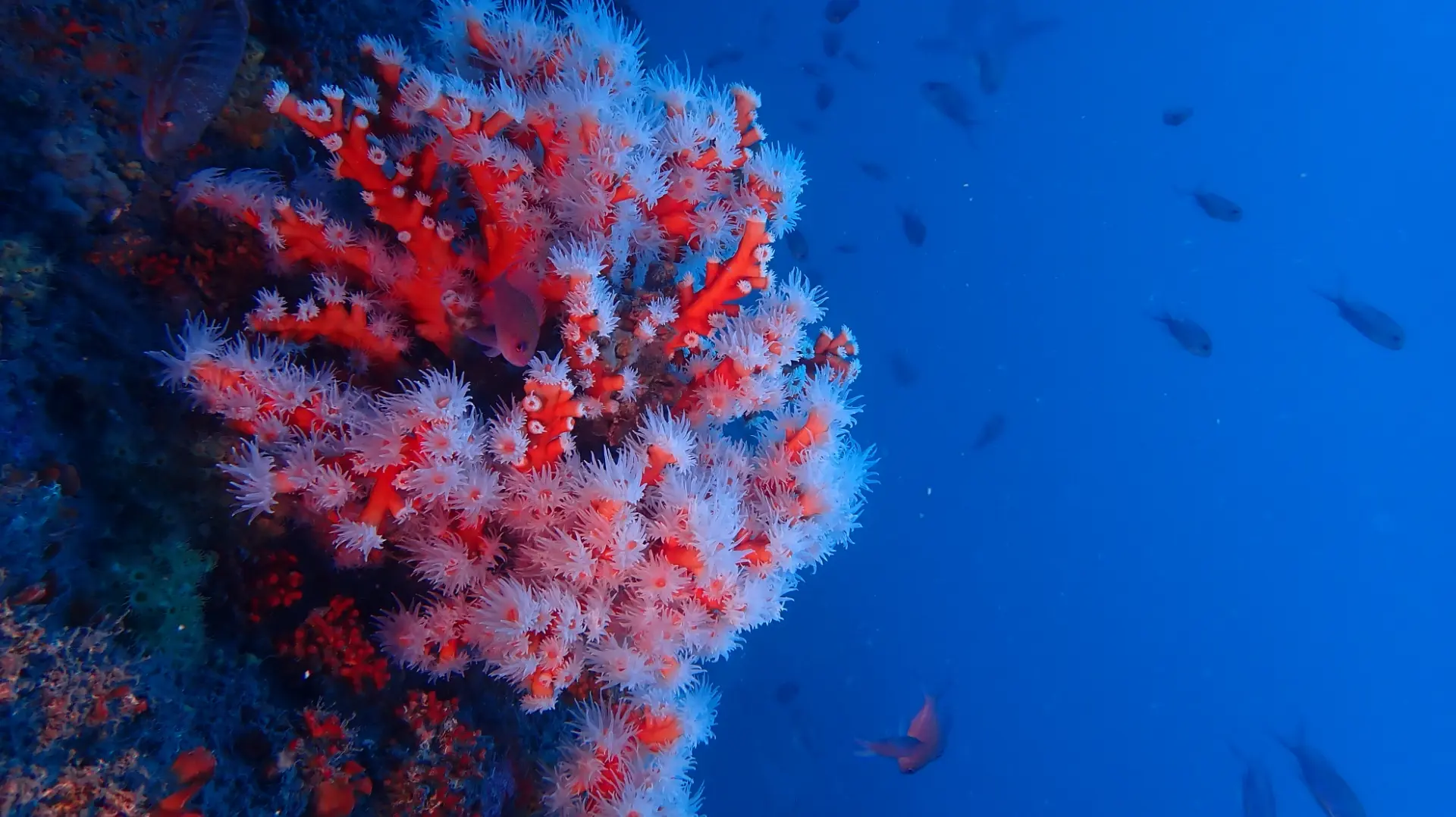
Core science priorities are species discovery, community-level species information, in-situ sequencing and specimen collection. The focus is on invertebrates, from macrofauna to megafauna, with some meiofauna potentially collected using core sampling.
Sampling will include:
- Coral heads, for the cryptofauna living inside them
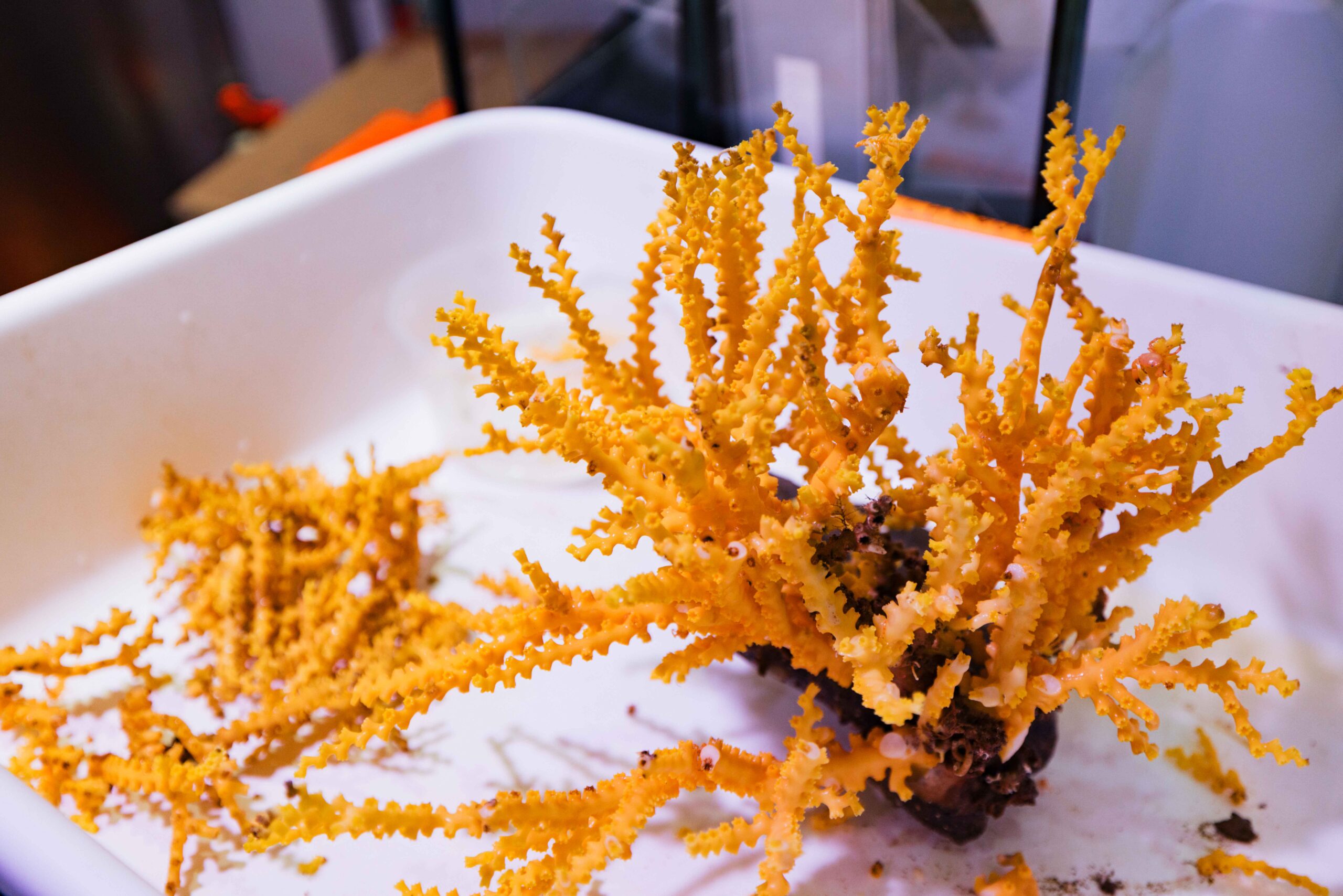
- Corals (Scleractinia, Antipatharia, Octocorallia, Stylasteridae) and sponges, as habitat for invertebrate fauna
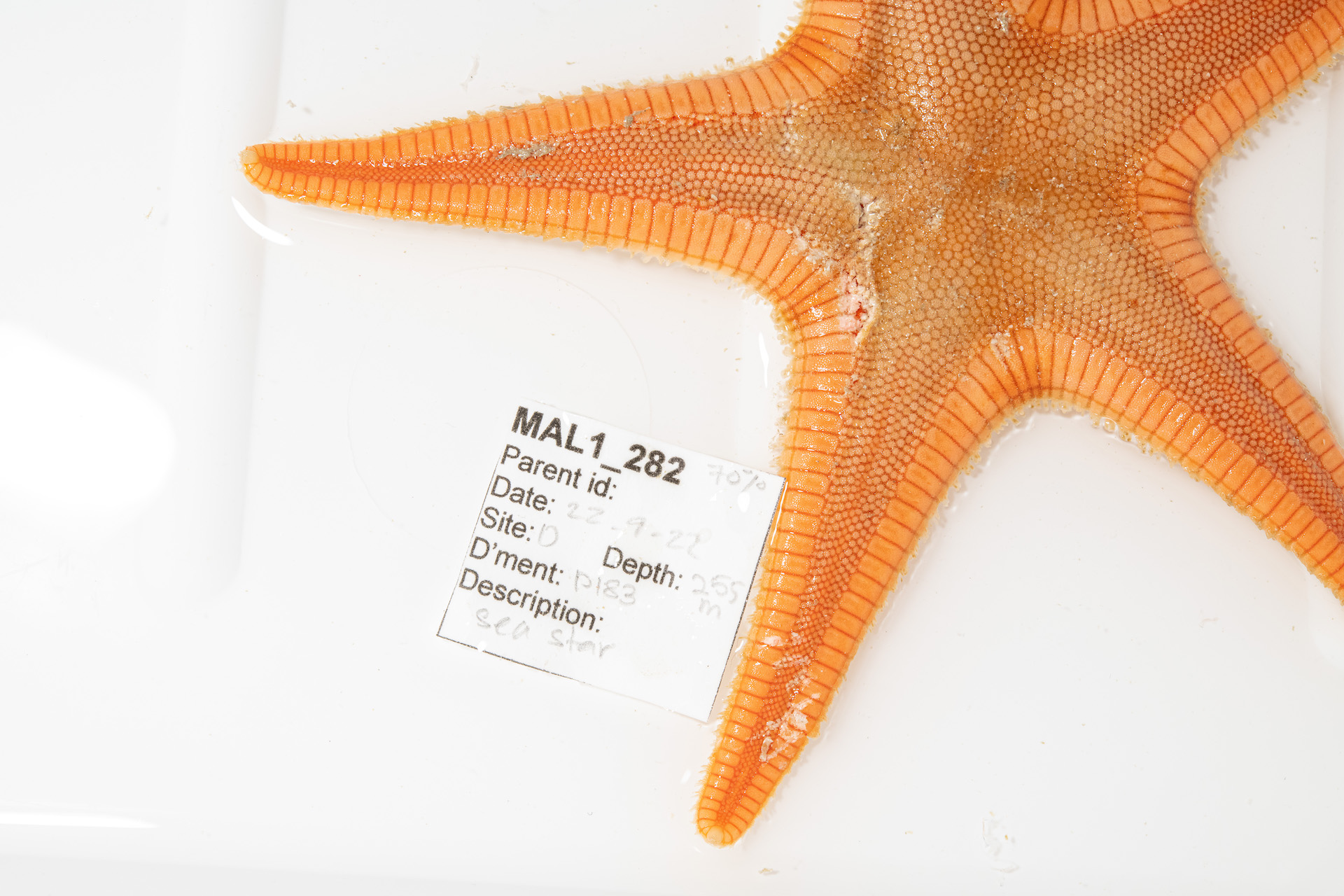
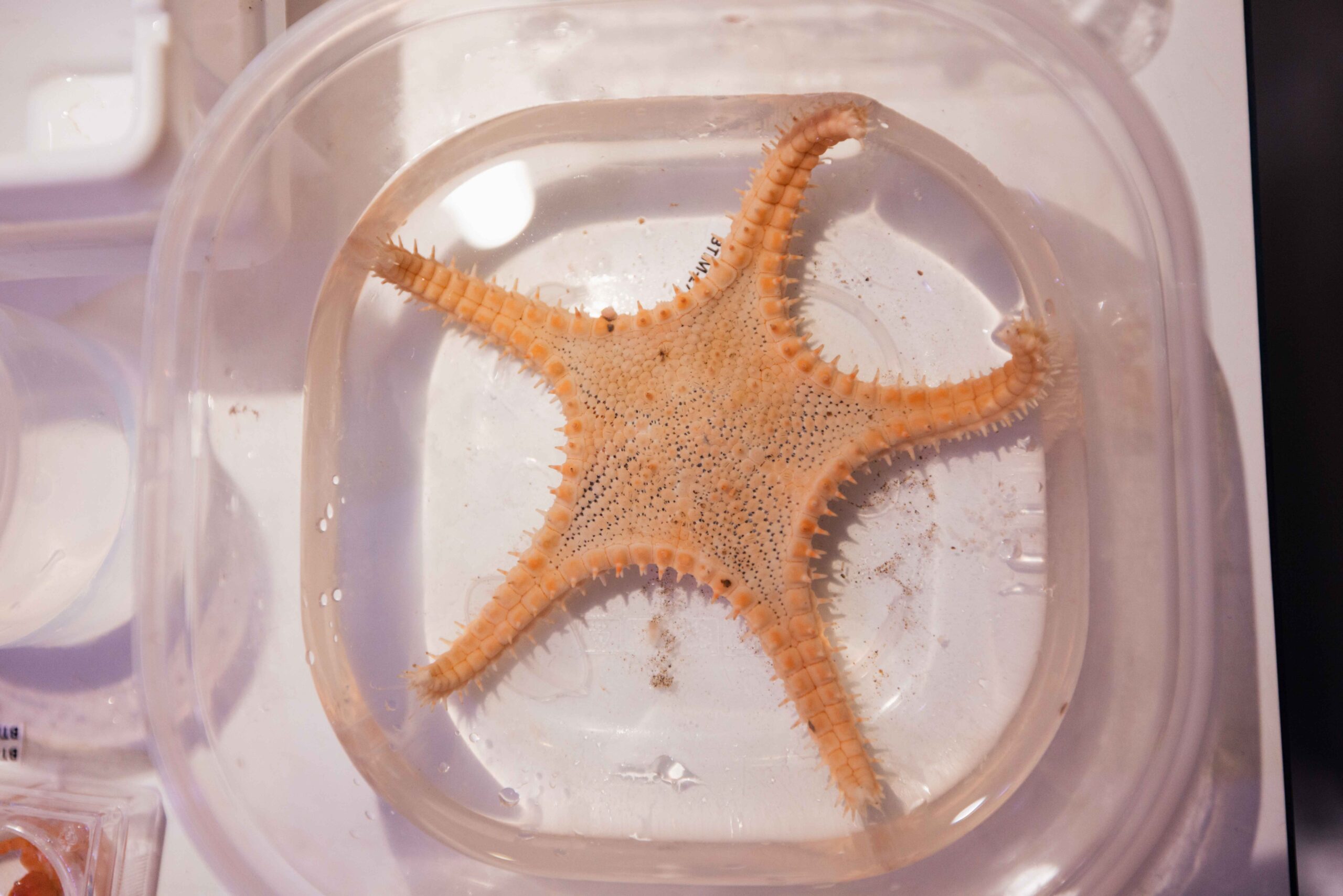
- Benthic invertebrate fauna
- Seagrass and sediments, for invertebrate infauna


Mission Partners
Why Timor-Leste?
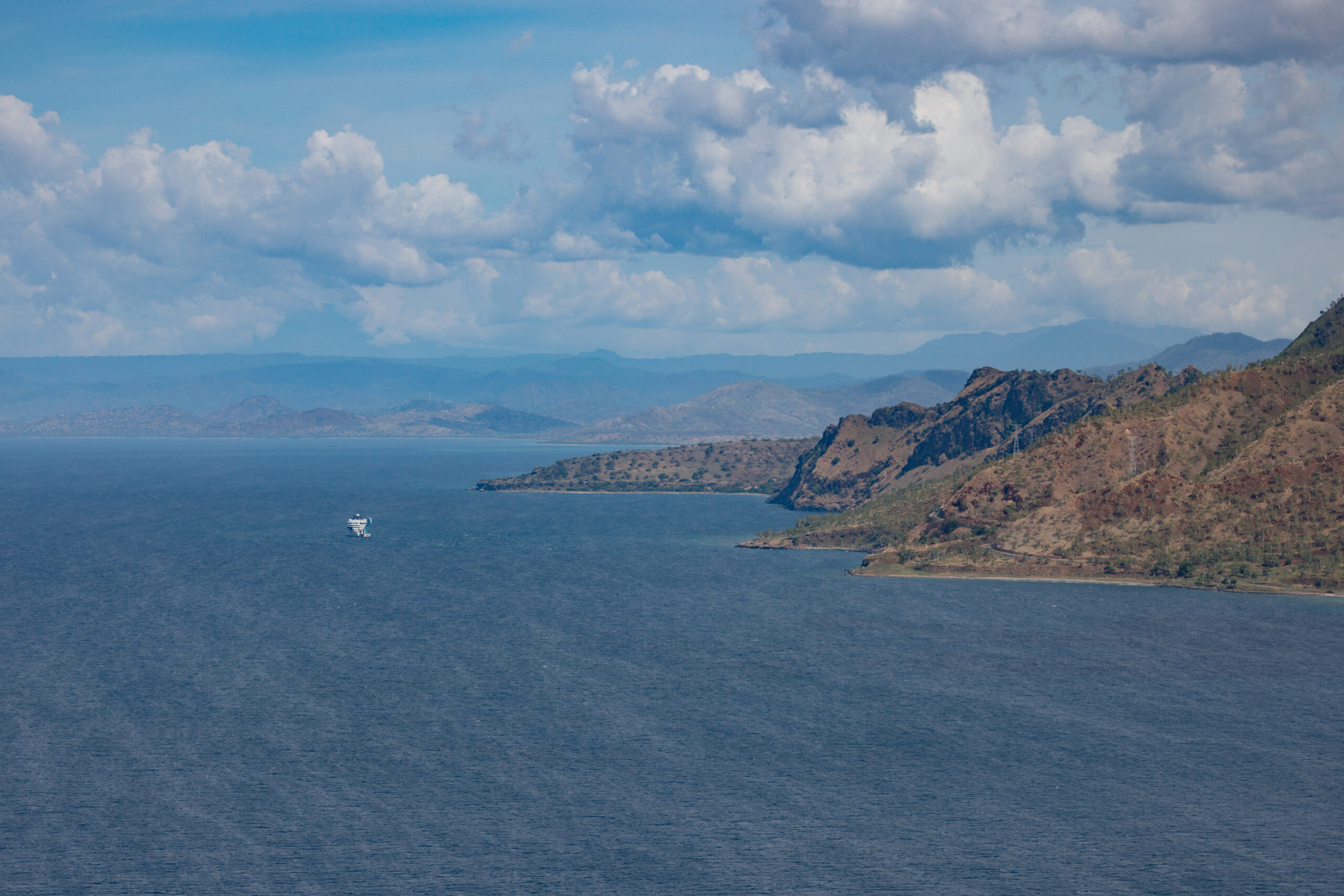
Timor-Leste lies within the Coral Triangle, the global centre of marine biodiversity, and in Wallacea, the biogeographic crossroads between Asia and Australia. Deep-water straits have isolated the island for millions of years, giving rise to species found nowhere else. Its reefs are among the richest ever recorded: a 2016 Conservation International survey off Atauro Island found an average of 253 reef fish species per site, potentially the highest average documented anywhere.
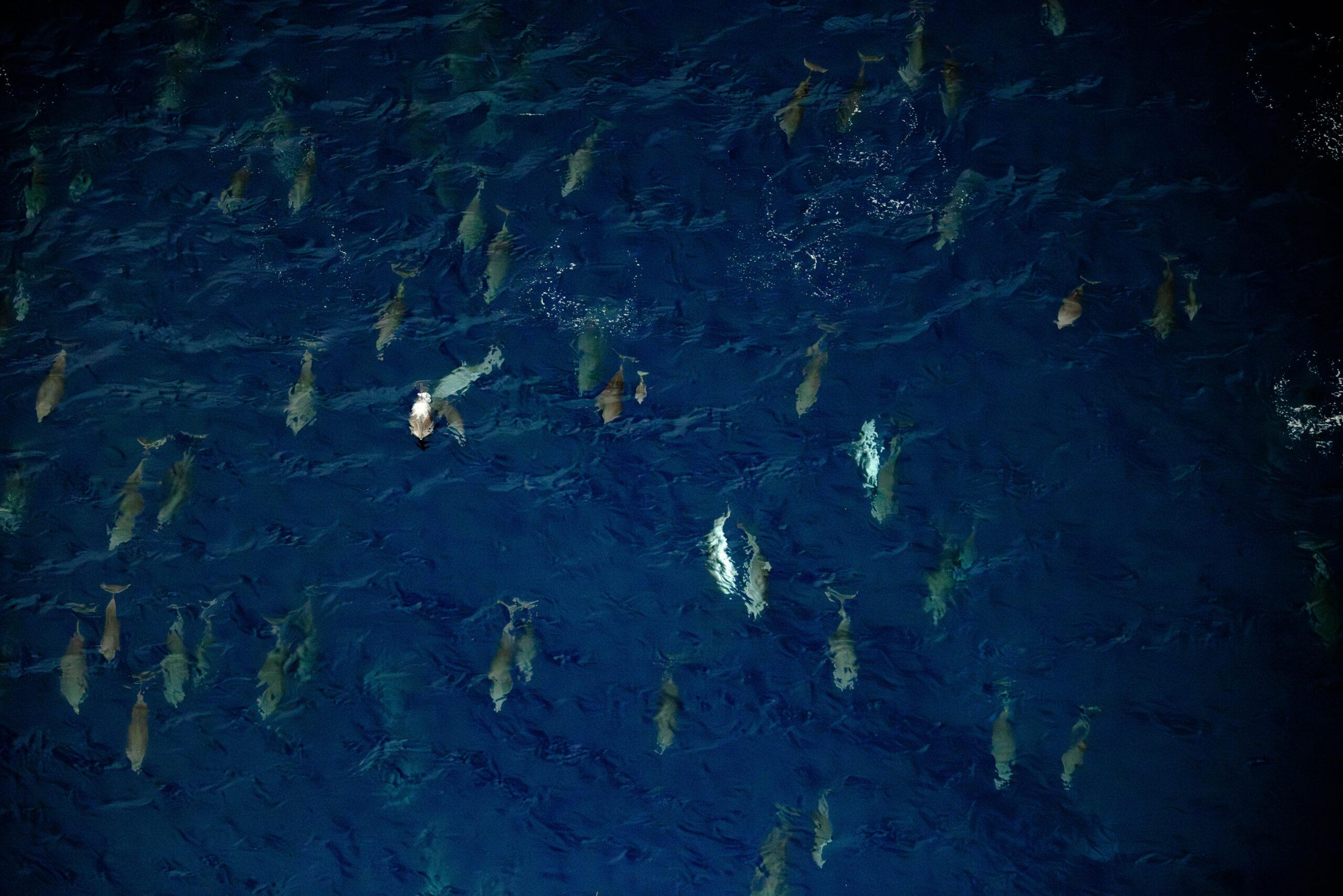
Offshore, the Ombai and Wetar Straits are among the deepest passages in the region, with the Ombai exceeding 3,000 metres. They carry part of the Indonesian Throughflow, the current that moves Pacific water into the Indian Ocean, and form a migratory corridor for blue whales, sperm whales, dolphins and manta rays.
Yet much of this marine life remains undocumented, particularly below diving depths. This expedition builds on OceanX’s 2025 mission along the north coast and around Atauro, which mapped around 5,000 square kilometres of seabed, and turns the focus to species discovery: documenting marine biodiversity and identifying species that may be new to science, supporting future taxonomic research.
Expedition Objectives
- Collect and identify specimens across a range of taxa that are, or are likely to be, new to science, as confirmed by relevant taxonomic experts.
- Analyse community-level species information to inform Timor-Leste’s marine management planning.
- Support the development of accessible scientific collections that enable future species identification and taxonomic research.
- Promote knowledge exchange and capacity development in marine field skills and taxonomic techniques, and encourage future collaboration on species discovery in the region.
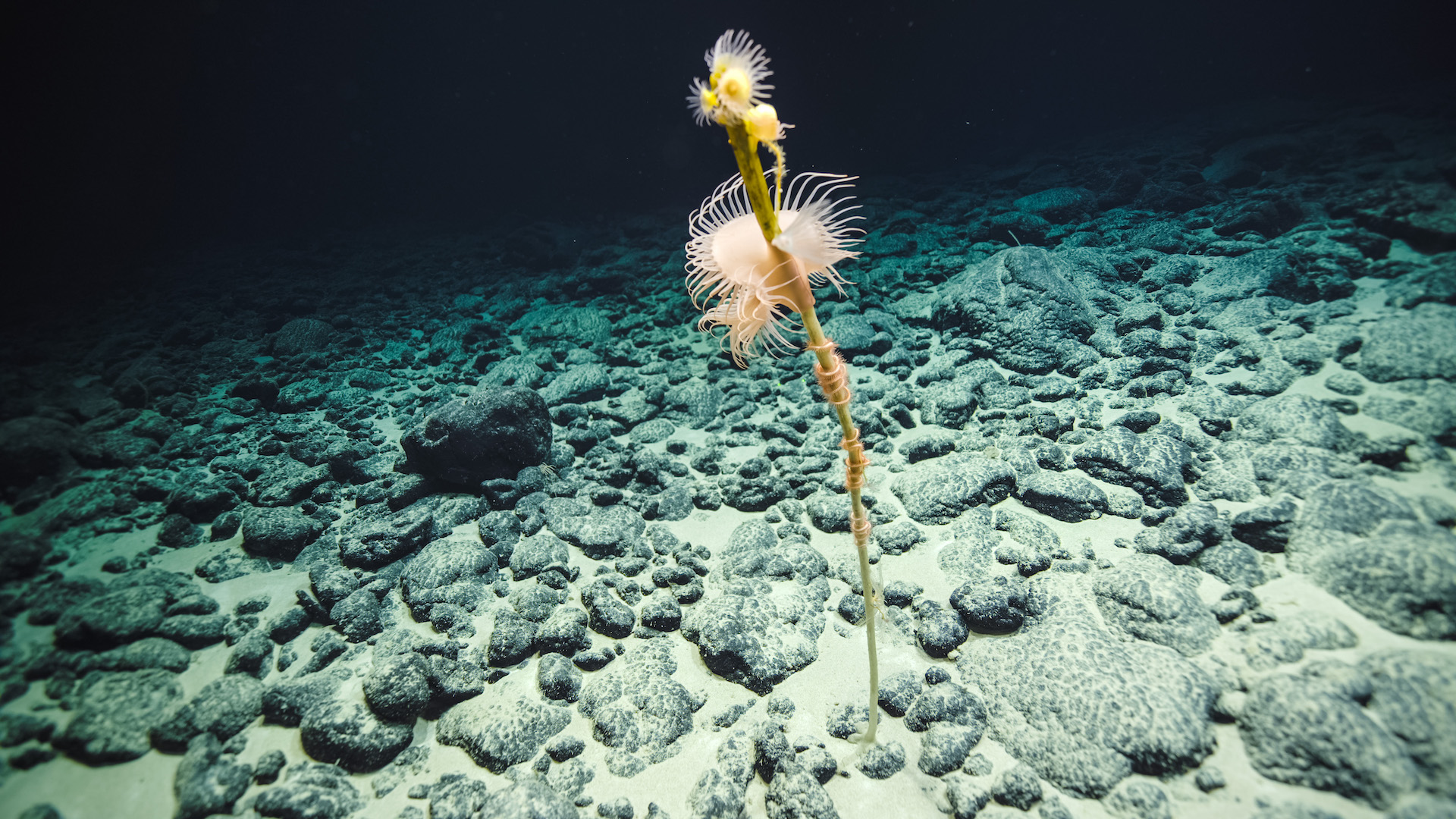
- Obtain high-resolution underwater images of species in situ to support scientific and public engagement.
- Contribute to regional biodiversity databases and global data repositories such as OBIS.
- Generate data on Timor-Leste’s under-surveyed marine biodiversity and habitats to generate scientific data to support Timor-Leste’s marine spatial planning and biodiversity conservation priorities.
- Using OceanXplorer’s submersibles and remotely operated vehicle, scientists will explore and document marine environments up to a potential depth of 3,500 m, subject to operational conditions.
Expedition
Highlights


News
Join the census
The Ocean Census Alliance unites national and philanthropic marine institutes, museums, and universities, backed by governments, philanthropy, business and civil society partners.


