











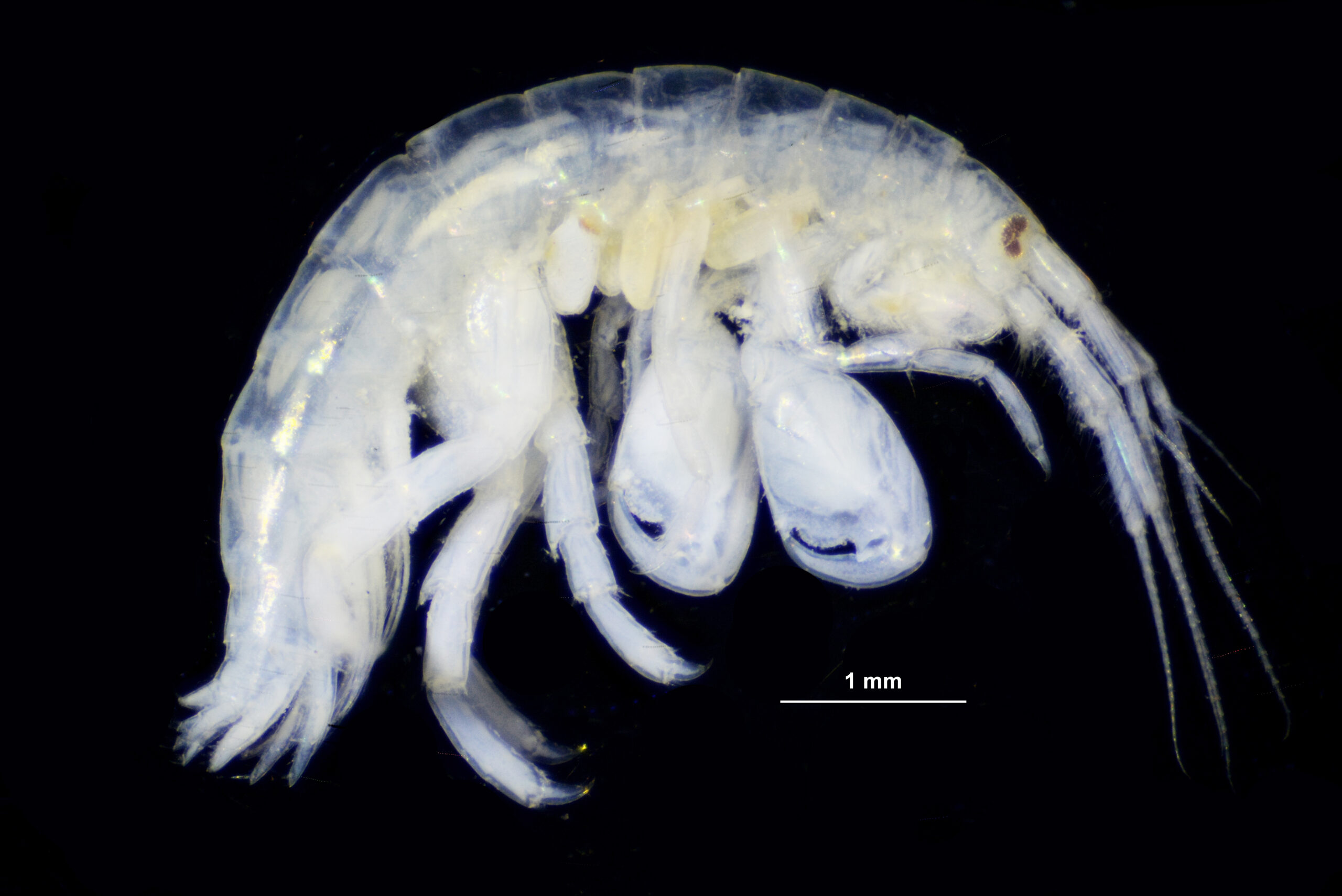
Species ID
OC-SP-0002286
Discovered
Phylum
Arthropoda
Species ID
OC-SP-0002286
Provisional Species Name
Parapherusa sp_MNHNCL AMP-16041
Lowest Valid Taxon Name in WoRMS
Parapherusa
Lowest Known Rank
Genus
Status
Discovered
Does the taxonomist(s) intend to work on this material further?
2. I/We already have plans to publish. (For marine invertebrates please know that SOSA could support you in this too - please click the button for more details).
Embargo
No
Kingdom
Animalia
Phylum
Arthropoda
Class
Malacostraca
Order
Amphipoda
Family
Melitidae
Genus
Parapherusa
Date Identified
31/01/2026
Taxonomic Remarks
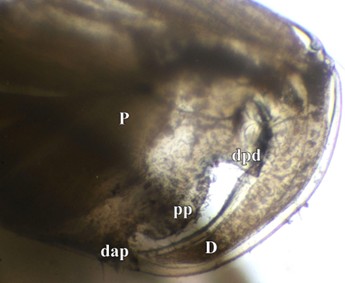
The genus Parapherusa was originally described by Haswell (1879) for a single species from New South Wales, Australia, which was subsequently described and illustrated in detail by Charles Chilton (1916). The material here examined differs from this species in several characters; however, it closely matches P. crassipes as described by Stephensen (1949) from Tristan da Cunha, which in our opinion corresponds to a second, still undescribed species. The specimens shared with this species the structure of the palm of the male gnathopod 2 and the evenly curved posterior margin of propodus of gnathopod 1; but several differences have been detected, although they are subtle. Nevertheless, considering the wide geographic separation between the distributional areas of both populations, we regard these taxa as clearly distinct species.
Discovery registered on
04/03/2026
Description of Material
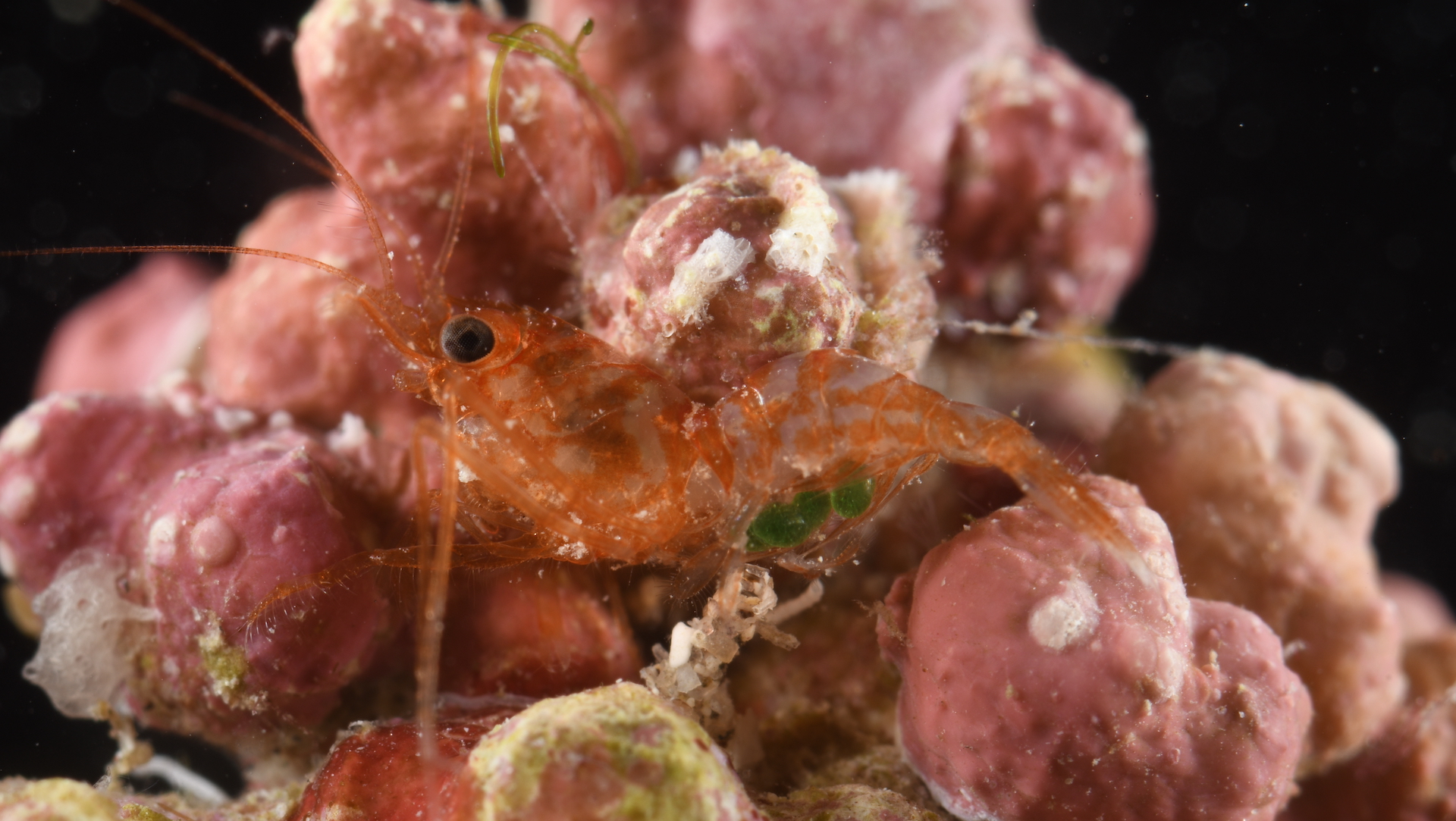
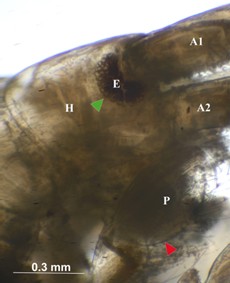
Reniform eyes, anteriorly concave. Antenna 1 with a multiarticulate accessory flagellum. Gnathopod 1, propodus normal, with posterior margin evenly convex. Gnathopod 2, propodus, posterior margin naked. Uropod 1 bearing a distal spine on the peduncle, reaching approximately 0.7 of the endopod length (vs. 0.8 in Knud Stephensen, 1949; 0.4 in Charles Chilton, 1916). Uropod 3 with rami shorter than the peduncle, biramous and subequal (i.e., rami equal in length); rami lacking distally broadened or serrate specialized setae. Telson entire, naked, except for two distal setae, one of them very long (exceeding one-third of the telson length). Lateral setae absent.
Ecology
The specimens were collected in intertidal and subtidal habitats, associated with macroalgae and other substrates, as coralline debris and Phragmatopoma tube mats.
Distribution
Known only from Pucatrihue, in the coast of Osorno, Los Lagos Region to Guamblin Island, Aysen Region, Chile.
Scientific Name Authorship
Pérez-Schultheiss
Join the census
The Ocean Census Alliance unites national and philanthropic marine institutes, museums, and universities, backed by governments, philanthropy, business and civil society partners.


