














Species ID
OC-SP-0002250
Discovered
Phylum
Arthropoda
Species ID
OC-SP-0002250
Provisional Species Name
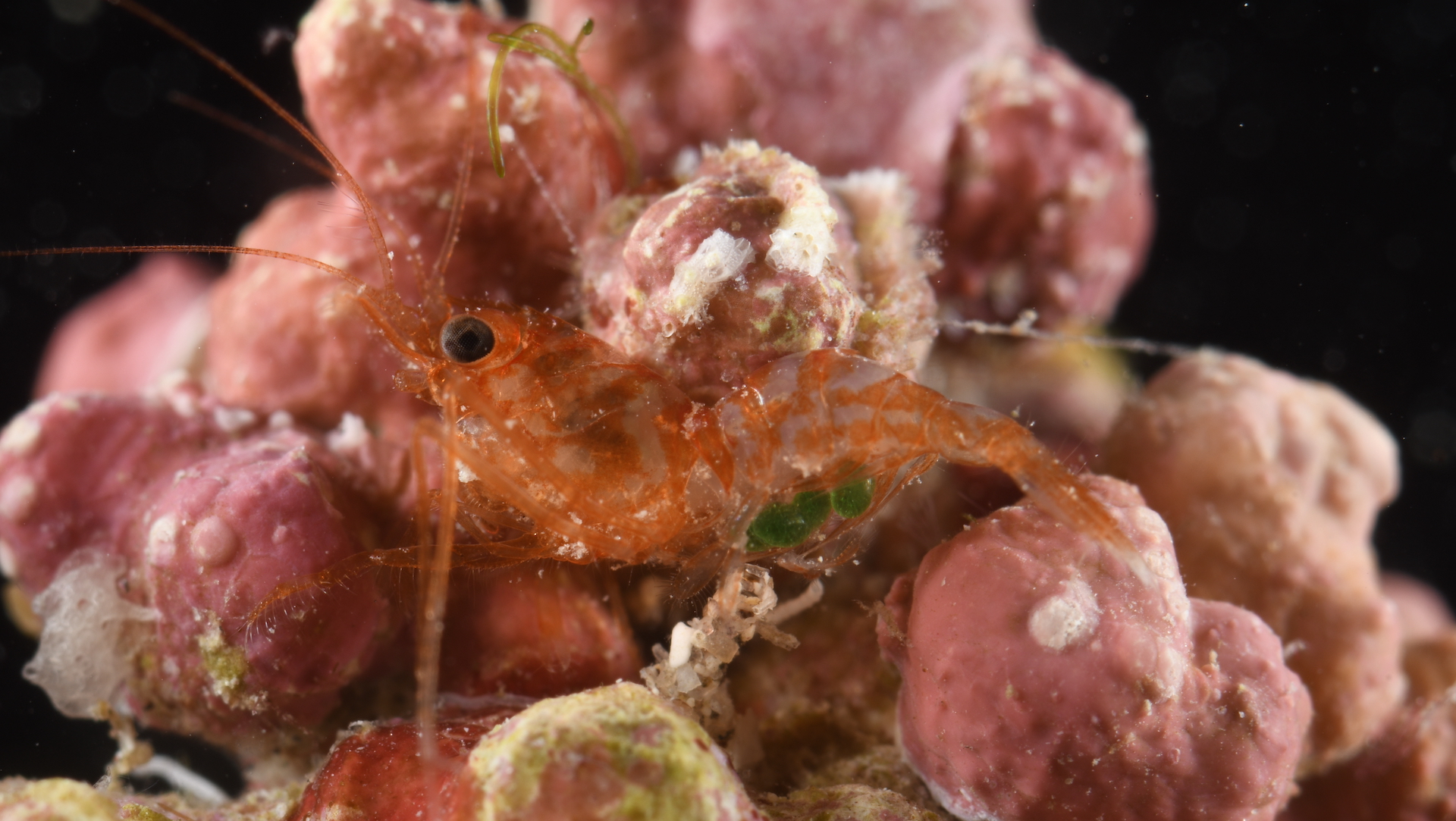
Caridion sp1
Lowest Valid Taxon Name in WoRMS
Caridion
Lowest Known Rank
Genus
Status
Discovered
Does the taxonomist(s) intend to work on this material further?
2. I/We already have plans to publish. (For marine invertebrates please know that SOSA could support you in this too - please click the button for more details).
Embargo
No
Kingdom
Animalia
Phylum
Arthropoda
Class
Malacostraca
Order
Decapoda
Family
Hippolytidae
Genus
Caridion
Taxonomic Remarks
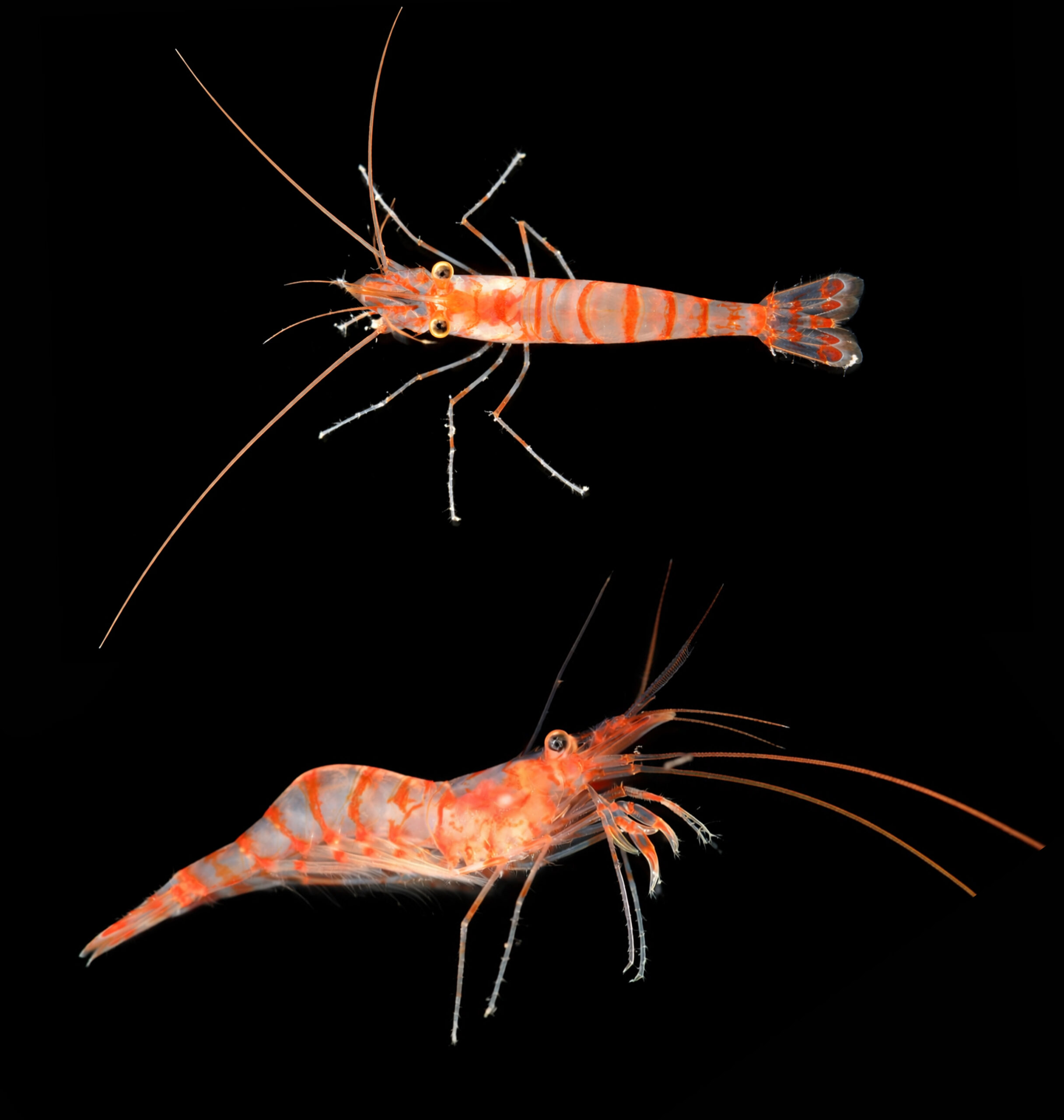
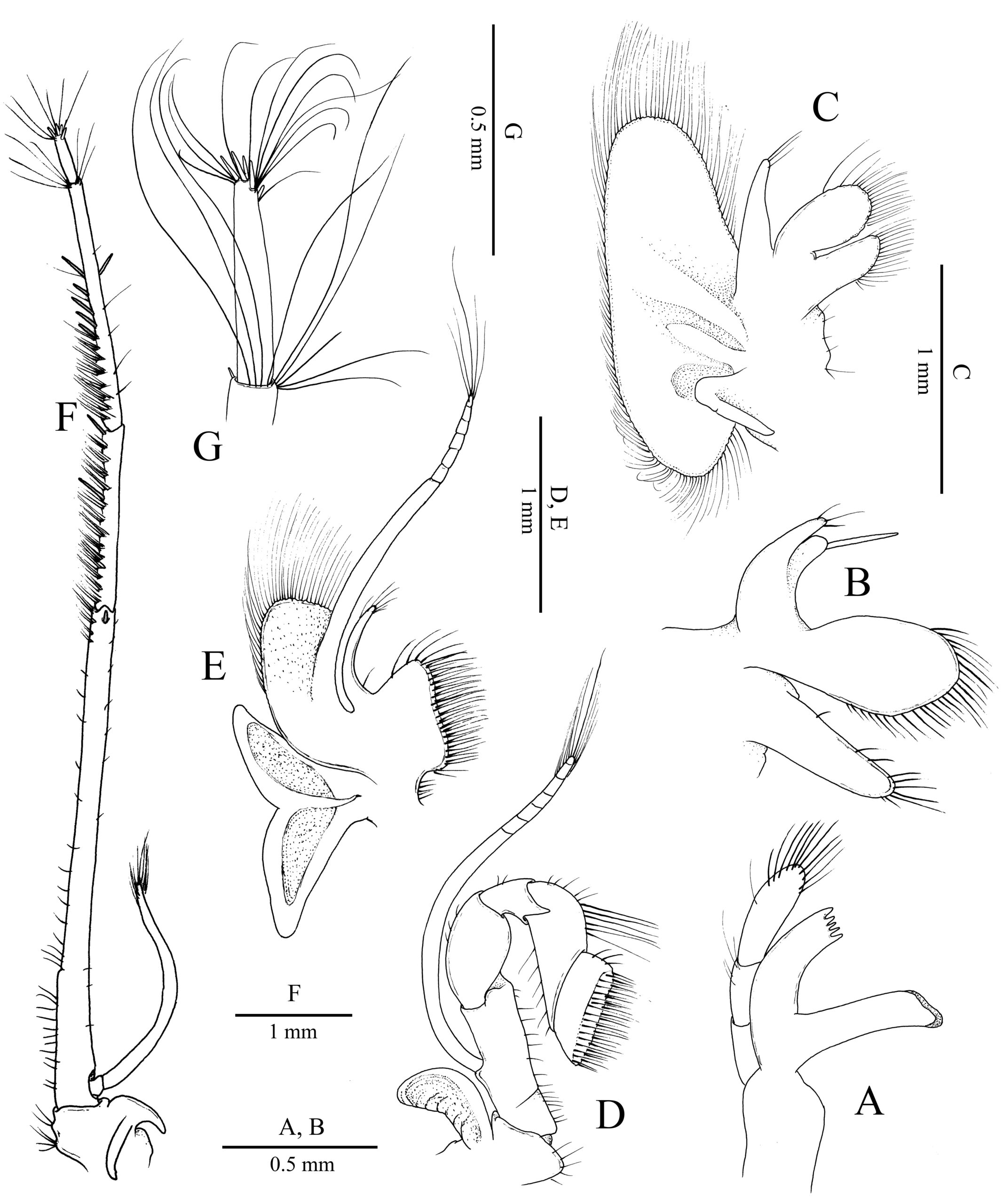
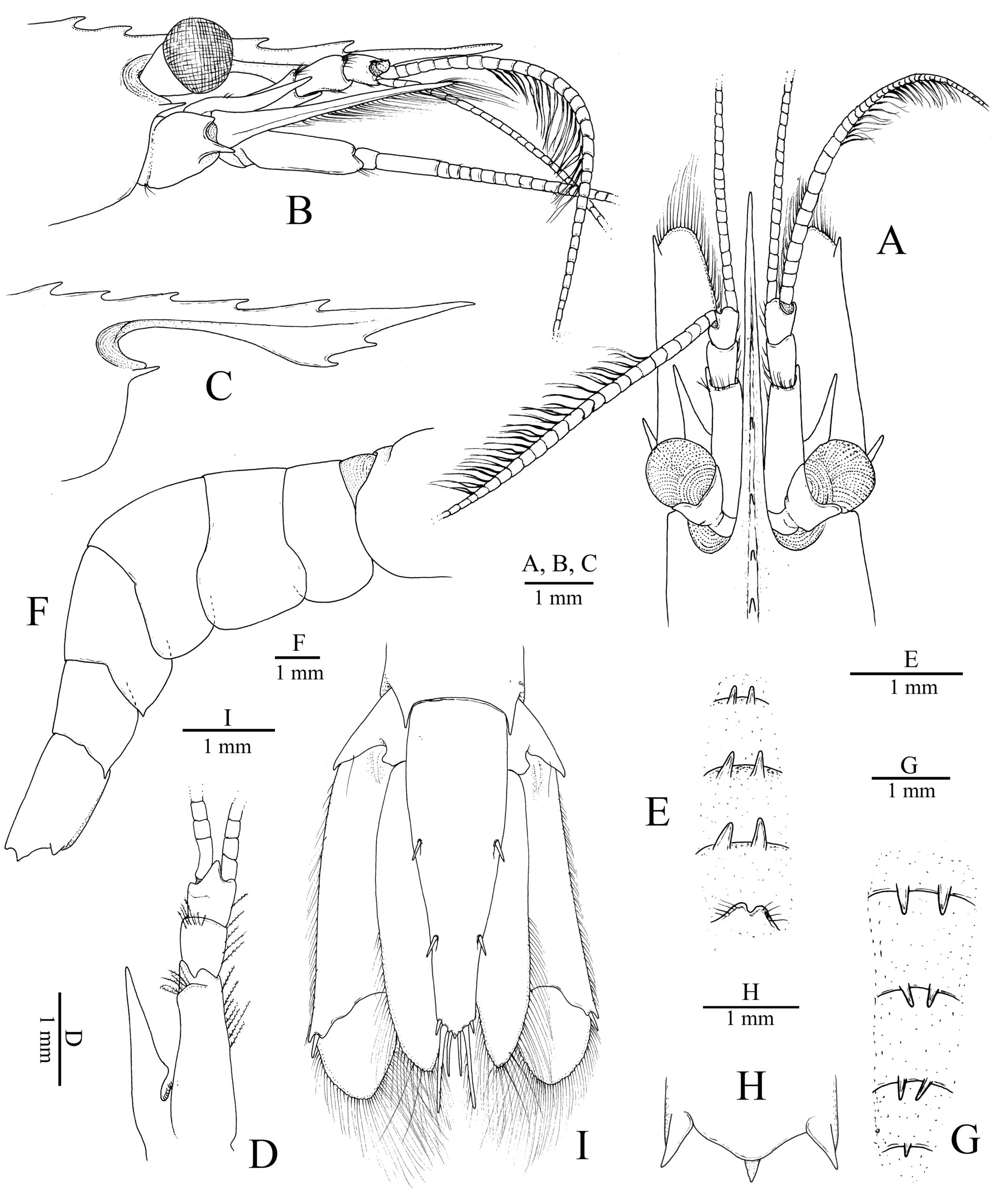
The family Hippolytidae was subdivided into several families by De Grave et al. (2014), and as a consequence, Hippolytidae sensu stricto was retained with only a few genera. In the present study, we sequenced representatives of several genera for four genes (two nuclear and two mitochondrial) that were not included in the molecular phylogeny of De Grave et al. (2014). Our results show that the genus Caridion is placed as sister to the family Bythocarididae and outside Hippolytidae. Accordingly, a new family will be established to accommodate this genus. Caridion is morphologically distinct from other genera formerly assigned to Hippolytidae, particularly in the shape and structure of the first and second pereiopods. Furthermore, our material represents a new species within the genus. At present, Caridion comprises only two described species. The new species (here referred to as C. sp. 1) can be distinguished by its coloration pattern, as well as by the length, armature, and shape of the rostrum. Additional diagnostic characters may also be identified upon further examination. However, the previously described species require redescription due to the inadequate original descriptions of the type material and the fact that they have been only rarely recorded since their initial descriptions.
Discovery registered on
02/03/2026
Ecology
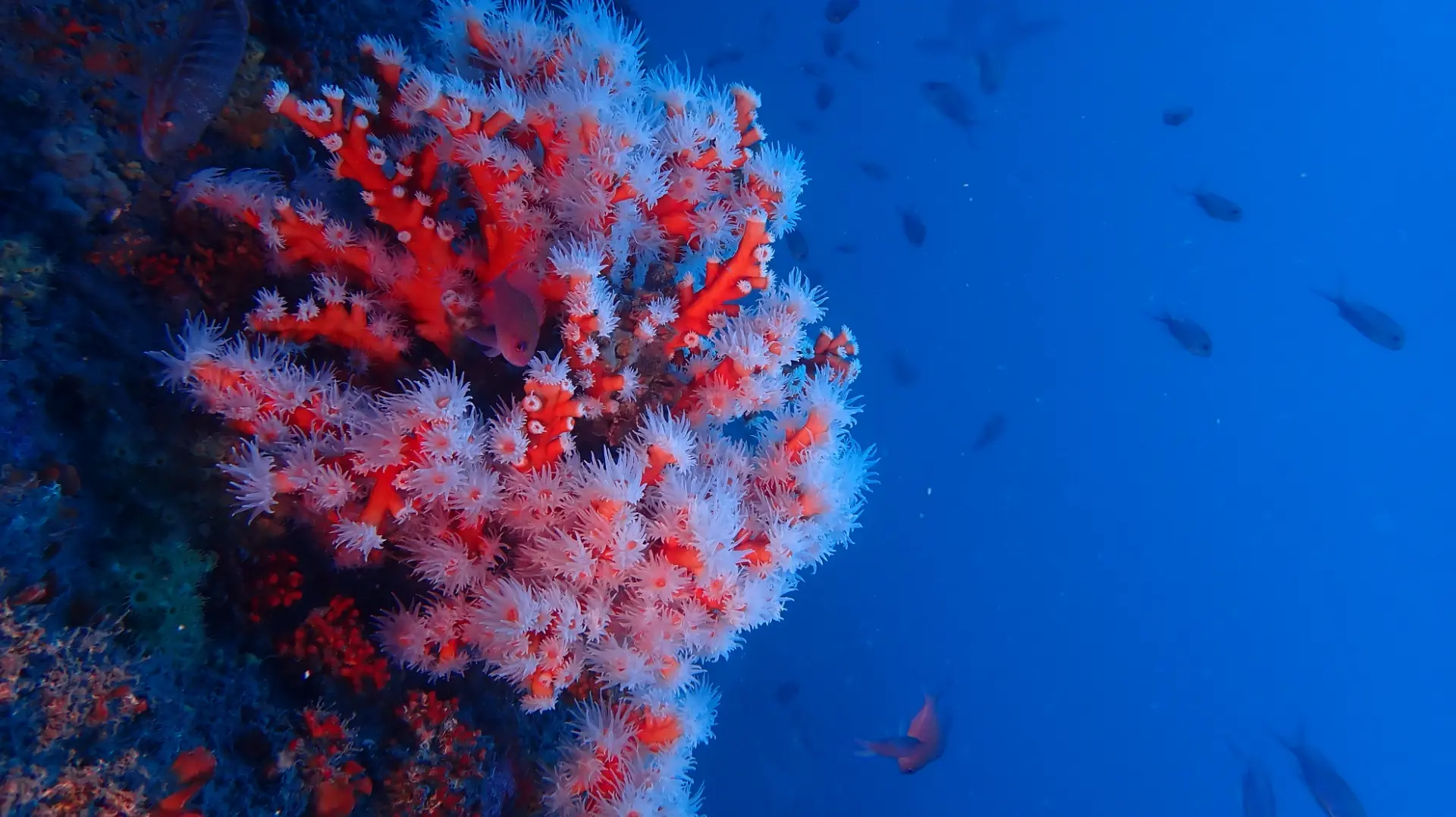
This species was collected from marine caves.
Distribution
Mediterranean coast of France
Join the census
The Ocean Census Alliance unites national and philanthropic marine institutes, museums, and universities, backed by governments, philanthropy, business and civil society partners.


