





Streamlining species discovery:
More than 100 new species of isopods discovered in just two weeks

Inspecting new species
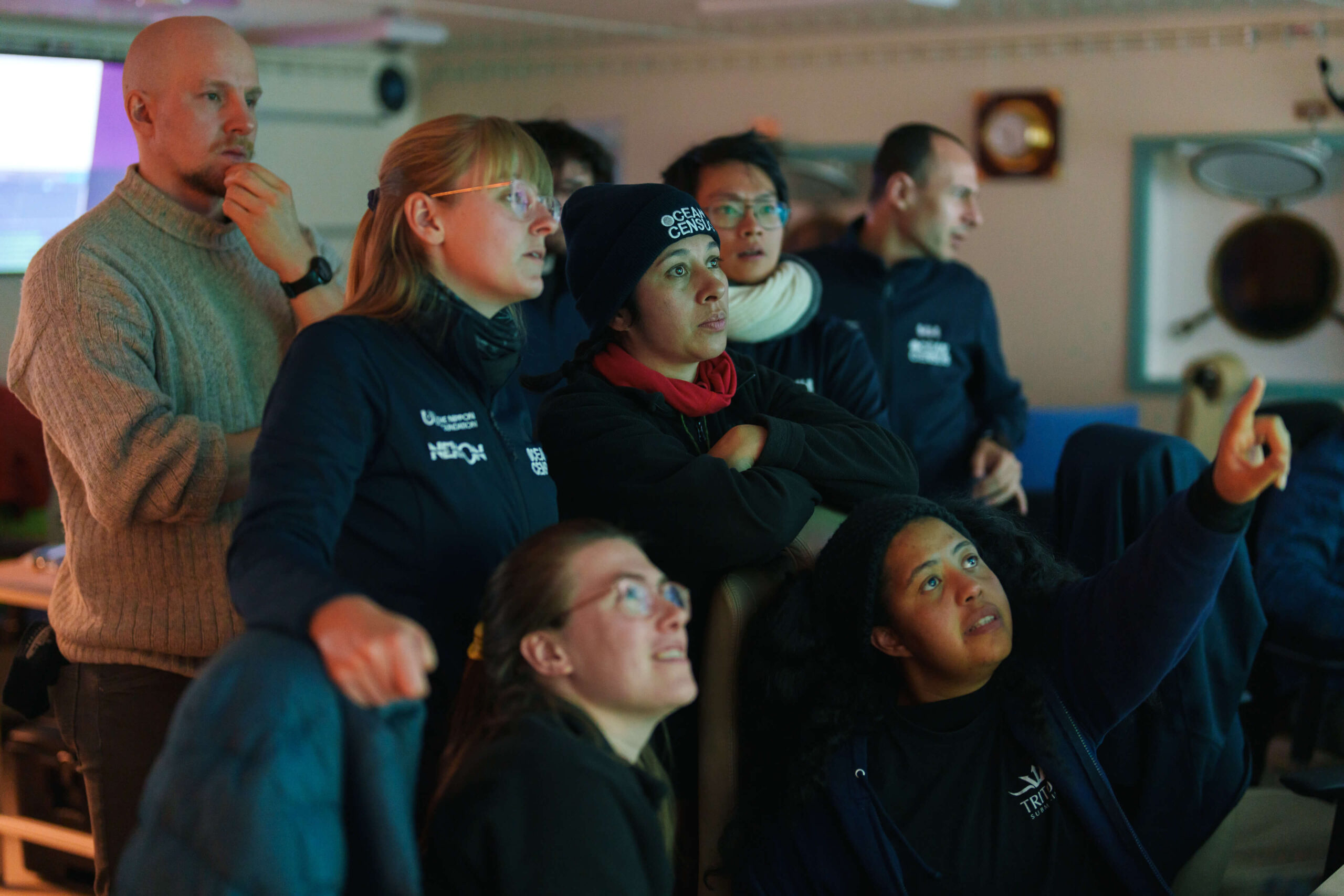
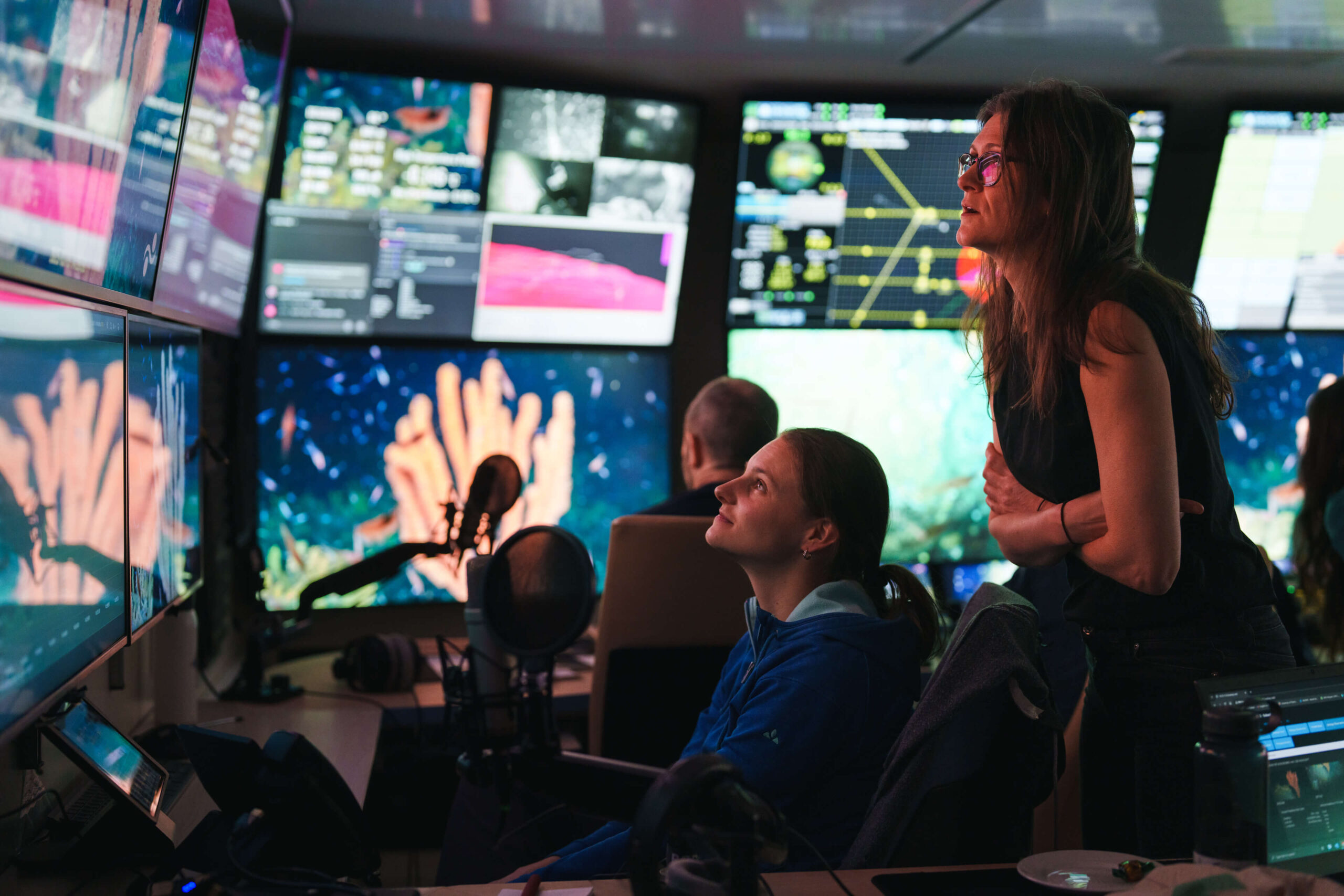
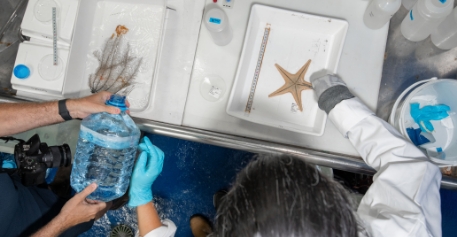
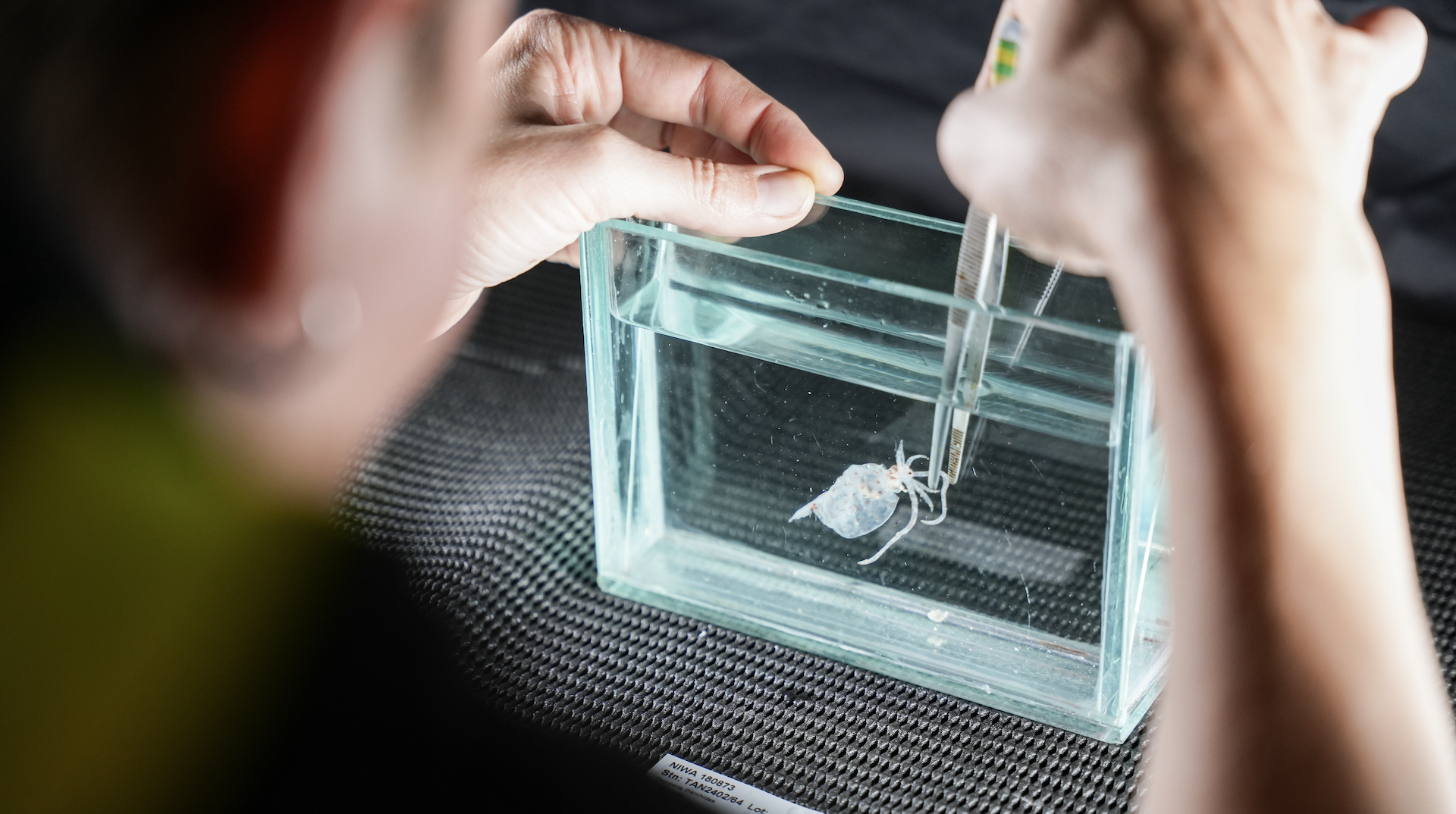
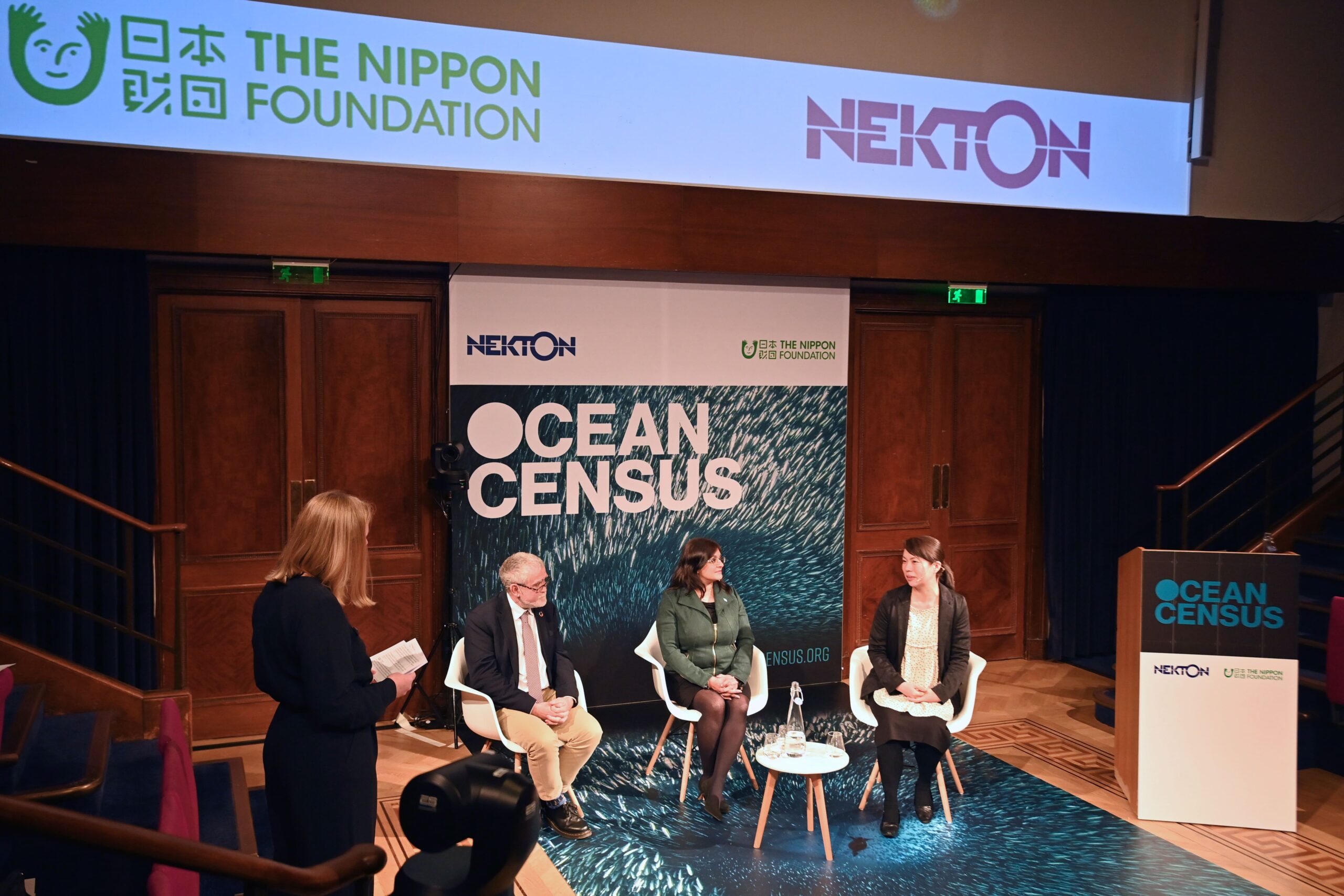
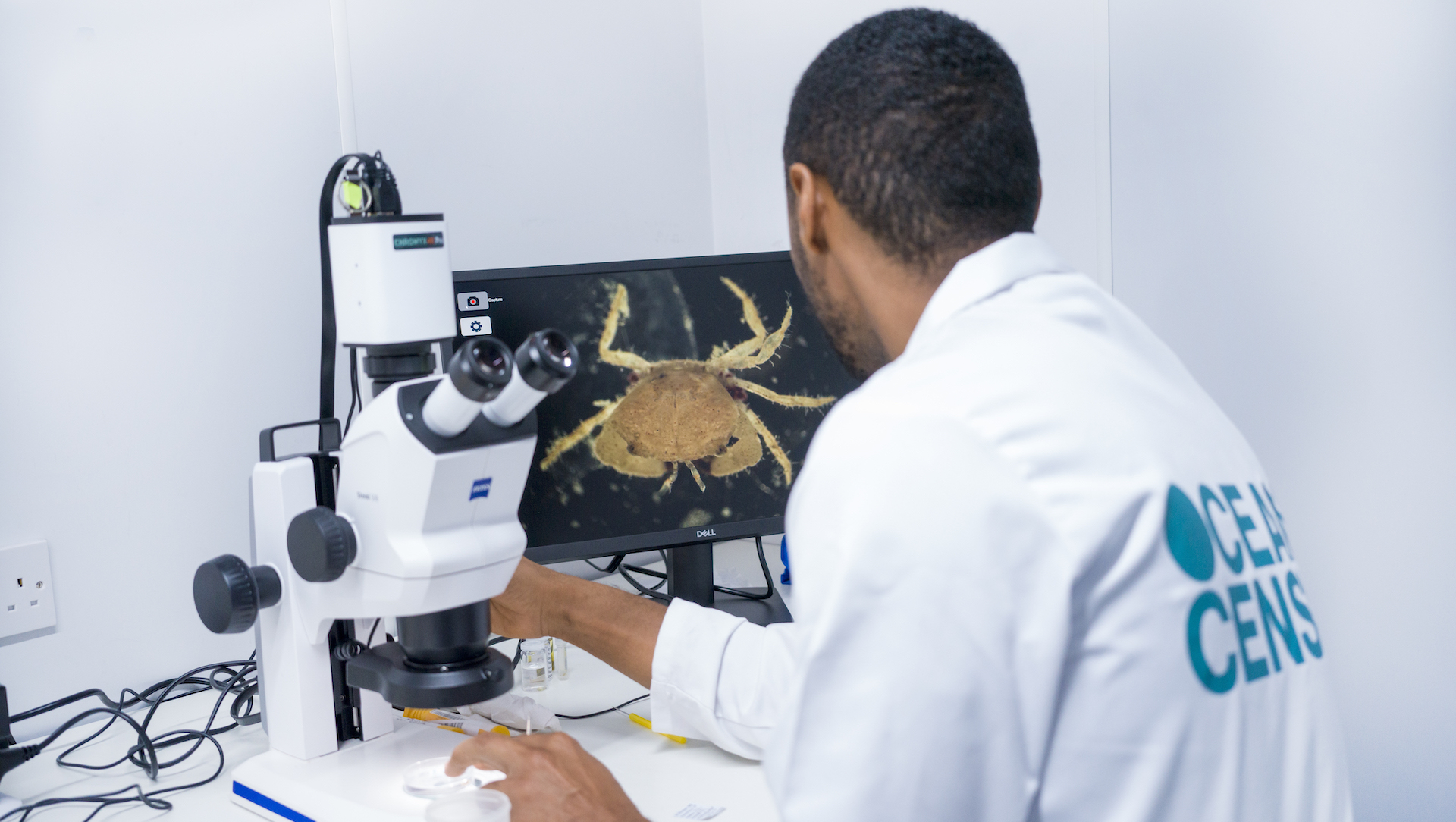
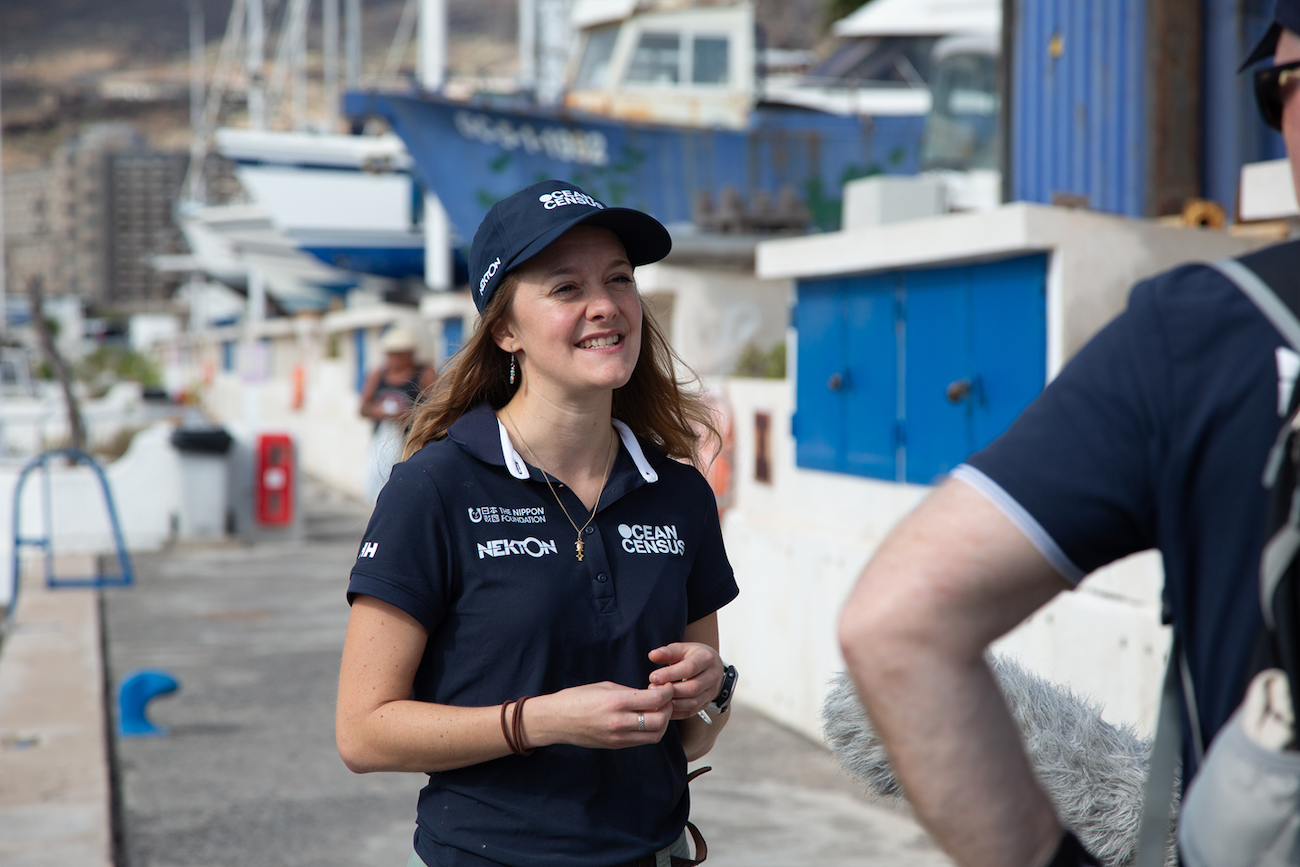
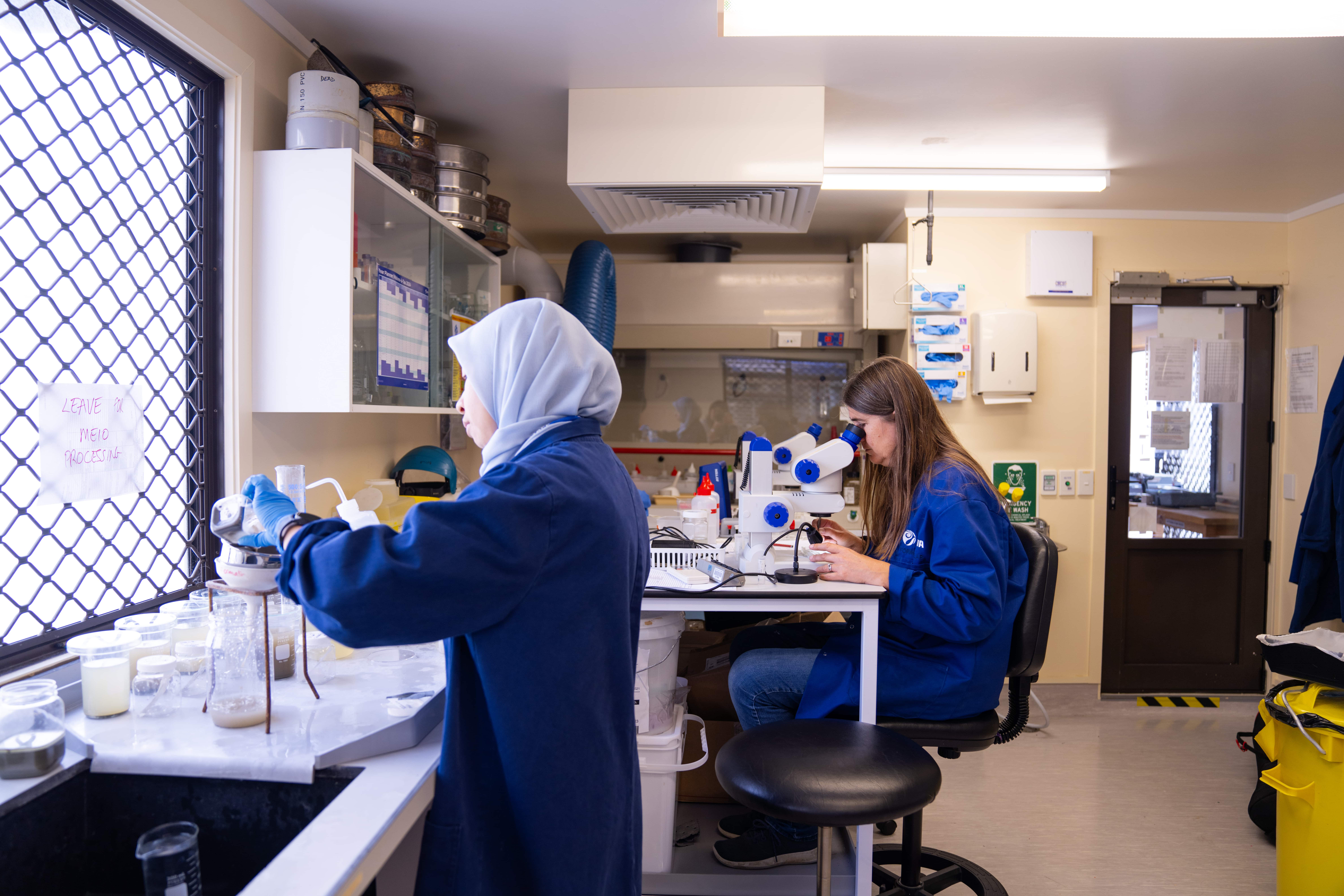
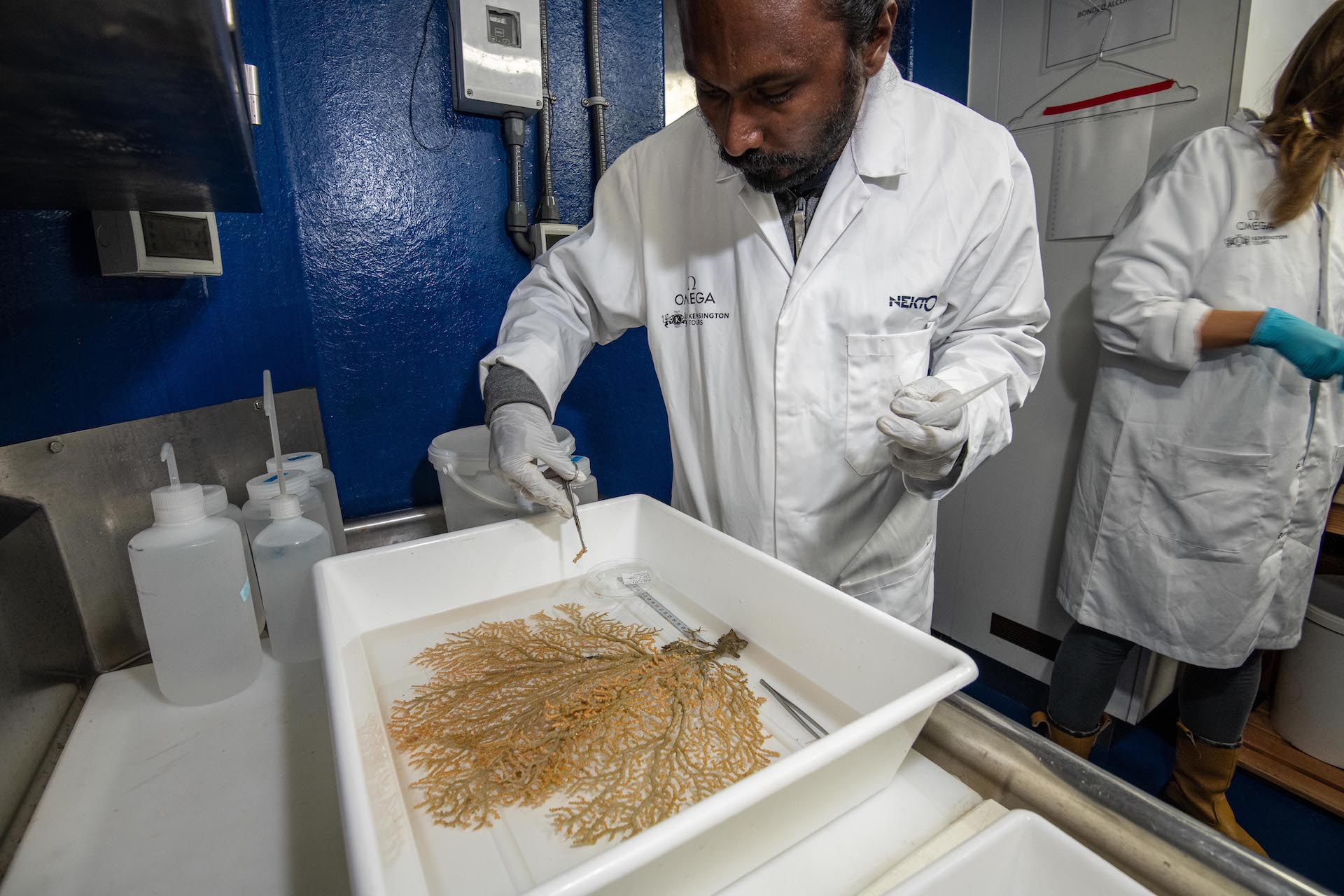
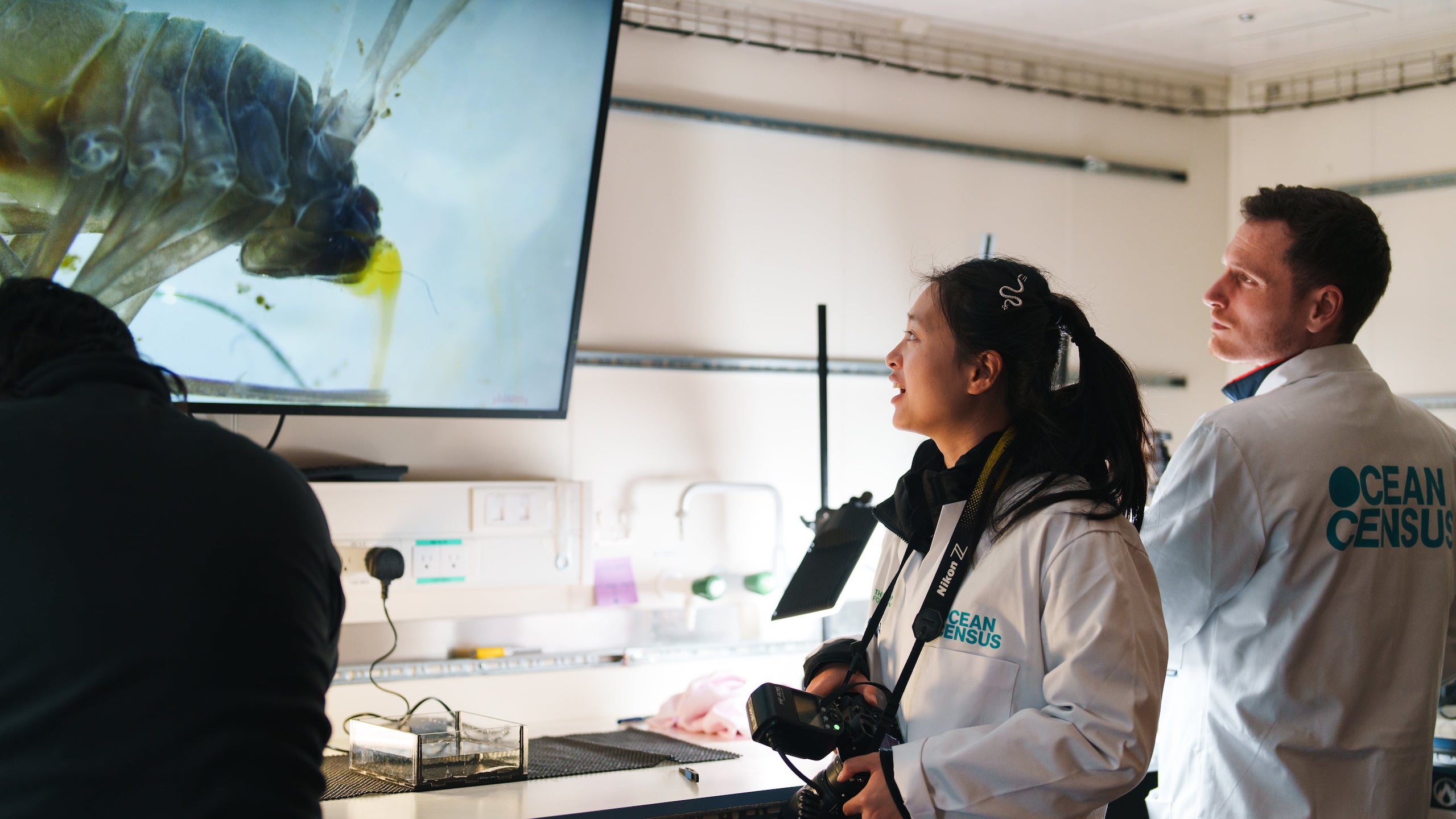
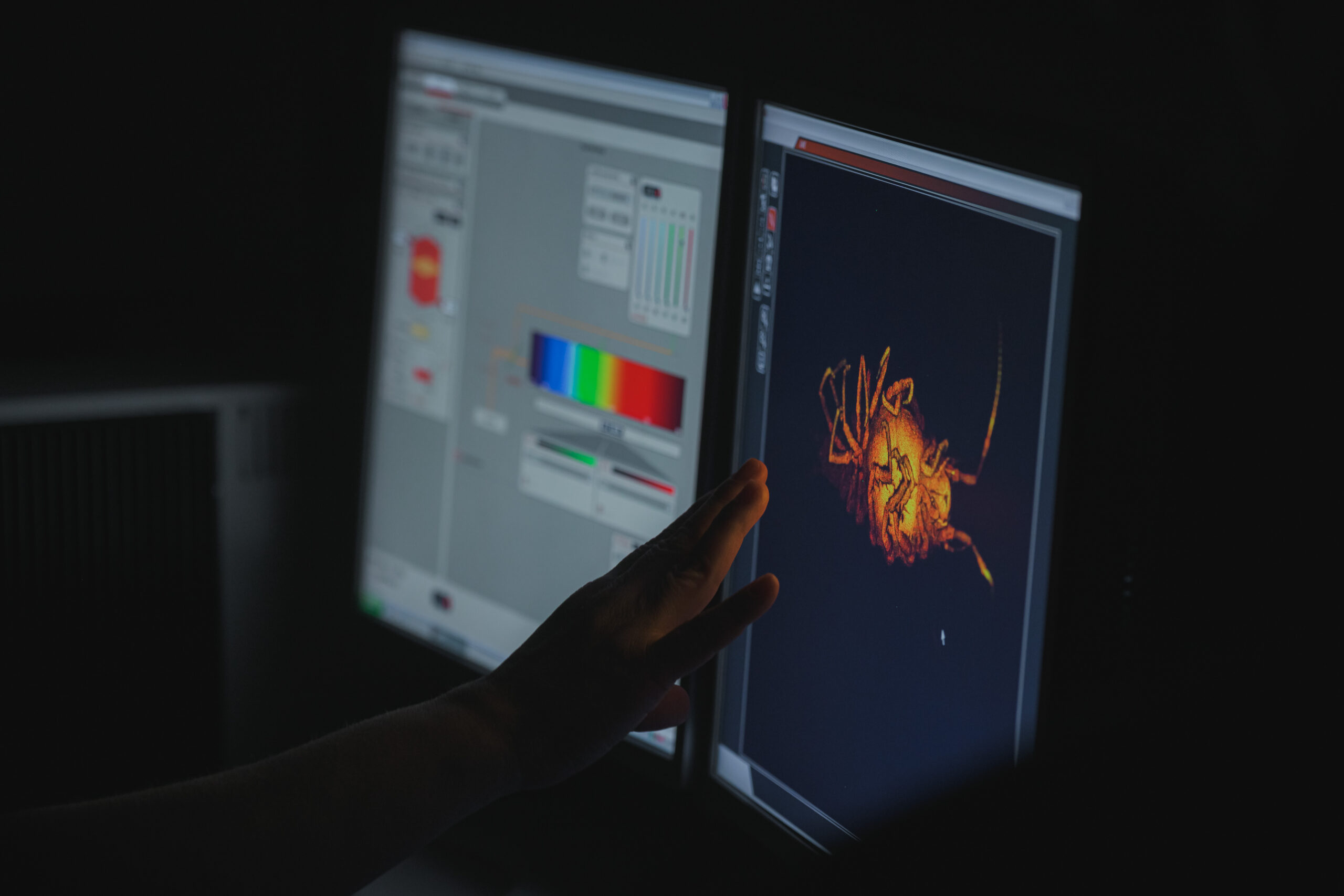
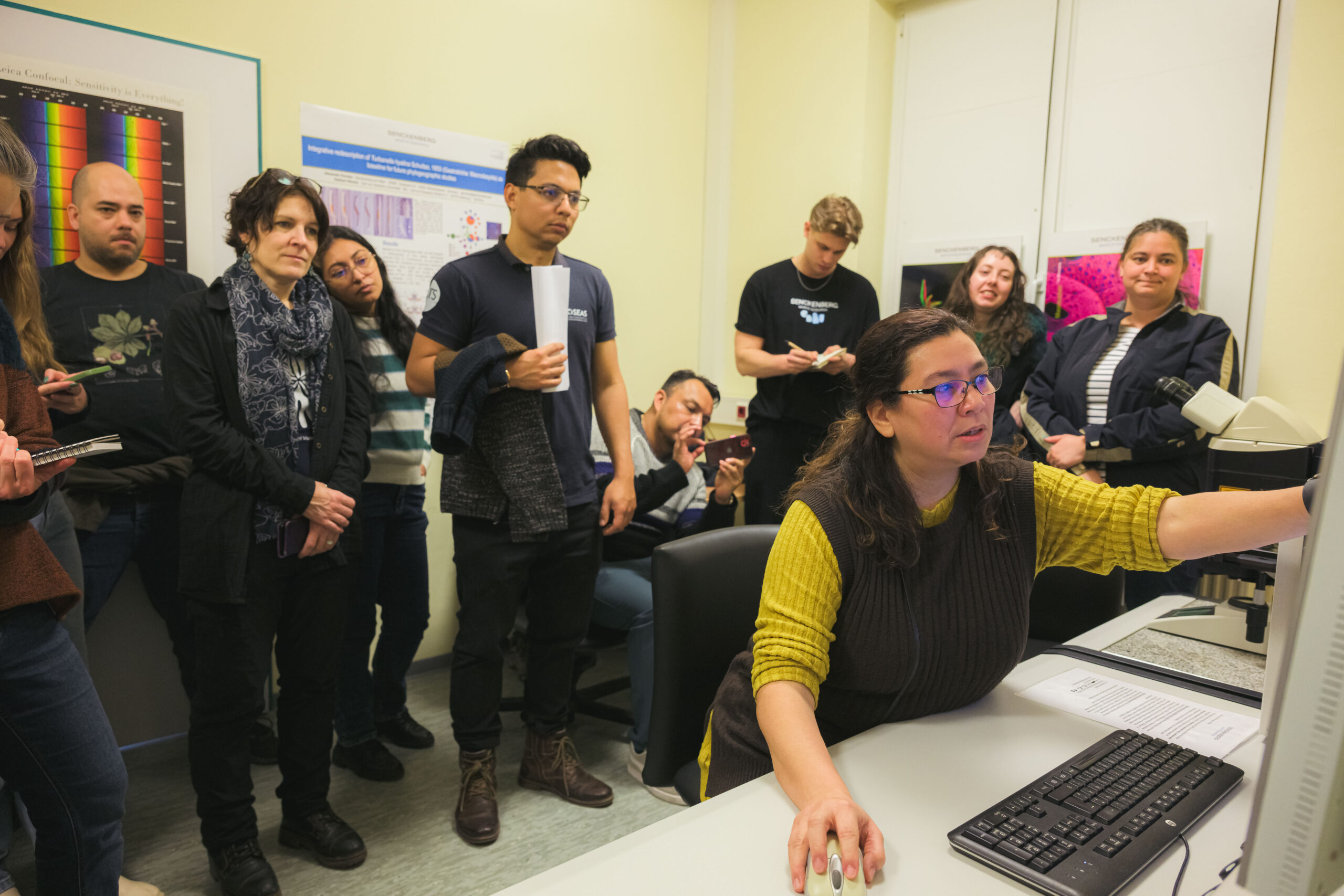
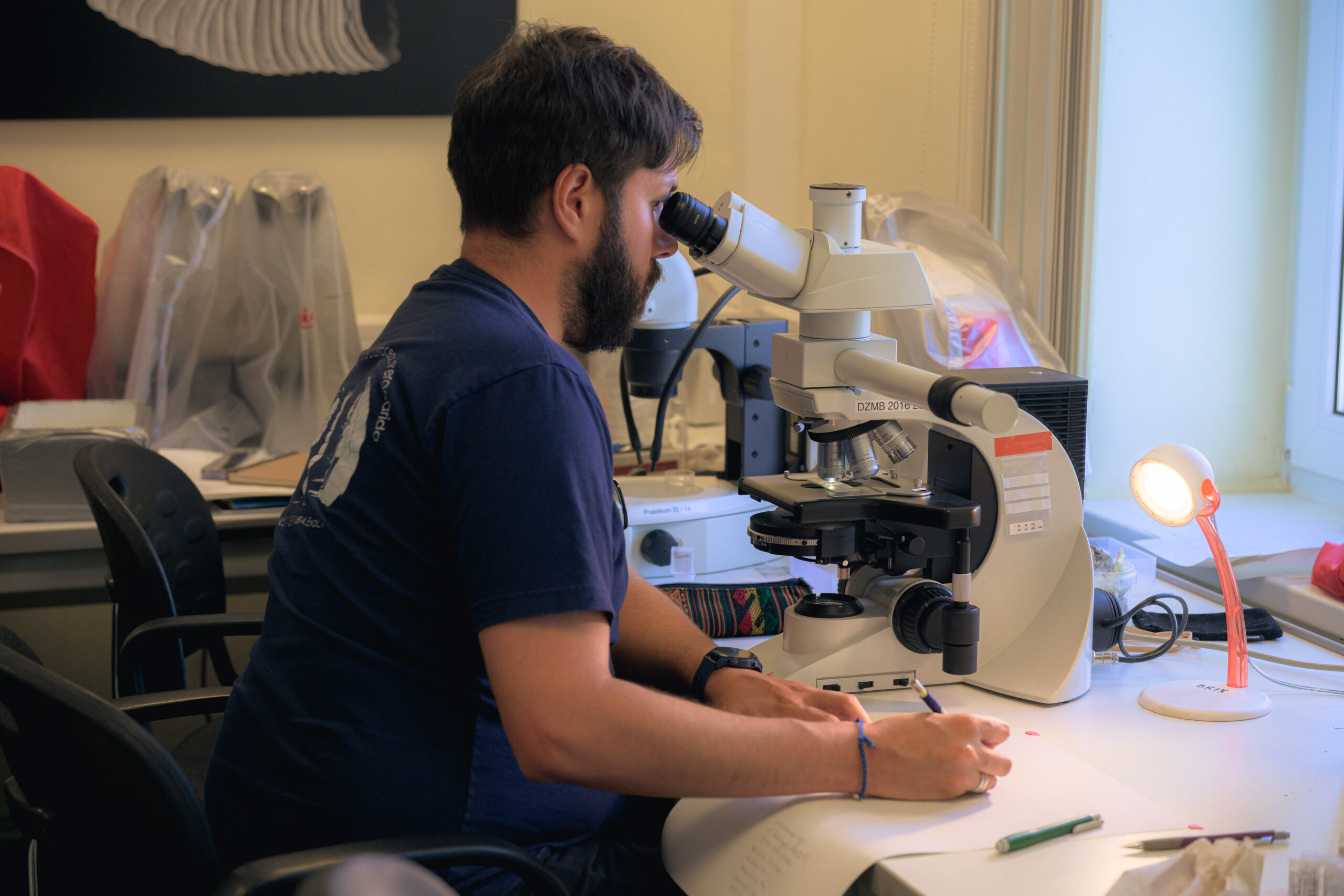
In February 2026, scientists from the Nippon Foundation–Nekton Ocean Census and the Senckenberg Ocean Species Alliance gathered in Wilhelmshaven, Germany for an intensive Isopod Species Discovery Workshop at the Senckenberg German Centre for Marine Biodiversity Research. The event brought together leading taxonomists and early-career scientists to examine a vast collection of isopod specimens.
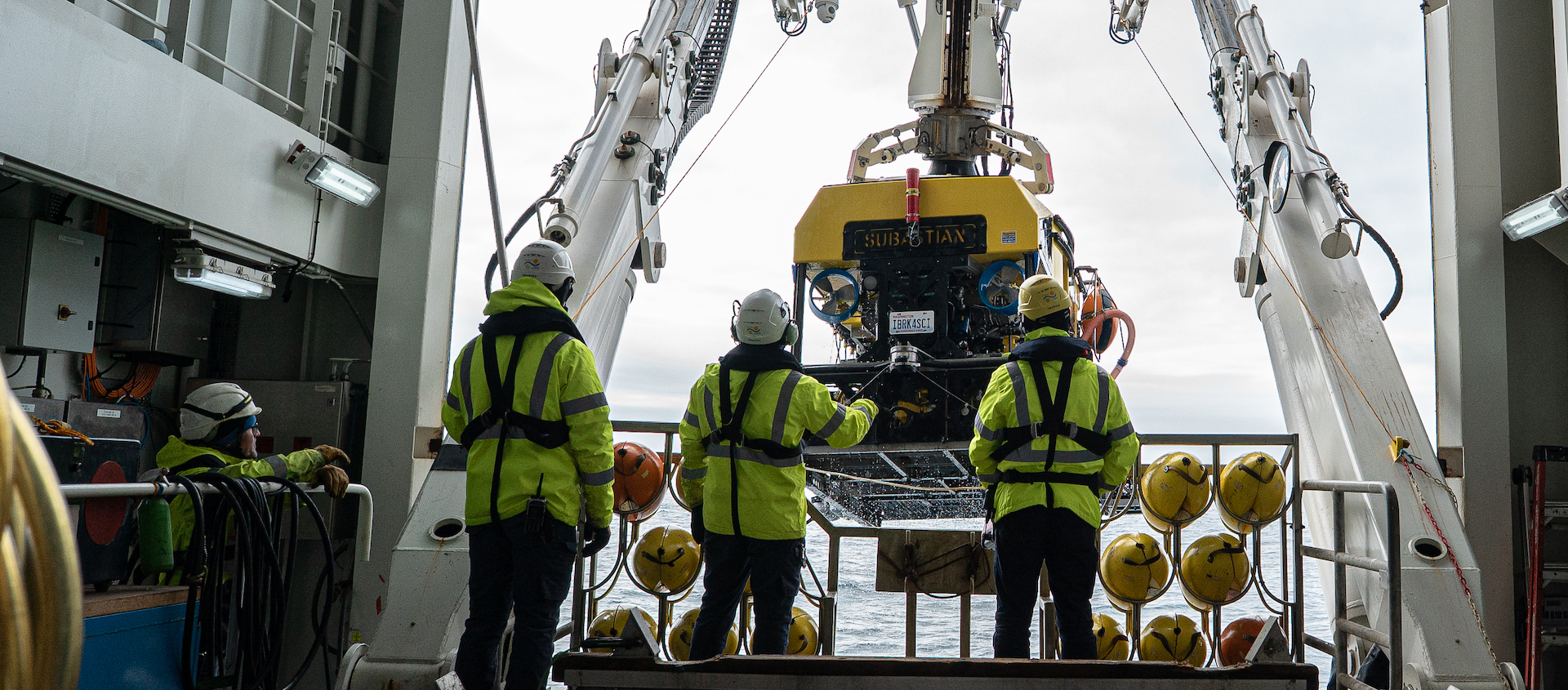
The workshop was co-developed and organised by Saskia Brix, professor for Benthic Biogeography at the University of Hamburg and her isopod research team and her isopod research team, alongside Verity Nye, Ocean Census Science Manager for the Science Network, Species Discovery Workshops and Awards. Over two weeks, participants worked through hundreds of specimens collected from expeditions ranging from Mayotte and the East African coastline from Tanzania and Mozambique to South Africa, and from New Zealand to the Arctic.
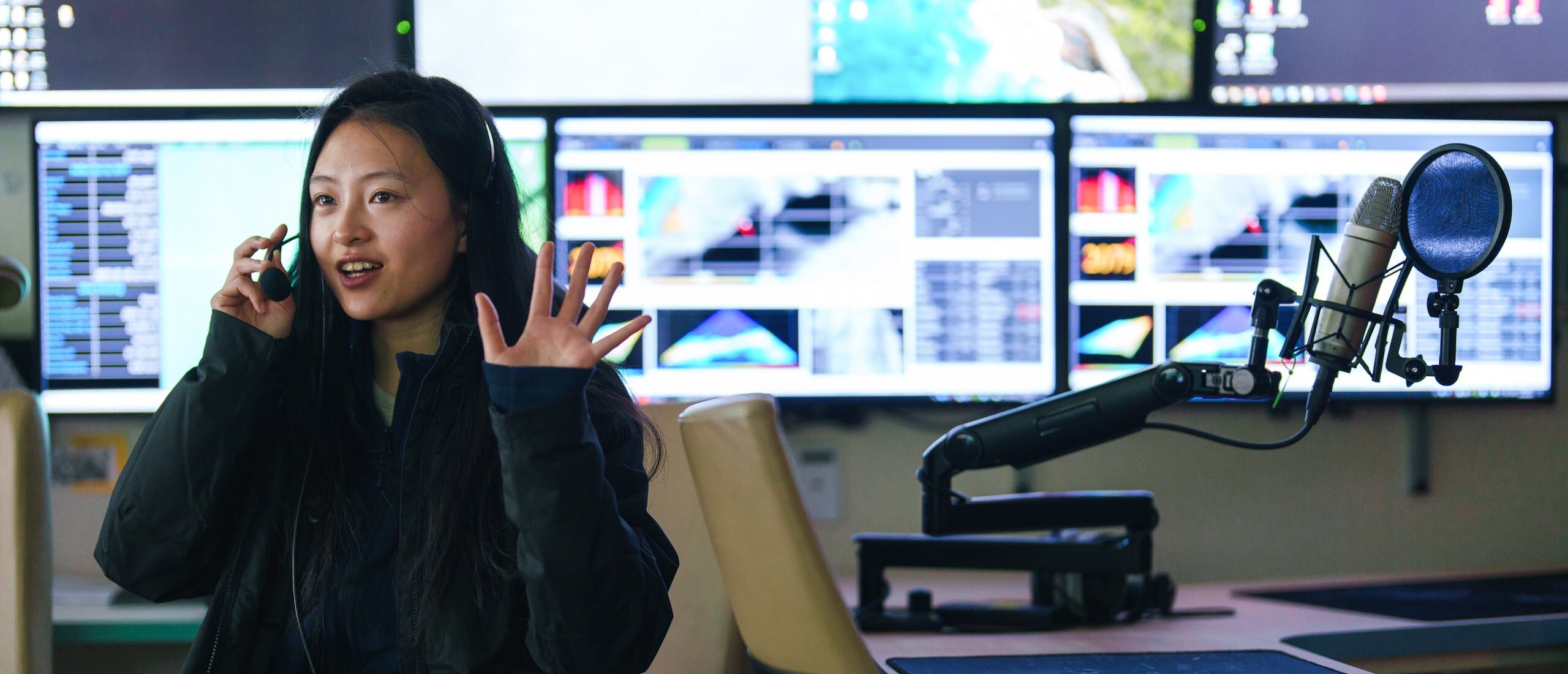
Image credits: Zhehao Hu
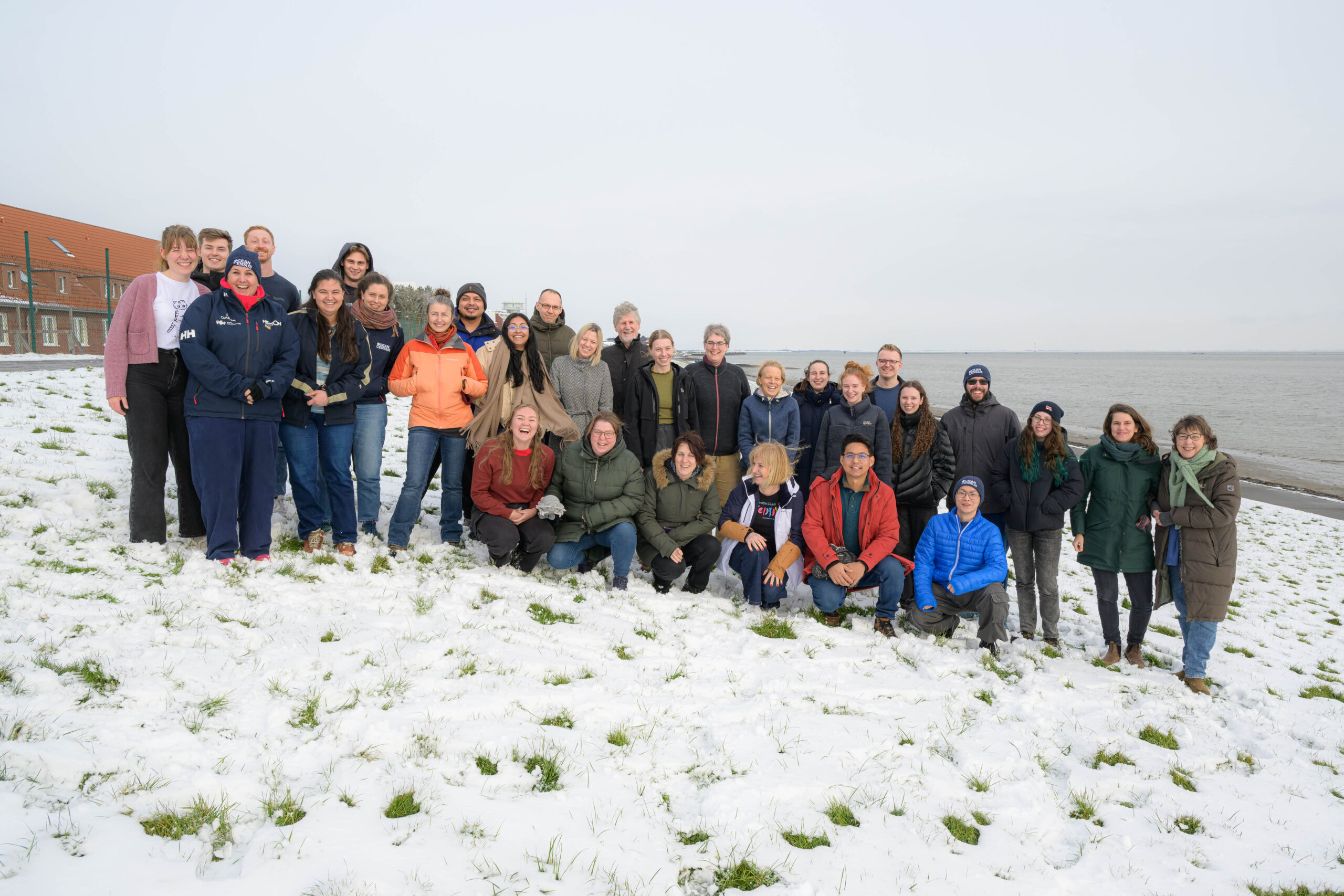
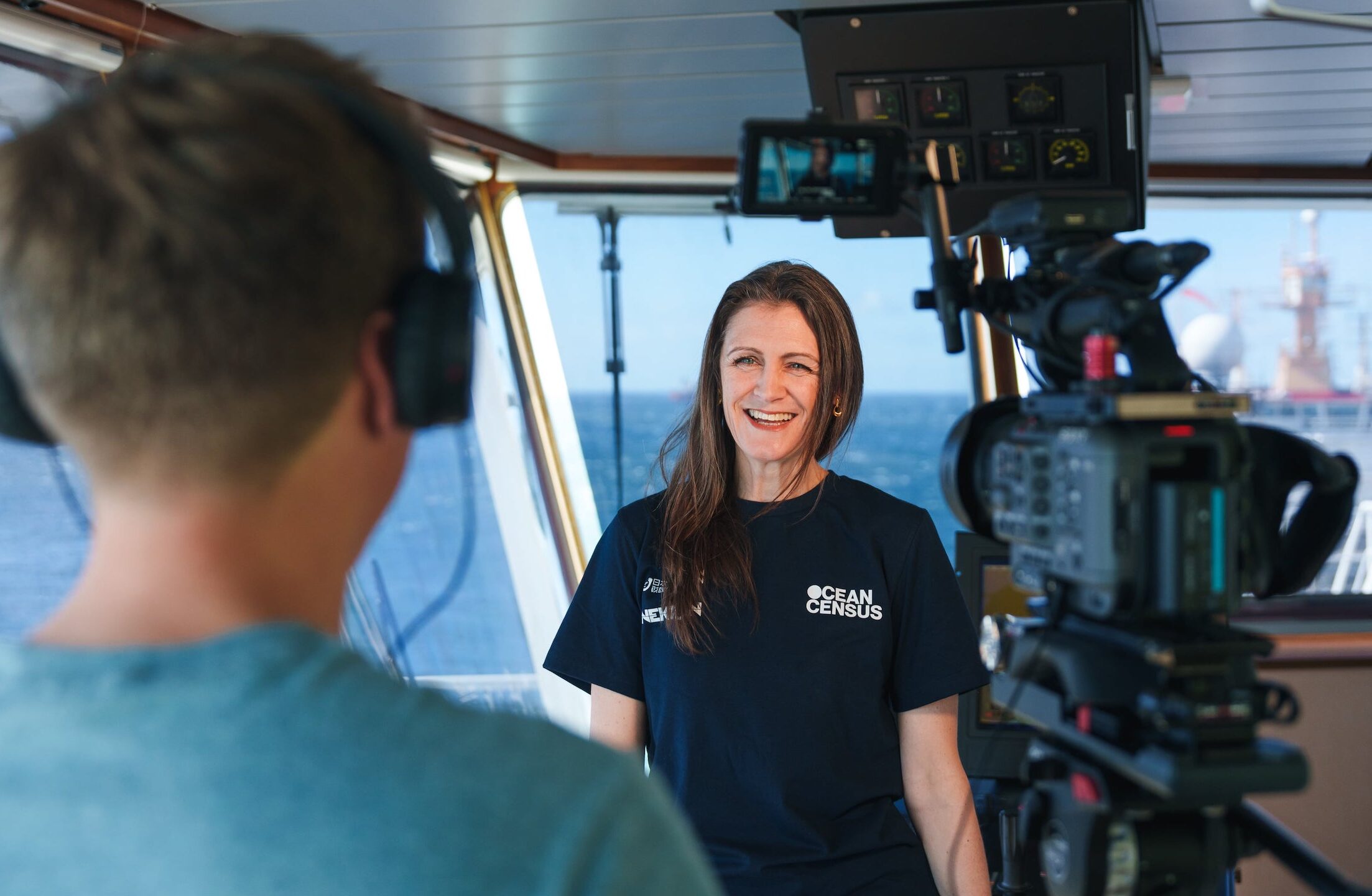
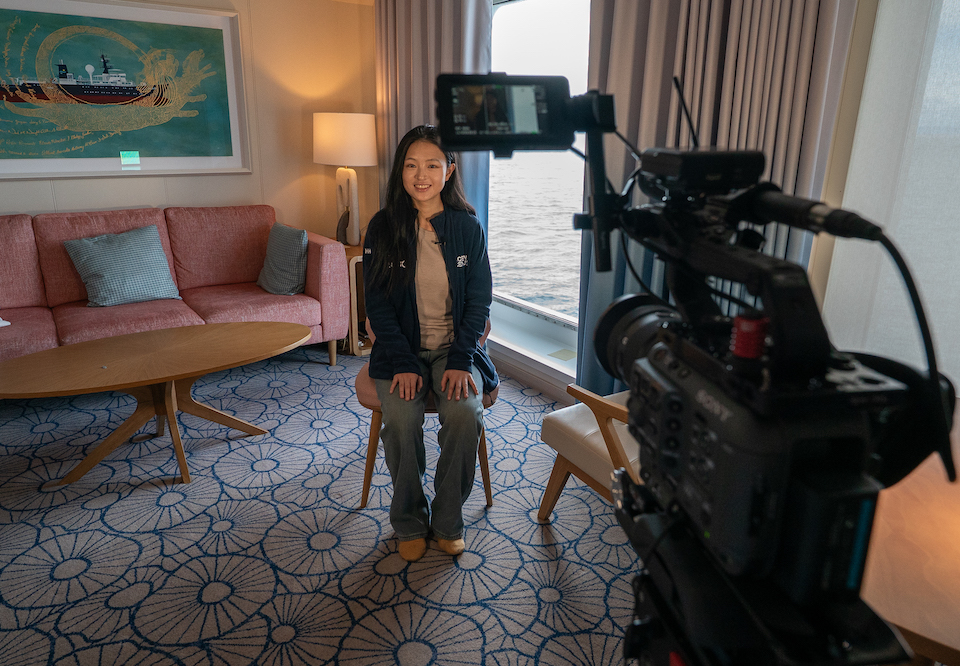
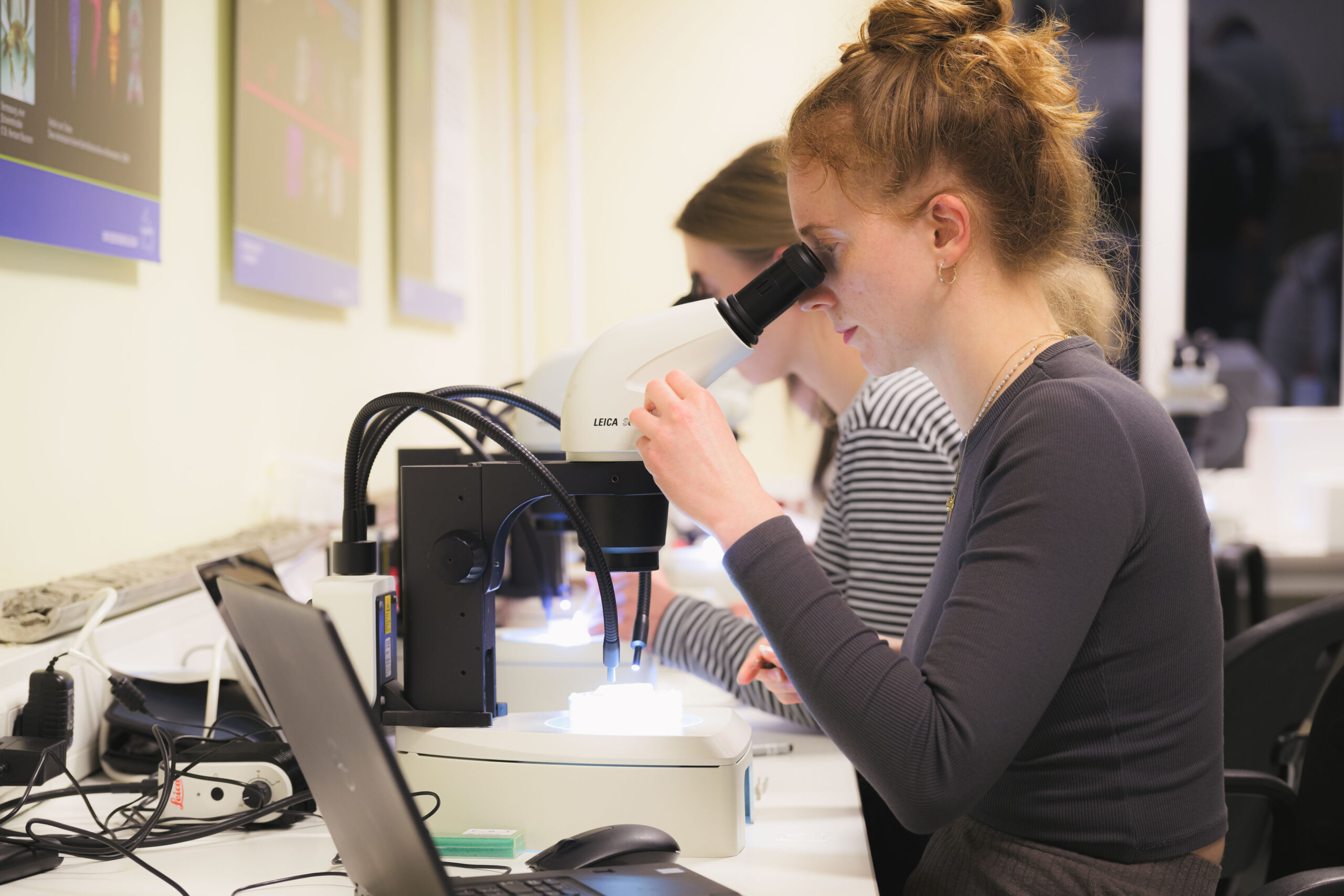
Image credits: Zhehao Hu
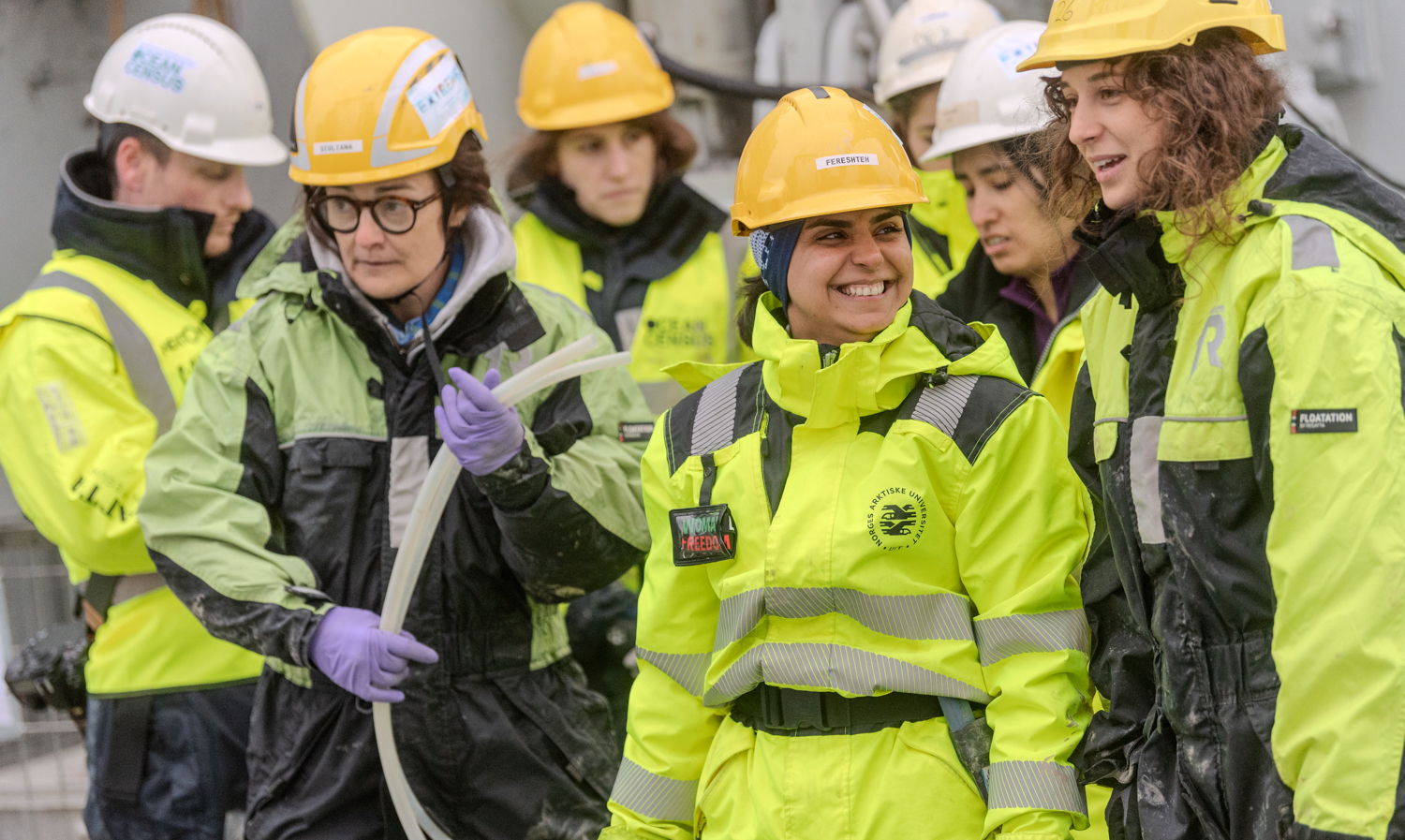
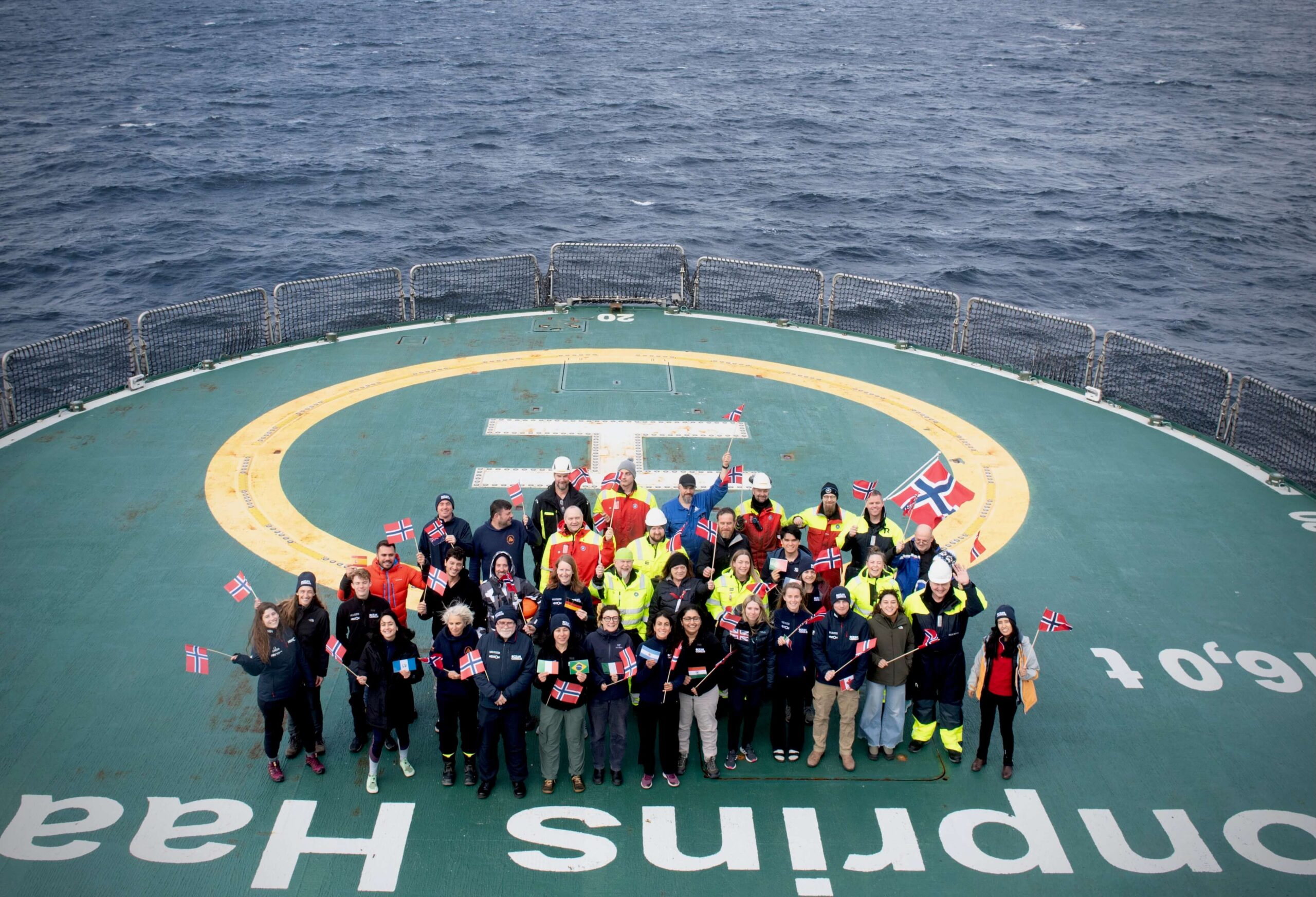
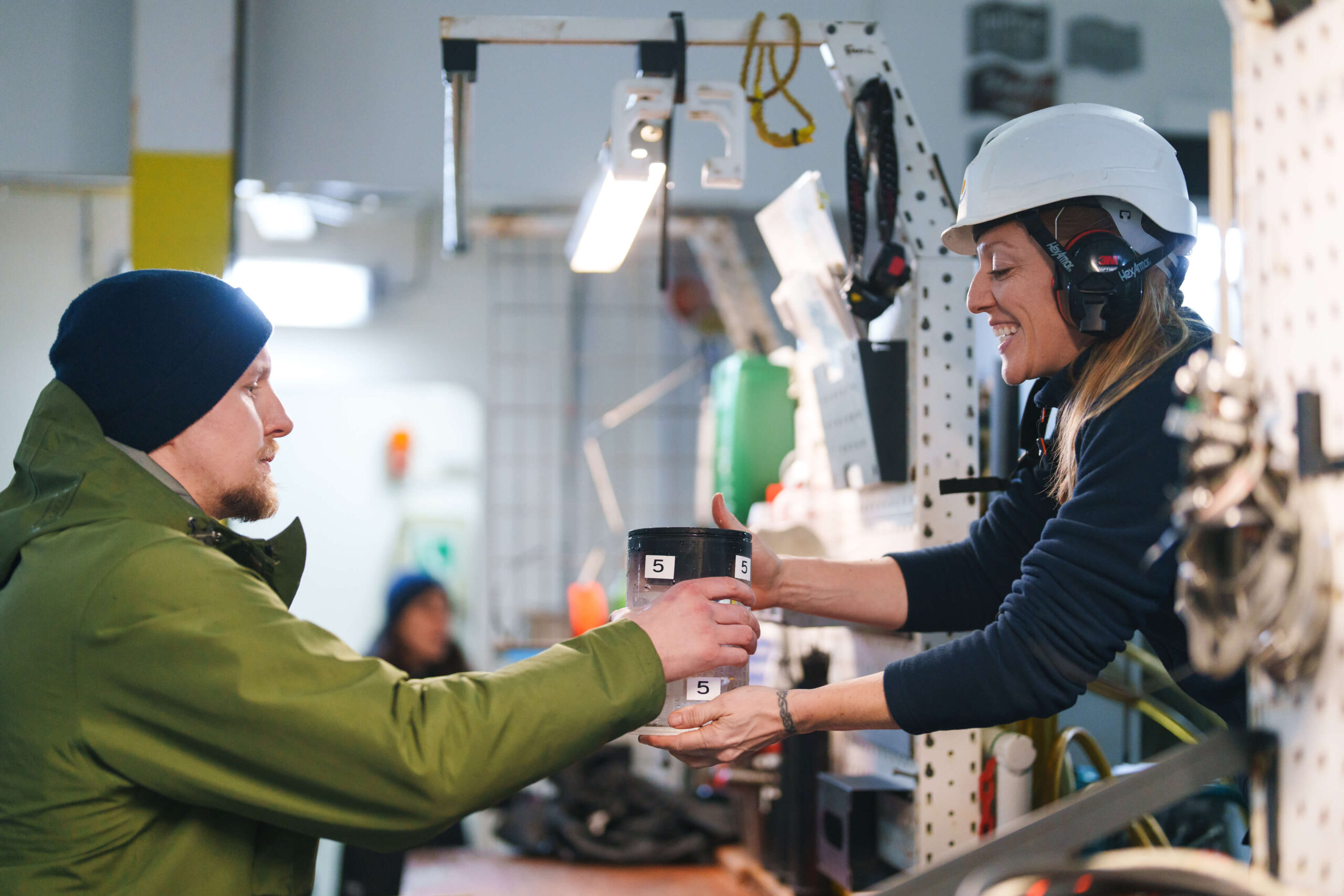
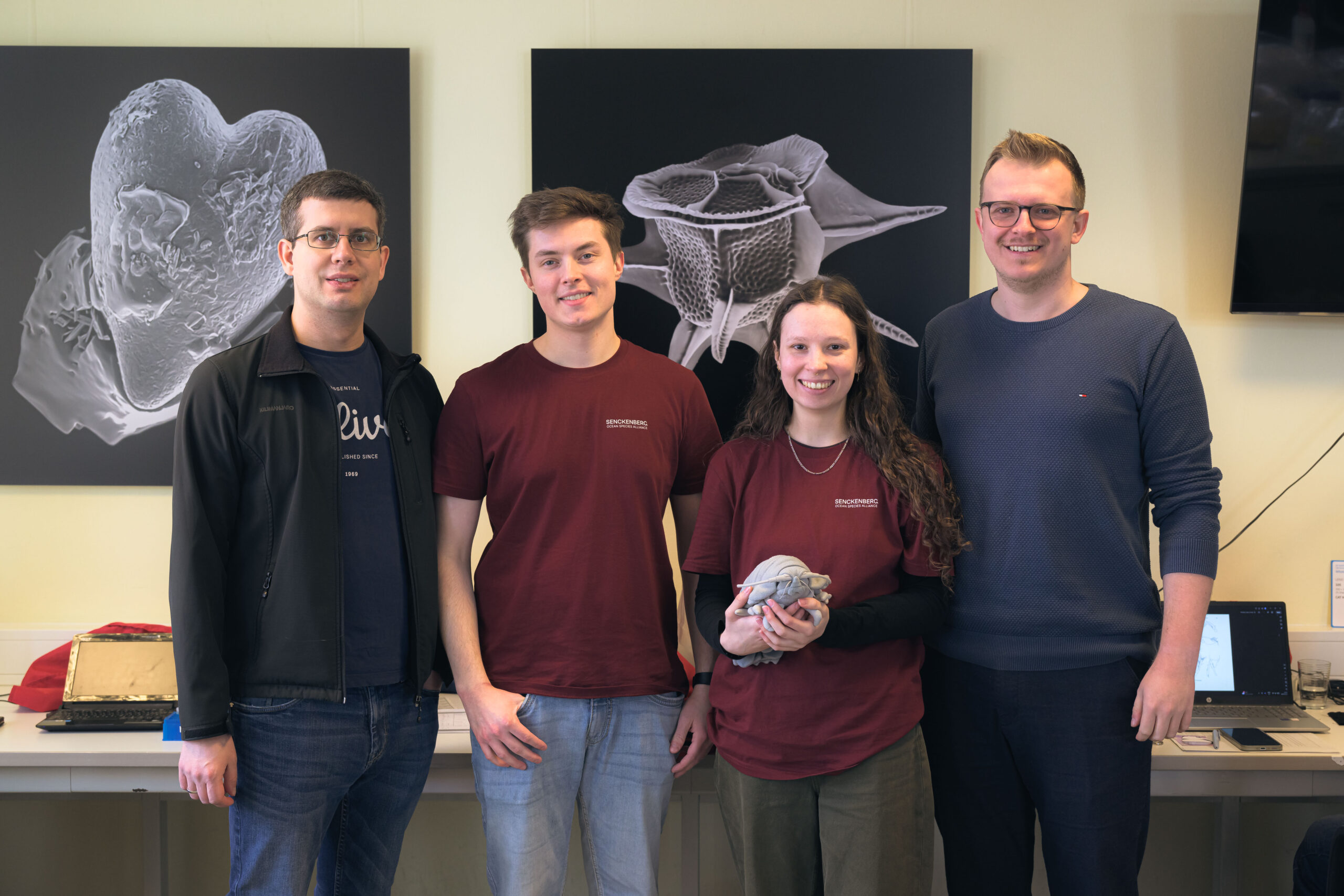
More than 25 researchers attended, including 14 early-career scientists. Their participation highlighted the importance of hands-on training and knowledge exchange between established experts and the next generation of taxonomists.
Workshops like this play an important role in accelerating the discovery and description of new species while strengthening collaboration across institutions and research networks. They also provide invaluable opportunities for mentoring, helping build the taxonomic expertise needed to document marine biodiversity in the future.
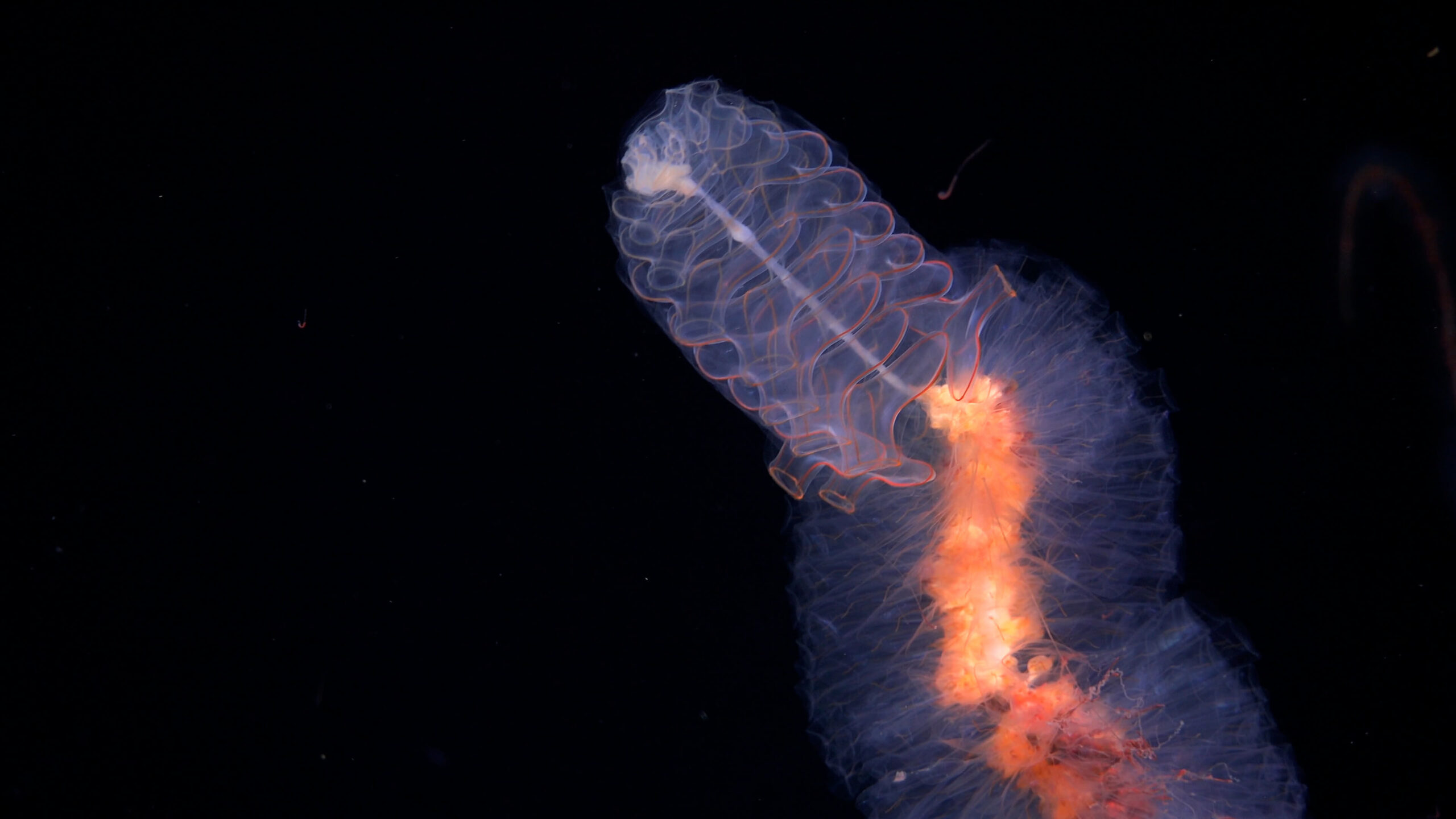
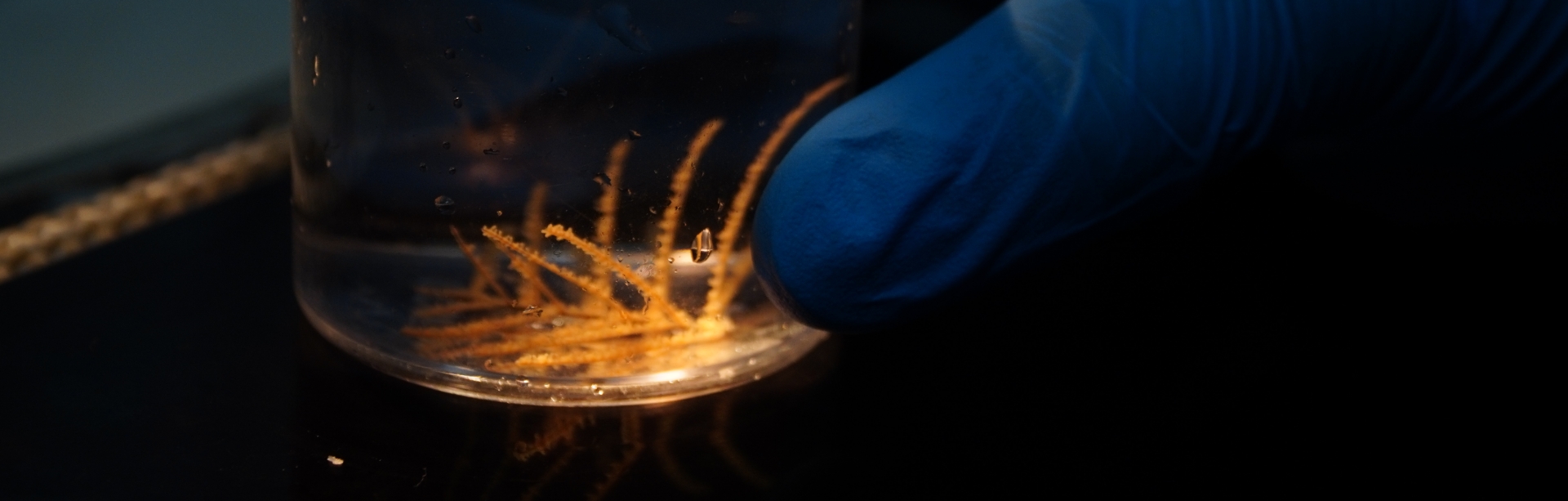
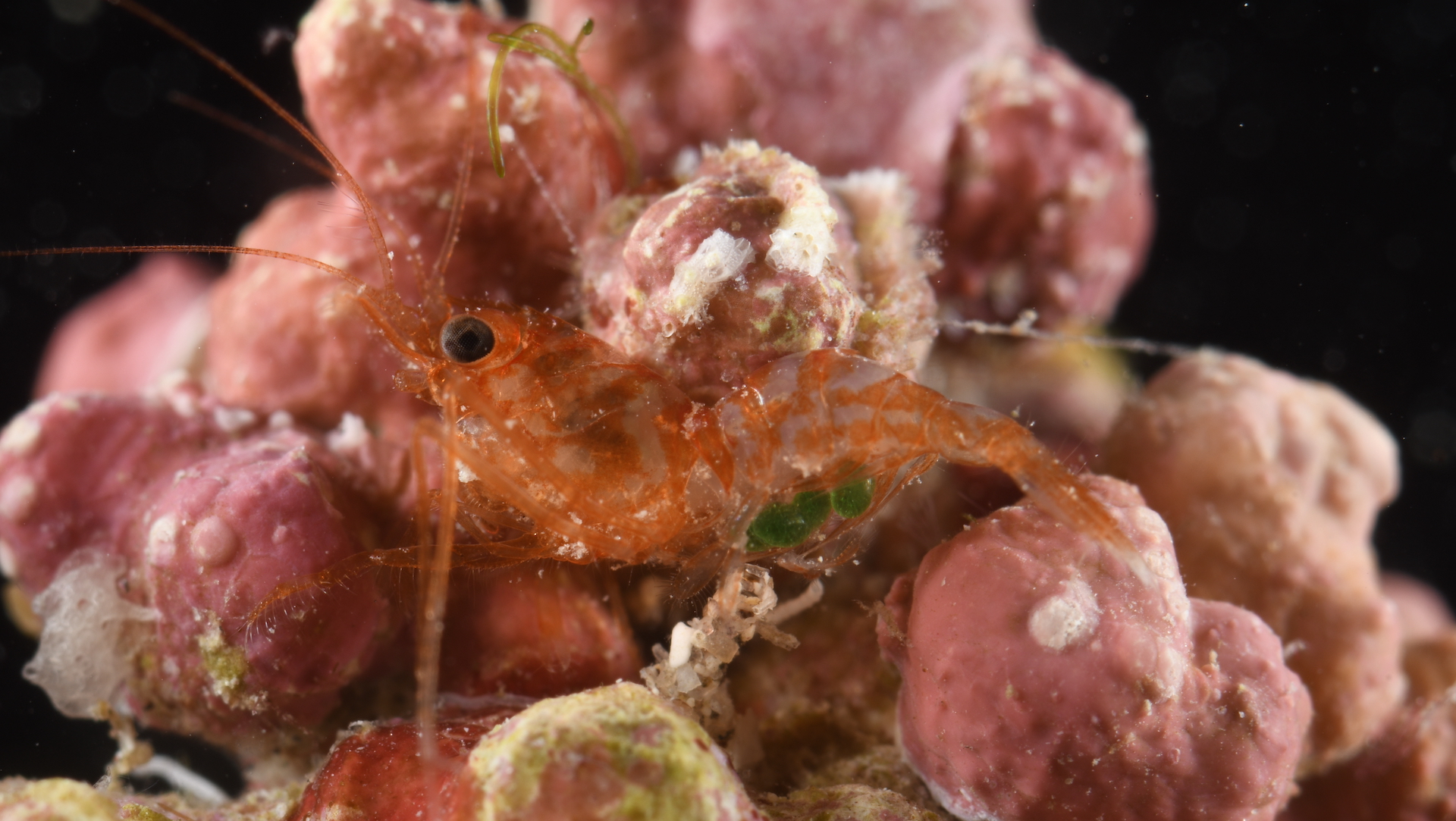
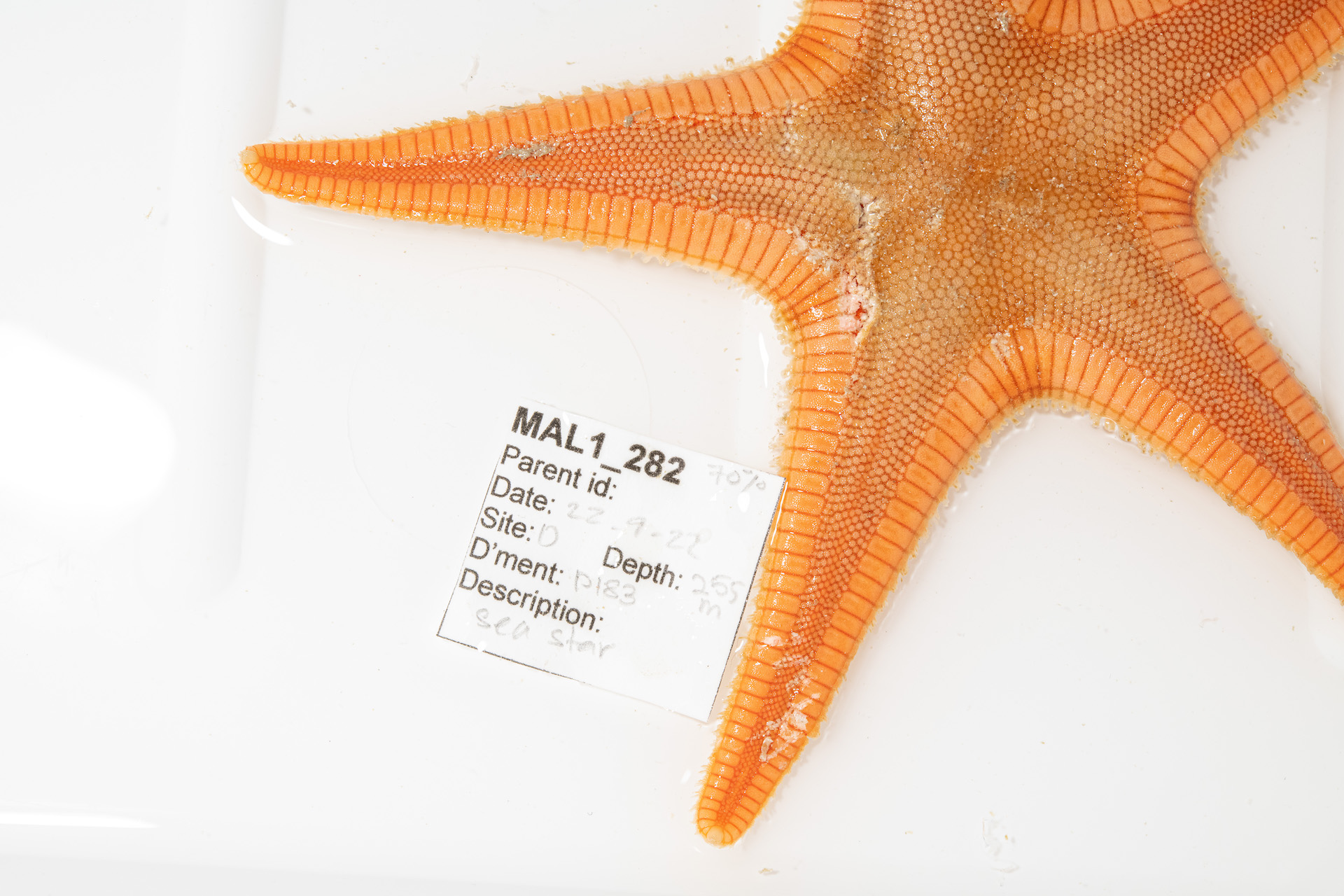
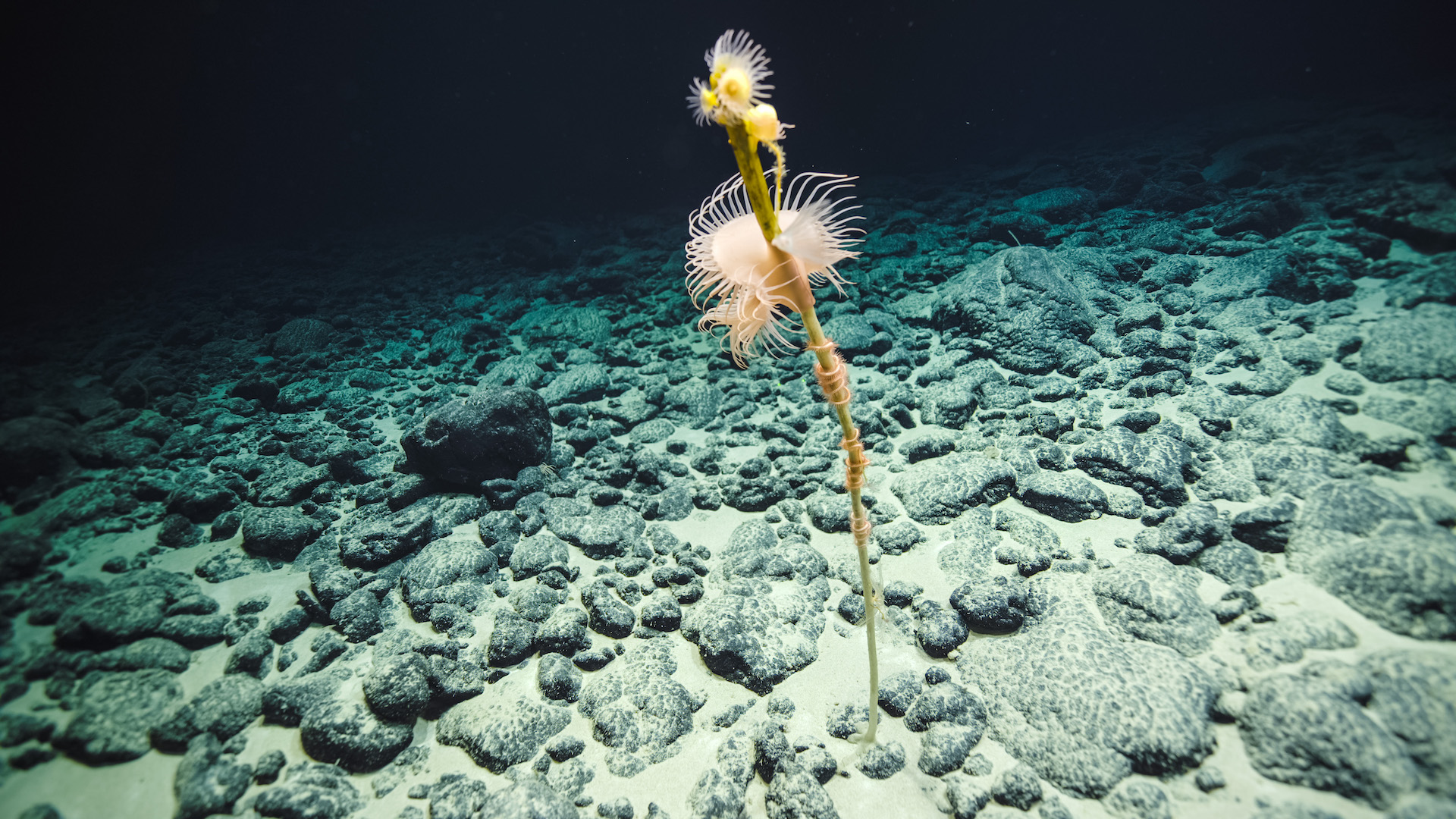
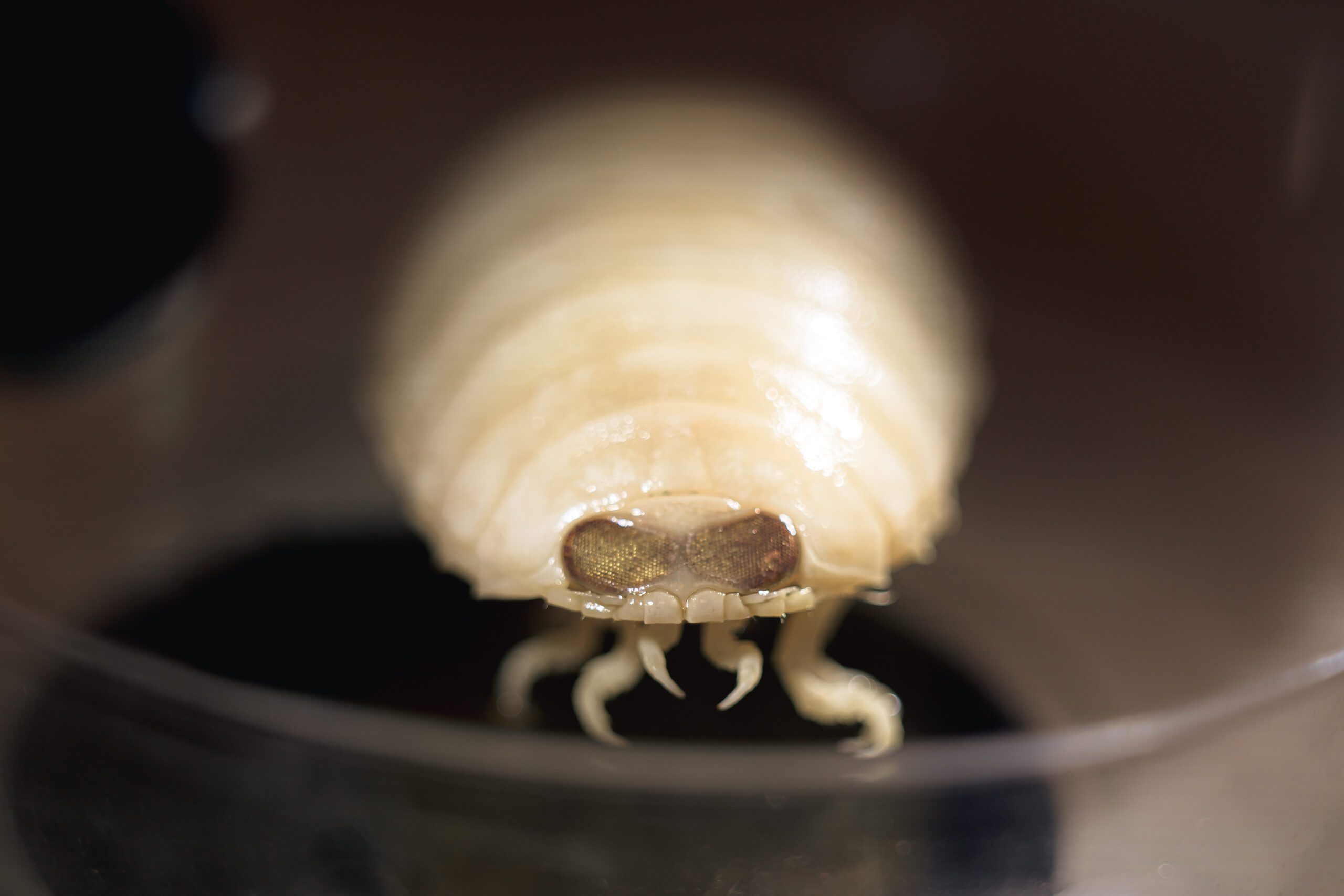
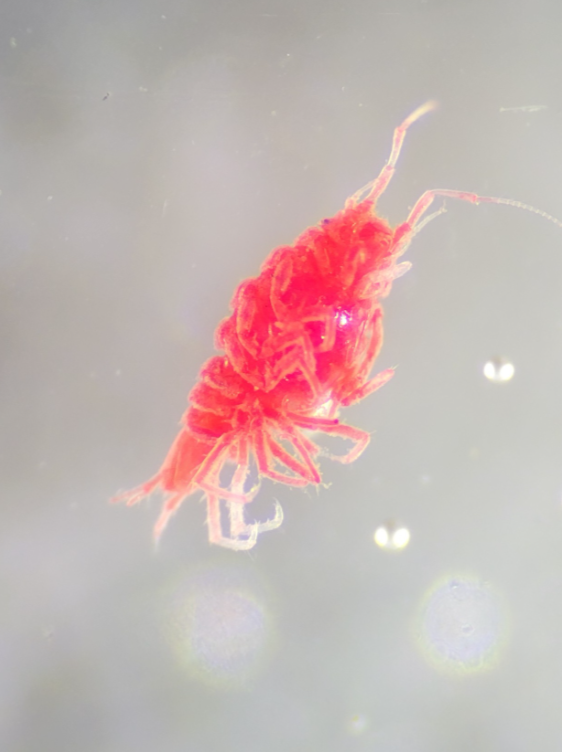
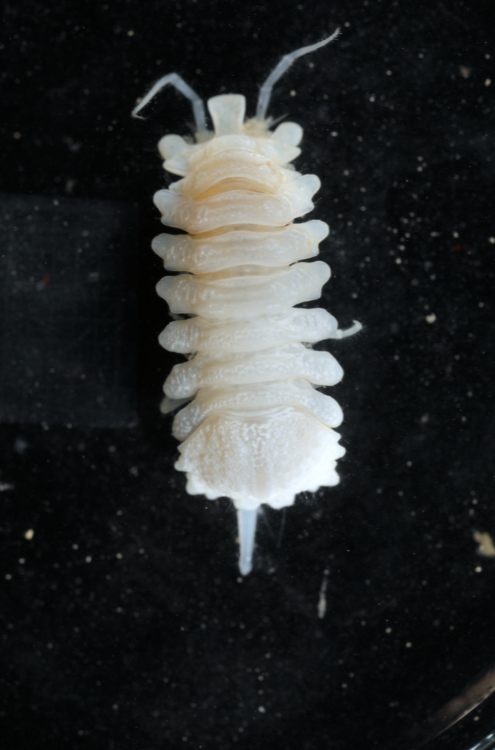
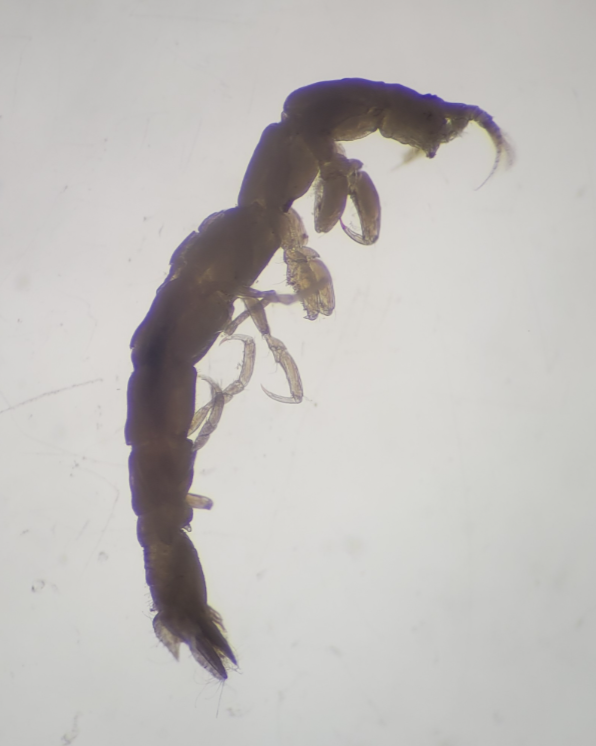
Isopod images above from left to right:
Santia sp.
Image credit: Tammy Horton
Lolanthe sp.
Image Credit: Stefanie Kaiser
Expanathuridae sp.
Image Credit: Tammy Horton
“I couldn’t imagine a more interesting group to study
to learn about life in the deep sea.”
Henry Knauber, PhD student, Senckenberg Research Institute and Natural History Museum Frankfurt
Workshop outcomes
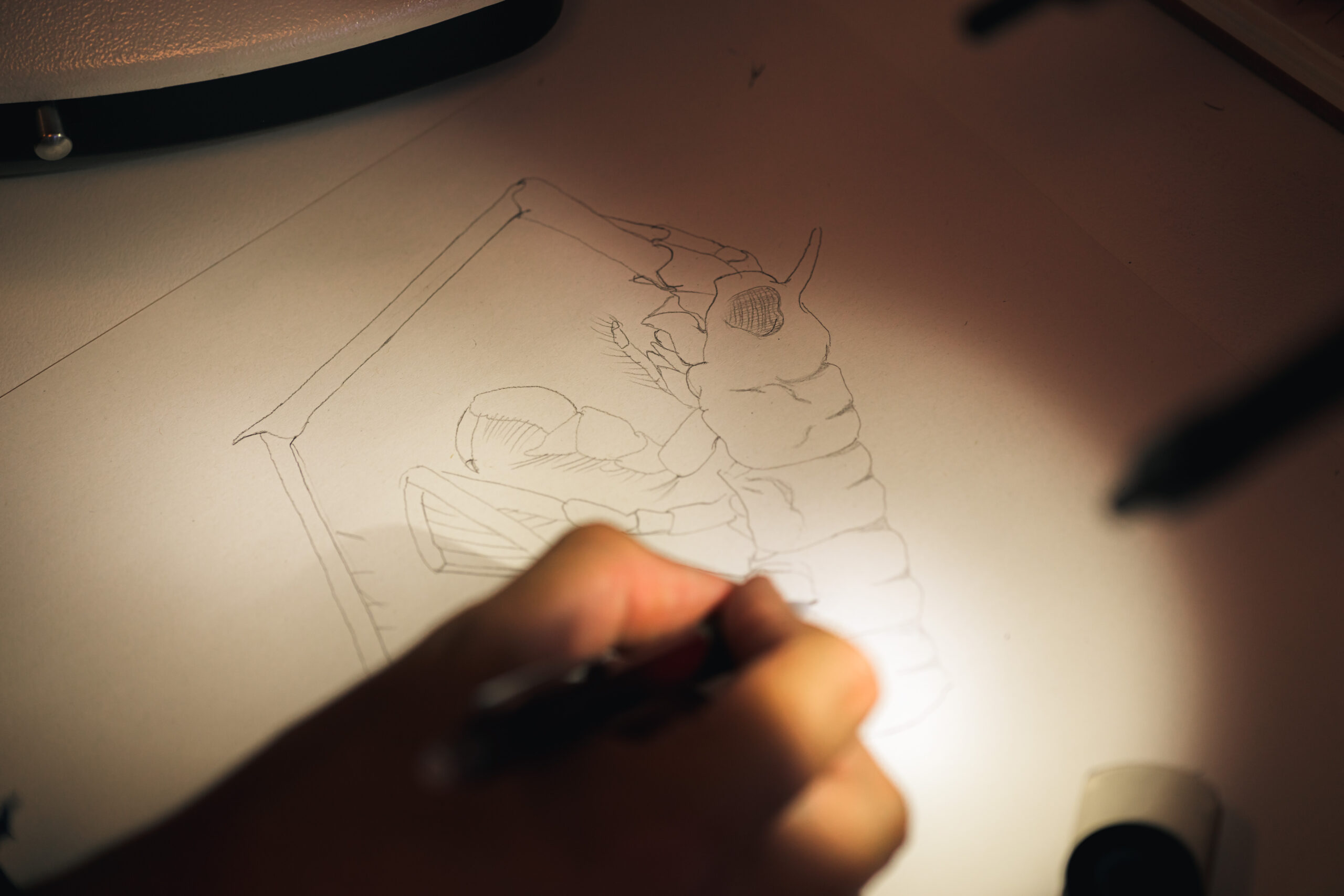
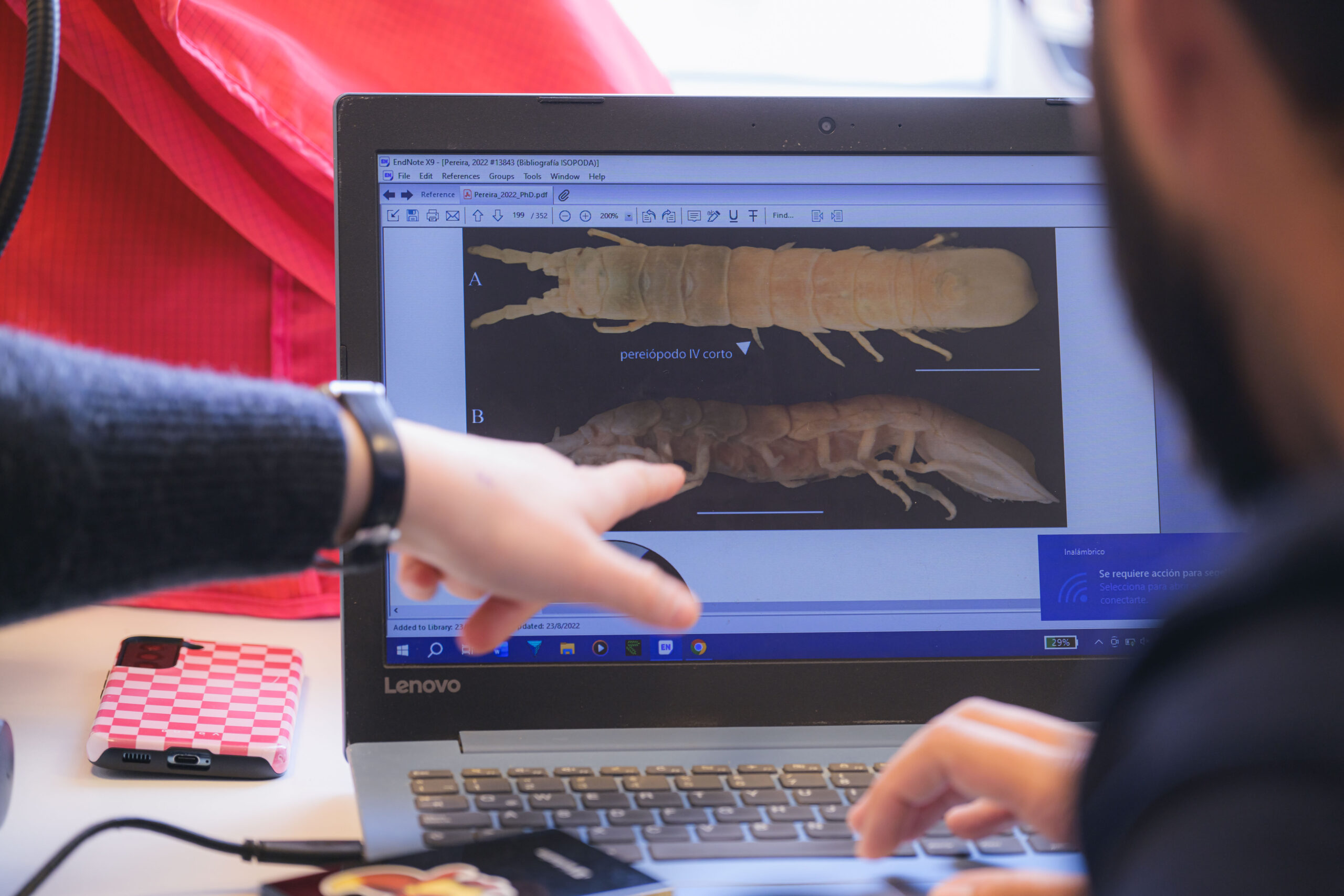
The workshop was structured in two phases. During the first week, researchers focused on sorting and identifying specimens. The second week centred on analytical work required for formal species descriptions.
The results were remarkable: Over 100 of the examined isopod species are believed to be new to science.
These discoveries span 24 isopod families, with six entirely new genera identified. Of the newly recognised species, 63 have already been formally discovered, while 38 are currently progressing through the description pipeline. These numbers continue to rise as we process and analyse the species.
Integrating discovery pipelines
The workshop also marked an important milestone: it was the first official integration of the complementary species discovery pipelines of Ocean Census and the Senckenberg Ocean Species Alliance.
By combining approaches, both initiatives are working to streamline the process that takes a species from discovery to formal scientific description.
This collaboration aims to make species discovery more efficient, ensuring that newly recognised marine life can move more rapidly from museum collections into the scientific record.
The Biodiversity Data Platform in action
A key part of this streamlined approach is the Ocean Census Biodiversity Data Platform (BDP).
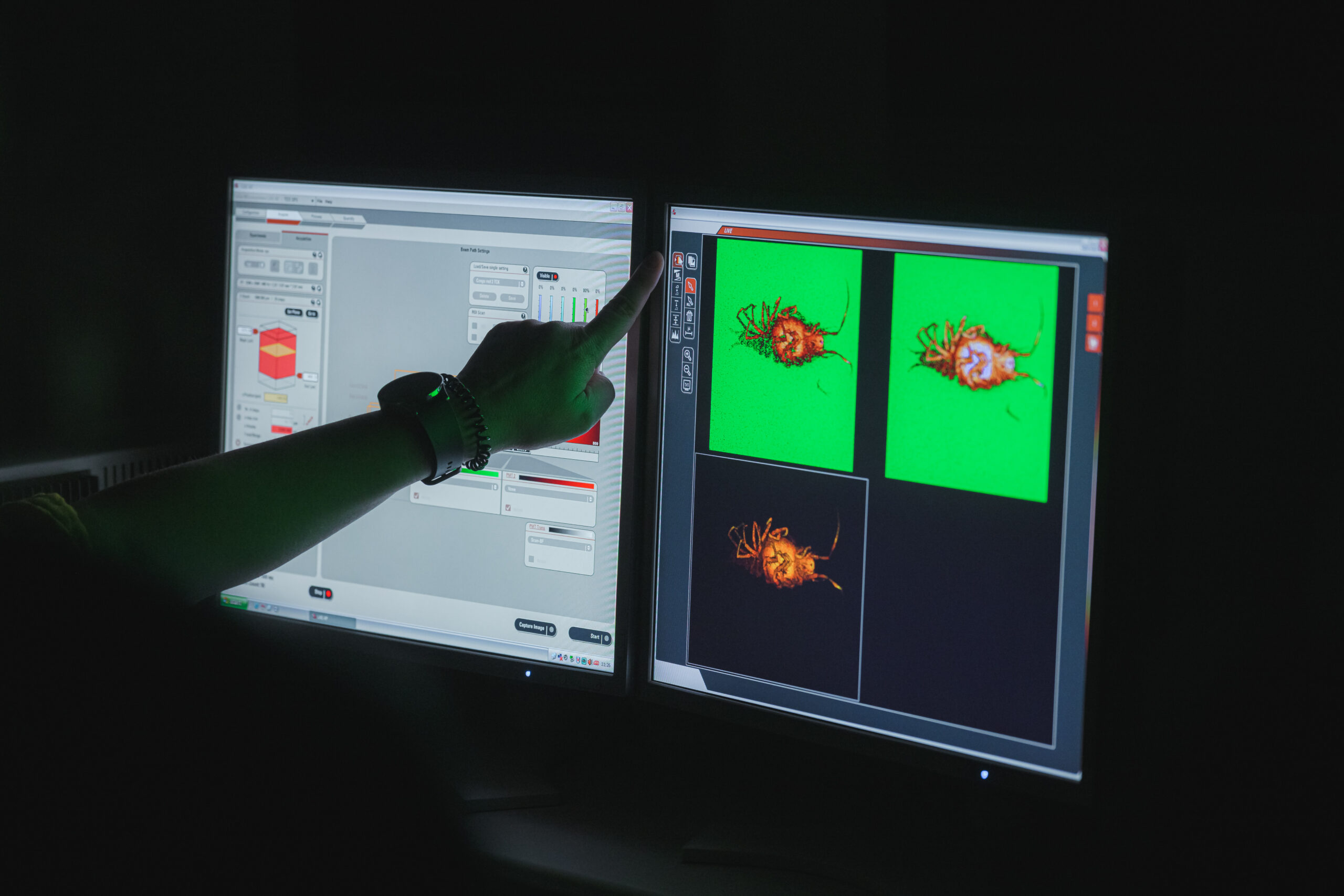
During the workshop, taxonomists entered their discoveries directly into the newly redeveloped platform. The BDP is an open-access hub designed specifically to host data on newly discovered marine species.
By integrating data submission, quality assurance, and public presentation within one platform, the BDP significantly accelerates the journey from discovery to publication. Researchers can document new species, manage associated datasets, and prepare information for formal scientific description in a more coordinated and efficient way.
For the isopods discovered during the workshop, this means the process does not end with identification. Through the BDP and the joint discovery pipeline, specimens can move from museum shelves into the hands of experts, receive descriptions and formal scientific names, and eventually contribute to conservation assessments and biodiversity monitoring.
WANT TO JOIN A WORKSHOP?
We would like to extend our sincere thanks to everyone who has contributed to the Species Discovery Workshop, a collaborative effort between Ocean Census and the Senckenberg Society for Nature Research, and lead for Saskia Brix and her isopod team.
Want to get involved in a future workshop?
Join our science network today and sign up to our newsletter to receive expressions of interest.
Related News
Join the census
The Ocean Census Alliance unites national and philanthropic marine institutes, museums, and universities, backed by governments, philanthropy, business and civil society partners.


