







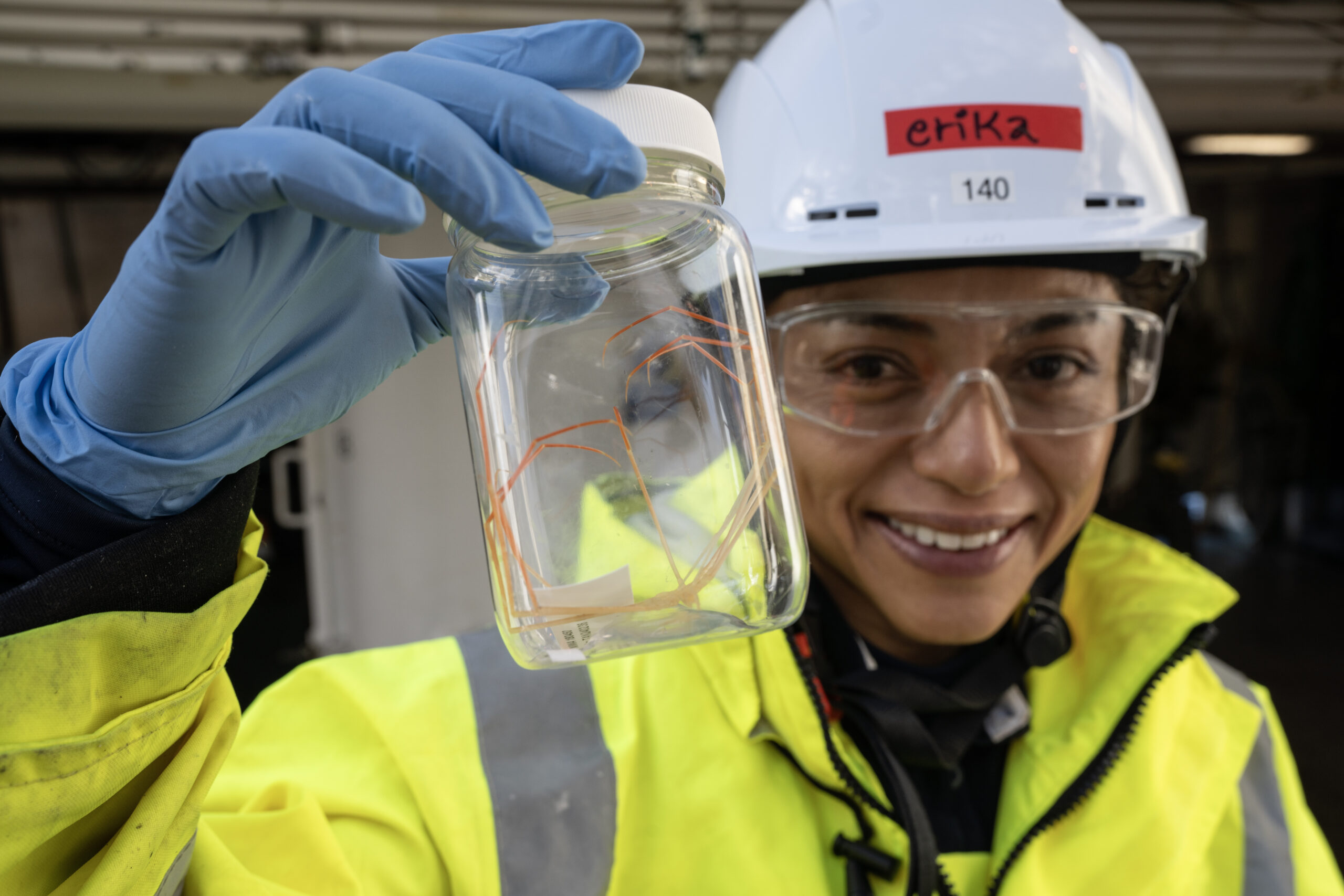
The Ocean Census funds a further
six taxonomists from the
Species Discovery Awards 2025

Species Discovery Awards 2025
We’re excited to share that an additional six scientists will receive support through The Nippon Foundation-Nekton Ocean Census Species Discovery Awards (2025), helping advance their vital work in discovering new species. These awards demonstrate our ongoing commitment to empowering the experts who identify and classify the life that inhabits our ocean.
Taxonomists are central to the Ocean Census mission. By uncovering and documenting new species, they deepen our understanding of marine ecosystems, strengthen our ability to protect them, and illuminate the essential roles these organisms play in the health of our planet.
All discoveries supported through the Ocean Census Awards will be evidenced and recorded in the Ocean Census Biodiversity Platform.
Featured Image Credit: Parsons King
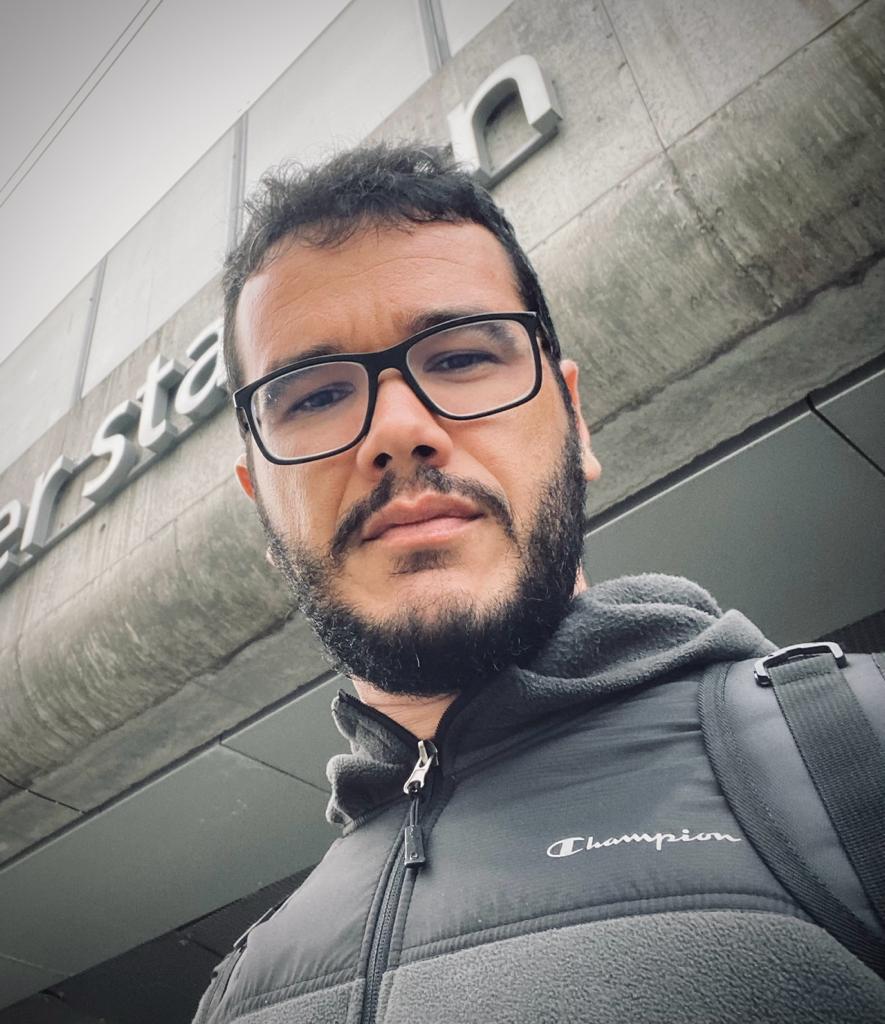
Ralf Tarciso Silva Cordeiro
Octocorals
Studying octocorals since 2010, with a PhD in Animal Biology completed in 2018, Ralf’s work centers on octocoral taxonomy and systematics, with extensive examination of collections worldwide, particularly those of the Museu Nacional (Rio de Janeiro, RJ, Brazil) and the Smithsonian Institution (Washington, DC, USA). A full professor at the Universidade Federal Rural de Pernambuco, Brazil, since 2019, he serves on the editorial board for Octocorallia (Cnidaria: Anthozoa) in the World Register of Marine Species (WoRMS) and previously acted as editor for the same group in Zootaxa. Approximately 20 new taxa described to date, spanning species, genera, and families.
Research focus:
Ralf will use the Species Discovery Award to study soft coral specimens from New Caledonia housed at the Muséum National d’Histoire Naturelle (MNHN) in Paris, a collection with significant potential for uncovering new species. His planned visit to the MNHN will also support progress on a major systematic revision of the family Primnoidae, generating essential taxonomic and evolutionary insights that will inform species discovery, conservation planning, and future research.
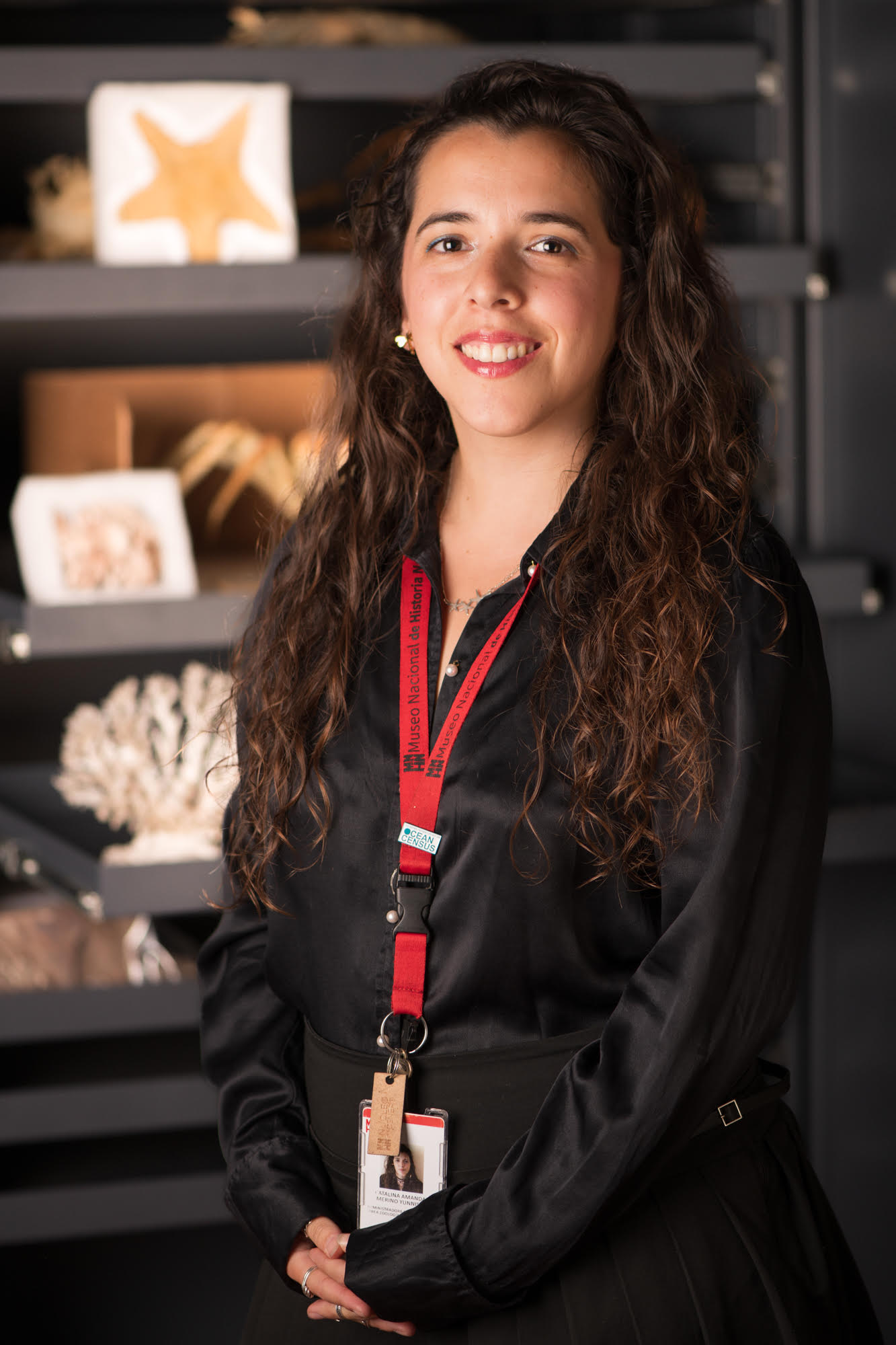
Catalina Merino Yunnissi
Polychaeta, Crustacea, Platyhelminthes, Echinodermata, and Mollusca
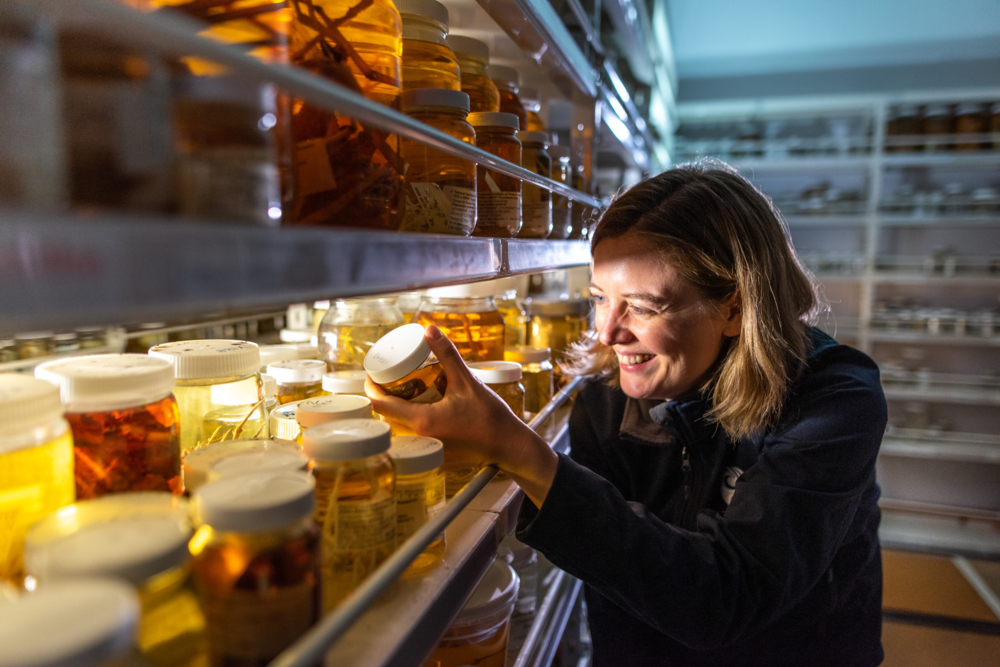
Catalina is a Chilean Biologist and MRes in Biosystematics specializing in marine invertebrates, based at the Museo Nacional de Historia Natural (Chile). Her work focuses on the documentation, preservation, and monitoring of collections under the Extended Specimen framework.
Research focus:
This project will undertake the first comprehensive and systematic taxonomic assessment of the invertebrate collections held at the Museo Nacional de Historia Natural, one of South America’s oldest and most influential natural history institutions. By evaluating the collections’ capacity to yield new species discoveries, the project will generate a critical baseline for future scientific research, conservation strategies, and institutional planning. This work will not only illuminate the untapped biodiversity preserved within the museum’s holdings, but will also help guide priorities for curation, fieldwork, and long-term investment in taxonomic expertise.
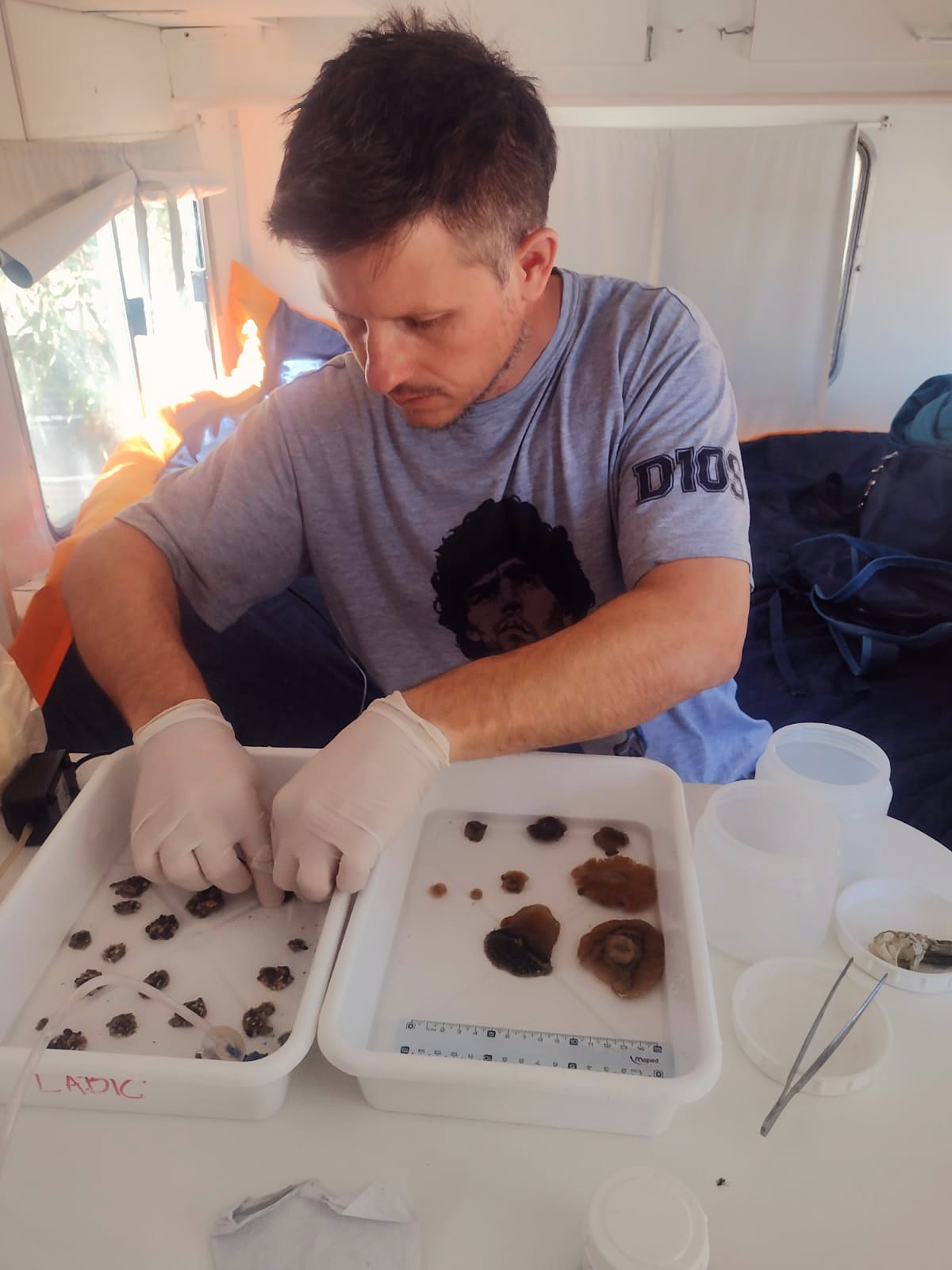
Agustín Garese
Anemones
Agustín is a Biologist and PhD in Biological Sciences from the National University of Mar del Plata (Argentina). He is a Researcher at the National Scientific and Technical Research Council of Argentina (CONICET) and co-directs the Cnidarian Biology Laboratory (LABIC) at the Institute of Marine and Coastal Research (IIMyC, UNMdP–CONICET). He has collaborated with institutions across Latin America, the U.S., and Europe, and coordinates the Latin American Cnidaria Network (LACNida).
Research focus:
Agustín studies sea anemone diversity in the Southwestern Atlantic, focusing on cnidocyst variation, taxonomy, morphology, and natural history through morphological, histological, and molecular approaches. His current work centers on the biodiversity of sea anemones from the Patagonian coast and the Namuncurá–Burdwood Bank Marine Protected Area of Argentina.
Emanuel Pereira
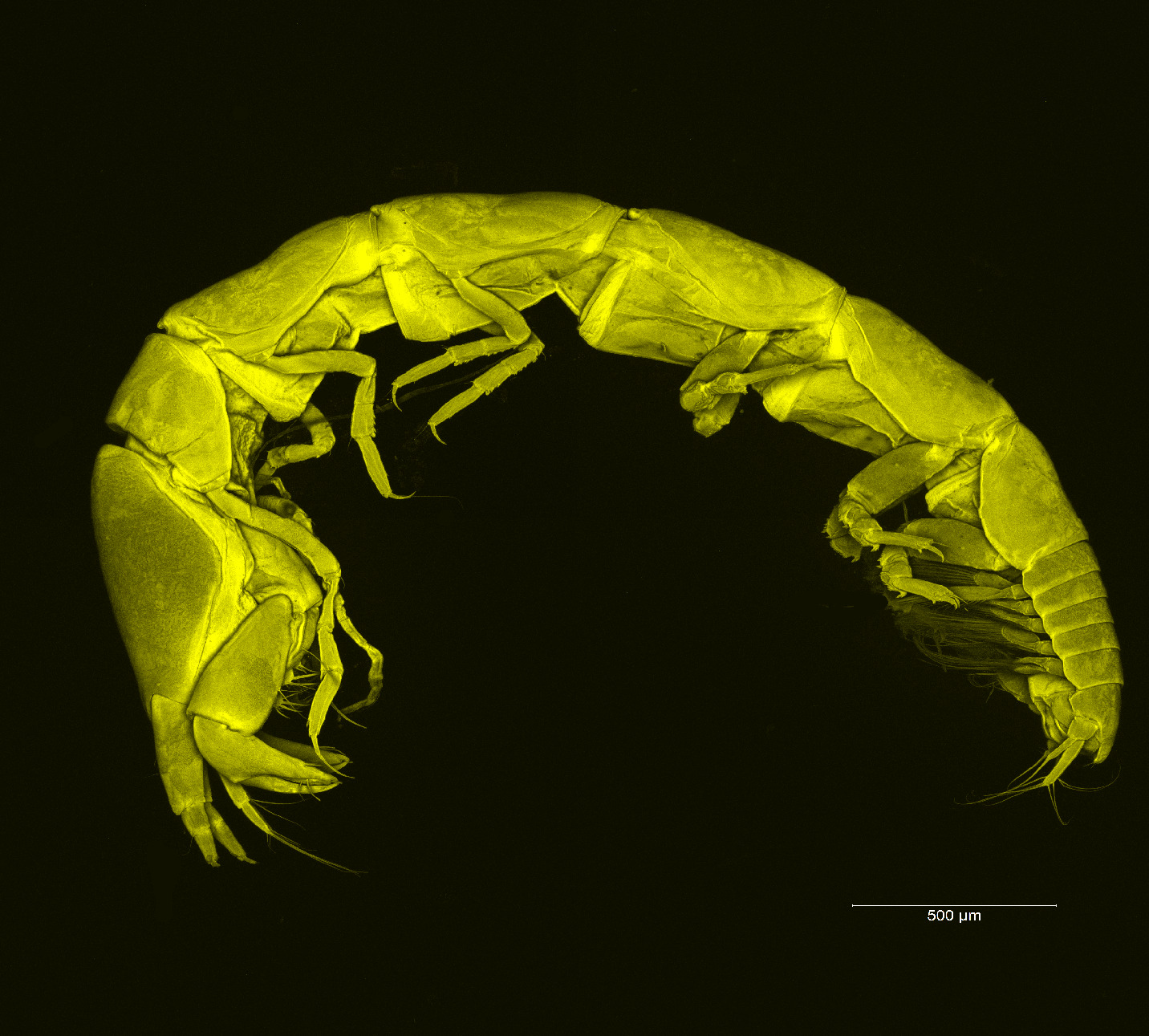
Valvifera isopods
Emanuel is a deep-sea researcher from Buenos Aires, Argentina. He currently works at the Laboratory of Systematics and Biogeography of Peracarid Crustaceans of the Faculty of Exact and Natural Sciences at the University of Buenos Aires (Argentina). He completed his PhD in Biological Sciences in 2022. Emanuel participated in the Ocean Census Species Discovery Workshop at University of Magallanes, examining the material collected during the flagship expedition to South Sandwich Islands.
Research focus:
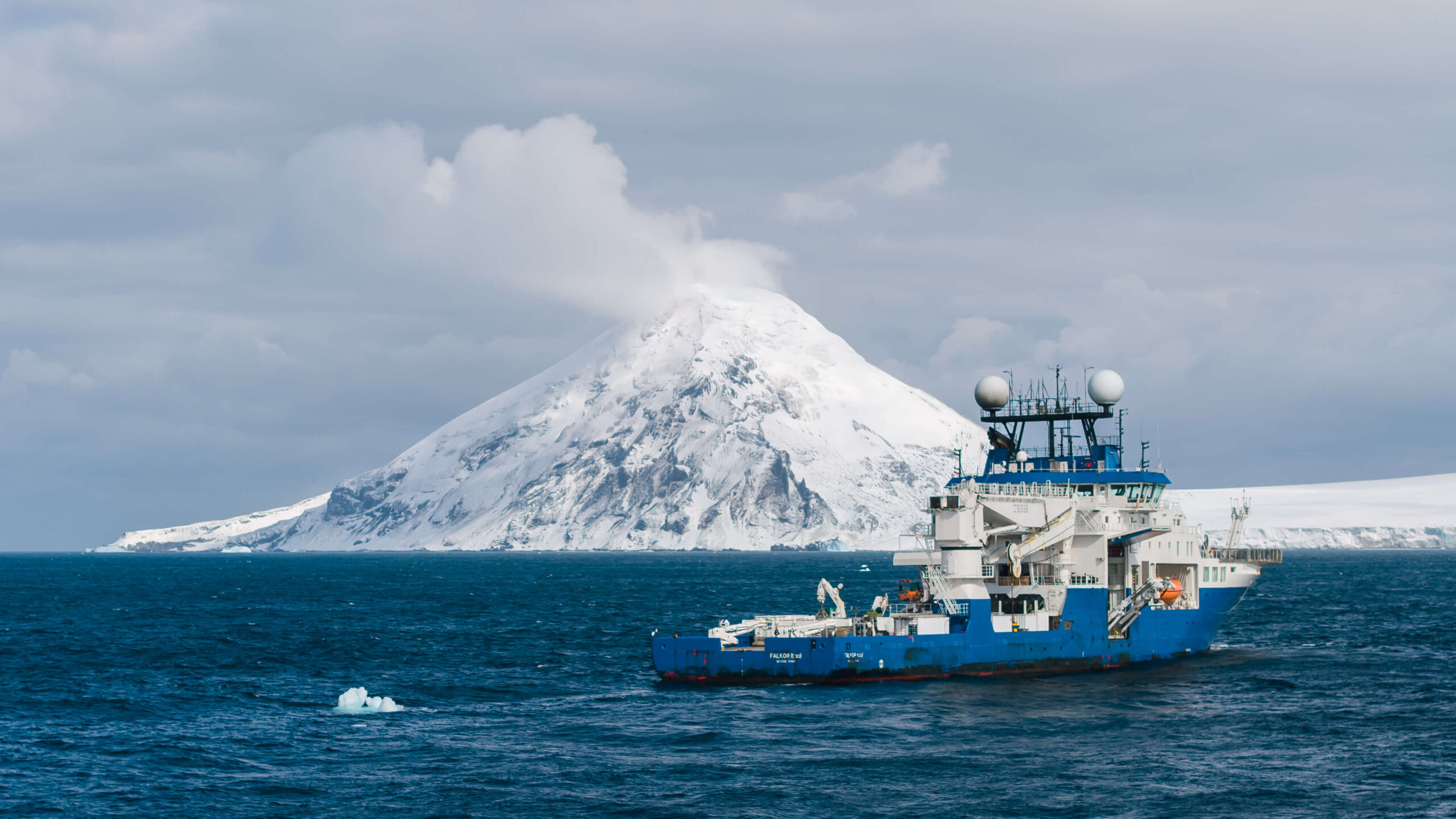
Emanuel’s research focusses on the taxonomy and biogeography of deep-sea isopods, particularly members of the suborder Valvifera, from the Mar del Plata submarine canyon off the coast of Argentina. He has taken part in deep-sea research expeditions since 2017, and most recently served as a member of the science team on the “Underwater Oases of the Mar del Plata Canyon: Talud Continental IV” expedition, aboard the Schmidt Ocean Institute’s R/V Falkor too.
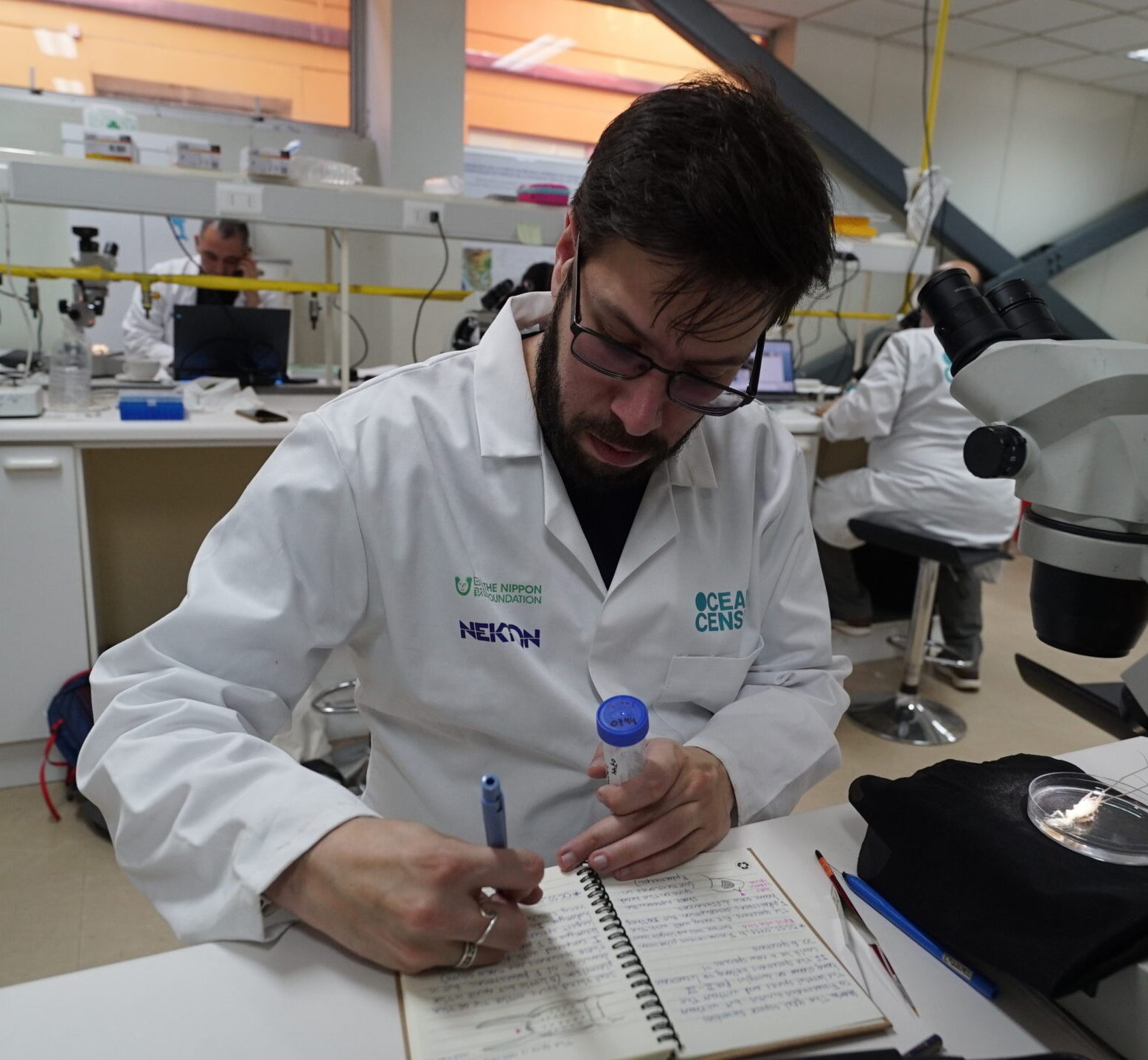
Hossein Ashrafi
Snapping shrimp
Hossein recently completed his Ph.D. at the University of Ostrava, Czech Republic. His work with caridean shrimps began during his Master’s studies, where he focused on the systematics of Synalpheus species (Decapoda: Alpheidae) from the northwestern Indian Ocean. His interest in caridean shrimps led him to the Czech Republic, there he expanded his research to include several additional genera of snapping shrimps within the family Alpheidae, including salmoneoids.
Research focus:
Part of this award will support research on the Synalpheus neptunus species complex – a group of snapping shrimp found primarily in the eastern Indian Ocean and the western Pacific. Another portion of the award will focus on rare snapping shrimp genera collected from marine caves, which may be so distinct that they warrant the establishment of a new family.

FURTHER SUPPORT: Marta Gellert
Tanaidacean
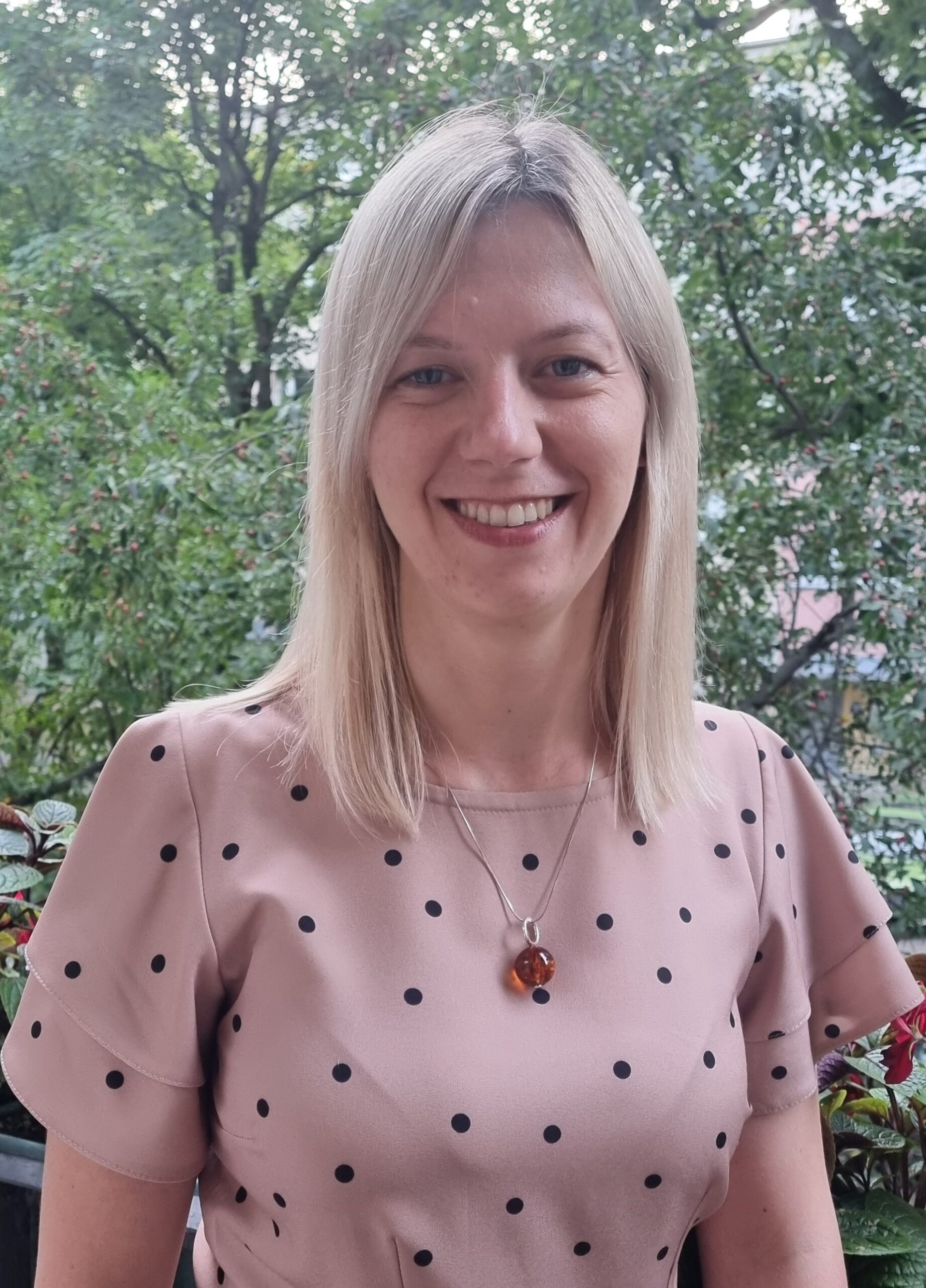
Dr. Marta Gellert, from the Department of Invertebrate Zoology and Hydrobiology at the University of Lodz (Poland), is a winner of the previously announced 2025 Species Discovery Awards. Marta focusses her work on the study of Tanaidacea. Tanaidacea are a diverse order of small, benthic crustaceans inhabiting marine environments from coastal shallows to the abyssal deep sea. Despite their ecological importance and wide distribution, they remain one of the most taxonomically understudied peracarid groups.
Research Focus:
Marta is a winner of the 2025 species discovery awards and is receiving additional funding. She will lead the AccTaS (Accelerating Tanaidacean Species Discovery through Taxonomic Collaboration), an international initiative dedicated to advancing knowledge of Tanaidacea, a diverse yet under-studied order of small benthic crustaceans. The workshop will bring together eight internationally recognized specialists, each focused on a different tanaidacean family. By the end of the workshop, approximately 50 species will be discovered and catalogued formal description.
FURTHER SUPPORT: Asako Matsumoto
Octocorals
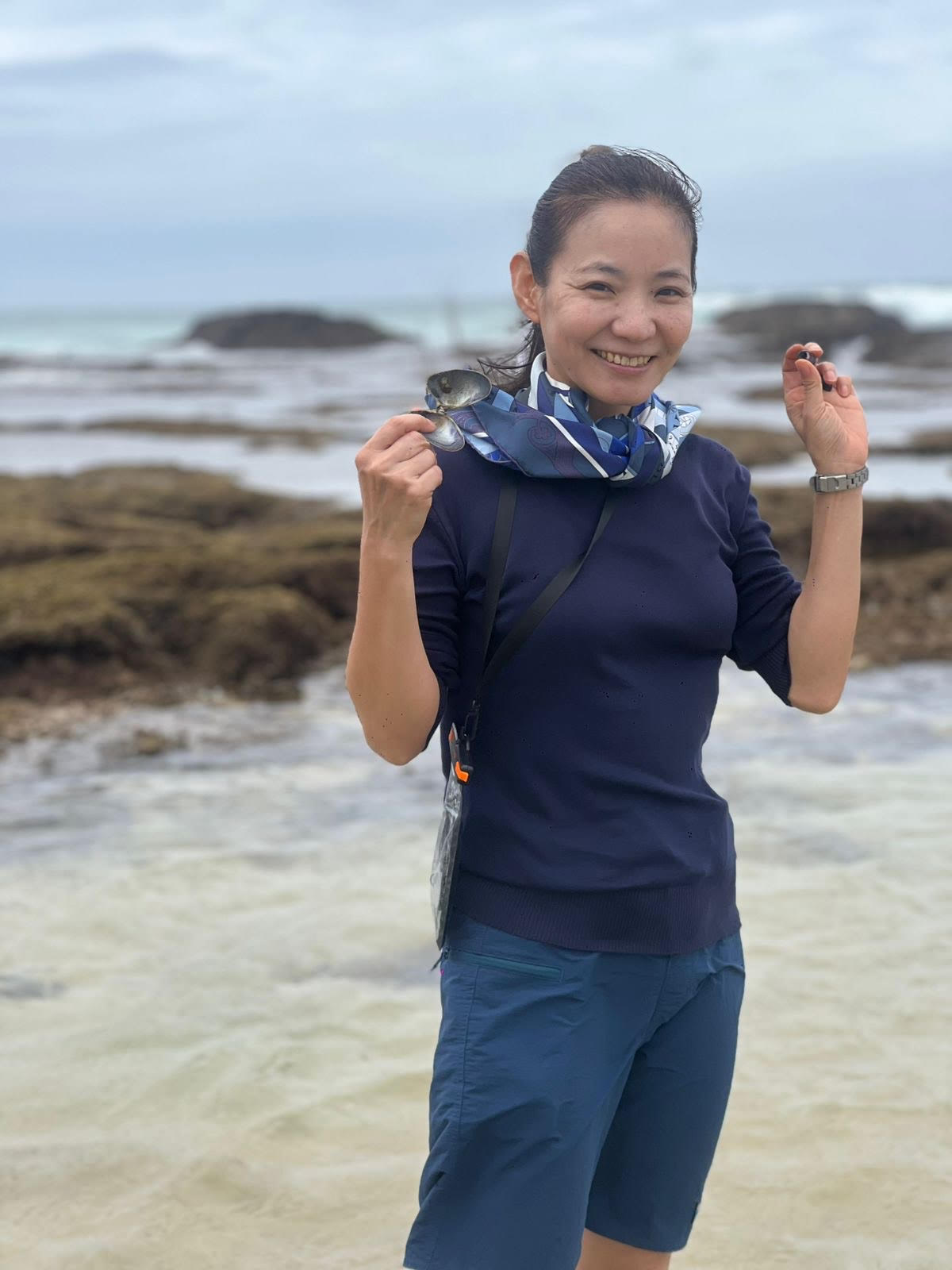
Dr. Asako K. Matsumoto is a researcher specialising in the morphology and systematics of octocorals, with a particular focus on deep-water species in the Indo-Pacific region. Dr. Matsumoto’s research emphasises detailed skeletal morphology and comparative anatomy to resolve species boundaries and describe new biodiversity.
Research focus:
Asako has been given further funding to continue investigating specimens from the Chile 3 Species Discovery Workshop. This research integrates ROV/submersible – based exploration and deep-sea cruises with extensive work on museum collections worldwide to discover and describe new species. By uncovering overlooked diversity among historically unidentified or misidentified specimens, this work will contribute to a clearer understanding of global octocoral biogeography.
Want to learn more?
The Ocean Census Awards are set up to provide financial support to taxonomists, biodiversity and citizen scientists involved in marine species discovery to accelerate the pace of discovery.
Keen to find out more? Check out the Awards page.
Related News
Join the census
The Ocean Census Alliance unites national and philanthropic marine institutes, museums, and universities, backed by governments, philanthropy, business and civil society partners.


