










Species ID
OC-SP-0002632
Discovered
Phylum
Platyhelminthes
Species ID
OC-SP-0002632
Provisional Species Name
Macrostomorpha sp_IRLBB_00541
Lowest Valid Taxon Name in WoRMS
Macrostomorpha
Lowest Known Rank
Superorder
Status
Discovered
Does the taxonomist(s) intend to work on this material further?
2. I/We already have plans to publish. (For marine invertebrates please know that SOSA could support you in this too - please click the button for more details).
Embargo
No
Kingdom
Animalia
Phylum
Platyhelminthes
Taxonomic Remarks
Macrostomorpha sp.1 represents a unique taxon within Macrostomorpha. It shows a glandular epidermis and a male copulatory bulb located in the posterior most part of the body. The bulb is armed of a stylet and received the discharge of two seminal vesicles. The sperm of this species, which is fusiform, without bristles, feeler or brush, indicates a close relationship with species of Bradynectes. However, in species Bradynectes, and all other species of the related Dolichomacrostomidae, a single seminal vesicle discharges into the male bulb. Thus, I cannot provide a genus level classification for the new species.
Discovery registered on
01/04/2026
Description of Material
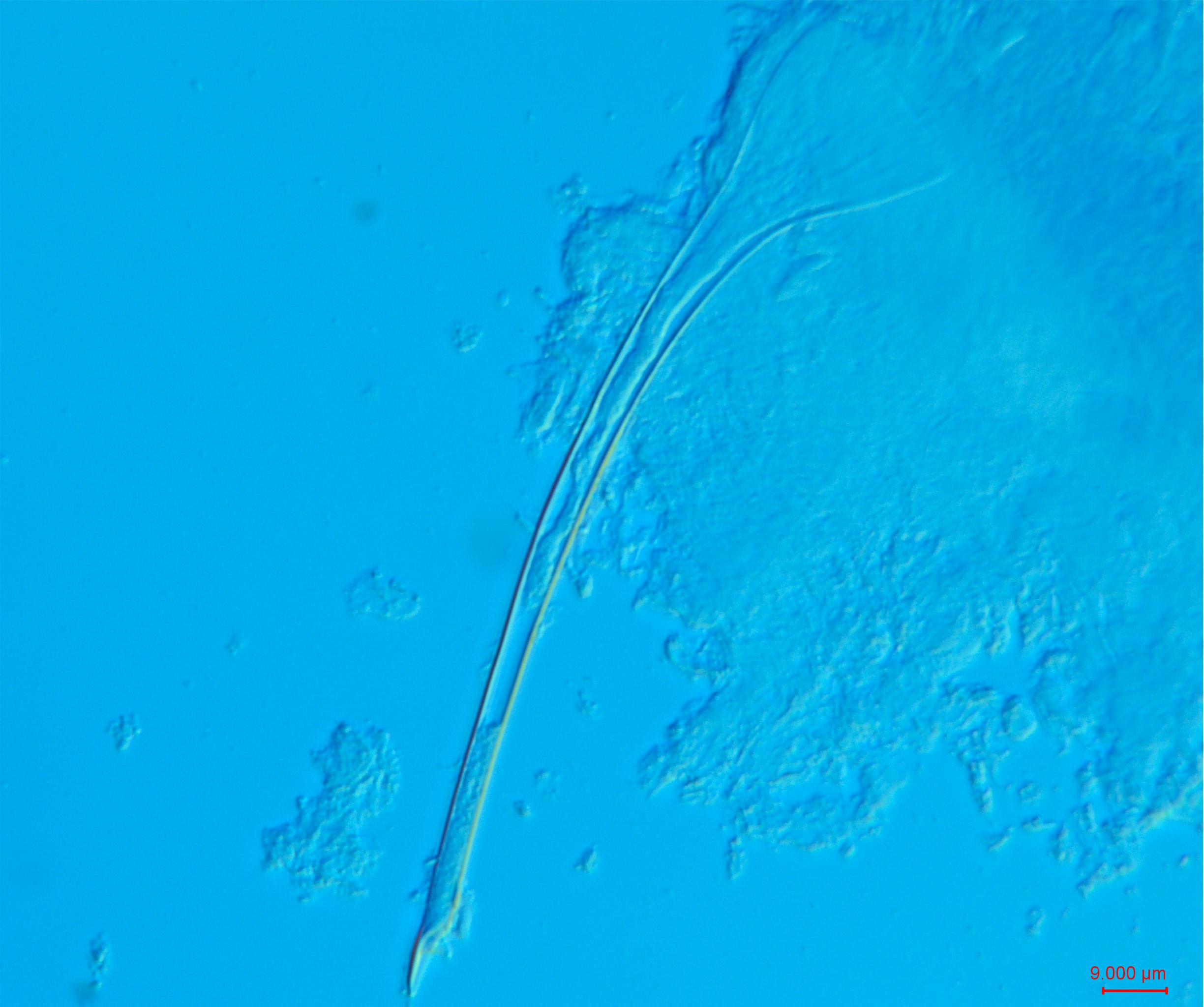
Species of Macrostomorpha without eyes and a very glandular epidermis, making difficult the observation of the internal anatomy. Male copulatory organ located terminally in the body, directed forward. The male bulb receives two seminal vesicles and contains a prostate vesicle and a stylet. Prostate vesicle containing two types of glands. The stylet is tubular, proximally curved and forming a funnel, slightly tapering a distal sharp tip, 138 µm long. Sperm fusiform, without any additional structure such bristles or brush, 43 µm long.
Ecology
Medium-grained and well-sorted sand, 10 m deep, salinity 37 ‰.
Distribution
United States of America, Florida, 6.75 km SE from the mouth of Fort Pierce Inlet, 27.429300; -80.241083.
Scientific Name Authorship
Diez, Yander L.
Join the census
The Ocean Census Alliance unites national and philanthropic marine institutes, museums, and universities, backed by governments, philanthropy, business and civil society partners.


