








News
Small Creatures, Big Questions: Early-Career Taxonomists at the Isopod Species Discovery Workshop
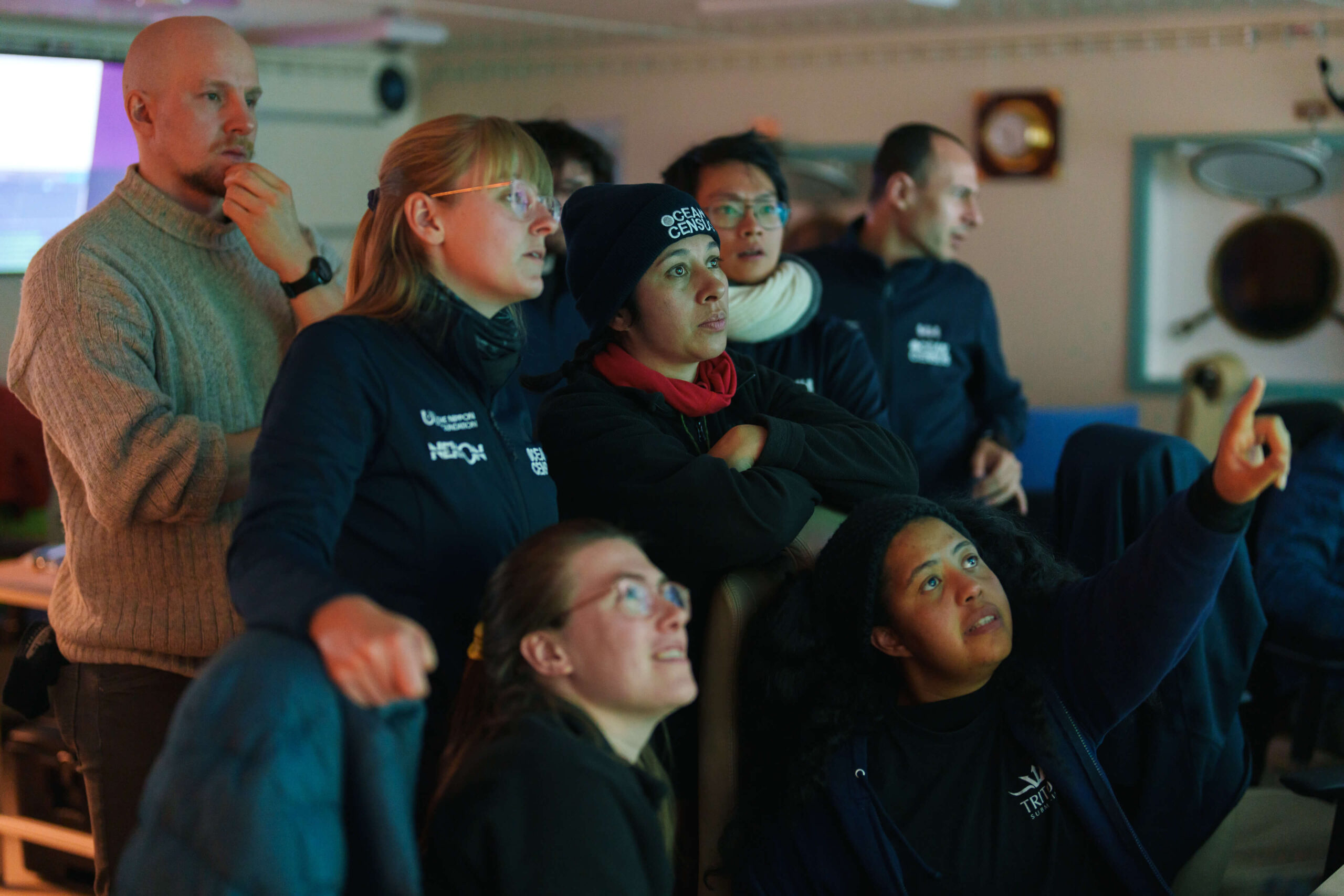
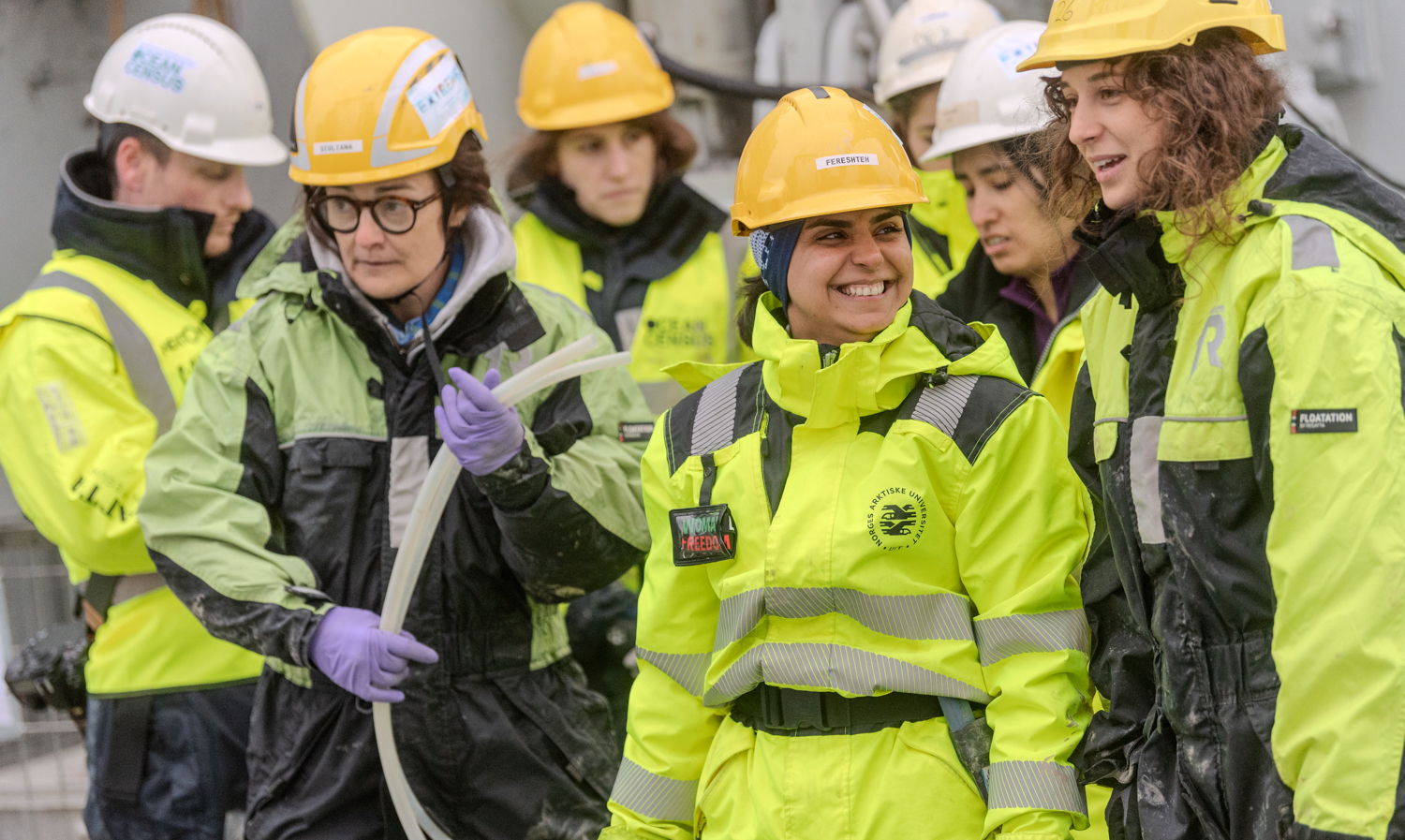
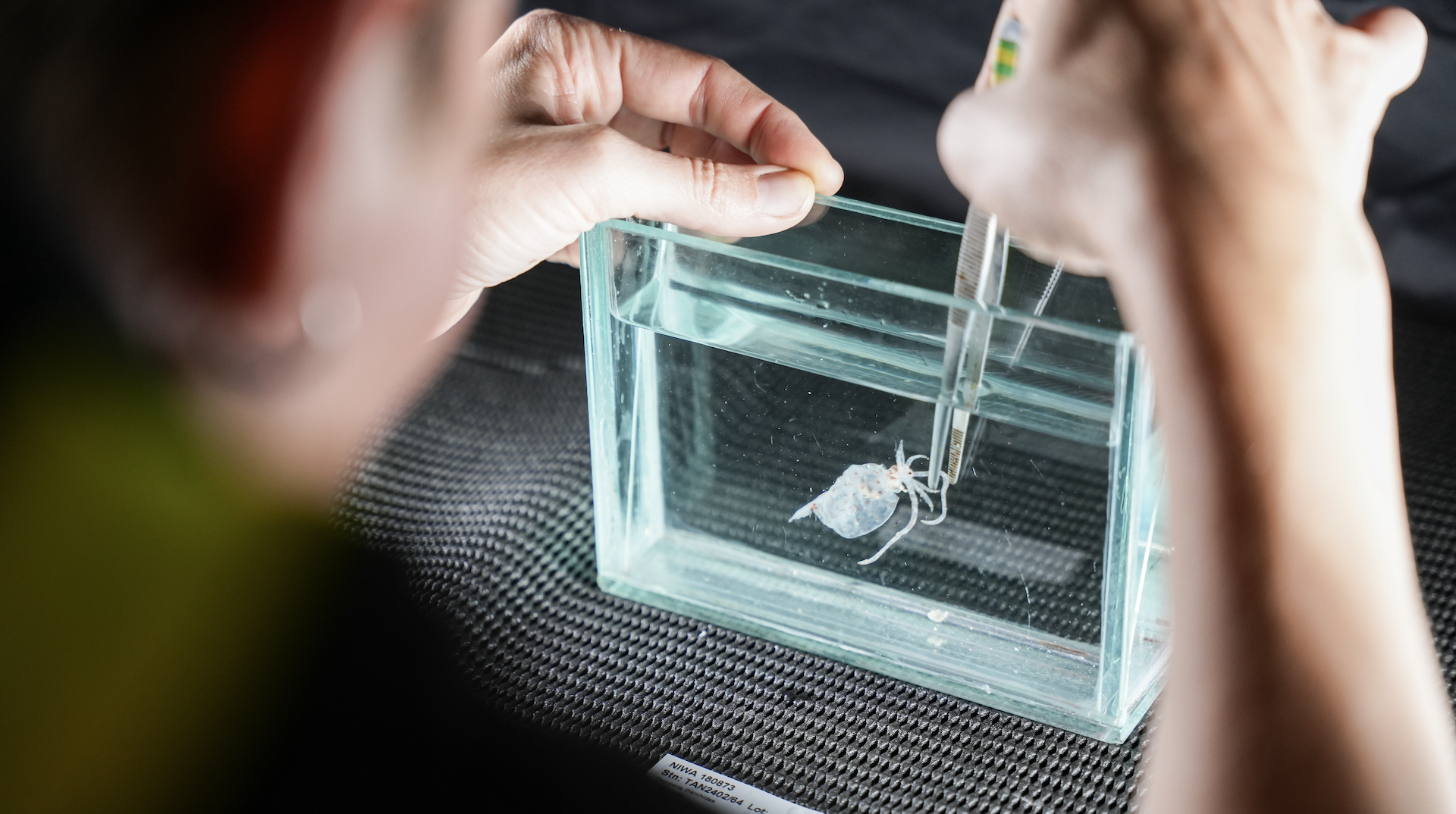
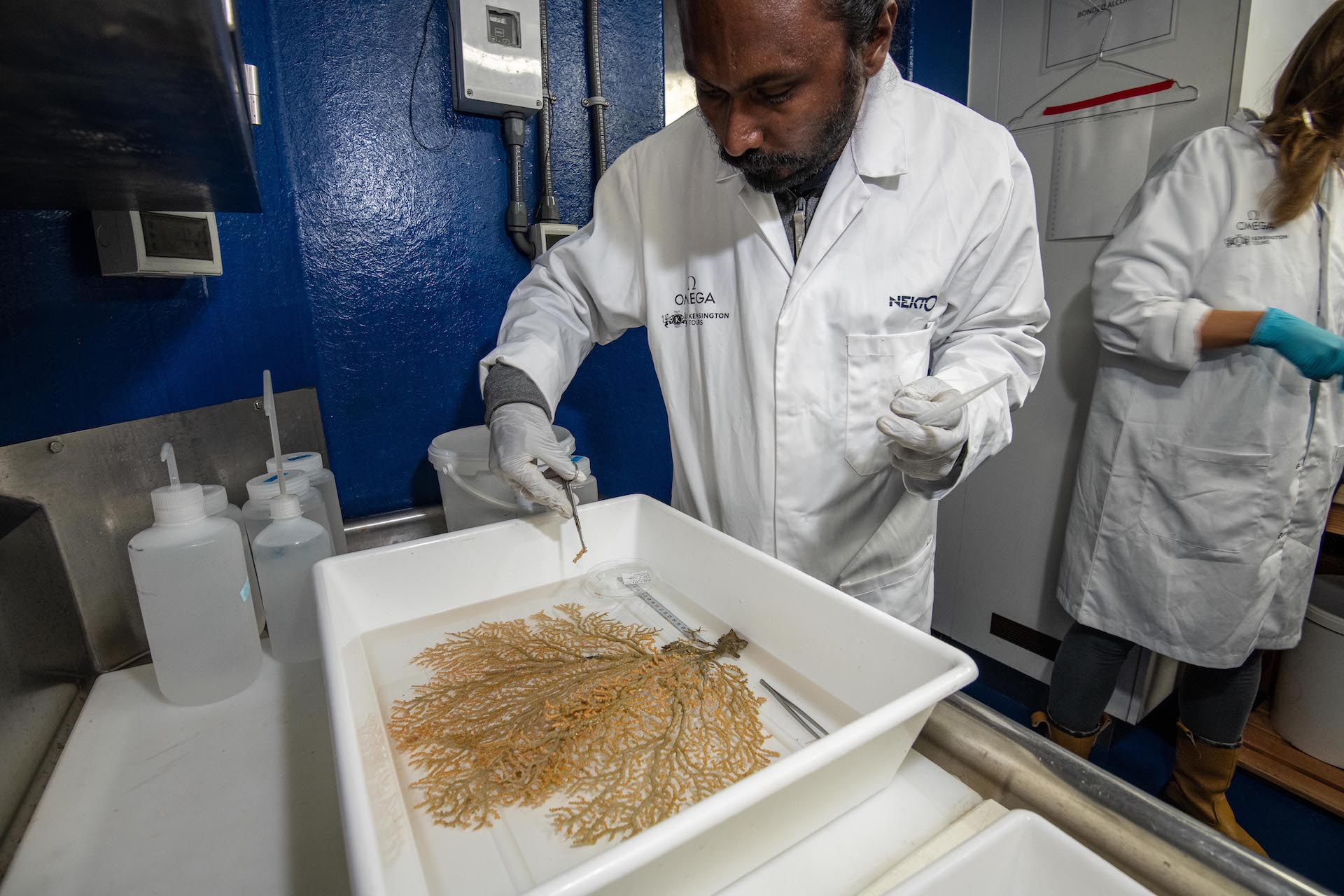
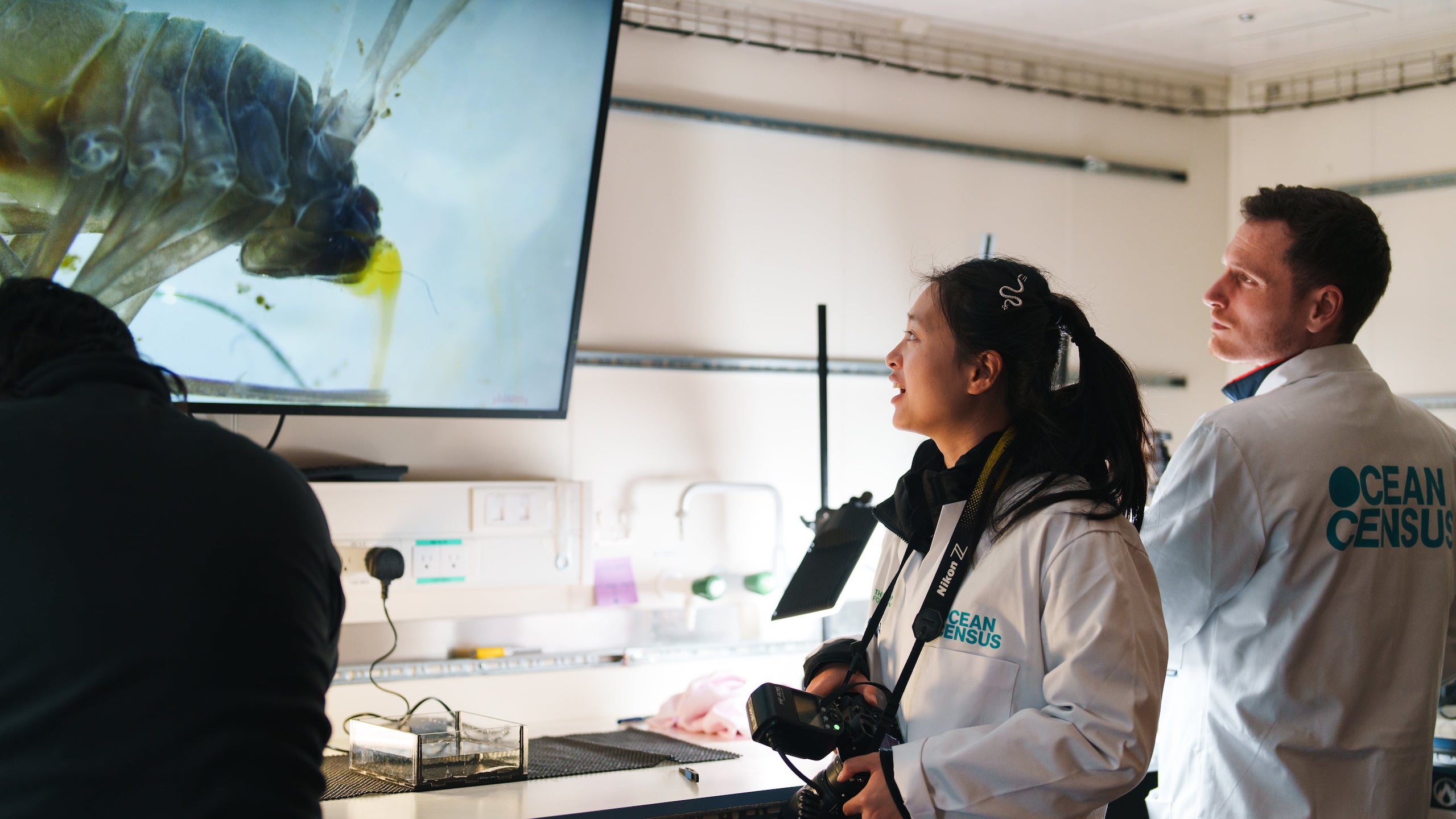
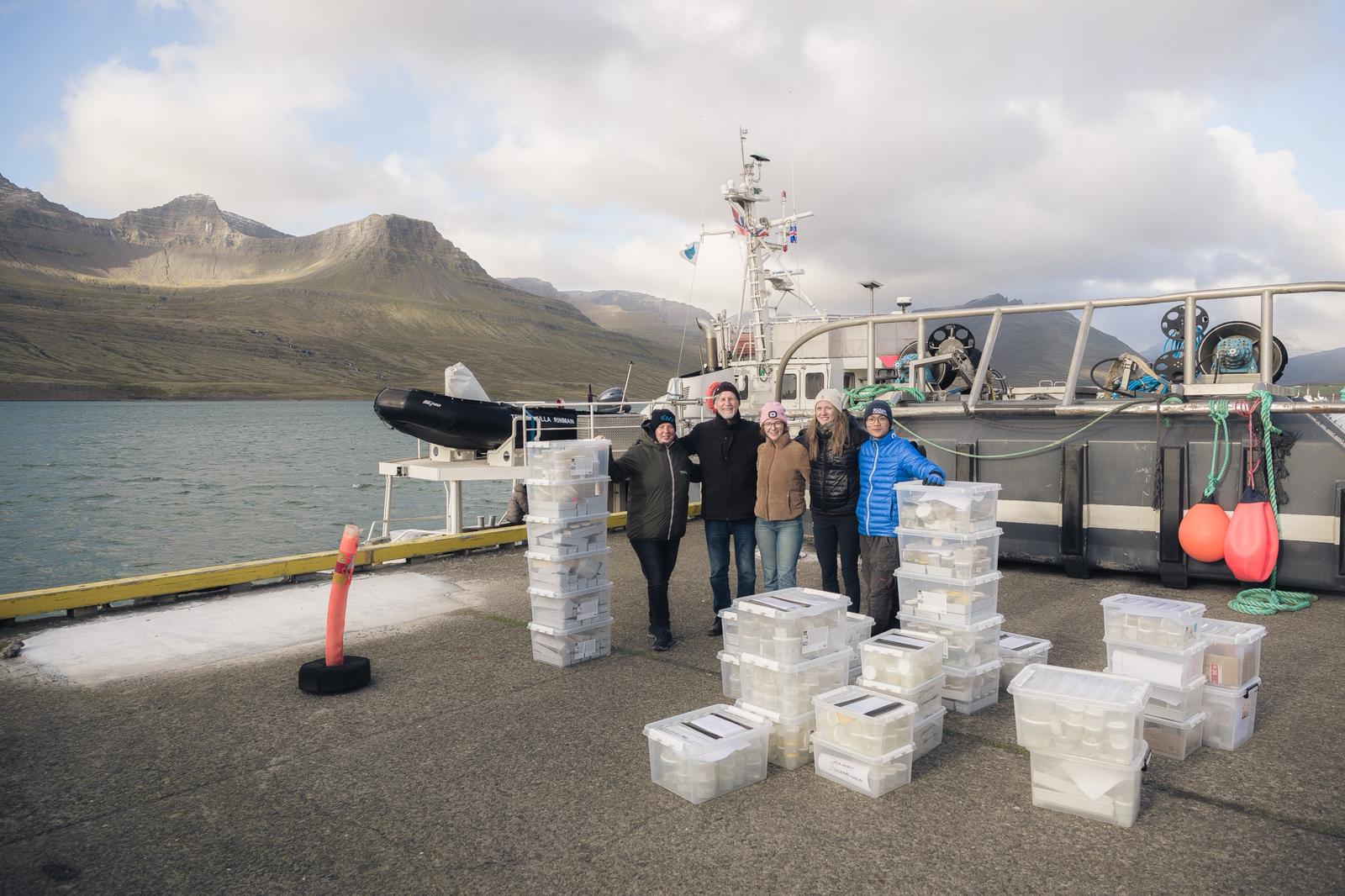
In a bustling workshop room in Senckenberg am Meer, the air hums with the soft excitement of species discovery. Here, early-career researchers from across the world, as well as mid-career to retired experts, have gathered for a species discovery workshop, united by a shared fascination of isopods.
19/02/26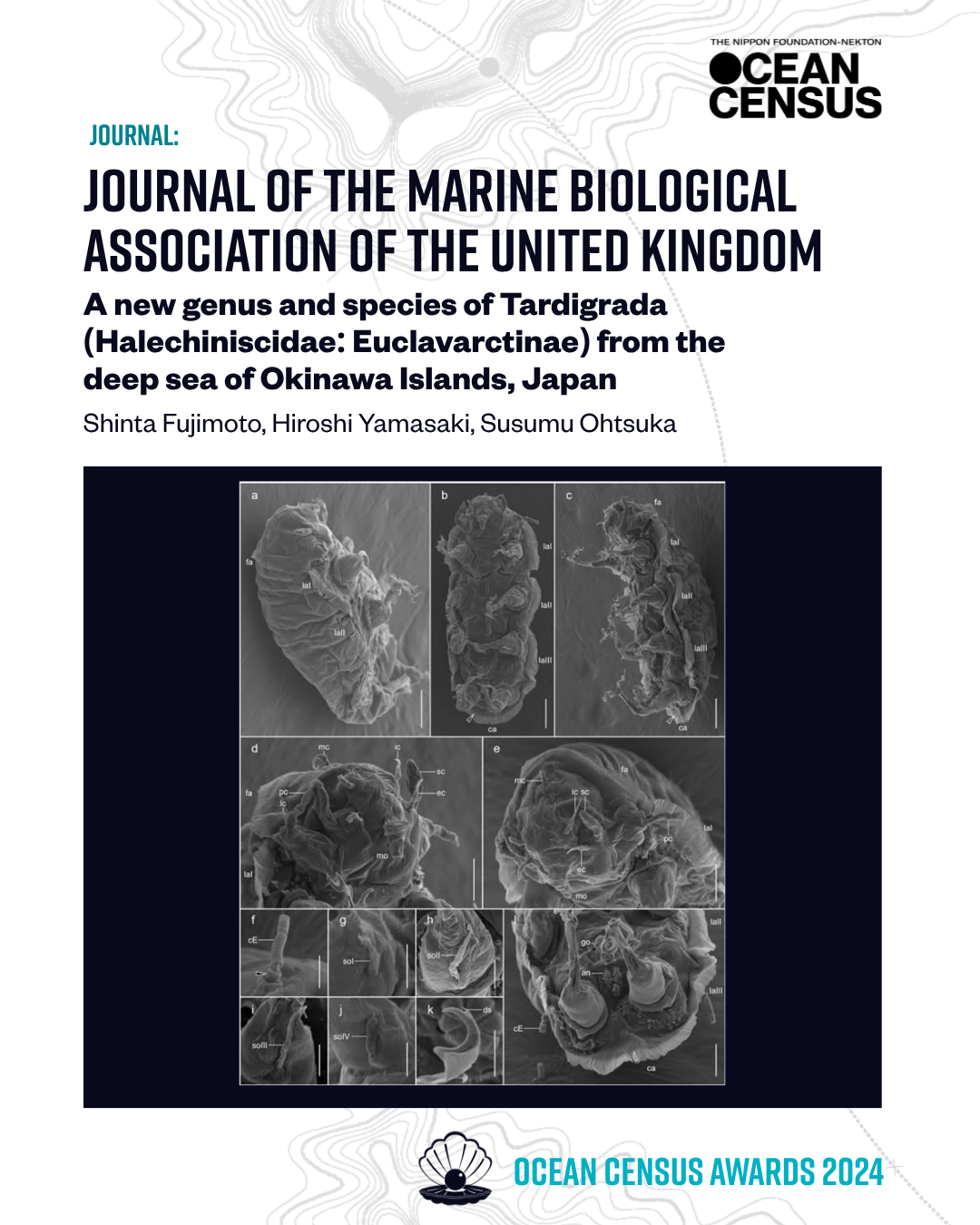
A new genus and species of Tardigrada (Halechiniscidae: Euclavarctinae) from the deep sea of Okinawa Islands, Japan
A new deep-sea tardigrade genus and species, Ranarctus kondoi, is described from 596–606 m depth near Okinawa, Japan. Its distinctive morphological features differentiate it from related Parmursa, expanding knowledge of the deep-sea-exclusive Euclavarctinae.
16/02/26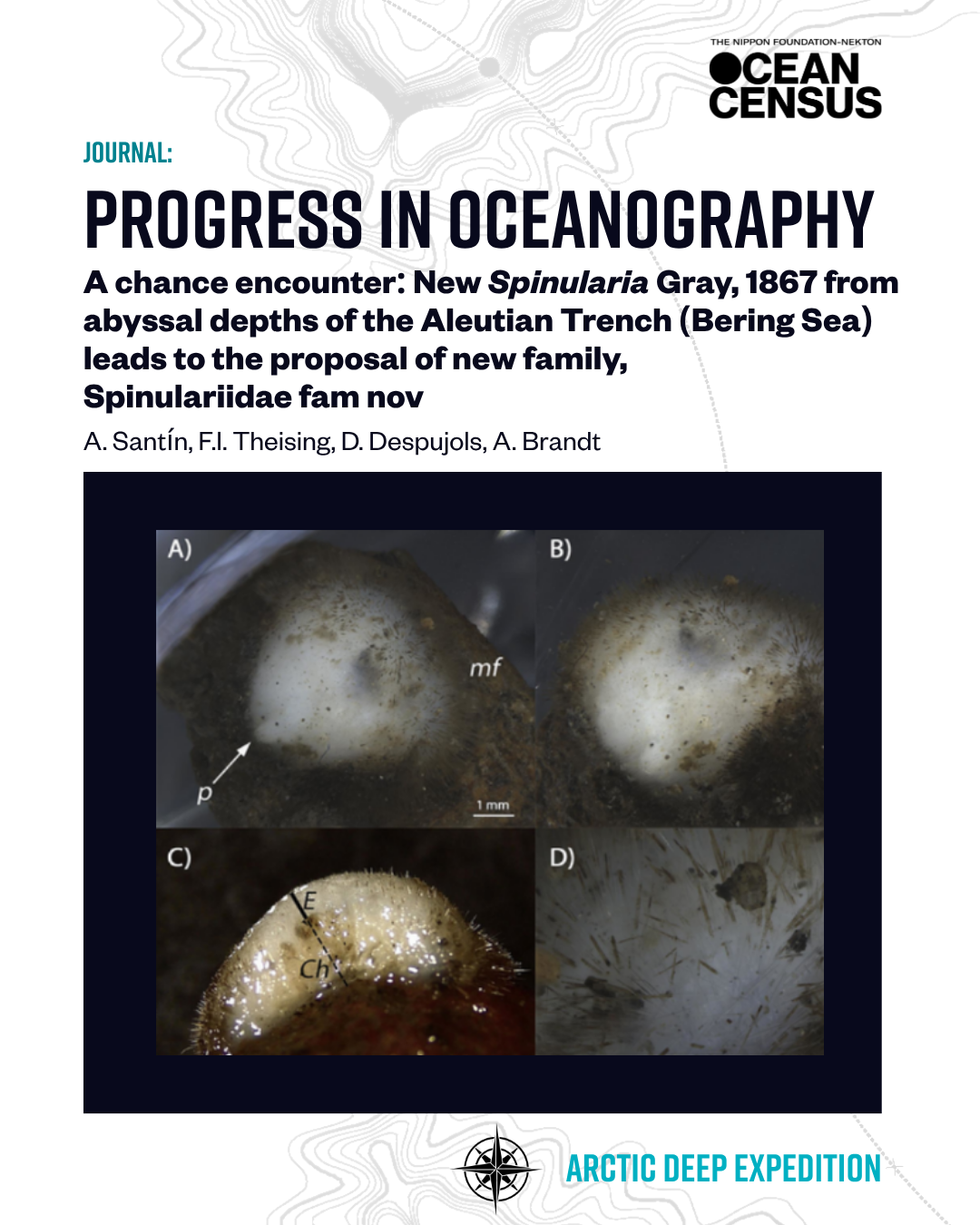
A chance encounter: New Spinularia Gray, 1867 from abyssal depths of the Aleutian Trench (Bering Sea) leads to the proposal of new family, Spinulariidae fam nov
A new sponge family, Spinulariidae, is proposed for small, deep-sea polymastiid sponges lacking a secondary cortical layer. Integrative taxonomy and phylogenetic analyses support the family, while several genera are synonymised under Spinularia, highlighting the overlooked diversity and evolutionary importance of inconspicuous sponges.
13/02/26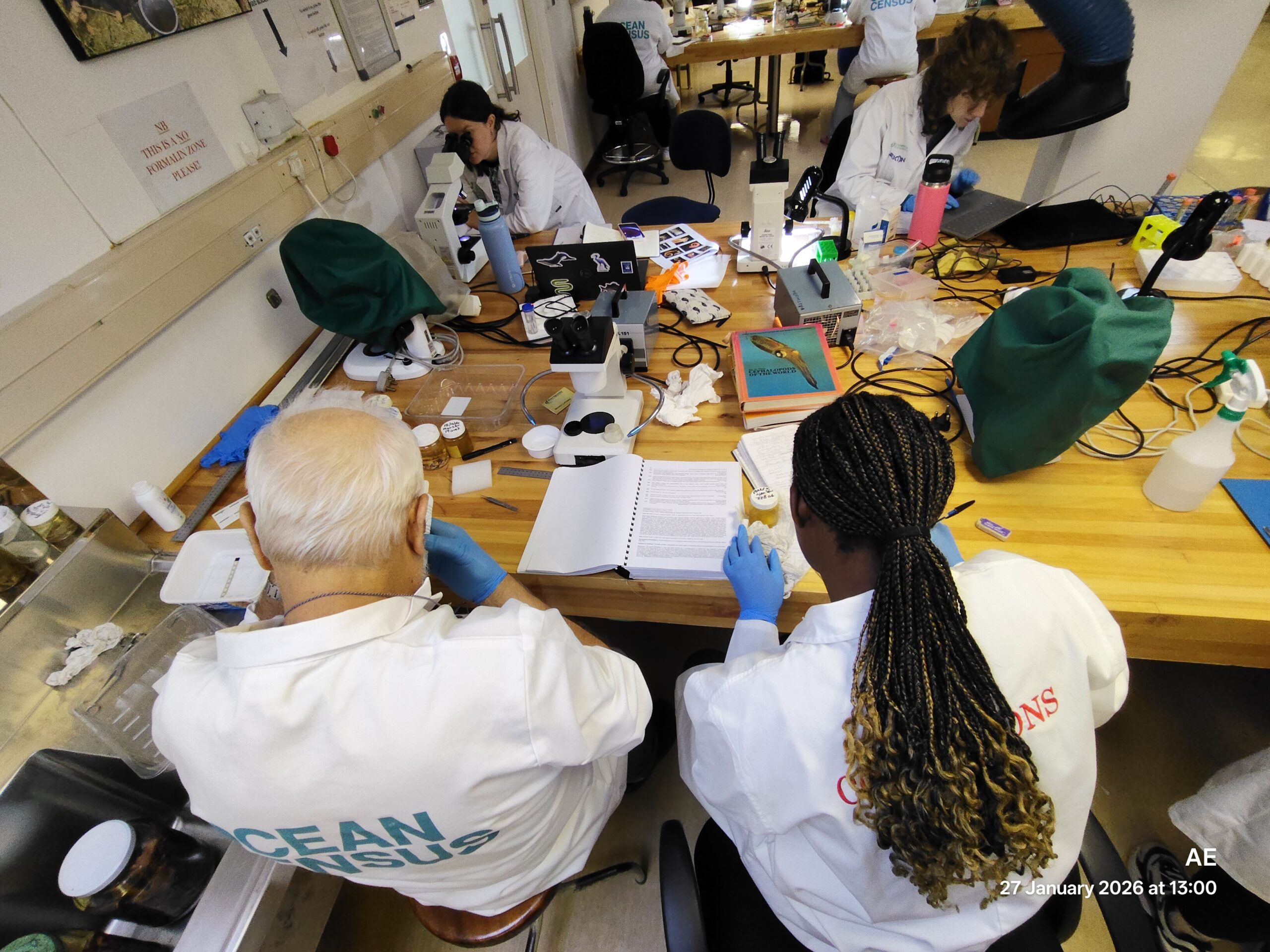
Supporting conservation through taxonomy: The Comoros Species Discovery Workshop
Building on the success of our co-founder Nekton’s First Descent: Comoros 2025 mission, this Species Discovery Workshop took place at the South African Institute for Aquatic Biodiversity (SAIAB) in Makhanda from January 26 to February 13, 2026.
13/02/26
“The Perfect Pair” Symbiotic Relationships of the Deep Blue
They say that two is better than one, and for some marine species, living as a pair means that they are able to survive, adapt, and thrive in complex and often challenging underwater environments.
10/02/26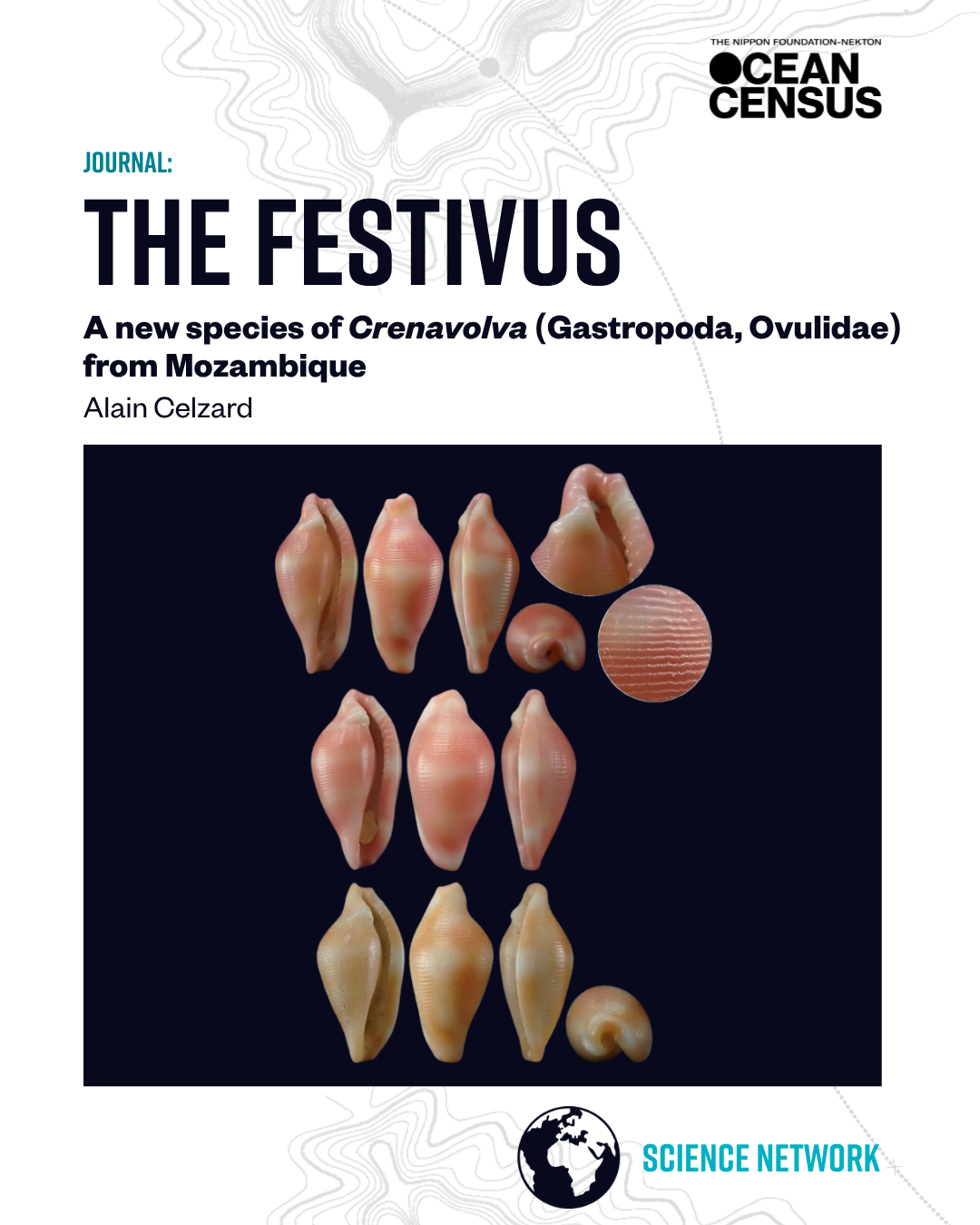
A new species of Crenavolva (Gastropoda, Ovulidae) from Mozambique
A new cowrie species, Crenavolva iris, is described from Mozambique. Detailed comparisons with related species from the western Indian Ocean, Pacific and eastern Indian Ocean confirm it as a distinct species, expanding knowledge of Crenavolva diversity in the region.
09/02/26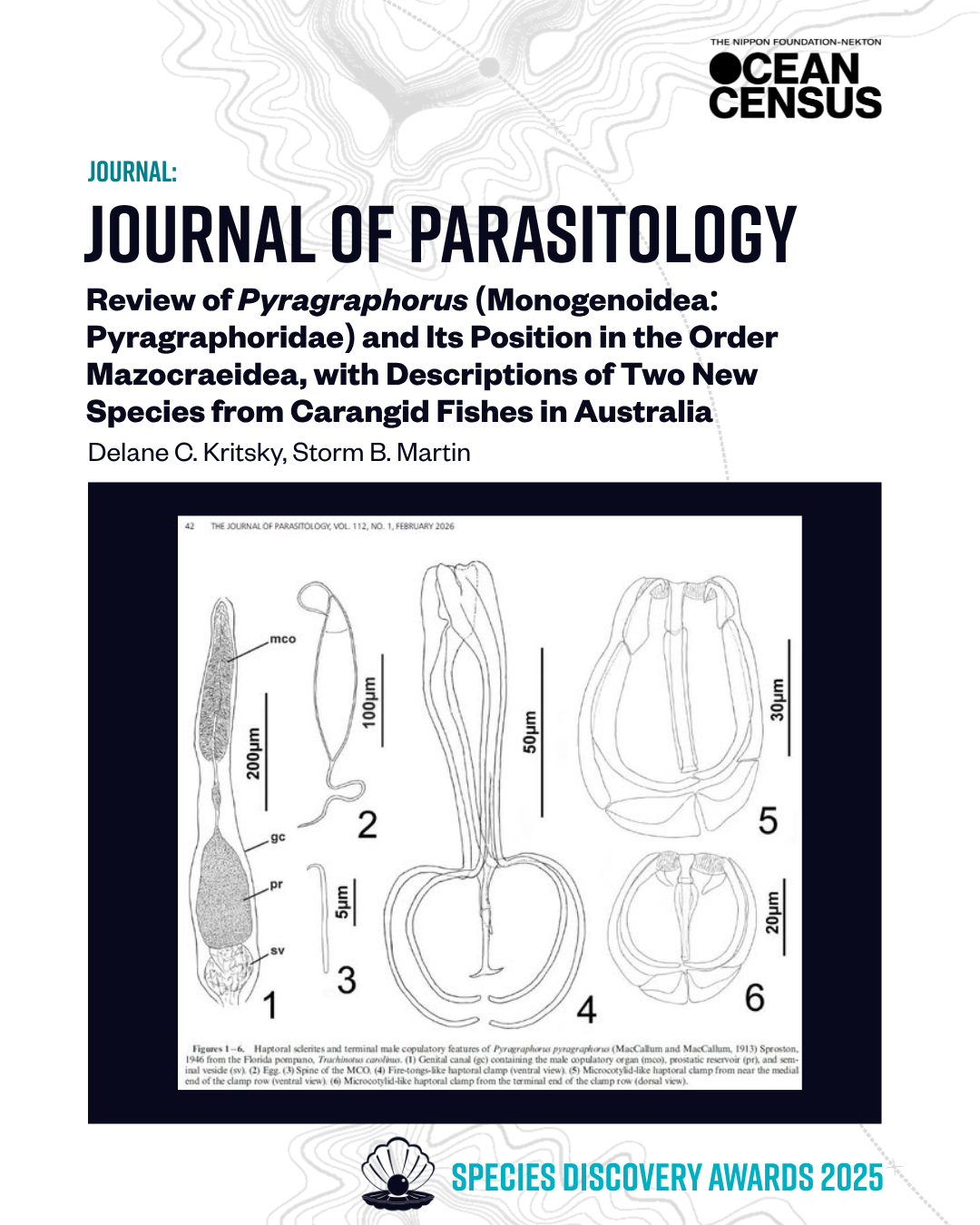
Review of Pyragraphorus (Monogenoidea: Pyragraphoridae) and Its Position in the Order Mazocraeidea, with Descriptions of Two New Species from Carangid Fishes in Australia
Two new parasitic worm species, Pyragraphorus rohdei and P. ningalooensis, are described from carangid fish in Australia. A taxonomic and molecular review of the genus also reveals complex evolutionary relationships among several monogenoid families.
03/02/26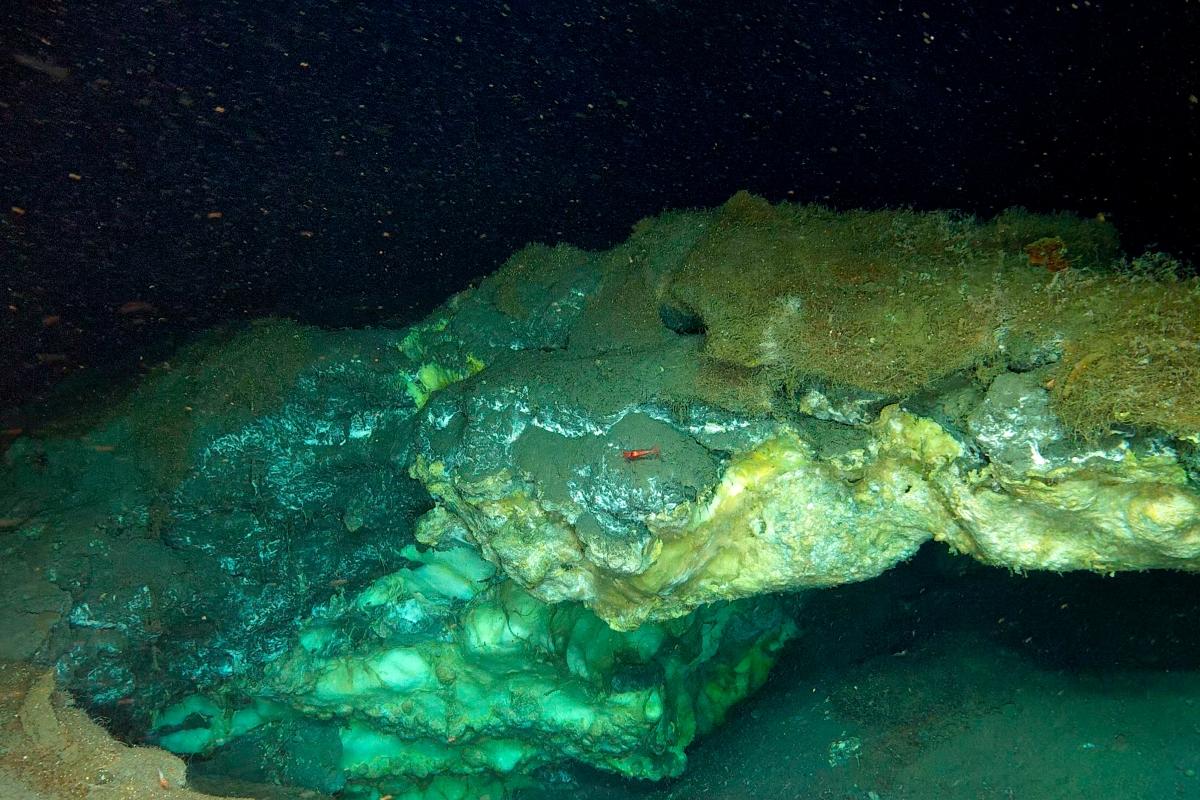
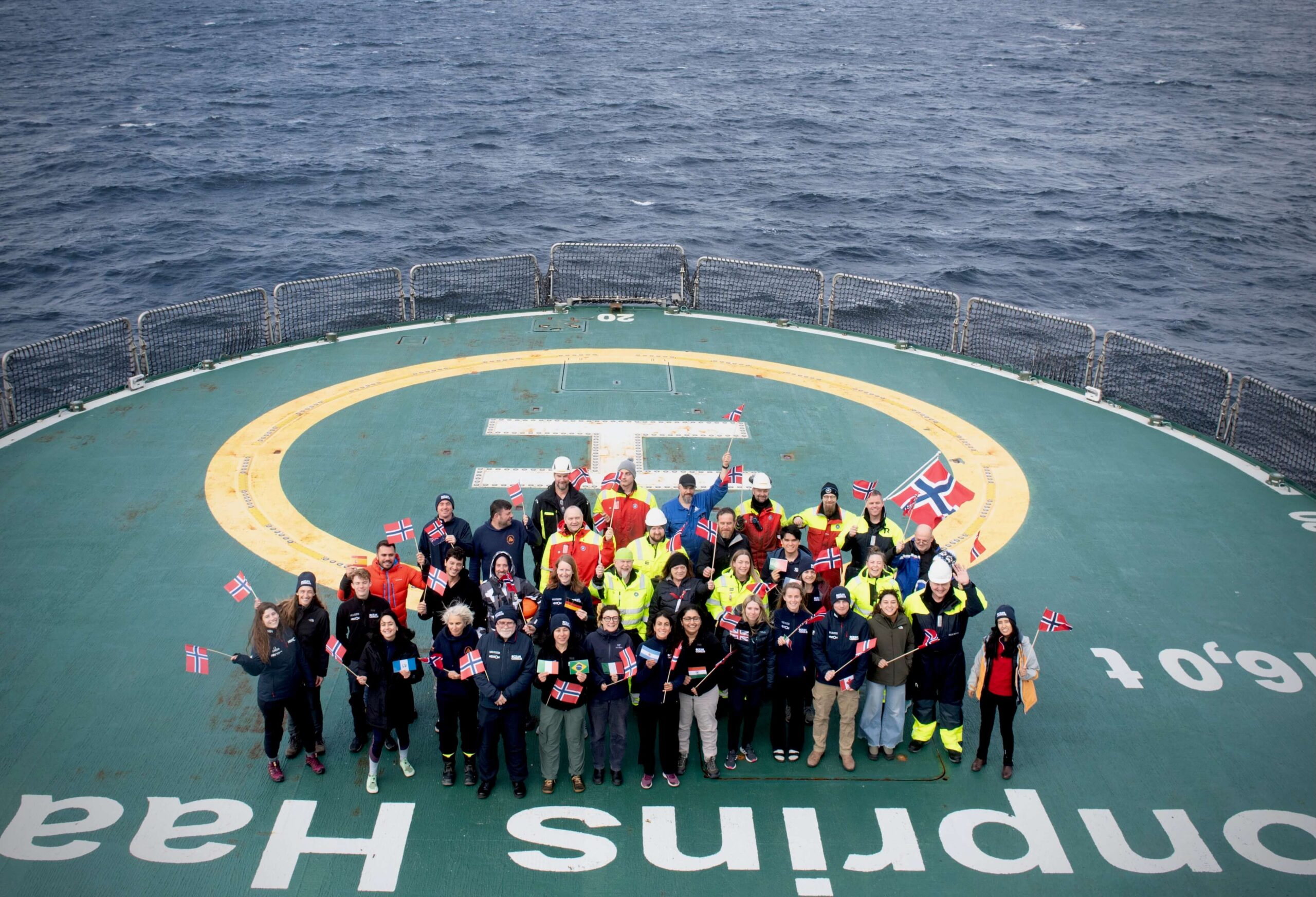
Deepest gas hydrate cold seep ever discovered during the Ocean Census Arctic Deep expedition
A team of international scientists from UiT (The Arctic University of Norway), have discovered the deepest known gas hydrate cold seep ever, located 3,640 metres below the surface on the Molloy Ridge in the Greenland Sea.
10/01/26
Our Top 12 highlights from the Ocean Census in 2025
In 2025, the Ocean Census achieved exciting milestones in advancing the understanding and discovery of marine biodiversity.
05/01/26Expedition
Spotlight
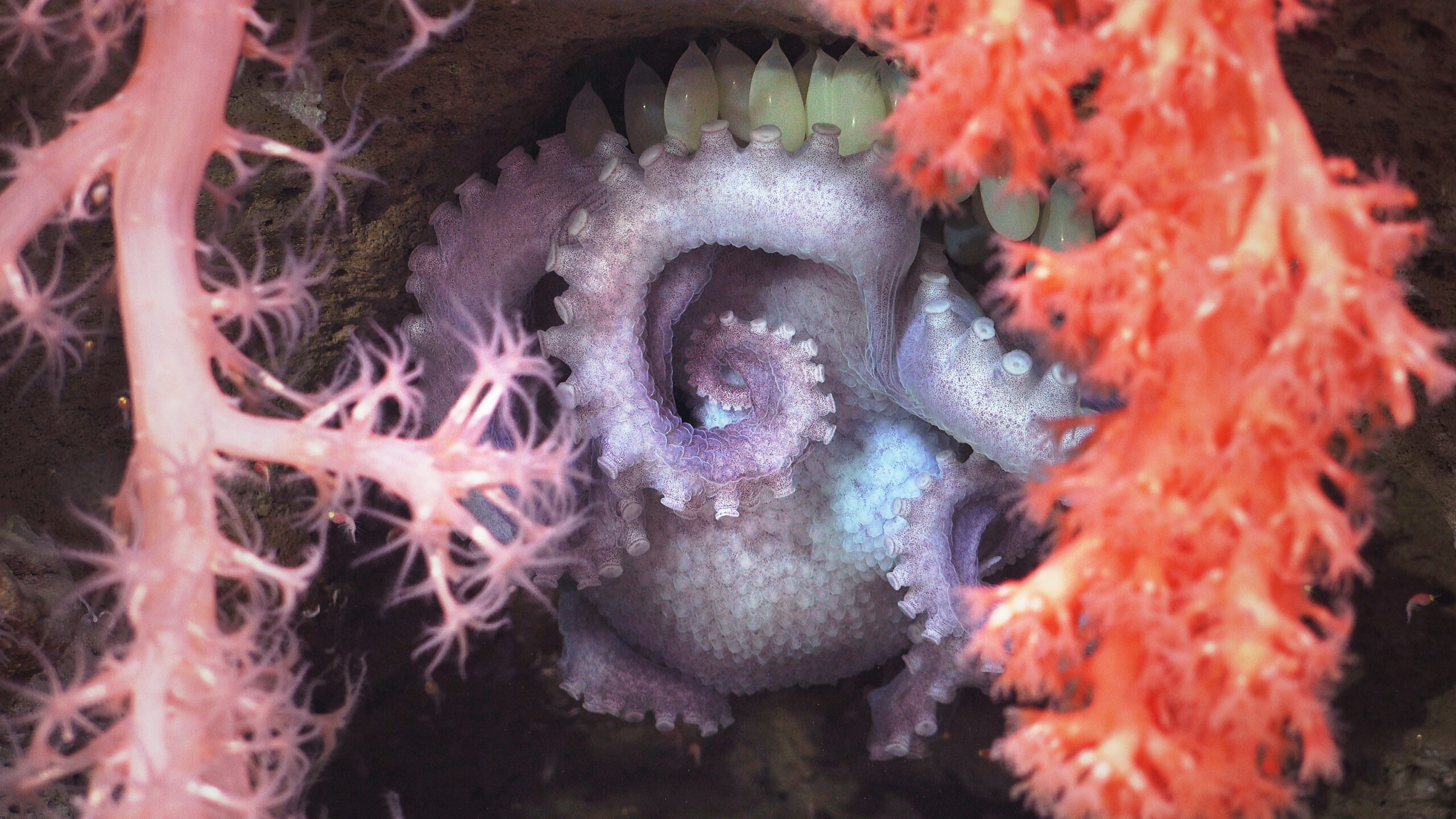
Mar Del Plata Canyon
23 July – 12 August 2025
2025 Ocean Census Expedition Awardee, Dr. Daniel Lauretta of Museo Argentino de Ciencias Naturales Bernardino Rivadavia, joined the Schmidt Ocean Institute as Chief Scientist on it’s Underwater Oases of the Mar Del Plata Canyon expedition.
Join the census
The Ocean Census Alliance unites national and philanthropic marine institutes, museums, and universities, backed by governments, philanthropy, business and civil society partners.


