









More than 110 new species
from the Coral Sea Discovered


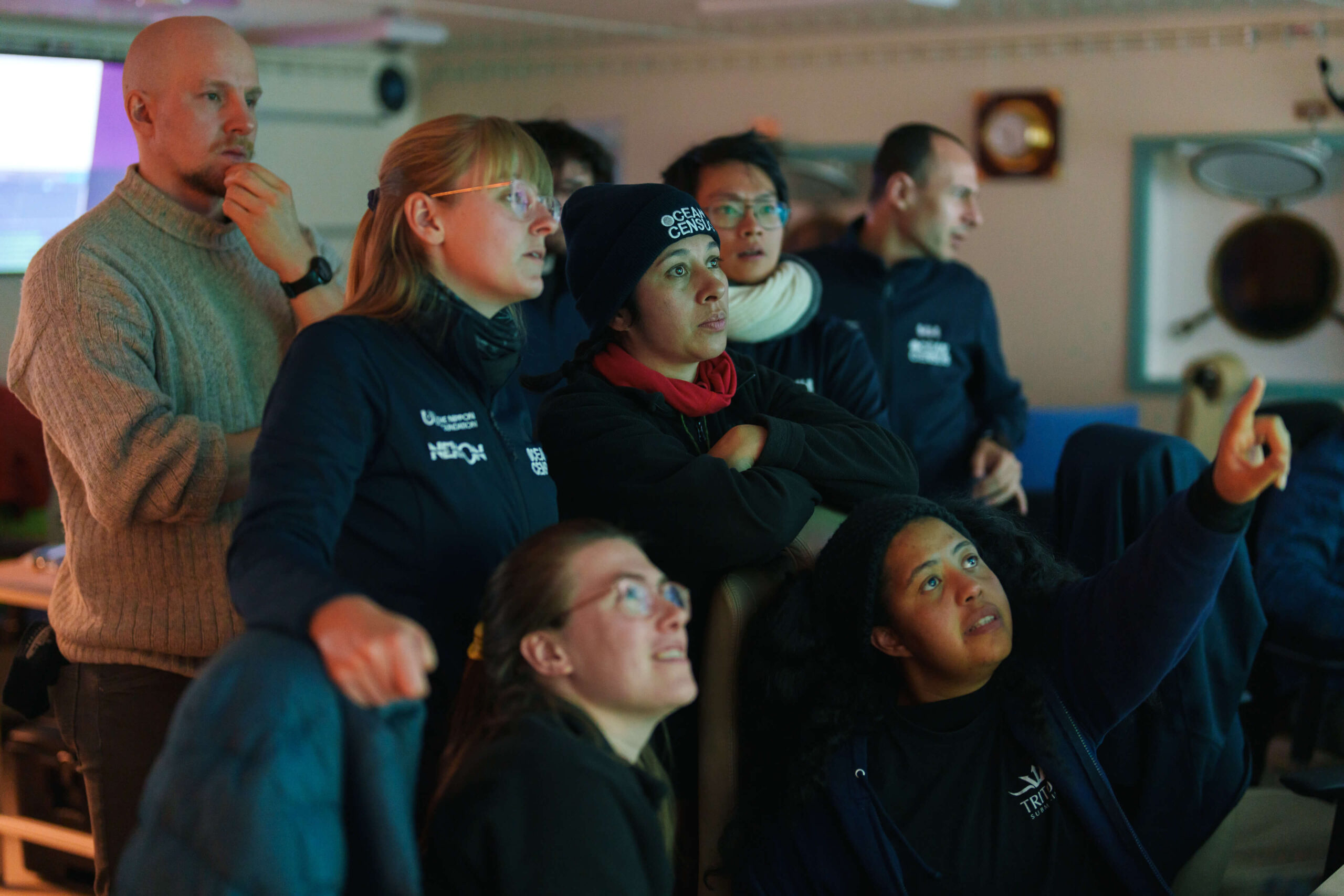
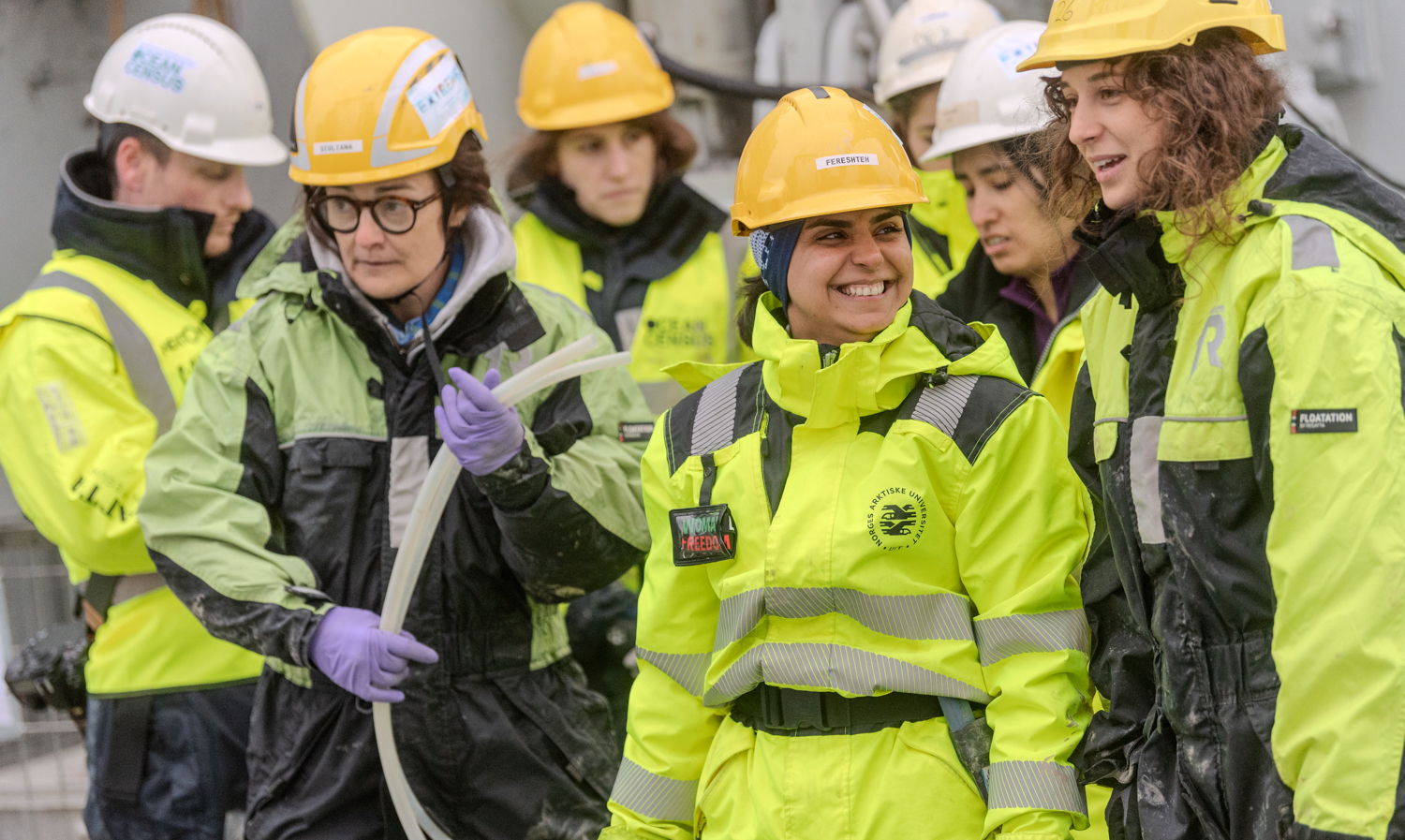
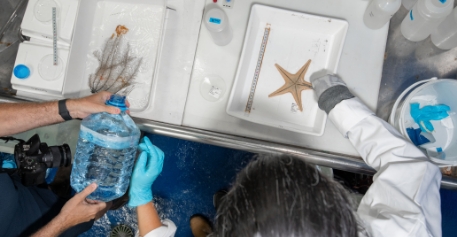
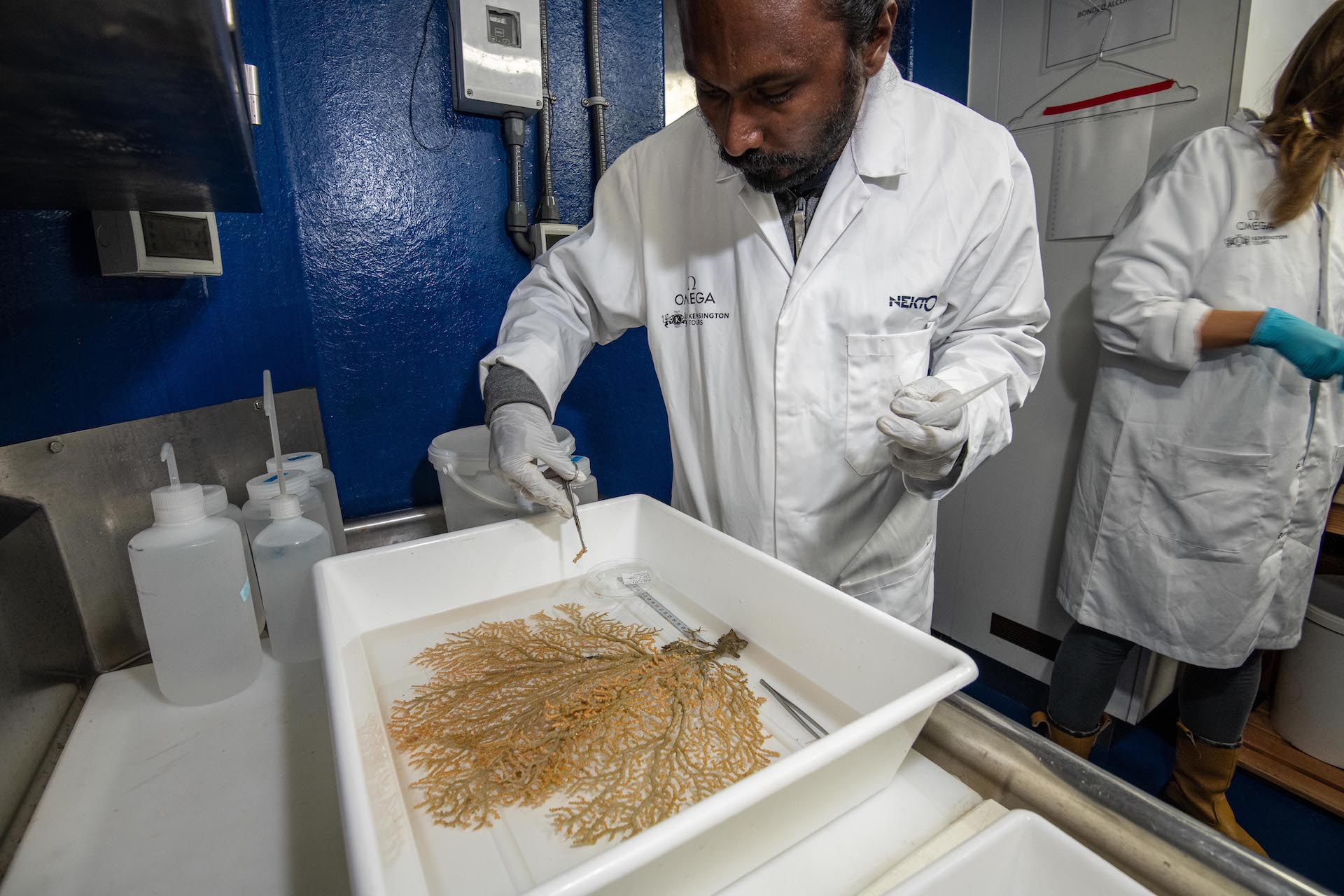
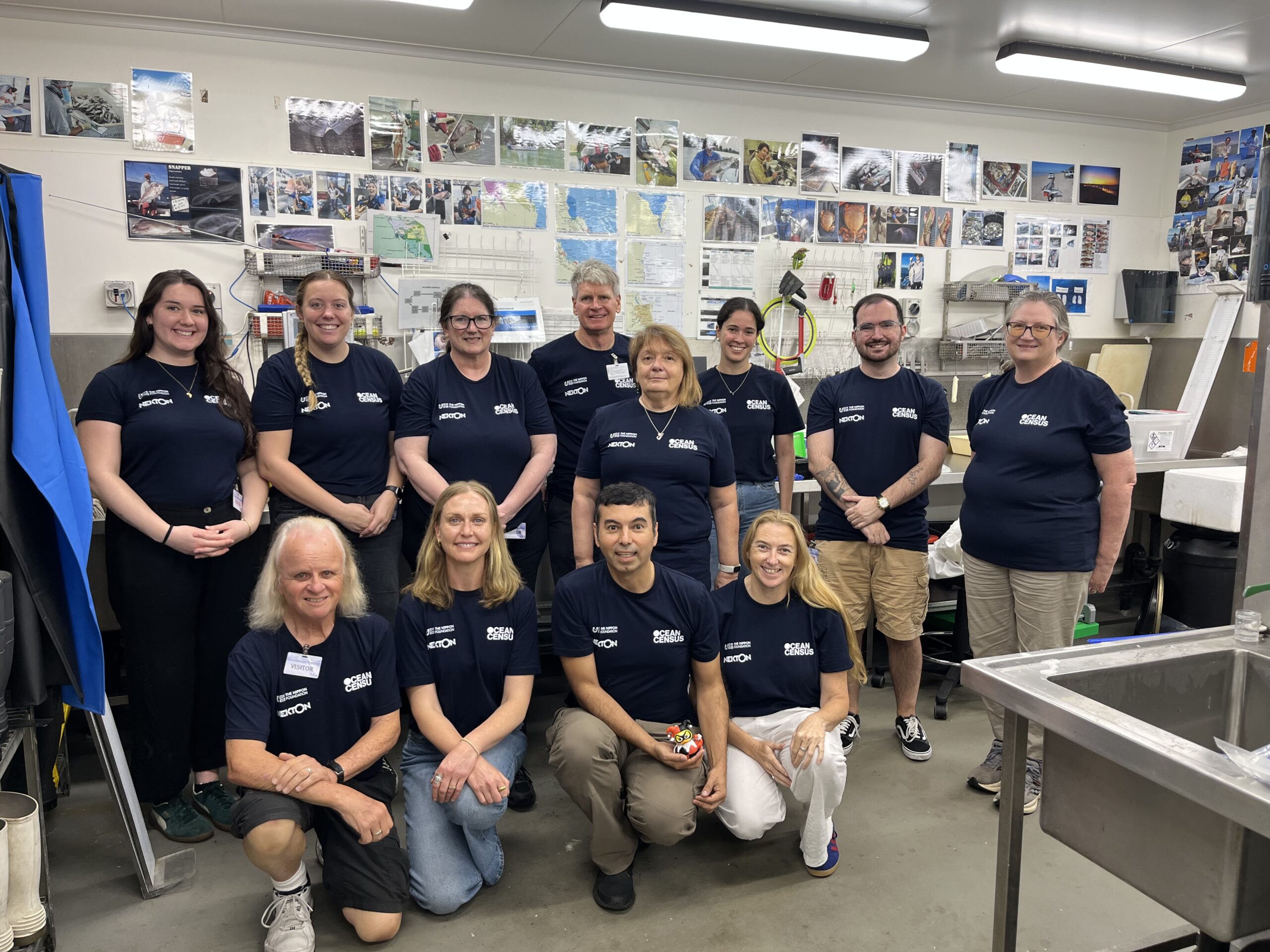
From expedition to workshop
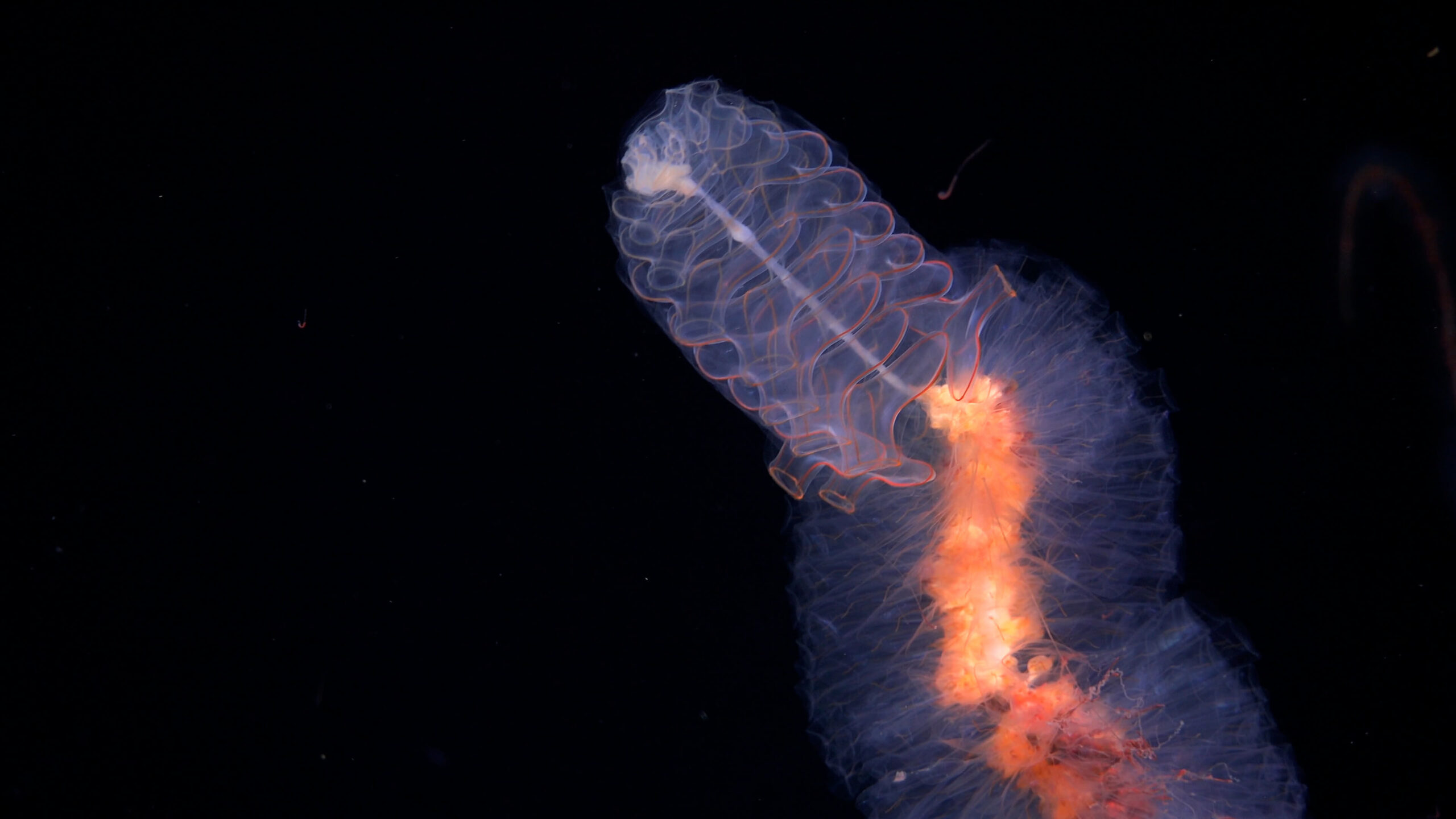
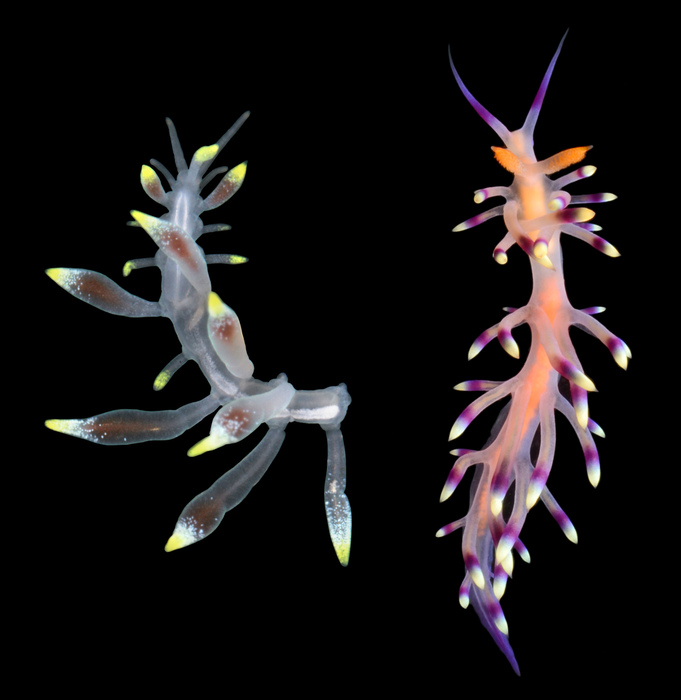
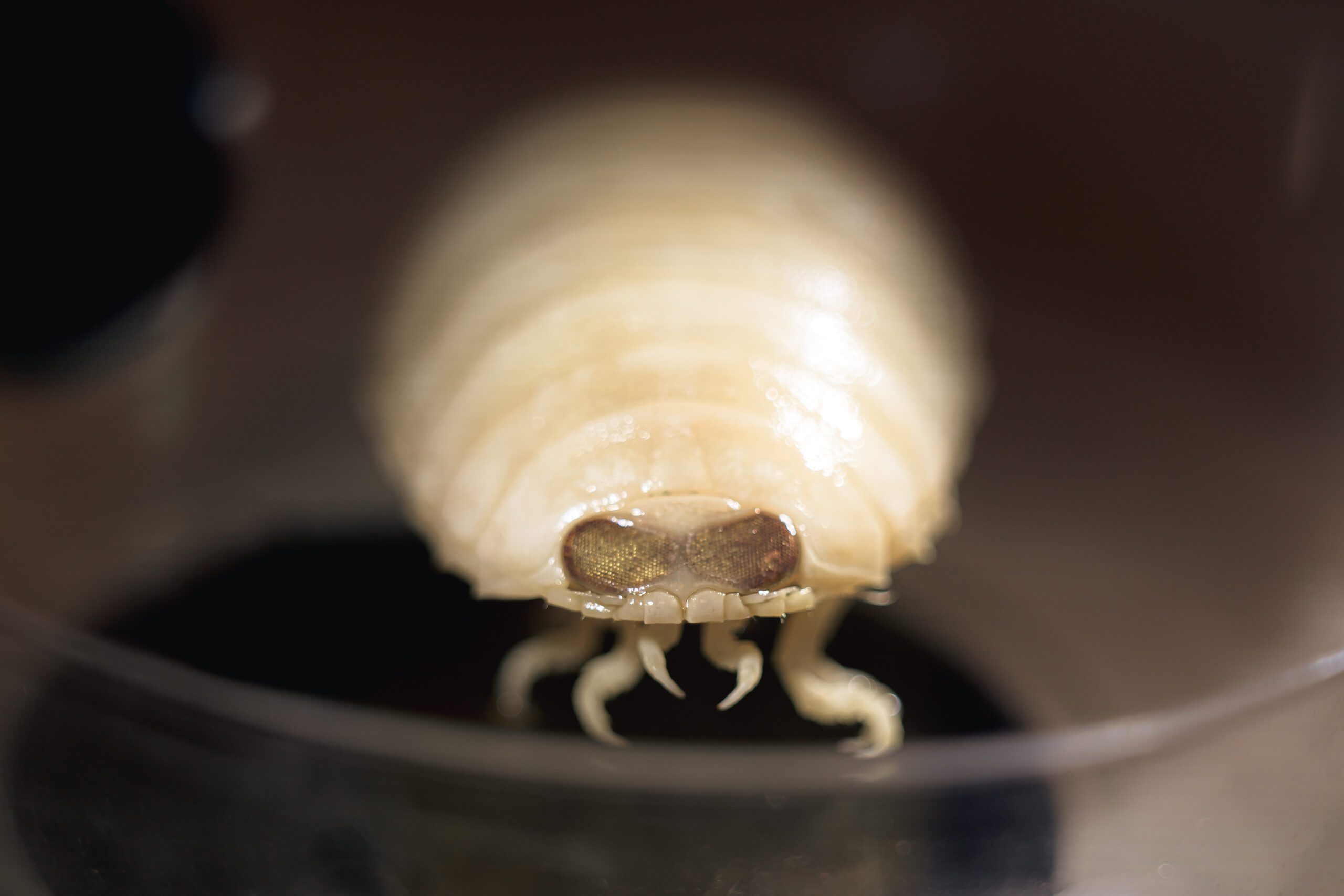
Marine taxonomists from The Commonwealth Scientific and Industrial Research Organisation (CSIRO) and the Ocean Census Science Network have identified more than 110 new fish and invertebrate species from the Coral Sea, with that number likely to exceed 200 as more cryptic species are identified.
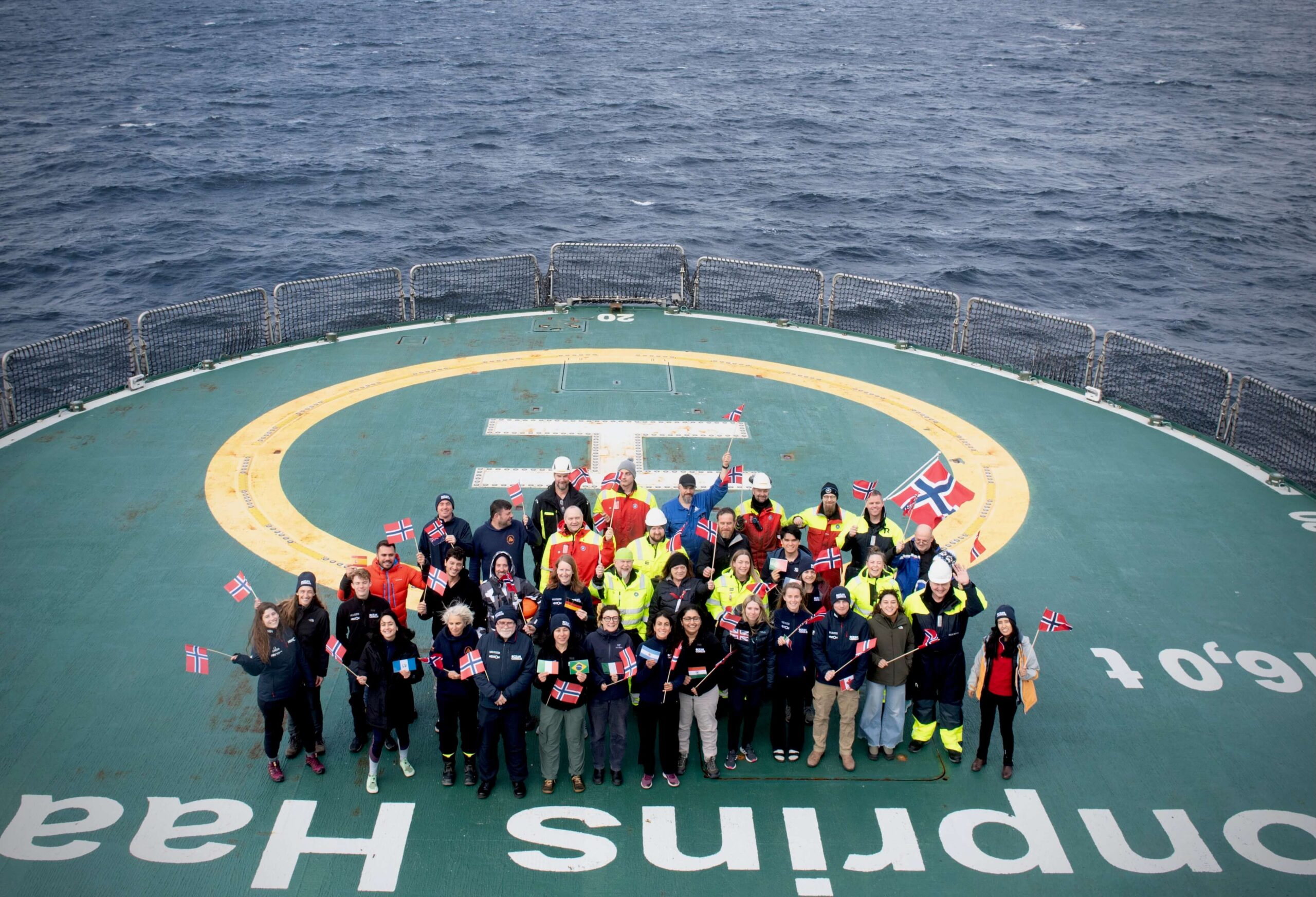
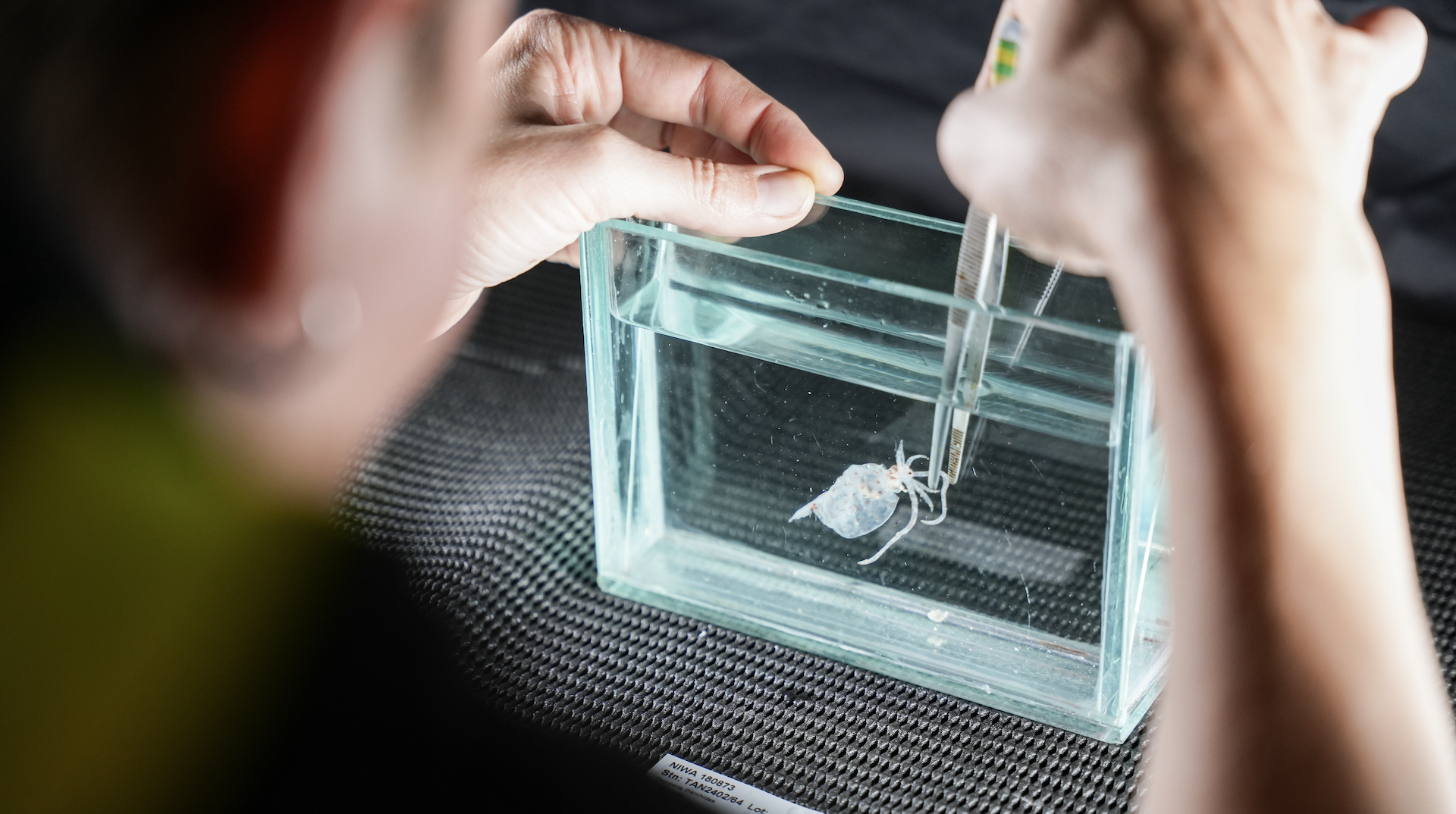
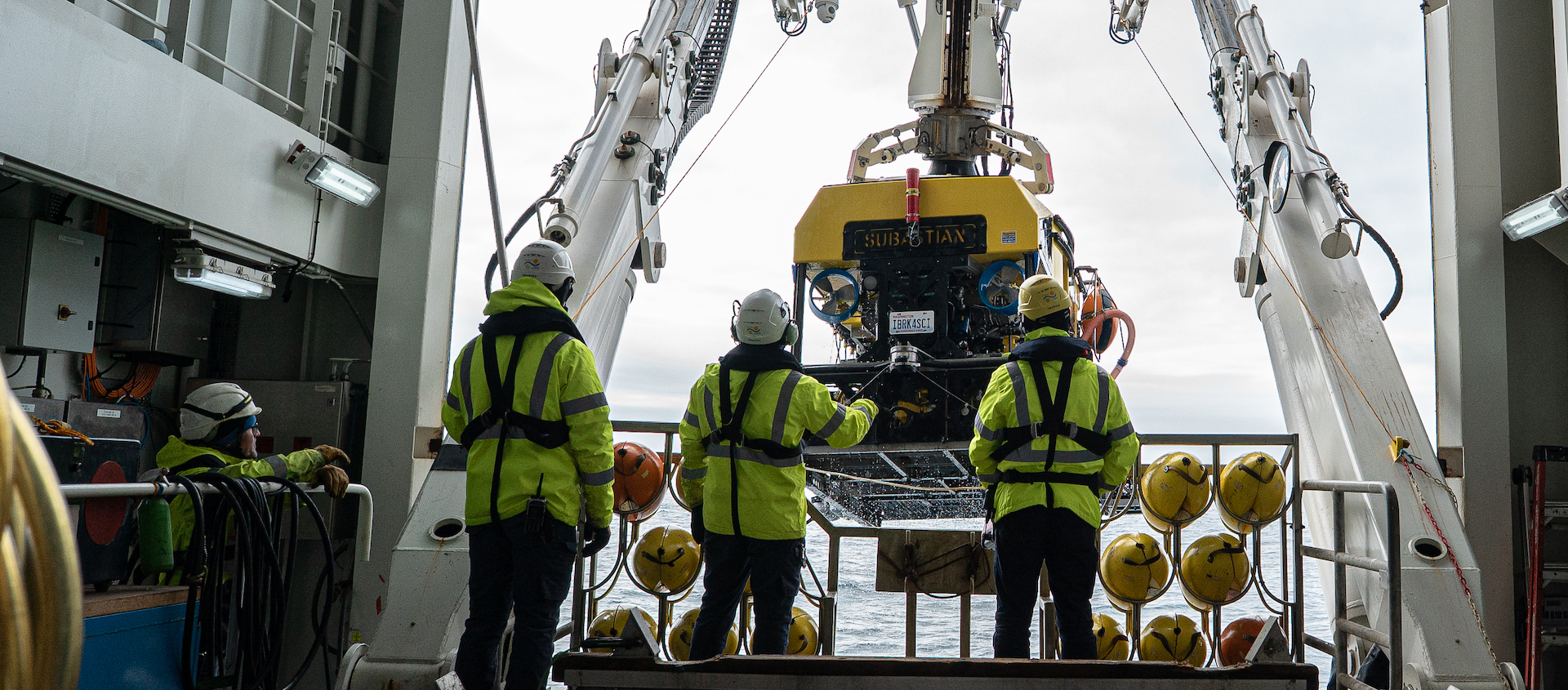
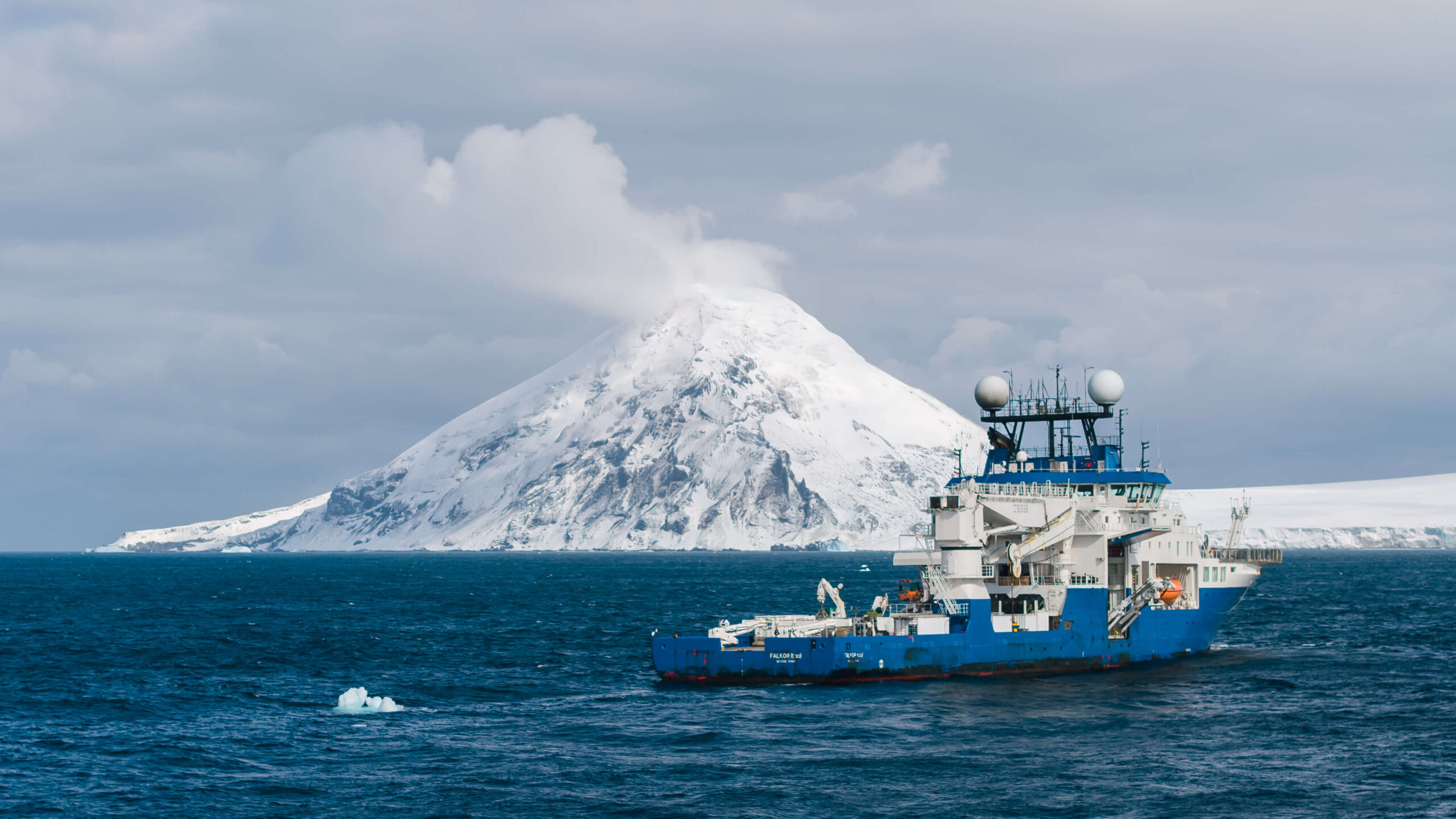
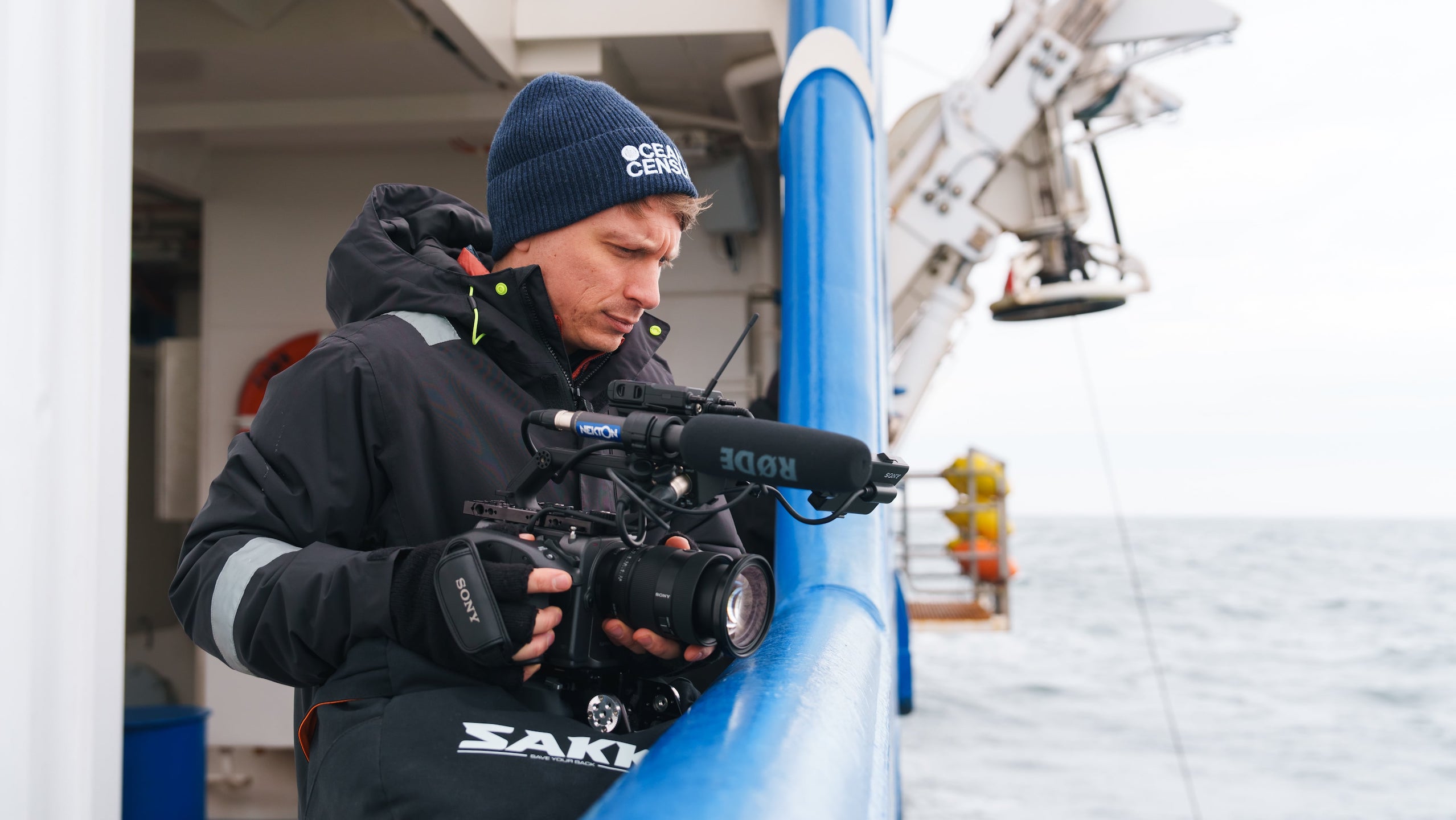
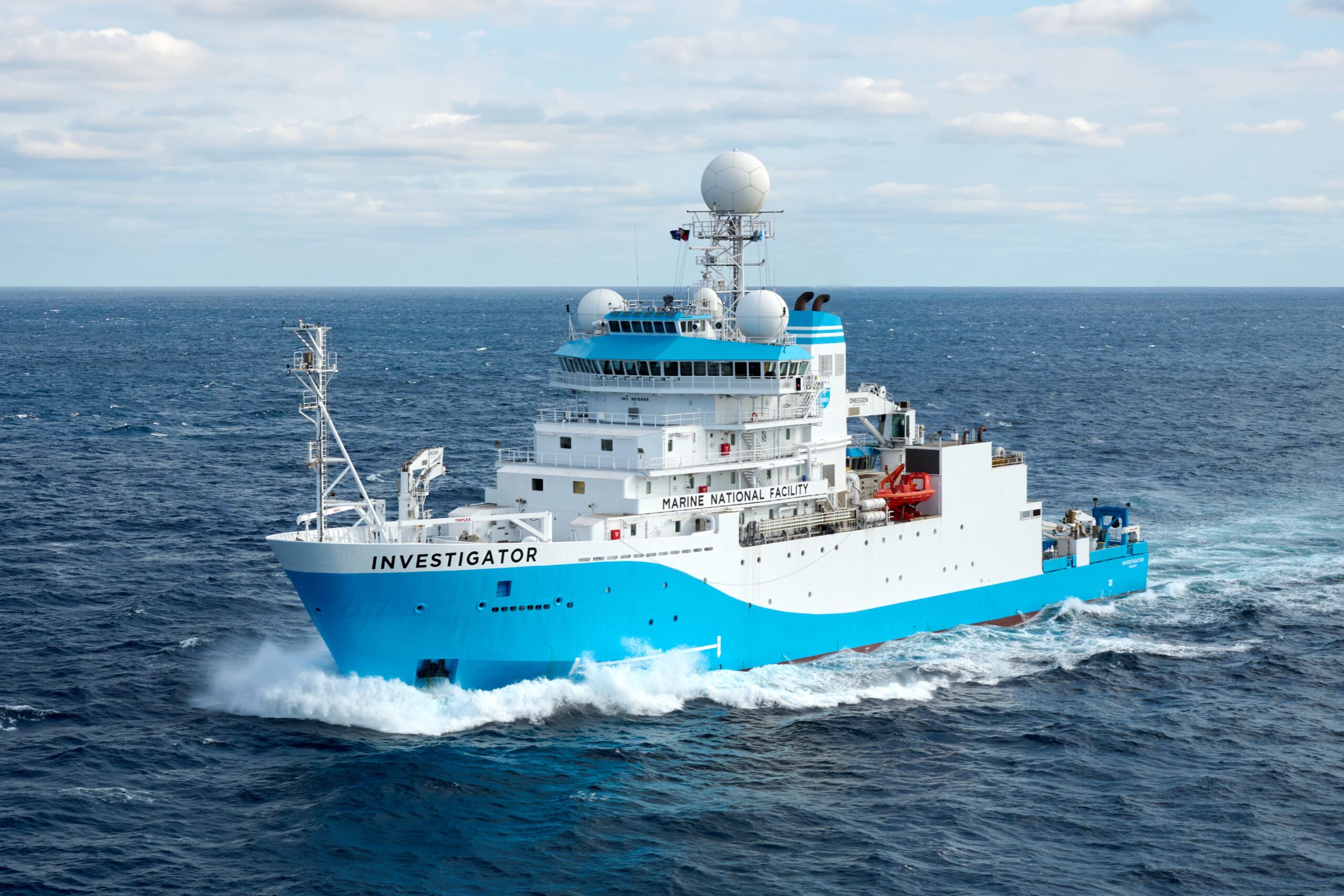
Brought together by CSIRO, Australia’s national science agency, and The Nippon Foundation-Nekton Ocean Census, the taxonomists identified fish and invertebrates collected late 2025 by scientists on board CSIRO research vessel (RV) Investigator.
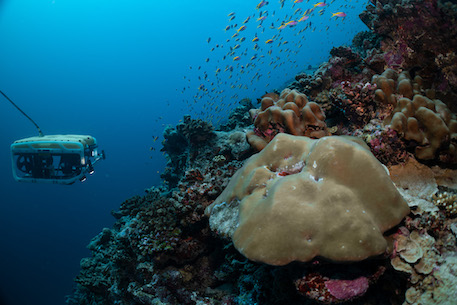
They were discovered between 200 to 3000m deep in the Coral Sea Marine Park, which comprises nearly a million square kilometres of mostly unexplored, deep-water marine environments. The 35-day voyage on the CSIRO’s Investigator research vessel set sail from Brisbane last October, and travelled as far as Mellish Reef, about 1,000km off the Queensland coast.
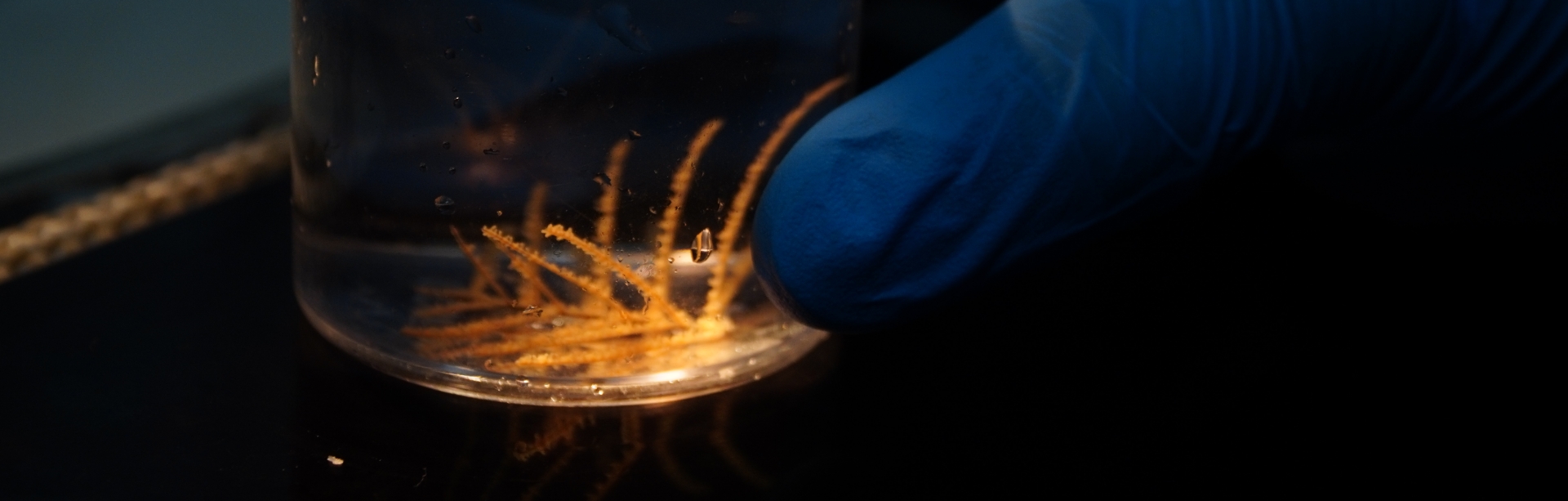
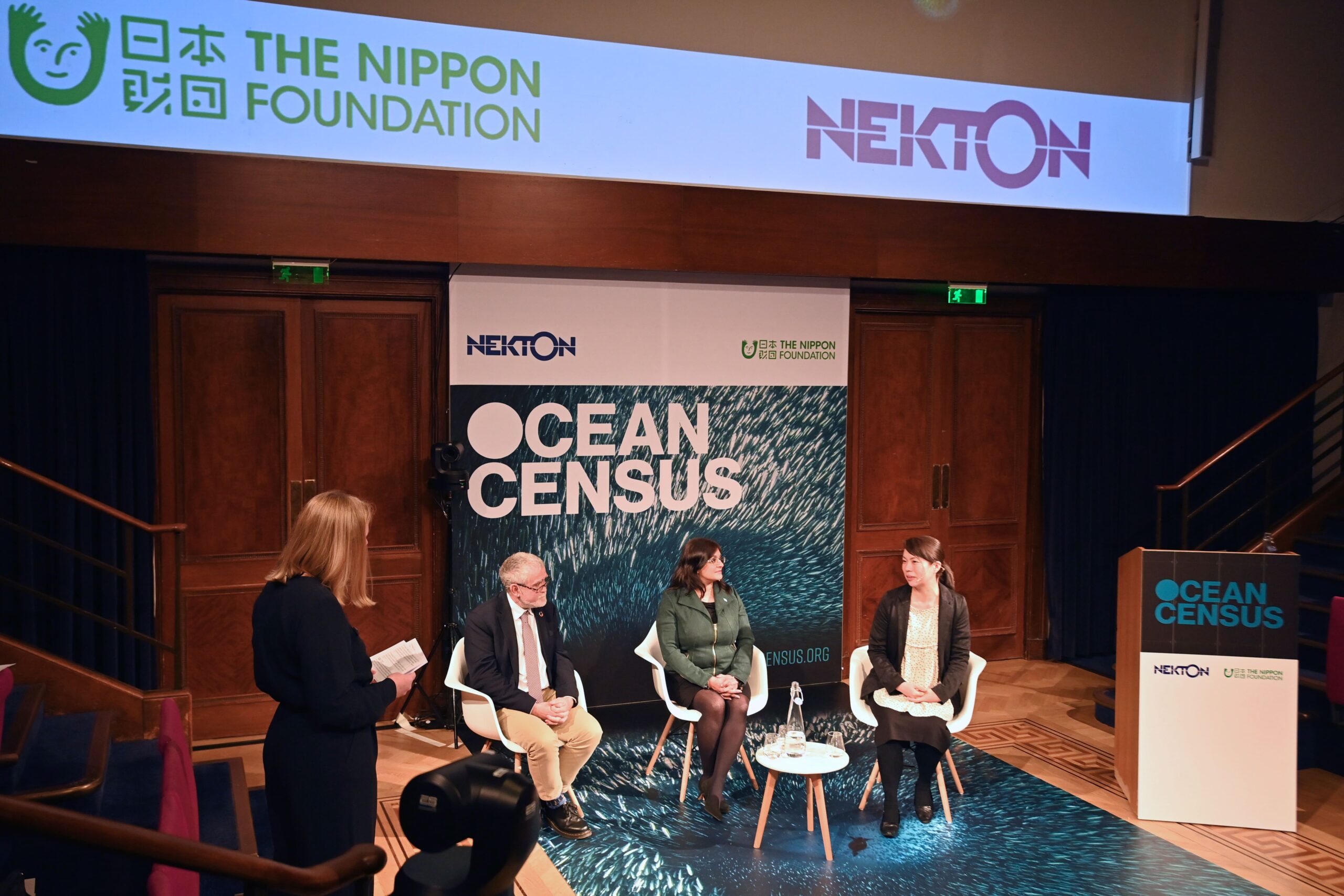
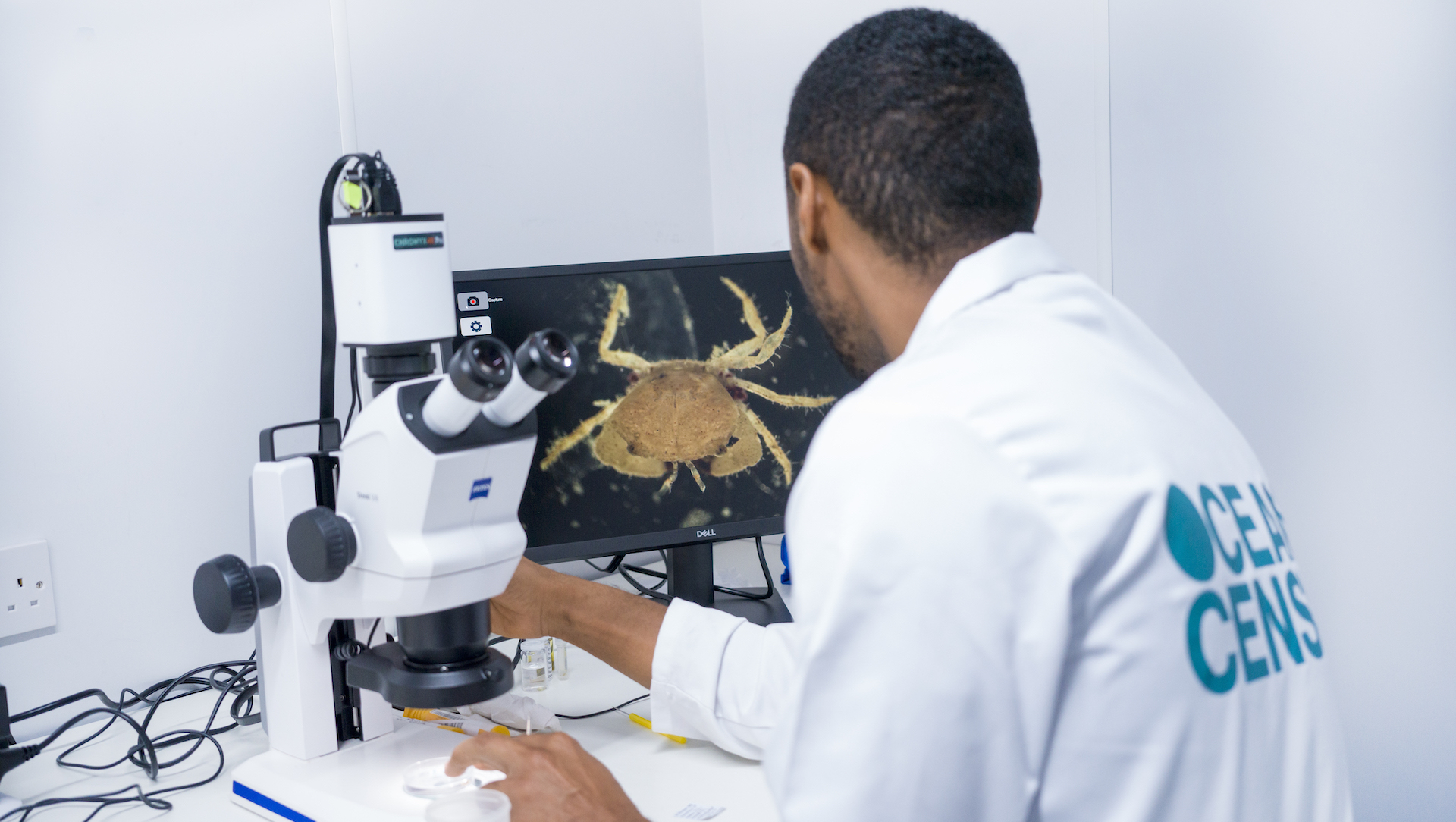
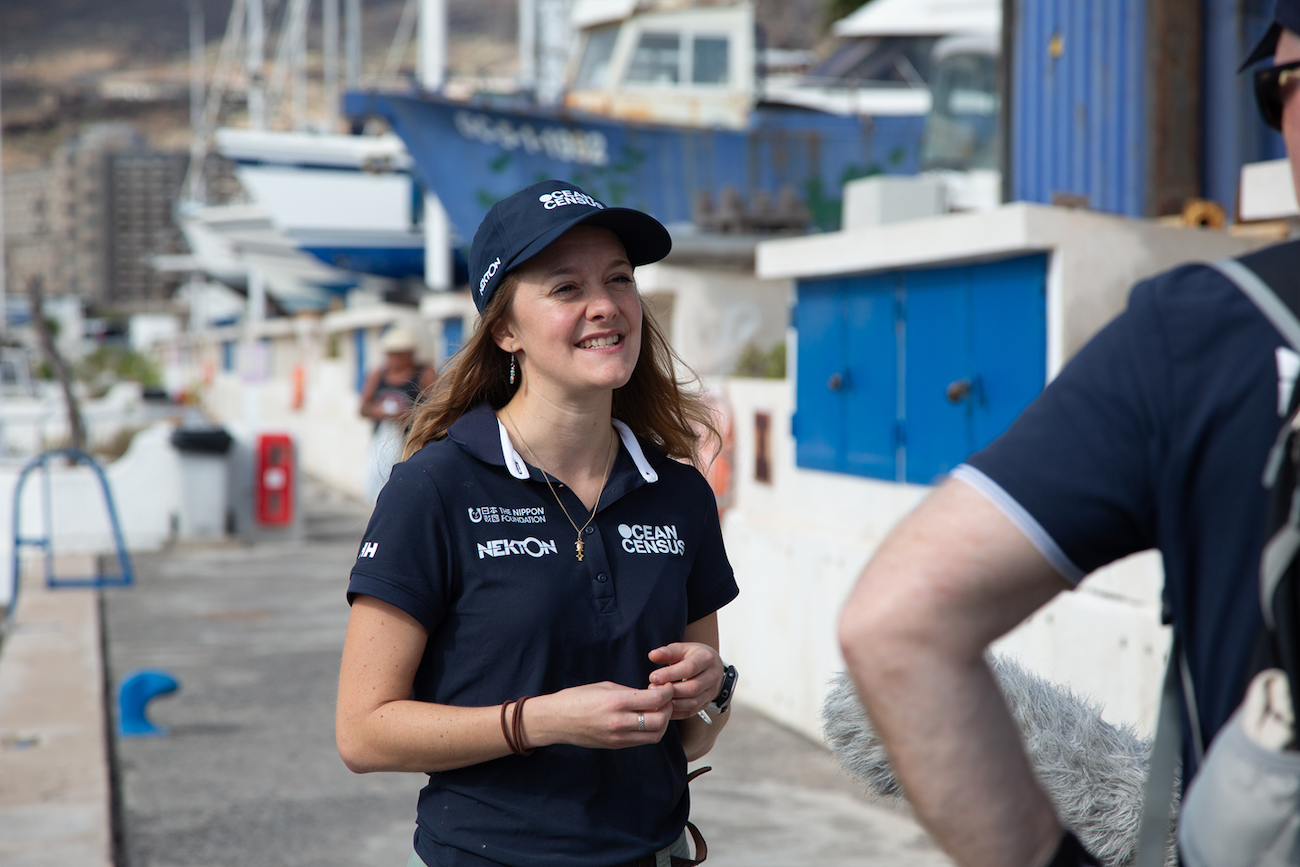
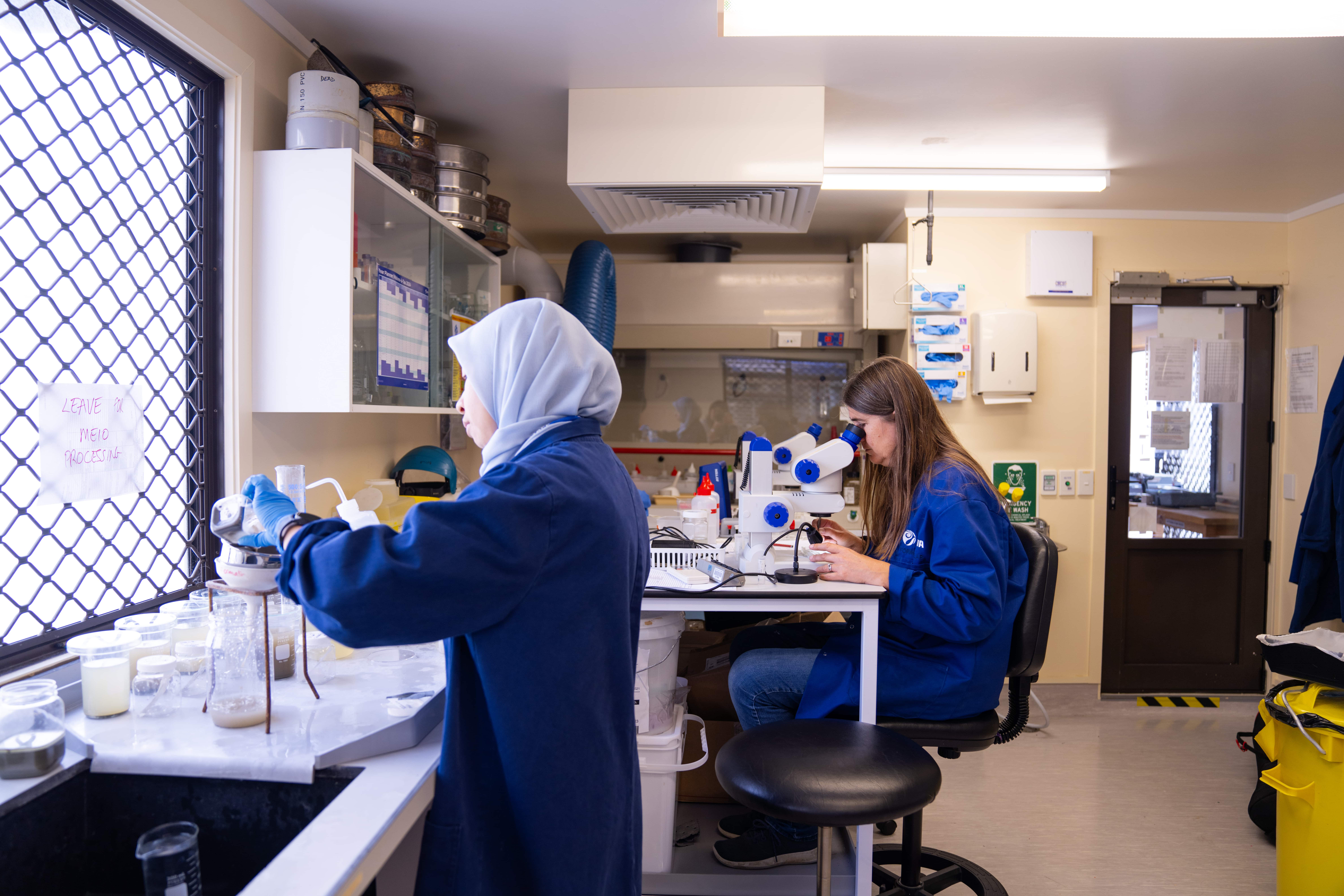
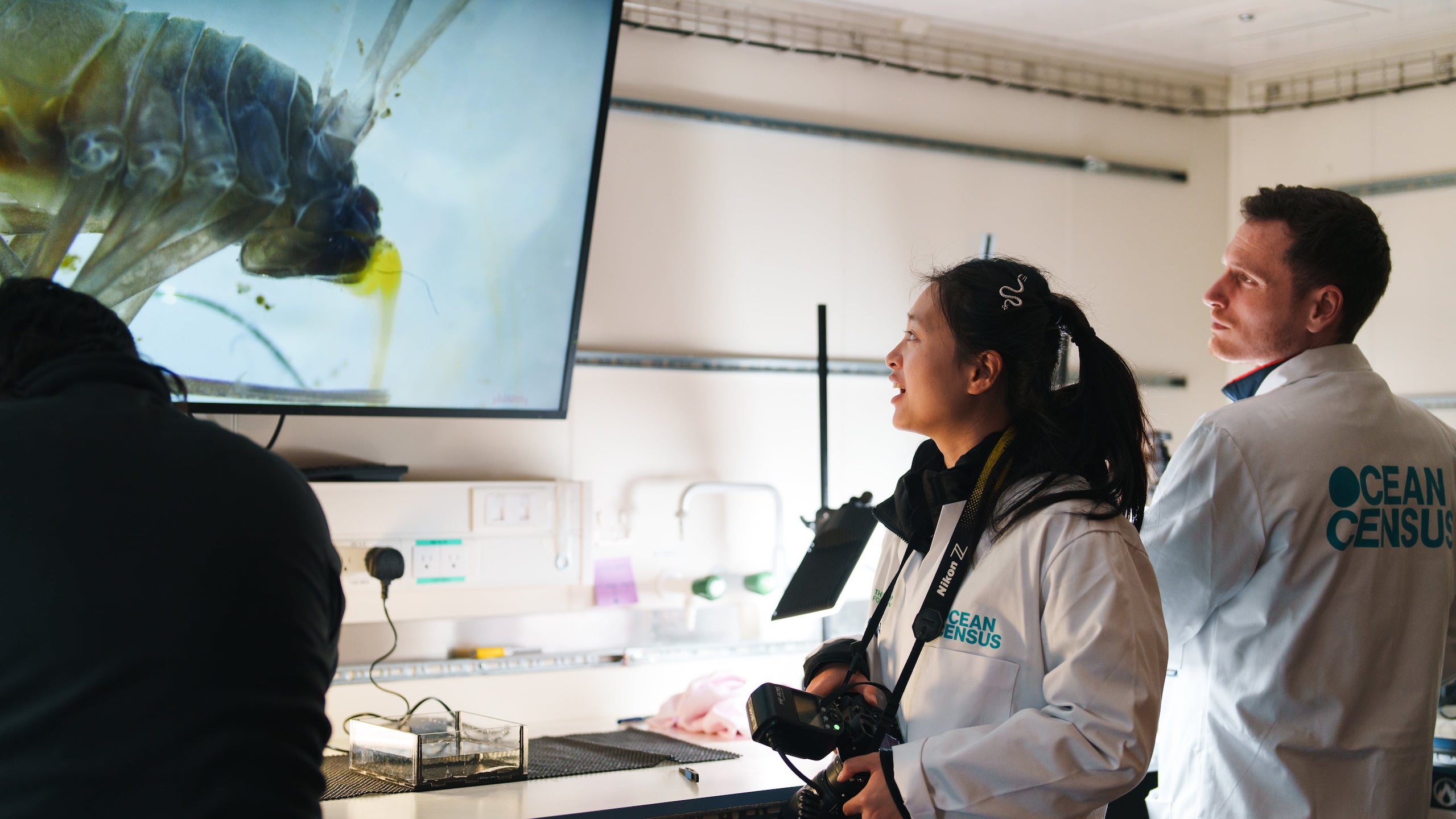
Workshop image credit: The Nippon Foundation-Nekton Ocean Census
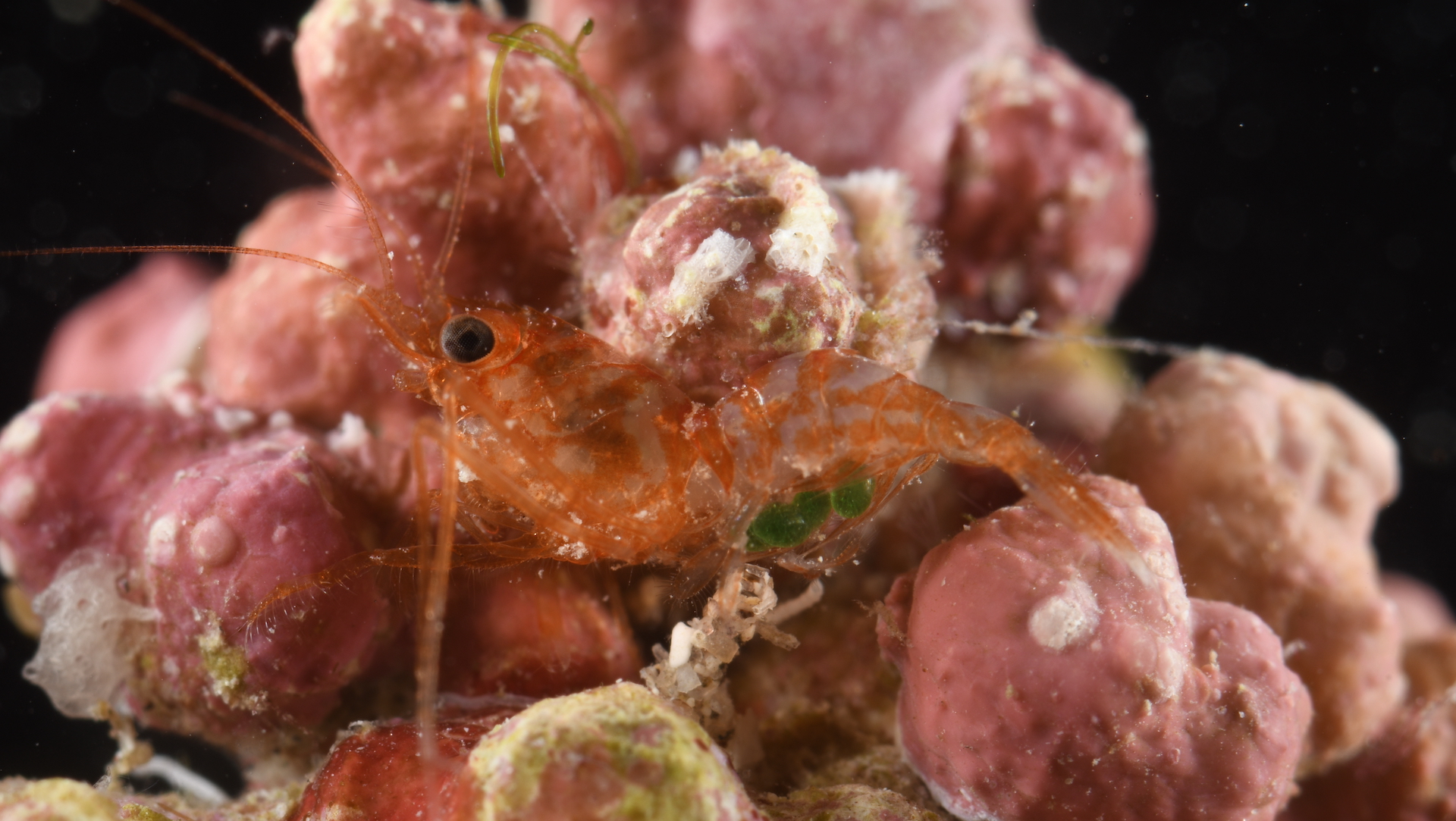
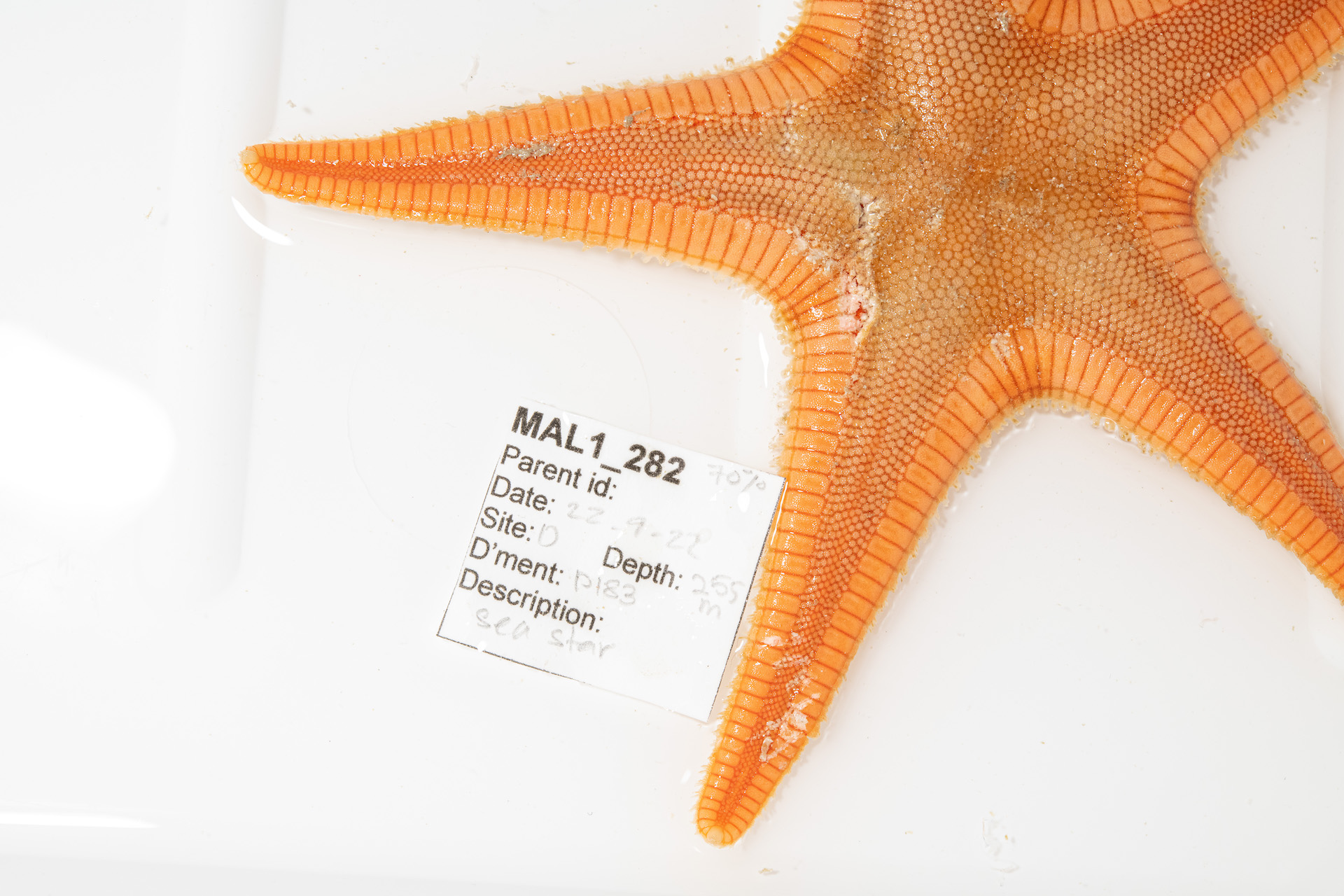
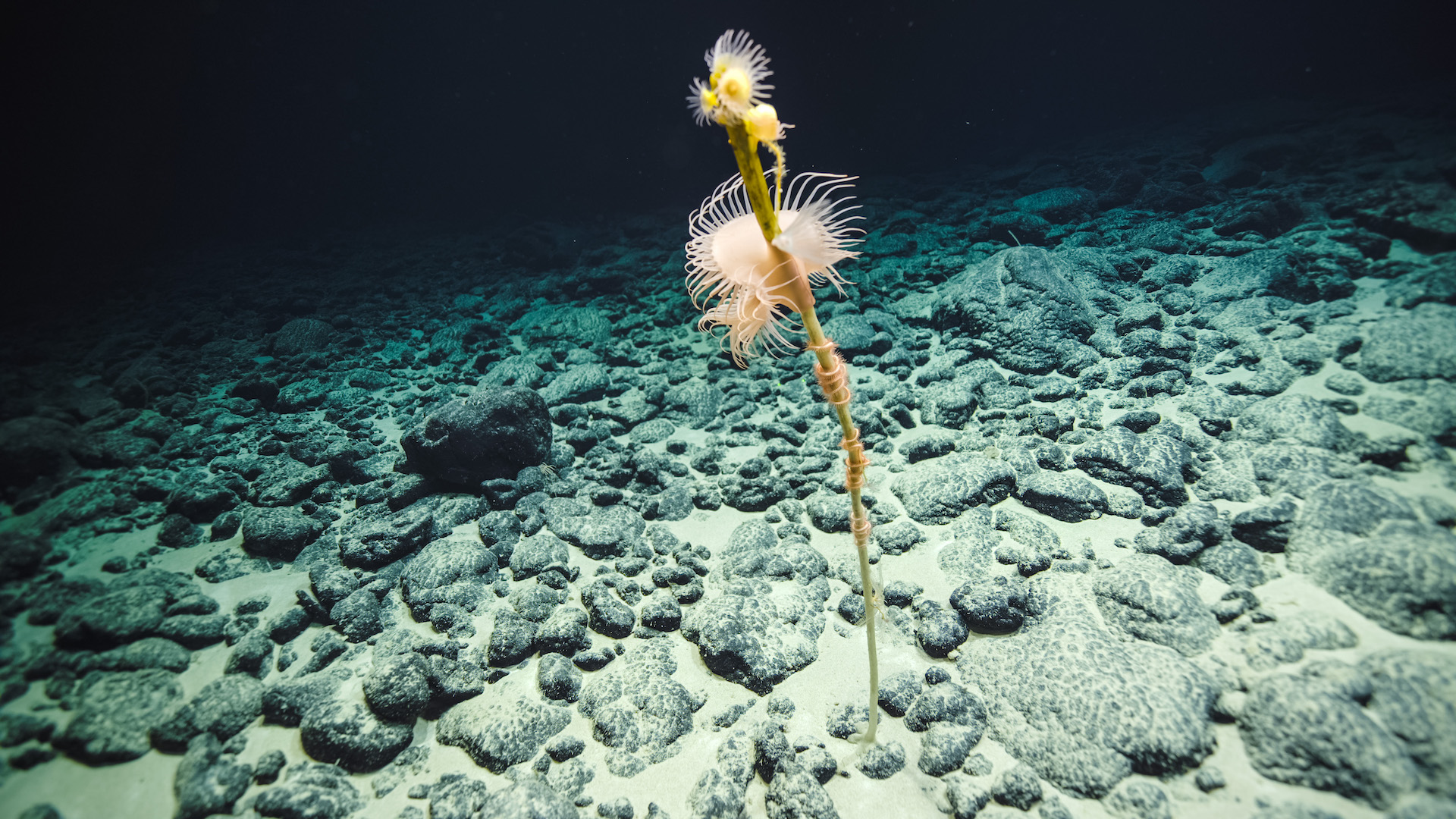
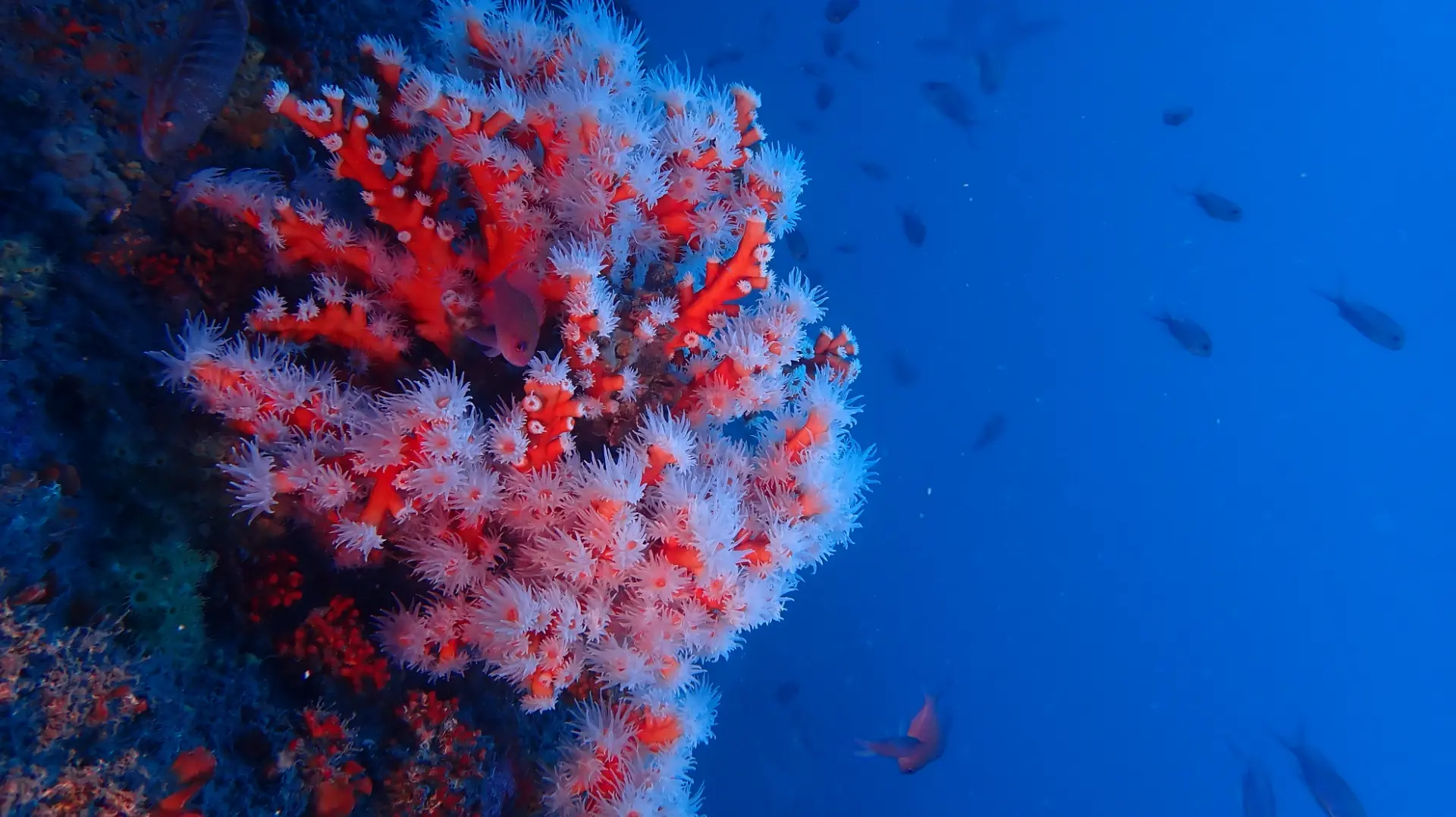
Species image credit: CSIRO
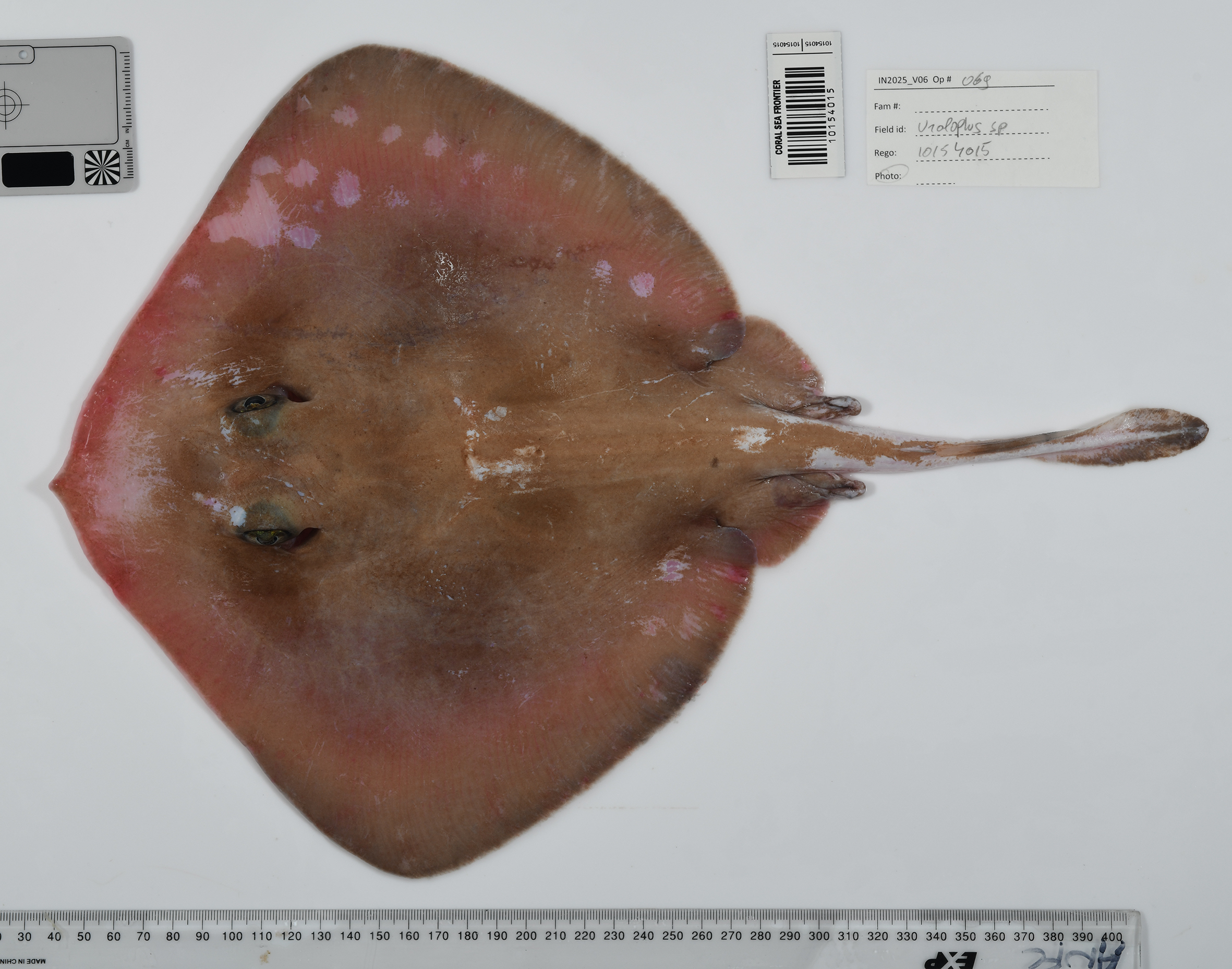
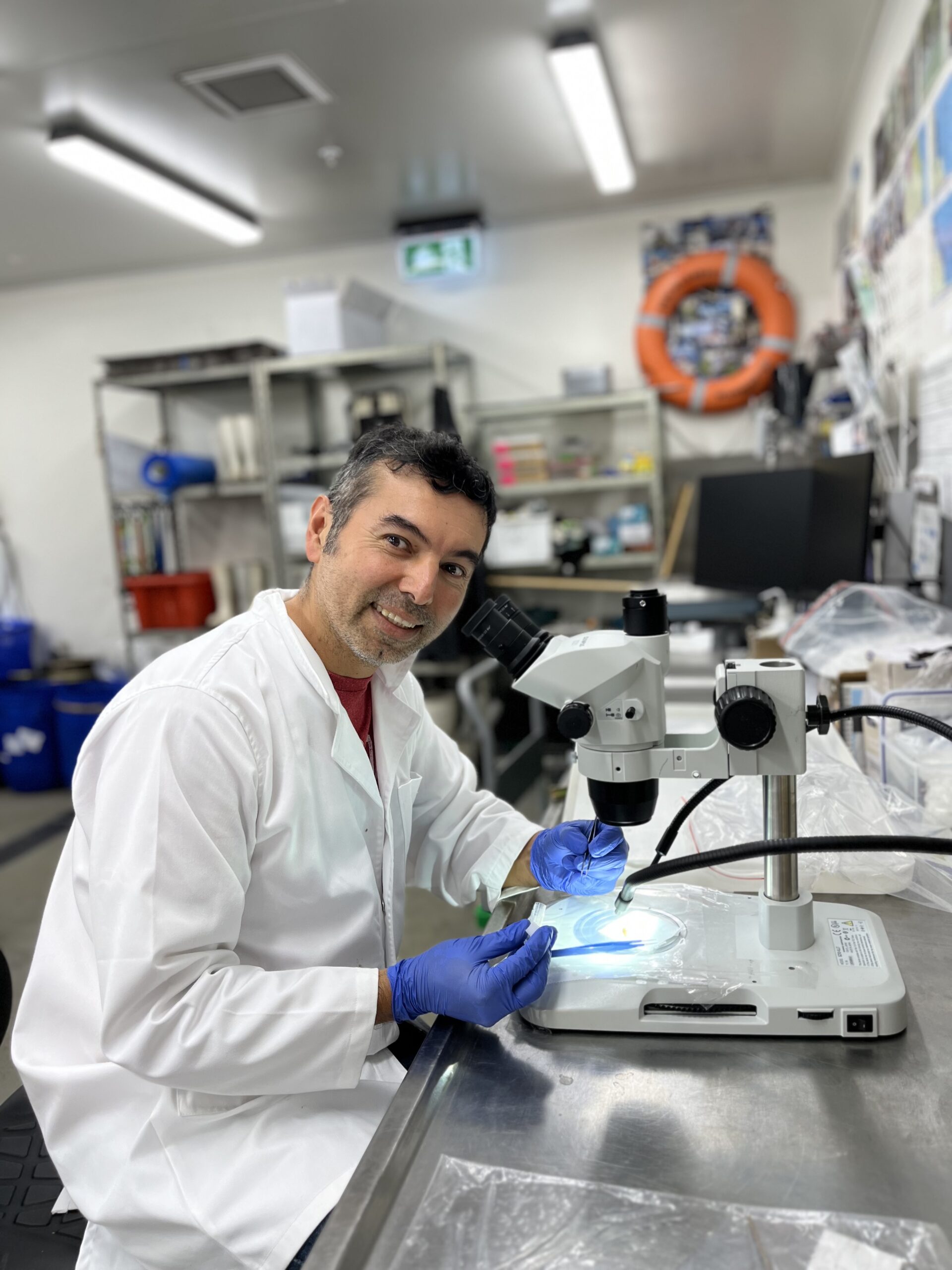
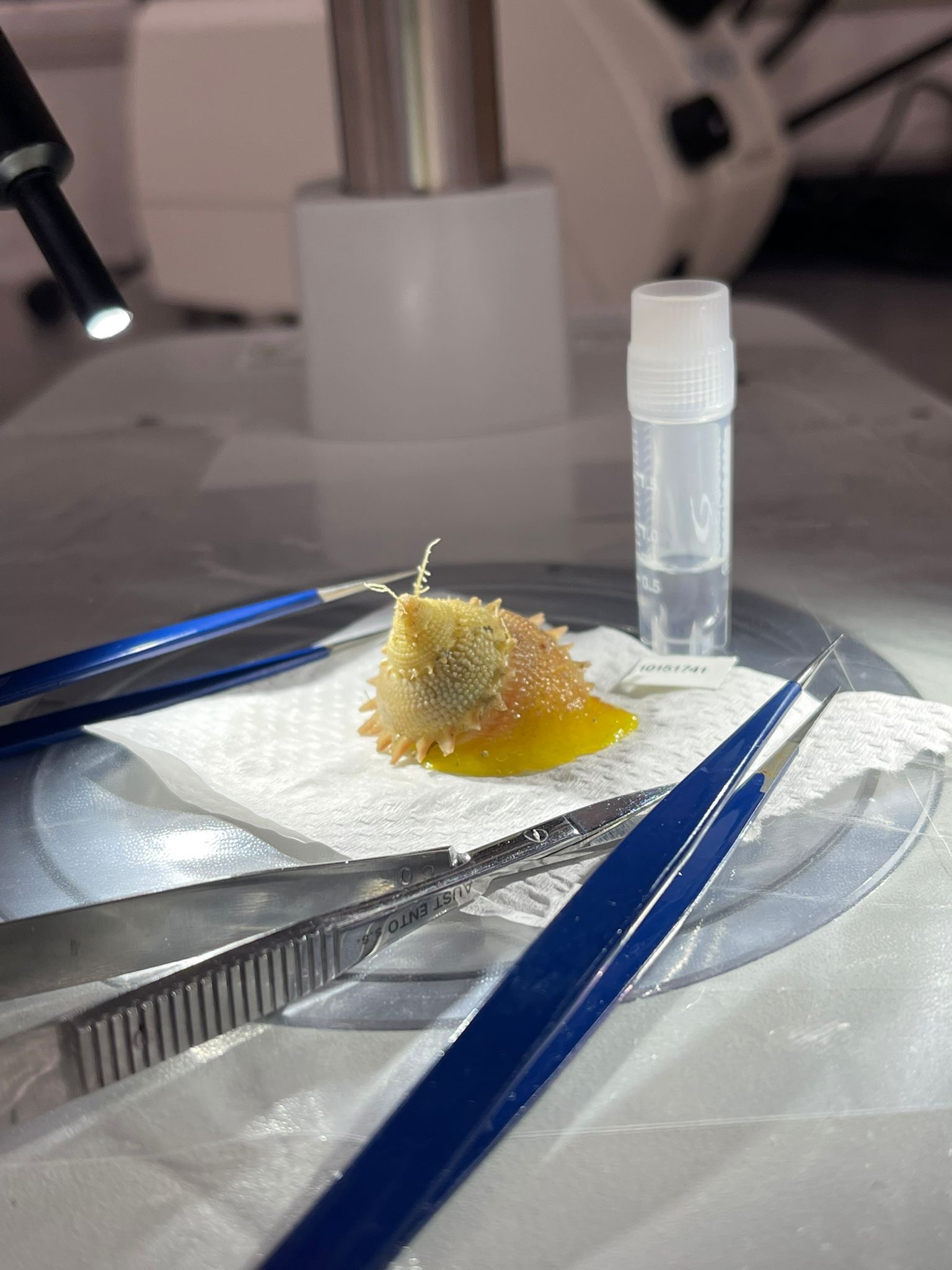
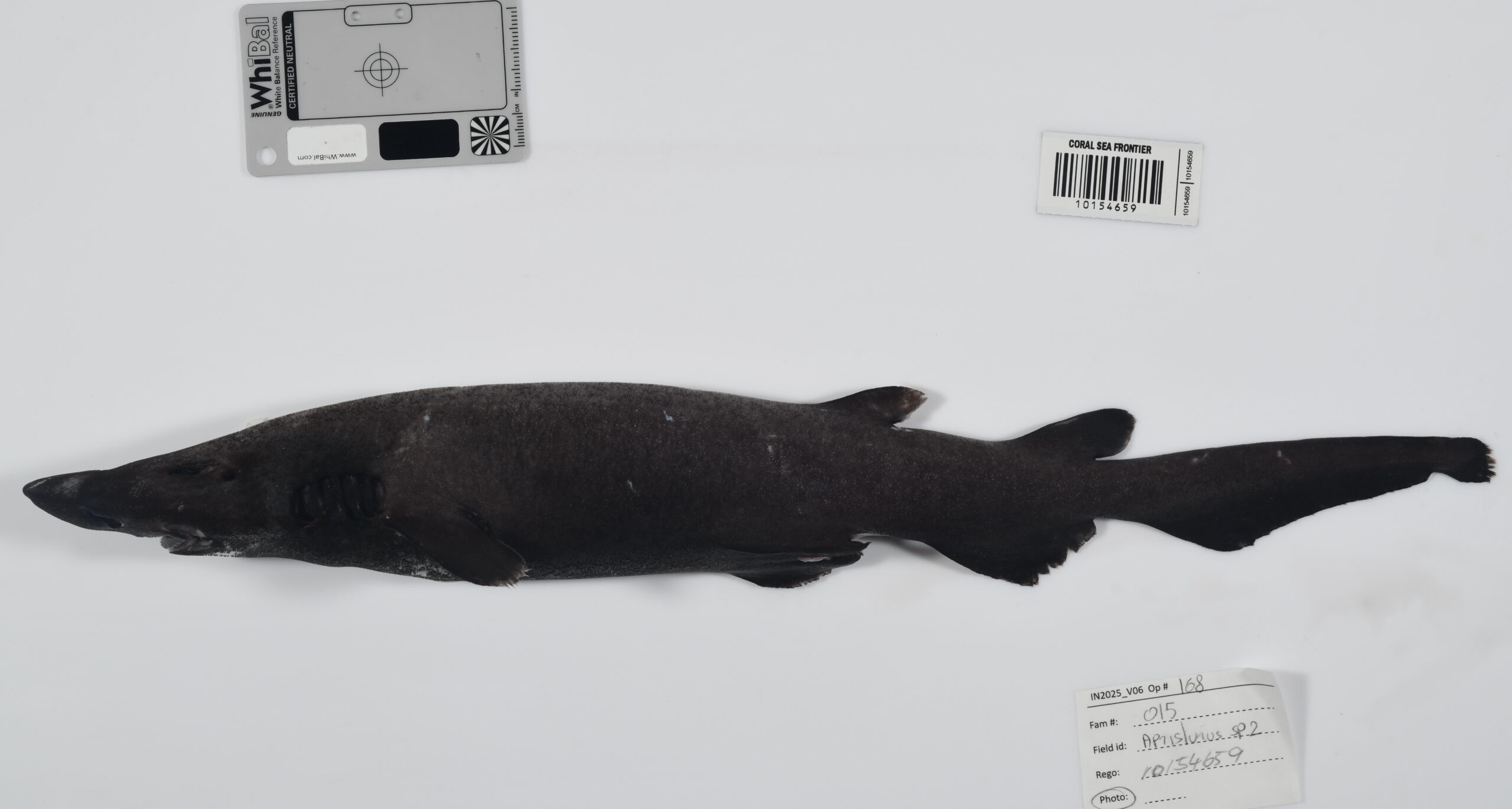
CSIRO Voyage Chief Scientist and shark expert Dr Will White identified four new species during a series of workshops around Australia, two rays (in the genera Dipturus and Urolophus), one deepwater catshark (in the genus Apristurus) and one chimaera (in the genus Chimaera).
“During the voyage it was incredible to observe plenty of unique, deep-sea creatures in locations from seamounts and atolls to unexplored deep reefs,” Dr White said.
The Nippon Foundation–Nekton Ocean Census Head of Science,
Dr Michelle Taylor said workshops like these help close knowledge gaps about undocumented marine life worldwide.
“To ensure high-quality data is visible to the global community in real-time, the taxonomists at the workshops input the species data directly into the Ocean Census Biodiversity Data Platform, the world’s first open-access digital gateway for newly discovered marine species,” Dr Taylor said.
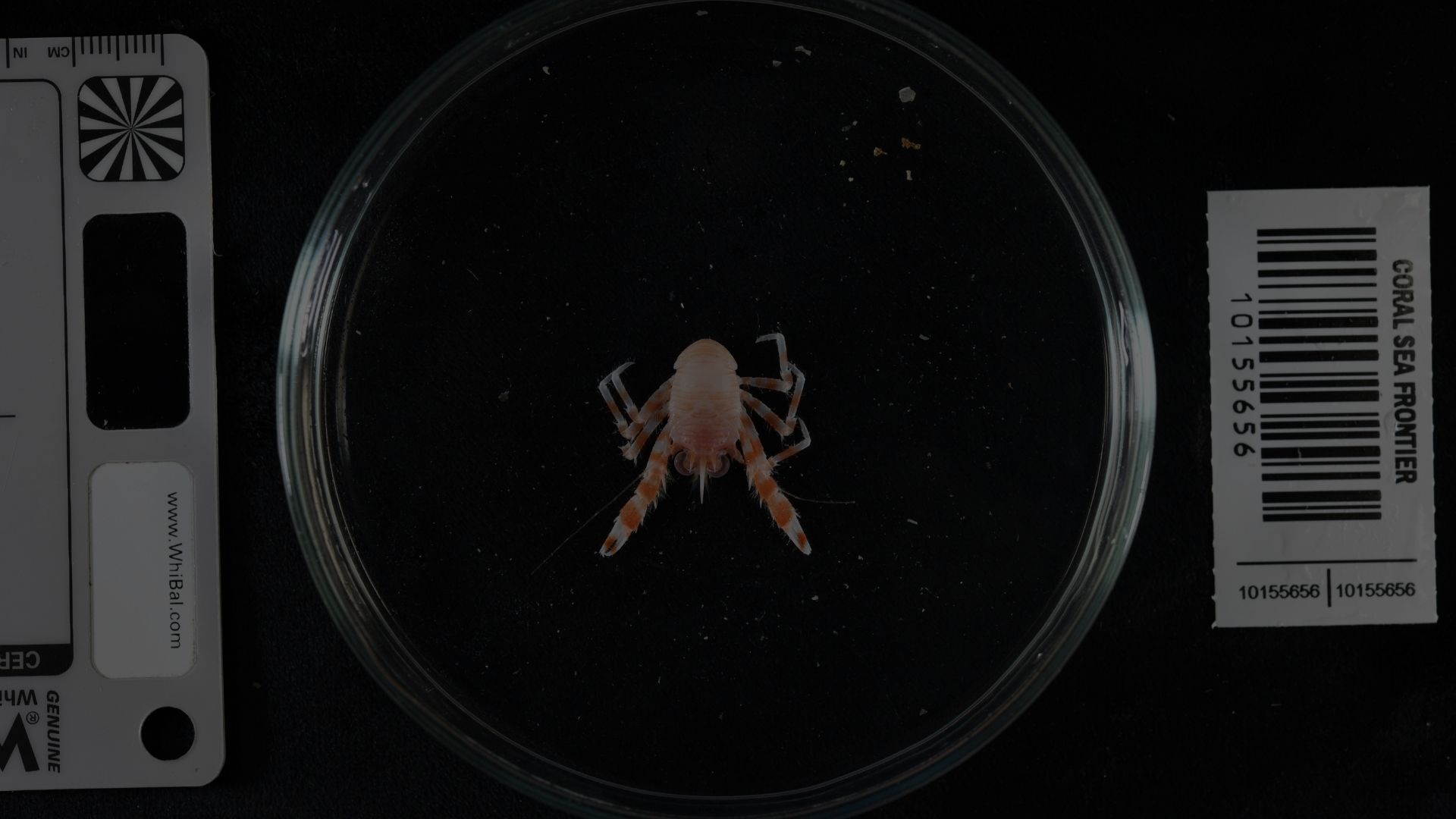
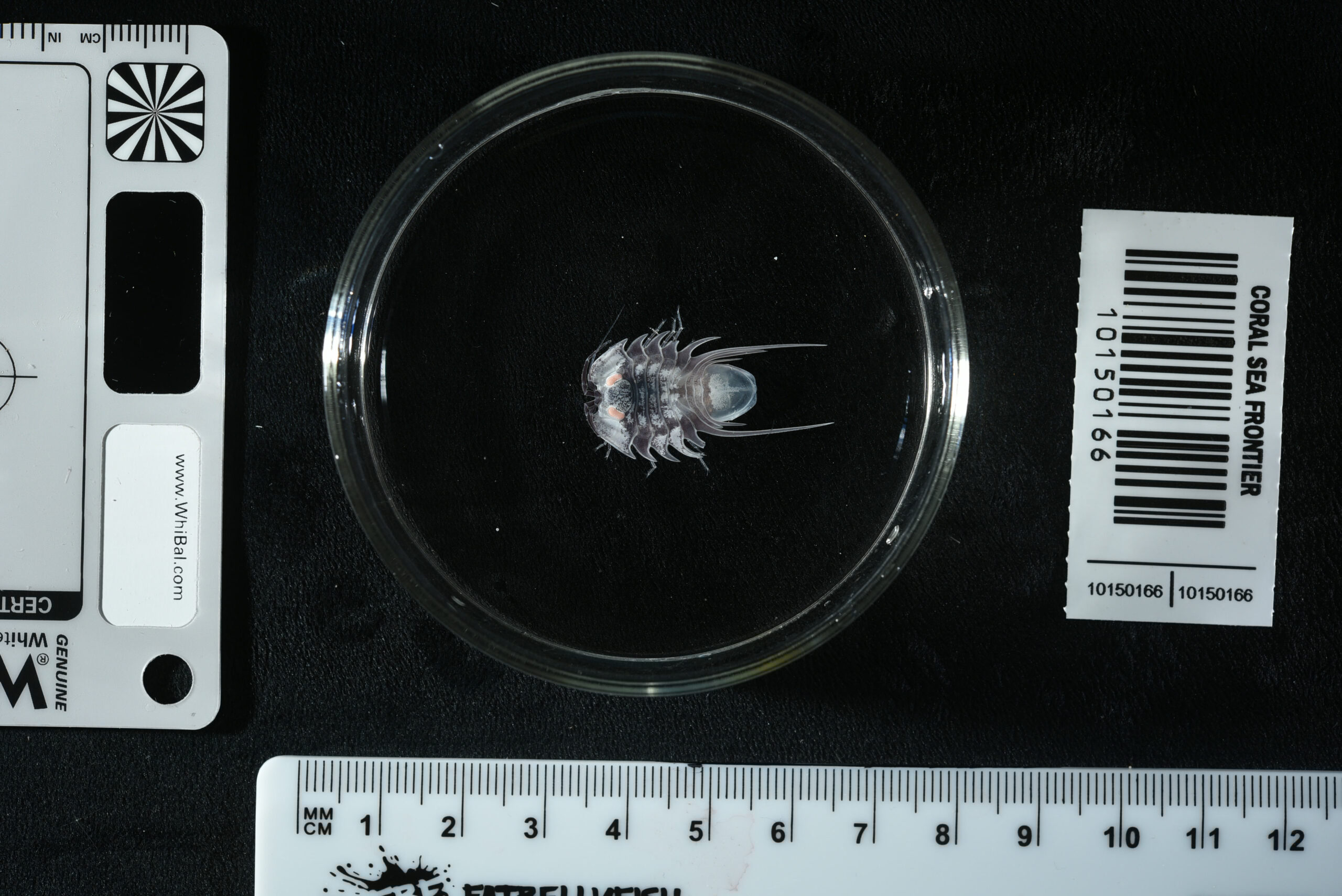
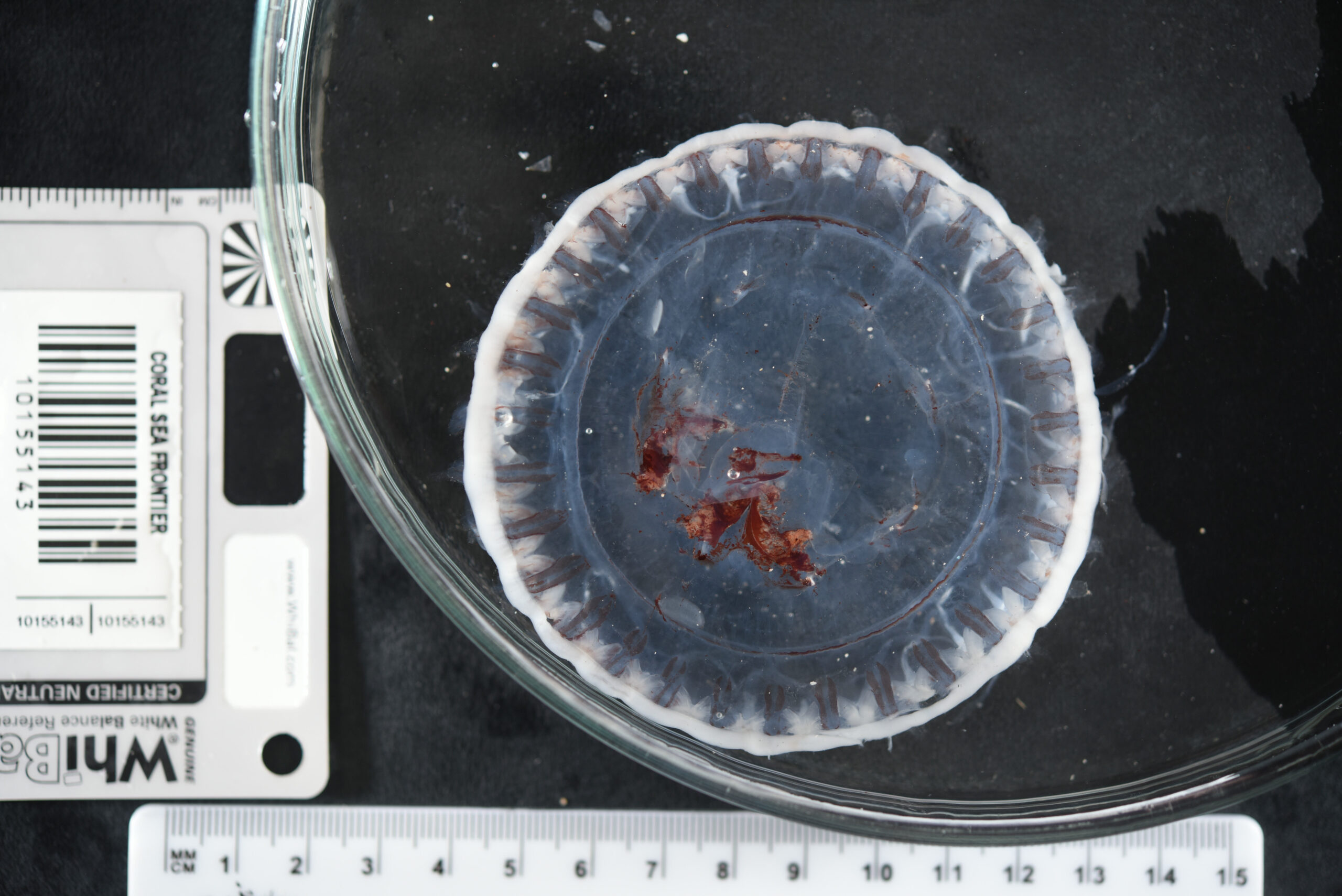
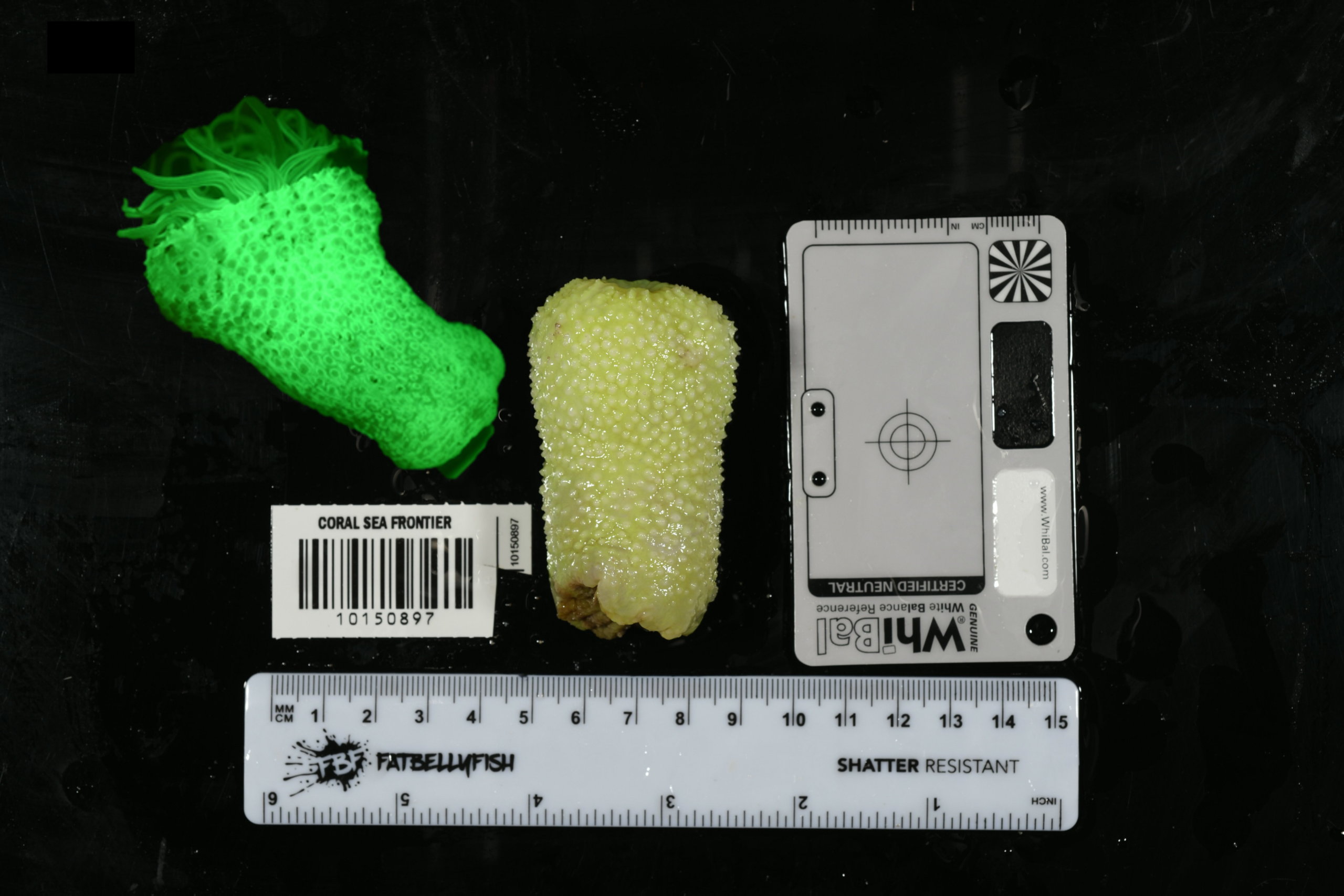
“During what were likely the largest taxonomic workshops of marine animals ever undertaken in Australia, other notable discoveries included species of brittlestars, crabs, sea anemones and sponges that are new to science”
Dr Will White, CSIRO Voyage Chief Scientist and shark expert
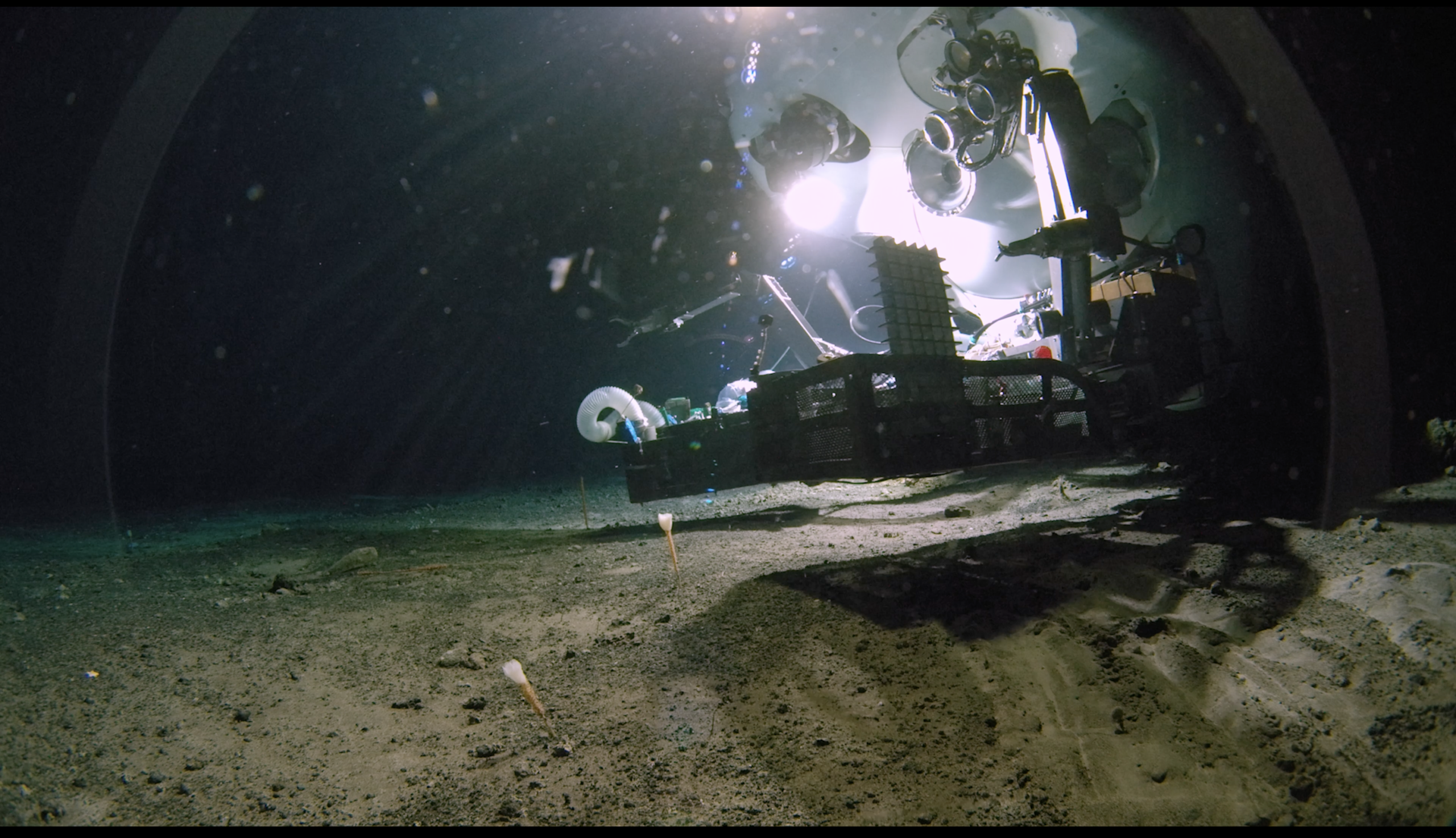
The team on board the voyage also observed a rich diversity of marine life in stunning new imagery from RV Investigator’s deep-towed camera, including capturing footage of the rare sand tiger shark (Odontaspis ferox), a deepwater relative of the well-known grey nurse shark (Carcharias taurus).
“These incredible discoveries, made possible by the impressive deep-water survey capabilities of RV Investigator, reveal the extraordinary life in our oceans and are crucial for protecting Australia’s marine biodiversity,” Dr White said.
Biodiversity samples from the voyage are now logged in collections around the country including CSIRO’s Australian National Fish Collection and State museums.
Credit: CSIRO
With thanks to
This research was supported by a grant of sea time on RV Investigator from the CSIRO Marine National Facility which is supported by the Australian Government’s National Collaborative Research Infrastructure Strategy (NCRIS). It includes support from Parks Australia, Bush Blitz and The Nippon Foundation-Nekton Ocean Census, and in collaboration with a network of leading museums, universities and research institutes.
Footage and images including workshop activities, marine specimens, and voyage footage from RV Investigator’s deep-towed camera are available below.
Related News
Join the census
The Ocean Census Alliance unites national and philanthropic marine institutes, museums, and universities, backed by governments, philanthropy, business and civil society partners.


