











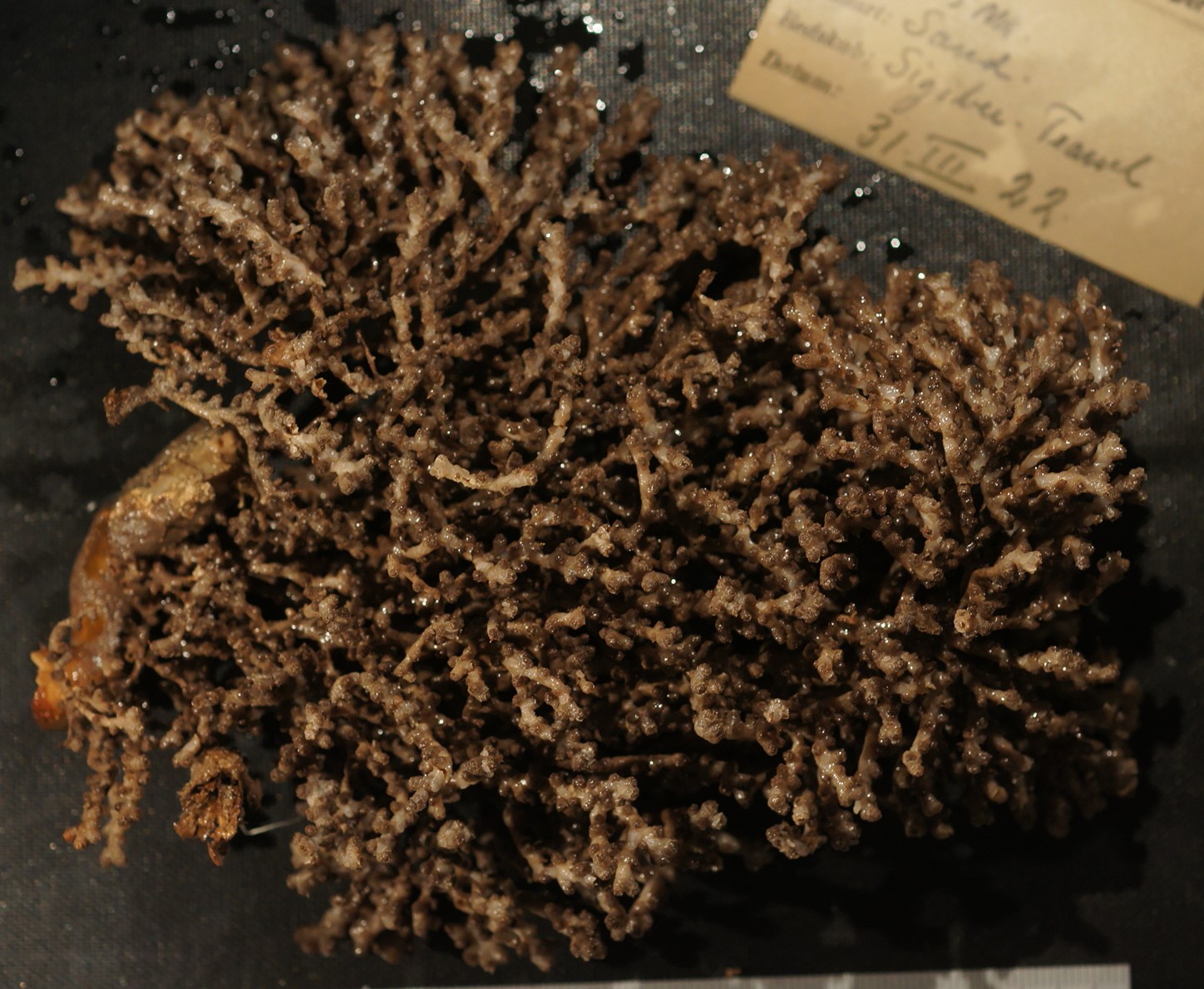
SONY DSC
Species ID
OC-SP-0003391
Discovered
Phylum
Cnidaria
Species ID
OC-SP-0003391
Provisional Species Name
Imbricacis sp_ZMUC-AKM260112-006
Lowest Valid Taxon Name in WoRMS
Imbricacis
Lowest Known Rank
Genus
Status
Discovered
Does the taxonomist(s) intend to work on this material further?
1. I/We would like support to publish my marine invertebrate species with SOSA - please click the button for more details.
Embargo
No
Kingdom
Animalia
Phylum
Cnidaria
Class
Octocorallia
Order
Malacalcyonacea
Family
Acanthogorgiidae
Genus
Imbricacis
Taxonomic Remarks
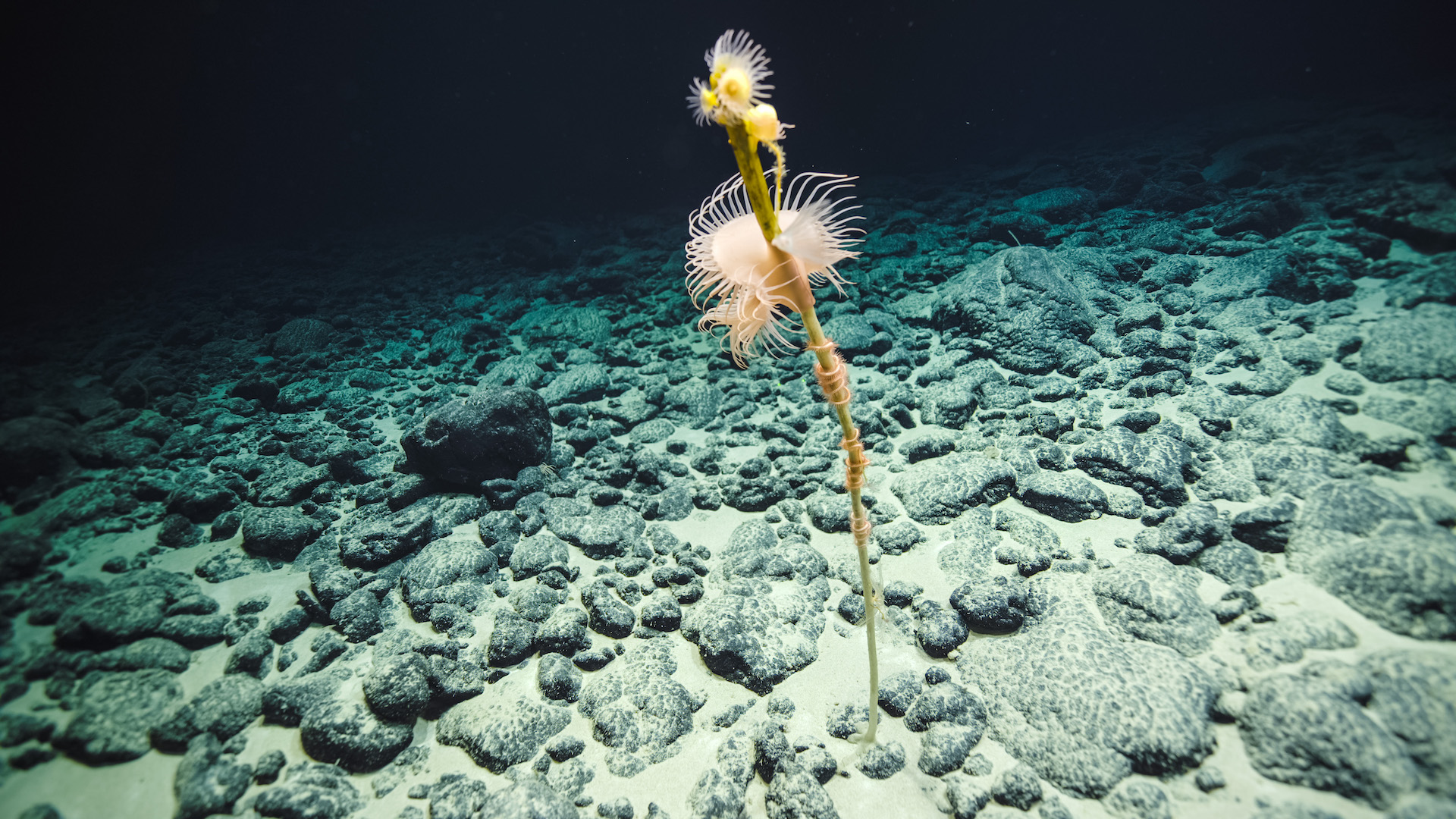
This is the new species from the historical museum collection (The Natural History Museum of Denmark, previously the Zoological Museum of the University of Copenhagen, Denmark), which was discovered during the Species Discovery Awards travels (2026). Only one species, Imbricacis squamata, Nutting, 1910, has been described from the Indonesian waters. The sclerites of the Materials are examined in a Scanning Electron Microscope. All sclerite features are different from those of species 1, species 2, species 3 from Maldives, those of any known species of the genus Imbricacis and the undescribed species in the museum collection, which were found during the Species Discovery Awards travel (2026). It has never been reported from the Indo-Pacific. This is the first record from Kei Island, Indonesia.
Discovery registered on
10/04/2026
Description of Material
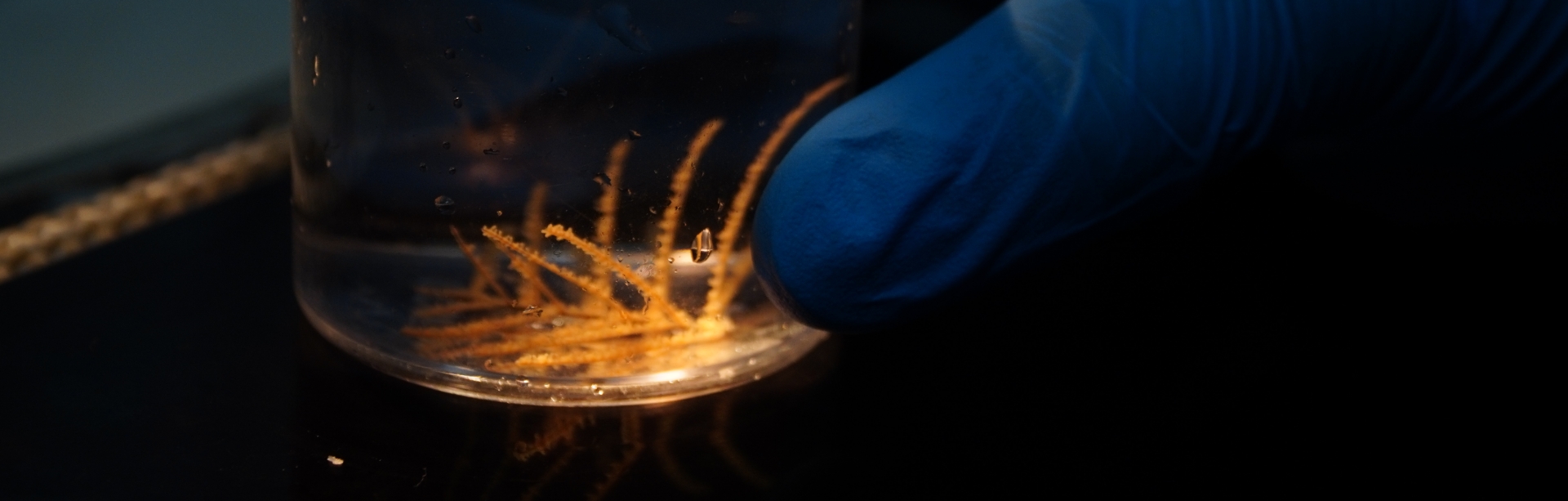
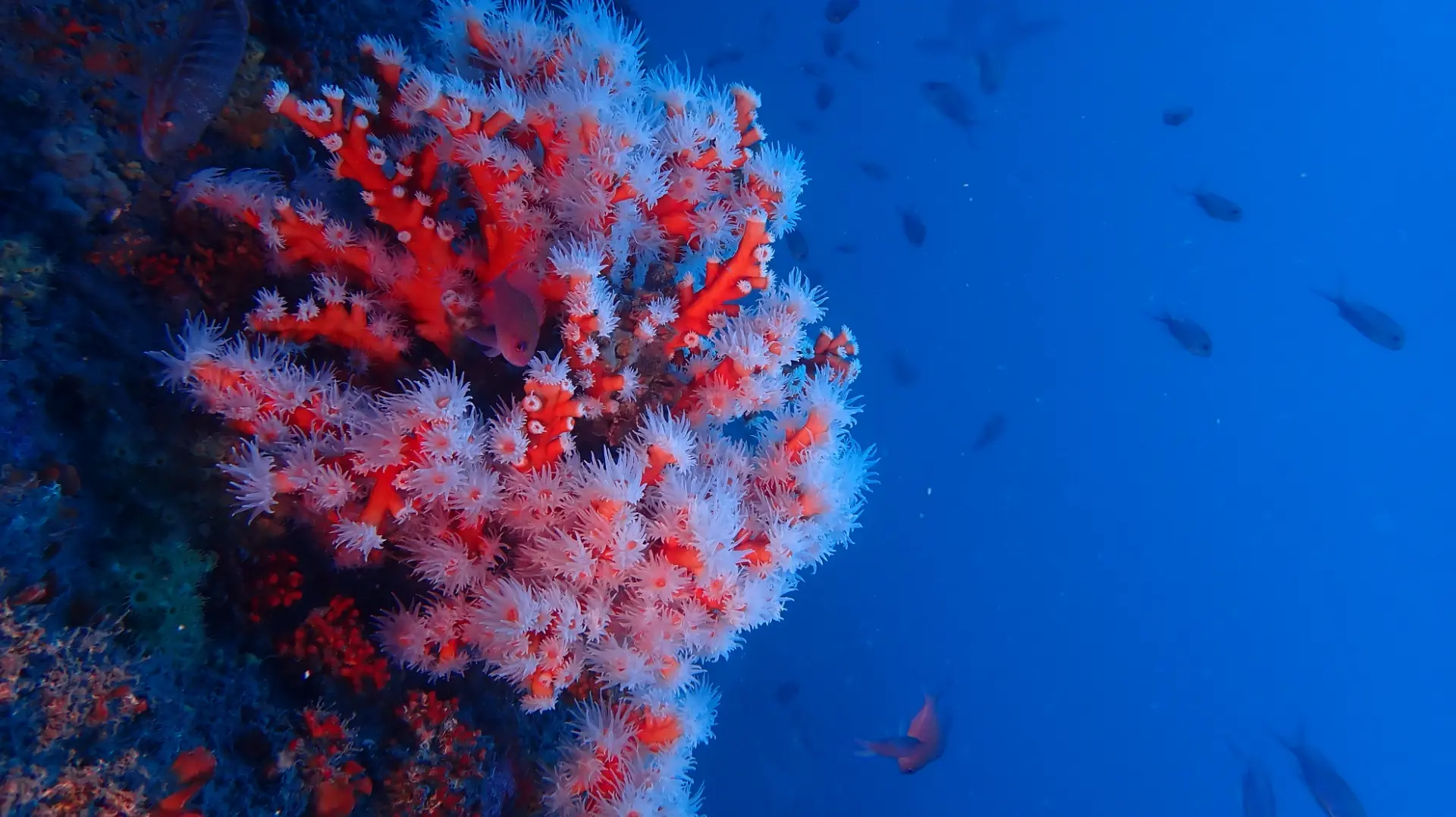
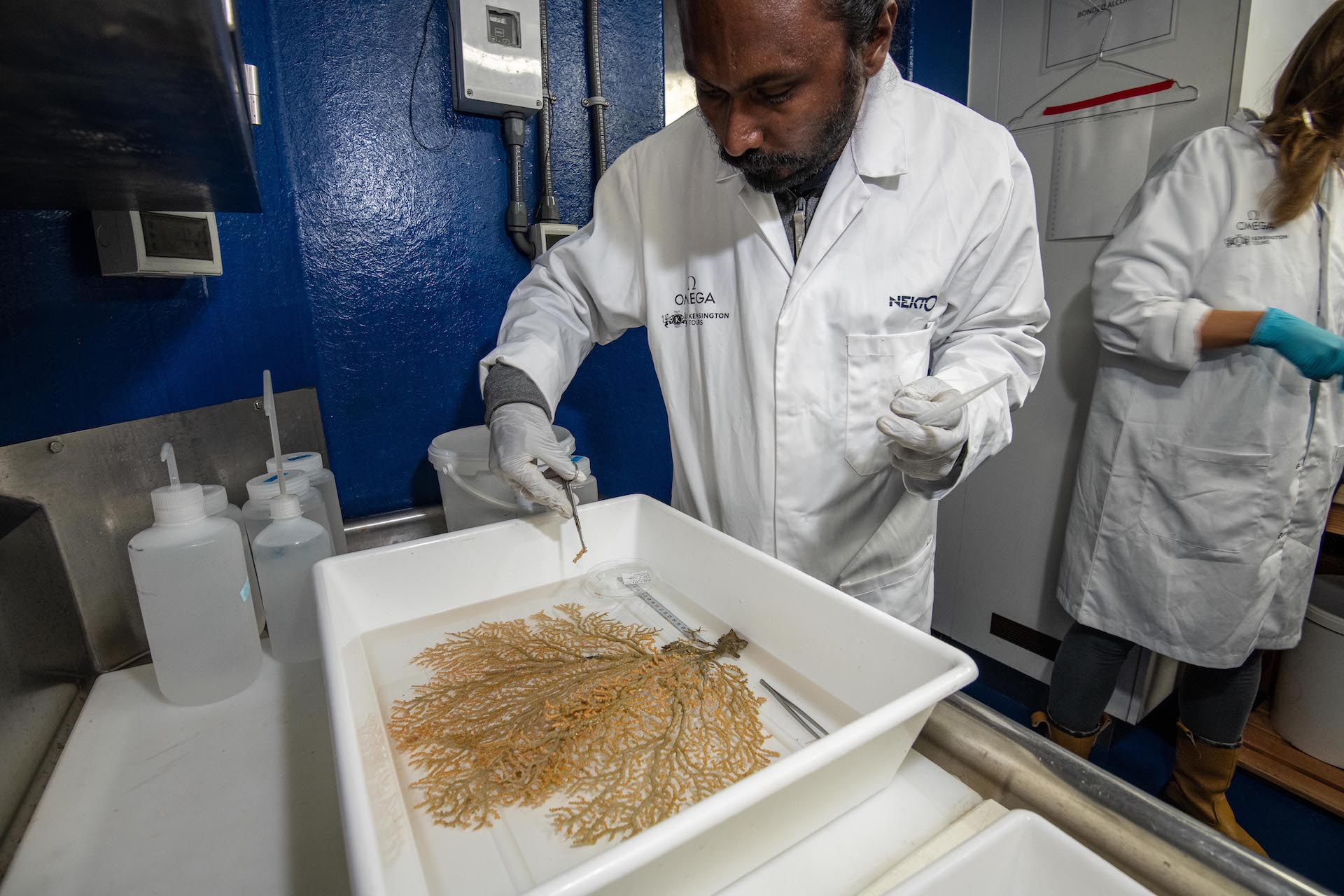
Colony: 15 cm Height x 14 cm width x 5.5 cm depth. Shape of the colony: One large, multiple-bushy, fan-shaped (Fig.1) Branching patterns: Irregular Arrangement of polyps: three sides Sclerites: different from sp.1, 2, 3 and all known species. The back side of polyps is much larger than the upper side. The surface of the sclerites is deeply serrated. (Fig.2) Colour of sclerites: Colourless
Distribution
Only known from the Kei (Kai) Islands, Indonesia, in the Pacific Ocean. Depth 245 m.
Scientific Name Authorship
Matsumoto
SONY DSC
Join the census
The Ocean Census Alliance unites national and philanthropic marine institutes, museums, and universities, backed by governments, philanthropy, business and civil society partners.


