


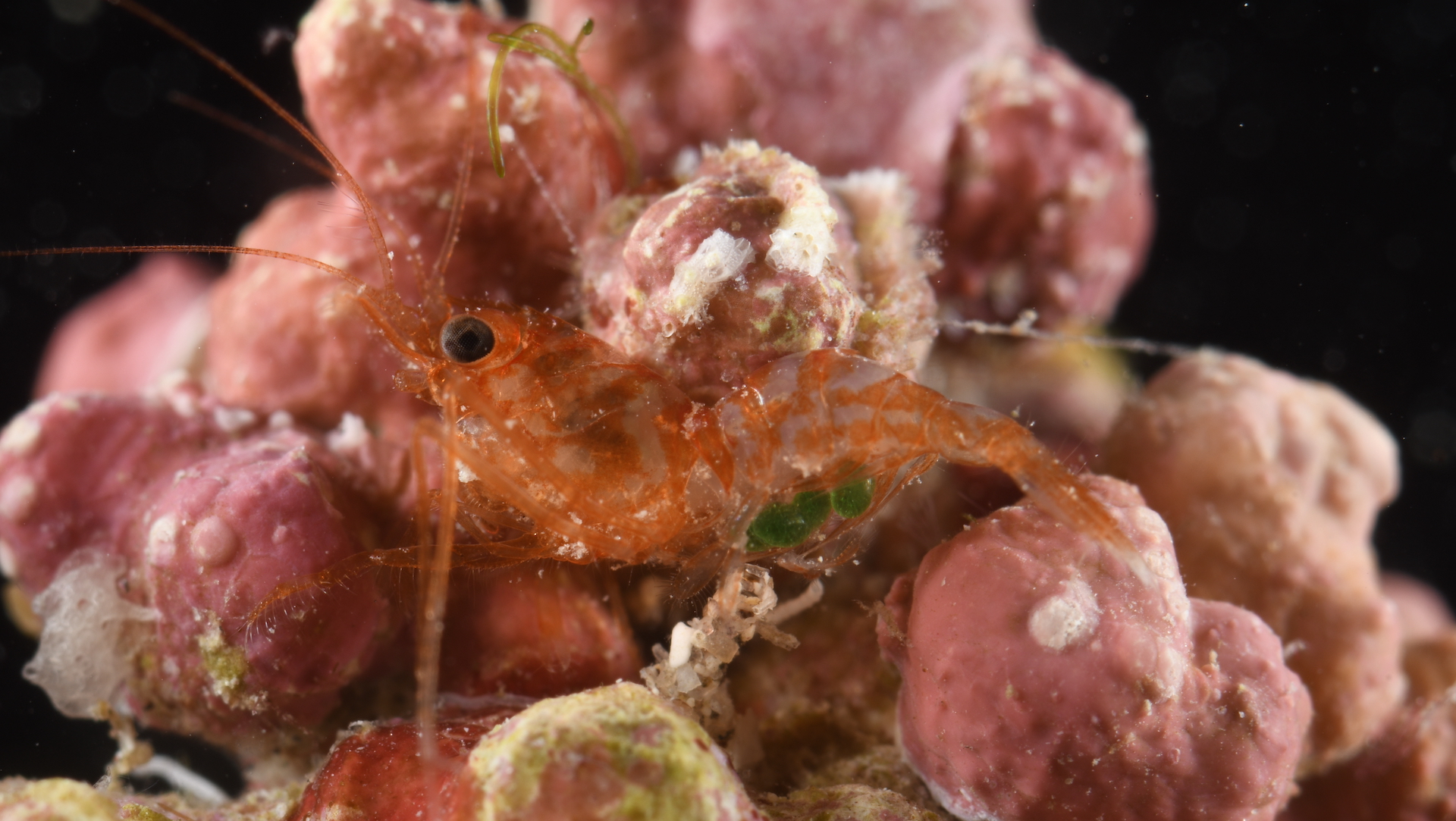









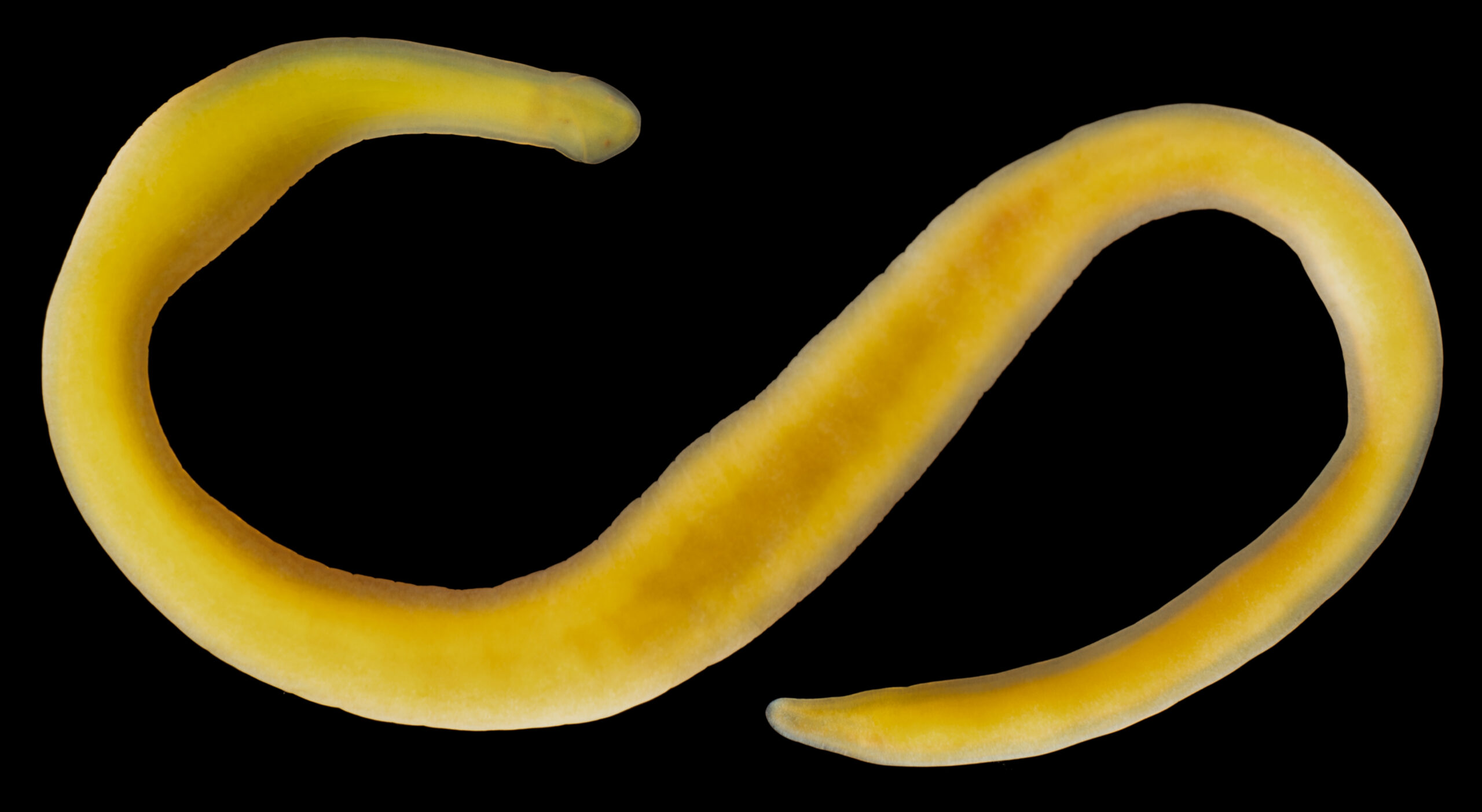

Ricketts Point - incl. Watkins Bay;31 - Nemertea;BQDAC0020;MRG909-04;Tetrastemma sp. SMSA006;SMSA006;SP03397;AN021188;NMVF290261;PID0206211
Species ID
OC-SP-0002957
Discovered
Phylum
Nemertea
Species ID
OC-SP-0002957
Provisional Species Name
Tetrastemma sp_SMSA006
Lowest Valid Taxon Name in WoRMS
Tetrastemma
Lowest Known Rank
Genus
Status
Discovered
Does the taxonomist(s) intend to work on this material further?
3. I/We are not sure yet. This is of course no problem, we will display your species info (if not embargoed) while you work out your species description plan.
Embargo
No
Kingdom
Animalia
Phylum
Nemertea
Class
Hoplonemertea
Order
Monostilifera
Family
Tetrastemmatidae
Genus
Tetrastemma
Date Identified
20/01/2026
Taxonomic Remarks
There are several co-occurring species with similar appearance (e.g. Tetrastemma sp. SMSA004, Tetrastemma sp. SMSA007, Tetrastemma sp. SMSA011, Tetrastemma sp. SMSA019), but this species is differentiated by its larger size, habitat (sheltered bays as opposed to exposed coast), and by COI sequence data. The only species of similar size is Tetrastemma sp. SMSA017, which is greenish cream in color and has a distally truncated stylet basis.
Discovery registered on
08/04/2026
Description of Material
Body 8 - 55 mm long, 1.2 mm wide, uniformly bright golden yellow. Cephalic lobe slightly wider than adjacent body, slightly tapered, rounded, slightly longer than wide, separated from body by neck furrow. Oblique cerebral organ furrows visible dorsally and ventrally. Two pairs of ocelli, the posterior pair exhibiting twinning in some specimens. Posterior tip bluntly pointed. Stylet basis pear shaped, widest at its distal rounded end. S/B = 0.56. Two accessory stylet sacs with 1 - 3 stylets in each.
Ecology
This species is only found in very thick encrustations of the serpulid tube worm Galeolaria caespitosa, growing on rocks or on artificial structures in the intertidal zone in sheltered bays.
Distribution
East side of Port Phillip Bay, from Brighton to Mt Martha, Victoria, Australia.
Scientific Name Authorship
Maslakova, Svetlana
Ricketts Point - incl. Watkins Bay;31 - Nemertea;BQDAC0020;MRG909-04;Tetrastemma sp. SMSA006;SMSA006;SP03397;AN021188;NMVF290261;PID0206211
Specimens
Additional Material
No Image yet…
AFLA_F290370
Phylum
Nemertea
Family
Tetrastemmatidae
Additional Material
No Image yet…
AFLA_F290434
Phylum
Nemertea
Family
Tetrastemmatidae
Additional Material
No Image yet…
AFLA_F290152
Phylum
Nemertea
Family
Tetrastemmatidae
Primary Voucher
AFLA_F290261
Phylum
Nemertea
Family
Tetrastemmatidae
Additional Material
No Image yet…
AFLA_F290263
Phylum
Nemertea
Family
Tetrastemmatidae
Join the census
The Ocean Census Alliance unites national and philanthropic marine institutes, museums, and universities, backed by governments, philanthropy, business and civil society partners.


