


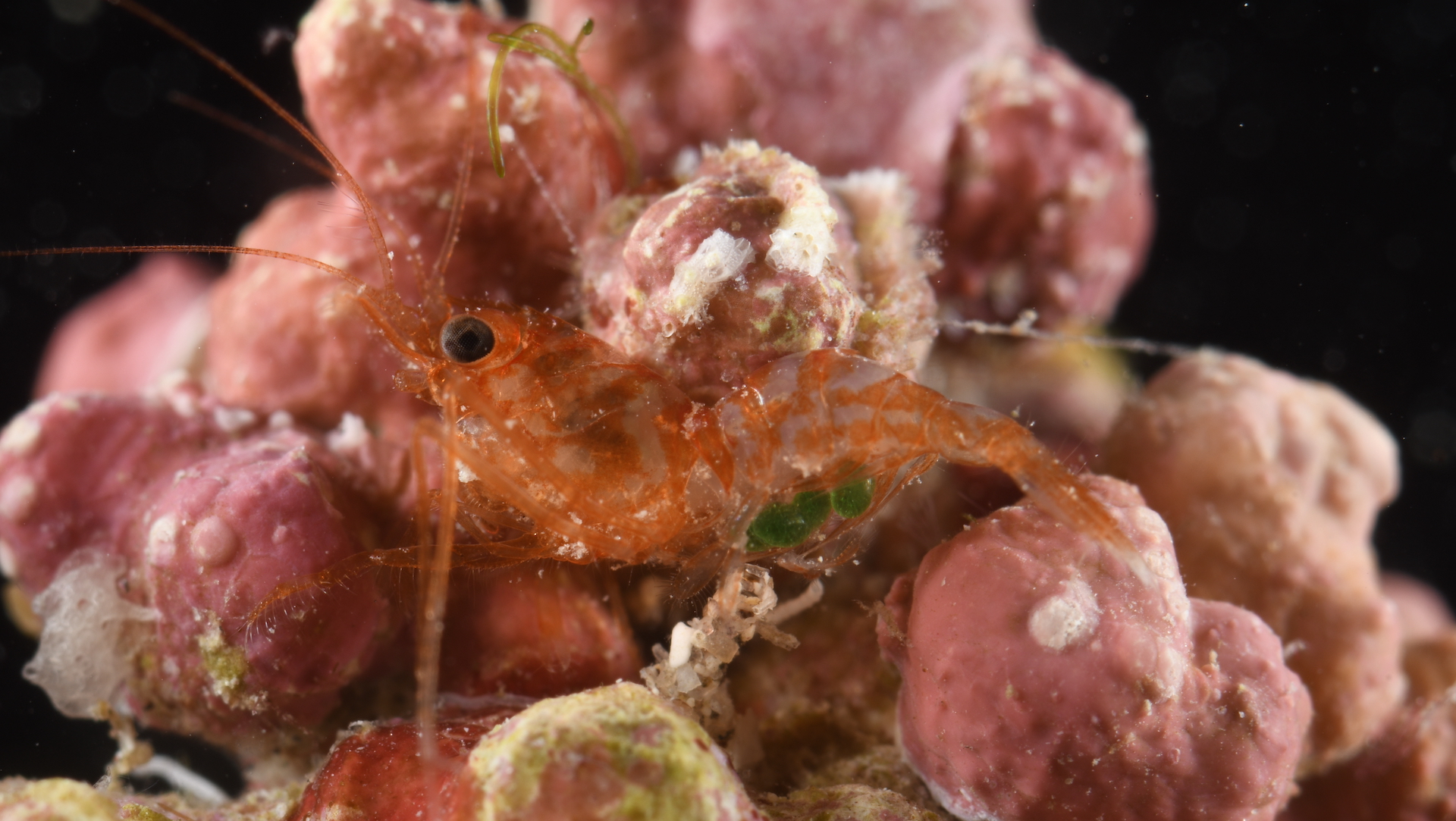











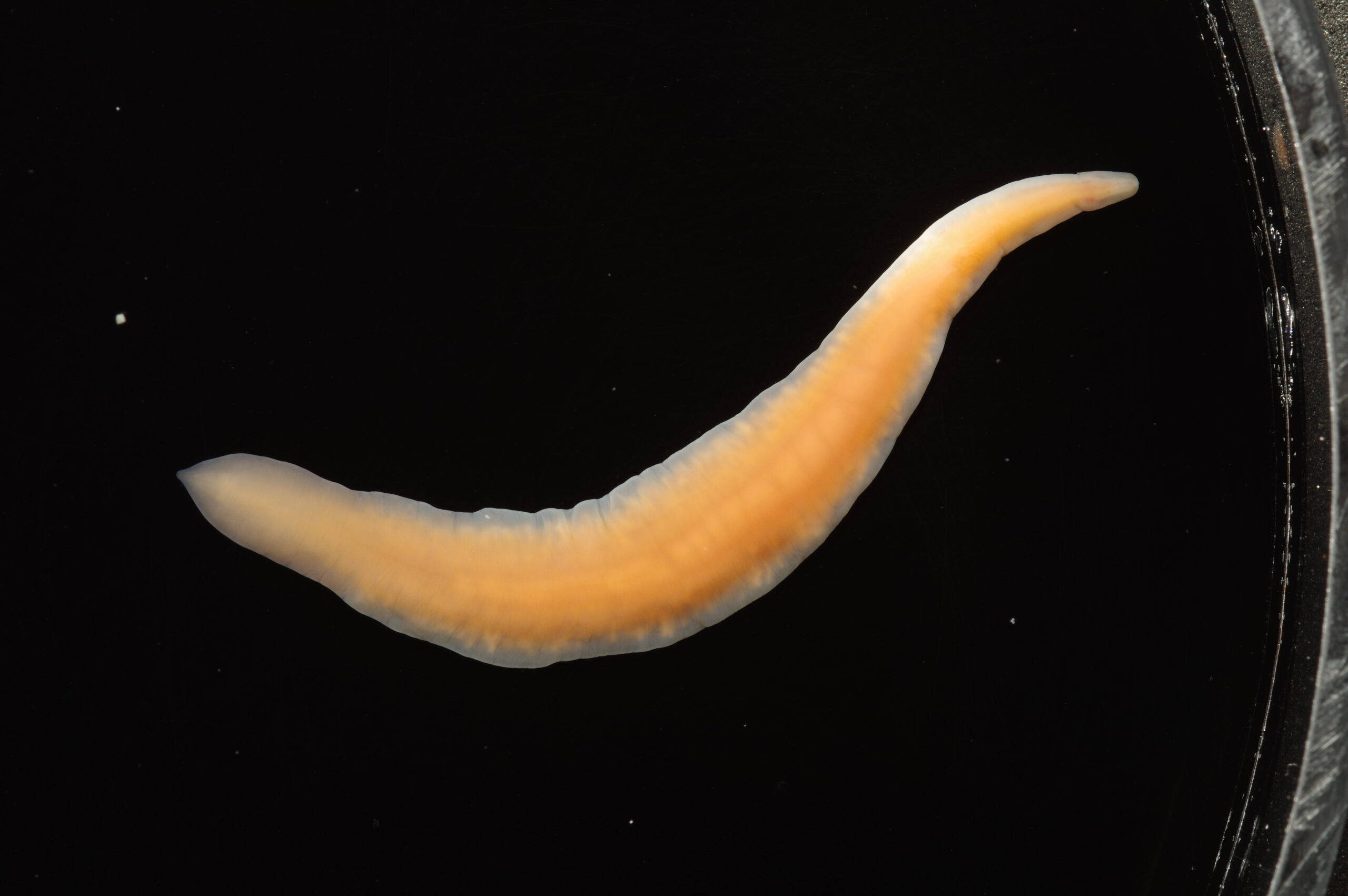
Shoreham Beach;31 - Nemertea;BQDBA0010;MRG818-01;Drepanophoridae sp. SMSA040;SMSA040;SP02379;AN015786;NMVF290142;PID0122878
Shoreham Beach;31 - Nemertea;BQDBA0010;MRG818-01;Drepanophoridae sp. SMSA040;SMSA040;SP02379;AN015786;NMVF290142;PID0122878
Species ID
OC-SP-0002914
Discovered
Phylum
Nemertea
Species ID
OC-SP-0002914
Provisional Species Name
Drepanophorus sp_SMSA040
Lowest Valid Taxon Name in WoRMS
Drepanophorus
Lowest Known Rank
Genus
Status
Discovered
Does the taxonomist(s) intend to work on this material further?
3. I/We are not sure yet. This is of course no problem, we will display your species info (if not embargoed) while you work out your species description plan.
Embargo
No
Kingdom
Animalia
Phylum
Nemertea
Class
Hoplonemertea
Order
Polystilifera
Family
Drepanophoridae
Genus
Drepanophorus
Date Identified
16/01/2026
Taxonomic Remarks
Only two species of reptant polystiliferans have been previously reported from Temperate Australasian waters: two specimens from 70-74 m depth off East Moncouer Island, Bass Straight (Hubrecht, 1997) and another from 122 m depth east of Tasmania (Wheeler, 1940), but the accounts are incomplete, and nether the generic nor specific identity can be confirmed (Stiasny-Wijnhoff 1926, Gibson 1983). The COI sequence of the closest barcoded species (an undescribed reptant polystiliferan from Japan, GenBank Accession AJ436930) is ~8 % divergent.
Discovery registered on
08/04/2026
Description of Material
Body 60 – 80 mm long, up to 7 mm wide, dorso-ventrally flattened, widest in its middle region, with thin semitranslucent margins, and sharply pointed posterior tip. Dorsally yellow-orange, ventrally dirty-white. Cephalic lobe rounded, with a pointed tip, narrower than and separated from adjacent body by a set of oblique cephalic furrows, with a prominent mid-dorsal ridge occupying middle ½ of its width. Cerebral organ furrows with secondary furrows (9 pairs visible on dorsal side). Ocelli, not clearly visible except on squish preps, situated in four longitudinal rows — a lateral row along each side of head with 18-20 ocelli in each, and two medial rows, flanking the mid-dorsal head ridge with ~10 ocelli in each. Cephalic margin is semi-translucent. Neck furrow lacking. Gut diverticula and red cerebral ganglia visible through body wall.
Ecology
Intertidal to shallow subtidal (4 m). Intertidal specimen was found under a rock, the subtidal collected by a diver.
Distribution
Only known from Shoreham Beach, Victoria and Point Souttar, South Australia, Australia.
Scientific Name Authorship
Maslakova, Svetlana
Shoreham Beach;31 - Nemertea;BQDBA0010;MRG818-01;Drepanophoridae sp. SMSA040;SMSA040;SP02379;AN015786;NMVF290142;PID0122878
Shoreham Beach;31 - Nemertea;BQDBA0010;MRG818-01;Drepanophoridae sp. SMSA040;SMSA040;SP02379;AN015786;NMVF290142;PID0122878
Join the census
The Ocean Census Alliance unites national and philanthropic marine institutes, museums, and universities, backed by governments, philanthropy, business and civil society partners.


