










Species ID
OC-SP-0002387
Discovered
Phylum
Cnidaria
Species ID
OC-SP-0002387
Provisional Species Name
Chrysogorgiidae sp_FKt240224676BB1B003A
Lowest Valid Taxon Name in WoRMS
Chrysogorgiidae
Lowest Known Rank
Family
Status
Discovered
Embargo
No
Kingdom
Animalia
Phylum
Cnidaria
Class
Octocorallia
Order
Scleralcyonacea
Family
Chrysogorgiidae
Date Identified
01/07/2025
Taxonomic Remarks
The specimen examined cannot be assigned to either Victorgorgia of Anthotela. Membranaceous colonies are more common in the Alcyoniidae family, and the polyps and overall shape of the colony resembles those of Anthotela but differs in the types and shapes of sclerites from the tentacle, which are the most informative in this skeleton-less groups. Victorgorgia diagnosis only include arborescent colonies with a medulla with one of more perforating canals but the specimen has similar sclerites such as the jockey sticks and Josephine clubs (Moore, Alderslade & Miller, 2017). However, there are at least of two remarkably different types of sclerites in the tentacle rachis and some additional ones in the surface tunic. Pending molecular analyses, a new genus within the family Victorgorgiidae is proposed.
Discovery registered on
23/03/2026
Description of Material
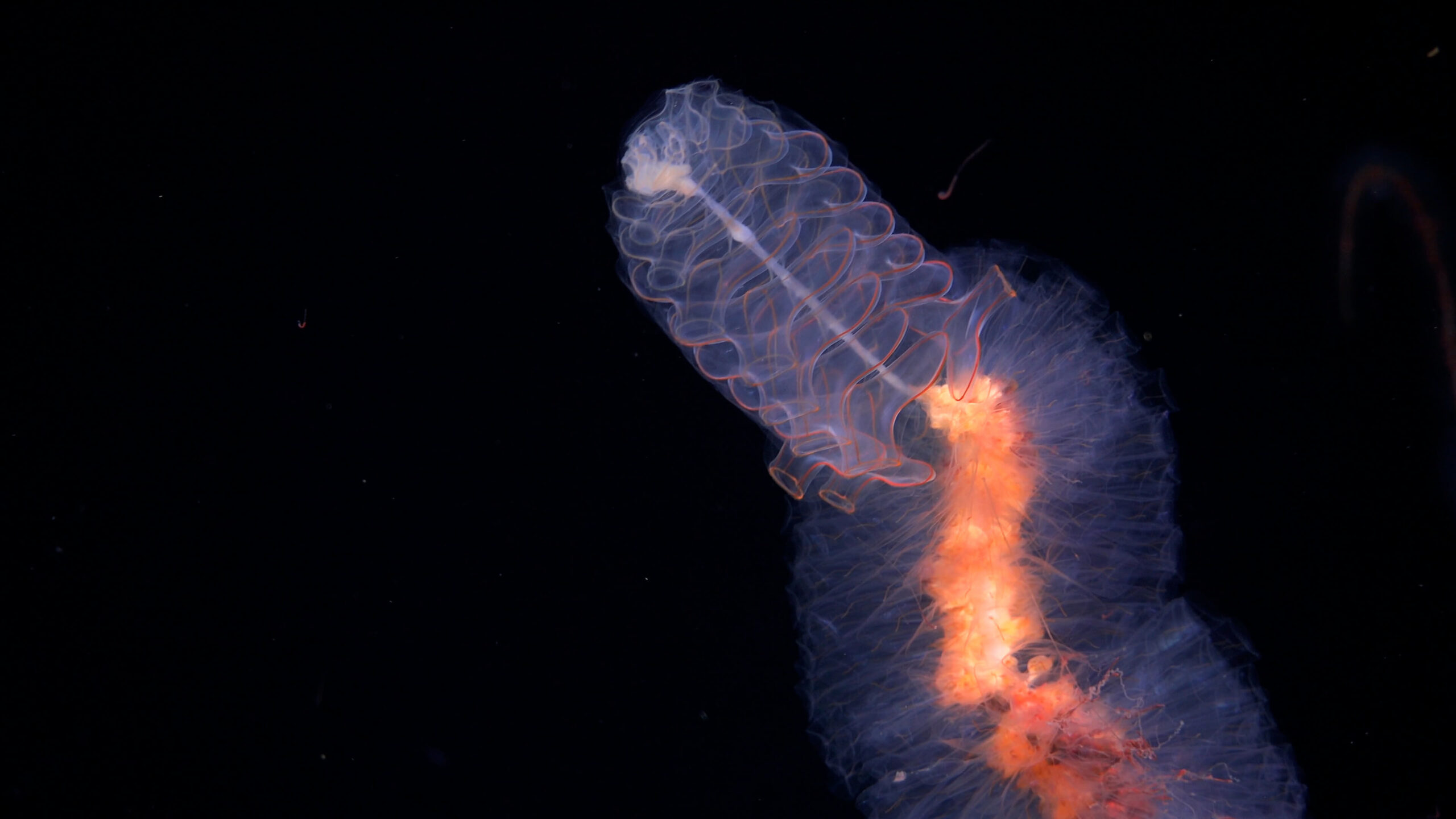
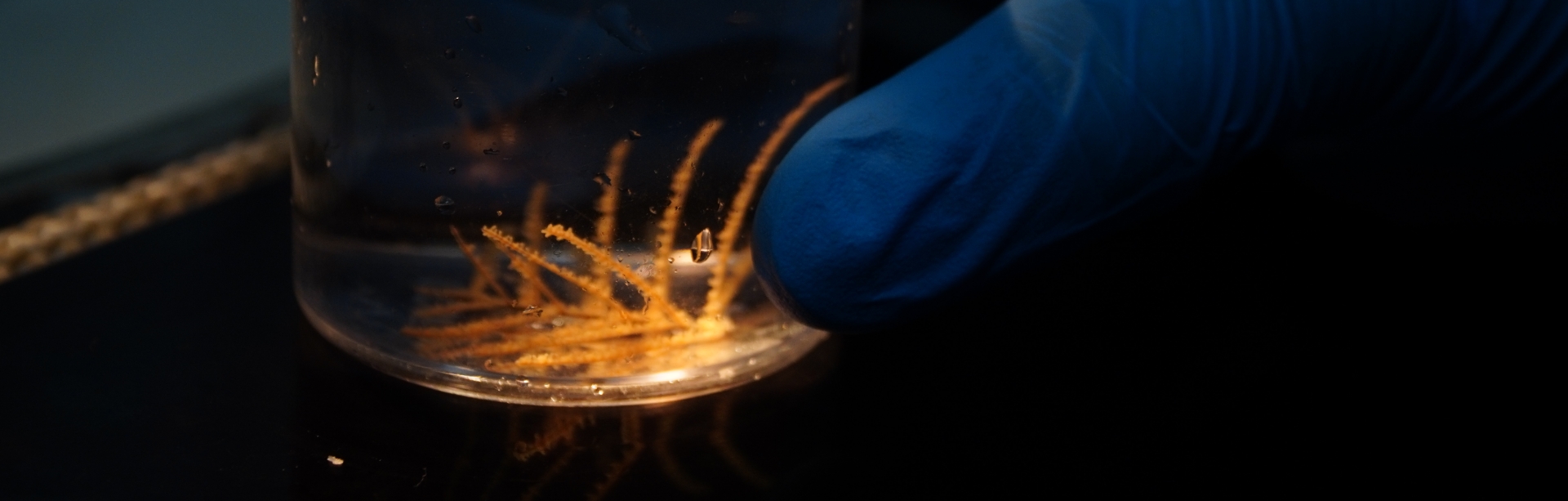
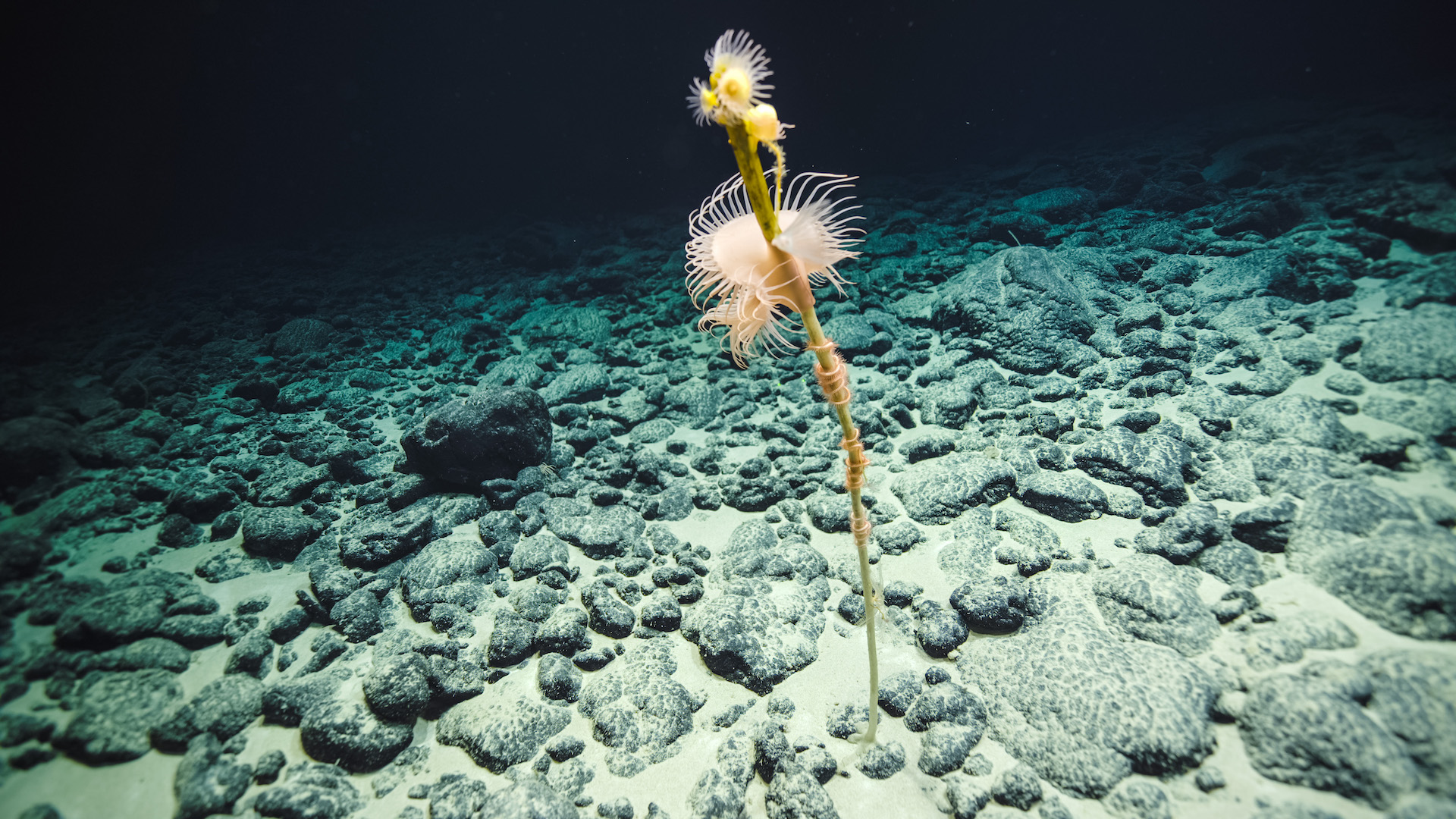
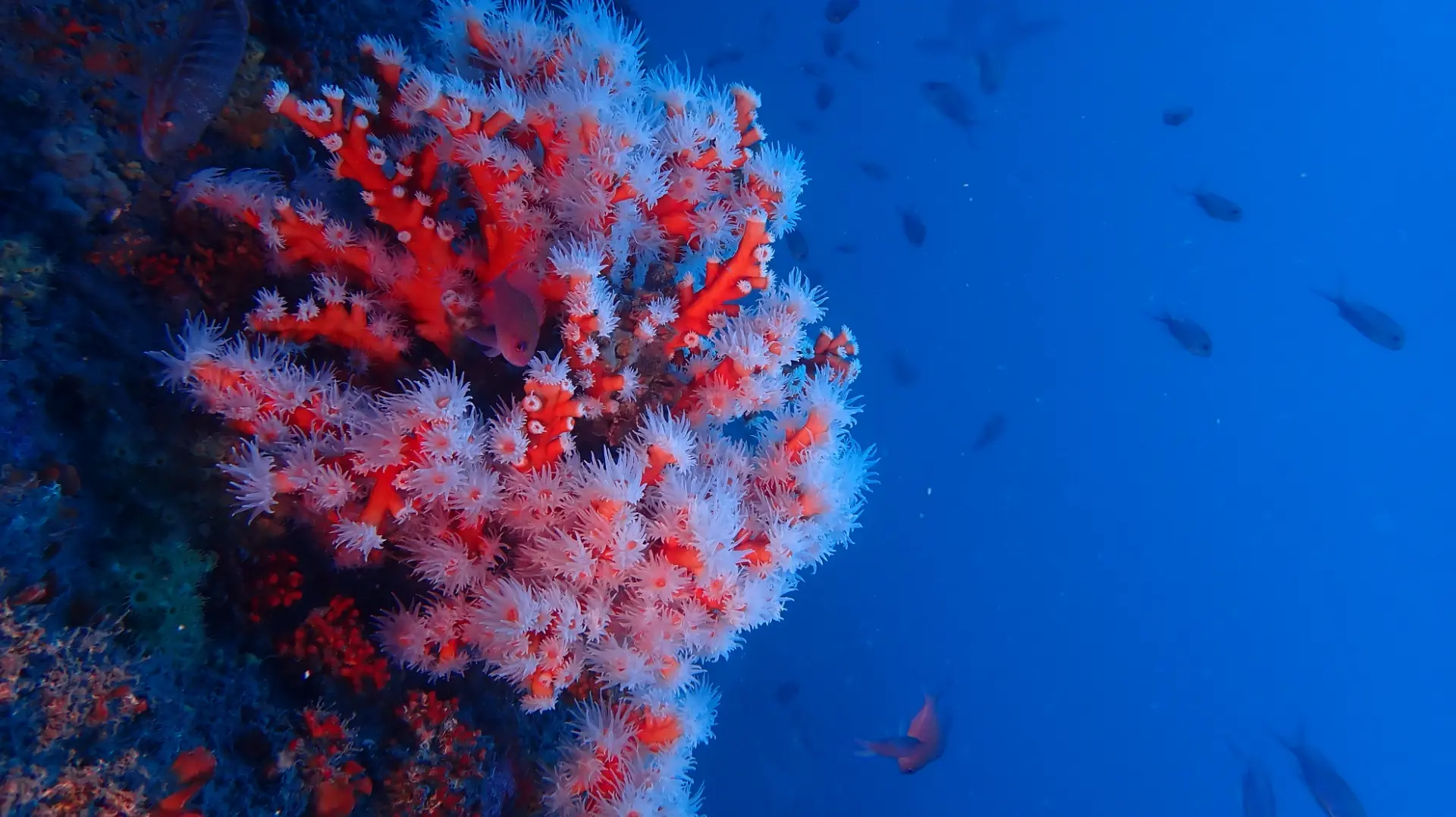
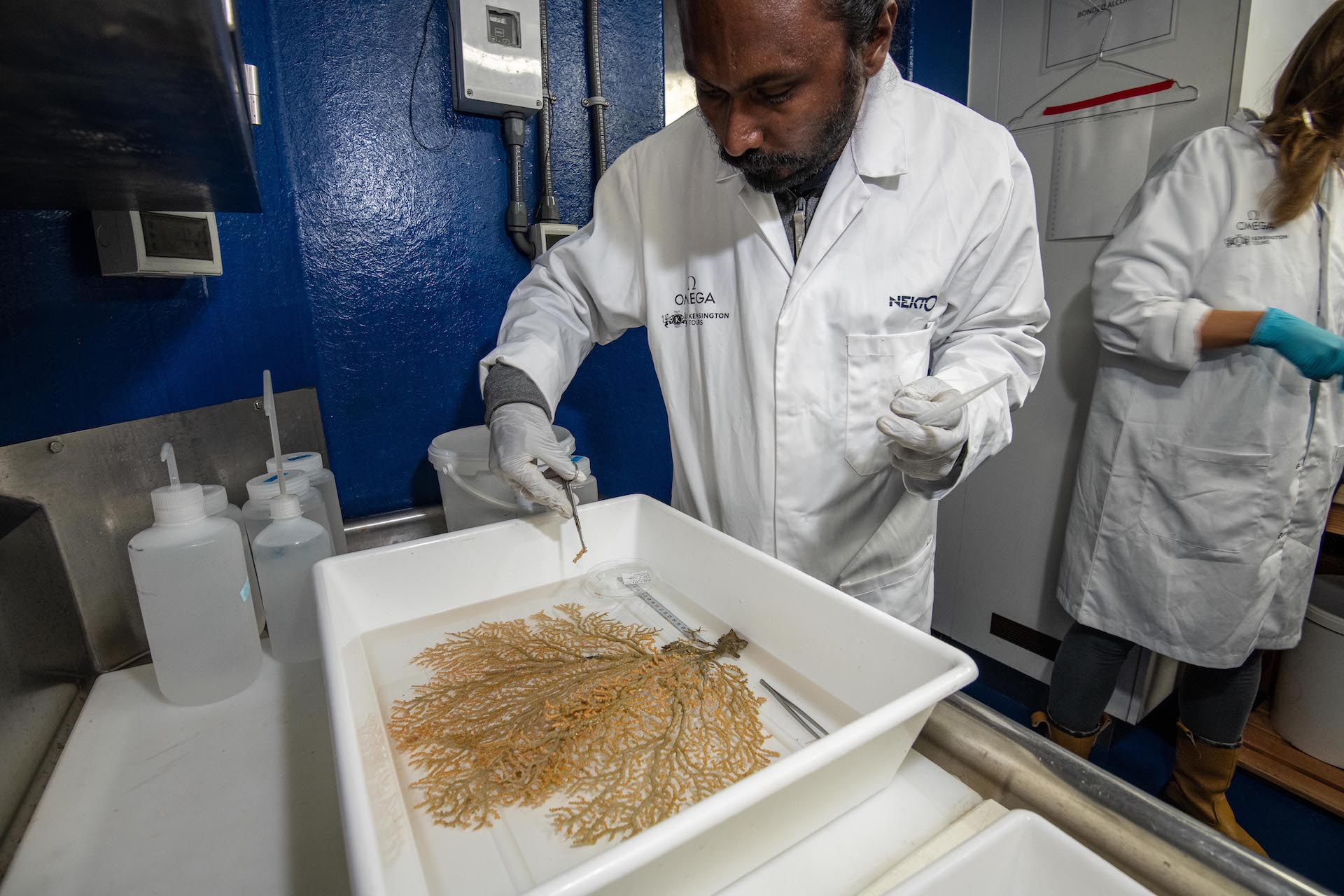
Membranaceous colonies overgrowing a hard substrate like dead Hemicorallium skeletons. Purple color when alive, beige to light brown in ethanol-fixed colonies. Monomorphic polyps fully retracted within rounded mounds on clavate bunches but connected buy a complete coenenchyme tunic that covers completely the host skeleton. Tentacle sclerome includes jockey sticks in the rachis and al least two new types of sclerites, one without handle. Point with curved spindles and pinnule sclerites include Josephine clubs. Calyx and coenenchyme with robust spindle-derived sclerites with projections with several directions.
Ecology
Overgrow and compete with Hemicorallium corals (two observations). Rocky substrate.; Prof: 840.44m; T°: 4.68°C; OD: concentration raw:200.914 μ mol; saturation raw:49.97 %; concentration corr:164.21 μ mol; saturation corr:51.3 %
Distribution
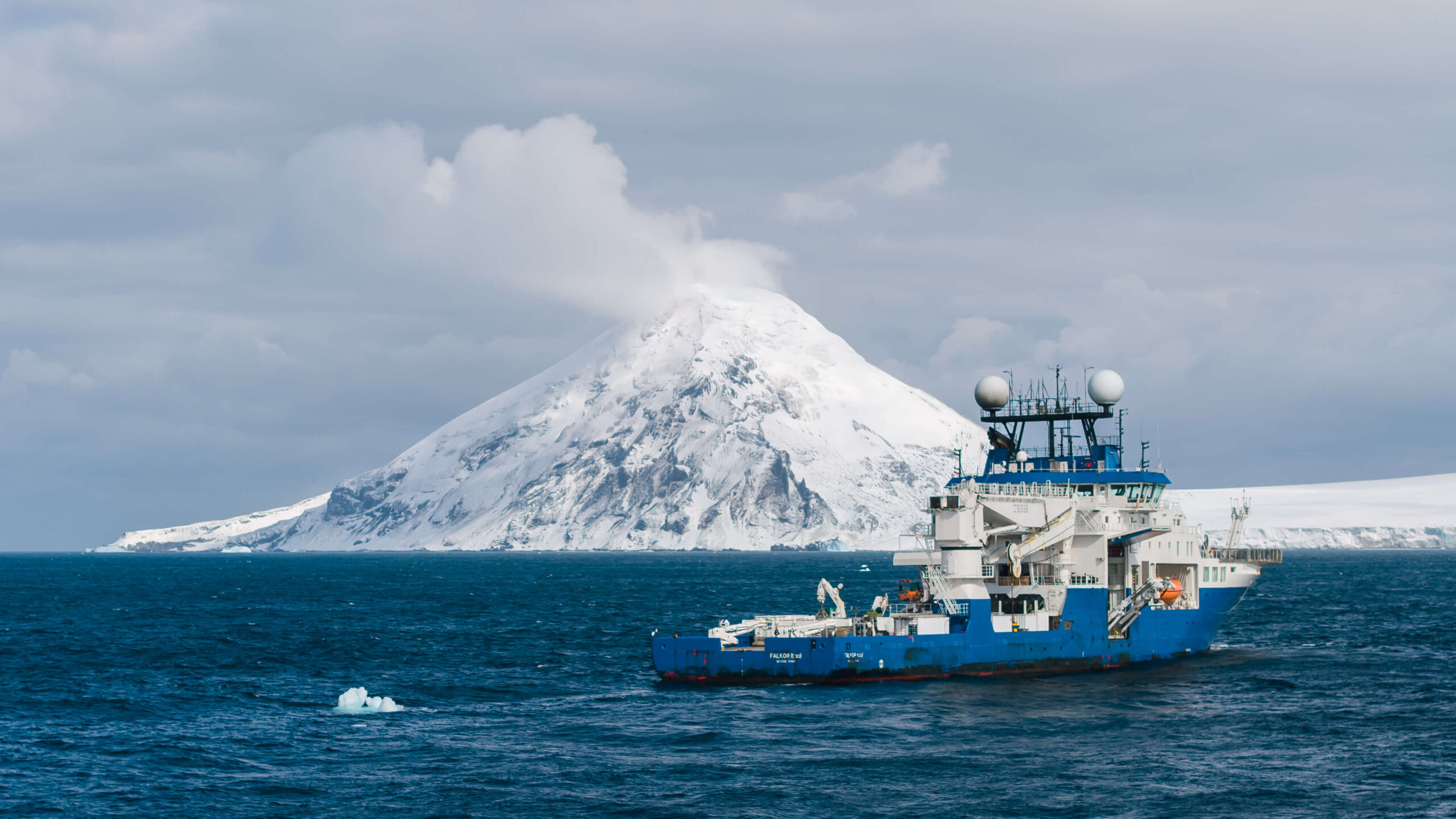
Location: -26.205816, -102.957922, Mana, Motu Motiro Hira Reserve, Rapa Nui, Southeastern Pacific Ocean.
Scientific Name Authorship
Juan Sanchez
Join the census
The Ocean Census Alliance unites national and philanthropic marine institutes, museums, and universities, backed by governments, philanthropy, business and civil society partners.


