











The Prevailing Artform of
Taxonomic Illustrations

Sketching for science
This World Art Day (15th April), the Ocean Census is highlighting the enduring craft of scientific illustrations.
In an era dominated by digital documentation, this hand-drawn approach to specimen identification demonstrates that careful, observational practice remains as vital as ever in the discovery and understanding of new species.
Far from being a relic of the past, scientific sketching remains a powerful tool for observation, understanding, and accessibility in modern research.
We spoke with members of the Ocean Census scientific network who actively incorporate illustration into their work. Their insights reveal why this craft is worth preserving and how it is increasingly valuable in today’s world.
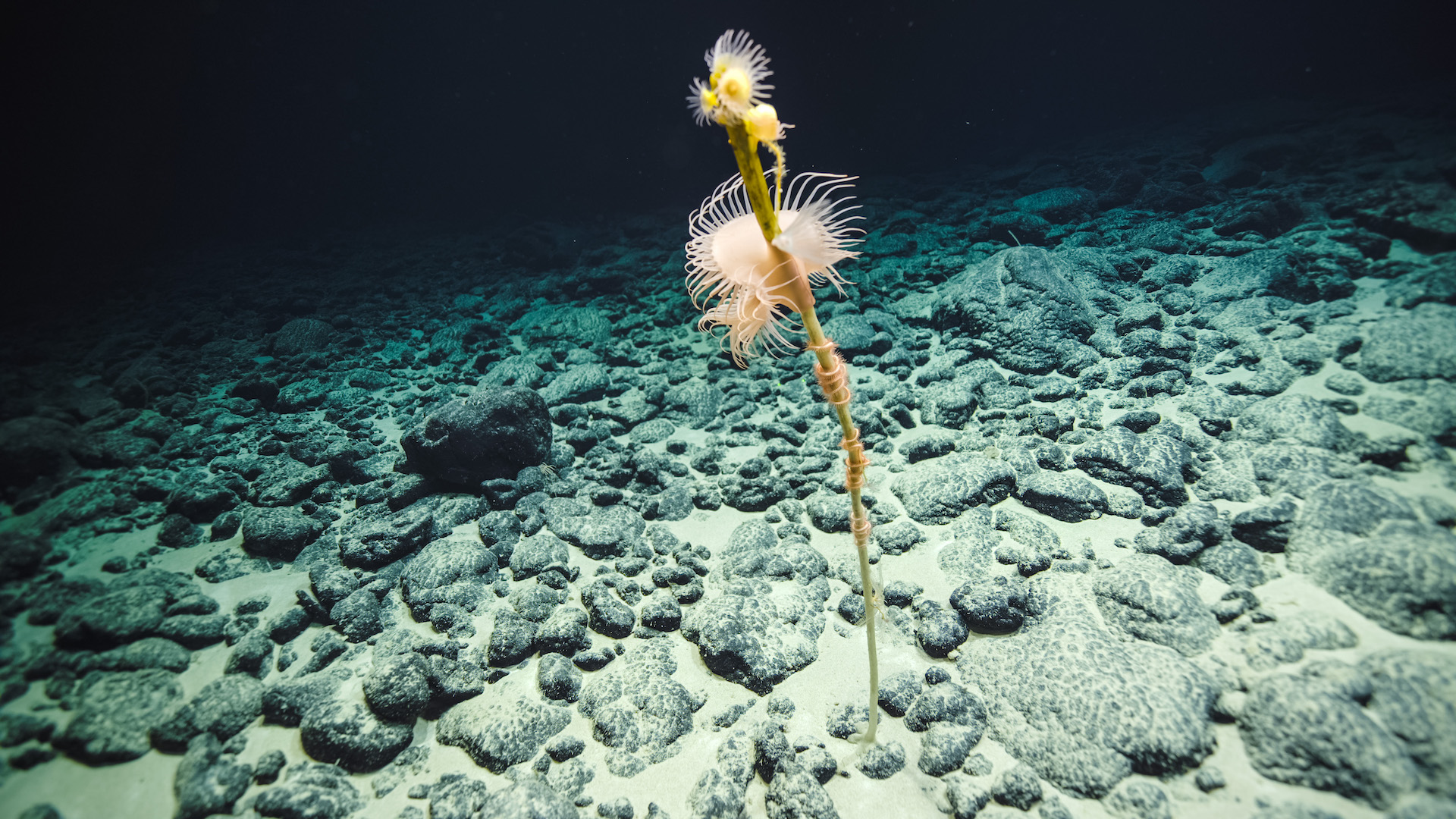
Featured image credits: Earth Sciences New Zealand
A skill of the past and present
Before the advent of photography, the naturalists of the nineteenth and early twentieth centuries relied on drawing to document the species they encountered. These were then used and distributed as essential scientific records.
It was common for skilled artists to join oceanographic expeditions, translating complex biological forms into precise visual descriptions. As Dr Javier Cristobo, Senior Scientist, Spanish Institute of Oceanography (IEO-CSIC) points out, one notable example is Conrad Martens, a landscape painter and draughtsman who accompanied Charles Darwin aboard the HMS Beagle. His work helped capture the detail and diversity of life encountered during the voyage, contributing to the foundations of modern biology.
Today, while our documentation tools have evolved, the core principle of recording meaningfully through acute observations remains the same.
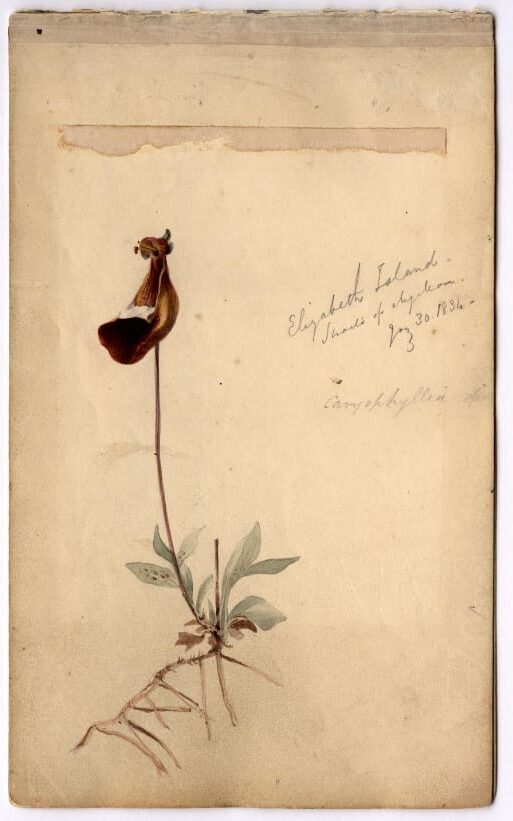
Conrad Martens botanical sketches. Image Credit: Cambridge University Library
Practicing observation
While photography offers speed and precision, it does not replace the cognitive process involved in drawing.
“These line drawings can reduce visual noise like shadows and colour variations, and show difficult to image features like transparent tissues or fine setae. Taxonomic illustrations can also provide visual standardisation. I’ve also learnt that when we observe specimens for illustration purposes, we notice more details, and the illustration forms part of the scientific thinking process”.
– Dr Anja Erasmus, Postdoctoral Research Fellow: Marine Environmental Parasitology & Taxonomy from North-West University, South Africa
“Photography supplies some of the information we need, but a good drawing sharpens the scientist’s observation. It highlights important taxonomic characters and synthesises what is really relevant, without unnecessary visual noise”
– Dr Javier Cristobo
Scientific sketches require the observer to slow down, to make decisions about form, structure, and significance. This act of interpretation and deeper analysis is where much of the value of hand-drawing lies:
“Scientists base drawings on direct observation of specimens under microscopes, and follow strict conventions about proportions and visible structures. Multiple references are checked, sometimes including preserved samples and photos”.
– Dr Marta Gellert, Tanaidacea expert from the University of Lodz, Poland
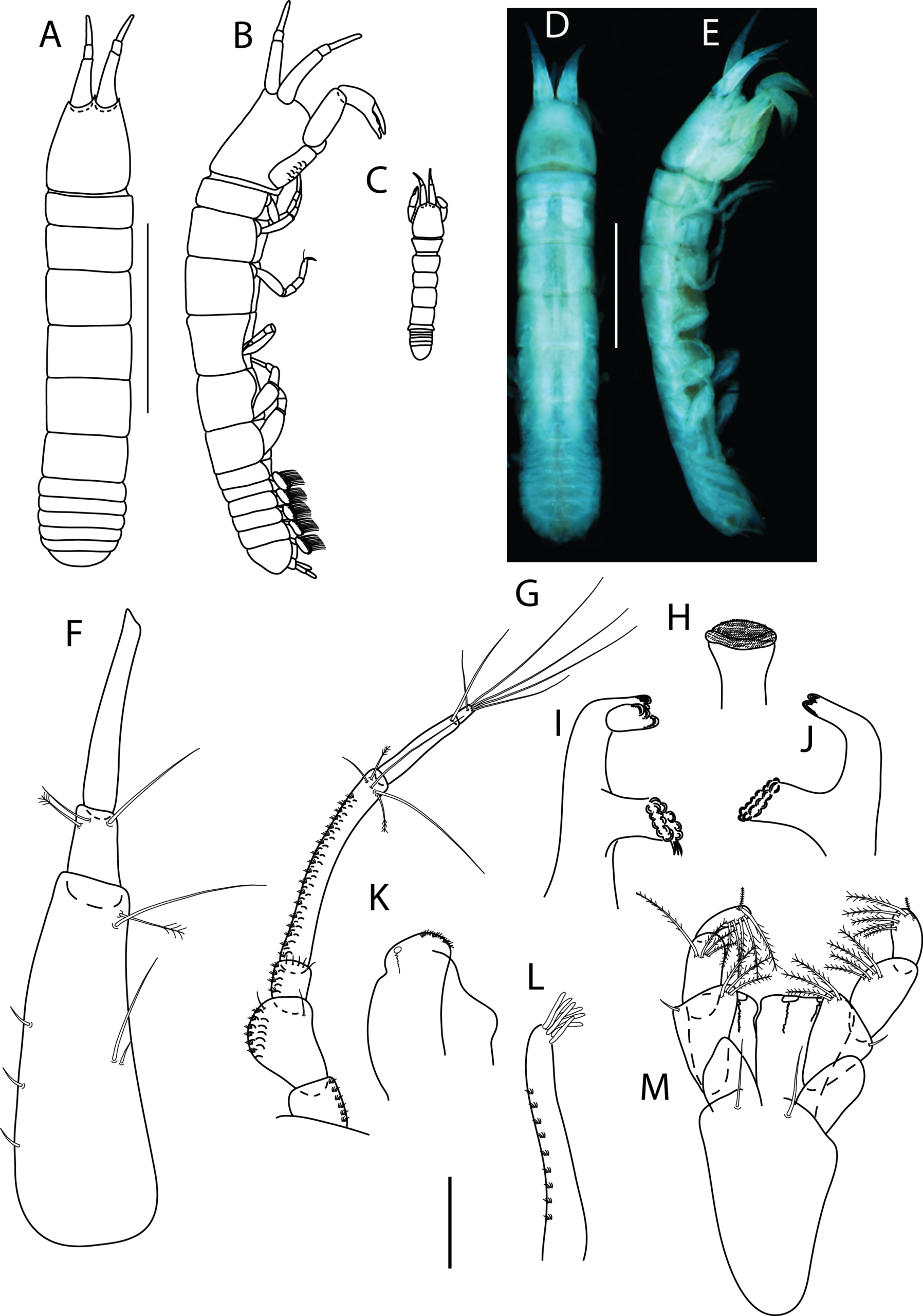
Taxonomical drawing of Tanaidacea: Martellus Toyone. Image credit: Marta Gellert
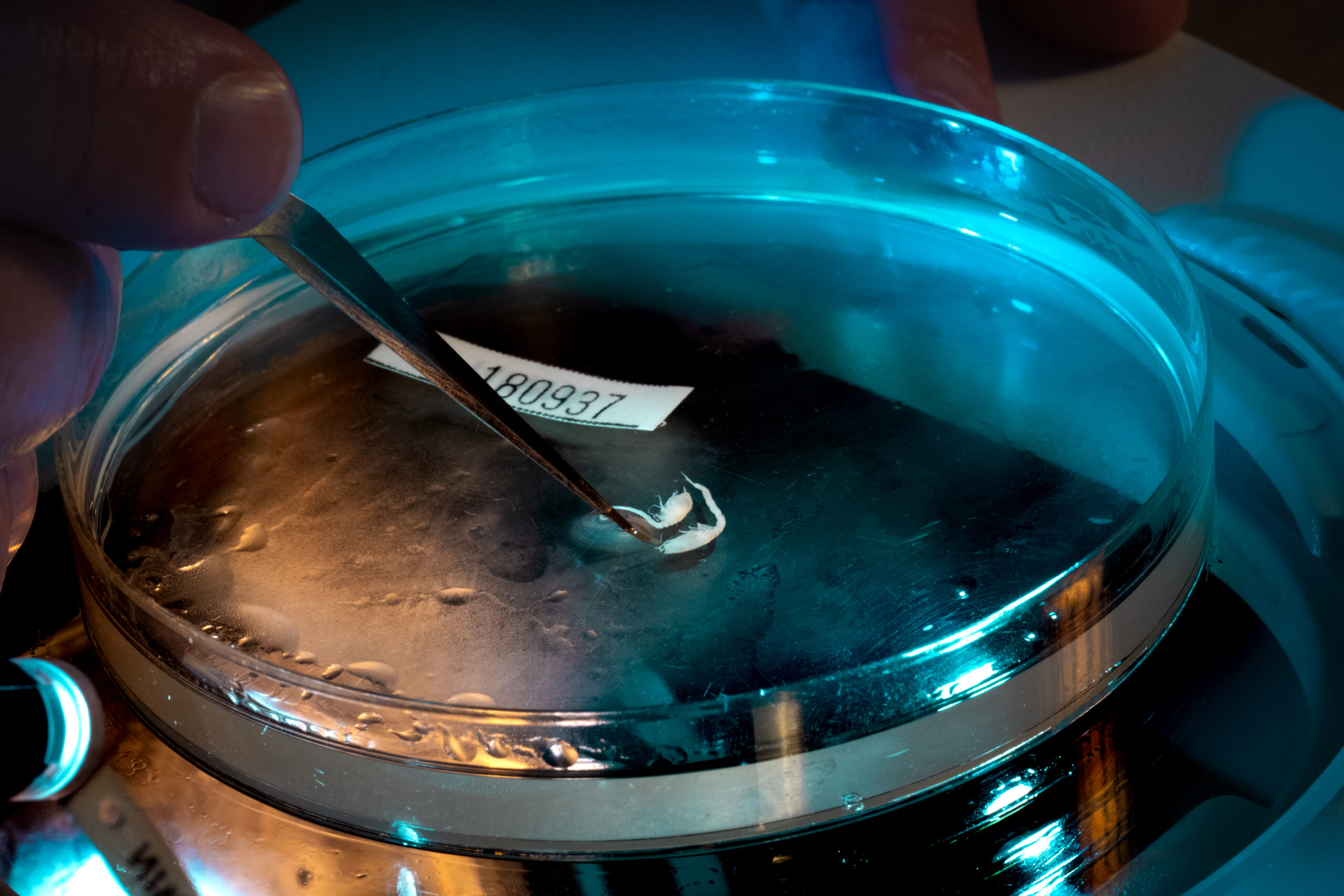
“Photography records reality, while illustration explains it”
Anja Erasmus, Postdoctoral Research Fellow: Marine Environmental Parasitology & Taxonomy
(North-West University, South Africa)
Drawing as a way of understanding
The precise skill of hand-drawing specimens is useful in terms of scientific documentation – but also acts as a mindful way of thinking for some researchers. Through drawing, scientists at workshops can engage more deeply with the organisms they study:
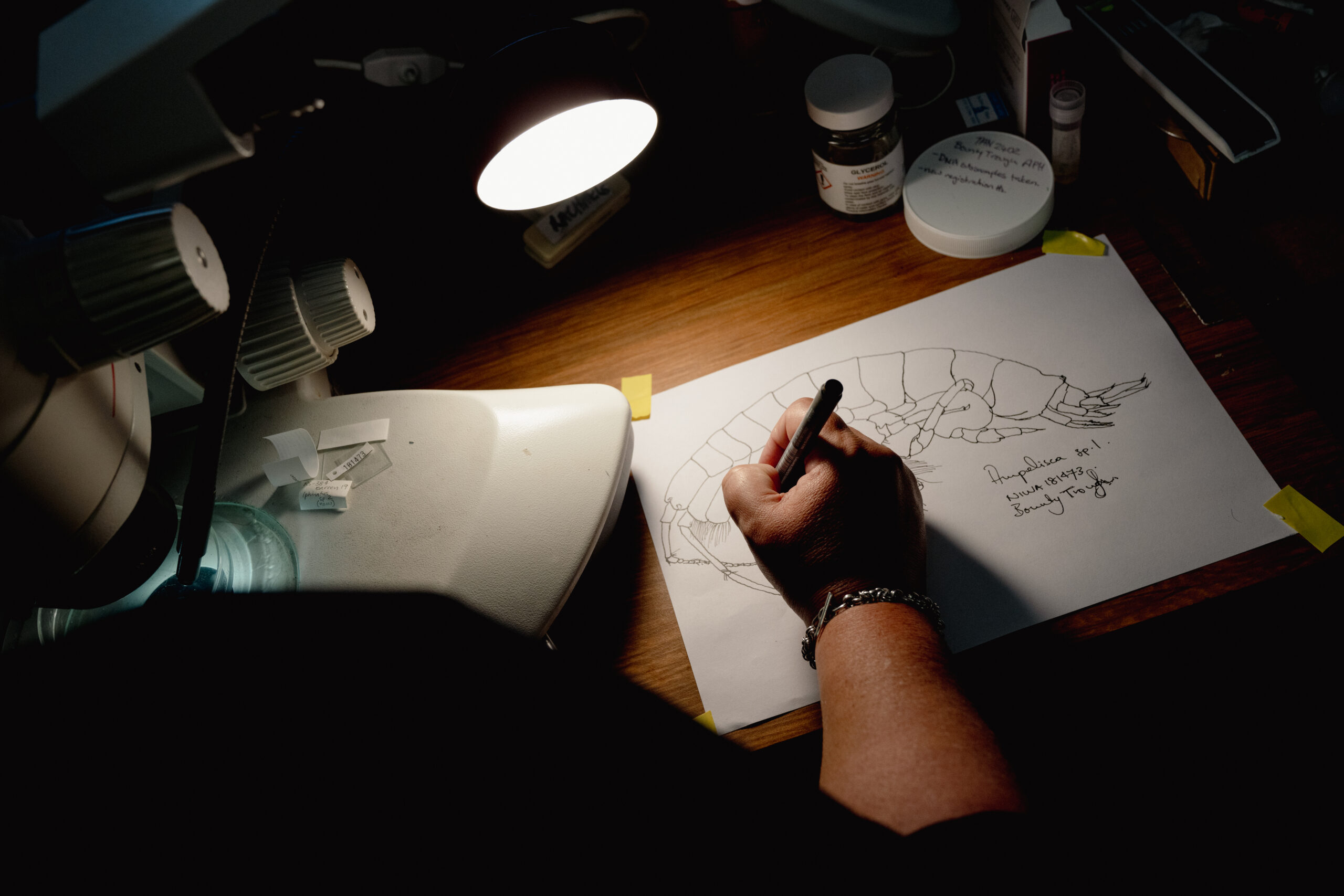
“I draw because it helps me see detail clearly, even at a very small scale. I’ve been drawing amphipods for 30 years – it’s simply how my brain works. If I draw the animal, I understand it more. You begin to see functional characteristics like how appendages move, and how the organism interacts with its environment”.
– Dr Rachael Paert, Marine Invertebrate Systematist, Earth Sciences New Zealand
When it comes to species discovery, the act of carefully examining a specimen while translating those observations onto paper allows scientists to identify subtle, intricate features. These details can help distinguish a species as both unique and entirely new to science:
“A good scientific illustration can highlight tiny differences that photos might miss or hide, like slight variations in shape, texture, or proportion. Scientists can isolate key features, making comparisons clearer. That’s especially useful when species look almost identical at first glance”.
– Dr Marta Gellert
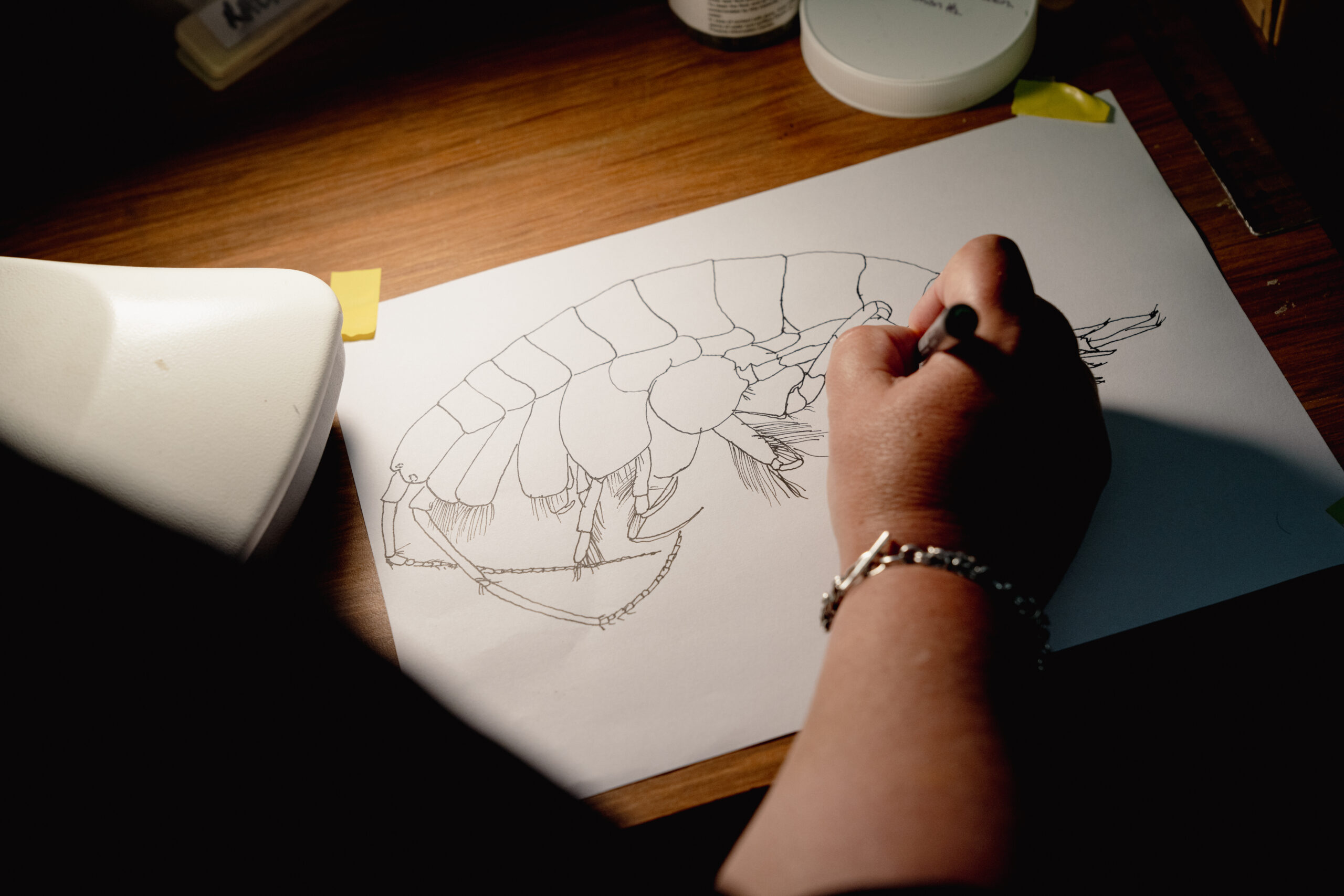
Rachael Peart draws Ampelisca sp. 1 (a new species). Image Credit: Earth Sciences New Zealand
In search of new species
As mentioned previously, these scientific illustrations can provide insitu understandings of otherwise hidden features of unique species. They are also useful as recordings for future identification and comparison between similar species:
“Taxonomic illustration is the art of capturing the intricate details that define species through scientifically precise line drawings. In my opinion, illustration harnesses the power of art to make complex scientific ideas more accessible to a broader audience. Illustrations function as evidence, explanation, reference, comparison, and identification aid. Additional scientific illustrations can also be used post-description to illuminate the ecology and life cycles of species, which in turn creates a spotlight for our biodiversity”.
– Dr Anja Erasmus
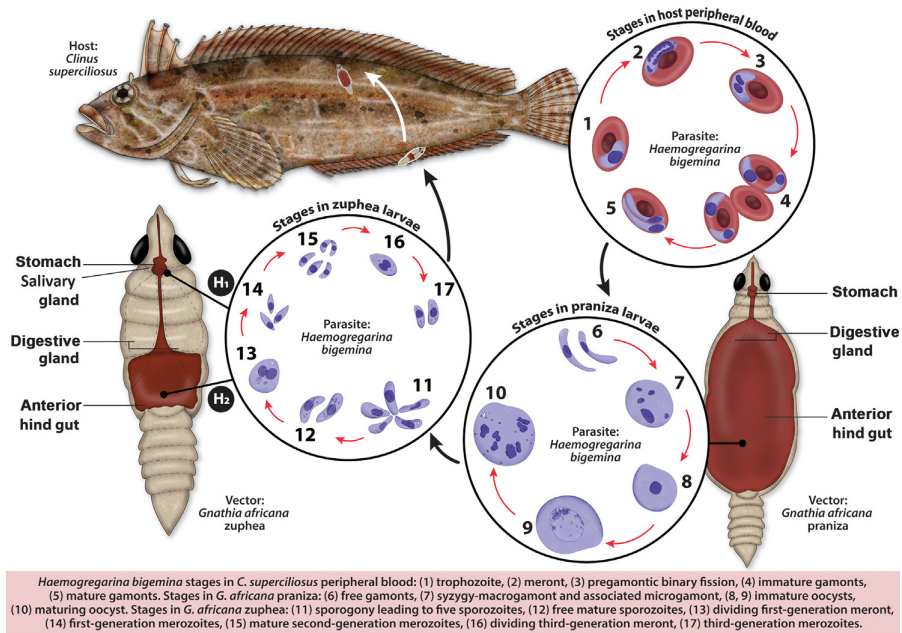
Hadfield K, Erasmus A, Smit N, Gnathia africana, Trends in Parasitology, 2025; 41, 506-507 (https://doi.org/10.1016/j.pt.2025.03.013). Image Credits: Anja Erasmus
Collaboration to communicate research
For many scientists, sketching begins as a personal, practical tool in the field
“I usually make diagrams and sketches of the species in the field notebooks that I take on expeditions. It is a way to highlight any details that might be missed”.
– Javier Cristobo
But illustration also plays a vital role beyond fieldwork. As Javier explains, professional scientific illustrators are increasingly important in communicating research to wider audiences:
“When I need a more detailed illustration for a scientific publication, I turn to professionals. They are especially important for scientific dissemination – helping us communicate what we are exploring and making science more accessible to the general public”.
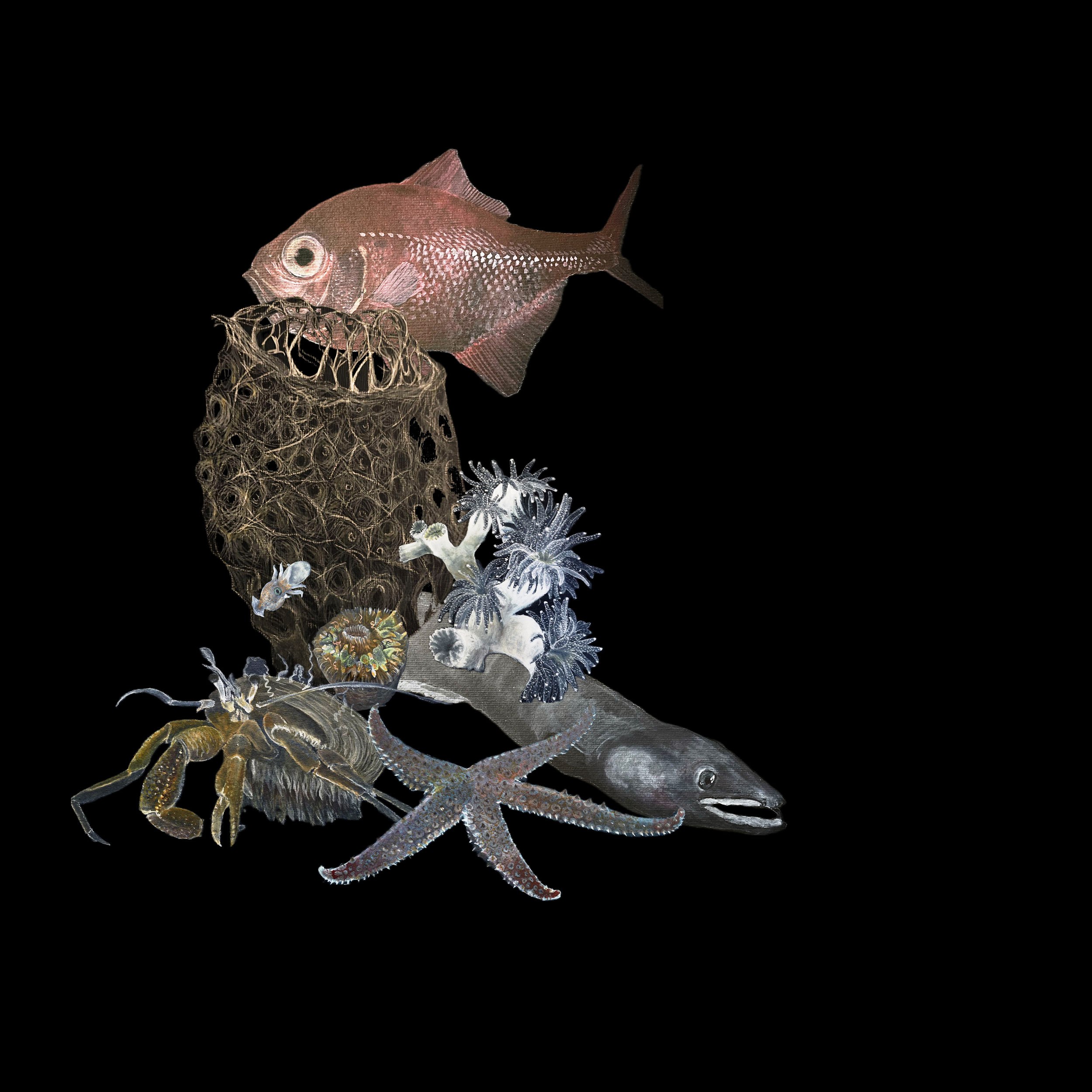
Cantabrian sea deep sea species. Image credit: Florencio Gonzalez
Why Scientific Sketching Still Matters
In today’s fast-paced, image-saturated world, scientific illustration offers clarity through attention.
It encourages deeper observation and critical thinking, and through artistic collaborations, can improve communication across scientific and public audiences. Rather than competing with modern technologies, taxonomic illustration complements them.
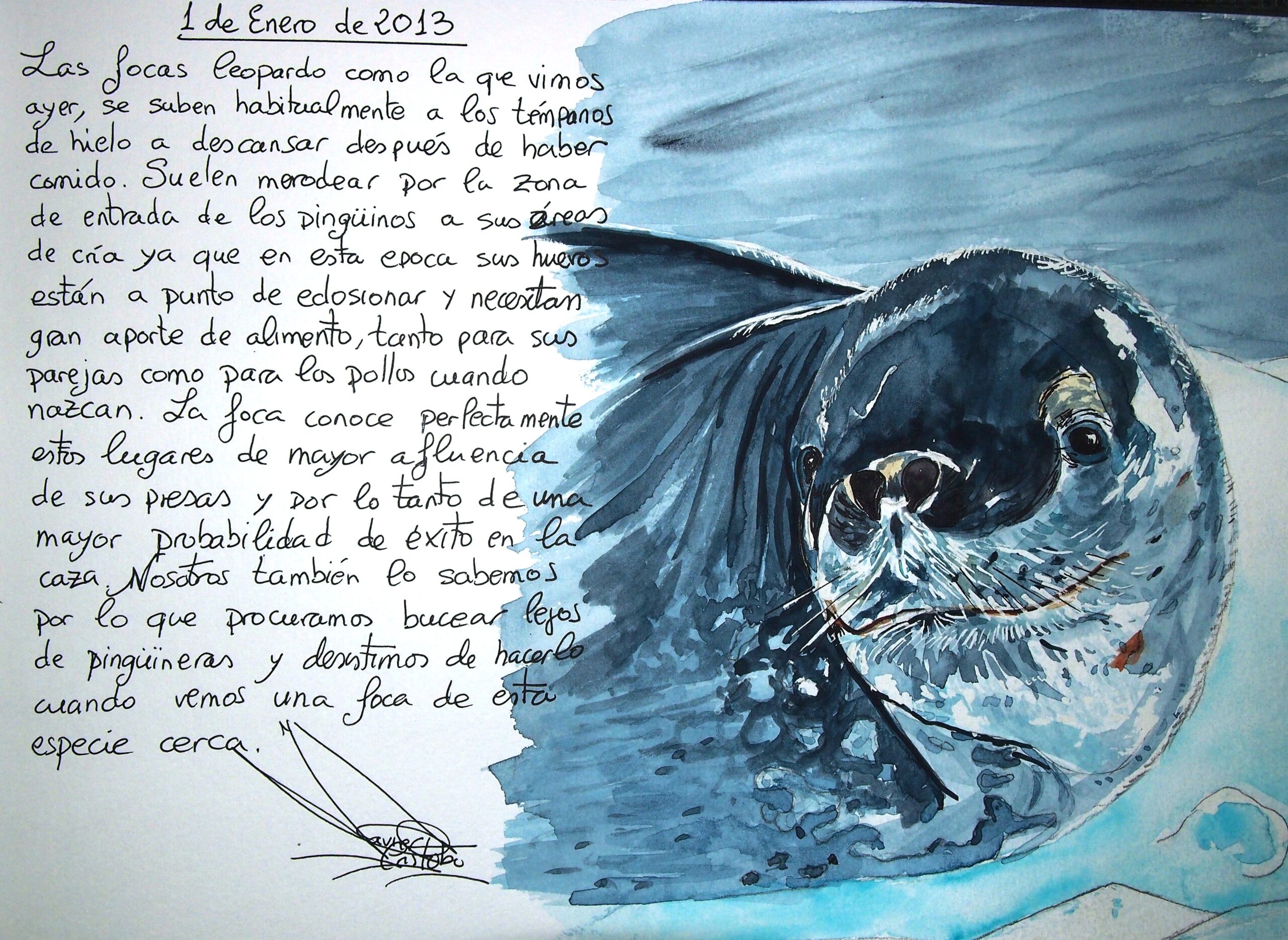
Leopard seal observations in Antarctica. Image credit: Javier Cristobo
Want to join our science network?
By joining our science network you can gain access to expeditions, Discovery Workshops, research funding, training, and a global community of scientists working to uncover the ocean’s hidden biodiversity.
We’d love to have you on board!
Related News
Join the census
The Ocean Census Alliance unites national and philanthropic marine institutes, museums, and universities, backed by governments, philanthropy, business and civil society partners.


