
















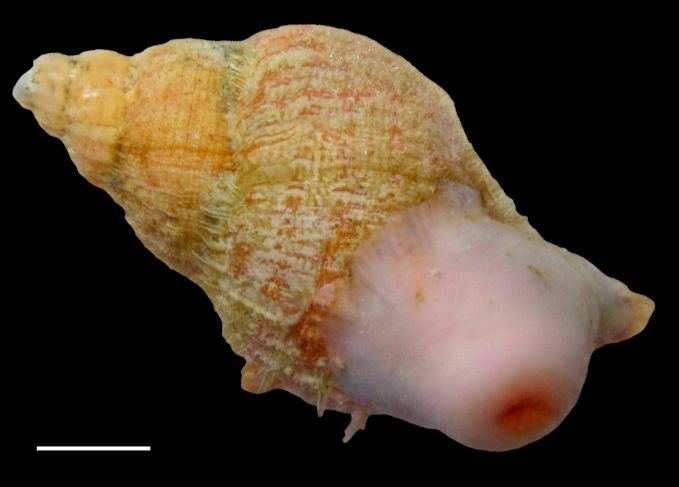
Species ID
OC-SP-0002173
Discovered
Phylum
Cnidaria
Species ID
OC-SP-0002173
Provisional Species Name
Paracalliactis sp_OCCNI01
Lowest Valid Taxon Name in WoRMS
Paracalliactis
Lowest Known Rank
Genus
Status
Discovered
Does the taxonomist(s) intend to work on this material further?
2. I/We already have plans to publish. (For marine invertebrates please know that SOSA could support you in this too - please click the button for more details).
Embargo
No
Kingdom
Animalia
Phylum
Cnidaria
Class
Hexacorallia
Order
Actiniaria
Family
Hormathiidae
Genus
Paracalliactis
Date Identified
12/04/2016
Taxonomic Remarks
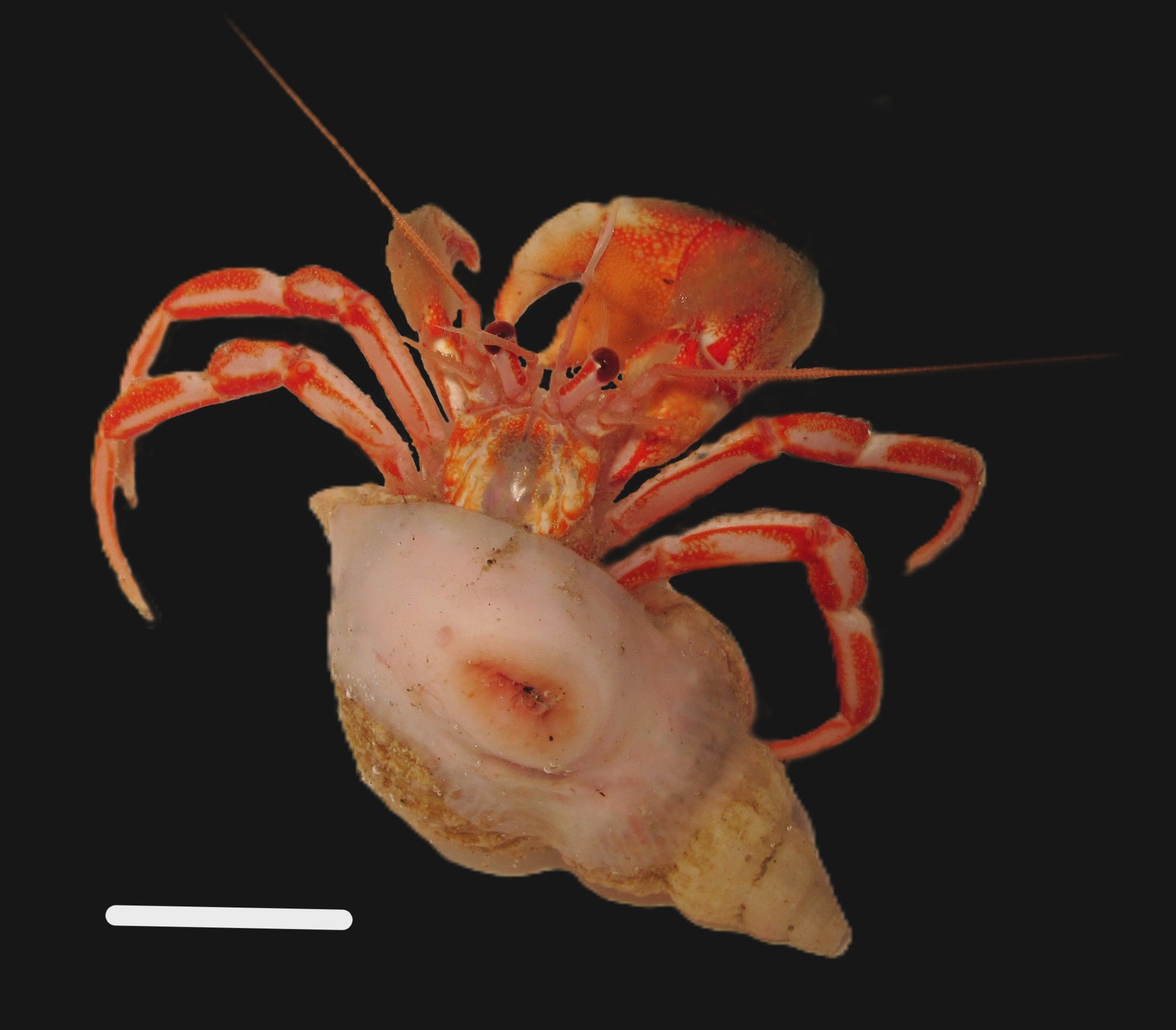
The genus Paracalliactis currently includes nine valid species. Paracalliactis sp. differs from the other species of the genus in the following characteristics: Paracalliactis sp. presents a cuticle on the pedal disc, although without forming a true carcinoecium, unlike P. michaelsarsi, P. consors, and P. obvolva, which possess a well-developed carcinoecium that completely encases almost the entire shell. Moreover, although a carcinoecium is not mentioned for P. azorica, this species has a foot with a chitinous secretion that completely envelops the shell, forming a cup, which is a distinctive characteristic of that species. In Paracalliactis sp., the anemone is positioned dorsally with respect to its basibiont and on the last whorl of the shell, unlike P. michaelsarsi and P. consors, where it may be located ventrally to the host crab. In all species of Paracalliactis, tubercles on the column have been documented, more developed in some species than in others. In Paracalliactis sp., no tubercles were observed, neither in live specimens nor after fixation. Paracalliactis sp. has around 96 tentacles in five cycles, as in most species of the genus, except for P. obvolva and P. sinica, which have more than 190 tentacles in six or more cycles. Paracalliactis sp. is a dioecious species, a feature common to almost all species except P. azorica and P. stephensoni. In the composition of the cnidome, Paracalliactis sp. presents a pattern similar to that of most species of the genus. In fact, differences are found only in the species P. azorica and P. sinica, as well as P. consors and P. obvolva, which possess b-mastigophores in the tentacles, unlike the other congeners. The species most similar to Paracalliactis sp. is P. rosea, mainly because they share the crab Sympagurus dimorphus as a symbiont. Nevertheless, P. rosea has a more highly developed pedal disc, covering almost the entire shell, and also exhibits tubercles in the distal region of the scapus. Additionally, P. rosea occurs in the Pacific Ocean and in the Northern Hemisphere. In fact, Paracalliactis sp. would be the first species of the genus known from the South Atlantic.
Discovery registered on
20/02/2026
Description of Material
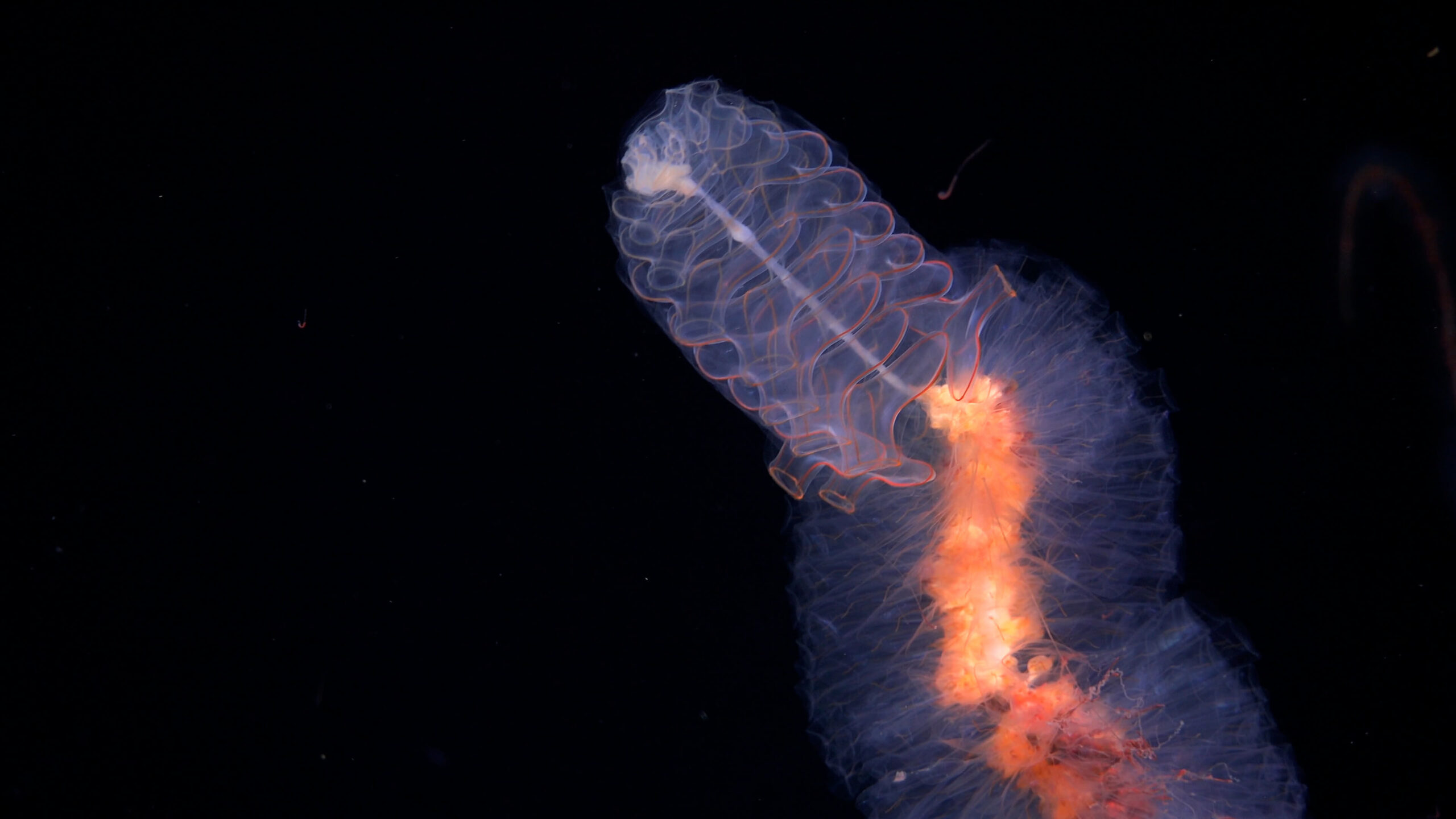
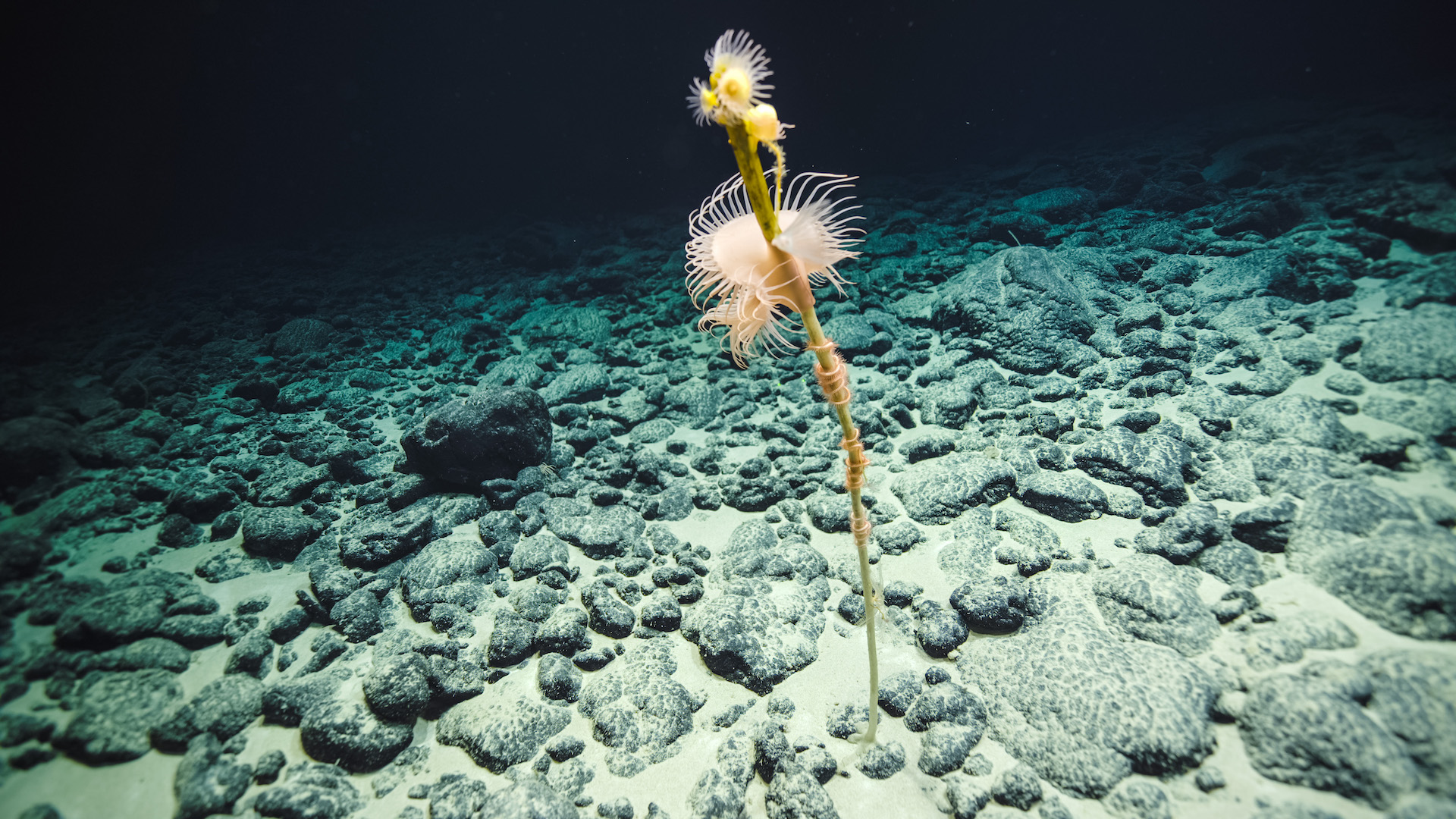
Hormathiidae with a broad pedal disc forming a cuticle that may extend over the aperture (mouth) of the shell to which it attaches. Column smooth or with distal tubercles, lacking cinclides, divisible into scapus and scapulus; with a thin, easily detachable cuticle. Scapulus, at least in preserved specimens, with deep longitudinal grooves. Margin differentiated, moderately crenulated. Deep fosse, mesogleal sphincter. Tentacles slender, arranged in a hexamerous pattern, approximately 96 in number. Longitudinal muscles of the tentacles and radial muscle of the oral disc of ectodermal origin. Two deep siphonoglyphs. Mesenteries arranged in a hexamerous pattern; six pairs are perfect and sterile. Distal and proximal mesenteries present in similar numbers. Retractor, parietobasilar, and basilar muscles weakly developed. Acontia thin and elongated. Species of the genus live in symbiosis with hermit crabs; the oral disc may be oriented dorsally or ventrally relative to the crab’s mouth. Gonochoric species, with the second through the last mesenterial cycles fertile. Cnidome: spirocysts, basitrichs, and microbasic p-mastigophores. In live specimens, the column is whitish or pinkish. The oral disc region is orange in color. In a few specimens, two or three tentacles protrude through the oral disc, also orange like the disc itself. Preserved specimens retain whitish, pale pink, or brownish coloration.
Etymology
N/A
Ecology
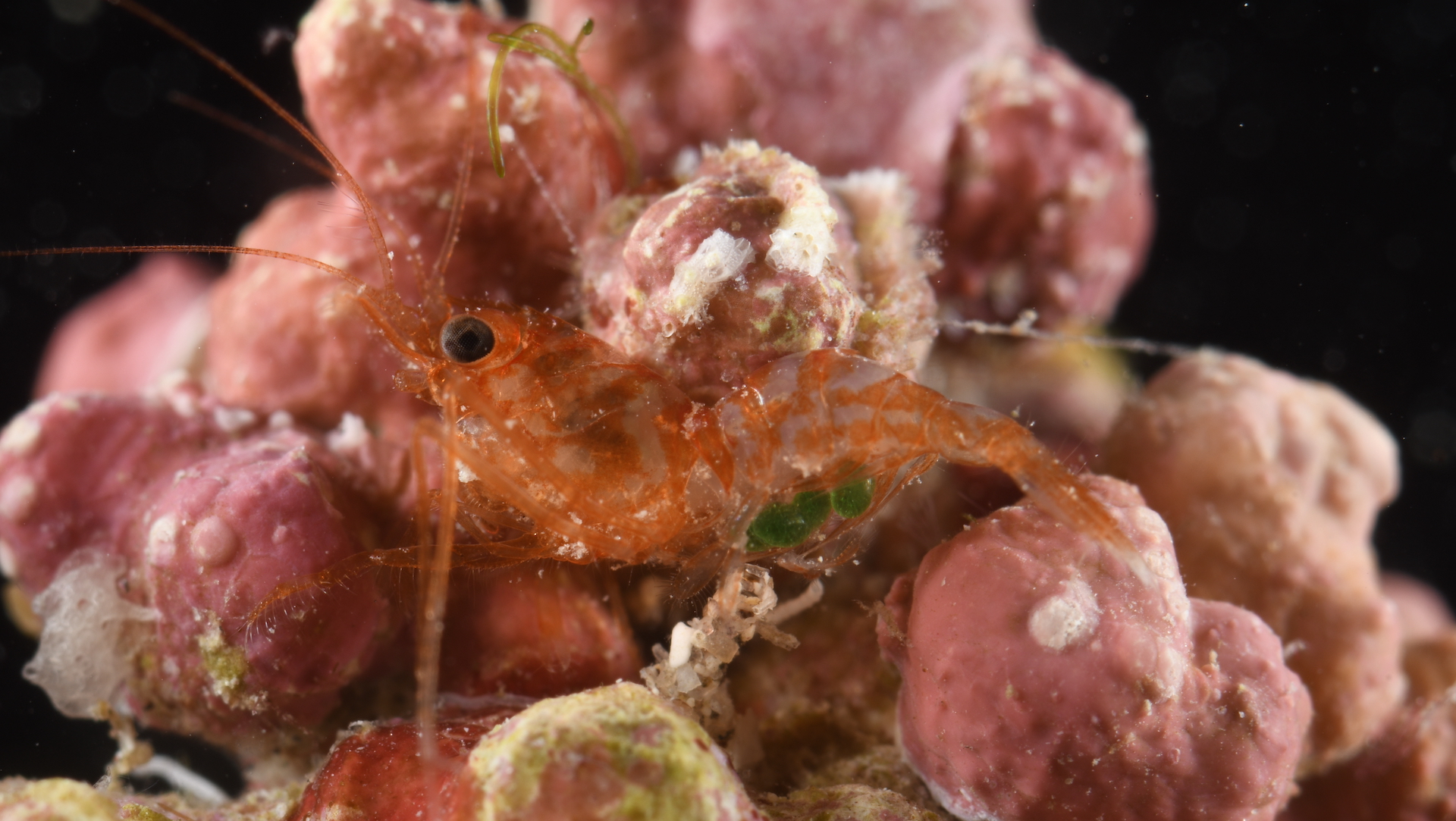
It lives in symbiosis with Sympagurus dimorphus (Decapoda, Parapaguridae), hermit crabs that occupy gastropod shells, generally with a single anemone per shell.
Distribution
Paracalliactis sp. inhabits southern Argentina, off the coasts of Tierra del Fuego, Isla de los Estados, and within the Namuncurá–Burdwood Bank Marine Protected Area (Zone II), corresponding to the slope region. The species has been collected at depths ranging from 246 to 1031 m in three different ID occurrences.
Scientific Name Authorship
Camila Vasquez Sasali, Ricardo González Muñoz, Fabián H. Acuña & Agustín Garese
Join the census
The Ocean Census Alliance unites national and philanthropic marine institutes, museums, and universities, backed by governments, philanthropy, business and civil society partners.


