












PRESS RELEASE:
Japan’s Deep Ocean Reveals Dozens of
New Species from Landmark 2025
Nippon Foundation–Nekton Ocean Census – JAMSTEC Expedition

News & Insights
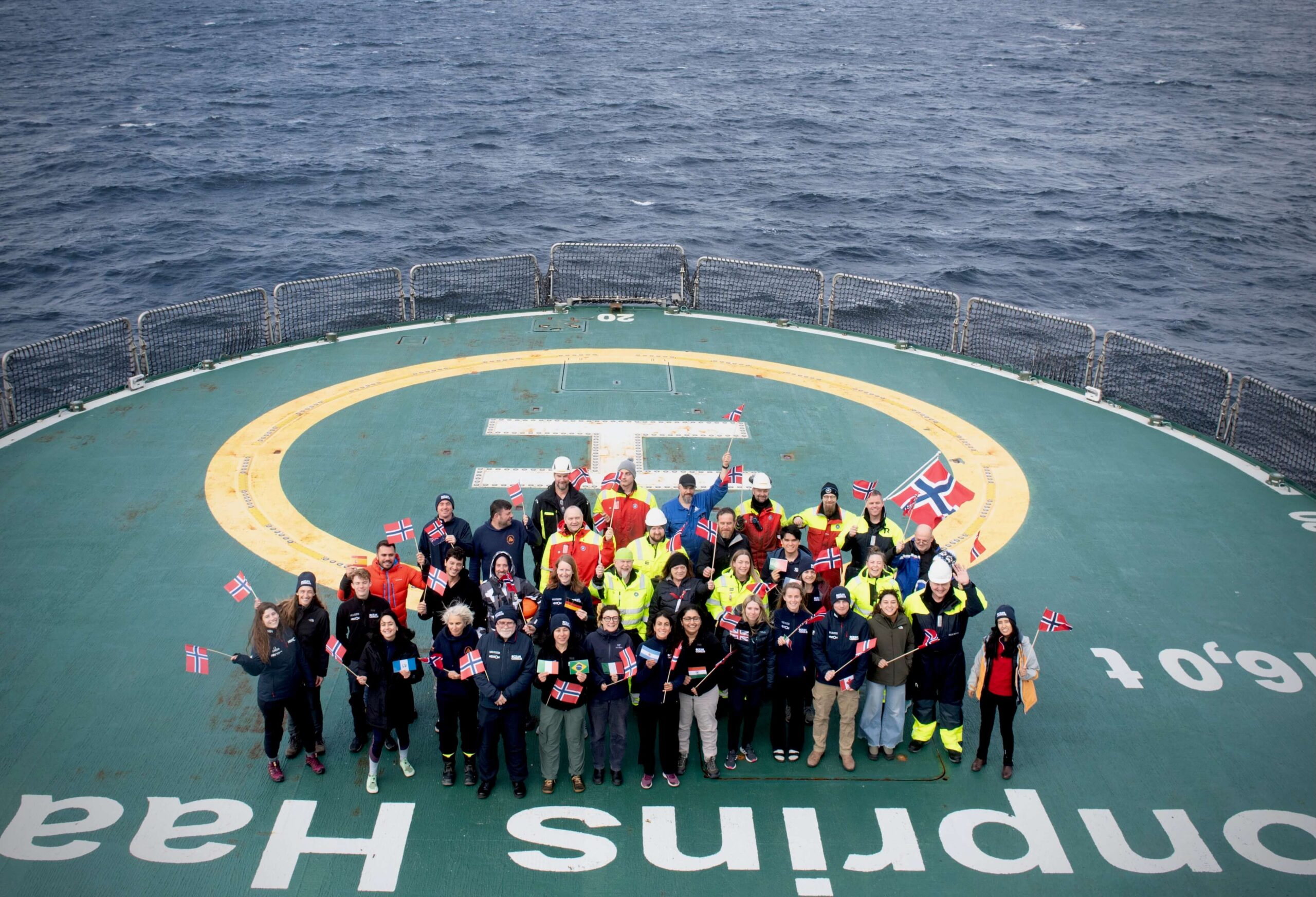
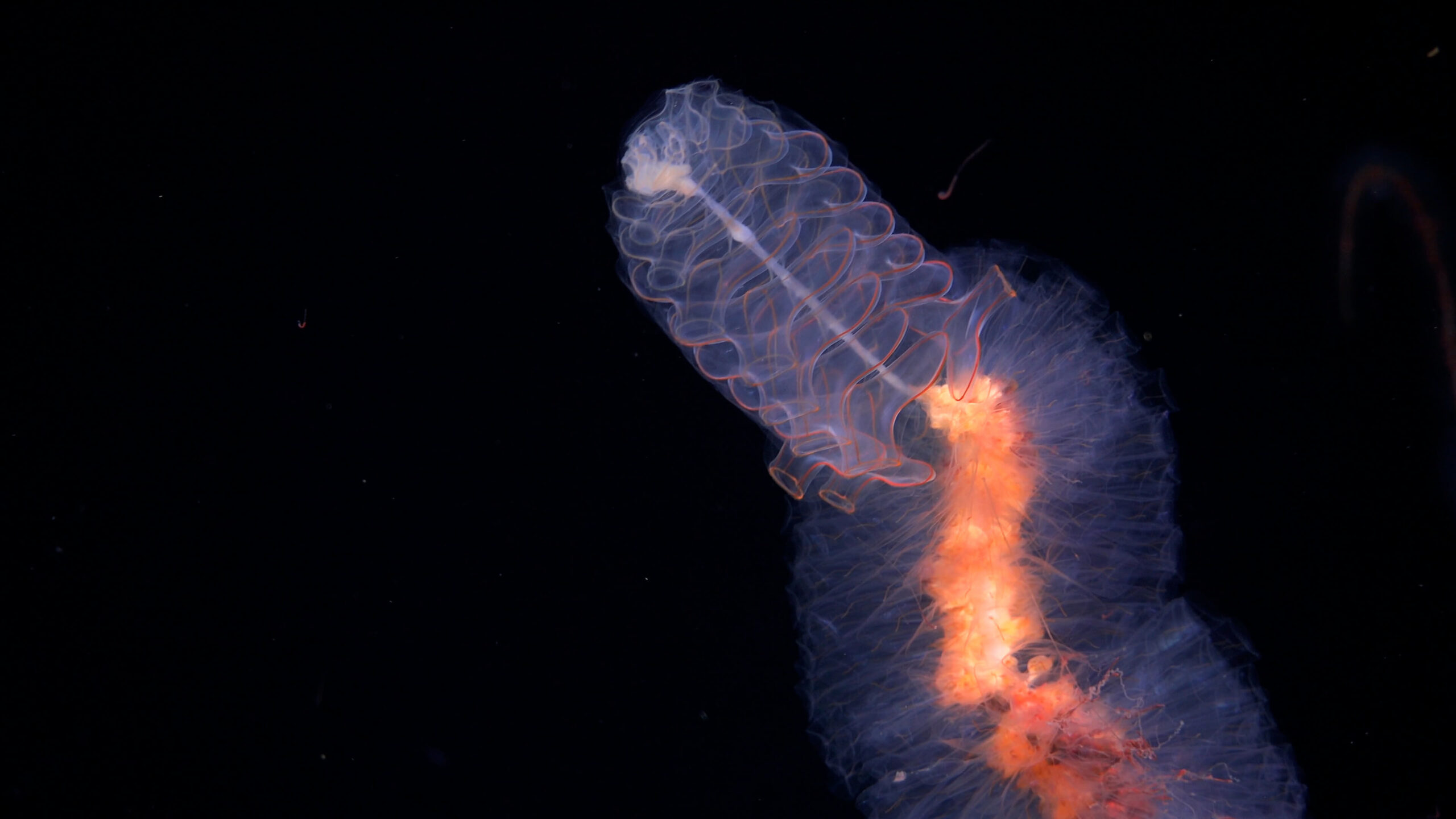
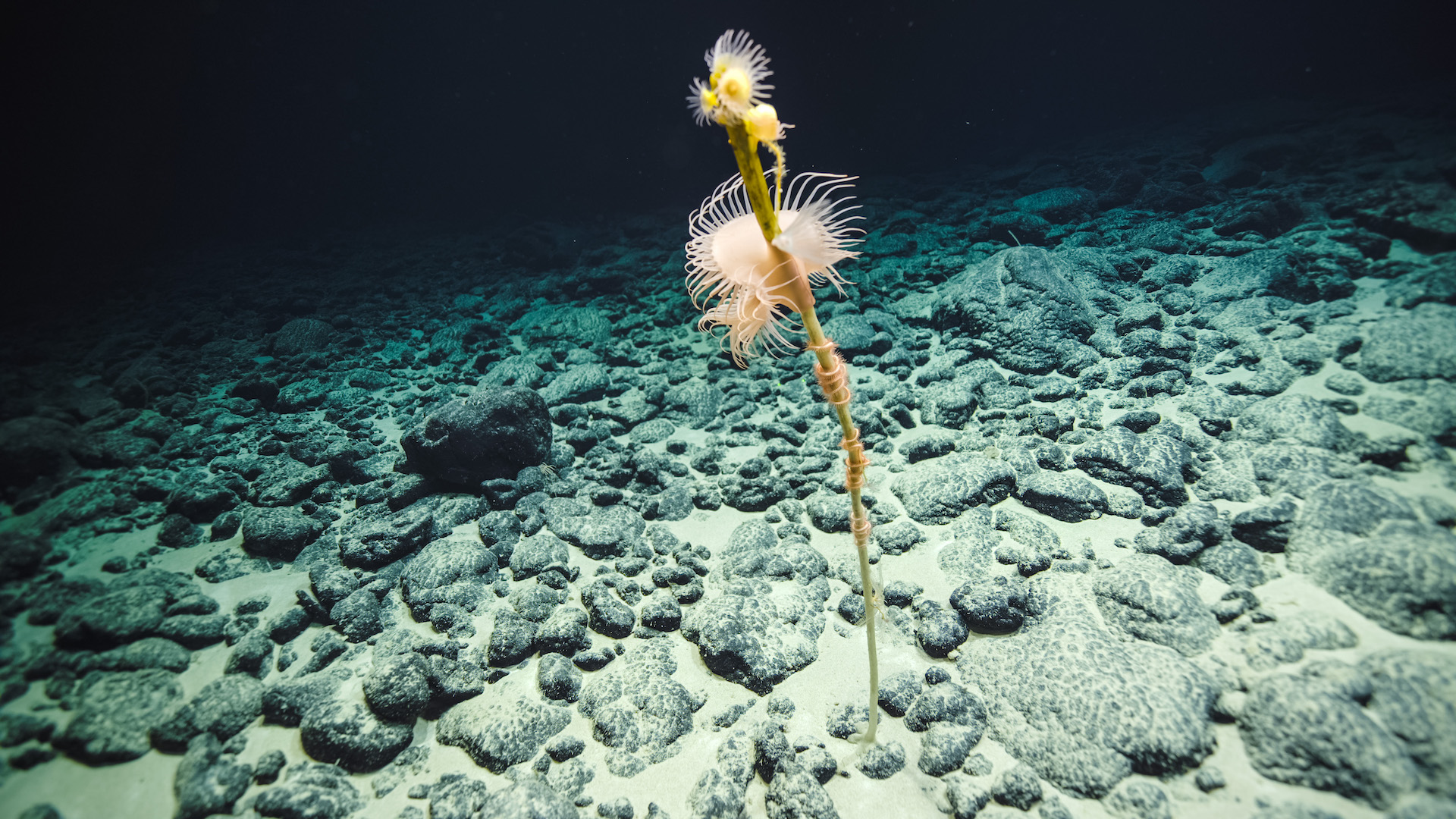
Tokyo, Japan – Japan has led a major international effort to explore and document new life in the deep ocean. Following the Nippon Foundation–Nekton Ocean Census Expedition in June 2025, partnering with the Japan Agency for Marine-Earth Science and Technology (JAMSTEC), scientists have confirmed the discovery of 38 new species and identified 28 further potential new species across two of Japan’s most understudied deep-sea regions: the Nankai Trough and the Shichiyo Seamount Chain.
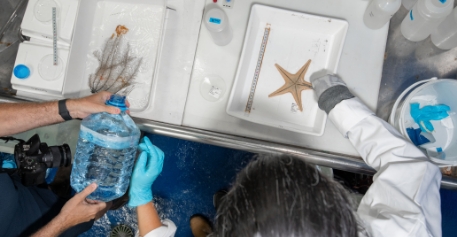
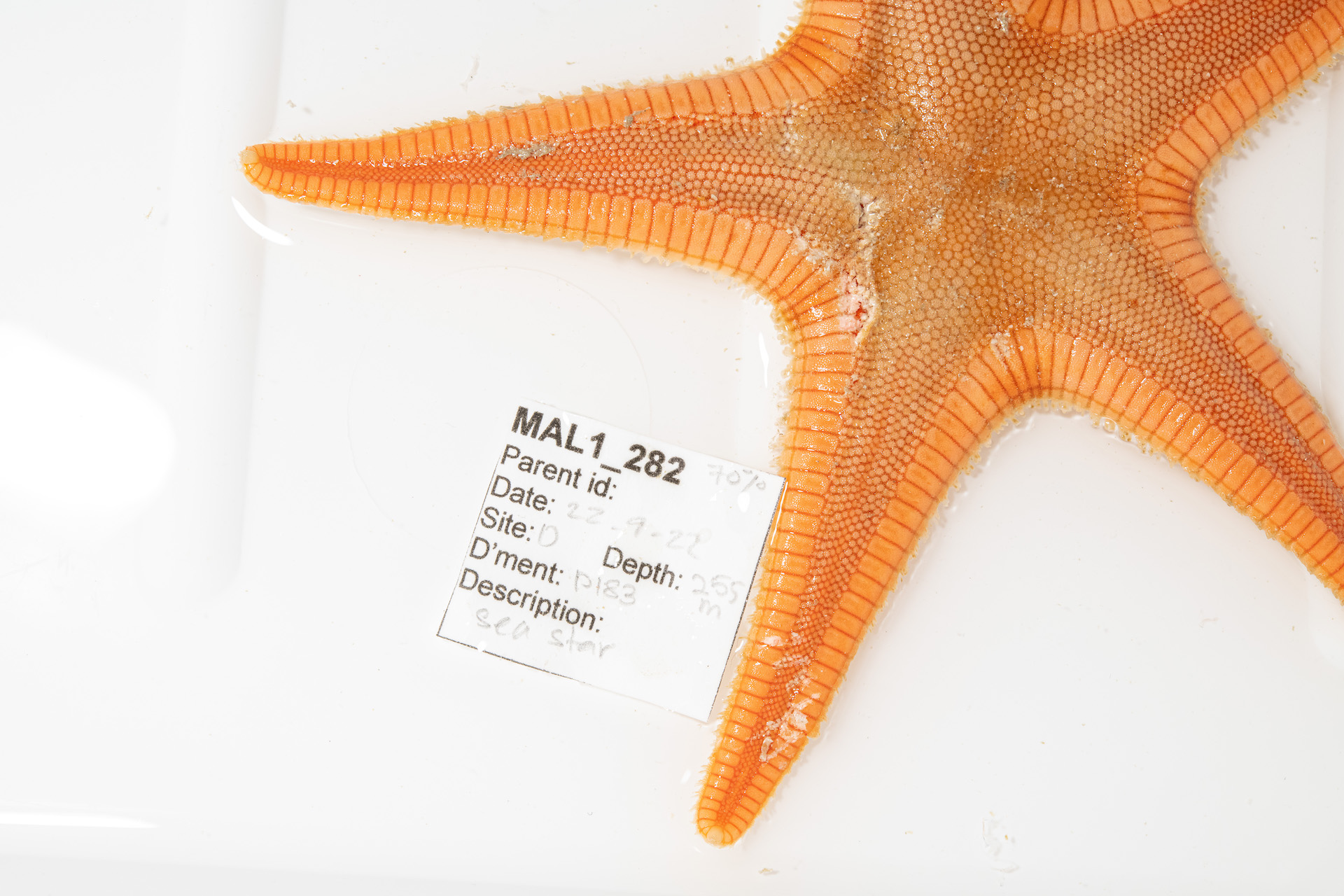
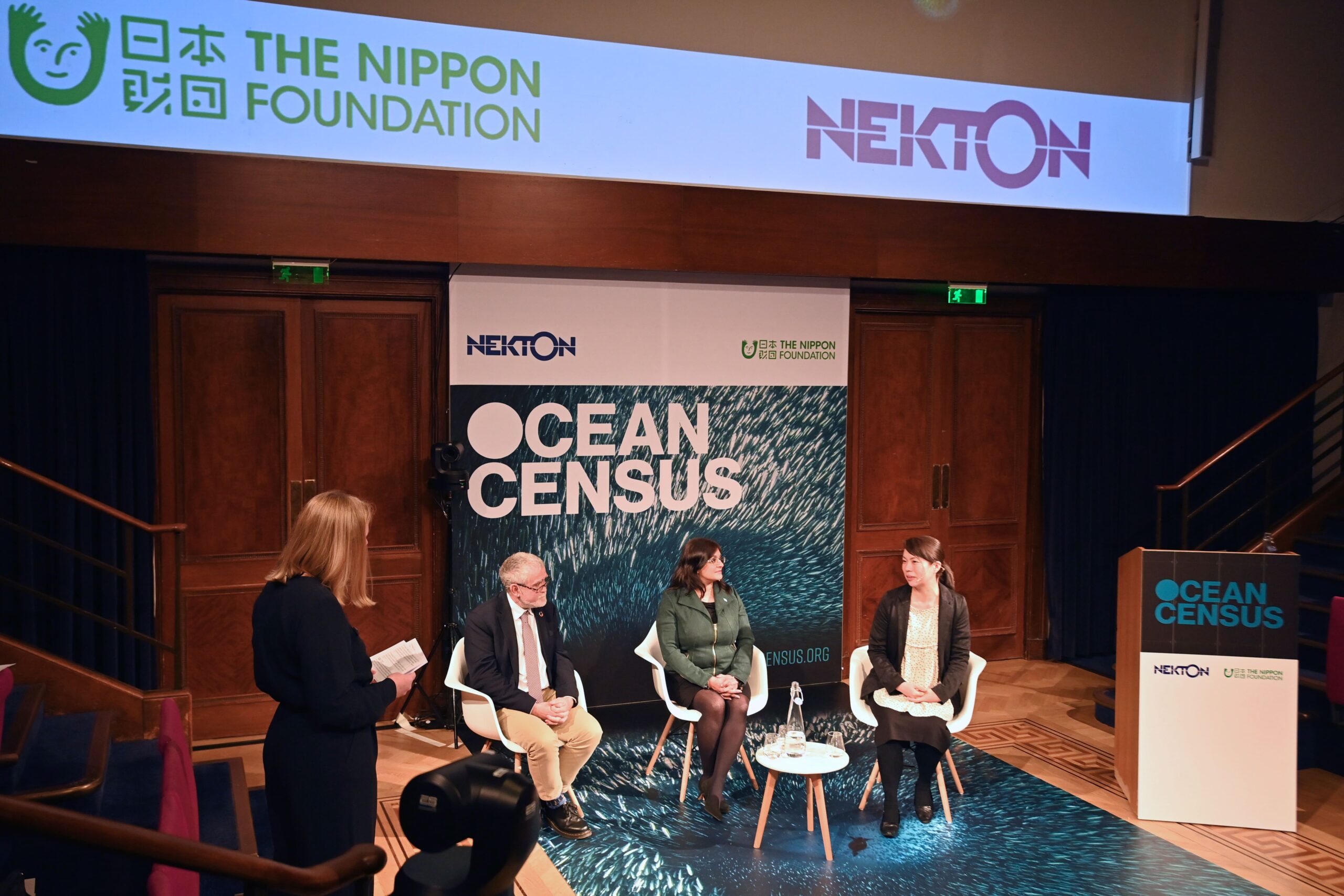
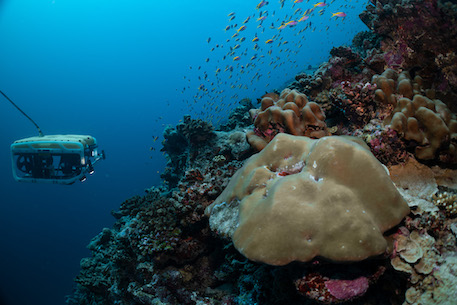
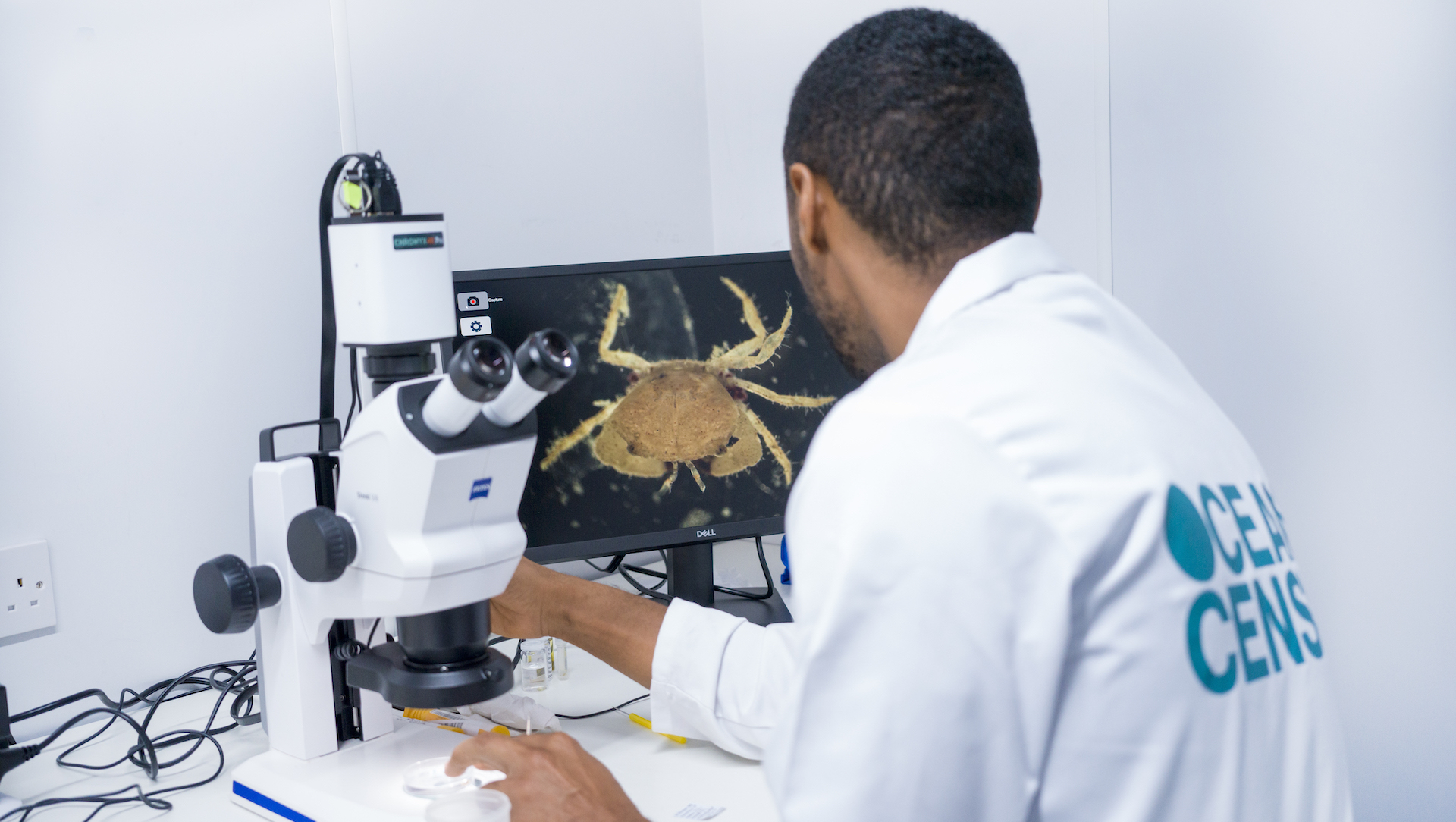
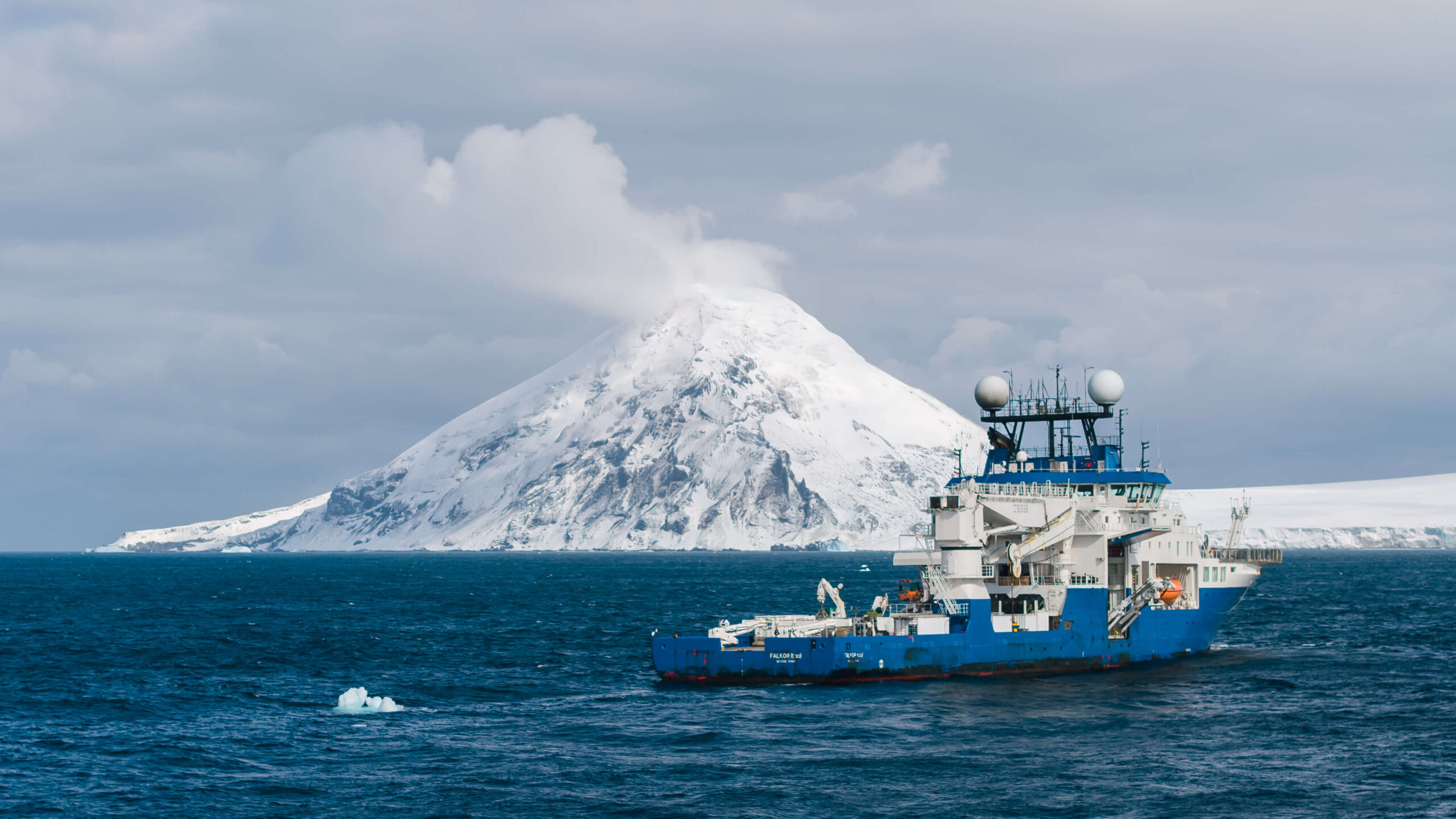
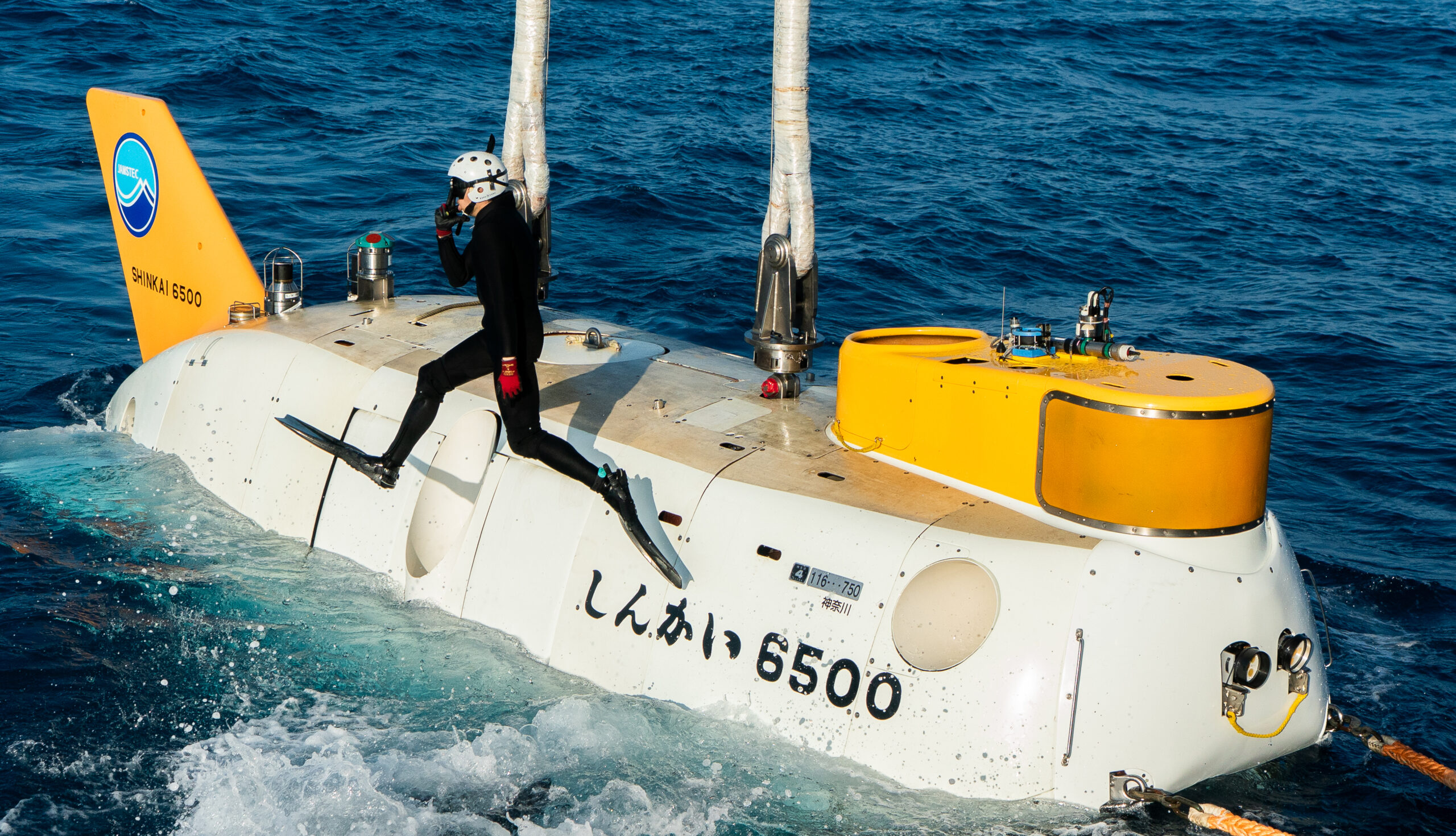
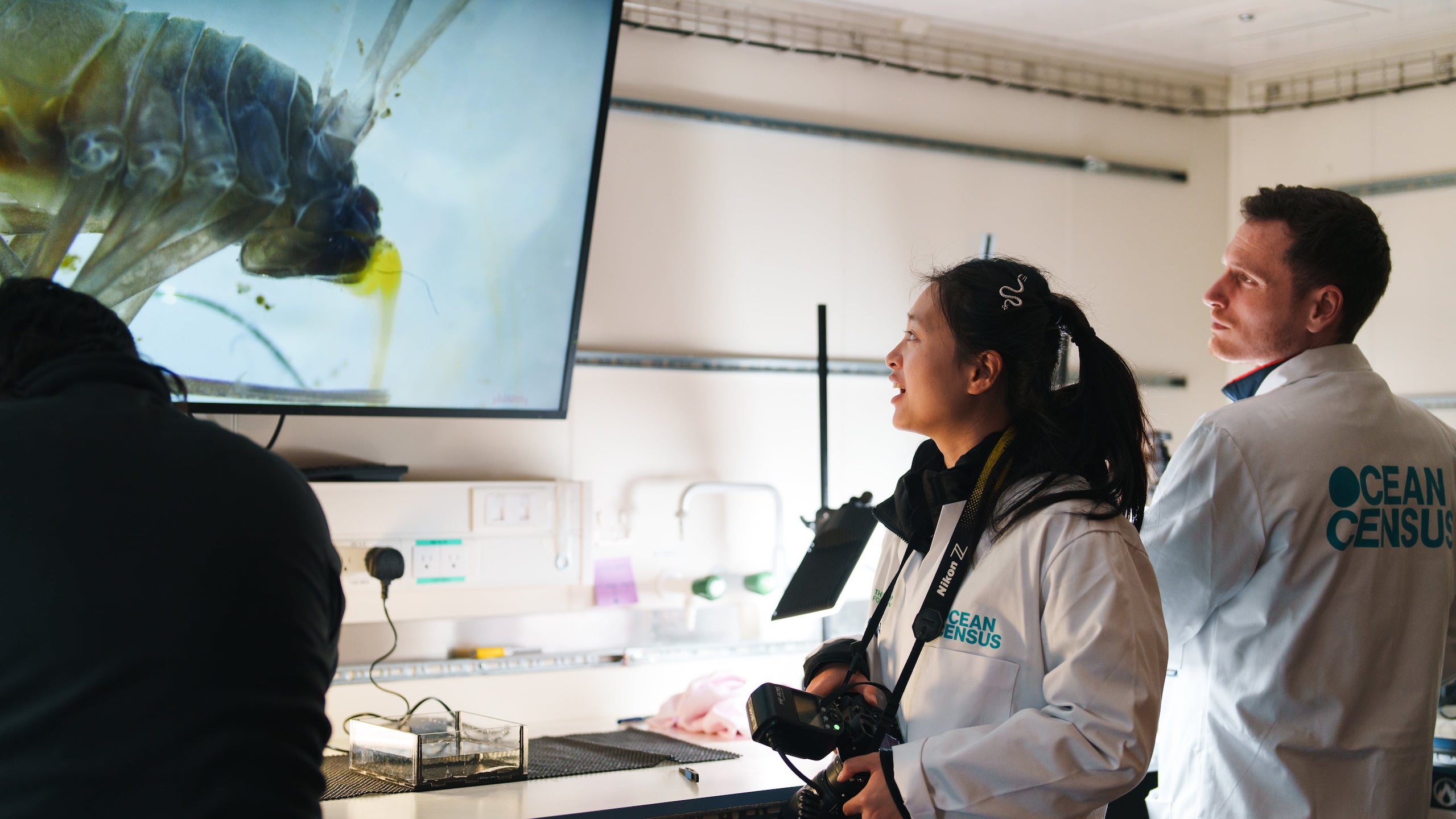
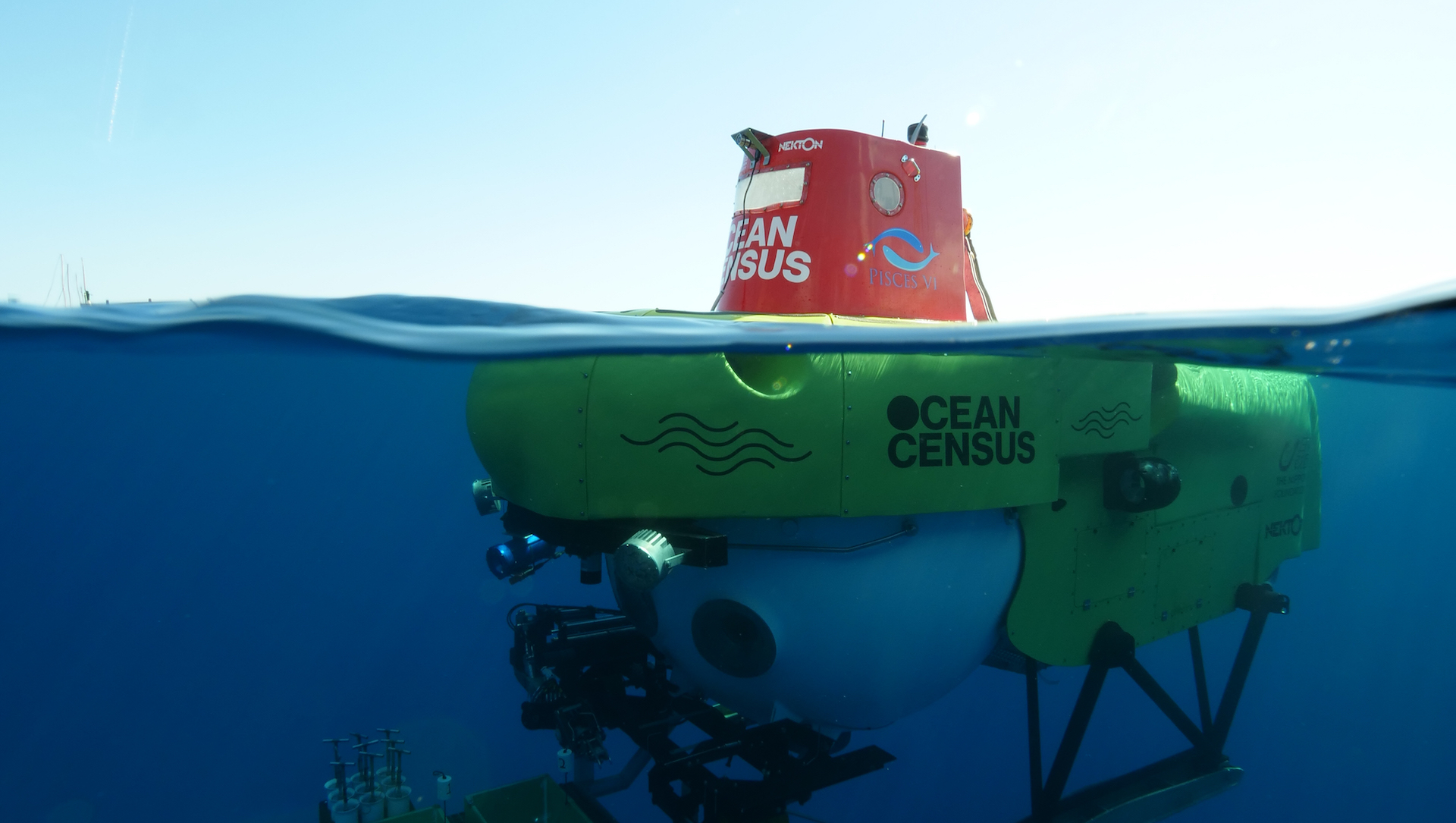
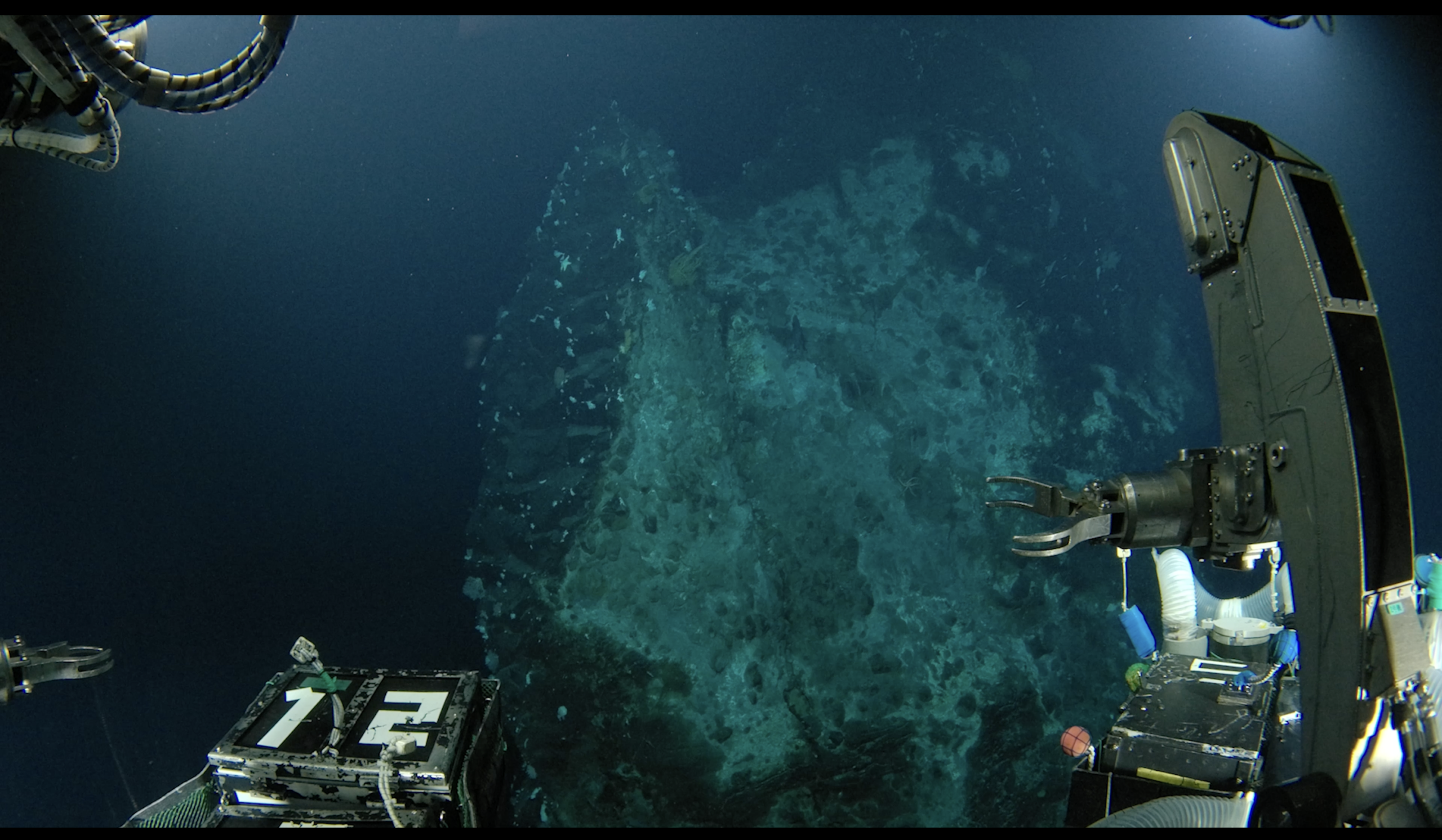
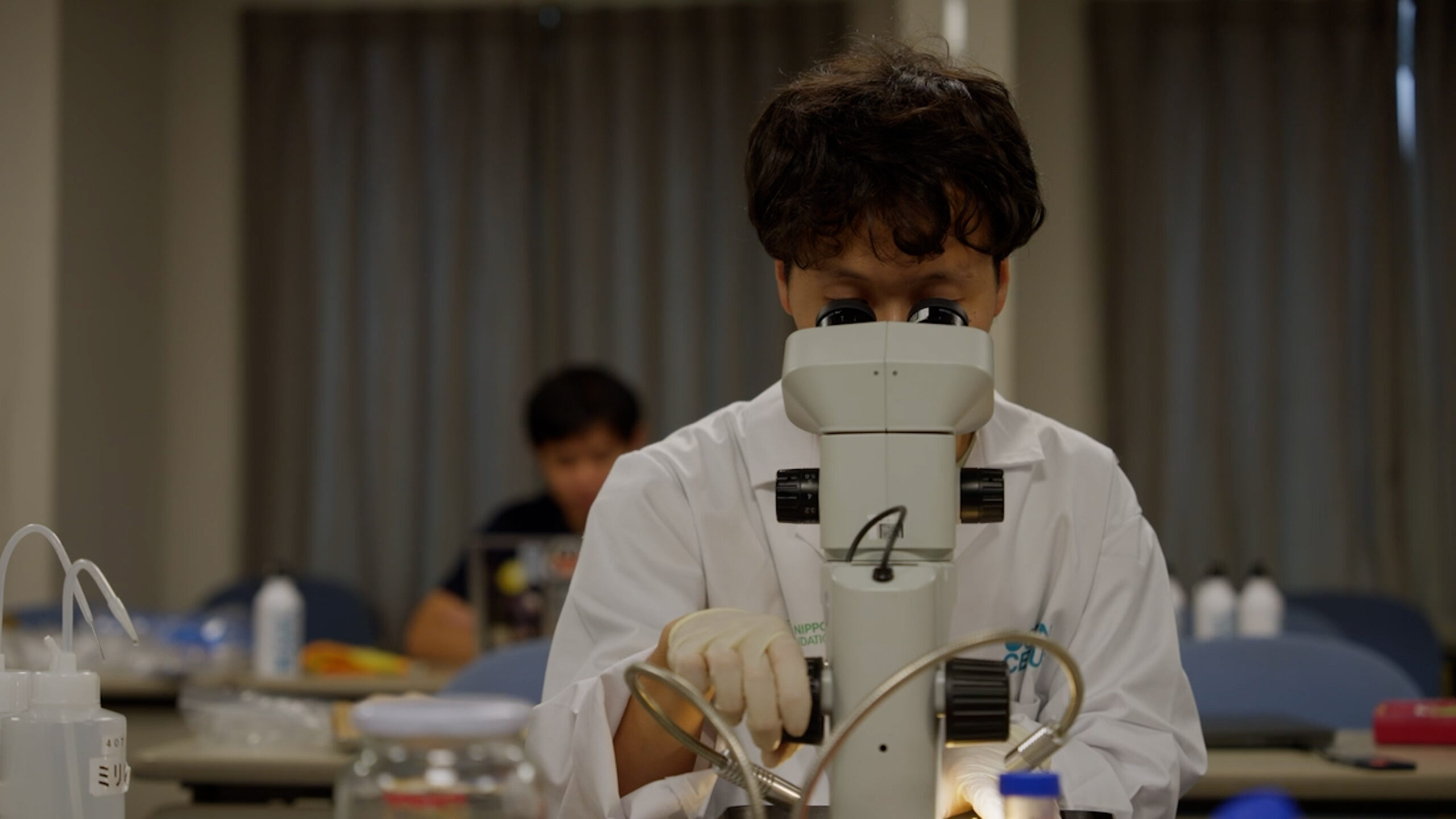
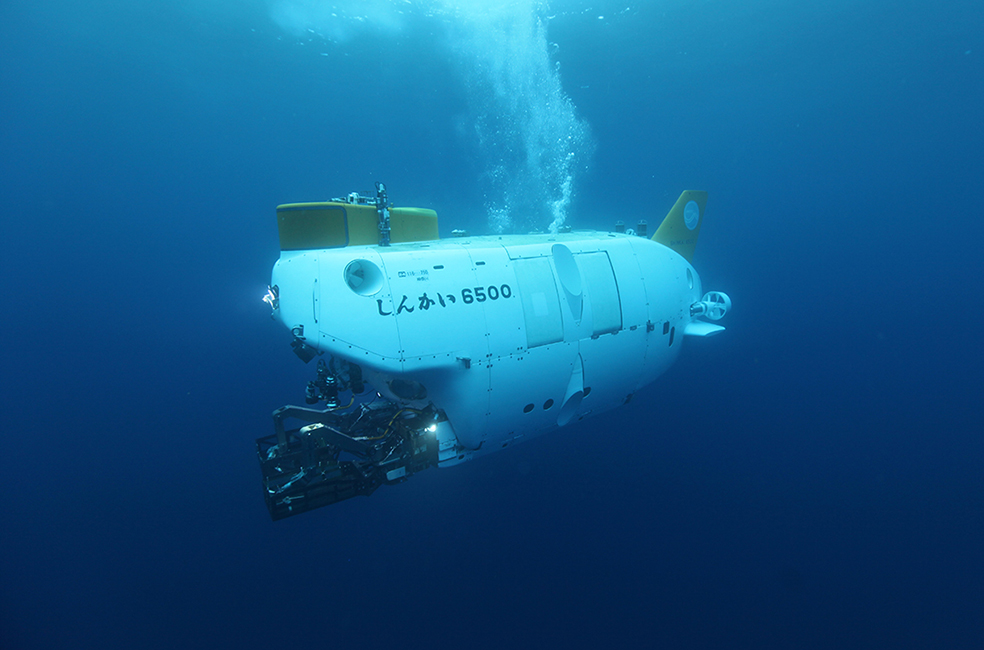
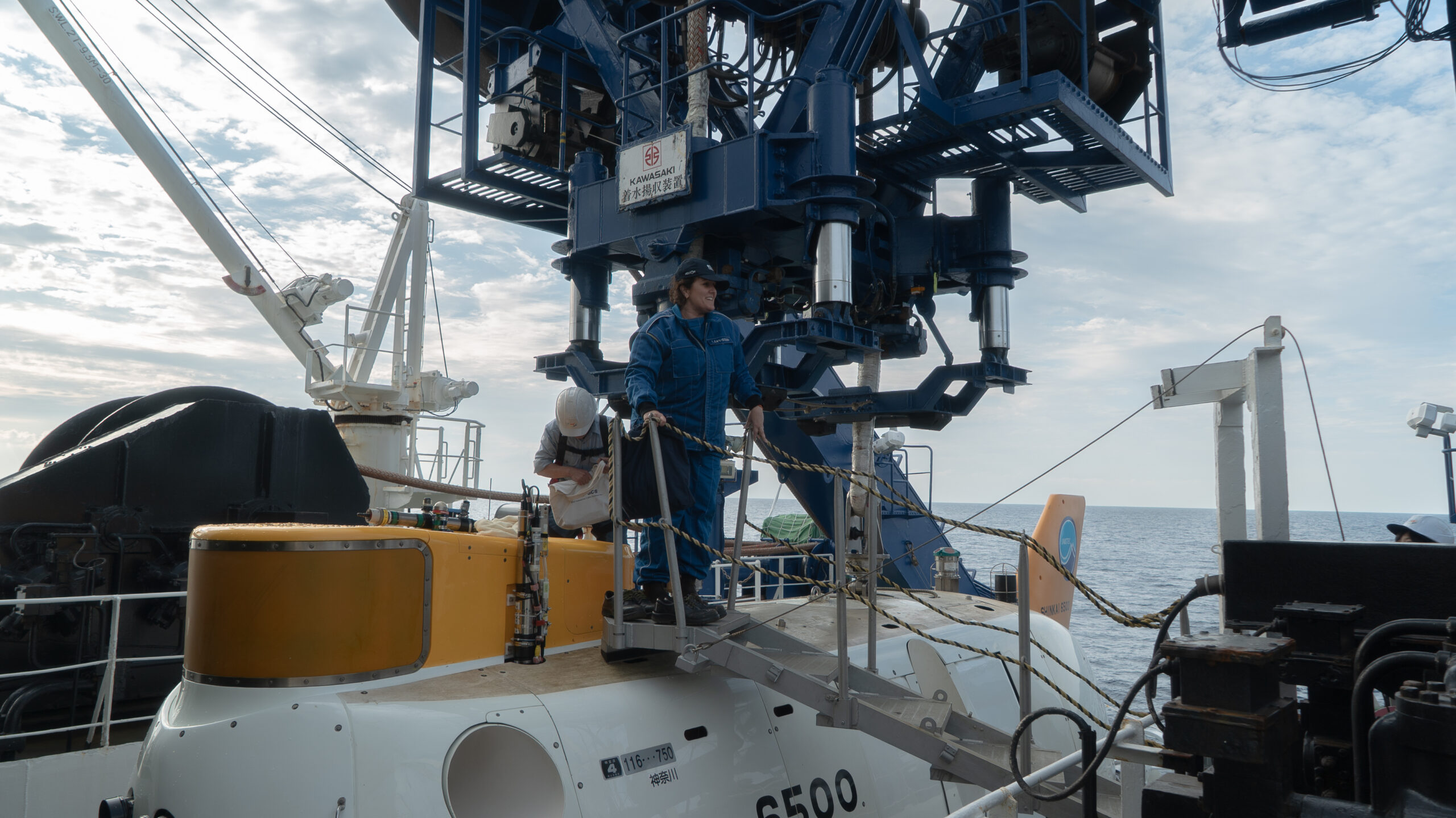
The June 2025 expedition, conducted aboard JAMSTEC’s research vessel Yokosuka and supported by the famous Shinkai 6500 manned submersible collected >528 specimens, all catalogued, imaged, and preserved for future morphological and molecular analyses. In October 2025, taxonomists from Japan and around the world convened at JAMSTEC Headquarters (Yokosuka, Japan) for a dedicated Species Discovery Workshop, confirming the status of these new and potentially new species and coordinating next steps for the publication of scientific papers.
Featured Image: The Nippon Foundation-Nekton Ocean Census/©JAMSTEC
“The discoveries made in the Nankai Trough and the Shichiyo Seamount Chain remind us how little of our ocean has truly been explored. By supporting missions like this, The Nippon Foundation is helping to open a new frontier of knowledge for Japan and for humanity. Each new species discovery is a step toward understanding, valuing, and ultimately safeguarding our shared ocean.”
Mitsuyuki Unno, Executive Director of The Nippon Foundation
Among these discoveries are two breakthrough studies: a comprehensive survey in the journal Ecosphere, led by JAMSTEC researcher Dr Chong Chen, revealing a five-fold increase in biodiversity at Nankai Trough cold seeps, and research in The Zoological Journal of the Linnean Society led by Dr. Naoto Jimi, which demonstrates the remarkable evolutionary history of symbiotic sponge-dwelling worms, which have evolved to live ‘in a glass castle’.
“This is about Japan leading global ocean science,” said Dr Akinori Yabuki, Principal Investigator. “Deep-sea discovery requires long-term commitment and world-class technology, and Japan is one of the few nations that are uniquely positioned to drive this work.”
Nankai Trough:
Landmark Survey of Cold Seeps Reveals
Five-Fold Increase in Deep-Sea Biodiversity
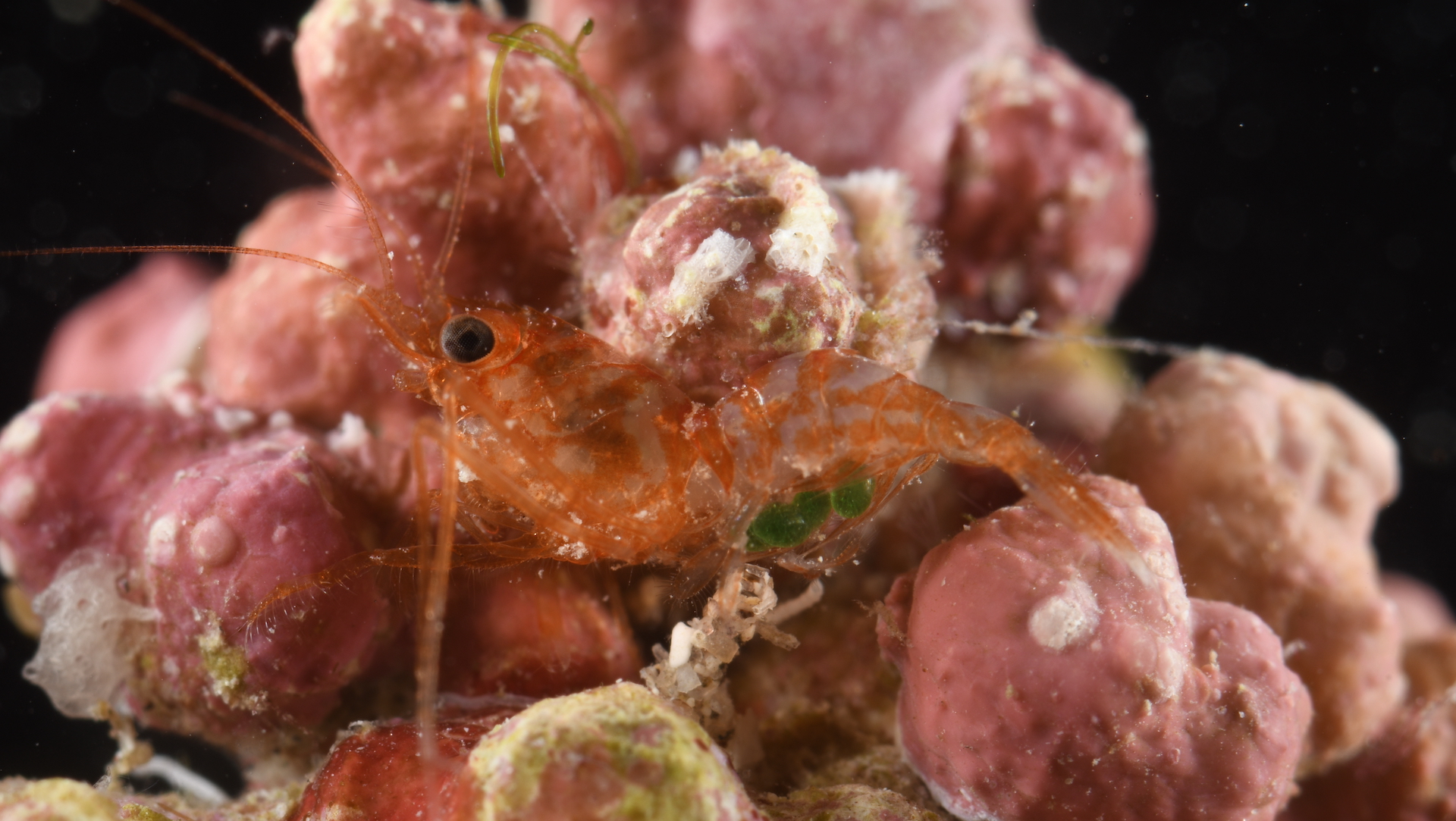
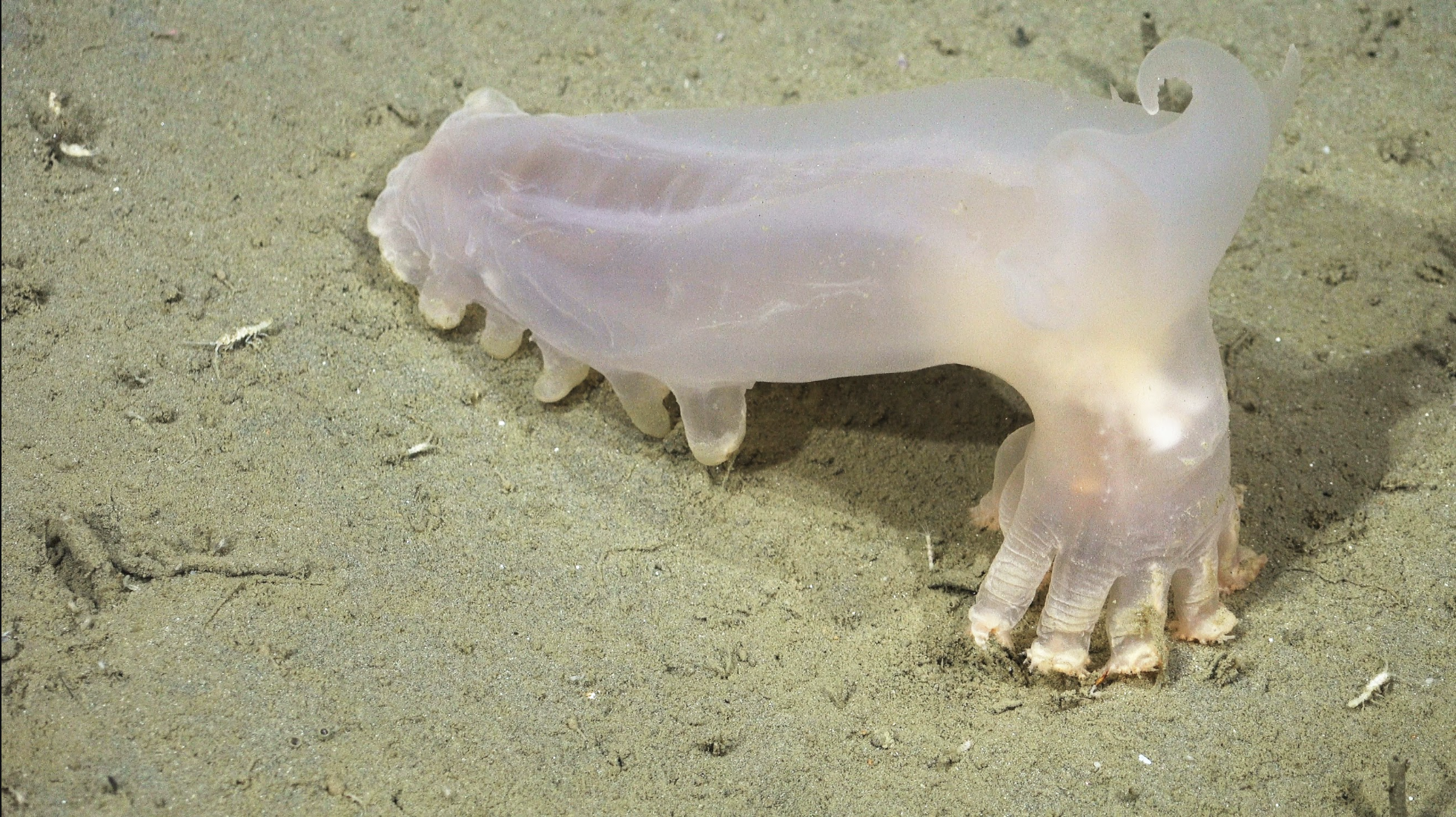
A major new study has revealed a five-fold increase in known biodiversity in the Nankai Trough, one of Japan’s most geologically active deep-sea regions located 500–600 km southwest of Tokyo. The expedition was led by JAMSTEC scientist Dr Chong Chen with a team of expedition scientists. Up from just 14 previously known animal species inhabiting cold seeps, it documented 80 animal species, making this the most comprehensive biological survey of the region ever undertaken.
The Nankai Trough paper is published on Ecosphere Journal and can be read free of charge here: https://doi.org/10.1002/ecs2.70451
80 seep-associated animal species, including:
- 33 molluscs – including snails, clams, and a glisten-worm
- 23 annelids – including lugworms
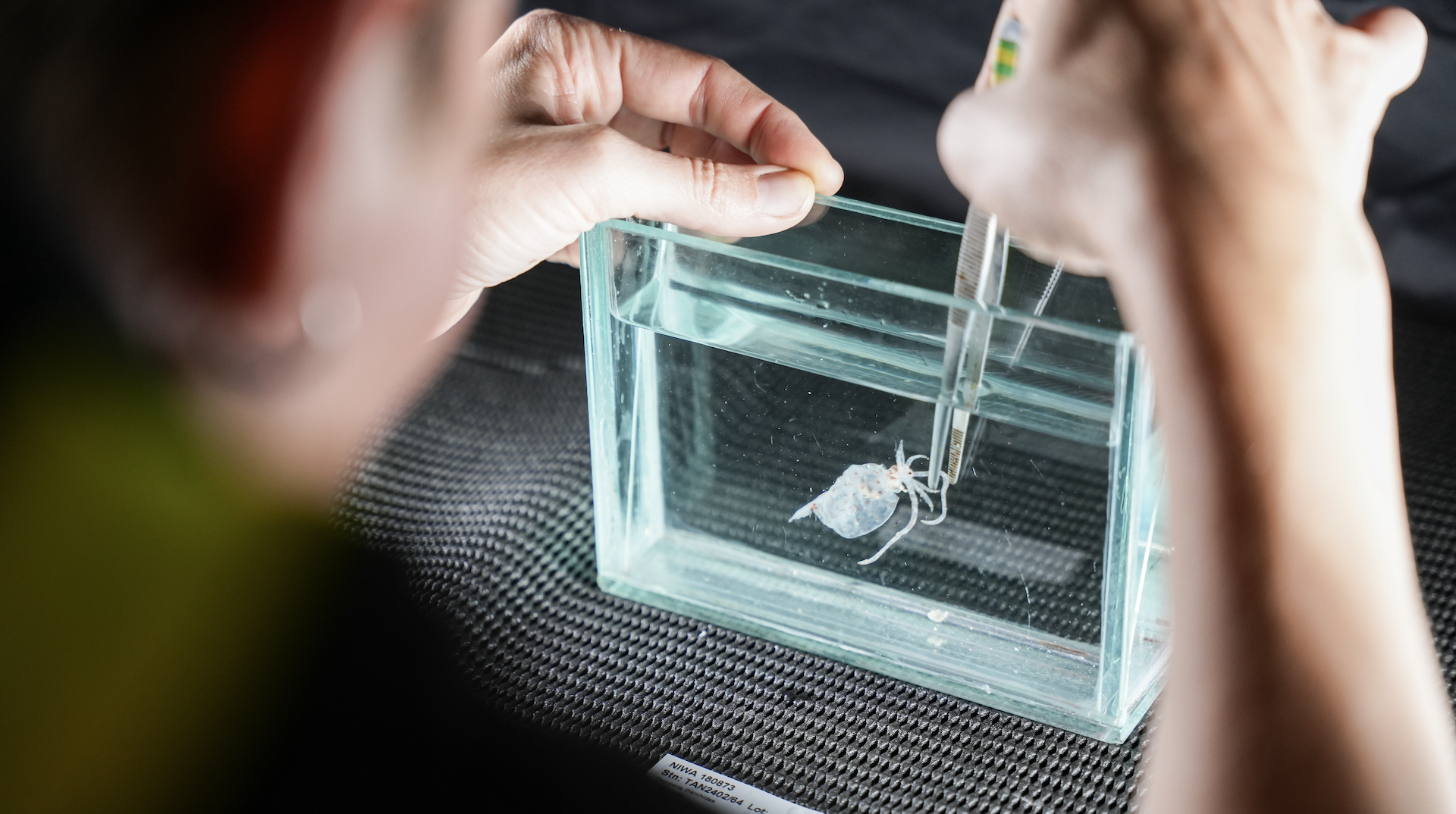
- 11 arthropods – crustaceans such as crabs, shrimp and amphipods
- 5 nemerteans – ribbon worms
- 4 echinoderms – sea stars, brittlestars, and sea cucumbers
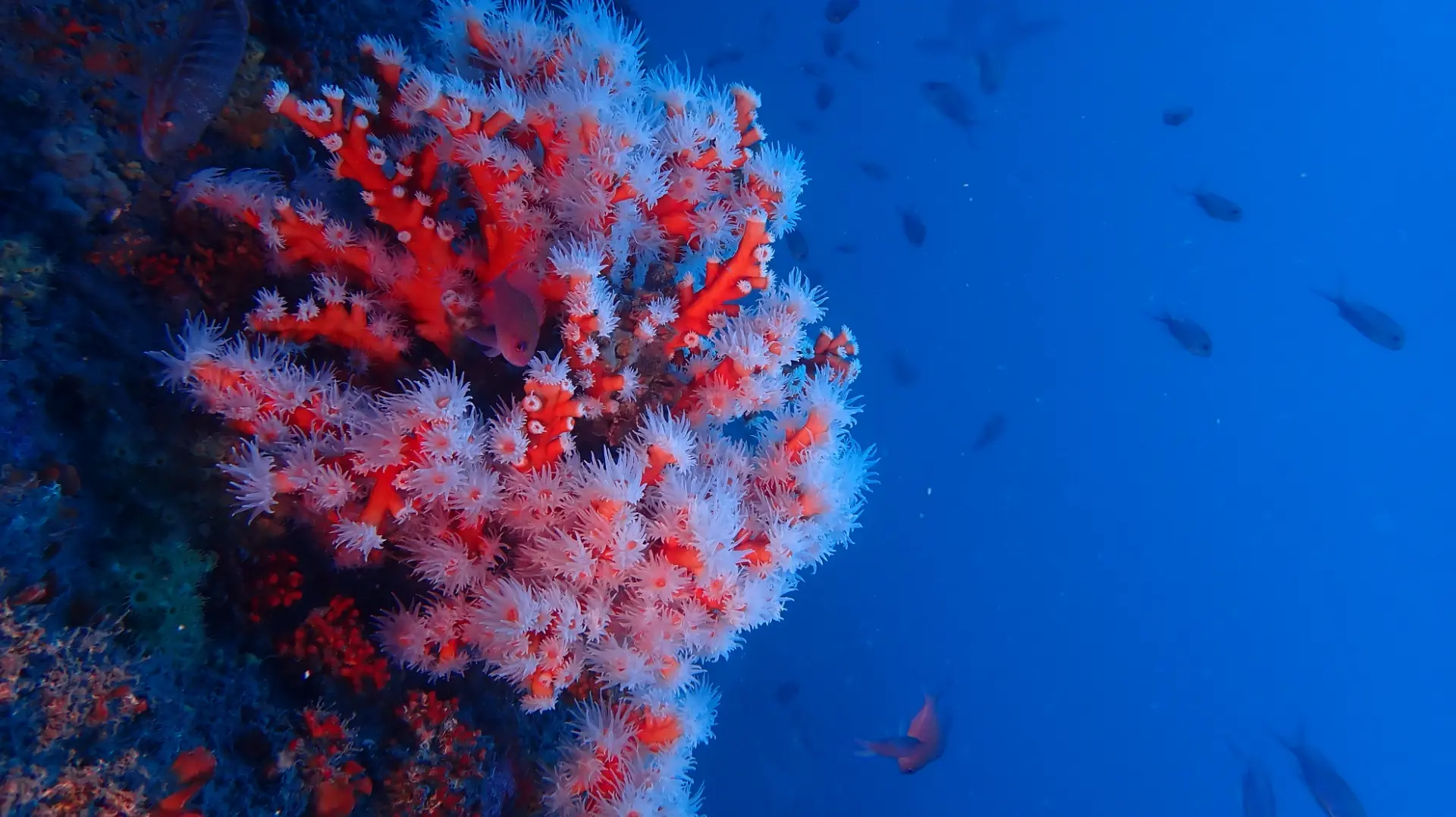
- 3 cnidarians – Zooanthid, anemone and hydroid
- 1 bryozoan – Bryozoa
The results include numerous range extensions, new national records, and previously unknown species associations, revealing the Nankai Trough has an exceptionally rich biodiversity.
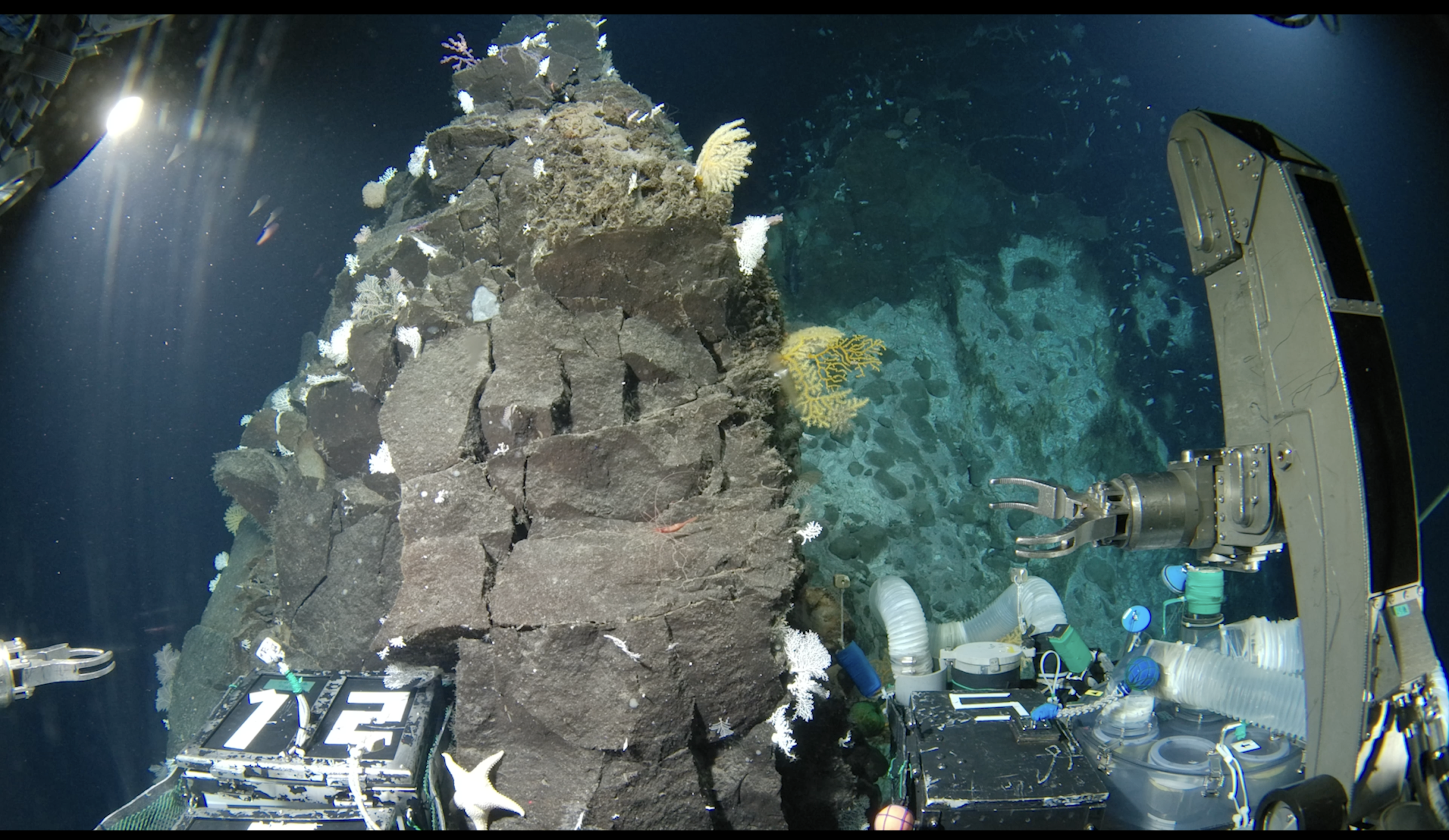
Credit: The Nippon Foundation-Nekton Ocean Census/©JAMSTEC
Shichiyo Seamount Chain:
Japan’s “Offshore Mountains” Yield New Species and Rare Sponge Symbiosis
Southeast of Tokyo and 500–700 km offshore, the Shichiyo Seamount Chain rises from the northwestern Pacific as a series of submerged volcanic peaks. Prior to the 2025 expedition, many of these remote seamounts have remained largely unexplored from a biological perspective. During the landmark Ocean Census: JAMSTEC–Shinkai expedition, researchers aboard the Shinkai 6500 conducted the biological dives in this region, revealing rich ecosystems, including new coral gardens and seafloor areas densely covered with sponges.
Life in a ‘Glass Castle’
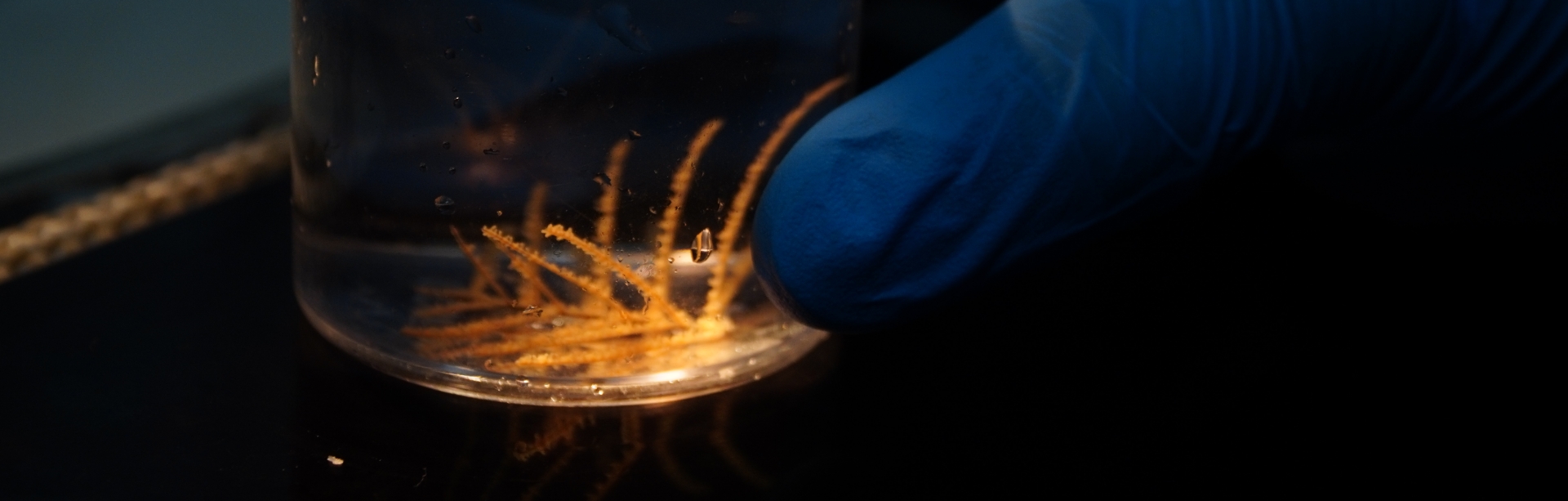
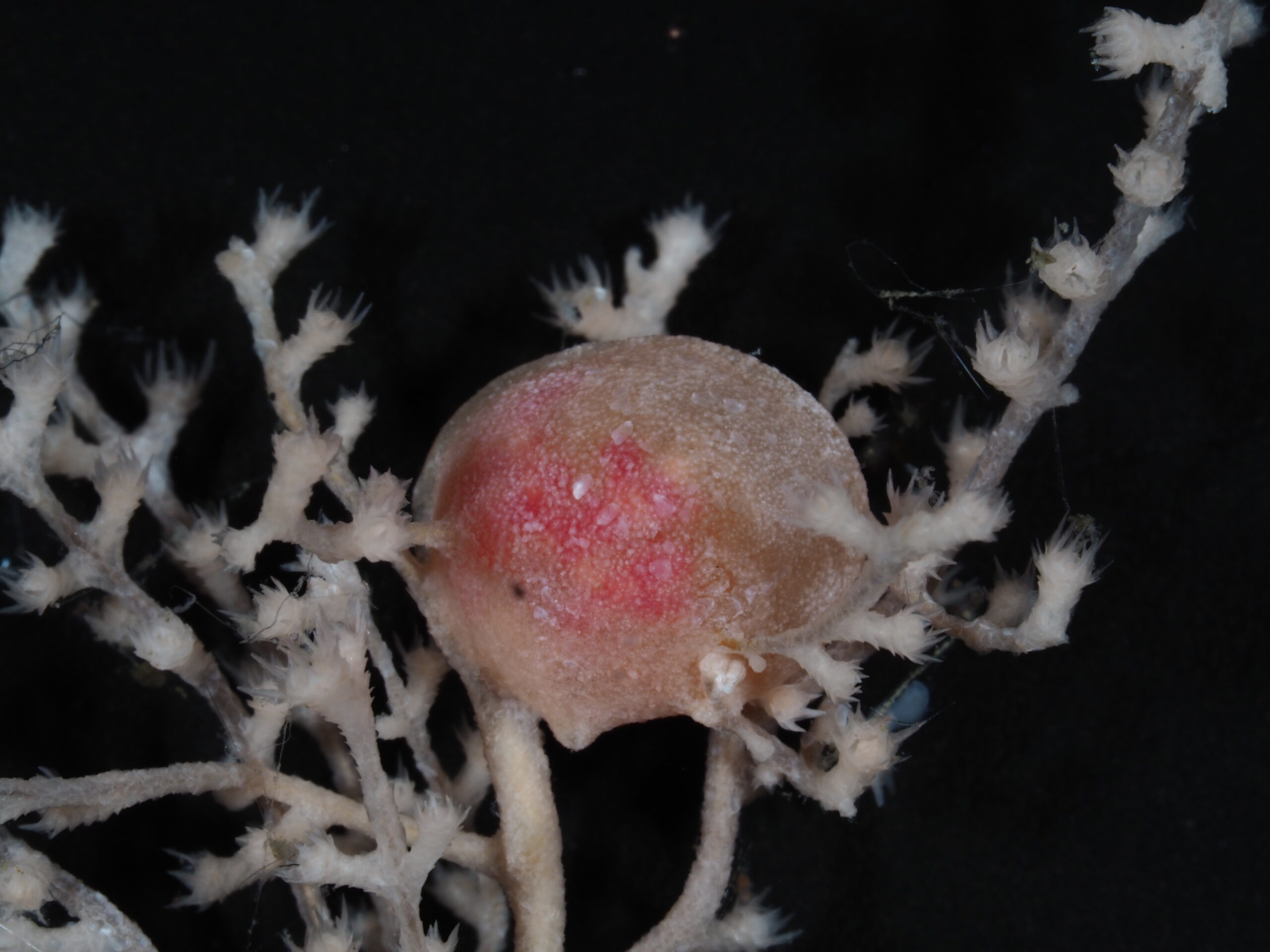
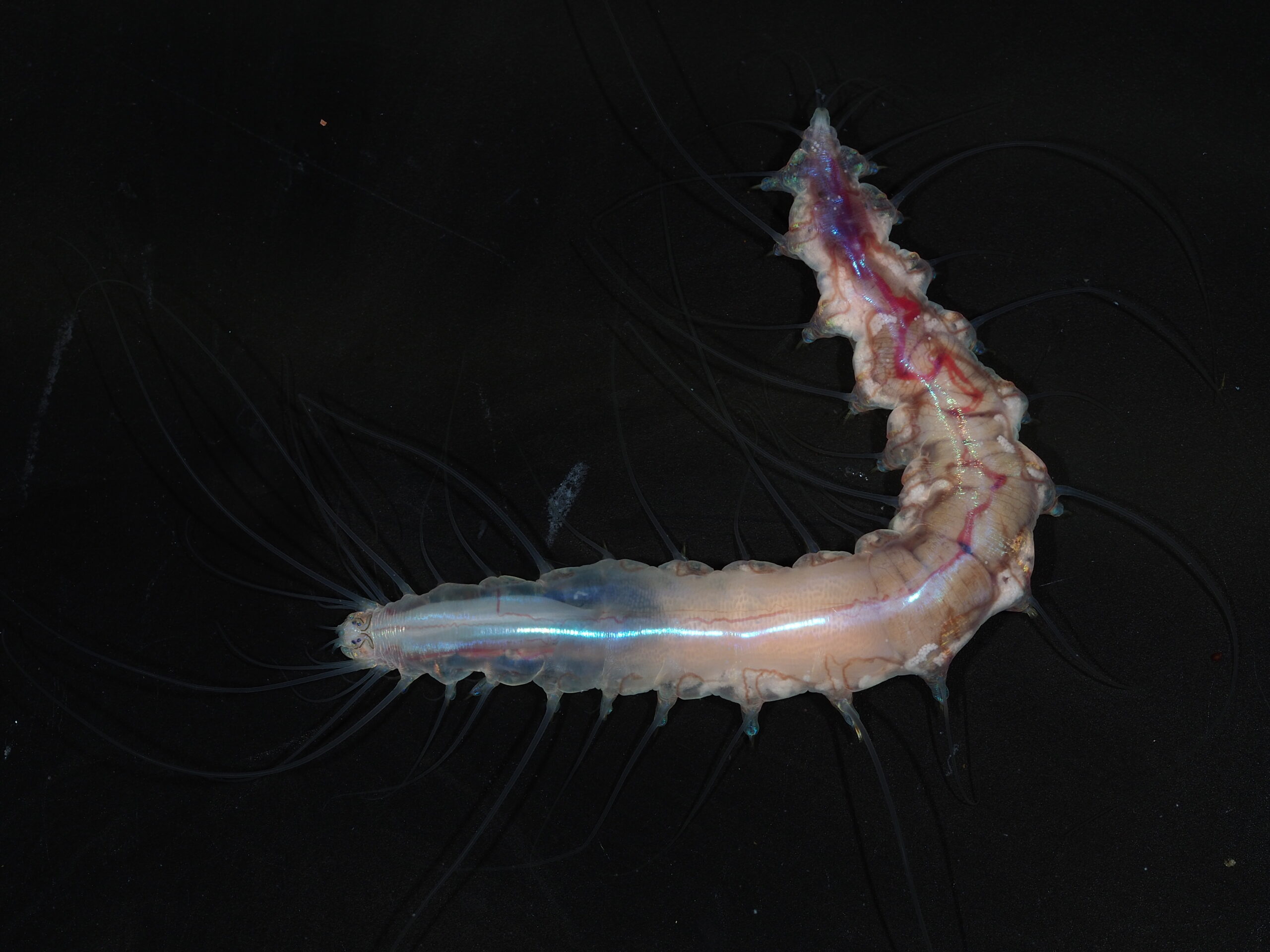
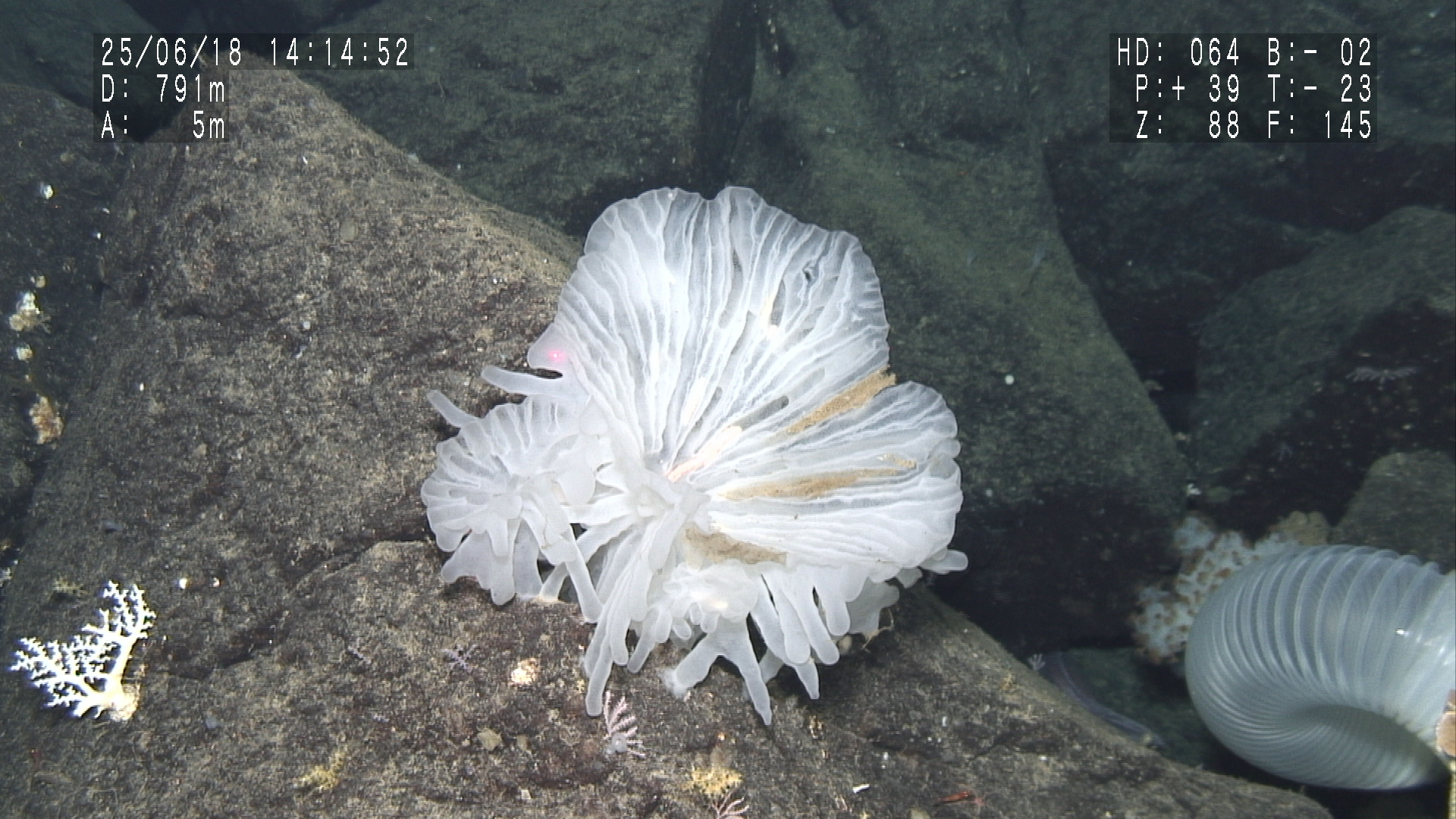
During the dive, a large glass sponge observed at Shichiyo Seamount was found to play an important biological role for certain polychaete worms. This study formally describes and names two new species of polychaete worms—Dalhousiella yabukii and Leocratides watanabeae—which were found living symbiotically within the same glass sponge. Glass sponges construct an intricate, mesh-like skeleton out of silica, the same material used to make glass. Living within this structure is akin to residing in a “glass castle,” as the rigid, translucent framework provides a protected cavity for symbiotic animals.
Although these worms share a single “glass castle,” analysis suggests their symbiotic lifecycle evolved independently. A paper detailing these findings has been published in the Zoological Journal of the Linnean Society and can be accessed at the following link: https://doi.org/10.1093/zoolinnean/zlag028
Beyond these symbiotic worms, the Shichiyo seamount dives also revealed:
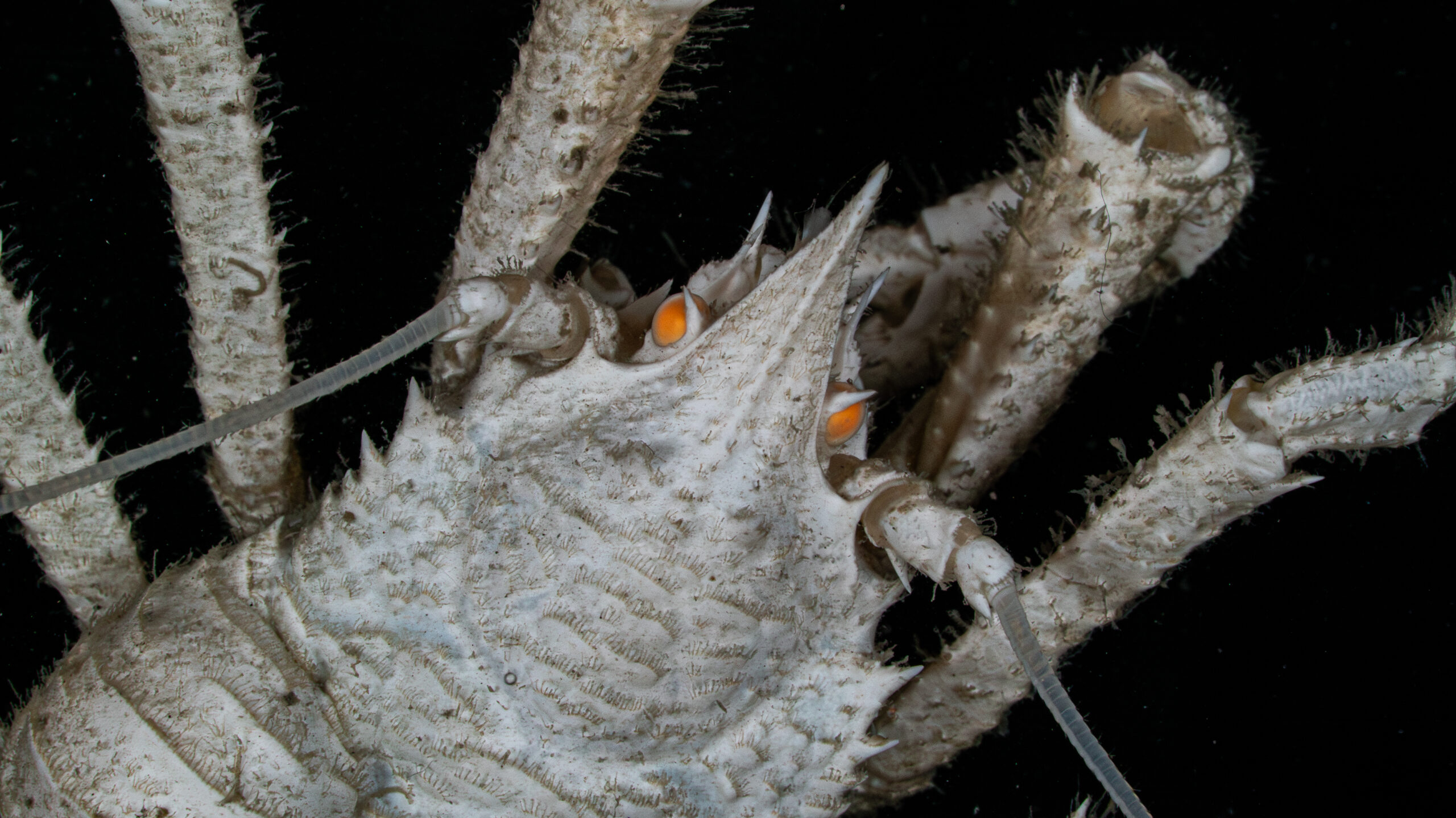
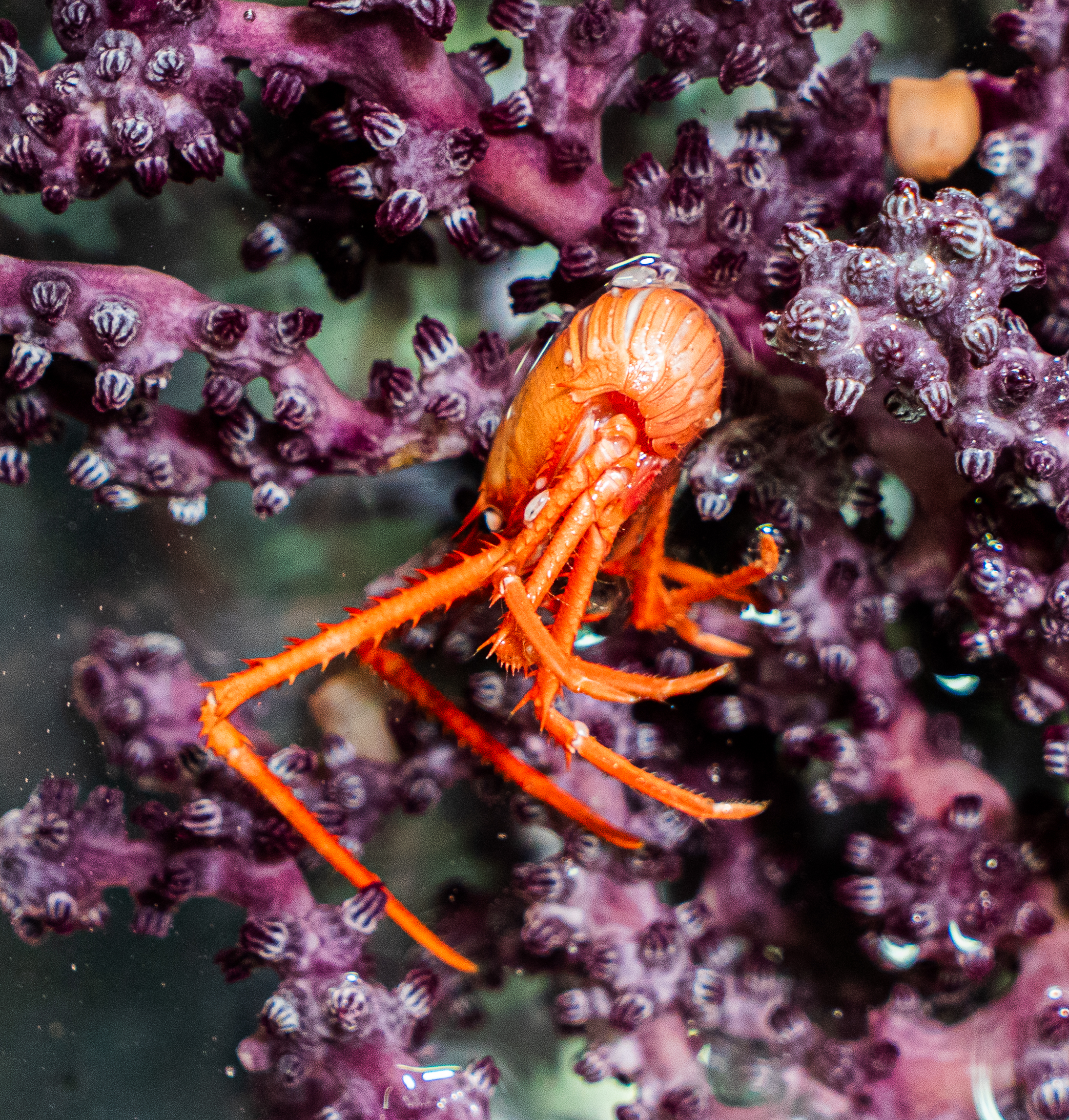
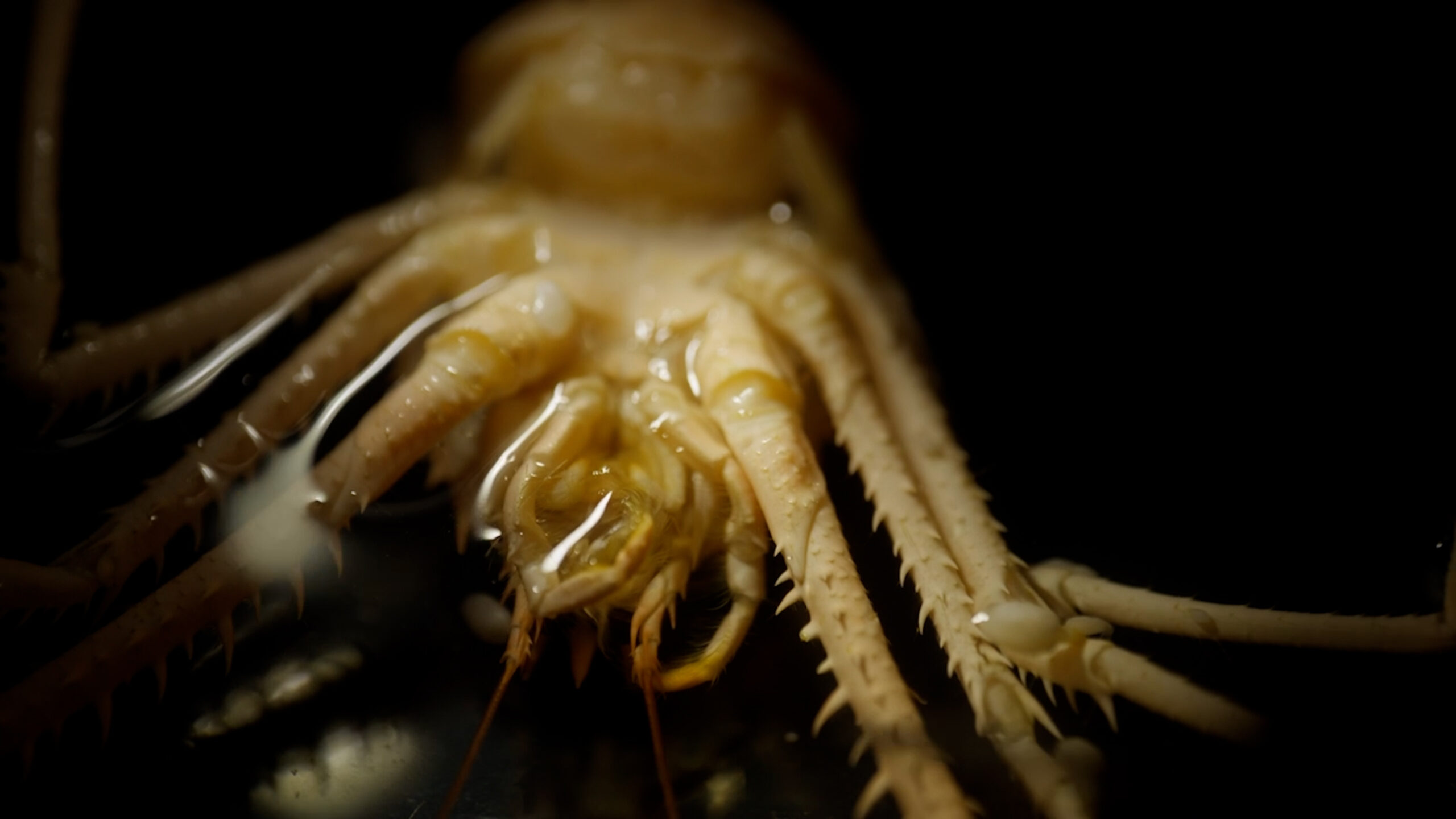
- Five new species of squat lobsters, including deep-sea species belonging to the genus Munidopsis.
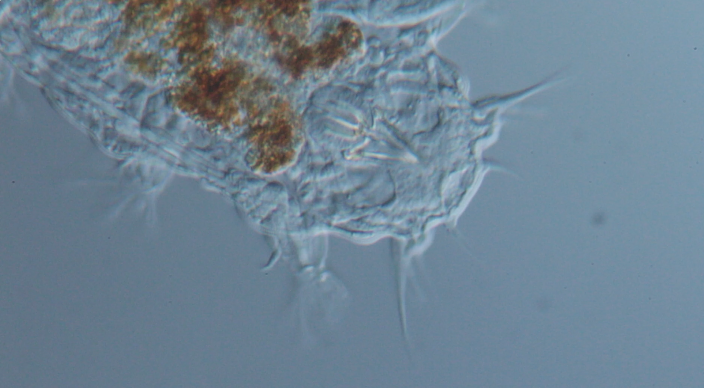
- Newly observed octocorals, nemerteans, amphipods, gastropods, and kinorhynchs.
- Several species previously thought to be rare or absent from Japanese waters.
Together, these findings position the Shichiyo Seamount Chain as a region of special interest for Japanese marine science, with rich biodiversity hidden across terrain that had remained unvisited by researchers until now.
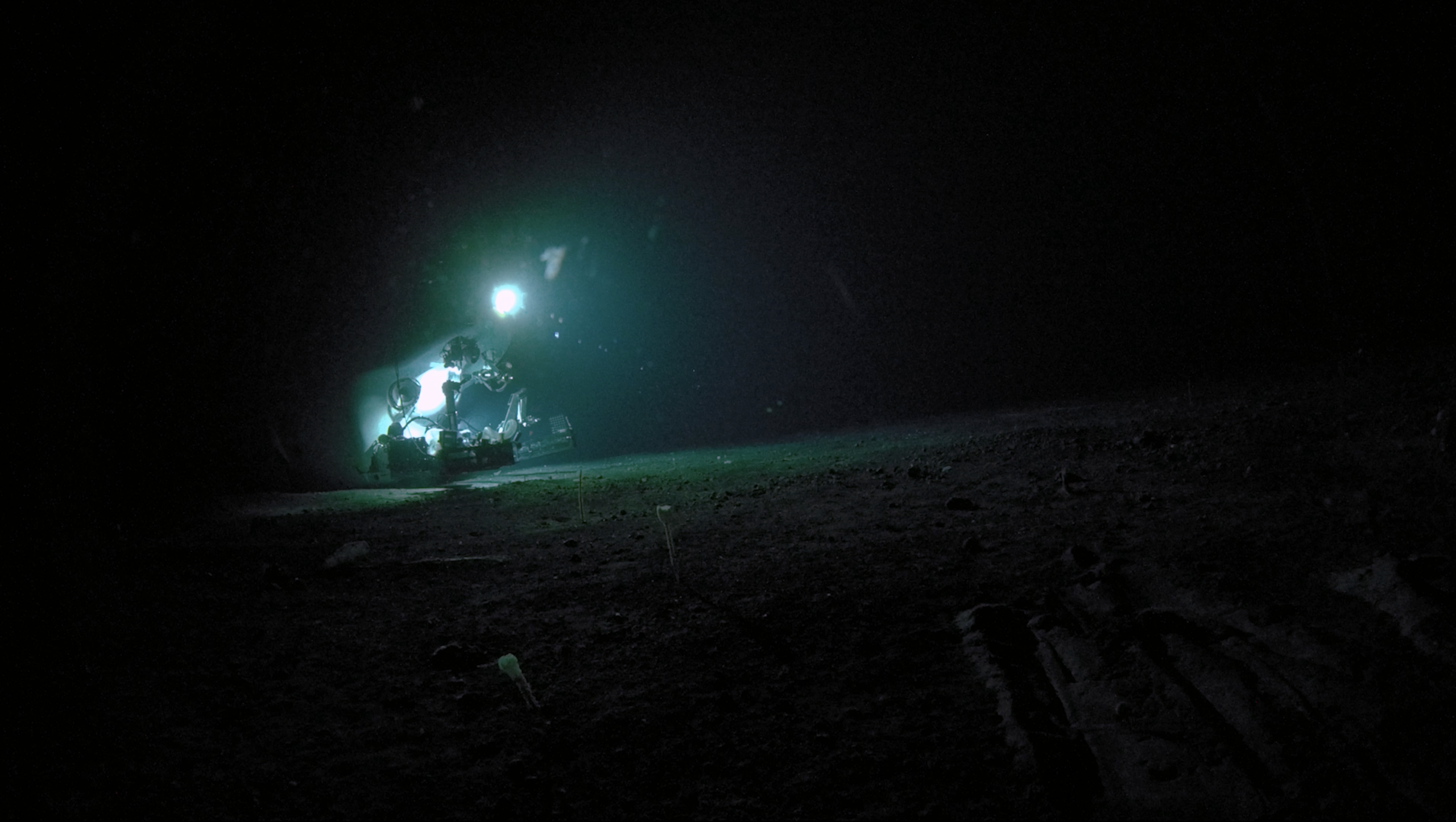
Credit: The Nippon Foundation-Nekton Ocean Census/©JAMSTEC
About the organisations
The Nippon Foundation-Nekton Ocean Census
The Nippon Foundation–Nekton Ocean Census is the world’s largest initiative dedicated to accelerating the discovery of ocean life. Although the ocean covers over 70% of the planet, it remains one of Earth’s least explored ecosystems, with only about 240,000 marine species formally documented—while millions more are thought to remain undiscovered.
Launched in April 2023 by The Nippon Foundation and Nekton, Ocean Census is a global mission designed to close this knowledge gap. Through major expeditions, advanced technologies and a worldwide scientific network, the programme is transforming how quickly we can document and understand marine life. Ocean Census is endorsed by the UN Ocean Decade and supported by partners across science, media, philanthropy, business and civil society.
The Nippon Foundation
The Nippon Foundation is Japan’s largest philanthropic foundation. Since 1962, it has supported projects in education, healthcare, food security, and ocean conservation. The Foundation plays a pivotal role in advancing marine science in Japan and globally, through partnerships with leading scientific institutions.
JAMSTEC
JAMSTEC is engaged in activities to contribute broadly to the improvement of science and technology, the development of academic research, and the understanding of the Earth and life through ocean research in Japan, a nation of oceans. JAMSTEC promotes research and studies on the understanding of the global environment, the utilization of ocean resources, and seismic and volcanic activities. In addition, JAMSTEC creates new value from the data obtained through research activities to contribute to the needs of society and the economy.
For More Information
Open Science for the Ocean
In alignment with Ocean Census’s global mandate, all new species records, images, and data will be made openly available through the Ocean Census Biodiversity Data Platform as analysis continues. Multiple scientific papers arising from the expedition are already in preparation or under review.
Together, these findings position the Shichiyo Seamount Chain and Nankai Trough as a region of special interest for Japanese marine science, with rich biodiversity hidden across terrain that had remained unvisited by researchers until now.
Editors Notes
Media can access Images in the press kit here
Expedition Film
Editorial Guidelines
- We kindly request that editors and journalists use the full programme name “The Nippon Foundation-Nekton Ocean Census” the first time it is referenced and/or for quotes and photo captions. Additionally, if editorial policy allows, we would be grateful for a brief acknowledgement of our co-founders (The Nippon Foundation and Nekton Foundation), without whom our programme would not be possible.
Press Contacts
- The Hoffman Agency (For enquiries in Japanese and English)
- Ocean Census: Jack Hogan, Communications Manager, press@oceancensus.org
Interview Opportunities
- The Nippon Foundation: Mr Mitsuyuki Unno, Executive Director of the Nippon Foundation
- Ocean Census: Dr Michelle Taylor, Head of Science
- JAMSTEC: Dr Hiromi Kayama Watanabe
Related News

Join the census
The Ocean Census Alliance unites national and philanthropic marine institutes, museums, and universities, backed by governments, philanthropy, business and civil society partners.


